Hipcamp Turned a Shortage of Campsites Into a Private-Land Marketplace
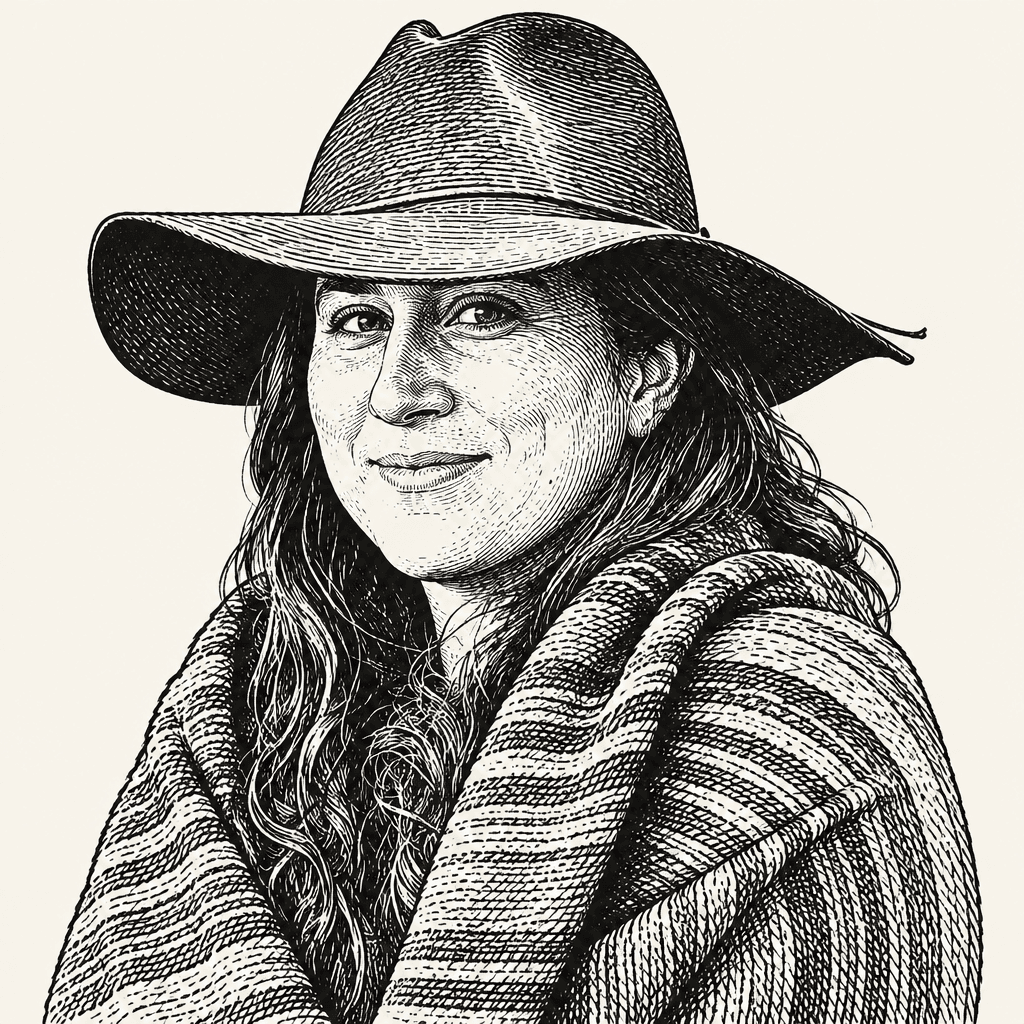
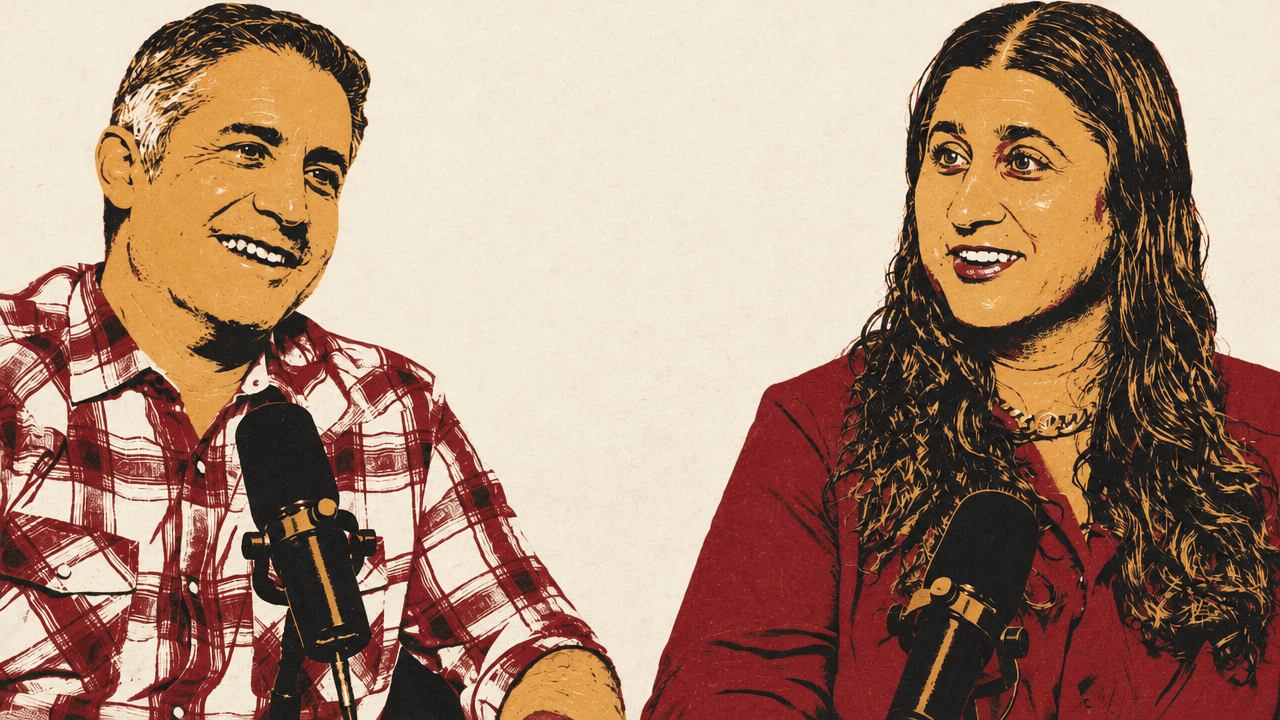
Hipcamp founder Alyssa Ravasio argues that the company’s business model emerged when a campsite directory exposed a deeper problem: too few places to camp. Rather than simply make existing sites easier to book, Hipcamp began helping private landowners host campers, adding supply while giving owners a way to earn income from their land. In a conversation with Masters of Scale host Jeff Berman, Ravasio describes how customer complaints and early host demand helped establish that model—and why protecting her health became part of sustaining the company.
A campground directory revealed a shortage of places to camp
Alyssa Ravasio started Hipcamp after finding that booking a campsite meant piecing together information scattered across different websites. A search for a coastal spot in California could involve national parks, state parks, Forest Service sites, county parks and private campgrounds—about 15 websites, she recalled. The process felt decades behind booking food, a car or a hotel on a phone.
Her first product was not a rental marketplace. It was a guide to public campgrounds: a map that gathered listings and gave campers a place to share practical advice. The idea came from a trip she had spent hours planning. She arrived at a coastal campground to find a beautiful surf break nearby. She loved surfing but had left her board at home because none of her research had mentioned it.
Hipcamp, first called California Camping, was meant to make information easier to find and, more broadly, to make it simpler for people to get outside. Ravasio had wanted to run her own company for years. At previous startups, she found it difficult to stand by when she believed a decision was wrong. Acting against her judgment, she said, “killed my soul.” She wanted to build in a way she believed was right, but not to start a company simply for its own sake. The problem had to be worth years of work.
What made the idea compelling was the combination of two interests: the internet’s ability to change how things work, and her desire to help people reconnect with nature. At the beginning, however, she had the problem and the conviction, not a clear business model.
I really had a good understanding of scale and the internet. But then it was combining that with nature and the outdoors. I did not have clarity on how we were going to make money, how are we going to build a company.
She learned to code at Dev Bootcamp because finding an engineer willing to build her earlier startup ideas had repeatedly become a bottleneck. With help from her sisters and friends, she built the first version of the site. She also went looking for users herself: attending meetups, showing the site to campers on her laptop, handing out stickers and setting up a card table outside an REI store in San Francisco. The work was both marketing and product research. She asked people what they wanted, what they liked and what was missing.
One customer-support exchange brought a sudden burst of attention. A user suggested adding a pet filter; Ravasio replied that the team was working on it. The customer had a large Twitter following and recommended Hipcamp. Traffic spiked, and one of the resulting emails came from investor Dave Morin, who invested $250,000 later that month. The exchange showed how a user’s request could do more than improve a feature: a thoughtful response could bring a community member into the company’s orbit.
Customer complaints pointed to a shortage of campsites
Alyssa Ravasio said the directory was attracting users, but its success created a problem. Whenever she promoted an unbooked campground, she received angry messages from people who feared losing one of the few places they could still visit without planning six months ahead.
Ravasio did not dismiss those complaints as mere gatekeeping. Some people were protecting access to a place that mattered to them. One correspondent said that after a hard week, they needed to be able to get outside on the weekend—and that the campground in question was the last place they could do so. The response forced a difficult question: how could Hipcamp pursue its mission of getting more people outside if many existing campgrounds were already full?
At the time, the company had raised a seed round led by Bryce Roberts of OATV, and Morin had invested. But Ravasio still did not know how the business would make money. She and her husband sat down at a North Beach Italian restaurant and wrote possible models on the paper tablecloth: advertising, gear delivery and, among other ideas, camping on private land.
Private land initially seemed like a niche possibility. A few landowners had suggested it, but Ravasio had little experience camping on private property and was not yet convinced. The idea became more compelling when she asked what Hipcamp’s business might make possible if it succeeded over a 10- or 20-year horizon. A booking service for existing sites would help people find places; opening private land to camping might add places that did not yet exist as bookable supply.
That distinction changed the scale of the opportunity. Ravasio saw private land as a way to address what she considered the root cause: not enough good campsites. It could shift a system defined by scarcity toward greater supply, while creating a model she believed could support conservation. She also saw the possibility of a very large company, but emphasized that this was not an obvious or certain bet at the time.
The next test was direct. Ravasio emailed Hipcamp’s user base, offering $500 to anyone who could introduce her to a private landowner willing to host campers. She received responses and spent the following week visiting properties. At Mendocino Magic, she walked around a lake with the landowner, Mackenzie. Mackenzie was trying to keep the property in her family and protect its redwoods; if the land were sold, Ravasio said, it risked being logged, displacing the owls and foxes that lived there. The owner’s aims and Hipcamp’s mission aligned. Looking around, Ravasio thought, “This is going to work. We can do this.”
Hipcamp used public campground listings to establish an initial base of supply. When private land was added, the company already had campers looking for places to go. Ravasio described the transition as relatively seamless: private properties meant more supply, often in beautiful, private places that users could book. The team learned that many campers cared more about finding a beautiful, private place than whether it was managed by a public agency or an individual landowner.
Insurance and host interest made private-land camping workable
Alyssa Ravasio described insurance as a turning point in making private-land hosting workable. Before Hipcamp had a policy it could share with landowners, it was almost impossible to persuade people to sign up. The company eventually put in place a general policy with coverage for both landowners and Hipcamp.
A sharper signal of host demand arrived through a newsletter partnership with a large regenerative or organic farmers’ association. The association invited members to sign up to host campers. Ravasio opened Hipcamp’s back-end systems the morning the newsletter went out. She expected a handful of registrations; instead, she saw hundreds. “I got to just scroll through. And I started crying,” she said.
The responses explained why the count mattered. People wrote that they had been discussing hosting for years but could not afford insurance, did not know how to market their land or had no way to reach potential guests. Hipcamp already knew there was camper demand. The newsletter showed that landowners were waiting for a way to meet it. Ravasio dated the moment to around 2017.
She also pointed to a regulatory change in California as an example of how the operating environment could shift. Ravasio said that the previous year, California had passed legislation creating a framework counties could opt into. Under it, certain larger properties—particularly farms, ranches and land trusts—could host up to nine campsites without going through the more onerous permitting process for an RV park. Before the change, she said, there had been no separate regulatory lane for these lower-impact campsites.
Ravasio described support for the change as unusually broad, spanning groups such as the Farm Bureau and the Nature Conservancy. In her account, the coalition reflected a shared interest in outdoor recreation: it can bring economic activity to rural communities while supporting infrastructure such as trails and boat ramps that residents can use too.
The marketplace dynamics also became part of Hipcamp’s defense against competition. Asked whether Airbnb could enter the category, Ravasio said the use case was different: people seeking to get outside are not necessarily looking for an alternative hotel or rental home. She acknowledged overlap, but argued that a competitor would need different branding, product and setup. For Hipcamp, she said, scale itself was the strongest moat. Each additional campsite improves the choice for campers; each additional camper makes the platform more valuable to hosts.
The model now spans three related roles, according to Ravasio: a search engine for public land, a search and booking engine for commercial campgrounds, and a search and booking engine for private land—a category she said Hipcamp had helped create. She said the company, then close to 100 people, was sending more bookings to US commercial campgrounds than any other platform by nearly an order of magnitude.
Company visits connect bookings to people and places
Alyssa Ravasio measures the mission in “nights outside,” the company’s core KPI. At millions of trips, that measure can become abstract. Visiting a property brings it back to individual people and places.
On a company visit to Slide Ranch in Stinson, a Hipcamp and nonprofit focused on helping children connect with nature, the team heard how camping revenue supported scholarships. Ravasio said the organization had moved from a serious deficit into the black. The source shows the team at the coastal property, including its campsites and the landscape around them. Ravasio also watched campers set up tents and described seeing them find “moments of exhale and peace.” The work, she said, was making those moments possible. A walk past a campsite can make the company’s large numbers concrete: a family putting up a tent is “one night outside.”
That connection informs how Hipcamp brings employees together. The company is mostly work-from-home, but holds in-person sessions when a problem is difficult to solve over Zoom. Teams sometimes meet at a campsite, where they can see the product in use and hear directly from hosts. For Ravasio, the value is not just motivational: being close to the land and the people using it can also help the team understand how the product could improve.
Her advice to other leaders was to bring teams as close as possible to the customer and to the real-world effects of their work. For Hipcamp, that means walking a campsite and seeing a family arrive. For another company, the setting would differ, but the point is to experience what the organization is building rather than discuss it only in the abstract.
Ravasio says protecting her health was her hardest challenge
Alyssa Ravasio named her own health and energy as the hardest personal challenge of scaling the company. Her intense commitment made it easy to justify small sacrifices—sleep, exercise, a healthy dinner—one at a time. Over years, she said, those choices accumulated. She developed shingles and went to the emergency room; the doctor recognized it immediately and asked what was happening at work.
Her lesson was not that founders should care less about their companies. It was that sustained work requires systems and habits that protect the person doing it. When people are exhausted, she said, they lose creativity and problem-solving capacity. A challenge that might invite curiosity can instead feel like a crisis. “There’s no glory in becoming unhealthy in pursuit of this mission,” she said.
The same long view that helped her see private land as a business opportunity also shapes her motivation. Ravasio wants technology to change culture for the better, rural economies to thrive and open land to be conserved. Hipcamp lets her pursue those aims through a business that uses technology to help people spend time away from technology.
One encounter with a host gave that ambition a physical reminder. At Salmon Creek Ranch, a 600-acre property in Northern California, the landowner, Leslie, handed Ravasio a letter from a financial buyer offering to purchase and develop the land. Leslie said they had kept such letters in a drawer. She told Ravasio that Hipcamp had made the offer “junk mail”: the income from camping meant she no longer needed to save it.
Ravasio said the landowners wanted to leave the land better than they found it. Another landowner, she said, told her that camping had turned a property from a liability they were nervous to pass on to their son into an asset. Ravasio keeps Leslie’s letter behind her desk. Those examples connect the marketplace’s growth to the stakes she sees in it: more bookable campsites can mean more nights outside for visitors, and a stronger economic reason for landowners to keep land intact.