Legal Pressure Helped Trump Rebuild His Coalition and Win Again
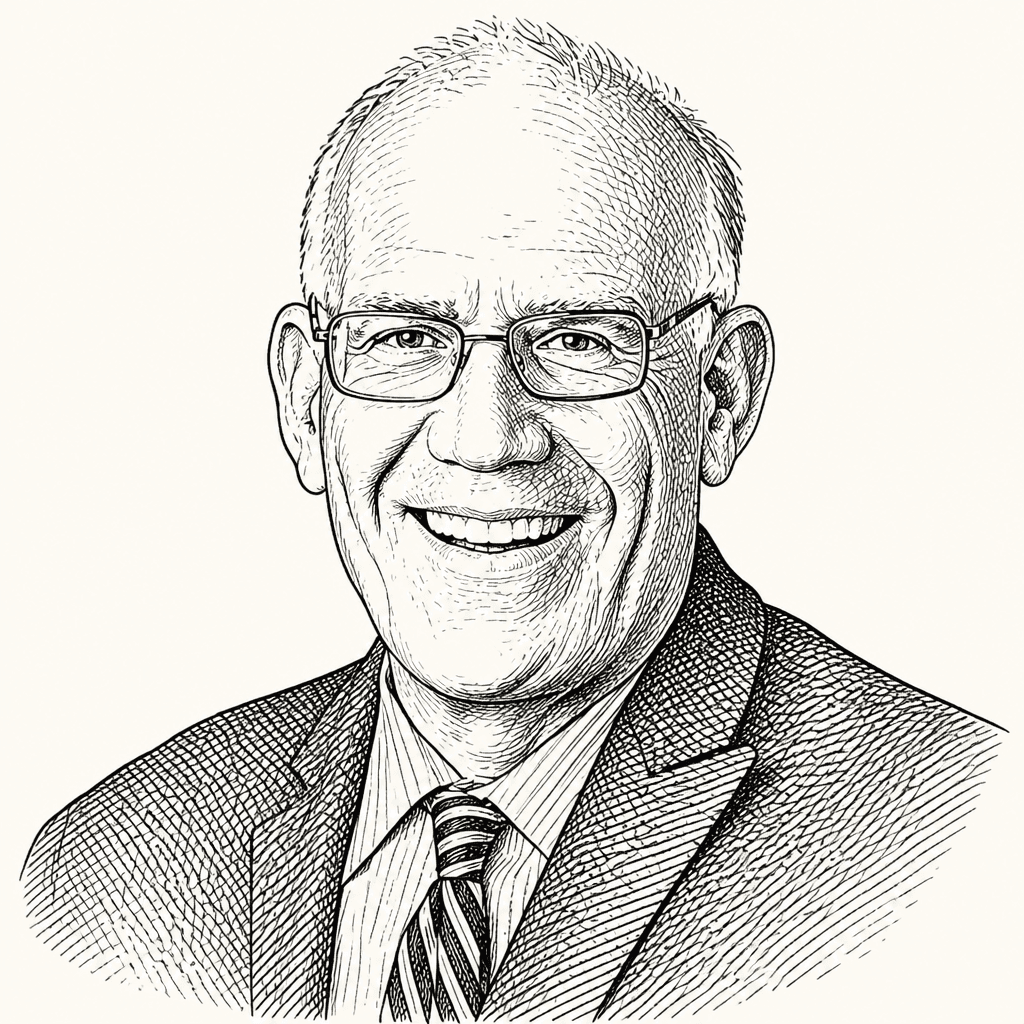
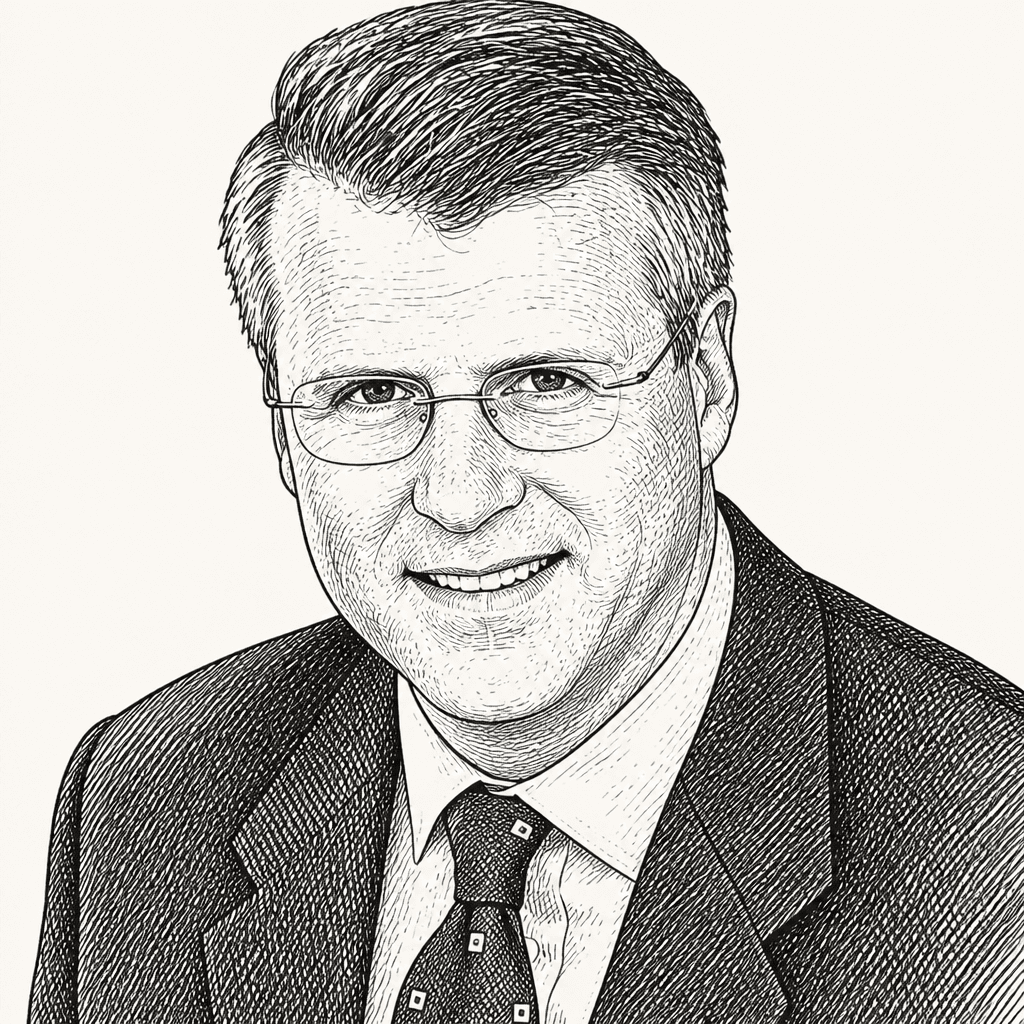
Historian Victor Davis Hanson argues that Donald Trump’s return to the White House was helped by the prosecutions that followed his political defeat: they made Trump more sympathetic to voters and weakened his Republican rivals. Hanson also credits Trump’s appeal to working-class Black and Hispanic men and his offer to technology executives of a less restrictive partnership against China. He casts Trump’s second-term agenda as a broader effort to challenge universities, media organizations and other institutions he sees as sources of progressive power.
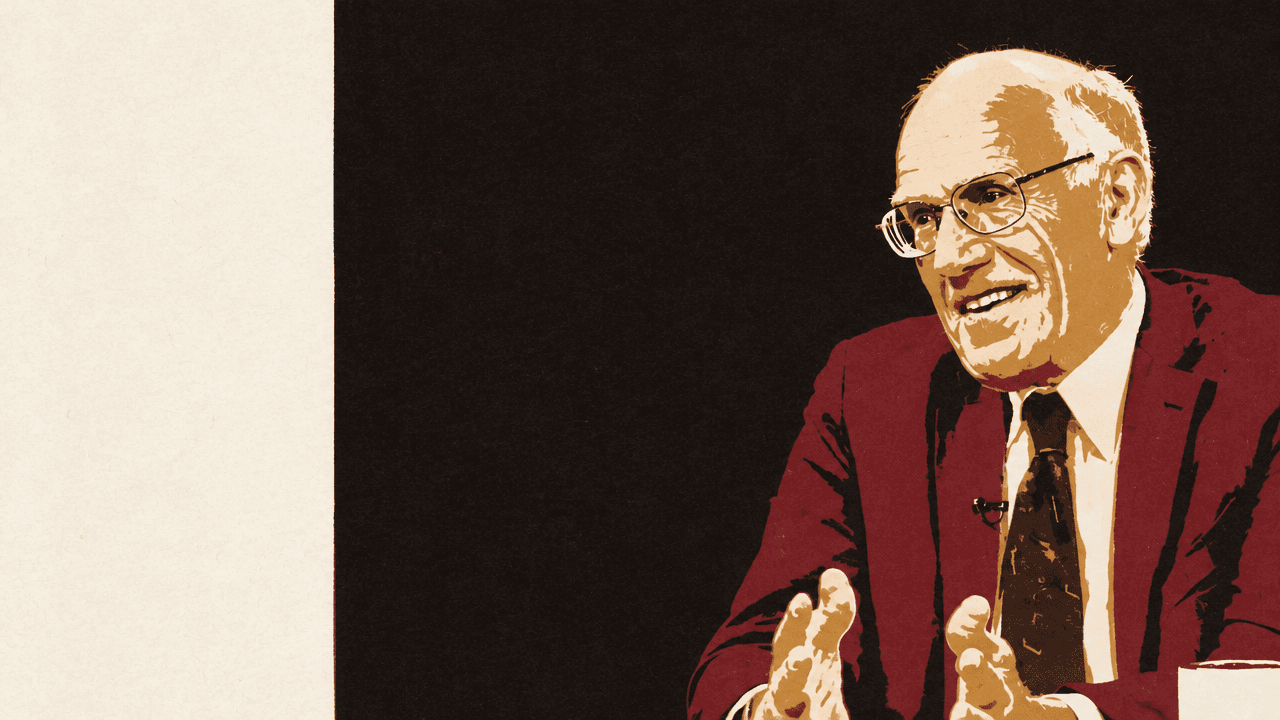
Prosecution helped turn a weakened candidate into a sympathetic one
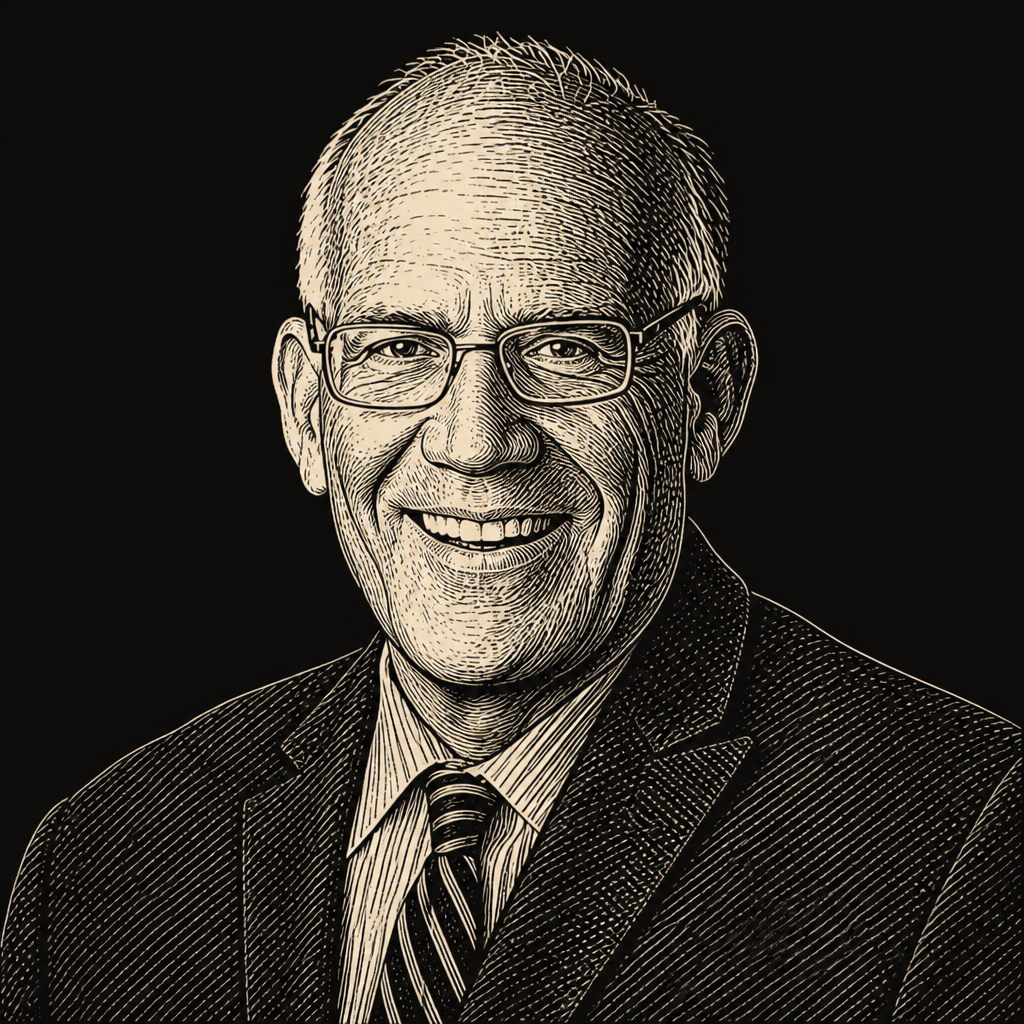
In Victor Hanson, Victor Davis Hanson’s account, Trump’s return began with opponents misjudging what legal pressure would do to his political standing. After the January 6 riot, Trump appeared finished: Senator Lindsey Graham said, “Count me out. Enough is enough,” and a week later several Republican senators joined Democrats in voting to impeach him. By December 2022, Peter Robinson noted, polls showed Trump trailing Florida governor Ron DeSantis by 16 points in the Republican nomination contest.
Hanson says Trump nevertheless saw reasons to run again. He believed his first term had been successful until the COVID lockdowns, but that he had not gone far enough in challenging what Hanson calls the causes of progressive power. Hanson cited growth of nearly 3% and inflation of 1.8% during Trump’s first three years. He argues that Trump had addressed symptoms rather than changing institutions such as public broadcasting, and that some senior officials in his administration were either not advancing his movement or might bend it away from its aims.
Hanson distinguishes among those officials. He describes H.R. McMaster as trying to translate Trump’s instincts into effective policy, while naming Jim Mattis, John Kelly, Steve Mnuchin, and John Bolton as figures who were not MAGA loyalists. Trump’s conclusion, Hanson says, was that a second administration should be staffed by people committed to his program. Hanson acknowledges visible excesses in that approach, citing the nomination of Matt Gaetz.
Another consideration was Trump’s belief that the Biden administration was pursuing a progressive agenda behind a comparatively centrist president. Hanson recalls that Bernie Sanders had been ahead in the 2020 Democratic primary, Biden had not won Iowa or New Hampshire, and then other candidates withdrew as support consolidated around Biden. Hanson says Trump and people around him believed Biden was not fully cognitively able to govern and that the administration was advancing a more progressive program than Biden’s public image suggested.
Events during Biden’s presidency reinforced Trump’s case, Hanson argues: Russia’s invasion of Ukraine, the withdrawal from Afghanistan, and inflation that Robinson put at 9.1% in 2022. Hanson also points to doubts about whether Vice President Kamala Harris could take over effectively.
The legal cases became another part of Trump’s calculation. He announced his candidacy on November 15, 2022; three days later, Attorney General Merrick Garland appointed Jack Smith as special counsel to oversee investigations into Trump’s role in January 6 and his retention of government documents. Hanson points to other personnel moves and meetings on that date as evidence of coordination among prosecutors and White House officials. He describes the timing as significant, while acknowledging that some details were uncertain.
Hanson’s broader argument is that the cases made Trump more sympathetic to voters and helped his campaign. He says people saw an attempt to break Trump “psychologically, spiritually, physically, economically,” and that Trump’s polling rose as investigations and prosecutions advanced. Hanson characterizes the actions of New York Attorney General Letitia James, Manhattan District Attorney Alvin Bragg, and Fulton County District Attorney Fani Willis as parts of a wider effort against Trump. He also argues that the Mar-a-Lago search and the E. Jean Carroll suit contributed to that perception. These are Hanson’s interpretations of the cases and their political effects.
Robinson quoted Hanson’s claim that Trump might not have won had he never been targeted by a liberal prosecutor. Hanson argues that hostility toward Trump clouded Democrats’ self-interest: some, he says, understood that prosecuting Trump could make him more appealing, but believed they had strong enough cases to put him in jail.
That legal pressure also constrained Trump’s Republican rivals. Hanson says DeSantis and Nikki Haley faced a no-win choice: criticizing the prosecutions risked alienating MAGA voters, while defending Trump invited the response that they should support him rather than run against him. In Hanson’s account, the cases helped Trump secure the nomination while weakening alternatives.
A class appeal built on authenticity and immigration
Trump’s gains among Black and Hispanic men were among the striking features of his 2024 coalition. Robinson cited NBC exit-poll figures showing Trump received 21% of Black men’s votes and 54% of Hispanic men’s votes, compared with Mitt Romney’s 6% and 27%, respectively.
Robinson pointed to the figures as an unusually strong showing for a Republican presidential candidate. Hanson’s explanation is that Trump tried to replace racial identity with class identity. He appealed, Hanson says, to workers across racial groups: a white sheetrocker, a Black truck driver, and a Hispanic electrician were more likely to share economic concerns than to share interests with prominent figures identified with their own racial groups. Trump talked about China’s effect on workers, Social Security, and producing more oil and gas. The pitch was that working people had more in common with one another than with wealthy or politically prominent members of their own groups.
Hanson identifies authenticity as another part of the appeal. He contrasts Trump’s consistent Queens accent and formal campaign appearance—a black suit and red tie—with politicians he says adjusted their accents or presentation for different audiences. Trump, Hanson argues, did not appear to be performing a version of himself tailored to a particular community. Some working-class voters, he adds, valued Trump’s refusal to apologize after provocative remarks. Hanson describes their reaction as fatigue with politicians who retract, qualify, or explain away what they have said.
Hanson’s account of Hispanic voters challenges the assumption that Spanish-speaking voters share a common view of immigration. He says many Mexican-American voters did not see new arrivals from Venezuela, Colombia, or the Caribbean as members of a shared community simply because they spoke Spanish. He argues that the effects of illegal immigration—including pressure on local services and concerns about safety—could be felt by Hispanic citizens and legal residents as well as by other residents.
To illustrate the concern, Hanson recounts conversations with people in his largely Hispanic California community. He describes a woman whose son was threatened by a gang member who was in the country illegally. According to Hanson, local police would not cooperate with federal immigration authorities because the city was a sanctuary city; the man was eventually deported after police informally alerted immigration officials. Hanson says the woman later received a call from the man, who said he was coming back, and was frightened. He also recalls violence between rival gangs near a family member’s home.
These are examples Hanson offers of concerns he believes Democratic leaders missed: some Hispanic voters opposed illegal immigration not in spite of their own background, but because they worried about its effects on their families and communities. He argues that the burden could fall locally while the policy was promoted by distant, largely white liberal figures.
Tech leaders saw a different bargain in Trump
The shift among prominent technology figures surprised Robinson. Elon Musk had said in 2022 that Trump should “hang up his hat and sail into the sunset,” then endorsed him in 2024. Robinson also recalled Peter Thiel’s experience after endorsing Trump in 2016: backlash and threats, followed by Thiel’s departure from Silicon Valley. By Trump’s second inauguration, Robinson saw major technology executives gathered in Washington.
Hanson’s explanation is that Trump offered business leaders a bargain different from the one they associated with the Biden administration. He names David Sacks, Marc Andreessen, and Ben Horowitz, and points to Mark Zuckerberg’s reaction to the attempt on Trump’s life as a sign of changing attitudes. Hanson says technology executives had supported Democrats but felt increasingly regulated in areas including digital media, software, space launches, satellites, and artificial intelligence.
In Hanson’s telling, Trump’s pitch was not that these executives shared his politics. It was that the United States needed to compete with China, and that government should not break up or sue technology companies simply because of their size. Hanson says Trump also promised to respond to foreign governments that taxed or censored American companies, rather than leaving those companies to face such measures without retaliation.
Hanson compares that approach to Franklin Roosevelt’s wartime mobilization. He describes Roosevelt as bringing industrialists—including Henry Kaiser, Henry Ford, and General Motors executive William Knudsen—into the effort to increase military production. The government set targets and gave businesses room to build, Hanson says, while insisting that they deliver. His analogy is that Trump wants technology leaders to produce for a national competition, with China as the rival, rather than to submit to a political test.
Hanson argues that American companies have become dominant across several technology sectors, including software, digital media, space, satellites, and AI. He also says Musk launched more satellites in the previous year than the rest of the world combined. These examples support Hanson’s view of Trump as a nationalist rather than an ideologue: someone who wants American companies to be strong and is willing to work with executives regardless of their politics.
The second term targets institutions, not just policies
Hanson says Trump’s second-term approach reflects a desire to be remembered as an outsider who changed the system, even at the cost of sustained opposition. The aim, as Hanson describes it, is a “360-degree counter-revolution”: not just reversing individual policies, but challenging the institutions he believes gave progressives influence after Republicans lost control of the White House, Congress, and Supreme Court.
Those institutions, Hanson says, include media organizations, universities, corporate boardrooms, schools, entertainment, and sports. He describes Trump’s moves against universities as targeting their tax advantages, federal grants, overhead charges, race-based programs, and responses to antisemitism. On media, Hanson points to efforts to cut public funding for PBS and NPR and to lawsuits against broadcasters. He also frames immigration policy as going beyond border enforcement, citing proposals to restrict access to refugee status and tax remittances.
The through-line, in Hanson’s interpretation, is an effort to confront what Trump sees as the causes of progressive power. That includes symbolic battles over names and public language as well as policy. Hanson notes Trump’s use of “Gulf of America” and recalls changes to place names at Stanford and Berkeley. Some of these moves needle opponents, he says, but they also express a wider effort to reverse institutional changes.
That strategy carries political risk. Robinson read from Hanson’s book that shocks to the liberal status quo could bring four years of resistance and appear to independent voters as unnecessary turmoil. Hanson’s answer is that Trump believes disruption is necessary and accepts that it may damage his standing with other presidents and political leaders. In the second term, Hanson says, Trump is trying to alter institutions that he sees as having built influence over decades.
Border enforcement is presented as a test of that strategy
Robinson described a sharp decline in border apprehensions under Trump, saying that by November of the previous year daily apprehensions were down 95% from the Biden-era level. He estimated that 10 to 12 million people had entered illegally during Biden’s presidency and said fewer than a million had been deported so far. Hanson replied that close to a million had been deported and that another million may have left voluntarily.
Hanson argues that Democrats would reopen the border if they regained power. He connects that prediction to his broader claim that progressive politics depends on attracting voters through demographic change and presenting newcomers as members of an oppressed group. He says immigration can be beneficial when it is legal, merit-based, and compatible with people supporting themselves, and points to Silicon Valley as evidence of the contributions skilled immigrants can make. His objection is to large-scale migration without what he calls assimilation, acculturation, and integration.
Hanson says that without those forms of integration, immigration can become a political relationship in which the left presents itself as the newcomer’s patron. He cites concerns about housing, education, food, and health care, and argues that many voters see the effects of migration in local communities. His account links the border debate to the broader institutional conflict he describes: Trump’s supporters see enforcement not as a discrete policy, but as a challenge to the political coalition and assumptions they believe shaped the Biden years.