Fellows Split Over Whether the Constitution Is Too Hard to Amend
 Bill Whalen
 Niall Ferguson
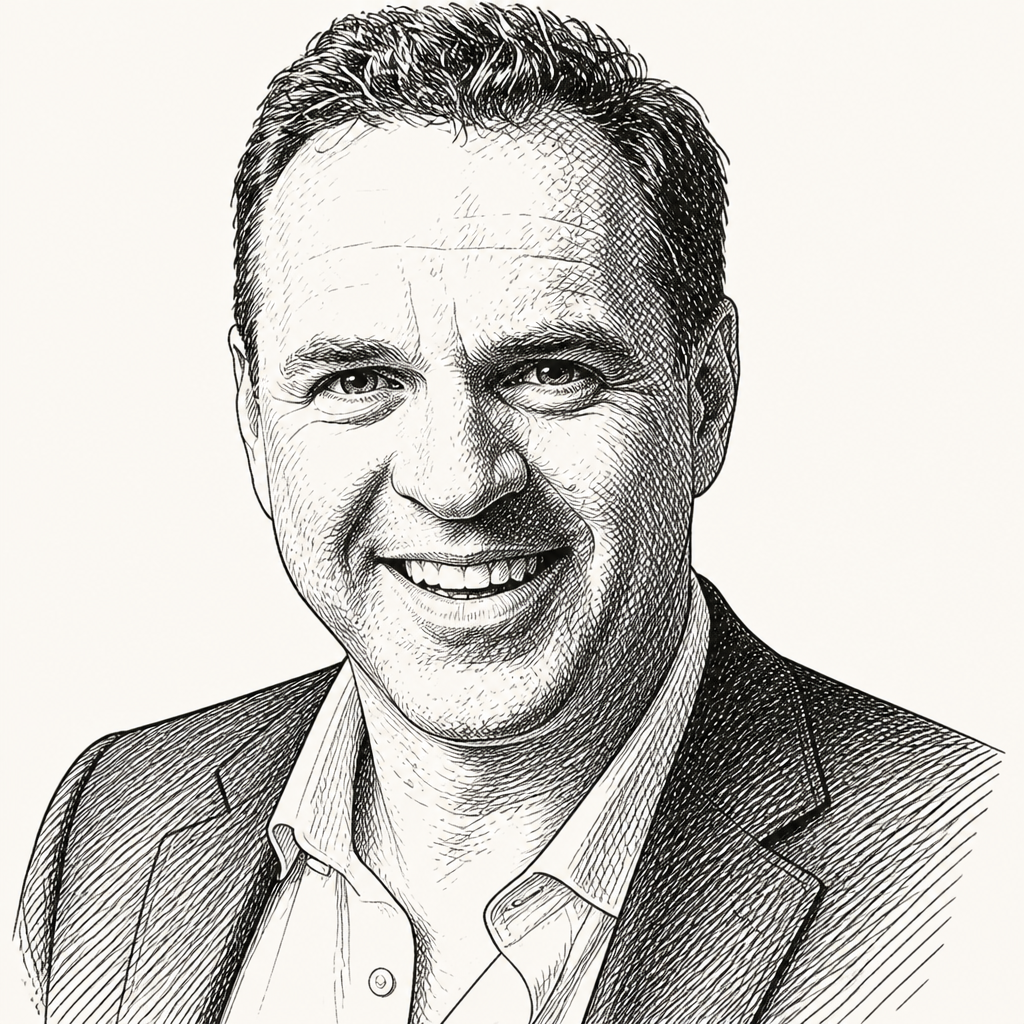
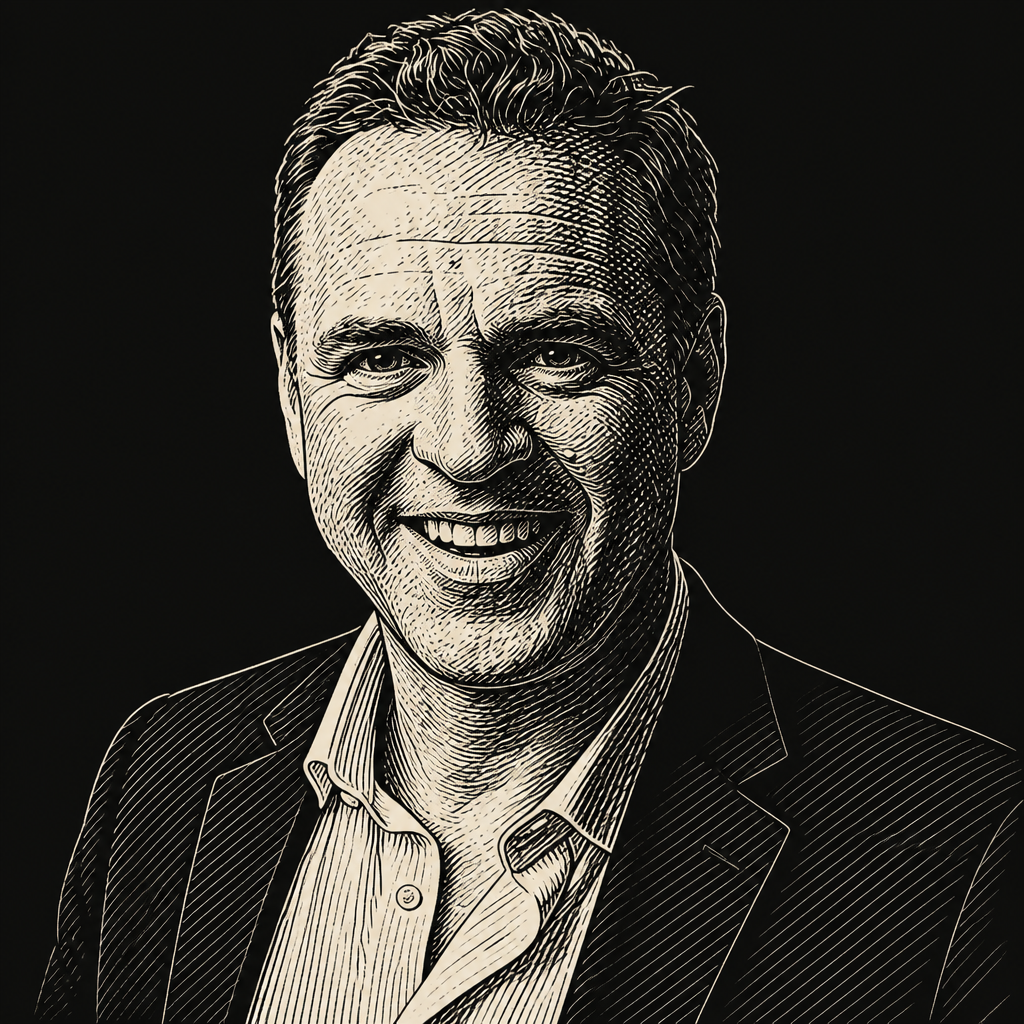
 John Cochrane
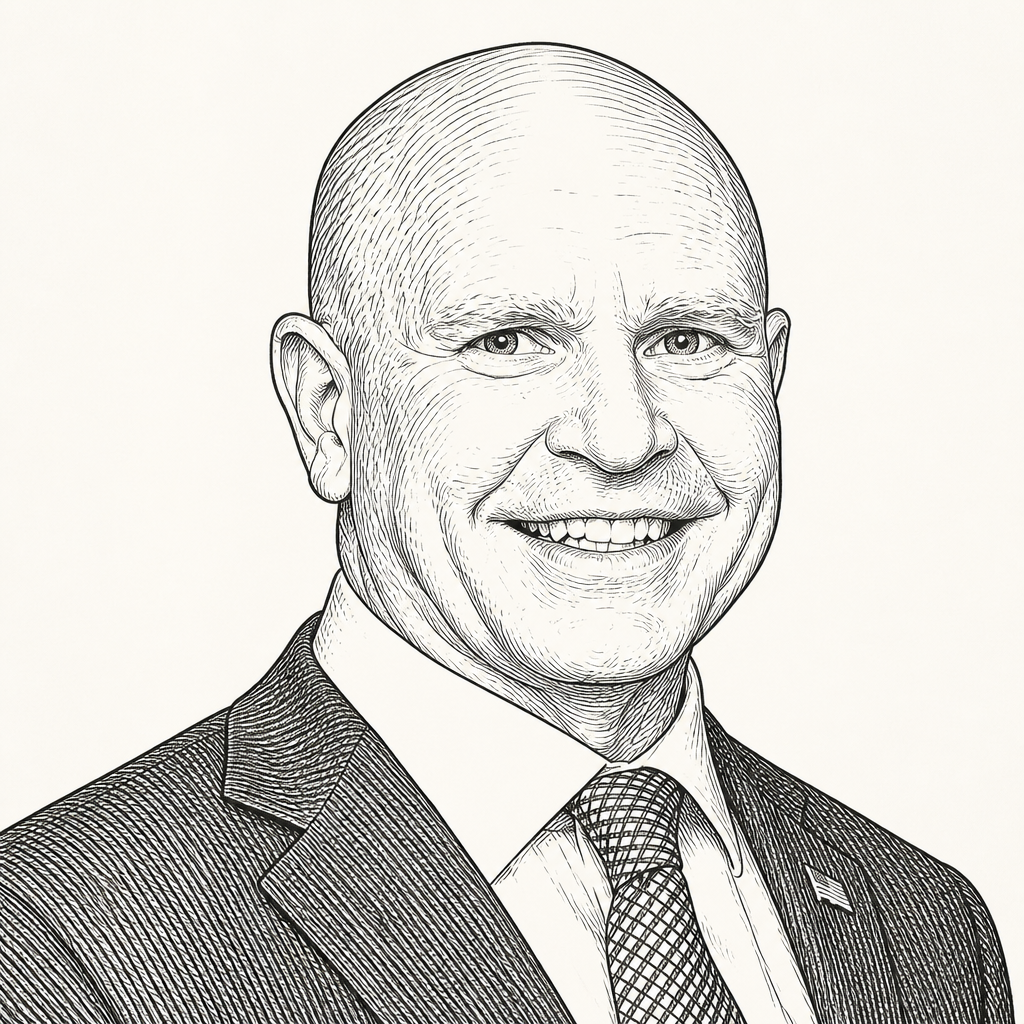
 Herbert McMasterHoover InstitutionThursday, May 14, 20265 min read
At the first public taping of Hoover’s GoodFellows, John Cochrane, Niall Ferguson and H.R. McMaster used the Constitution as a text for argument rather than commemoration. Cochrane warned against treating it as scripture and stressed the civic “spirit” behind it, McMaster described an imperfect founding grounded in principles, and Ferguson stated a broad First Amendment position. Their clearest split came over amendment: Ferguson said the process no longer works in practice, while Cochrane argued its history shows it has sometimes been too available.
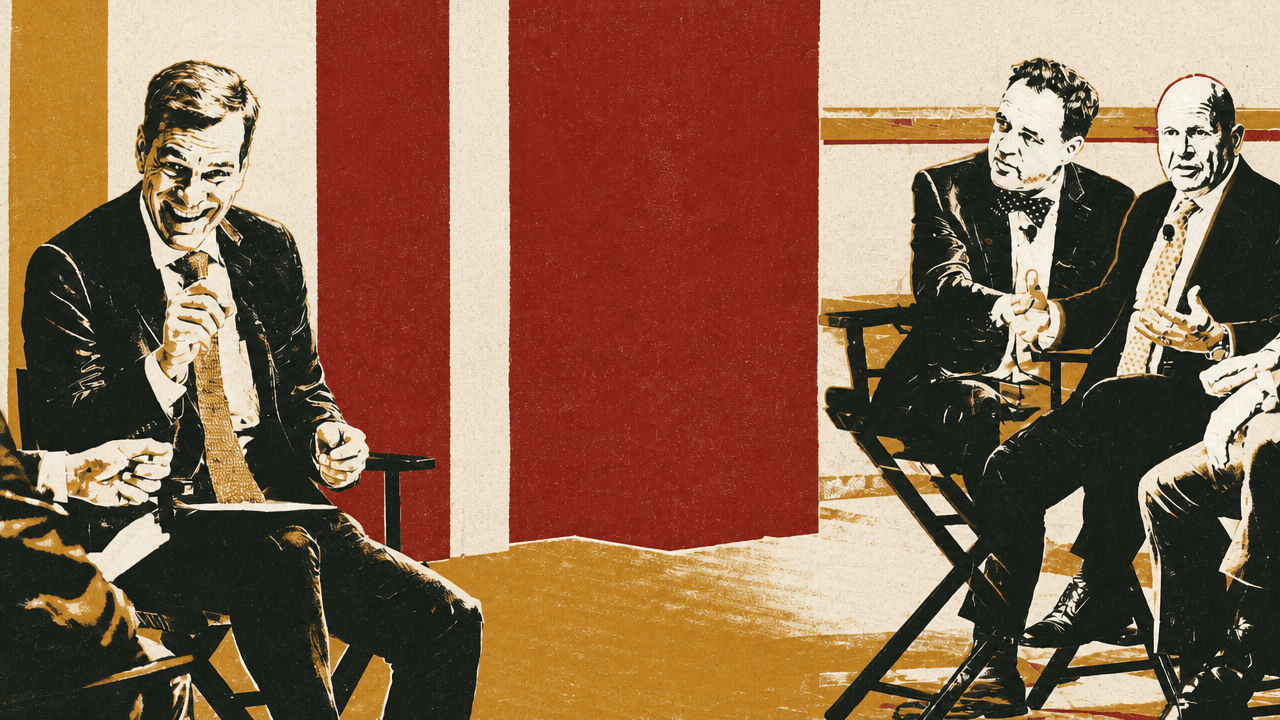
A first public taping put the Constitution at the center
The Hoover Institution framed the live GoodFellows event around “the US Constitution and a republic,” with John Cochrane, Niall Ferguson, and H.R. McMaster in conversation and Bill Whalen moderating. The title graphic identified the program as “GoodFellows LIVE” and placed it in the show’s regular lane: “Conversations on Economics, History, & Geopolitics.”
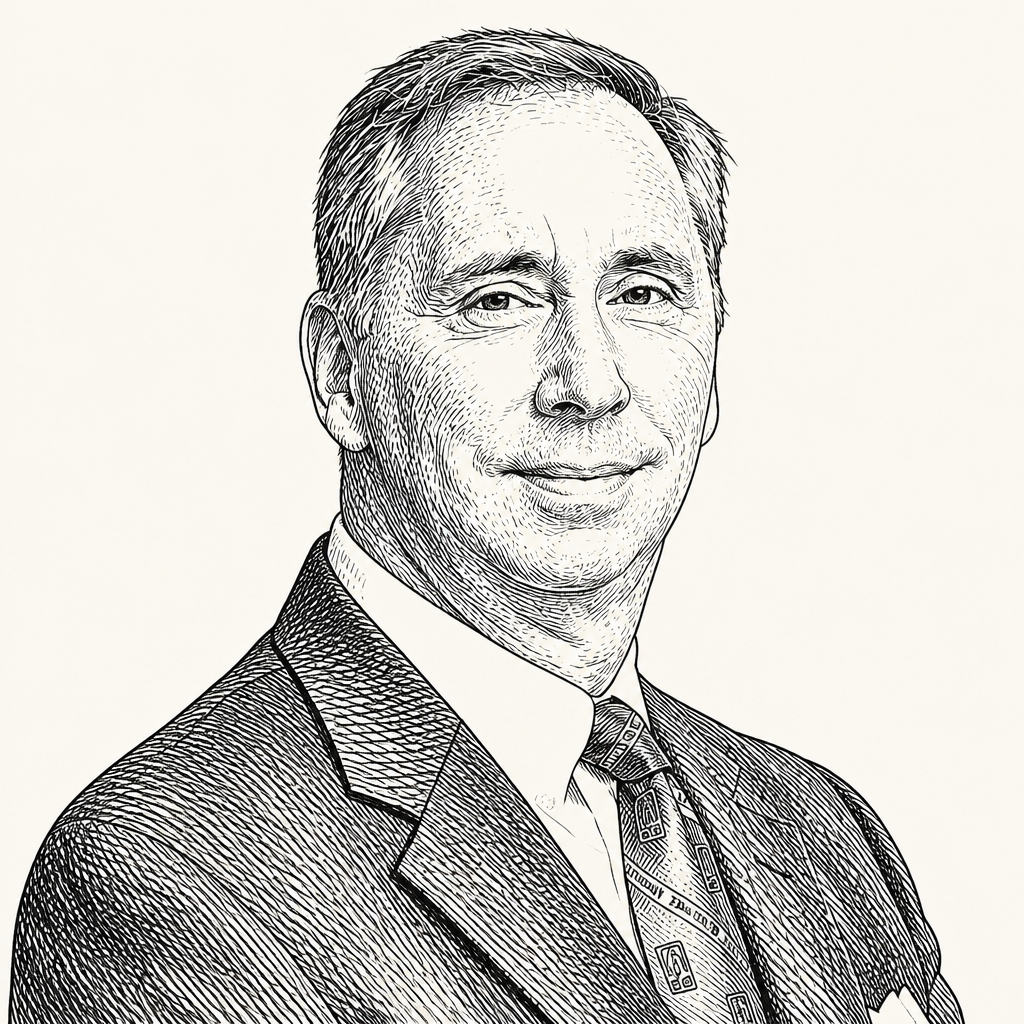
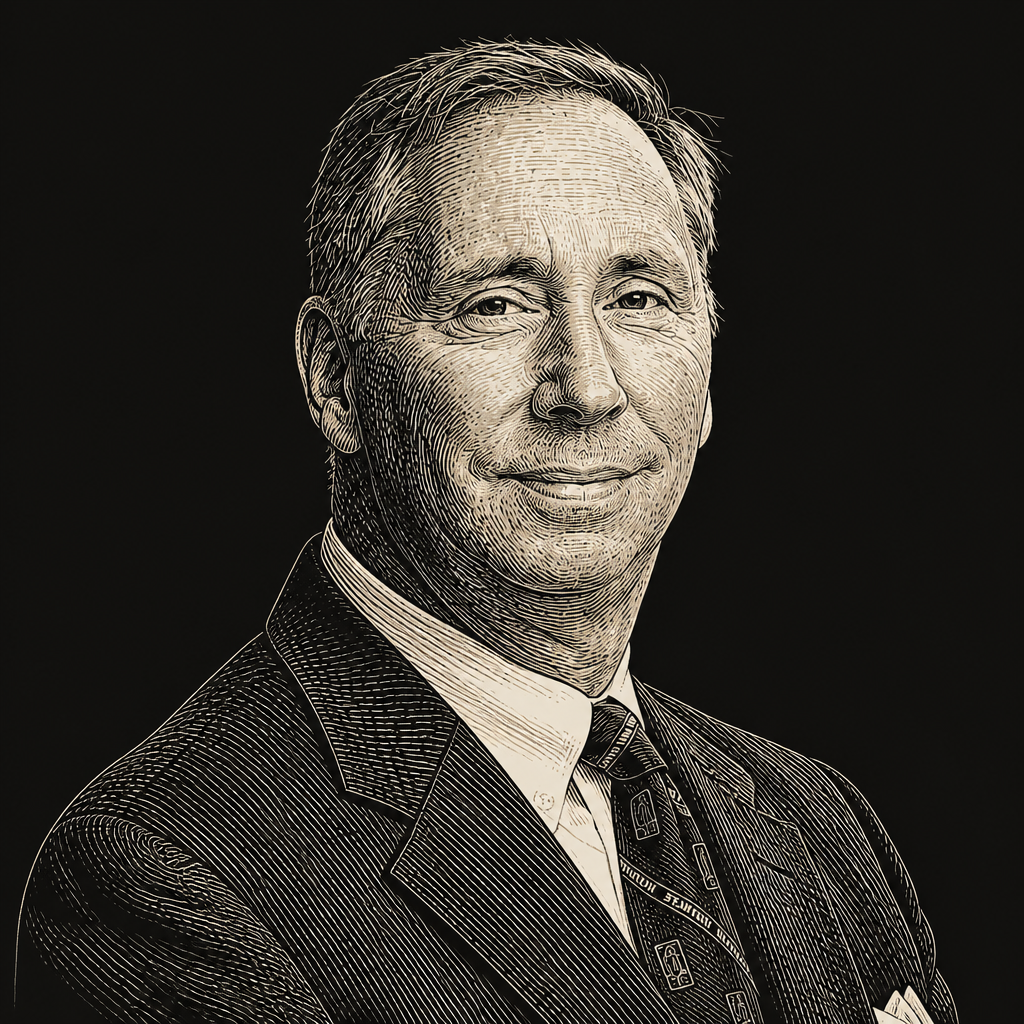
Whalen opened by marking the occasion itself. It was, he said, the first time GoodFellows had “opened ourselves up to the public,” and he thanked the audience on behalf of the fellows. A later Hoover poster shown on screen gave the event details: “LIVE @ THE HOOVER INSTITUTION,” moderated by Whalen, with John Cochrane, Niall Ferguson, and H.R. McMaster, dated April 22, 2026.
The constitutional text was not treated only as an abstract theme. Whalen asked Niall Ferguson to read the preamble. Ferguson answered, “Well, I never go anywhere without that,” a joke that still signaled the premise of the event: the Constitution was both a text to be invoked and a living object of argument.
Cochrane warned against treating the Constitution as scripture
John Cochrane drew the sharpest distinction between reverence for the document and the civic habits that sustain it. He said there is “a tendency to take the Constitution now as sort of a bible,” then redirected attention from the document as a sacred object to the political culture around it.
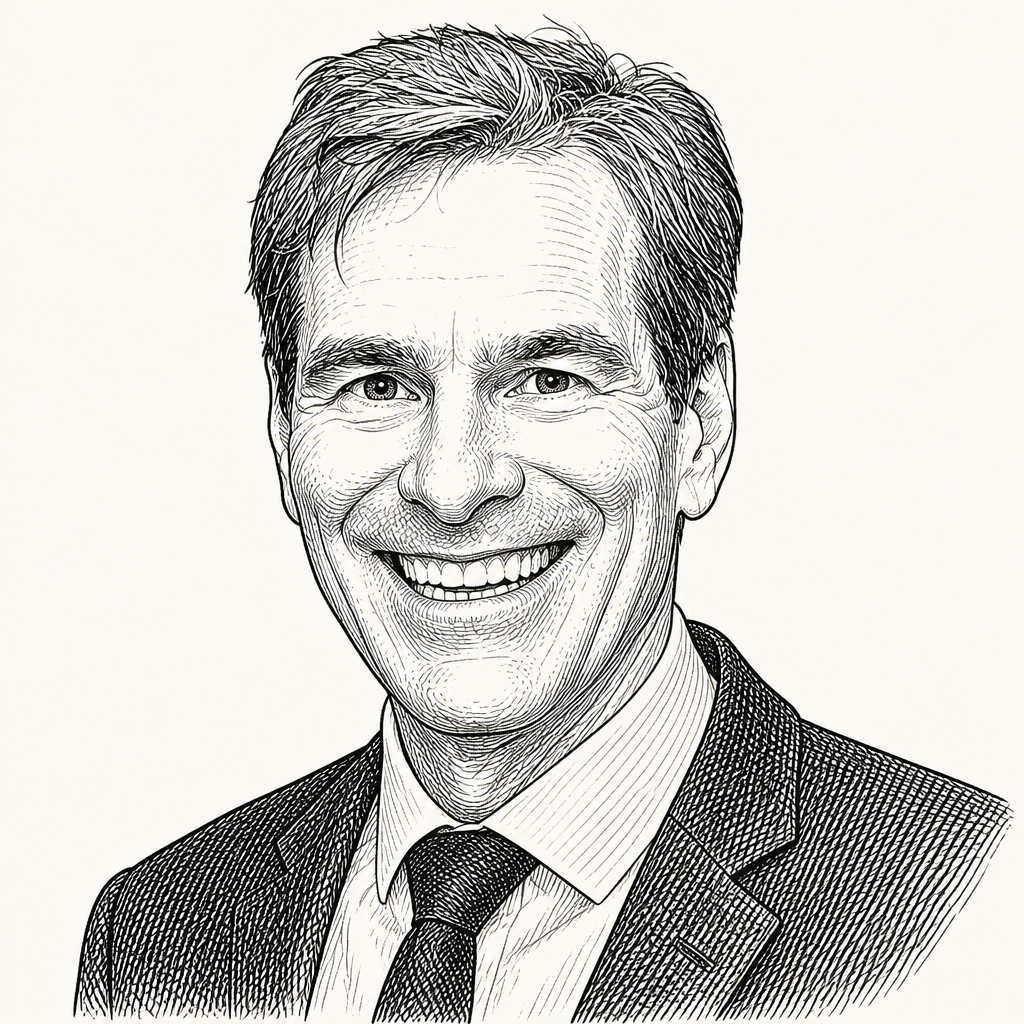
There’s a tendency to take the Constitution now as sort of a bible. What’s really important is that the spirit of that Constitution has remained with the American people.
Cochrane’s emphasis was not that the written Constitution was unimportant. His point was that the durability of the American constitutional order depends on more than veneration of the text. In his formulation, what matters is that its “spirit” remains with the people.
Herbert McMaster made a related but distinct point about the founding. He did not describe it as flawless. “It wasn’t a perfect founding of the Constitution,” he said, before adding that “what it did is it founded the country, I think, on principles.” McMaster’s phrasing held both claims together: imperfection at the founding, and a founding nonetheless grounded in principles.
Ferguson stated free speech as a broad default
Niall Ferguson put his First Amendment position in blunt terms. “I’m a First Amendment fundamentalist,” he said. “You can say just about anything.” He immediately added a comic personal exception: “But not about my mother, or my wife.”
I’m a First Amendment fundamentalist. You can say just about anything. But not about my mother, or my wife.
The line worked because it combined a sweeping free-speech default with a deliberately personal qualification. Ferguson did not lay out a legal test or a boundary rule in the material shown. He stated the principle broadly, then undercut the absoluteness with humor.
Amendment exposed the clearest split
The sharpest disagreement concerned constitutional amendment. John Cochrane observed that the United States has had “many amendments to the Constitution.” Ferguson immediately rejected the idea that this history settles the present problem: “Now we can’t do it anymore. We can’t do it anymore.”
Cochrane pushed in the opposite direction. He said he felt there had been “too many” amendments, then pointed to Prohibition as evidence that amendment had not always been too hard. His example was the adoption and later reversal of Prohibition: “The sign that it isn’t too hard to amend is that we passed prohibition and then had to say, ‘Whoops, sorry, we didn’t mean that.’”
An unidentified voice responded, “I’ll raise a glass to that,” followed by another “Yes.” The joke did not erase the disagreement. Ferguson’s position, as stated, was that amendment is no longer practically available. Cochrane’s answer was that the amendment process has, at least historically, been available enough to produce a mistake requiring reversal.
That exchange gave concrete form to the event’s broader constitutional question: how a document built for a republic should be treated when the country faces conditions the founders could not have imagined. The material shown did not resolve that question. It showed the participants divided over whether the problem is rigidity now or overuse in the past.
Shared purpose did not mean consensus
Audience reactions emphasized the appeal of seeing the three fellows together in public. One unidentified attendee said they “absolutely loved the event,” especially “seeing the dynamic between the three GoodFellows live on stage.” Another said the fellows “all really care about making a difference,” are “passionate about similar ideals,” and are “united in their belief and desire to make a difference.”
The onstage exchanges were not presented as polite unanimity. In a rapid overlapping moment, Herbert McMaster began, “Let’s examine this for a minute. First of all...” Ferguson started in with “I mean...” Whalen began, “I don’t think...” McMaster then stated the obvious dynamic: “We disagree more on stage.”
That was the live setting’s substantive contribution. The public format did not simply showcase agreement among aligned Hoover fellows. It put their disagreements over constitutional meaning, free speech, and amendment in front of an audience.
The closing images reinforced the event’s institutional and public character rather than adding new argument. One attendee said he hoped to get Ferguson to sign an older book; the screen showed a copy of Ferguson’s Civilization: The West and the Rest. Another shot showed the live-event poster being signed.