Freight Automation Starts With Platforms, Not Just Autonomous Trucks

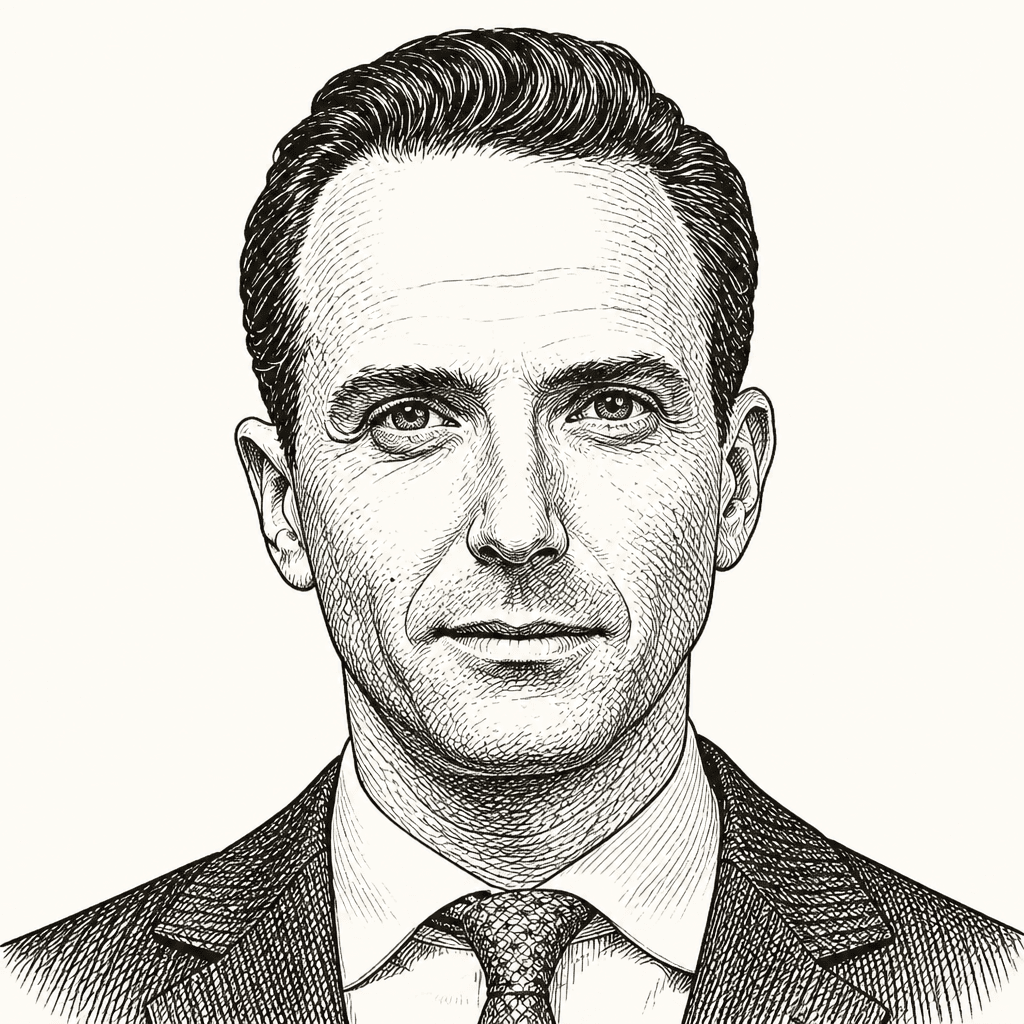
Einride chief executive Roozbeh Charli argues that the shift to electric and autonomous freight will be led by software orchestration rather than by vehicles alone. In an interview with Bloomberg’s Tom Mackenzie, he says large shippers need a platform to coordinate electric trucks, autonomous systems, routing, charging and operational handoffs, while regulation and human supervision remain critical to making the model work at scale.
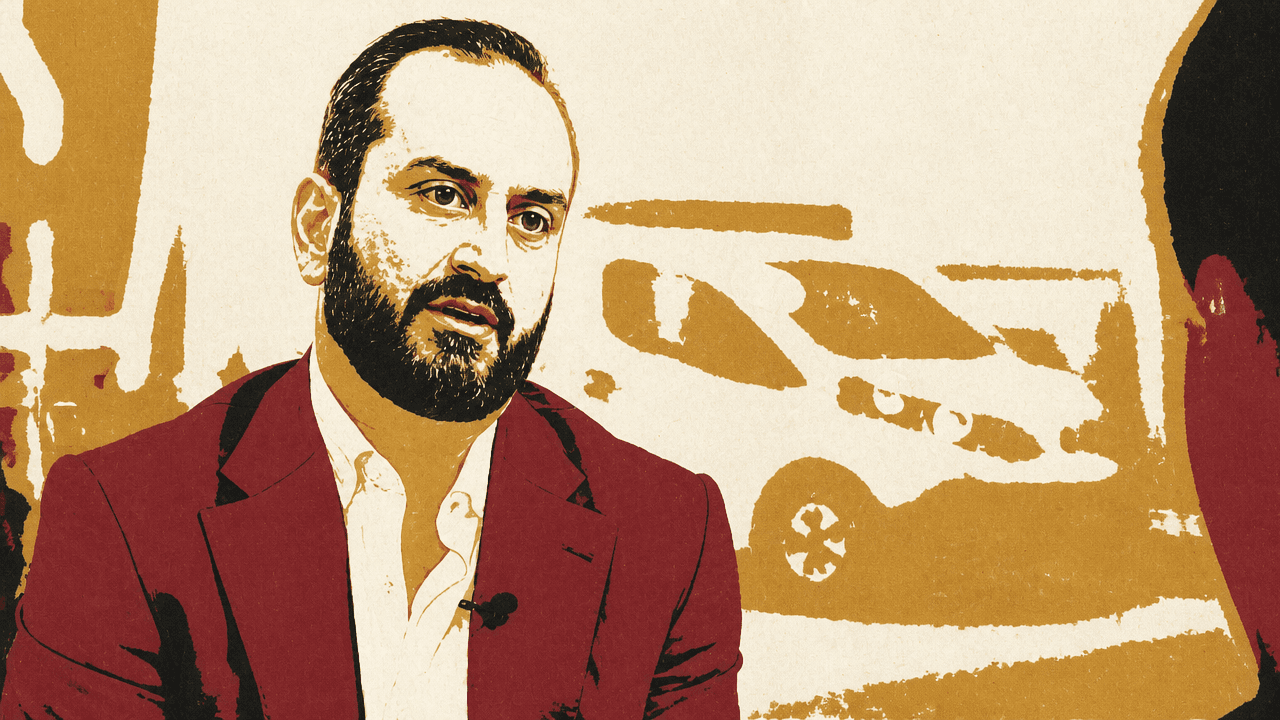
Einride’s bet is that freight automation starts with orchestration, not just vehicles
Roozbeh Charli describes Einride as a freight technology company built to help large shippers move from “diesel manual-based transportation” toward electric and autonomous freight. The transition, as he presents it, is not a single hardware swap. It requires electric trucks, autonomous vehicles, and a software platform that coordinates the operational pieces around them.


The platform is the center of that model. Charli says it “sits in the middle” and orchestrates the technologies and workflows needed to change how fleets operate. Einride’s first step is electrification through electric manual trucks; automation follows through autonomous vehicles used to automate transportation.
That sequencing matters for existing freight customers because their fleets already operate inside established logistics systems. A shipper moving freight today cannot simply replace diesel trucks with autonomous trucks and call the job done. It has to manage deployment, charging, routing, operational handoffs, and the gradual introduction of autonomy without breaking the movement of goods.
Einride’s claim is that freight modernization depends less on treating the autonomous truck as a standalone product and more on coordinating electric and autonomous assets across the transportation workflow.
The US has moved first on autonomous regulation, while Europe is trying to catch up
Asked by Tom Mackenzie whether Europe is leading or lagging in autonomous freight, Charli says the United States has taken a “clear leadership position” over the previous 18 to 24 months, especially on regulation.

His comparison is not limited to freight. He places autonomous freight and robotaxis in the same broader policy environment, pointing to large-scale robotaxi rollouts in US cities and state-level legislative frameworks that are “leaning inwards.” In context, he uses that phrase to describe regulators becoming more receptive to autonomous deployment.
The US advantage, in Charli’s telling, comes from visible deployments and more accommodating state-level rules. Europe is responding, but from behind. Einride is working with regulators across several European countries on autonomous regulation and deployment, and Charli says the company is seeing a similar inward-leaning attitude emerge there.
He describes the US lead as creating a “pull effect” for Europe. European regulators are seeing the opportunity in autonomous systems, including robotaxis, but Charli’s emphasis is freight. He expects Europe to continue catching up to the US on the regulatory environment for autonomous freight.
That distinction is central to the commercial timeline. Autonomous freight does not depend only on whether vehicles can drive themselves. It also depends on permission to operate, rules for deployment, and regulators willing to allow the technology onto roads at meaningful scale. Charli’s view is that the US has moved faster on those conditions, while Europe is beginning to align around deployment.
Automation keeps humans in the freight system, but moves their role
Tom Mackenzie presses the political question around AI and automation: whether autonomous freight creates pushback over job displacement. Charli answers that Einride’s model still requires “a human in the loop,” especially for edge cases and interactions at loading bays or other human-facing points in the freight process.
He separates autonomous driving from automated freight operations. A truck may drive autonomously, but the freight system still has to handle exceptions, loading-site interactions, operational workflows, and situations requiring judgment outside normal driving. Focusing only on the autonomous vehicle, he argues, misses the broader work involved in automating freight.
In Einride’s current deployments, Charli says the vehicles are “fully autonomous” when driving, but they are monitored by a human operator at a remote station, away from the vehicle and in an office setting. That operator supervises the transportation and can help the vehicle make tactical decisions in edge cases or interact with people when required.
The displacement answer is therefore specific rather than sweeping. Charli does not claim that automation leaves freight labor unchanged. He describes a gradual process in which jobs transition into “a different set of jobs”: remote supervision, operational oversight, and support for exceptions rather than manual driving from inside the cab.
The operating model is hybrid. Autonomy handles the driving; people remain involved in surveillance, tactical support, and human-facing moments that freight operations still require.