The Aspen Institute Frames Leadership as Dialogue Across Difference
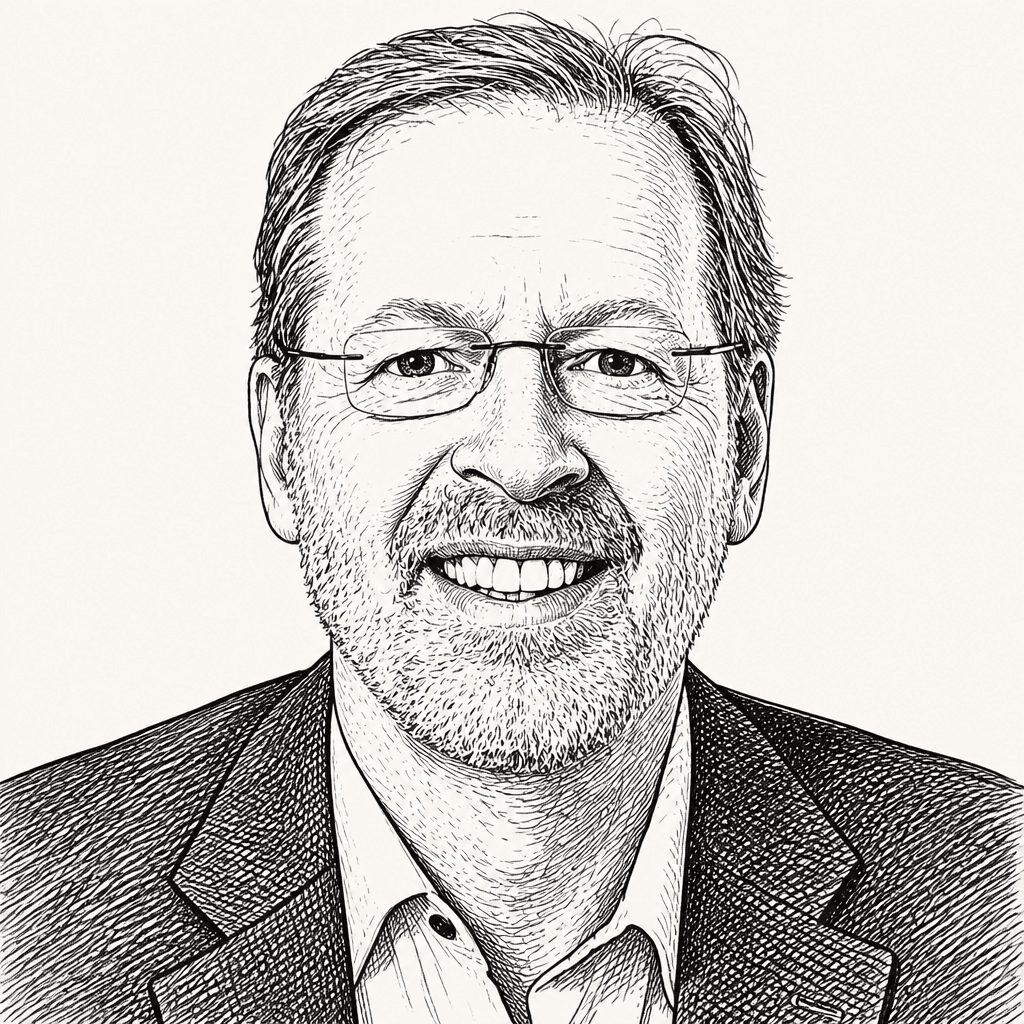 Daniel Porterfield
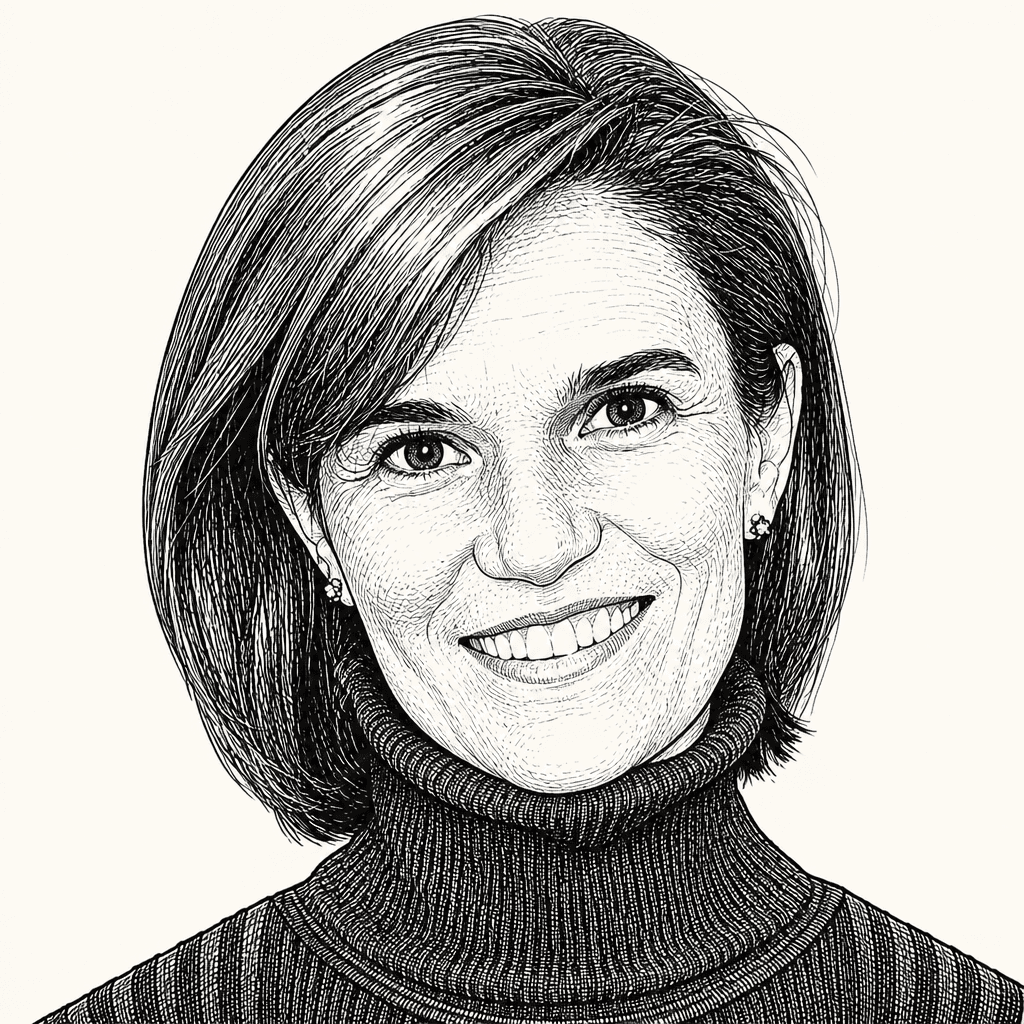 Maria Acebal
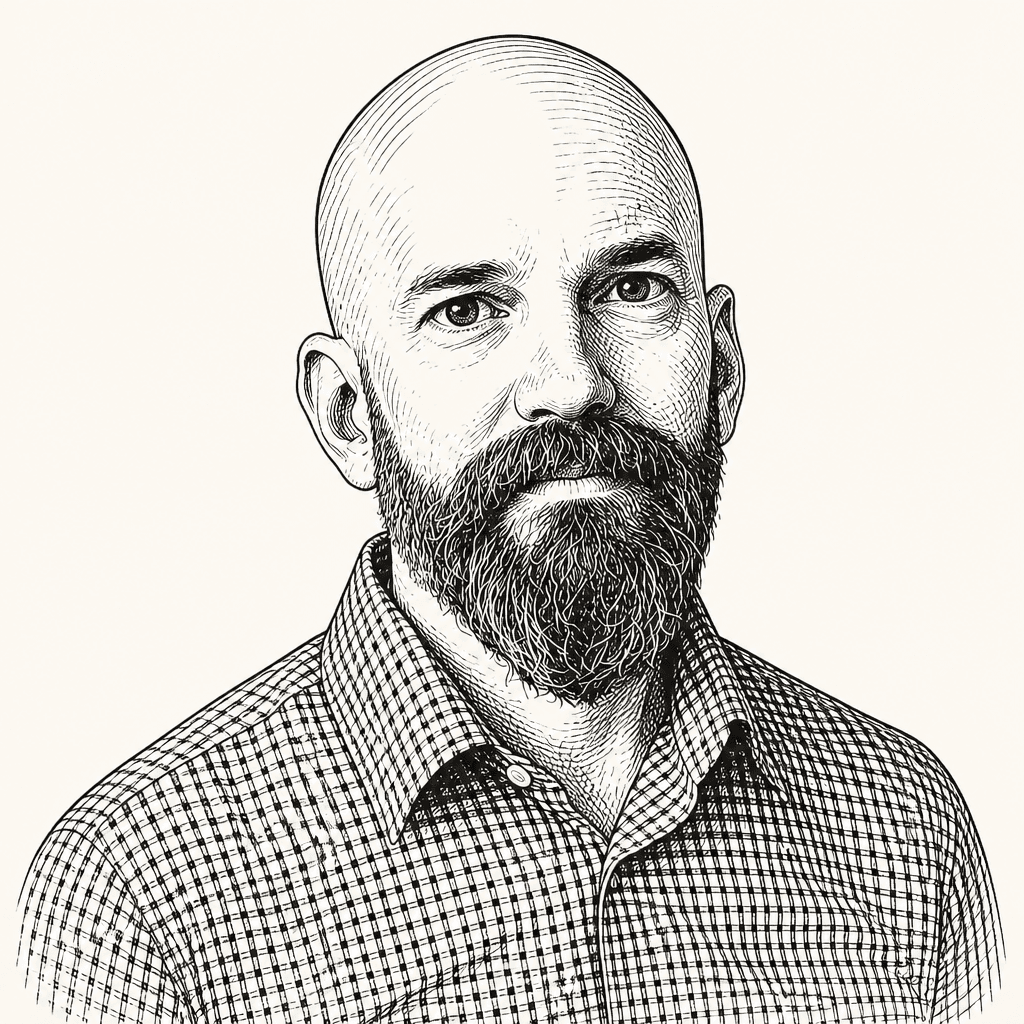 Greg Gershuny
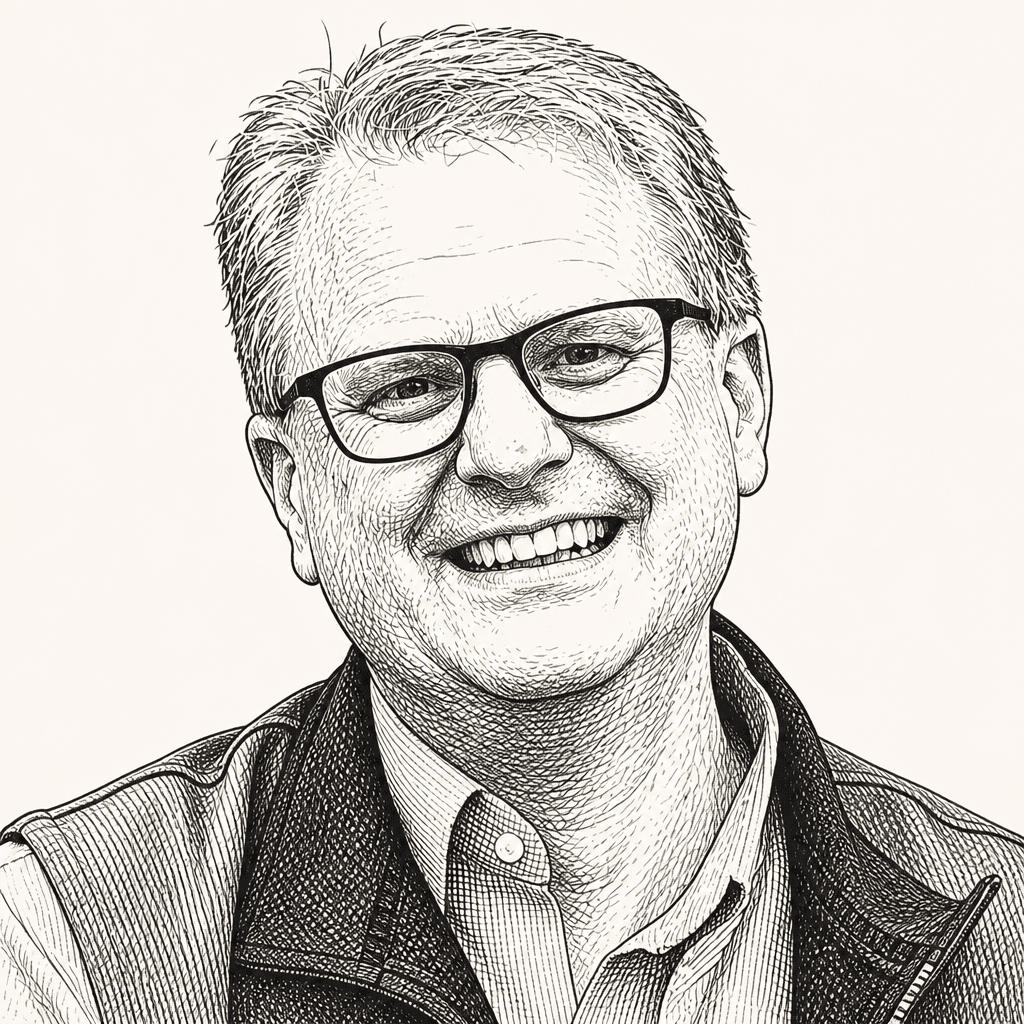 Stace Lindsay
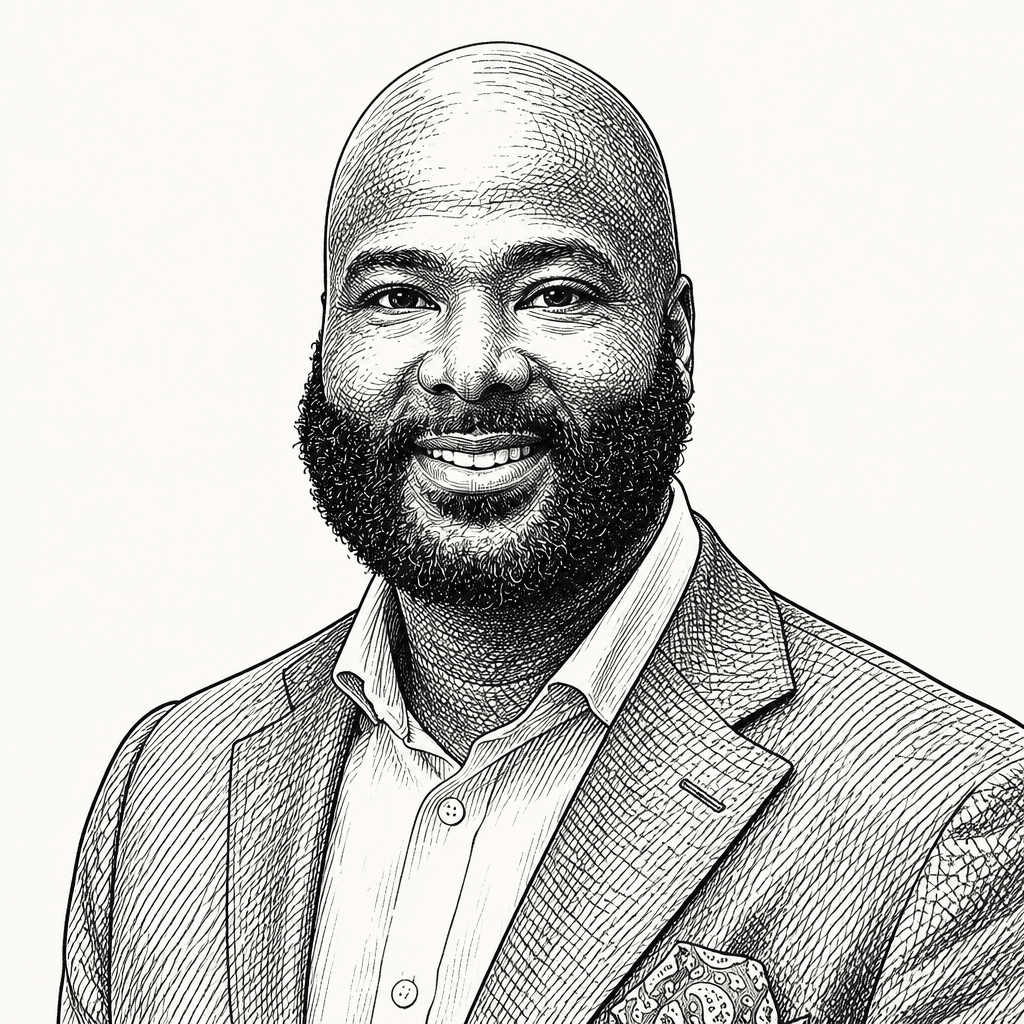 Frederick Riley
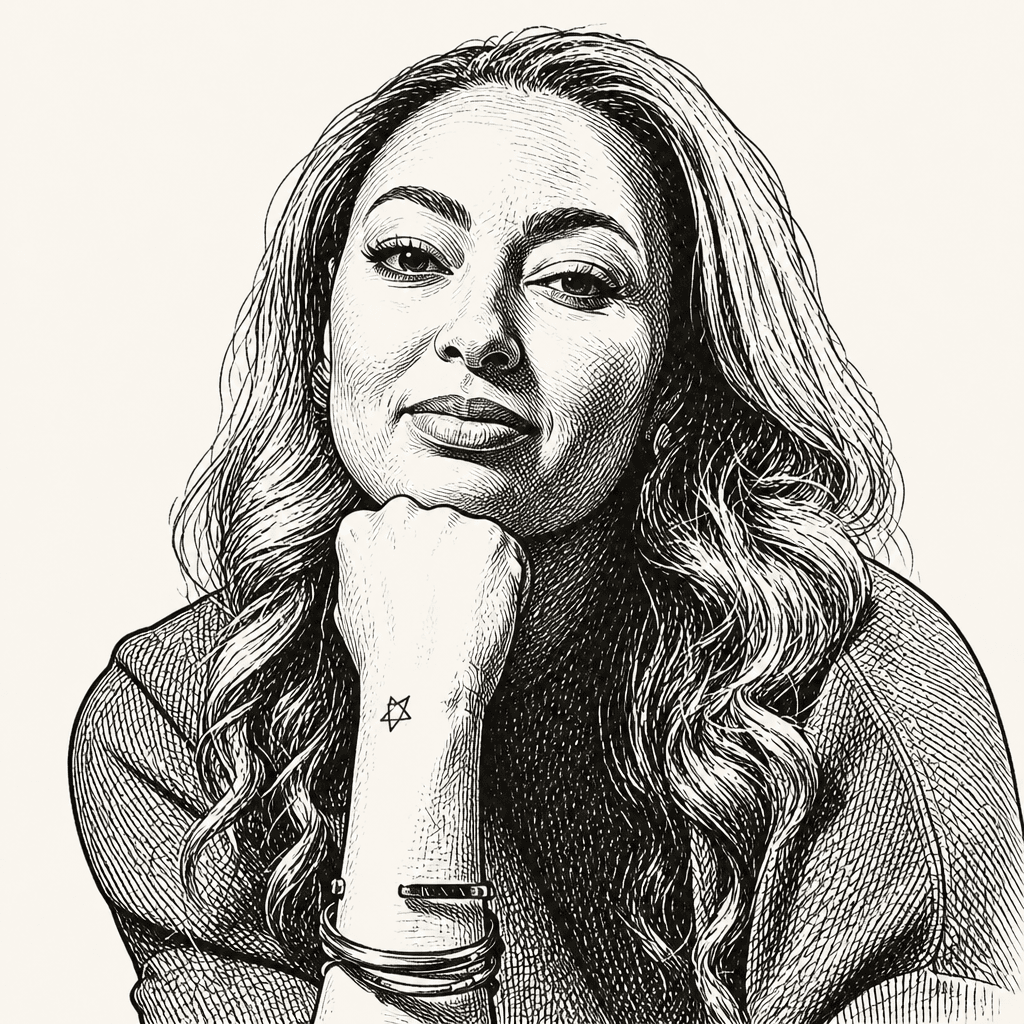 Lorelle Atkinson
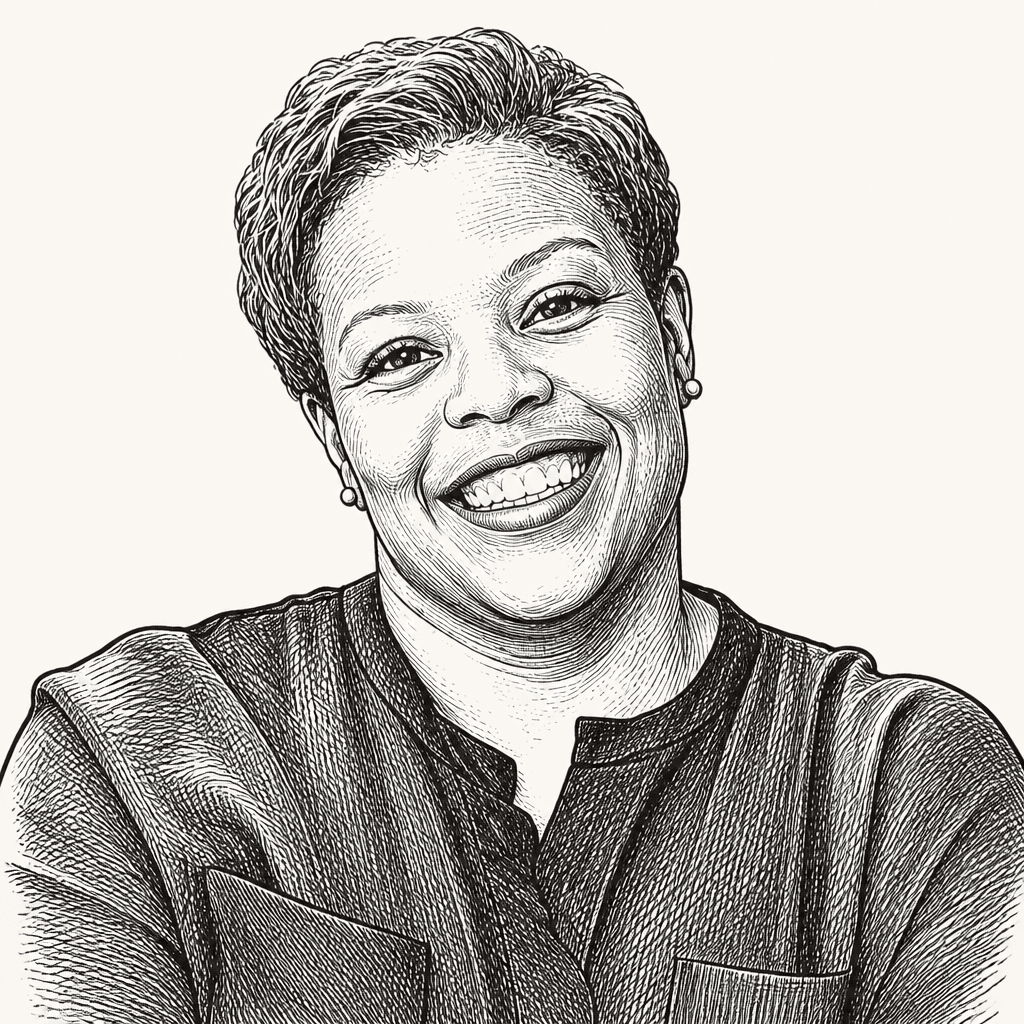 Kaya Henderson
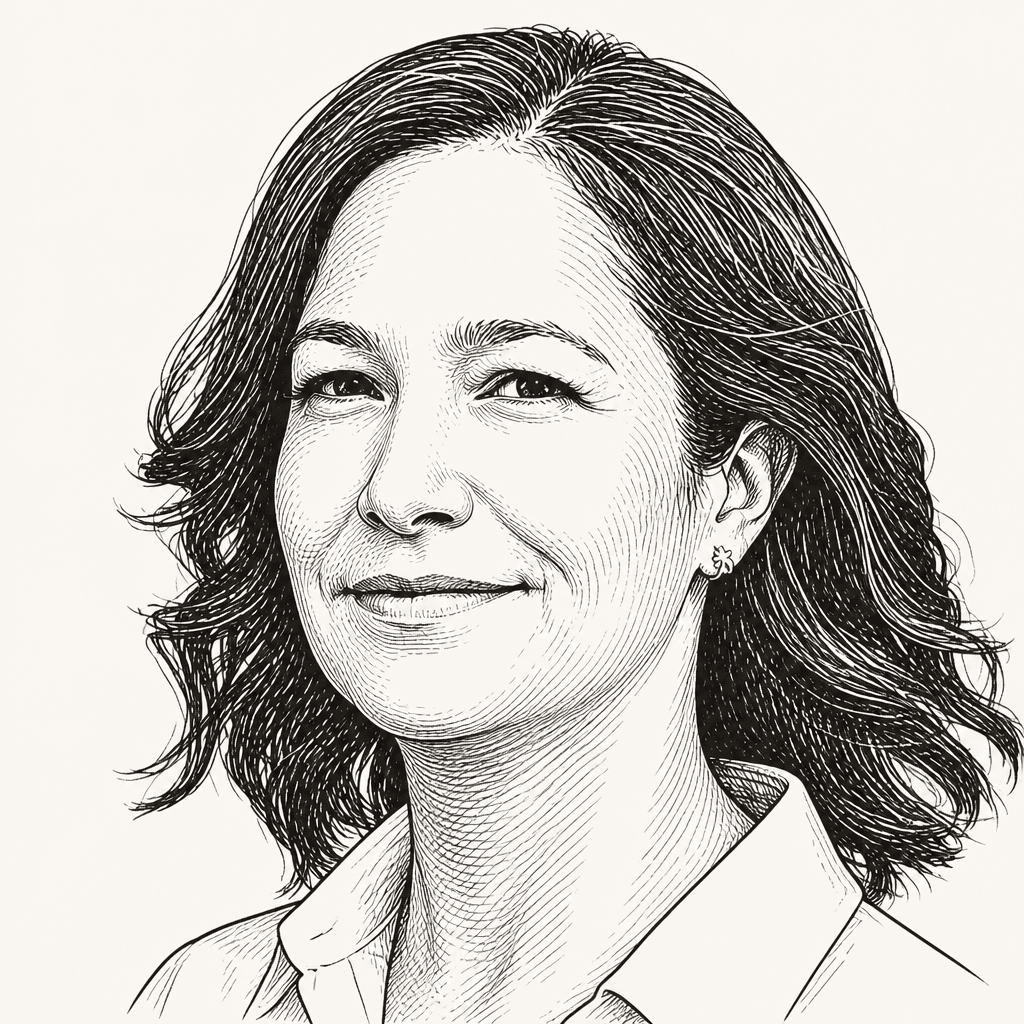 María Pérez
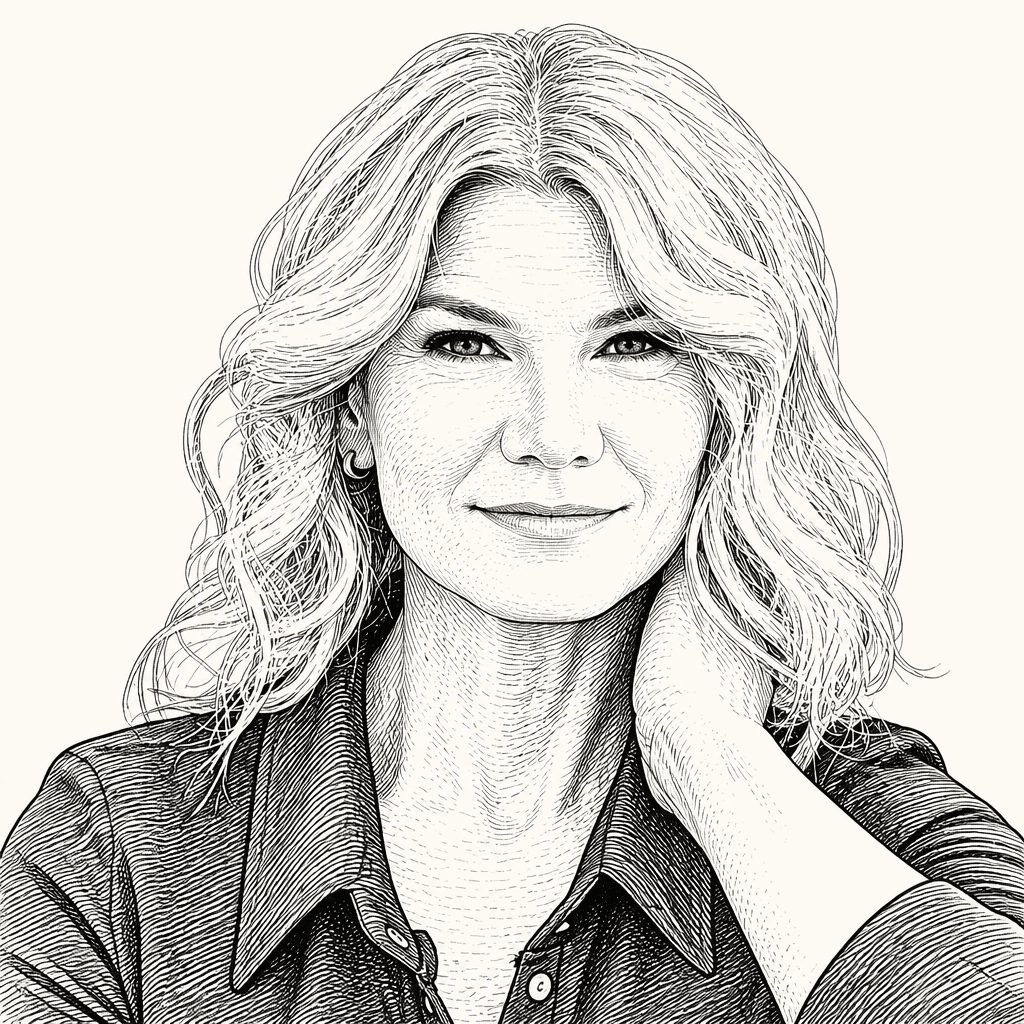 Ida RademacherThe Aspen InstituteMonday, June 8, 20265 min read
In a 75th-anniversary institutional statement, the Aspen Institute presents leadership as a discipline of listening, convening and acting across difference. Its executives argue that progress begins with people: dialogue builds common ground and trust, and that trust can be turned toward work on economic opportunity, energy and climate challenges, institutions and rising generations. President and chief executive Dan Porterfield closes the case as an invitation to “ignite human potential” and create new possibilities for a better world.
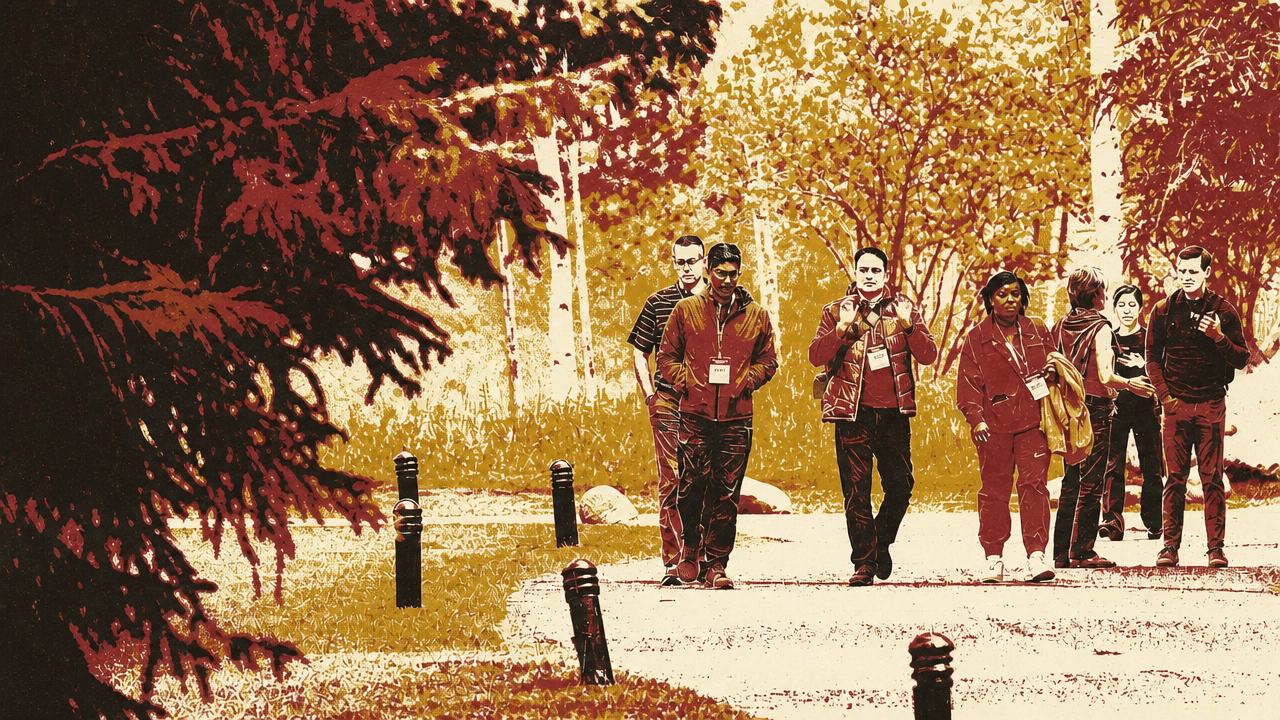
Leadership begins with listening, then moves toward action
The Aspen Institute defines bold leadership less as command than as a willingness to listen, connect, understand, and imagine something better. The opening question — “What does bold leadership require today?” — is answered through those capacities before the source turns to action.
Frederick Riley, identified on screen as executive director of Weave: The Social Fabric Project, places that model in “a time of complexity and rapid change.”
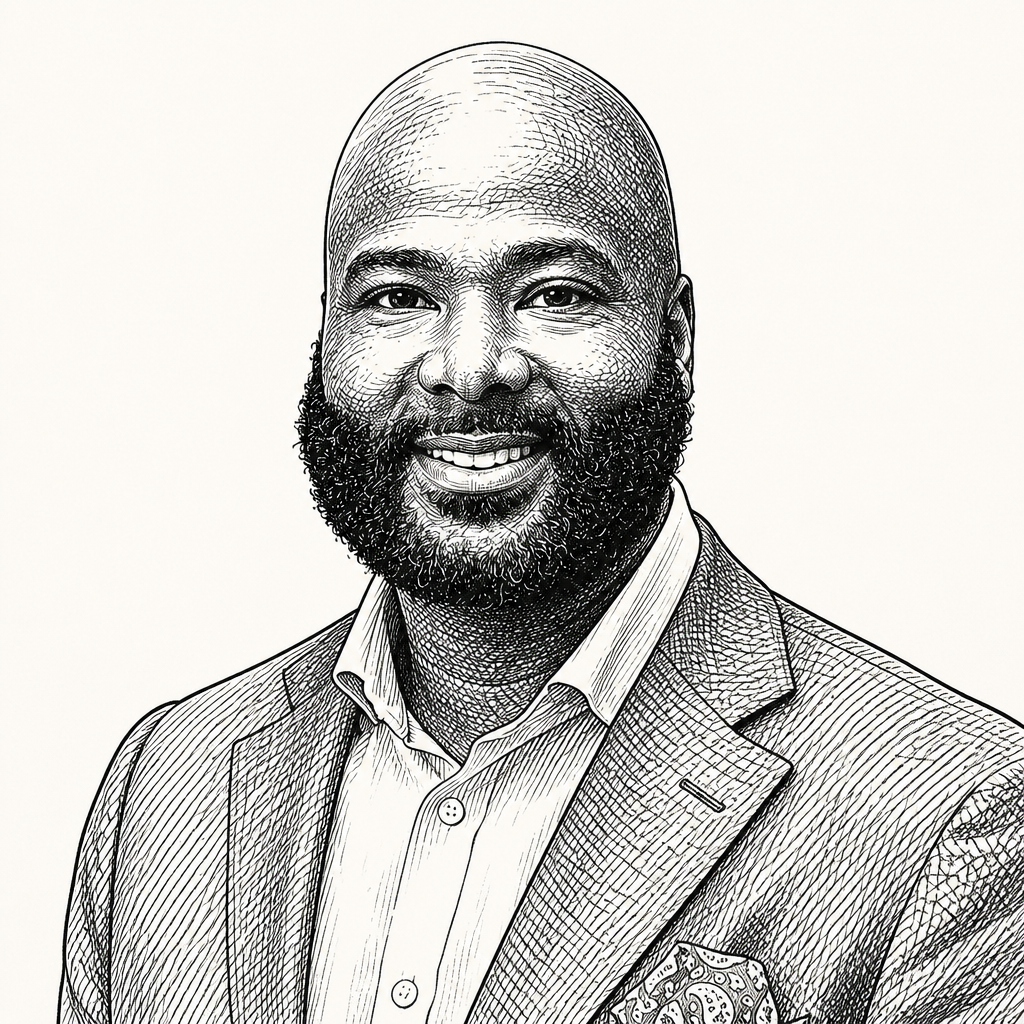
In a time of complexity and rapid change, leadership begins with curiosity, with a choice to show up, to engage, to build something that moves us forward together.
Riley’s sequence is practical: show up, engage, build. Leadership begins with curiosity and participation, then becomes shared work.
The historical frame is brief but explicit. A retro title card marks “ASPEN 1949,” and the narration says that for 75 years the Aspen Institute has fostered “exactly the kind of leadership that our world needs.” The anniversary claim connects a long-running institutional identity to a present problem: complexity, rapid change, and the need for leaders who can work across difference without abandoning ambition.
The operating model is convening people across difference
The Institute’s central mechanism is convening: people are brought together so questions can be asked, perspectives can meet, and ideas can become action. Stace Lindsay, executive vice president for leadership, compresses the posture into one line: “We ask big questions and inspire brave ideas.”
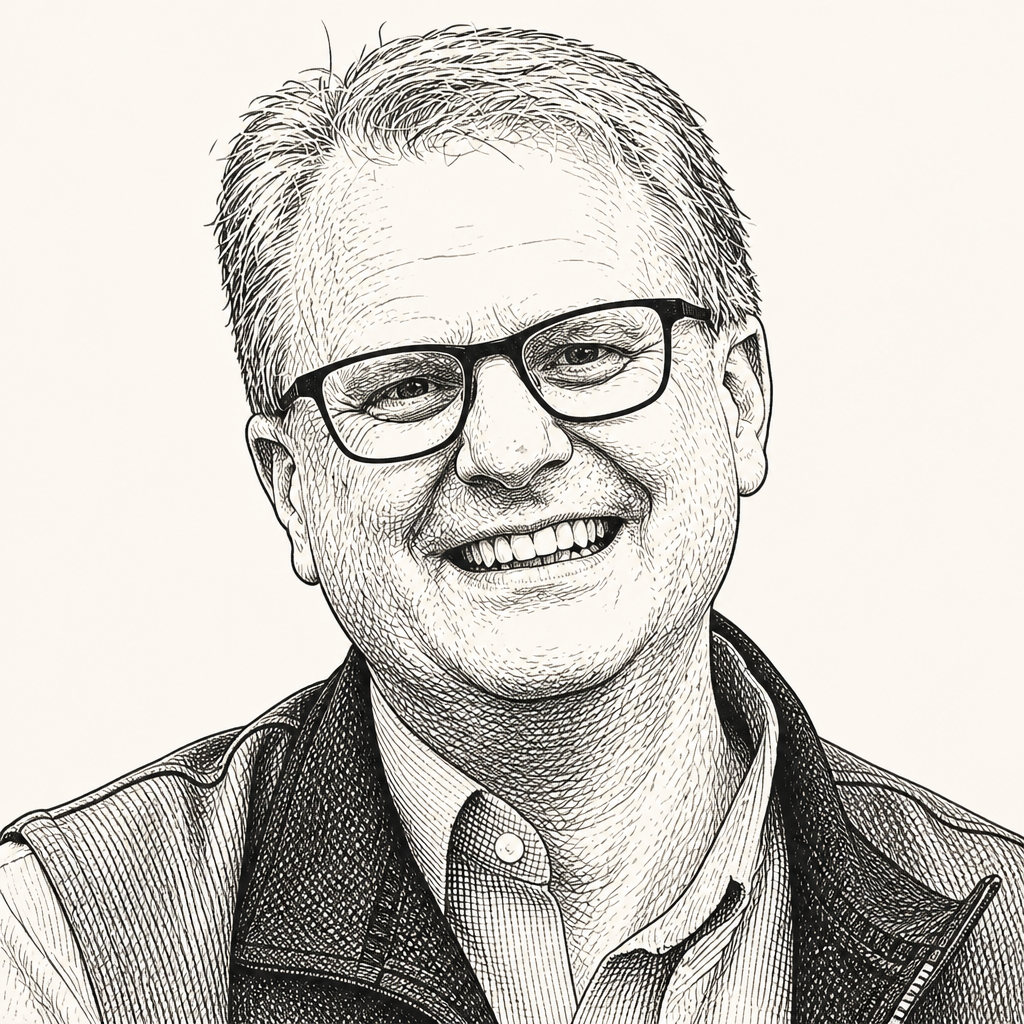
Maria Acebal, identified as executive vice president for strategy and corporate secretary, gives the convening model its premise. The Institute is “a place where many perspectives find common ground, where dialogue sparks possibility, and where every voice has the power to enable progress.” Dialogue is not framed as a courtesy around the real work. It is presented as a way common ground becomes possible and progress can be shared rather than imposed.
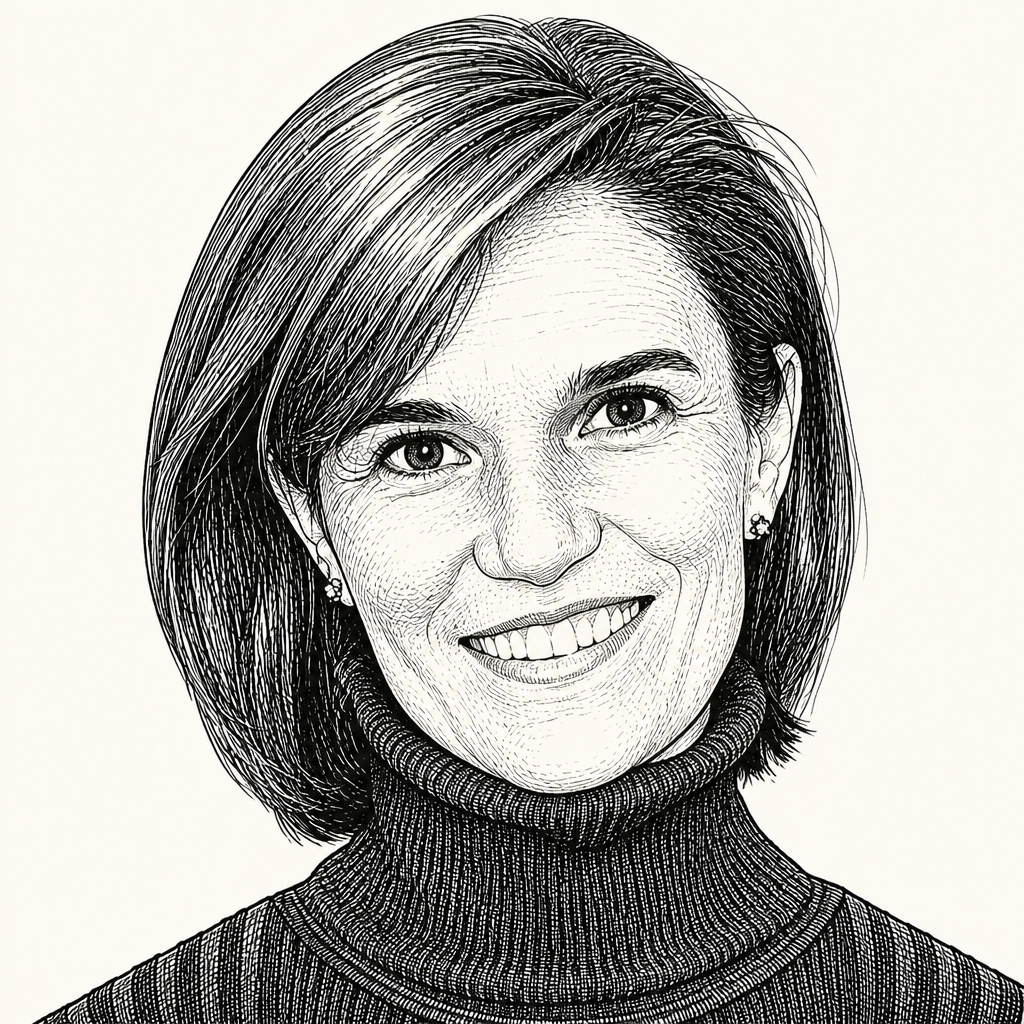
That premise returns later in Acebal’s line that “progress begins with people.” Lindsay adds shared values, common purpose, and “the belief that imagination is a powerful force for good.” The Institute’s language is consistently relational — listening, common ground, trust, shared purpose — and those terms define the conditions under which it says leadership can become useful.
Trust, opportunity, climate, and rising generations sit inside the same leadership frame
The Institute names several issue areas, but the source does not treat them as separate institutional silos. They are linked by one model: develop leaders, convene across difference, strengthen trust, and move ideas into action.
Kaya Henderson, executive vice president and executive director of the Center for Rising Generations, says the Institute empowers individuals to lead change and invests “in the rising generation of visionaries, thinkers, and doers.” The emphasis is on people who will carry leadership forward, not only on present-tense programming.
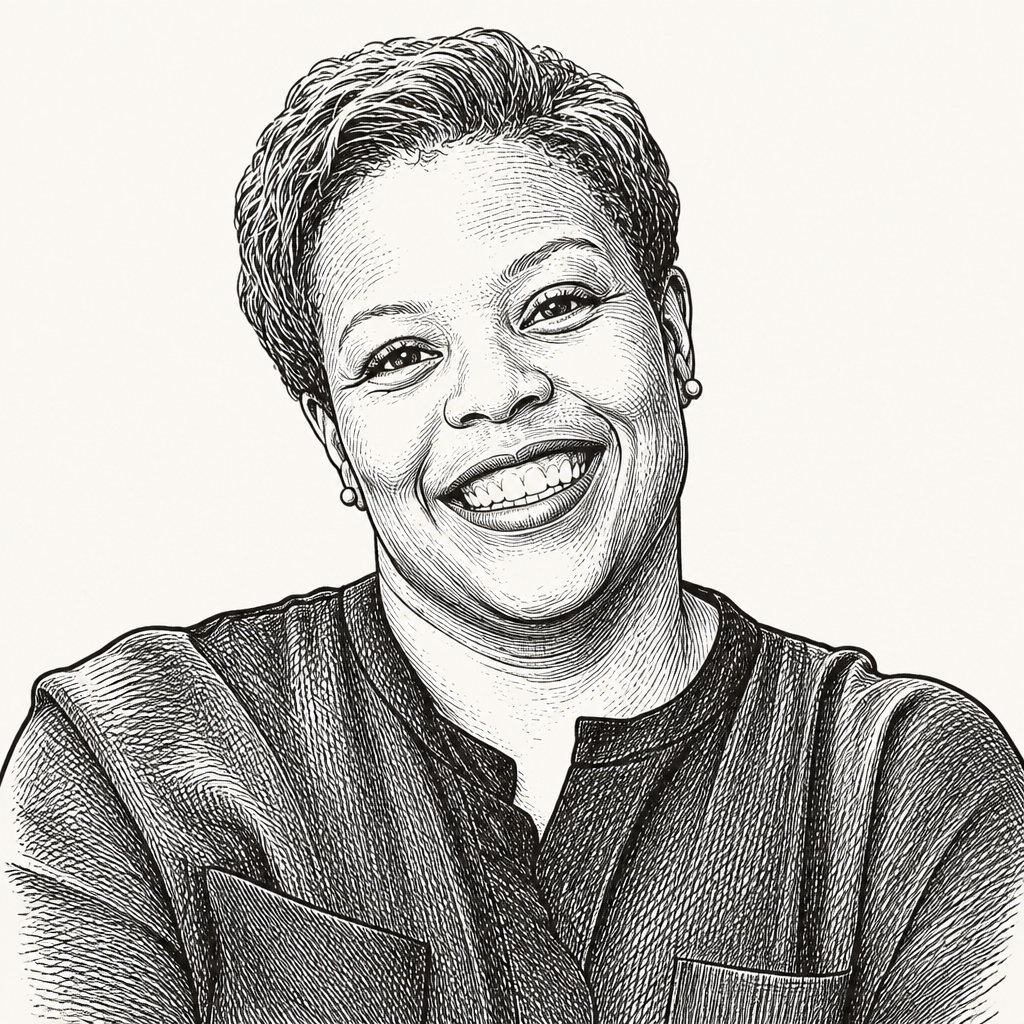
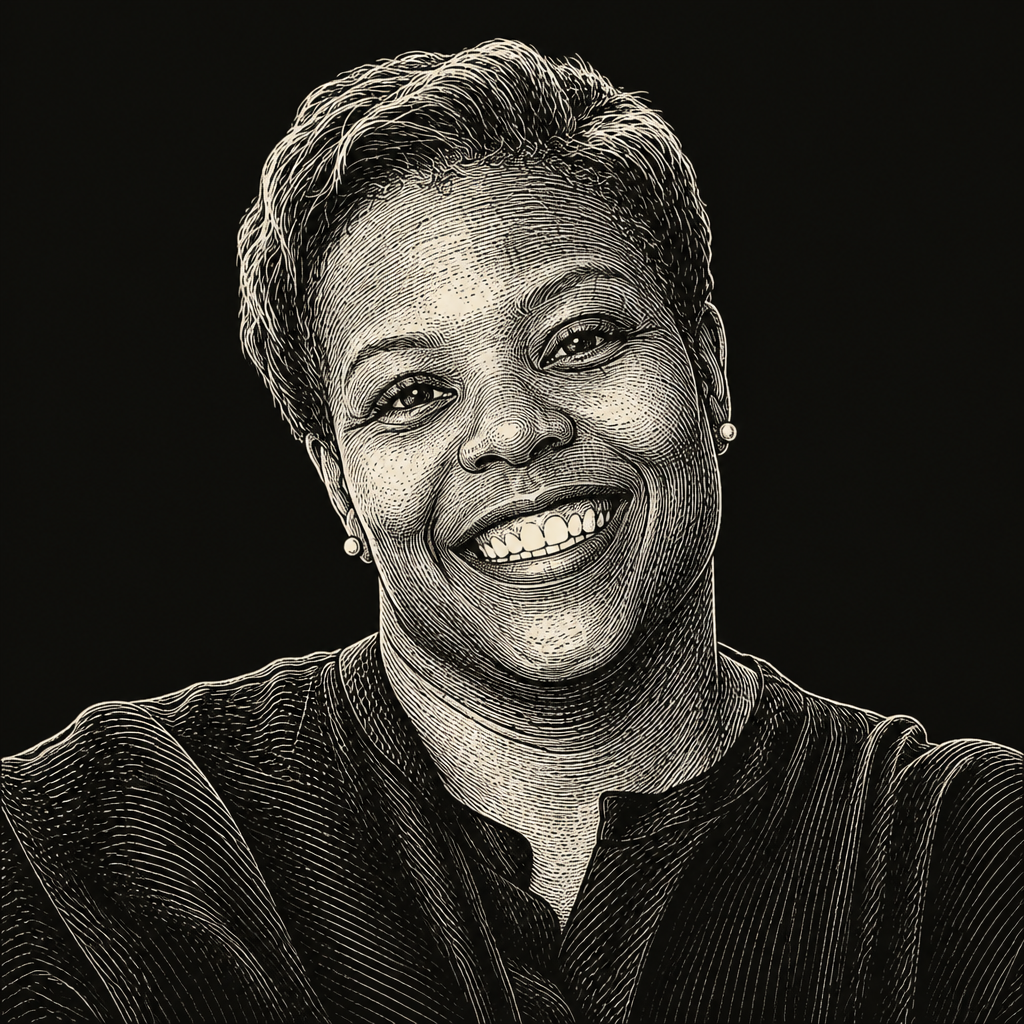
Greg Gershuny, vice president and executive director of the Energy and Environment Program, names two pressure points in the same sentence: “building trust in our institutions and in each other” and “shaping bold solutions to our energy and climate challenges.” He says the Institute convenes “the conversations that lead to the action that the world needs most.” The sequence is straightforward: trust supports conversation; conversation supports solutions; solutions are meant to lead to action.
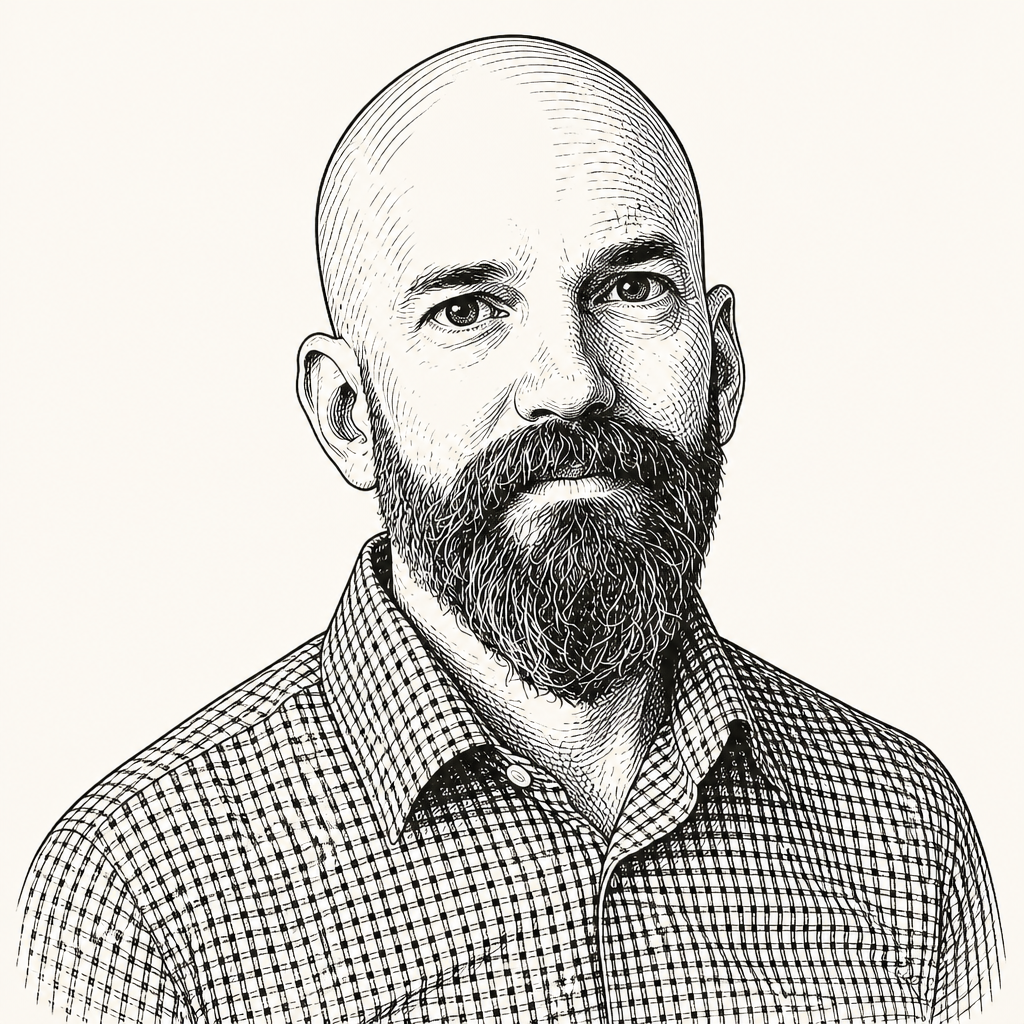
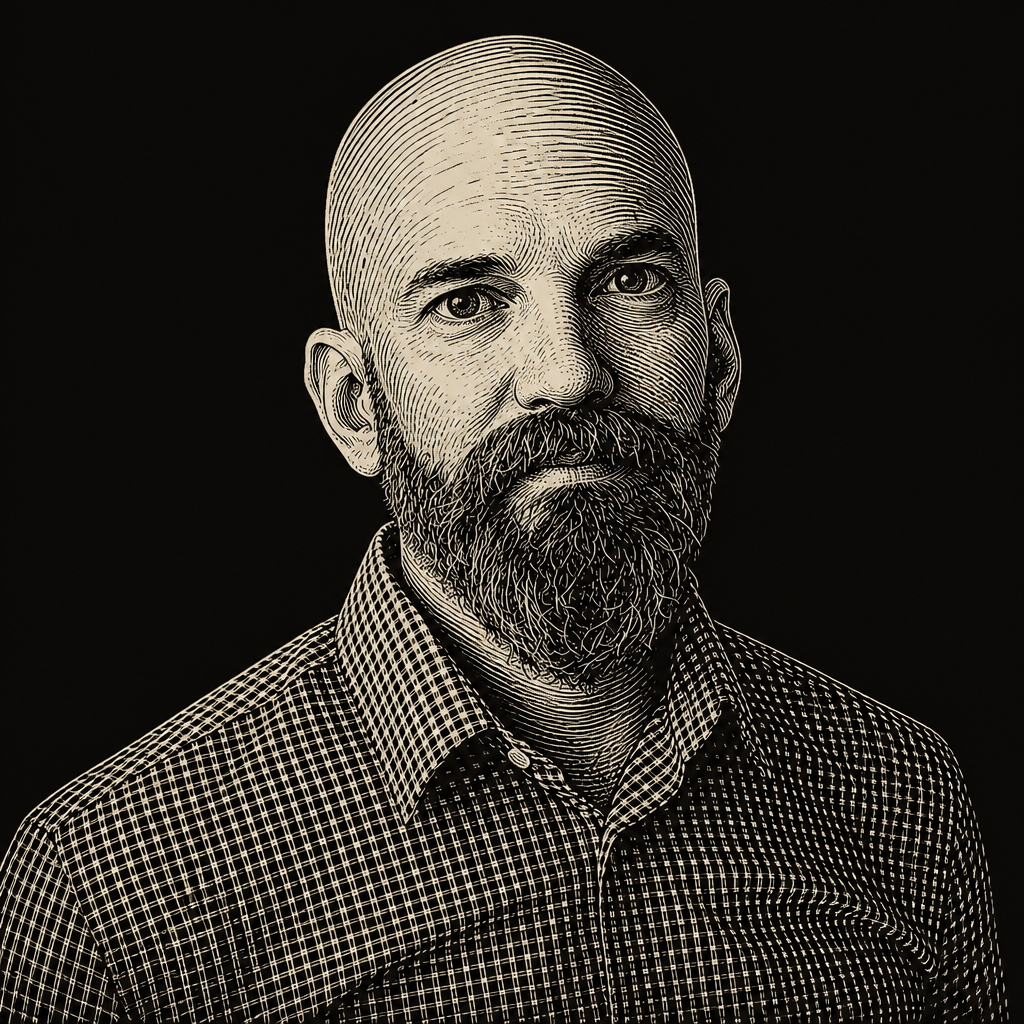
Ida Rademacher, vice president and co-executive director of the Financial Security Program, applies the same people-first logic to economic opportunity. “We expand access to opportunity,” she says, “because when people thrive, communities flourish.” Opportunity is framed as both individual and communal: people need access in order to thrive, and thriving people strengthen communities.
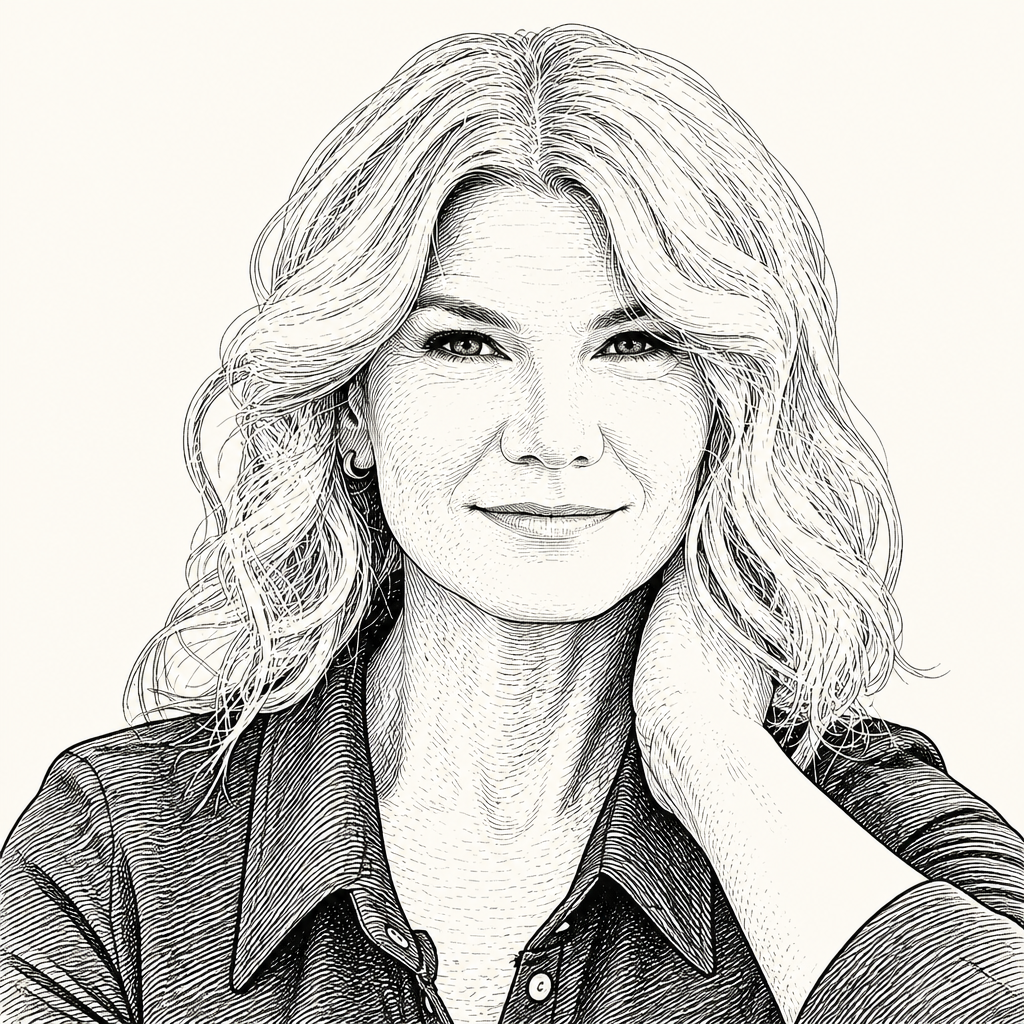
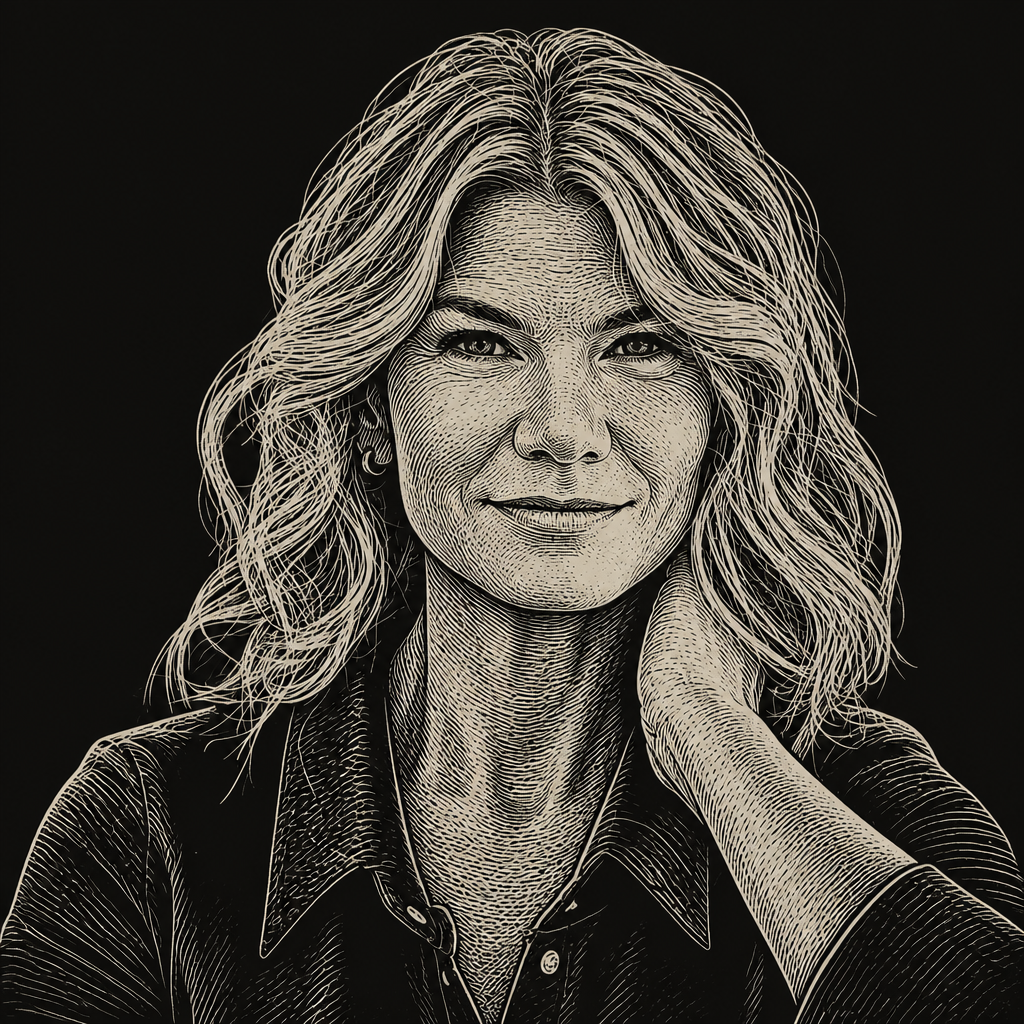
Together, the named areas — societal trust, rising generations, energy and climate, financial security, and access to opportunity — illustrate a single institutional claim. The Institute’s work is not only to host discussions or run programs. Its stated aim is to create the conditions in which leaders can build understanding and turn that understanding toward public problems.
Programs are presented as formative experiences
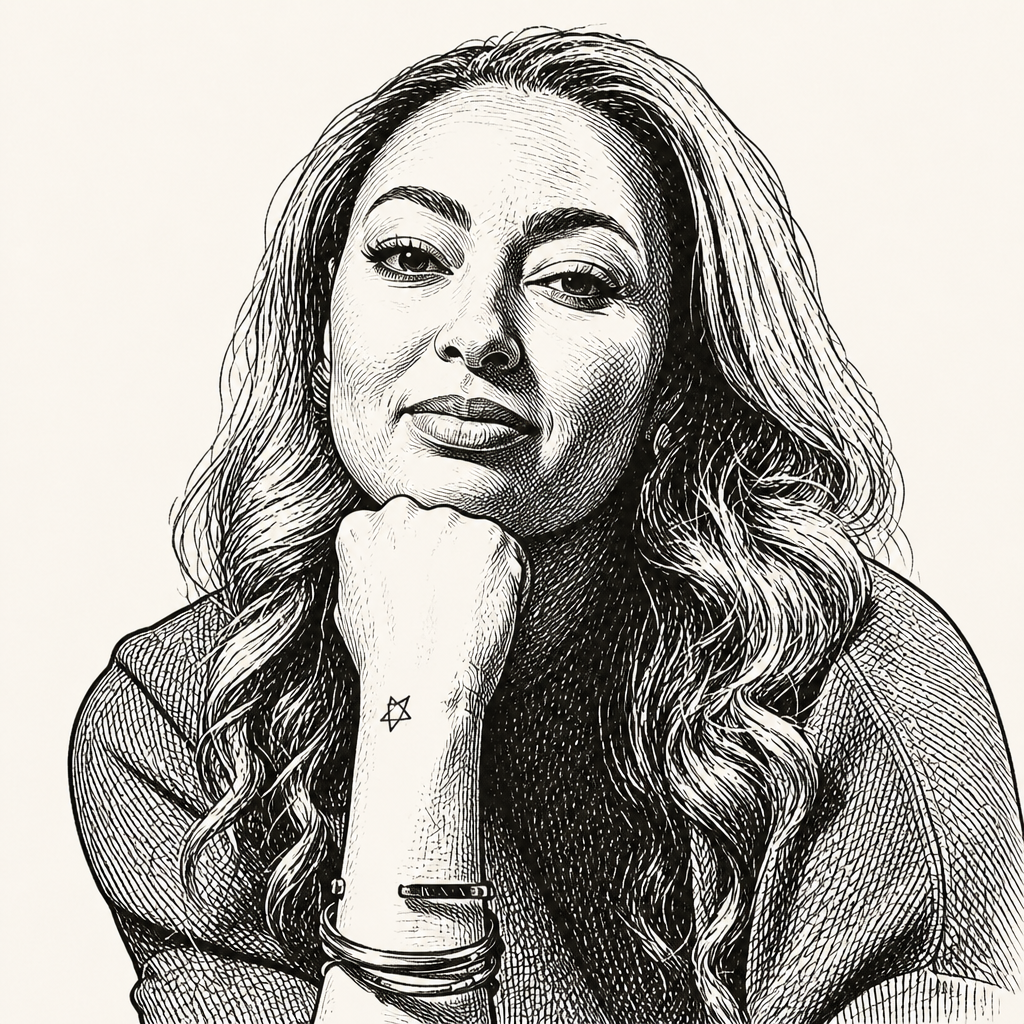
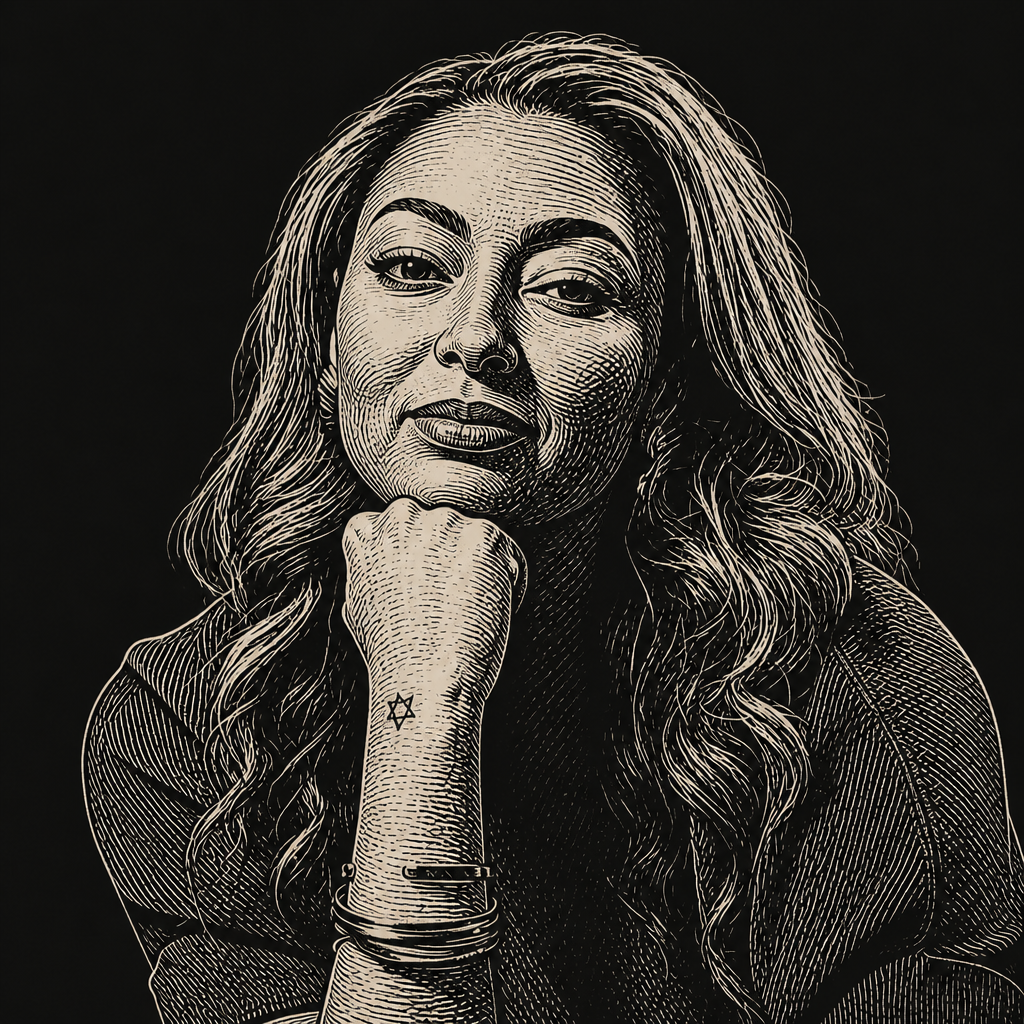
The source distinguishes between programs as offerings and programs as experiences that change participants. María Pérez, identified on screen as María Ortiz Pérez, executive director of Leadership Initiatives, says: “These aren’t just programs. They’re life-changing experiences.”
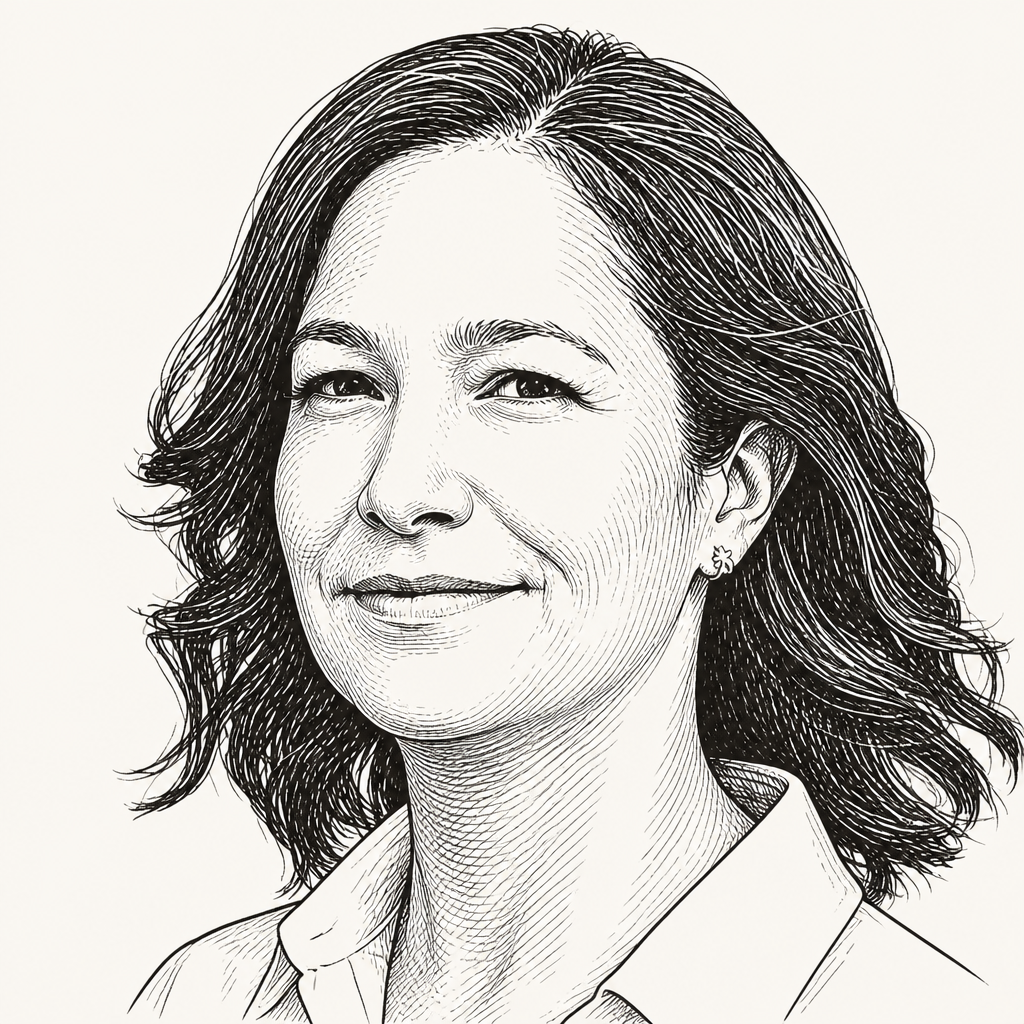
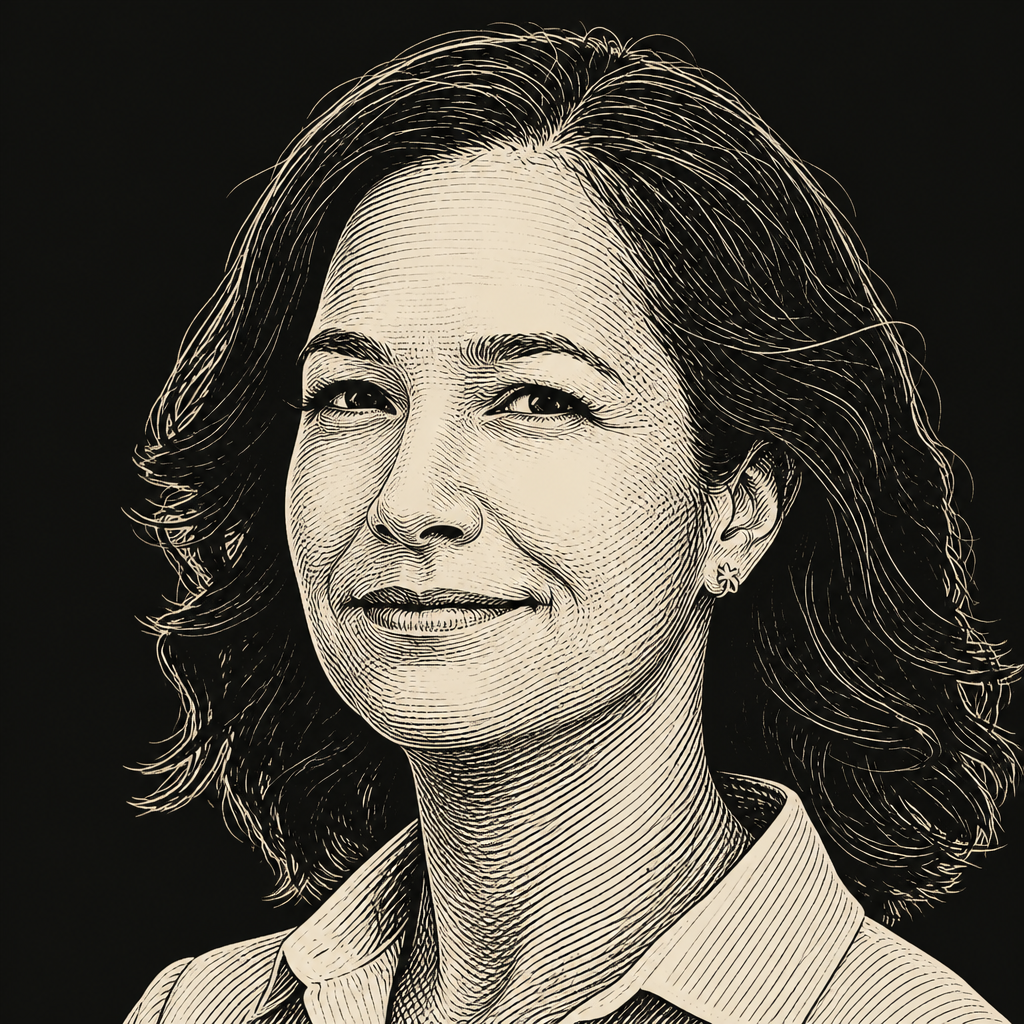
She says those experiences open doors, forge “new pathways around the world,” and help leaders discover “the courage and clarity within themselves.” The work is therefore both outward and inward. Leaders are meant to gain access to networks, pathways, and global possibility, while also developing the internal capacities needed to act.
Lorelle Atkinson, vice president for communications and marketing, turns that formation into a simple sequence: “Through connection and collaboration, we turn ideas into action, and action into lasting impact.” Connection and collaboration are the method. Ideas are the raw material. Action is the next step. Lasting impact is the intended result.
That logic explains why the Institute returns to “human potential.” It is describing a belief that people can be developed through dialogue, exposure to difference, shared purpose, and collaborative work.
The invitation is to join a project built around human potential
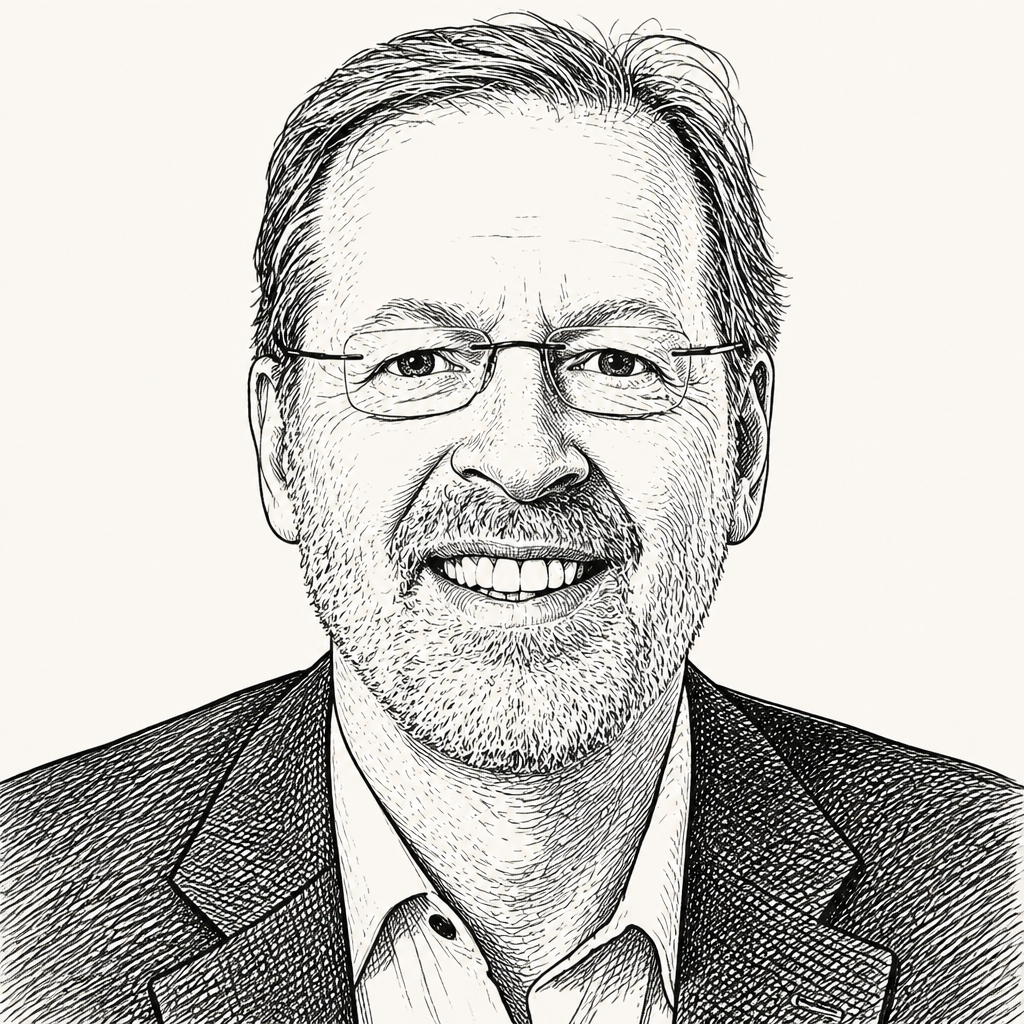
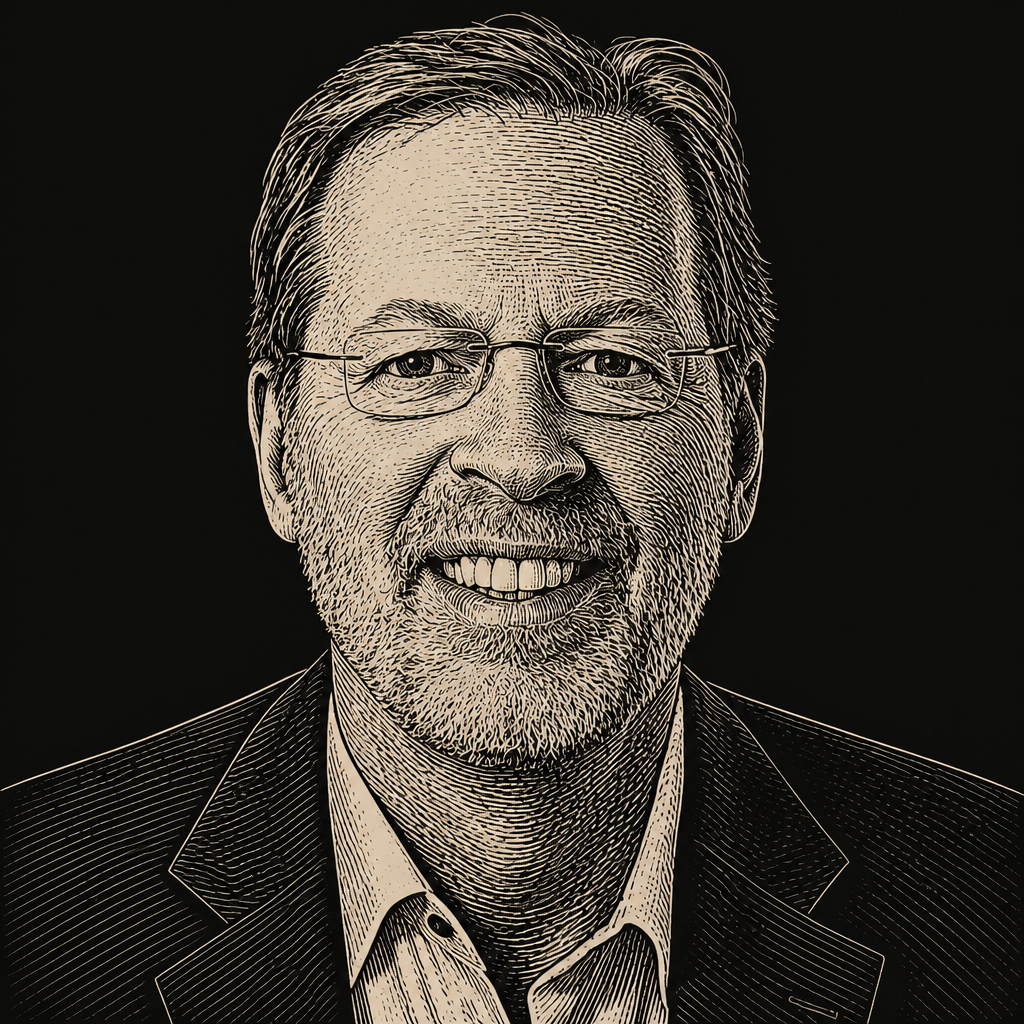
Daniel Porterfield, identified as Dan Porterfield, president and CEO, closes by turning the institutional statement into an invitation: “Together, we can ignite human potential to build understanding and create new possibilities for a better world. Join us.”
The sentence gathers the source’s main ideas into one proposition. “Human potential” is the resource the Institute wants to develop. “Understanding” is the capacity it wants to build. “New possibilities” are the outcomes it says can follow. The final “Join us” makes the statement a recruitment into its model of leadership: listen across difference, convene around hard questions, build trust, expand opportunity, address energy and climate challenges, invest in rising generations, and turn ideas into action.