Public Art Reopens Erased Histories Through Civic Imagination
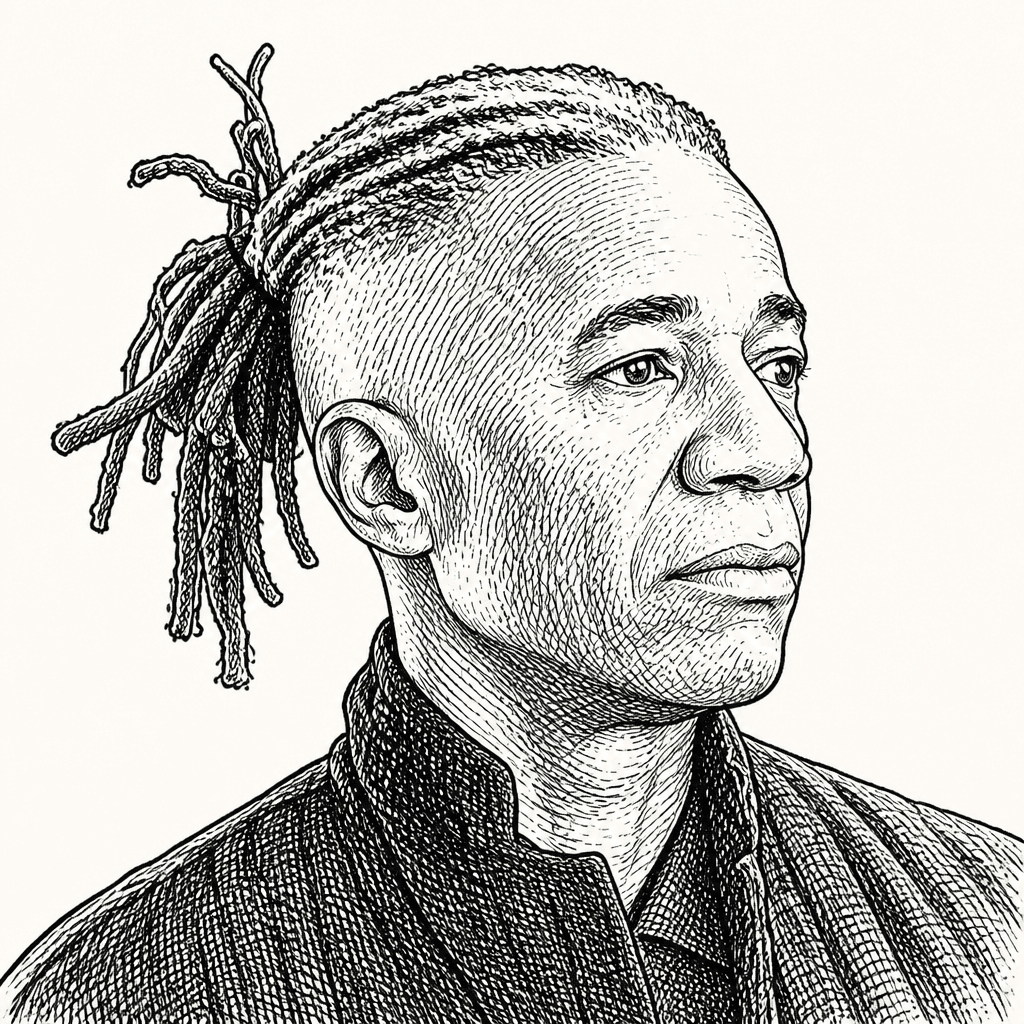 Walter Hood
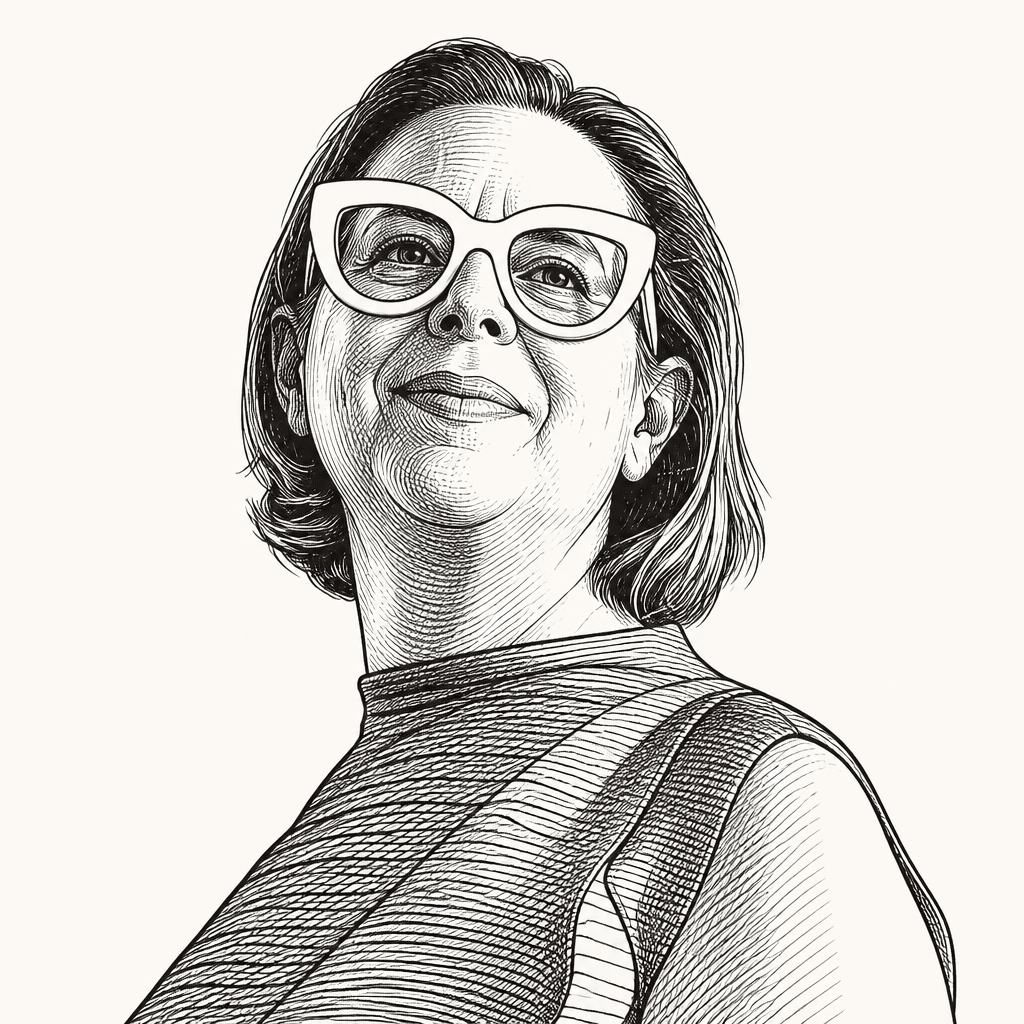 Janet Echelman
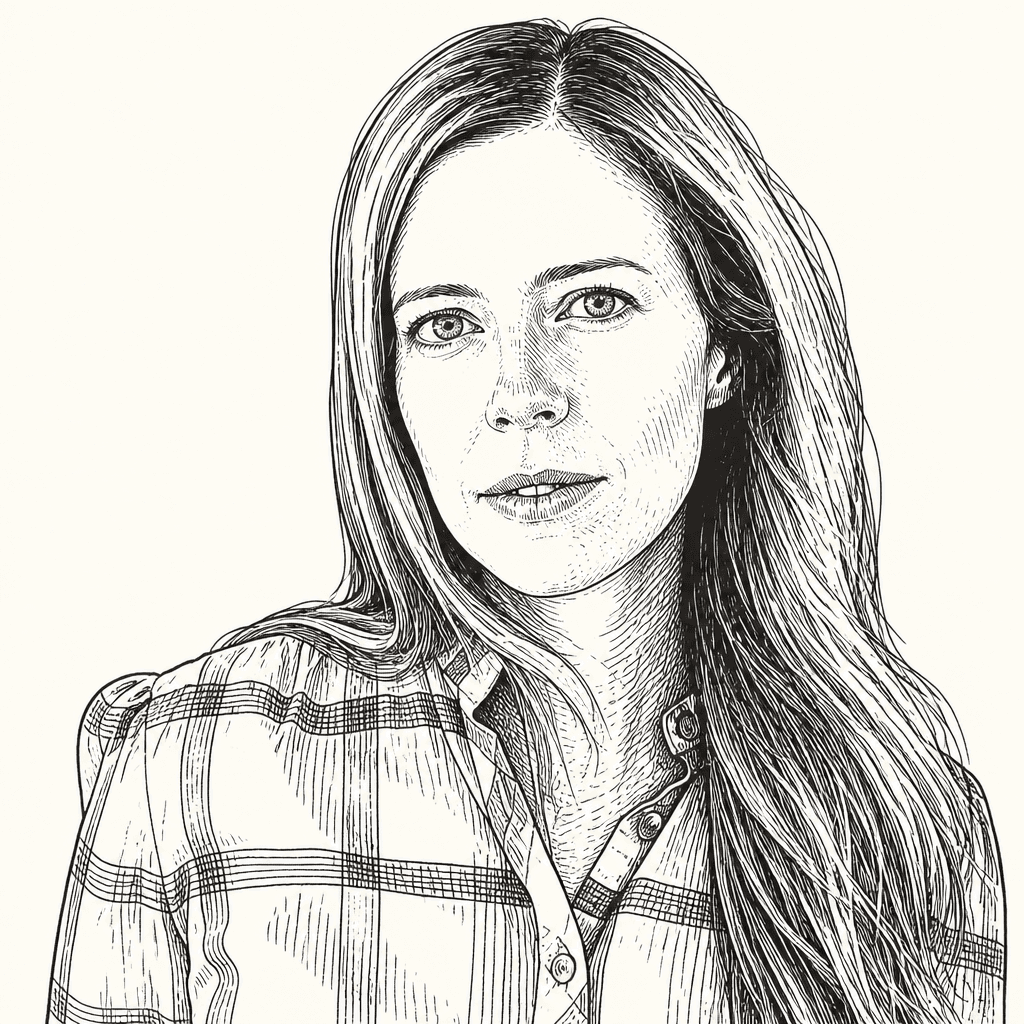 Megan O'GradyThe Aspen InstituteThursday, July 2, 202621 min read
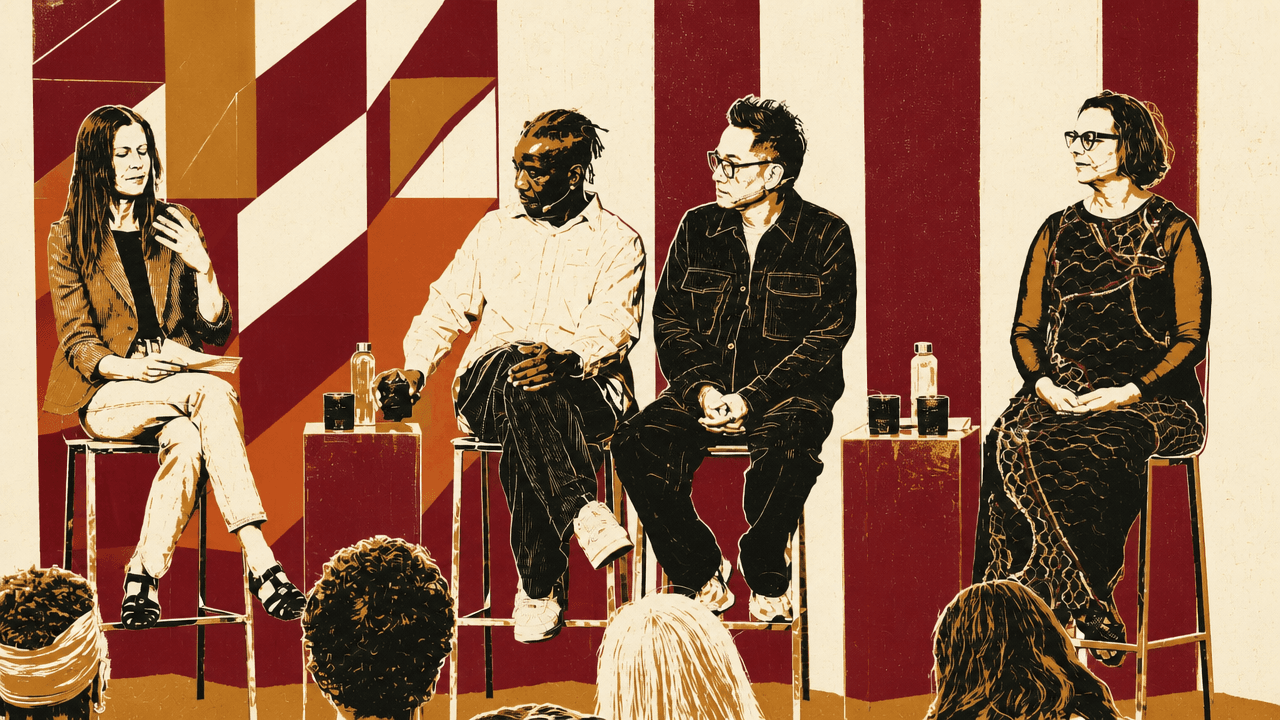
At the Aspen Ideas Festival, artists Walter Hood, Janet Echelman and Glenn Kaino argued that imagination is not an ornamental artistic faculty but a civic practice, one that lets Americans contest official memory, inhabit public space differently and imagine plural futures. In a conversation moderated by Megan O’Grady, they described public art as most powerful when it resists fixed interpretation, draws viewers into bodily experience and keeps alive forms of attention that metrics, politics and technology tend to flatten.
Imagination begins where public memory has gone missing
The artists treated public art as a way to make American identity plural, bodily, and unfinished. Walter Hood put the problem directly: as an American, he said, he has had to understand himself in places where there is “very little to represent myself.” American identity should not have “a singular interpretation.” His public works begin from sites where a civic story has been erased, narrowed, or disciplined into sameness, then use landscape, water, bodies, scale, and public participation to make another history physically present.
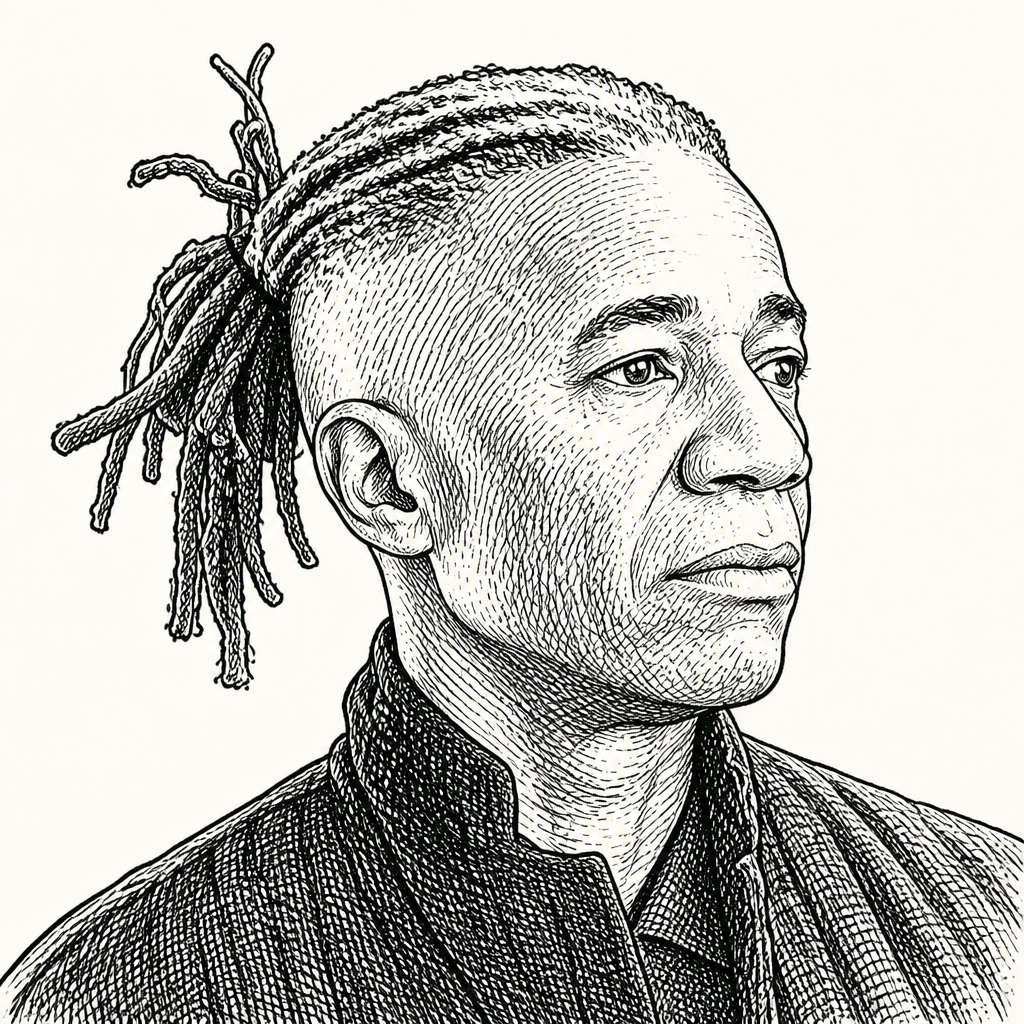
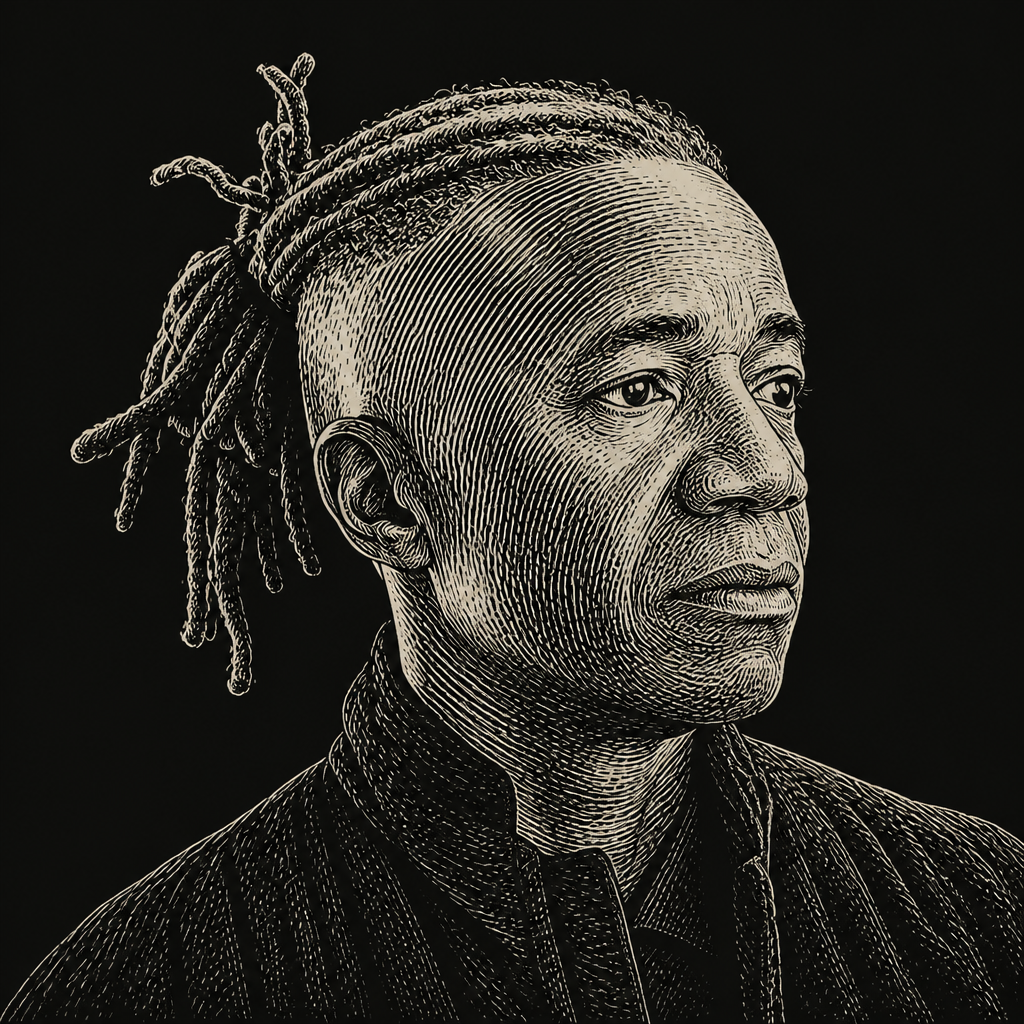
At Lift Every Voice and Sing Park in Jacksonville, Florida, Hood began with the Johnson brothers, whom he identified as the writers of “Lift Every Voice and Sing,” the African-American national anthem. He had first encountered them in grade school as poets. But when he went to Jacksonville, he found that LaVilla, the segregated neighborhood associated with them, had been “completely erased.” There was no intact commemorative landscape waiting to be designed around.
What he found instead was an old worker’s cottage sitting in a vacant lot. When Hood asked how long it had been there, he was told 40 years. He moved the cottage to the Johnson brothers’ site and cut a hole in it, turning the house into what he called a megaphone. On opening day, he told the crowd that “all the ghosts of LaVilla will come out of this house when you use it.”
The work mattered to him not because it heavily labeled the Johnsons, but because people took it over. Hood said he had done many projects and had rarely seen that many Black people come together joyously every day. In the mornings, people work out; in the afternoon, they dance; there are shows. The public’s use became part of the work’s meaning.
At Gadsden’s Wharf in Charleston, South Carolina, Hood described another vacant site and another suppressed history. He said its history had been lost for more than a century, and described it as a place where “we think close to 40 to 45% of the African slave diaspora landed.” He added that, as someone from Charlotte, North Carolina, he thinks his own ancestors may have landed there, though he has not done the research.
The central artistic problem was representational. “I wanted to put Black bodies in space,” Hood said, because in Charleston, Black people had been “literally omitted from this story.” Downtown Charleston, in his telling, had not allowed such representation; it could exist outside downtown, but not in the city’s symbolic center.
The Tide Tribute’s reflective waterfront surface is patterned with tightly packed human silhouettes, with body-shaped recesses that fill with water at certain times. Hood described the experience as one in which “bodies of our lost ancestors appear and disappear, appear and disappear.” The work does not function as a conventional explanatory monument. It changes the public field of perception in a city Hood described as having “a singular narrative.”
His current project in Houston, Remembrance Park, is located in what he called the city’s “carceral landscape,” next to the county jail and courthouse. Hood said Harris County is the second-largest carceral county in the country, after Los Angeles County, and may be about to surpass it. For three blocks next to the bayou, his team is bringing the bayou up into the project and using it to tell the story. The design will include hush harbors, a large fountain connected to baptism, and a constellation of experiences. Hood also said the park will show the carceral rate “in real time somehow.” The project was represented by large illuminated letters spelling “REMEMBER” installed on grass beside a brick building at night.
The through line is not a single visual language. Hood emphasized that the work changes from place to place. He is often asked what he does, and he finds that hard to answer because the work is not a repeatable signature. It begins by finding something particular in a place.
That particularity is also a political and cultural stance. Hood argued that the United States remains stuck in a “post-colonial maze” in which sameness becomes a way to represent the state. Breaking from that sameness, he said, would allow a genuinely post-colonial world in which diversity is recognized.
Janet Echelman made a related argument through softness, movement, and ecological scale. Discussing one of her outdoor net sculptures, she said nature is one of the primary actors. The works are soft, move with the wind, and evoke “the fragility of our human bodies,” but they are “not afraid of taking up space.” Their strength is not the strength of steel. It is the strength of textile: through its ability to adapt and move, it gains strength.
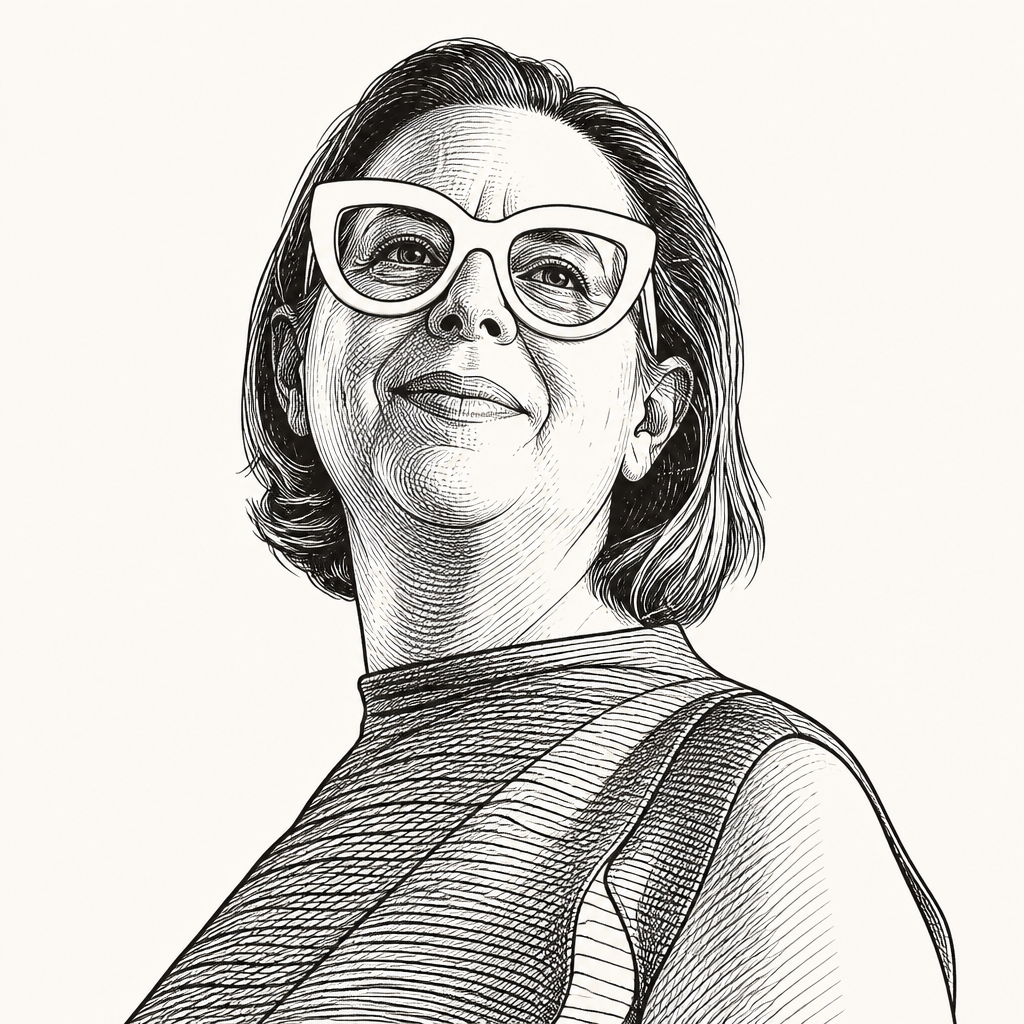
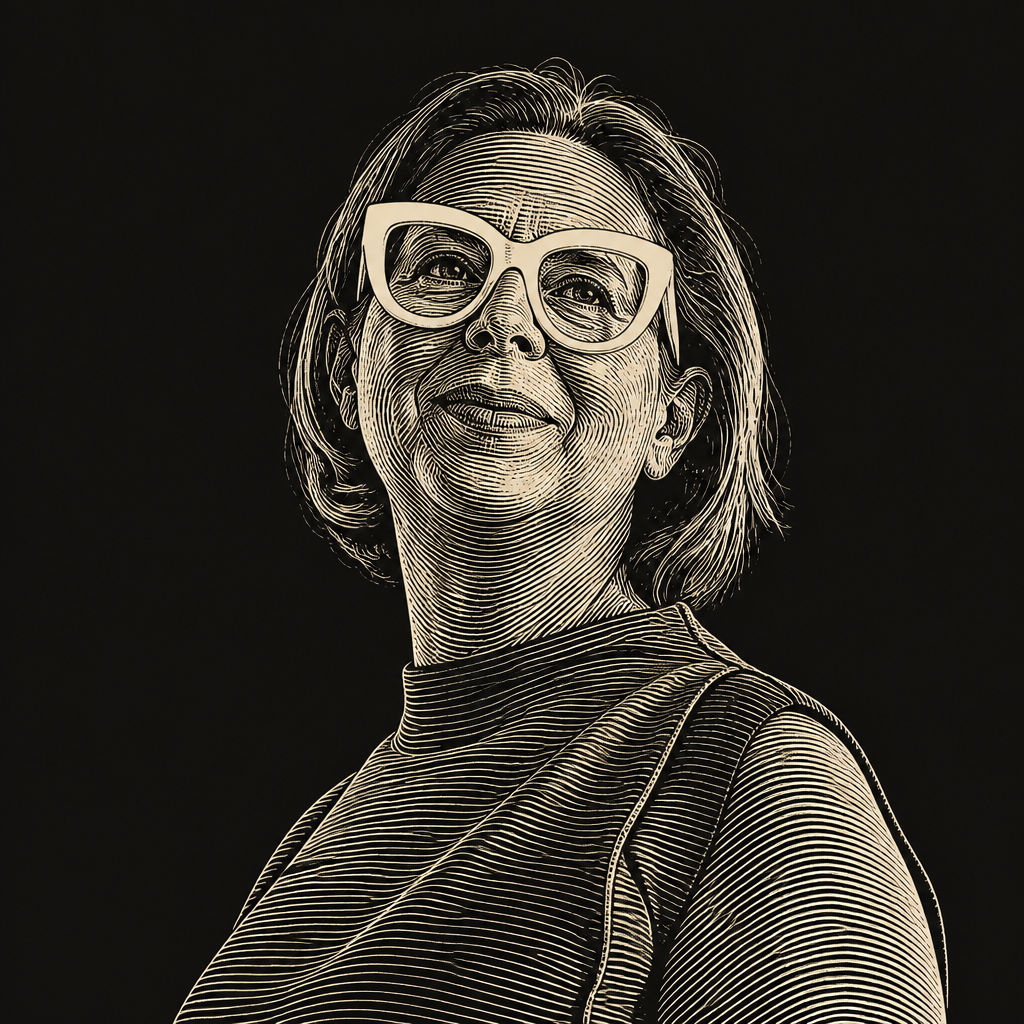
That idea became concrete in Bending Arc, her work on the St. Petersburg, Florida Pier. Echelman said she was asked to make a work about the history of beach and leisure at the pier over more than a century. When she dug deeper, she found that the site was connected to the swim-ins that led to the 1957 U.S. Supreme Court ruling integrating public beaches and pools in America. Yet there was no historic marker, and nothing online that she could initially find. She eventually found a PhD thesis.
The history was personal, too. Echelman grew up in the area and recalled her grandmother telling her that when she was a child, there were signs on the beach reading, “No coloreds, Jews, or dogs.” To create a work on the new pier that welcomes everyone into public space was, for her, “incredibly meaningful.”
Bending Arc later became part of another public ritual. After George Floyd was murdered, Echelman said, weekly protests that began at City Hall chose the sculpture as their culmination point. People formed circles beneath it on Friday and Saturday nights and told stories. When Vladimir Putin invaded Ukraine, Echelman flew down and the work was turned yellow and blue in solidarity.
The point, for Echelman, is that an artwork can evolve as culture and time evolve. Its openness is not passivity. It is what allows new meanings and gatherings to accumulate around it.
Her Butterfly Rest Stop, installed in connection with the Aspen Ideas Festival at the Doerr-Hosier building and Paepcke Auditorium, extended that openness beyond human viewers. After receiving the invitation, she discovered the site is on the migration path of the monarch butterfly. The work asked how a butterfly sees the world, since butterflies perceive different wavelengths. It was meant not only for people contemplating “our interconnected destinies,” but also for butterflies themselves. Echelman planted 3,000 pollinator-supporting plants as part of the artwork.
“It is an artwork for the larger audience,” she said, “which includes the butterflies.”
The work should not tell the viewer exactly what to think
When Megan O'Grady asked Hood how explicitly he feels he needs to tell the story embedded in a site-specific work, his answer was direct: “It’s not pedagogical.” He does not want the work to function like a lesson with the interpretation already supplied.
At the Tide Tribute, Hood said, the only label is “Tide Tribute.” On one visit, a security guard asked him whether he knew what it was. Hood said no. The guard replied, “These are the bones of our ancestors.” Hood later returned and heard a different interpretation from someone else.
For him, that openness is not a failure of communication. It is the art. The work should not direct a viewer to “feel this way” or “look at this this way.” He acknowledged that this is difficult in museums and public art, where institutions often insist on signage that tells people how to interpret what they are seeing.
Janet Echelman described her own practice in similar terms. She said she does not like dogmatic work and “hate[s] when somebody tells me what to think.” Her work is meant as “a very open-ended invitation,” with many layers. She called it “a gesture of generosity and openness,” something she personally feels she needs in the world.
Echelman’s Smithsonian American Art Museum work, created for the exhibition Wonder and later acquired for the Renwick Gallery, became an example of how meaning is completed by the public. The installation includes a carpet that is part of the work. People from different ages and walks of life lie down on it and look up. Echelman said she has seen posts from visitors who came with an 8-year-old child and an 80-year-old parent and all lay down together, taking time with the piece.
The museum director initially resisted adding bean bags or similar elements, Echelman said, out of concern that homeless people might come in and “live there or something.” But visitors found their own way to inhabit the space. The work has projected shadows that move slowly, “like at the speed of a sunset.” Viewers are not outside it; they are inside it, with the sculpture above and below and shadow drawings moving around them.
Echelman said that if she had to reduce her work to one word, it would be “interconnectedness”: each person’s connection with others, with the physical planet, and with its systems. The Smithsonian piece was inspired by a data set about planetary interaction: an earthquake in one part of the world that created a tsunami with ripple effects in other places, whether or not those effects were visible. “We are all intertwined,” she said. “It’s a deep truth we know to be true but forget.”
The immersive experience, in her view, becomes almost spiritual in modern life. It allows strangers from different backgrounds to share an experience and sometimes begin talking to one another. Echelman said she does not complete the work herself. The viewer’s experience and meaning-making are the culmination of the art. “We are actually all co-creators in what this is.”
That position aligns with Hood’s distrust of over-explanation, but it does not mean the work lacks content. It means the content is structured as an encounter rather than an instruction. The same principle returned at the end of the discussion, when an audience question asked how much responsibility artists feel for audiences to receive the full sensation or meaning behind a work. One answer was simply: “I don’t. I let it be open.”
Another answer reframed impact as the beginning of curiosity rather than the delivery of a predetermined result. Awe can pique curiosity, and each artwork can become “a continuum of experience.” The encounter does not end when someone sees the work. It leads to questions: Why did the person make that? Who was involved? What is it?
Hood agreed with the value of a question that sends a viewer down a road. Pedagogical explanations allow people to consume the meaning and move on. Curiosity asks them to keep going.
National symbols can be damaged, extinguished, and made to reveal
Glenn Kaino approached the question of polarized public art through symbols that are already politically charged. His work Spontaneous Combustion begins as an all-white American flag. He tie-dyes it using what he described as a Confederate-era tarring solution, adding that, in full transparency, the recipe is for waterproofing and is a “close cousin” to the tar people may iconically understand.
Kaino then places the flag in a corner of his studio in a way one is normally warned not to do: like leaving an oily rag in a bucket. After two and a half to three hours, the flag ignites on its own. His artistic gesture is putting the fire out.
There’s a whole history of flag burning, but not flag extinguishing.
When the work is shown in a museum, it includes a lighting element that still casts the pristine shadow of the flag on the wall. Kaino described the work as a meditation on value systems that might persevere despite “the charred exterior that we’re living within at this moment.” The flag hangs vertically, tie-dyed with a dark central burn-like form fading through brown and white: the emblem is scorched, but not absent.
His collaboration with Olympian Tommie Smith began from a symbol that had become familiar to Kaino before it became personal. Kaino had a small picture of Smith’s 1968 Olympic raised-fist salute taped to the corner of his iMac. To Kaino, born after the event, it represented courage and resistance. Then a friend who knew Smith asked if Kaino wanted to meet him.
Kaino said he told Smith he was not there to pitch a project but had an observation. Smith seemed to live in a “time bubble”: for younger people, the image was symbolic, but for Smith it remained embodied and personal. “You brush your teeth with that hand,” Kaino told him. Kaino proposed taking the arm off Smith’s body, not literally, but sculpturally, so Smith could appreciate “this generosity, this gift” he had given others as a symbol of courage.
The resulting work, a monumental golden arm and raised fist suspended in space, is now in the permanent collection of the Smithsonian American Art Museum. Kaino called it “a bridge to the past, bridge to the future.”
That same work also became entangled in present political conflict. It appeared on the cover of The Shape of Power, the exhibition that Kaino said the current administration used in an executive order to begin attacking museums. When a Smithsonian curator asked him what it felt like for his artwork to be used as an example in an attack on the arts, Kaino answered by invoking another executive order: “My people know a few things about executive orders.” In 1942, Executive Order 9066 imprisoned his family and ancestors, he said.
That history led into his public artwork for the new Burbank airport, When We Reflect. The work recreates a camouflage net pattern sewn by Japanese prisoners held at the Santa Anita racetrack, near the airport site, while the U.S. military was building camps. Kaino said those prisoners sewed camouflage patterns used largely to hide buildings, including the Lockheed facility that became the Burbank airport.
For the airport commission, Kaino said he did not want to avoid difficult subject matter. His proposal was to take a pattern originally designed to obscure people and make it reflective, so it reveals people. As viewers move around it, they see themselves and, as he put it, “we become together up in the sky.” The reflective, net-like ceiling installation turns a history of concealment into an overhead field of reflection.
Kaino’s answer to the political climate was not that artists should shift with each administration. He argued that the circumstances may be changing quickly, but the requirements for art are enduring. Making remains a way of representation, of being seen, of challenging narratives, and of building “a place that we would like to see.”
The test of such work is not only whether the reference is legible. It is whether the work reaches people emotionally. Kaino described people weeping in front of the flag. He also recalled arriving with Tommie Smith for a preview of the Smith work when an older African-American sanitation worker stopped them. The man told Smith and Kaino that his mother would never let him do what each of them had done: he had wanted to be an artist, and he had wanted to stand up for himself, but his mother had warned him that standing up was dangerous. Kaino said they all cried.
Emotion, in that account, is not separate from historical meaning. It is one way a public symbol becomes personal again.
Imagination is a civic practice, not an artistic luxury
Megan O'Grady introduced a study by psychologists at UC Santa Barbara that, she said, had gone viral among critics. According to O’Grady, the study showed that art can trigger “state openness”: a more receptive, exploratory mindset. The implication was that art does not only show the world in new ways; it deepens perception and makes people more open to seeing the world differently.
Glenn Kaino responded by arguing that art is one of the last places not governed by a KPI or ROI. He acknowledged that art markets are governed by metrics, but “not art, and not artists.” The measure of a day in the studio, he said, is closer to: “Did you imagine a better world today?” Did something become a catalyst for a new idea?
That matters because spaces not dominated by quantification are diminishing. Everything is tallied. Everything has metrics. Against that, his studio operates with maxims, one of which is that imagination is a perishable skill.
Without imagination, no empathy.
Kaino connected imagination to the ordinary moral phrase “walk in another person’s shoes.” Practically, he said, there is no way to do that without imagination. He invoked the idea, often associated with Picasso, that every child is an artist and the problem is how to remain an artist as an adult. Surgery is a perishable skill, he said; imagination is too. If people stop using it because they believe it is off limits or reserved for artists, “we’re in deep trouble.”
Walter Hood took the question in a related but more uncomfortable direction. He cited Alice Walker’s In Search of Our Mothers’ Gardens as an early influence and described growing up with a grandmother who was always doing things with plants, probably shaping his path into landscape architecture. Everyone has the ability to create, he said, but the studio practice requires discomfort.
He pushes his team to be uncomfortable because discomfort forces movement. “You can’t sit still,” he said. “You go in search of things.” He wants viewers to feel some of that unease. Discussing his work Native, he said people ask, “What is that thing?” That is what he wants. If the viewer can immediately say, “Oh, I know what that is,” the work has closed down too quickly.
Hood also resisted the expectation that public work should generate an “Instagram moment.” His clients ask where that moment is, and his answer is: there is none. He wants people not merely to photograph the work but to be with it, to think about it, and later to ask what they remember. He praised Echelman’s work because, as it is always moving, “you can’t catch it.” Large-scale work similarly resists the small frame of the phone. Hood’s Remembrance sign stretches a whole block, and people struggle to photograph it.
Imagination, for Hood, is tied to the whole body. When people encounter a work physically, they begin to move differently. At IAM, he said, people come to the fountain and stop. Some take a breath, some walk in, some cry, some sit down. The pictures may come later, but the first demand is bodily attention.
Janet Echelman answered the openness question by turning it back on artistic practice itself. She wants to keep learning and collaborating in areas she does not already understand. Her newest learning edge, she said, has been a collaboration with a choreographer and an engineer around the question: What does it mean to move in a world where the ground is no longer solid?
She connected that question to the feeling of reading the news, where things once thought settled can suddenly become unsettled. The project involves a sculptural net with multiple layers, designed so dancers’ feet can be comfortable and the material can withstand their weight. Eight dancers move through it. The work explores how every step changes the shape of the world in ways one may or may not know.
For Echelman, the “state of openness” O’Grady described is not only something artists hope to create for audiences. It is something artists need in their own lives. If they are not feeling it, she asked, how can they share it?
Art begins in ordinary materials and ordinary attention
Access to art, as Megan O'Grady framed it, begins before the museum. She raised a concern she often hears: people want more art in their lives, but feel excluded because they do not live in New York or Los Angeles, did not grow up with access, or think art belongs to an elite world. That notion, she said, drives her crazy, and the artists onstage make work actively against it.
Janet Echelman answered by rejecting the need to begin with “Art with a capital A.” The day before, she had attended a workshop on sashiko, the Japanese art of mending clothes. Humble things can carry artistic potential: mending, cooking, the materials in a cabinet or gardening bin.
Her own practice began with an accident of access and material. She had been a painter and went to India to teach painting, shipping her fine art materials ahead. They were lost. She found herself in a fishing village with nothing to do and began working with netting. Her advice was not to wait for money to buy art supplies. Look in the fridge, the cabinet, the garden-supply bin. See what can be explored.
Walter Hood added a practice of attention: look for shadows. He recalled hearing about an artist who went village to village in Japan telling people to look for shadows, which reminded him of Jun’ichirō Tanizaki’s In Praise of Shadows. People first go outside and look at the shadow of a building, Hood said, but then they go inside and notice the shadows of household objects. Shadows become a way to see what one does not see.
That kind of perception is a way to think about art: not the thing one is already yearning to see, but the thing that surprises. Hood also urged people not to be afraid to like what they like. He sees a culture in which people worry they are not supposed to like a certain kind of art. If someone says, “This is the kind of art I like,” even if it is not the kind Hood likes, his response is: “That’s awesome.”
Glenn Kaino cautioned against confusing decoration or technical skill with art. The abundance of instructional videos can make people think that if they cannot draw in a skilled way, they cannot be artists. But drawing, he said, is mark-making. There is the literal version with an instrument on paper, and there is the human version: what do you stand for?
He connected that confusion to social media and fame. He quoted Jimmy Iovine as saying, “We’re living in an era of corny.” Iovine’s point, as Kaino relayed it, was that people used to have to be excellent to become famous, after which fame became a currency. Now fame itself is treated as excellence, and the shortcut to fame is corniness. For an artist, Kaino said, that can lead to “some really bad art.”
The antidote is to reframe what counts as artistic action. Looking at shadows, transforming a practice from painting to weaving, making a small poetic gesture: these can have ripple effects that lead to a larger understanding of art than the one people are being funneled into.
That reframing depends on practice, not inspiration alone. In response to an audience question about cultivating imagination, a speaker answered by quoting Hood’s emphasis on discomfort: do something one does not already know how to do, and stay in a learner’s mind. Hood called the practice “becoming.” As he gets older, he tells students he is not who he was yesterday or a decade ago, and he does not want to be the same person tomorrow. But becoming requires work.
He offered a concrete exercise: next time in an airport, do not look at the phone while everyone else is looking at theirs. He said he practices in the airport by being “without.” It is difficult because distraction is everywhere. But imagination requires that practice.
Another response emphasized curiosity and awareness, especially the questions “what if?” and “hear me out.” The Tommie Smith project, in that account, depended on such openness. If Kaino had not had Smith’s picture taped to his iMac, and if a friend had not walked in and asked if he wanted to meet Smith, the project would not have unfolded. “You can’t plan for good art,” the speaker said. Awareness, presence, noticing flowers, people, things, and stories are part of “fighting for our own humanity.”
O’Grady added that emerging artists often need permission to make errors. She worries about the desire to get everything perfect the first time. Sometimes, she said, one has to get it wrong several times before breaking through.
Two images of curiosity followed. One was Curious George, invoked as a figure who is always getting into trouble: breaking things, climbing, making a mess, living in something unresolved. The other was Echelman’s story of telling her parents she wanted to be an artist. Her father asked whether any teacher had told her she was good at it. No one had. Her mother wrote back that being an artist was “a worthy goal,” and told her to make 99 paintings. The letter included a check for $99 to buy supplies.
Echelman said there was something important in that instruction. It was not a sentimental assurance that she could do anything. It acknowledged difficulty. But if she had to make 99 paintings, that also gave permission for 98 of them to be bad.
“Go make 99 of whatever it is you want,” she said.
AI makes physical experience and point of view more valuable, not less
An audience question placed the artists’ claims about discomfort and material experience against the conference’s broader emphasis on frictionless AI. If people become more interdependent with chatbots and intimate AI relationships, the questioner asked, what happens to generations that begin with AI and try to reconnect to humanity?
Janet Echelman said she uses AI and loves using it, but argued that the more AI expands, the greater the hunger becomes for physical experiences. She pointed to her daughter in the front row, who was crocheting, as an example of a generational hunger for the physical world and for “the wisdom of the materials and methods of our ancestors.” Everything old, she suggested, becomes new again.
Glenn Kaino said the artist may need to be both adversarial toward and an accomplice of AI. He compared the shift to his experience as chief creative officer of Napster: once a fundamental technological change occurs, “you’re not putting the genie back in the bottle.” People are not going backward in how they consume music or experience the world.
The task, then, is to contend with technology’s expanding limitations. Kaino said AI may replace technique and skill, and may do so efficiently. But he argued that it cannot yet do, and may not do in relation to expressing humanity, what he called point of view. People are not going to ask AI, “What do I care about today?”
If AI fast-forwards through technique, Kaino suggested, it may force people to appreciate more clearly that point of view is where the artist stands. He tied this to the long project of diversity and multiculturalism from the 1960s to now: creating moments of affection and camaraderie among multiple points of view. If the role of the artist is accelerated toward that recognition, he said, it might not be a bad thing.
Walter Hood was less anxious about AI because large social transformations have happened before. The Industrial Revolution and the Renaissance changed society profoundly. Roads and systems built for horses gave way to something else. Hood argued that there will always be a place for analog experience and friction, because as the world changes people may find themselves alone and will want those forms. AI, in this view, is part of the recurring loops of history, not the end of the human spirit.
The answer across the three positions was not a rejection of technology. It was a refusal to let frictionlessness become the model for human meaning. The same qualities the artists had been defending in public art — bodily presence, unresolved interpretation, discomfort, material surprise, and point of view — become more important when more of experience can be automated or smoothed away.