Pope Leo XIV’s AI Encyclical Ties Safety Rules to Human Dignity
 Josh Good
 Vivian Schiller
 Kim DanielsJim WilliamsChris Lewis
 Vilas DharThe Aspen InstituteFriday, May 29, 202611 min read
A panel convened by Aspen Digital treated Pope Leo XIV’s first encyclical, Magnificent Humanity, as an authoritative Catholic intervention in AI governance rather than a narrowly theological text. Kim Daniels, Vilas Dhar, and Josh Good argued that the document judges AI by its effects on human dignity, especially for workers, students, creative professionals, and vulnerable communities, while pointing to safety regulation, retraining, and education as practical tests. The unresolved problem, Daniels said, is whether the Church can move that teaching from Rome into parishes, civic institutions, classrooms, and technology work.
High authority does not solve transmission
Pope Leo XIV’s first encyclical on AI entered the discussion as both authoritative and difficult to implement. Vivian Schiller introduced Magnificent Humanity as a document about artificial intelligence and the protection of human dignity, with a “sweeping vision for the future of AI” that extends beyond theology into concrete recommendations on safety regulation, job retraining, and education. Aspen Digital’s title card used the Latin framing “Magnifica Humanitas: Catholic Thought for the Digital Age,” while the speakers referred to the encyclical in English as Magnificent Humanity. The shared emphasis was clear: Catholic social thought was being applied to the digital age, not as a private theological reflection but as a public account of how AI should be governed and judged.
The harder question was whether that teaching can travel. Chris Lewis, identified in the room as president of Public Knowledge, said many people “of all faiths and none” share the document’s concerns about human dignity and flourishing. He described the encyclical as an “amazing marker” that gives Catholics “marching orders” inside policymaking, technology, and civic life. But he asked a practical institutional question: after Rome speaks, what happens next? Are priests being taught to preach on it? Are parishes receiving instruction? How does direction from Rome reach local communities in a Church that spans more than a billion people?
Kim Daniels answered without smoothing over the difficulty. An encyclical, she said, is “the highest level of authoritative teaching” the pope can give. That authority explains why the document was treated as more than a general statement of concern. But Daniels said the Church does not have enough avenues to move the teaching directly from a papal document into parishes, pastors, civil society networks, and the lives of lay Catholics involved in public questions.
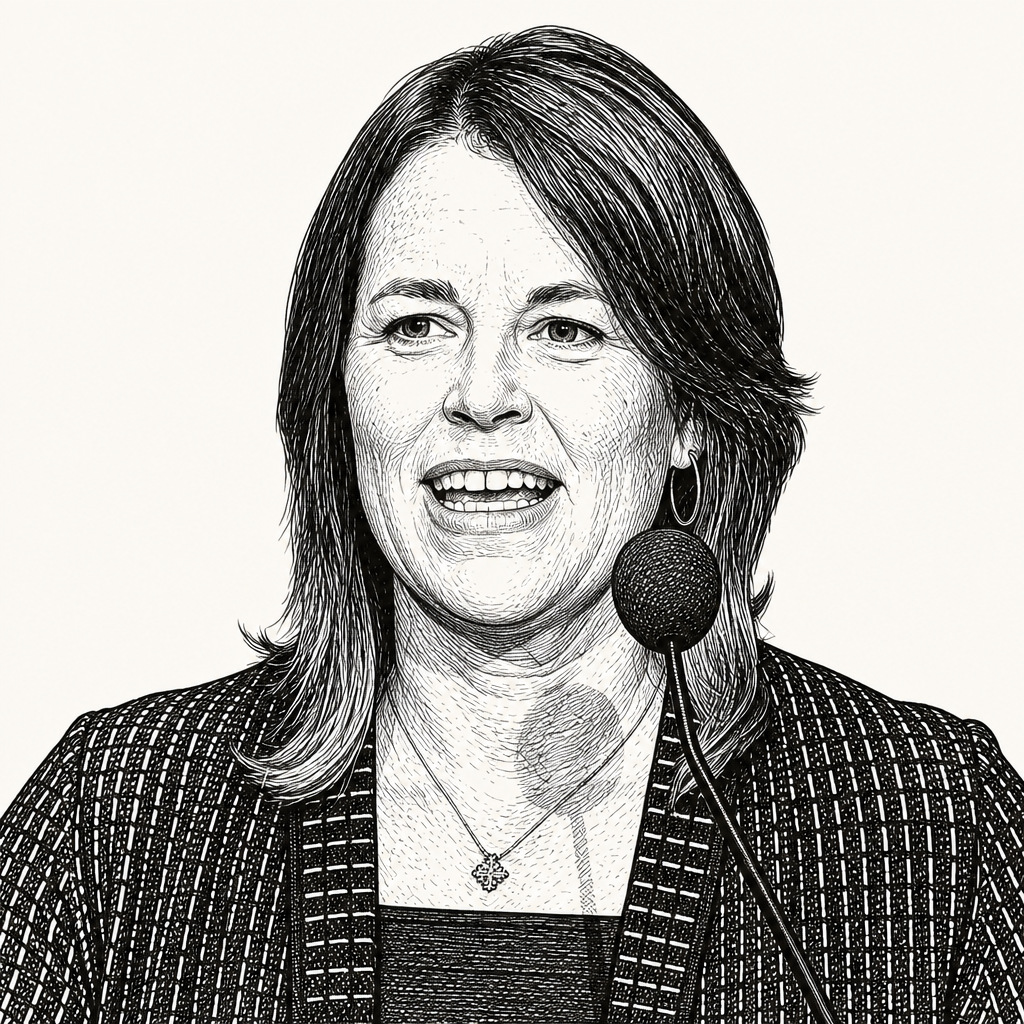
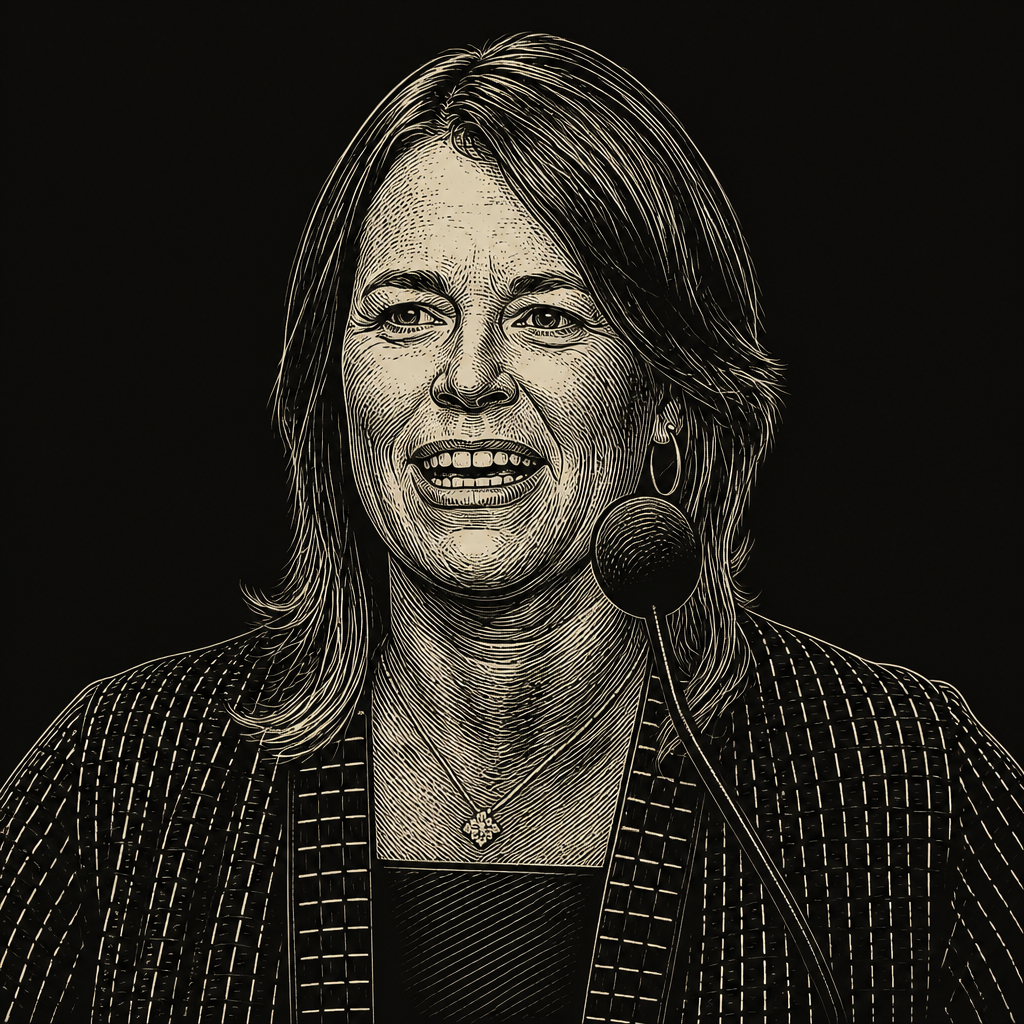
It is an encyclical. It's the highest level of authoritative teaching that he can give us, and we don't have enough avenues for taking this right from — that's what, we run an initiative at Georgetown, try to talk to civil society leaders like folks in this room. But getting to the parish is one of our biggest challenges.
Daniels’s own work at Georgetown’s Initiative on Catholic Social Thought and Public Life — her lower-third identified her with that Georgetown initiative — is one attempt to bridge that gap, especially by engaging civil society leaders. But she identified parish-level transmission as one of the biggest challenges. Pastors, she said, are already overwhelmed: post-COVID realities, returning communities, running schools, and the ordinary demands of parish life all compete for attention.
Lewis’s question also pointed to a wider civic reality. He contrasted the Church’s moral framework with the difficulty of action in Congress and in a divided society. If formal politics struggles to respond, he suggested, the moral frameworks held by ordinary people may shape how AI governance and social response develop. Daniels did not dispute the importance of that point. Her answer was that getting the teaching to “the right audiences” is itself a major institutional challenge.
The technology question shifts from what can be built to what should be built
Vilas Dhar described the encyclical as arriving at “a profound moment of reflection” for the technology sector. Dhar, whose lower-third identified him as president of the Patrick J. McGovern Foundation, said technologists often get caught up in capability: what can be built. Magnificent Humanity presses a different question: what should be built, and under what obligations to human flourishing and dignity.
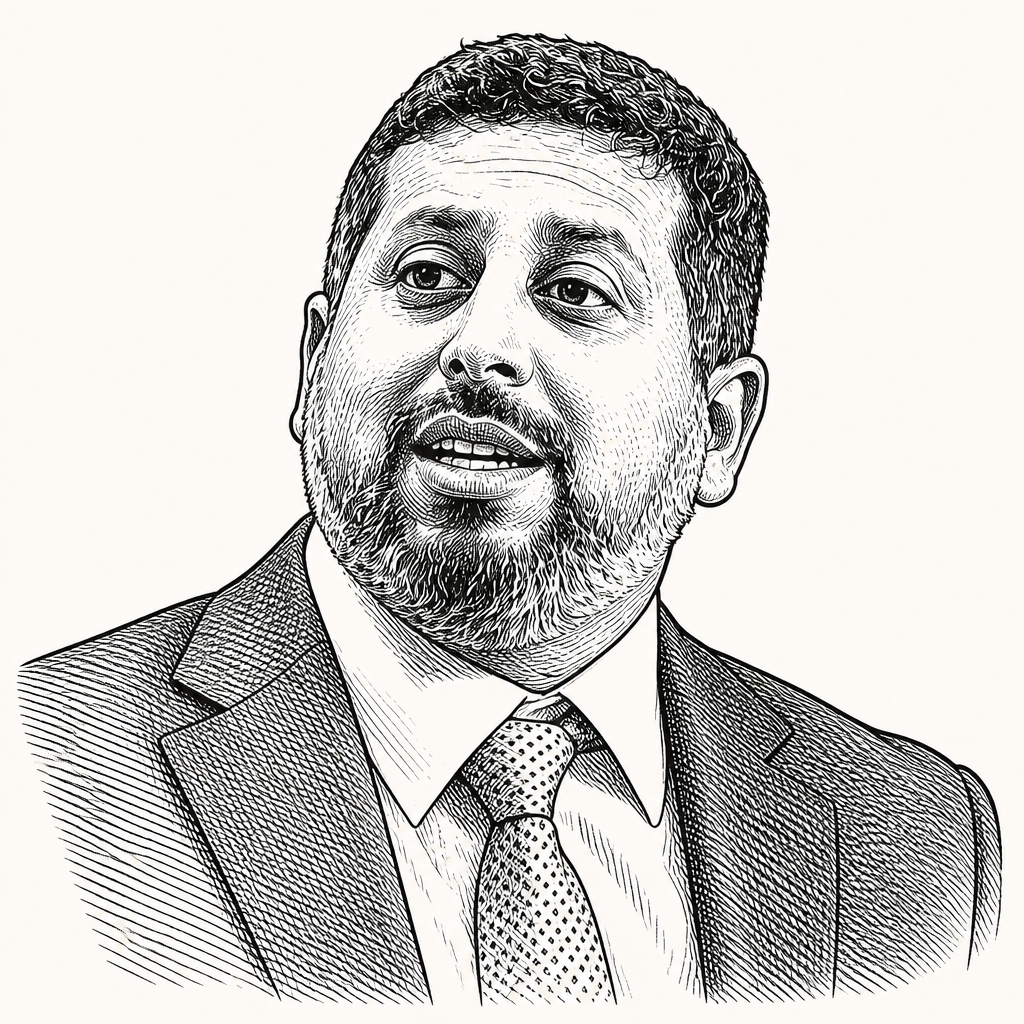
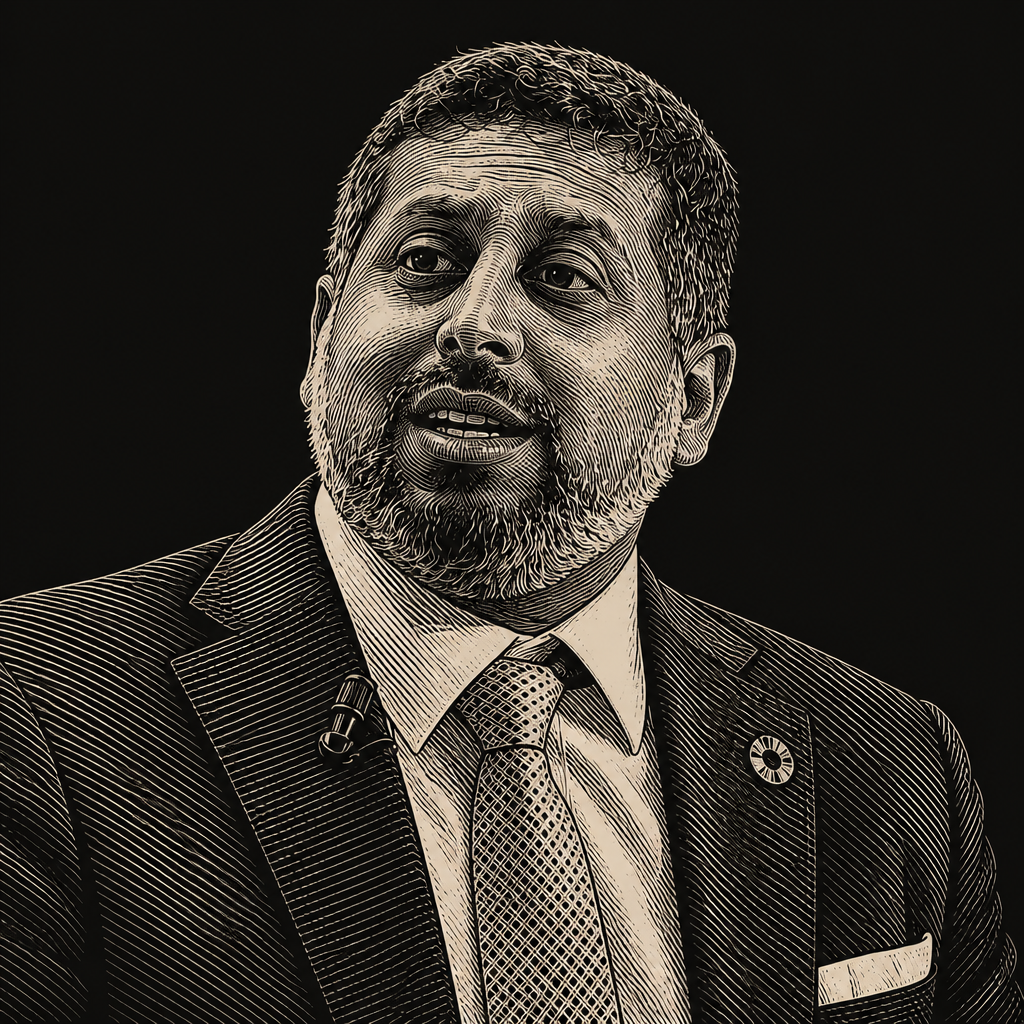
Technologists often get caught up in the capability of what we can build, but Magnificent Humanity asks us to pause and consider what we should build.
Dhar did not present this as an anti-technology stance. He spoke of the possibility that the world can become better through technological work, but insisted that such a project has to be inclusive. The document’s practical recommendations — safety regulation, job retraining, and education — give developers, in his words, a “clear ethical framework.”
Kim Daniels added that the test of any response is whether it protects those most exposed to harm. AI should not become another system that benefits “the wealthy or the powerful” while leaving displaced workers or vulnerable groups to bear the cost. In her account, the Church’s tradition of standing in solidarity with “the least of these” pushes AI governance toward concrete questions: do fast-moving technologies exacerbate poverty, and are workers given robust retraining and support?
Josh Good described the encyclical’s approach as holistic. Safety regulation alone is not the whole response if workers are displaced and left without support. Job retraining is incomplete if education systems are not preparing people for a changed world. Good emphasized that the document “reaches beyond theology” by offering recommendations for safety and education that secular institutions are also embracing.
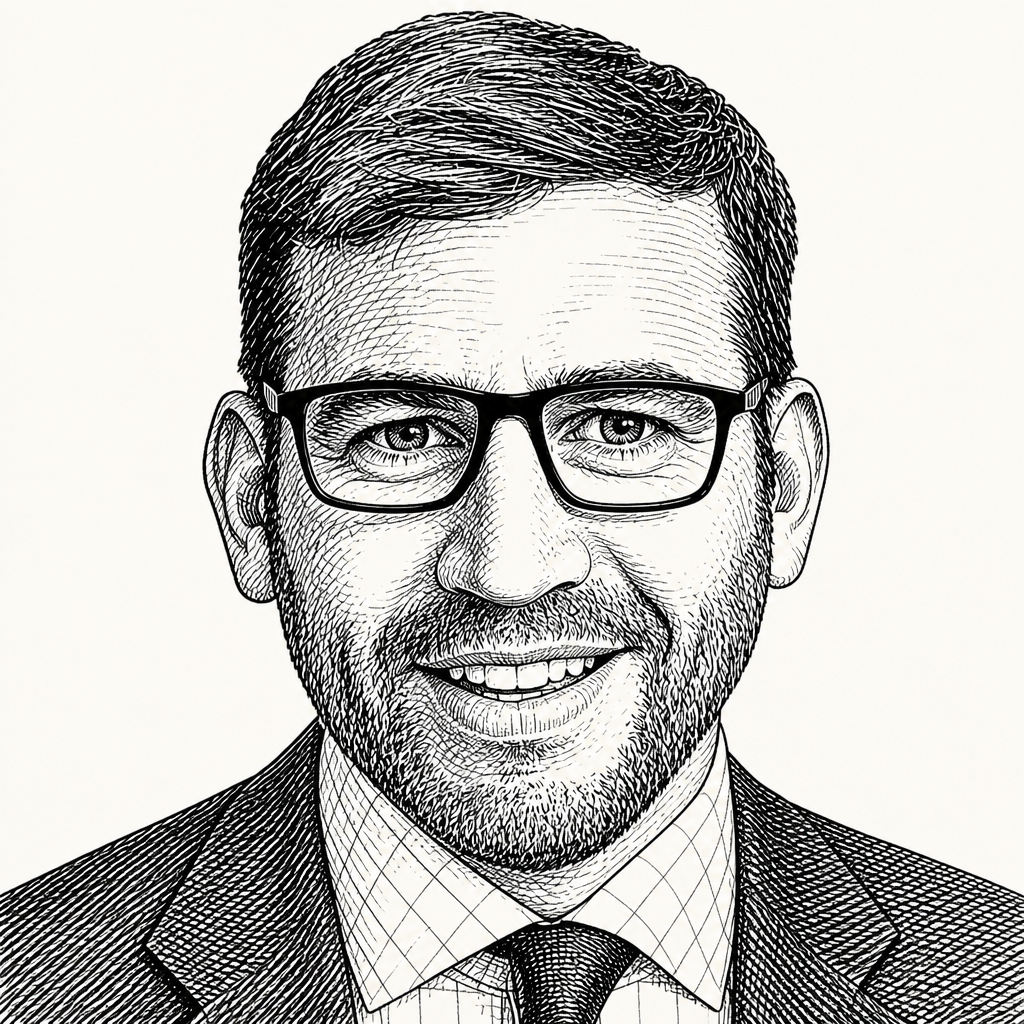
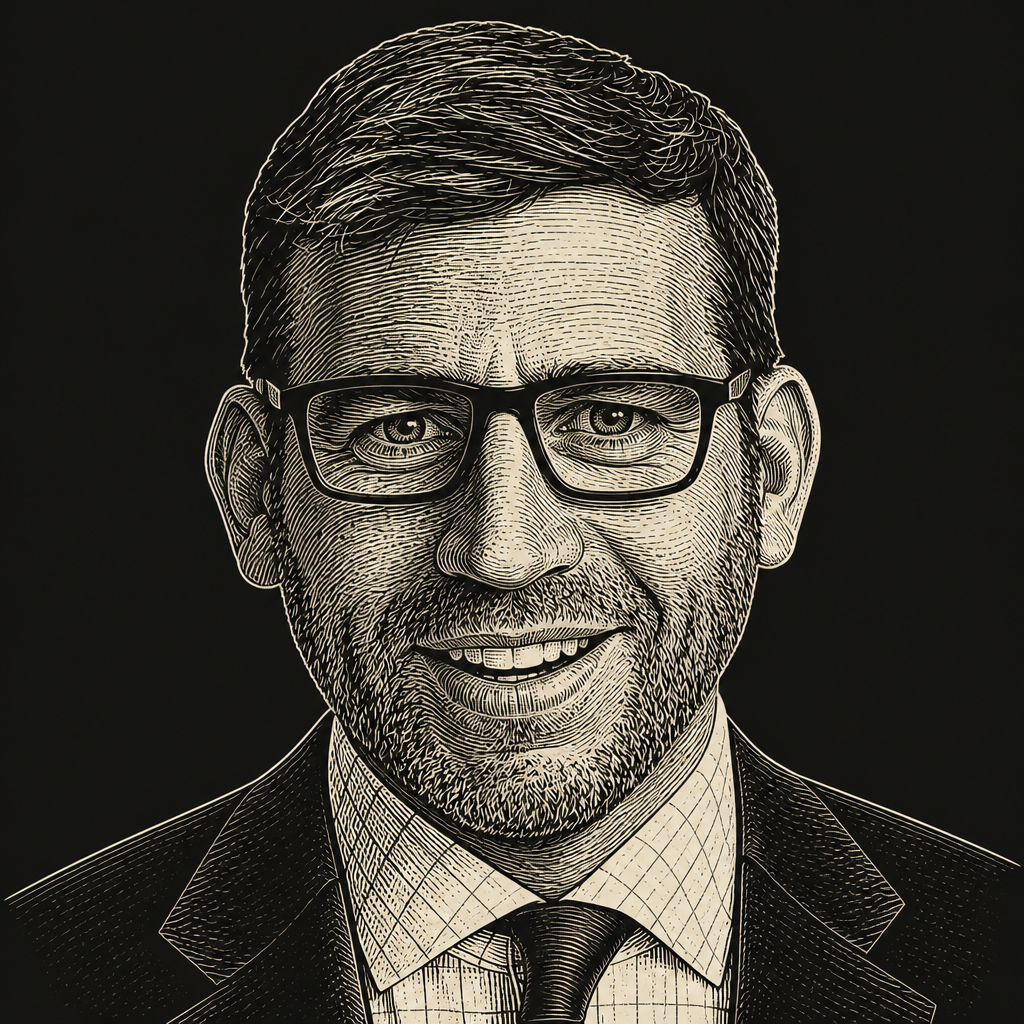
Dhar also said some engineers and developers are asking for guardrails of this kind. They are looking, he suggested, for ethical frameworks that put human well-being above “sheer efficiency.” That claim keeps the argument from becoming a simple opposition between religious ethics and technological practice. In Dhar’s telling, the encyclical is not only a warning from outside the sector; it also speaks to builders who are already seeking moral direction.
The policy triad is measured against dignity
Schiller named three areas where the encyclical becomes practical: safety regulation, job retraining, and education. The panel did not treat those as a technocratic checklist. They mattered because AI was being judged by what it does to human flourishing and to people least able to absorb disruption.
Safety regulation was not valued only because it could reduce technical risk. Job retraining was not described only as a way to preserve labor-market participation. Education was not framed only as skills adaptation. In the account offered by Daniels, Good, and Dhar, these interventions were justified by a prior moral standard: the protection of human dignity.
Kim Daniels gave the sharpest version of that test. The Church, she said, has long stood in solidarity with “the least of these,” and Pope Leo XIV is extending that tradition into the digital age. That means AI should not simply enrich those already well positioned to benefit from it. It also means regulation, retraining, and education have to be evaluated through their effect on poverty, displacement, and social support.
Josh Good located the same concern outside a strictly Catholic frame. He said the document extends beyond theology and offers recommendations that secular institutions are also embracing. The source of the encyclical is Catholic teaching, but its claims about safety, education, work, and human flourishing were treated as relevant to a wider public conversation about AI.
Vilas Dhar emphasized the internal orientation of builders. The issue, as he framed it, is not whether technologists can build increasingly powerful systems, but whether they are building in service of human well-being. “Capability” and “efficiency” were not enough. The practical recommendations matter because they create some structure around obligation: what builders owe workers, users, students, and communities affected by the systems they create.
Creative work makes the human cost less abstract
Jim Williams of Fable Studio asked about the mental and spiritual effects of AI on creative work. He argued that there had not been a strong moral reckoning over social media, and he described AI as already automating or threatening “a huge portion of creative jobs” in writing, acting, art, video, and film. These jobs, he said, have an “innate human characteristic” in a way that feels different from more mechanical forms of labor.
Williams’s question sharpened the issue. The earlier claims about regulation, retraining, education, and human dignity became more concrete when applied to creative work. He asked what the speakers anticipated as the mental and spiritual side effects of the “sudden mass decimation” of creative jobs.
Josh Good said the fear was “exactly” the right worry to name. He connected the issue to a concrete example from his own household: a 17-year-old son taking six AP courses, facing several papers due in the same week, and experiencing strong incentives to use ChatGPT to draft outlines. Good said that kind of situation would not have existed in his son’s high school two years earlier.
For Good, the point was not only academic integrity. It was the broader psychological and social effect of technologies that offer shortcut versions of human expression and achievement. He linked this to the isolation and depression associated with the social media revolution, which he said had affected “almost every Gen Z teenager.” AI raises a related but distinct problem: what happens when technology can sound like us, answer for us, and make us appear to be a more creative version of ourselves?
If anything can lead us to be more isolated and atomistic as individuals, it's a technology that purports to sound like us, answer everything for us, make us a better creative version of who we think we're supposed to be in the world.
Good’s answer returned to embodiment and community. If AI intensifies isolation and atomization, then “being more fully human in physical community actually really matters.” He pointed to churches and other gathering places as possible antidotes to a digital age “run rampant.” The response, in his framing, is not merely to regulate tools but to recover practices and institutions where people encounter one another as persons rather than as digital outputs.
Vilas Dhar answered Williams by accepting the premise that the damage is already underway. “We are all grieving today that mass decimation already,” he said, referring to the creative job losses Williams described. The mental and spiritual effects, in Dhar’s account, are not hypothetical. They are already being felt.
But Dhar resisted a response centered only on mourning what has been lost. He argued instead for “massive new energy” to re-establish the social contract and define a public commons not organized around generating dollars to buy more goods. The deeper question, as he put it, is what people do to contribute to society. He connected this directly to the pope’s message and said the challenge of rebuilding those commons appears across disciplines.
Re-establishing those commons is frankly the project of this century.
For Dhar, AI-driven disruption cannot be addressed only by helping displaced workers find new tasks inside the same economic logic. His answer pointed toward a renewed account of contribution, shared goods, and social meaning. The claim was broad, but it came from the specific wound Williams named: creative work being automated in domains people experience as deeply human.
Formation matters because tools shape habits
No one dismissed safety regulation. But the problems named by Daniels, Good, Dhar, and Williams were not only regulatory problems. They included overwhelmed pastors, displaced workers, students under pressure to outsource schoolwork, young people shaped by isolation, and creative workers watching their fields change.
That is where education and moral formation entered the argument. Schiller introduced education as one of the encyclical’s concrete recommendations. Josh Good spoke about the classroom pressure that makes AI shortcuts attractive. Kim Daniels spoke about the difficulty of getting Catholic teaching from a papal document into parishes. Vilas Dhar spoke about redefining contribution and rebuilding a public commons.
Those are different institutional tasks, and the panelists did not turn them into a detailed program. But together they explain why the encyclical was discussed as a document about human dignity rather than simply AI safety. If AI changes what people make, how they learn, how they relate to one another, and how work is valued, then the response has to involve the institutions that shape daily habits and moral imagination.
Daniels’s implementation concern is especially important here. A high-level statement can name principles, but it does not automatically change homilies, parish priorities, school practices, civic advocacy, or workplace decisions. The Church’s teaching role, as she described it, faces a transmission problem at the same moment AI’s social effects are accelerating.
Good’s comments added a more personal version of the same issue. A student using ChatGPT to draft outlines under academic pressure is not only encountering a policy question. He is being shaped by a tool, a school environment, and a set of incentives. Good’s response was to emphasize “what is truly human” and the need for physical community. Churches and other gathering places, in his view, may matter because they offer a counterweight to technologies that can make people more isolated and atomistic.
Dhar’s answer moved from the individual to the social contract. If creative displacement is already producing grief, then the response cannot be nostalgia alone. It has to ask what counts as contribution and what kind of common life people are building. That answer was less a policy prescription than a moral challenge: AI’s effects on work and creativity force societies to reconsider the terms on which people participate in shared life.
A Catholic document enters a wider public argument
Magnificent Humanity was described as Catholic teaching rooted in human dignity, flourishing, solidarity, and concern for those most vulnerable to disruption. But those concerns were not confined to Catholics. Lewis said people “of all faiths and none” share them. Good said the document’s recommendations reach beyond theology. Dhar said technologists themselves are asking for guardrails.
Kim Daniels emphasized that the Church’s tradition gives priority to people who may otherwise be left out of technological progress. In AI debates, that means asking who benefits, who is displaced, who is retrained, who is educated, and who is protected from harm. Her reading of the encyclical placed poverty and displaced workers near the center of the moral test.
Vilas Dhar emphasized that the same concerns can speak to the technology sector. In his account, developers need an ethical framework that helps them distinguish between what can be built and what should be built. The encyclical’s practical contribution is to connect that question to safety regulation, retraining, education, and an insistence that technological progress be inclusive.
Josh Good emphasized that the stakes include the interior and communal life of persons. AI does not only affect employment or information systems. It may reshape how students learn, how young people experience pressure and isolation, how creativity is valued, and how communities understand what is “truly human.” That is why he sees physical community — including churches and other gathering places — as part of the response.
The unresolved question remains transmission. Lewis made the gap visible: an encyclical may be authoritative, but authority does not automatically produce formation, preaching, civic engagement, or institutional response. Daniels acknowledged the difficulty plainly. The Church has a high-level teaching on AI and human dignity; it does not yet have sufficient avenues to carry it everywhere the speakers suggested it needs to go.