A Shared Civic Gospel Depends on Arguing Over Who Belongs
 David French
 Charlotte ClymerAndrew Hannah
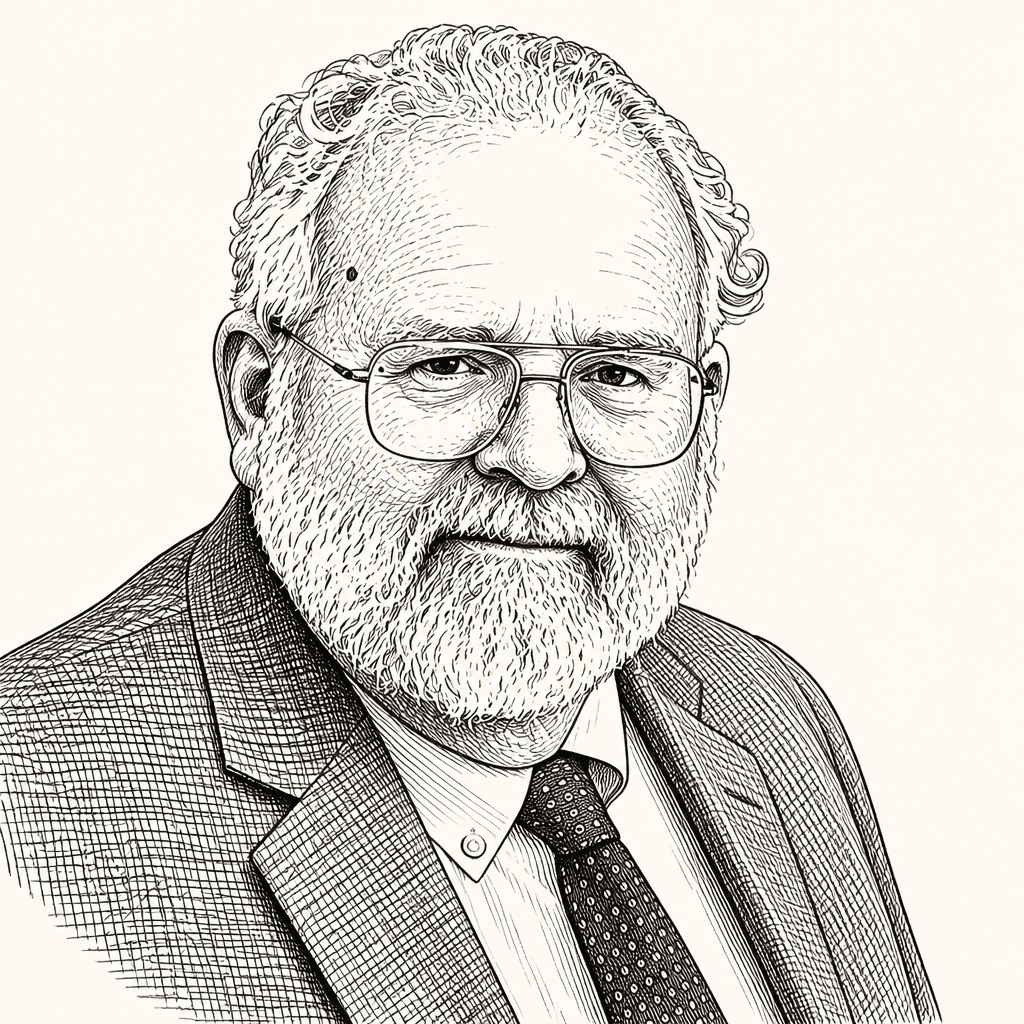 Walter Mead
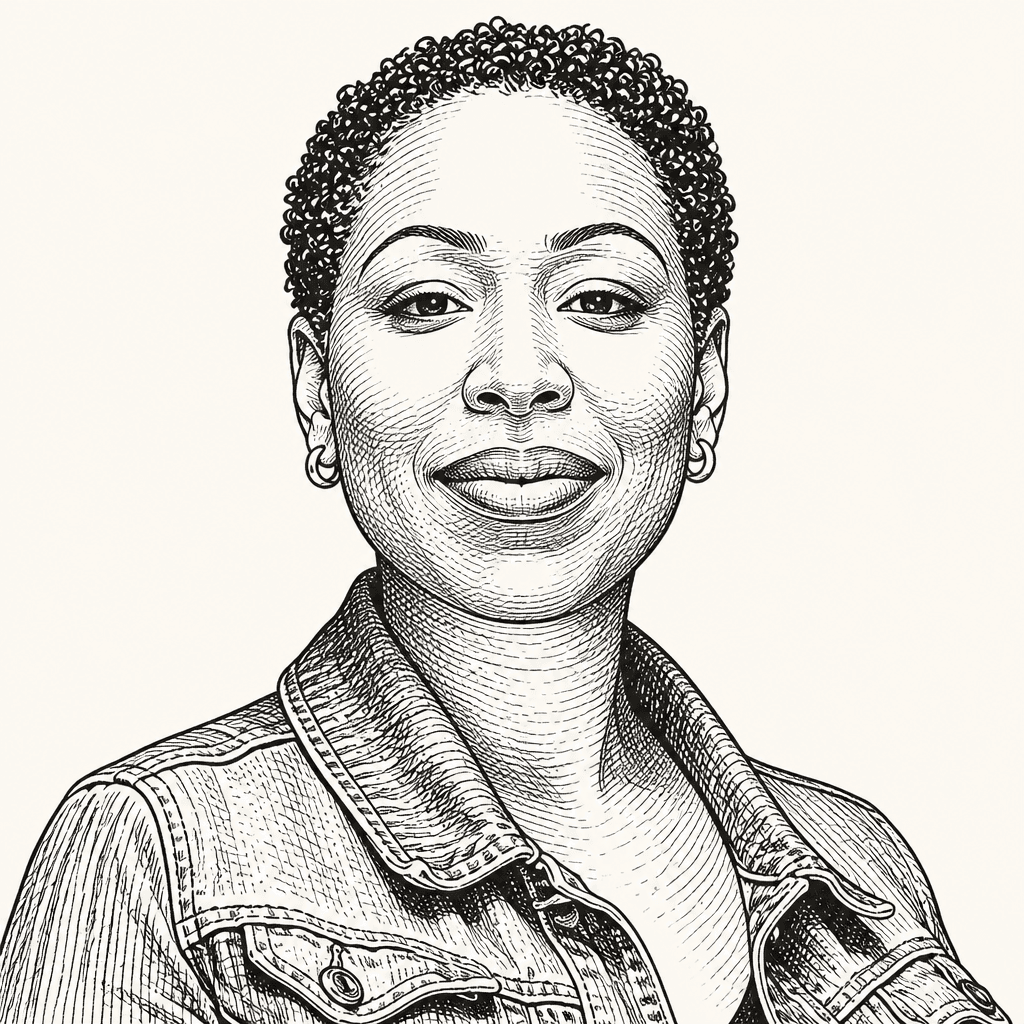 Jenn White
 Errin Haines
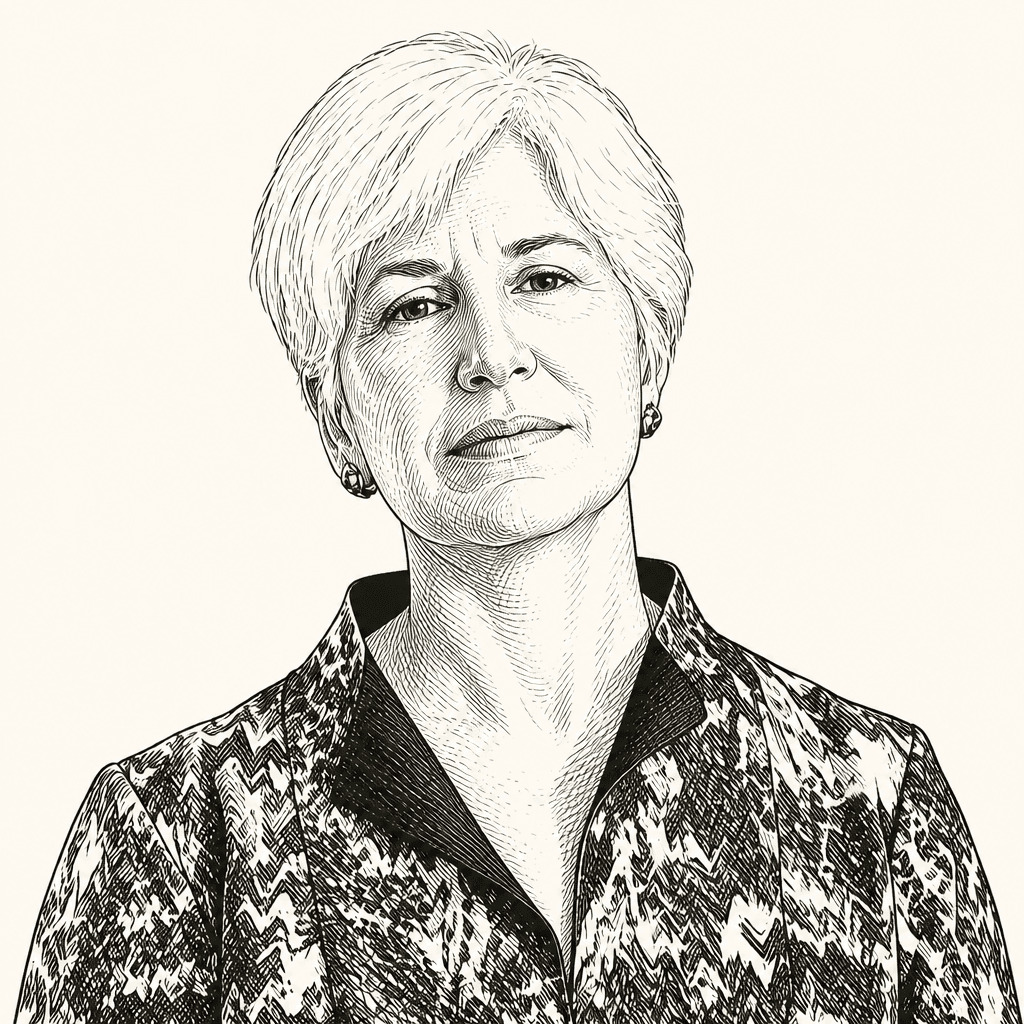 Jane KamenskyThe Aspen InstituteTuesday, June 30, 202620 min read
At the Aspen Ideas Festival, Jane Kamensky, Walter Russell Mead and David French examined whether the Declaration of Independence can still serve as a shared American civic gospel in a religiously plural democracy. Kamensky argued for treating the Declaration as a usable national creed, French said its rights language gives Americans an internal standard for condemning oppression, and Mead cautioned that American identity has always rested on belonging as well as belief. The panel’s central question was not whether Americans can recite “all men are created equal,” but why they assent to it, whom it includes, and how it can be taught without becoming sectarian rule.
A civic gospel can bind Americans only if they can keep arguing over who it includes
The fight over a shared American civic gospel is a fight over whether the Declaration of Independence can still function as a common standard without becoming either empty ceremony or sectarian doctrine.
Jane Kamensky made the affirmative case through the Declaration’s central proposition: “all men are created equal,” endowed by their Creator with “certain unalienable rights,” including “life, liberty, and the pursuit of happiness,” and governments exist to secure those rights by deriving “their just powers from the consent of the governed.”
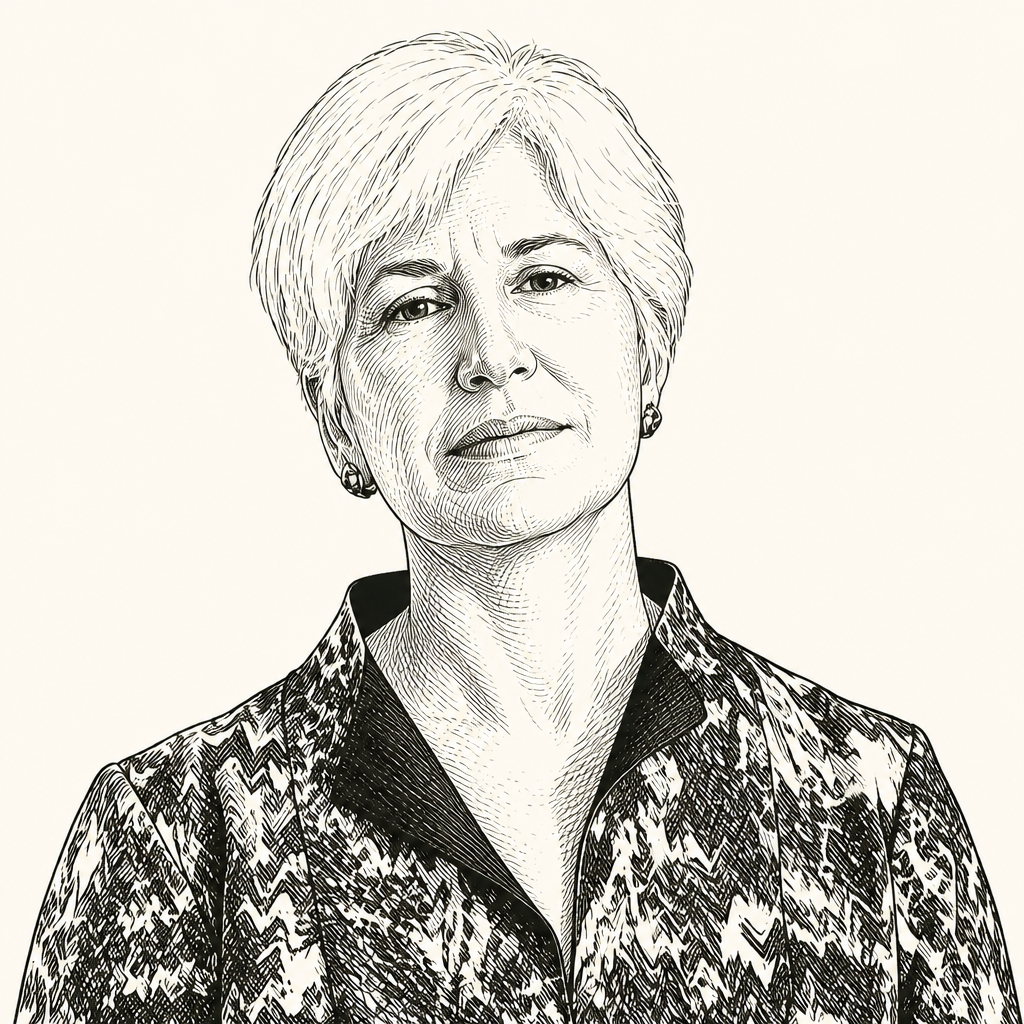
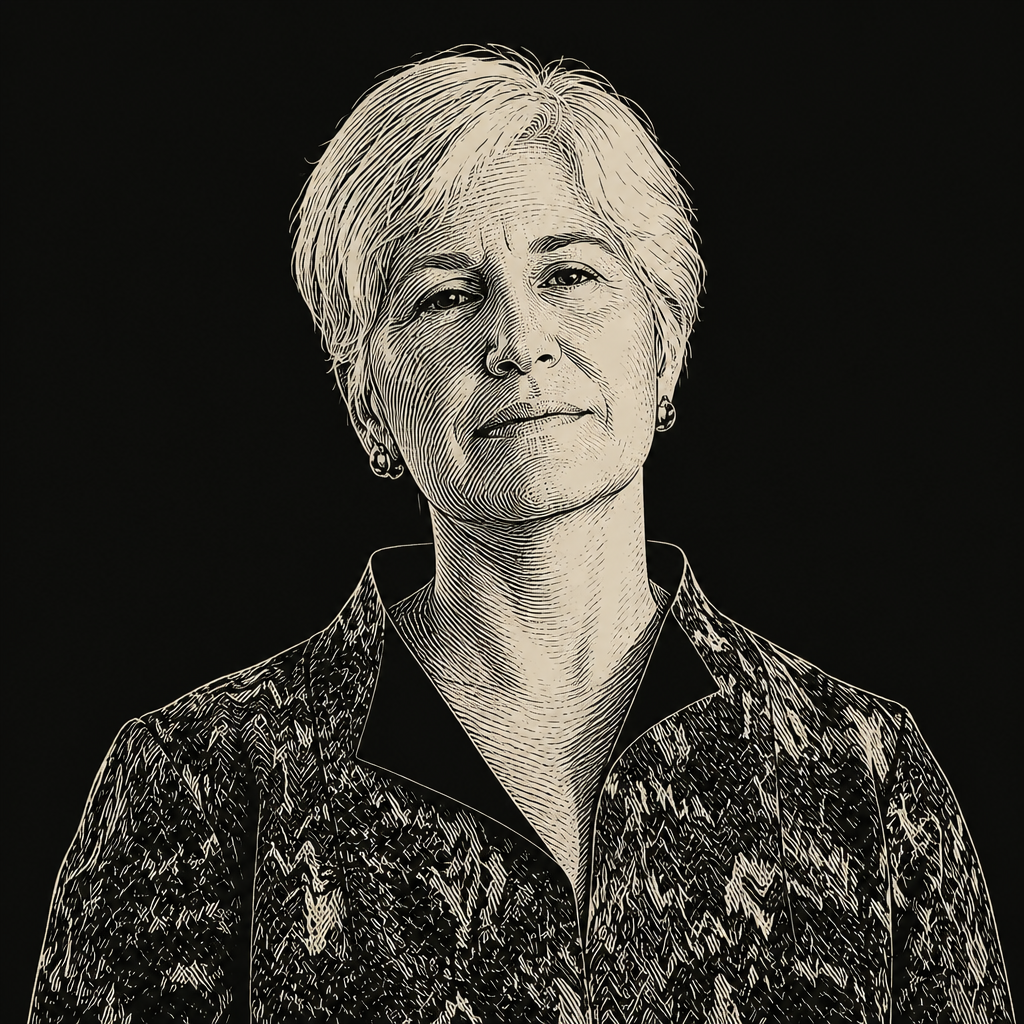
For Kamensky, the operative question is not only whether Americans can recite those words. It is what it means to “hold” those truths, and what practices would make the creed active again in a new century. Monticello, she said, is treating the semiquincentennial as an occasion to ask what it would mean to “renew our vows” to the Declaration: not as church doctrine, but as a shared statement of national vision.
The strongest resistance to that framing came from Walter Mead, who accepted part of Kamensky’s account but resisted the idea that American identity can be reduced to assent. He drew a distinction between a nation grounded in belonging and a nation grounded in belief. Growing up in the American South, Mead said, he did not encounter people who explained their American identity primarily as adherence to a creed. People were American because they were born here, because it was home, or because no one else would take them in. In that sense, he thought of being American as analogous to being Czech or Italian: a matter of peoplehood and place rather than doctrine.
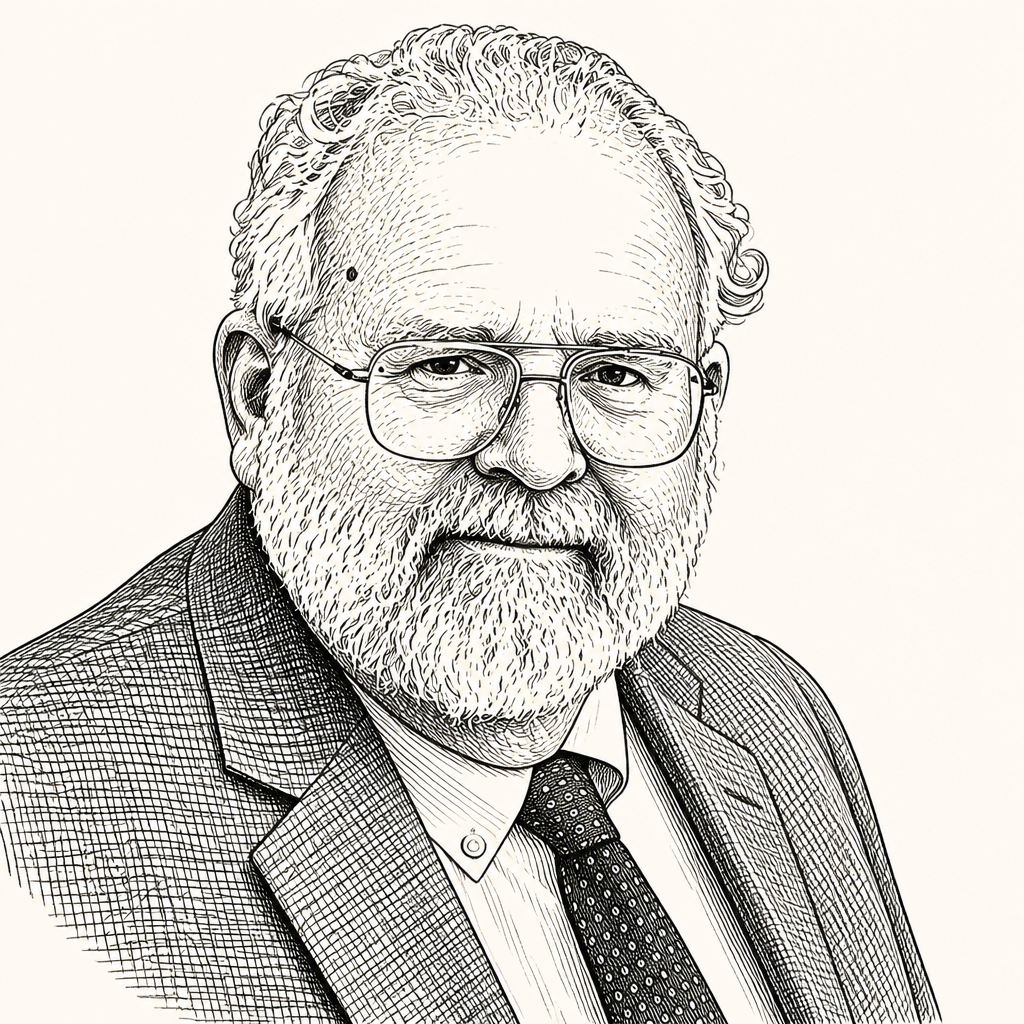
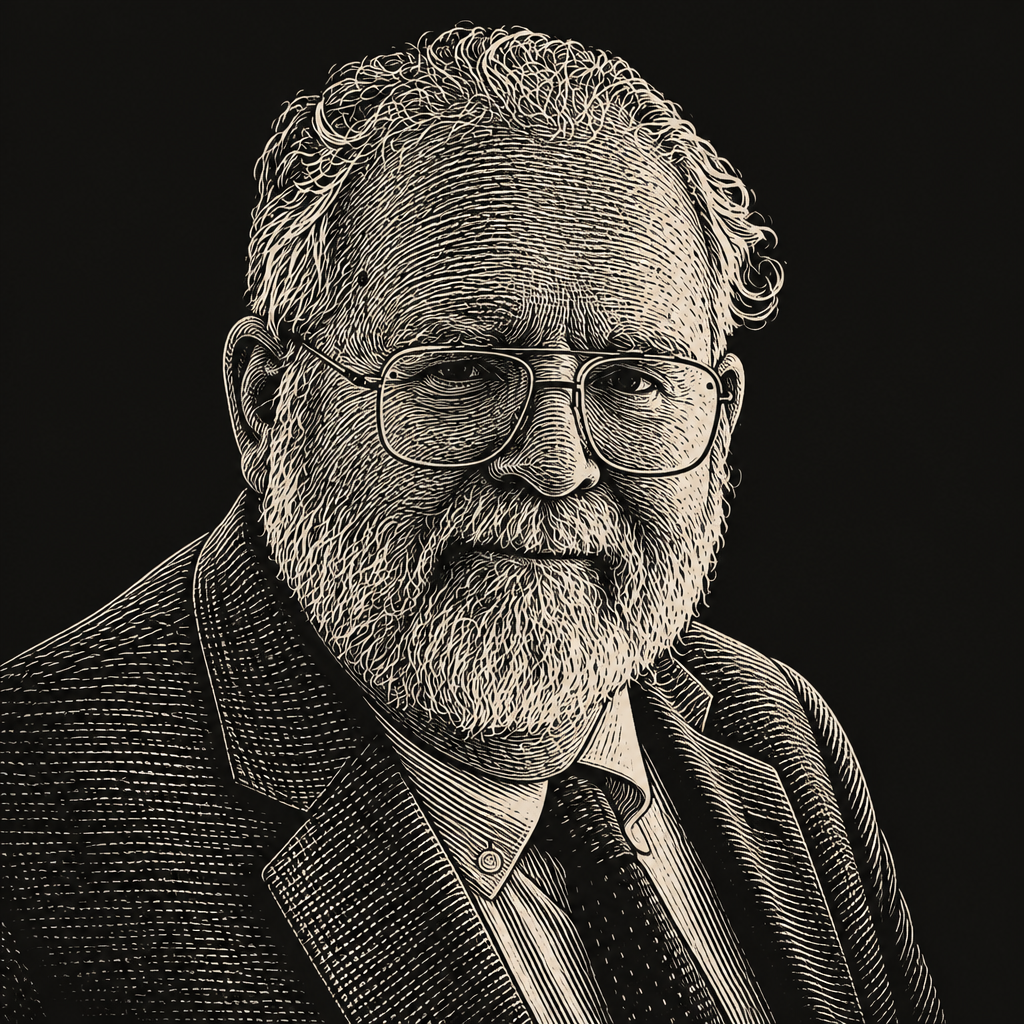
That is why the idea of “un-American” actions has always struck Mead as strange. It makes sense, he said, only if one assumes a creedal nation in which some actions are congruent with national identity and others are not. He did not deny that many Americans do understand themselves in relation to a creed. His point was that Americans have multiple ways of understanding American identity, and the creedal one is only part of the picture.
David French agreed that most people do not wake up thinking abstractly about citizenship. But he argued that the creed becomes decisive when Americans argue over membership: who is in the community, who should be in, and who is being excluded. In those moments, he said, the Declaration’s language is not ornamental. It gives Americans a standard against which to judge American conduct.

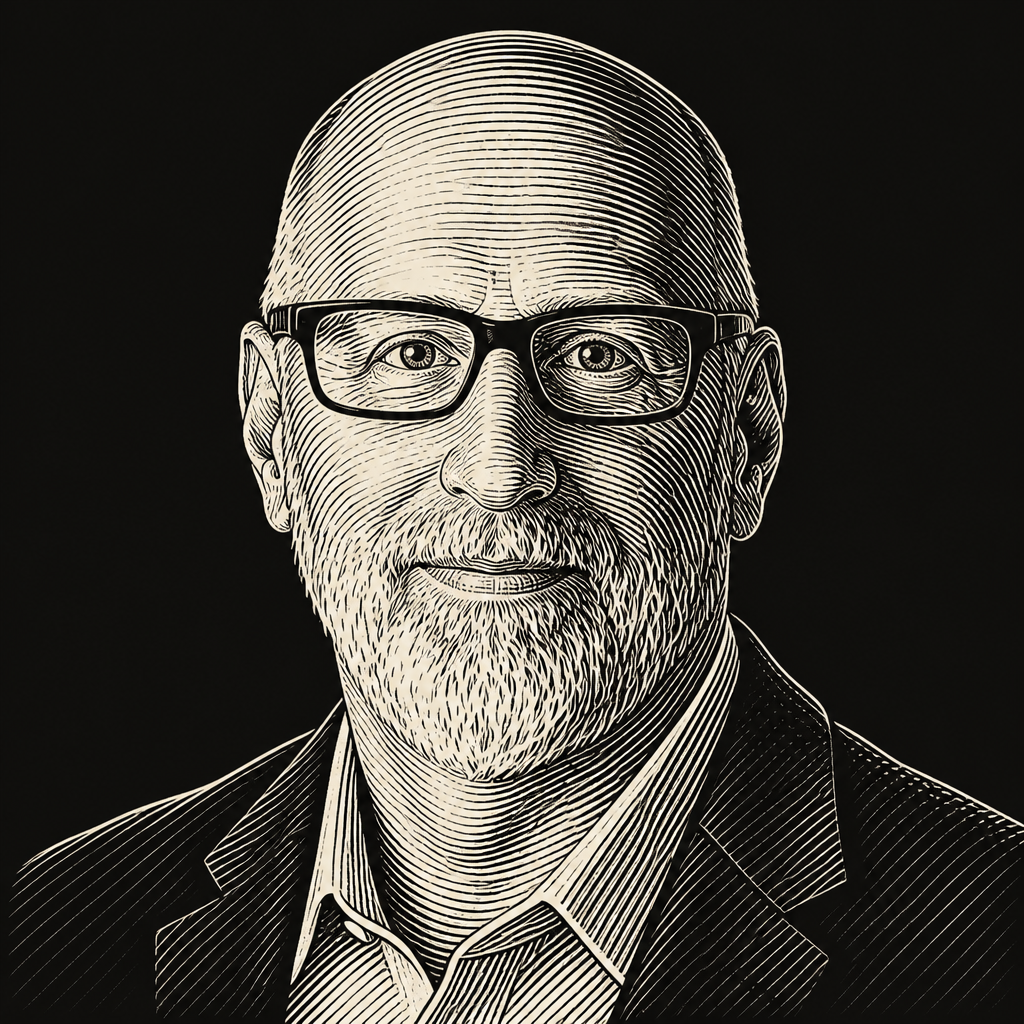
French’s formulation was blunt: without the Declaration’s “beautiful idea,” America is not America. Americans, he said, are not “better human clay” than people elsewhere. They are capable of the same oppression seen throughout history, including slavery and the conquest of Native lands. What makes the American case distinctive, in his telling, is that from 1776 onward there has been an internal standard “buzzing in the back of your ear”: whether the country’s actions are consistent with the claim that people are endowed with unalienable rights.
Without this beautiful idea, America is simply not America.
That standard, French argued, gives those who appeal to the creed an advantage over the long term. American identity, in his account, is not blood or soil; it is “the ability to assent to and to agree with the beautiful idea.” The founding claim does not make Americans virtuous. It gives Americans a language for accusing the nation of betraying itself.
The founding contradiction was present before the ink dried
The Declaration’s failure was not a later deviation from a clean founding promise. In Jane Kamensky’s account, the contradiction was there immediately. The Declaration is, in her metaphor, the Old Testament; the Constitution is the New Testament. The Declaration comes first as a “constitutive idea” before there is a fully formed political people. It is a document of election: a choice of one path over another.
Only some people were allowed to participate politically in that path. Kamensky estimated that perhaps one in 10 or one in 20 people in the self-declared United States could exercise the franchise, and perhaps fewer; perhaps one in a thousand could go to college. The Declaration’s equality was not an equality of condition. It did not create equal political rights in practice.
But Kamensky emphasized the “needless second paragraph” of the Declaration, by which she meant the universal moral claim was not required to declare separation from Britain. “You don’t need a vision statement in order to create a divorce,” she said. The founders did not need to define marriage in order to say their marriage with Britain was over. Yet they included a universal statement about equality and rights. In her account, that claim existed in the pre-political world — the world of human nature — even though the political order admitted only some people as electors.
That universal claim immediately became useful to people excluded from the formal political community. Kamensky pointed to petitions, lawsuits, social movements, and especially women organizing in evangelical churches under the statement of rights. People who were not intended to be fully included used the language to say, in her phrase, “I want me some of that.” The Declaration became a tool for those outside the political nation to press claims against it.
Walter Mead’s skepticism was not that equality is absent from American culture. It was that too much causal force can be assigned to the document itself. The drive to flatten hierarchies, and to treat legal inequalities as a problem, antedated the Revolution, he said. The Declaration captured sentiments already present in the American people. Its power came not from magic in the words but from the fact that the words expressed something culturally real.
He contrasted that with noble founding documents elsewhere that did not take root. He invoked the Stalin Constitution of the 1930s as perhaps “the most idealistic document ever produced,” but one so detached from actual conditions that people eventually walked away from it. The Declaration endured, in Mead’s account, because it expressed a real American disposition, not because a text by itself can create a political culture.
The same tension appeared in David French’s account of Frederick Douglass. French called Douglass “the great founder of the Second Founding” and placed him in argument with more radical white abolitionists who wanted to reject the constitutional system because it had coexisted with slavery. Douglass, French said, insisted instead that the constitutional system rebuked slavery. The founding documents contained the indictment of the country’s reality.
That argument gave oppressed and marginalized Americans a patriotic posture. They could say that those defending the status quo were the ones contradicting the nation’s creed. French described this as one of the most powerful arguments in American history: the ability to claim the founding ideal against the founding practice.
The fight between “1619” and “1776,” French said, should not be treated as a choice. America’s history is “the brutal reality of 1619 and the beautiful idea of 1776,” colliding for 250 years. In his telling, the country is closer now to the vision of 1776 than to the oppression of 1619 because the founding documents “indict oppression with every turn of the page.”
Faith shaped the founding, but not in the terms of today’s culture war
Faith is indispensable to understanding the founding, David French argued, but contemporary politics makes the subject hard to discuss accurately. To say faith played a major role in the founding now tends to “code right.” To say its role is exaggerated tends to “code left.” That partisan overlay, he said, produces intimidation, ignorance, and bad-faith uses of history.
The founding was not a naked public square devoid of religious discourse. That would have been alien to the founders. But French added that many modern Christian movements would also have confounded them. There is no single answer to “the faith of the founders.” It depends on which founder, at which point in life, and whether the frame includes Americans alone or also British and Enlightenment thinkers such as John Locke, whose arguments French described as “suffused with faith.”
His central claim was that faith was critical to the founding debate, but the faith-based arguments do not map neatly onto contemporary fights. Knowing the founding requires knowing those arguments; it does not permit importing present categories backward.
Walter Mead placed the religious landscape in a broader distinction between what he called salvationist and ethical Christianity. Salvationist Christianity, as he described it, begins from the view that humanity is so deeply flawed that only miraculous divine intervention can make things work. Ethical Christianity emphasizes the moral teachings of the New Testament, which Mead said can resemble the teachings of other sages and can provide social glue.
Those two emphases, in his account, were both present among the founders and remain present in American life. Ethical Christianity blends more easily into secular ethical commitments and into other religions whose moral codes are not so different. Mead argued that in the 1950s and 1960s this kind of ethical consensus became a civic bond, in part by integrating Catholics and Jews into American leadership. Before then, he said, they had been largely “on the outside looking in.”
The difficulty now, Mead said, is that midcentury America had more agreement about social mores. He used France in the 1950s as an example: the Catholic Church and the Communist Party could both be socially conformist on divorce and homosexuality. Today, Americans disagree much more profoundly over what an ethical code would require. That makes it harder to imagine a generic ethical bond that can hold the country together.
The secular side of civic education has its own problem if it refuses the language of virtue. Jane Kamensky, speaking as the “left-most and least churched” member of the panel, nevertheless argued that civic education cannot avoid values. She connected that to Jefferson, whose phrase “wall between church and state” came in an 1802 letter to the Danbury Baptists, who were opposing religious establishment under the banner of the First Amendment. Jefferson, she said, was an ardent proponent of freedom of conscience and regarded religious establishment as anathema.
But Kamensky also argued that every founder had a small-f faith in their common purpose and in the nation, and that this faith was moral. The left and center, she said, have a serious problem if they avoid the language of virtue. As part of the Educating for American Democracy coalition, which she described as a pluralist “Bush-to-Obama” coalition covering roughly 80 percent of the political spectrum, she supports embracing the language of national virtue.
That language, she said, originally has a Christian or Abrahamic substrate. Jefferson collected the Quran and thought seriously about Hebrew scripture. But the civic point is not sectarian: civics is value-laden because it treats belonging to a nation as a virtue. In Kamensky’s account, civics left the classroom in the late 1960s because it came to be treated by “agitators on the left” as religion — “capital-F faith” — and therefore suspect under church-state separation. She compared that to current culture-war tactics from the right around gender or “divisive concepts”: treating contested value-laden instruction as something that should be removed from public schooling.
The founders’ vices do not erase the uses of their words
The hardest question, as Jenn White posed it, is how Americans can look to founders for moral language while acknowledging that many were enslavers. Walter Mead’s answer began with historical normality. The founders, he said, were “utterly normal” in holding enslaved people. For thousands of years slavery was the norm of human civilization. Many great moral teachers either owned slaves or lived comfortably in societies where slavery was a fact of life.
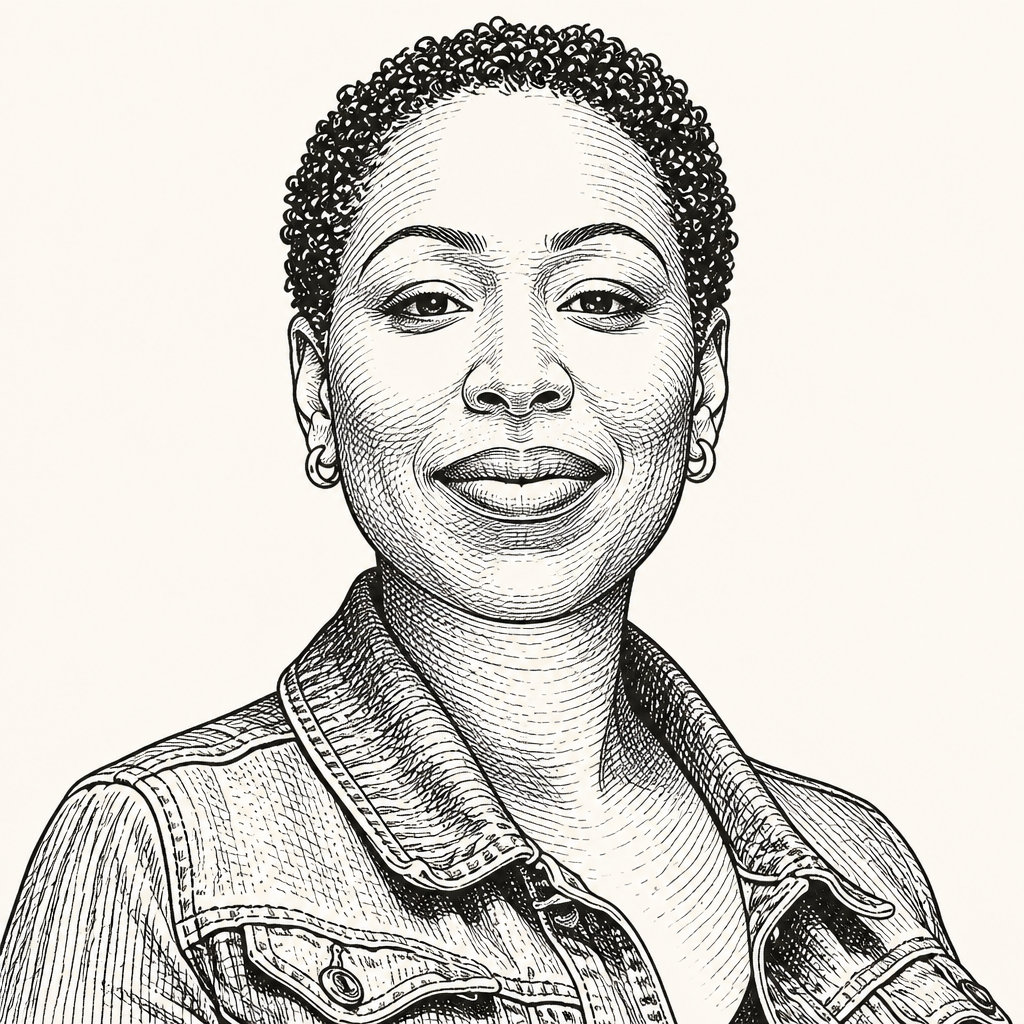
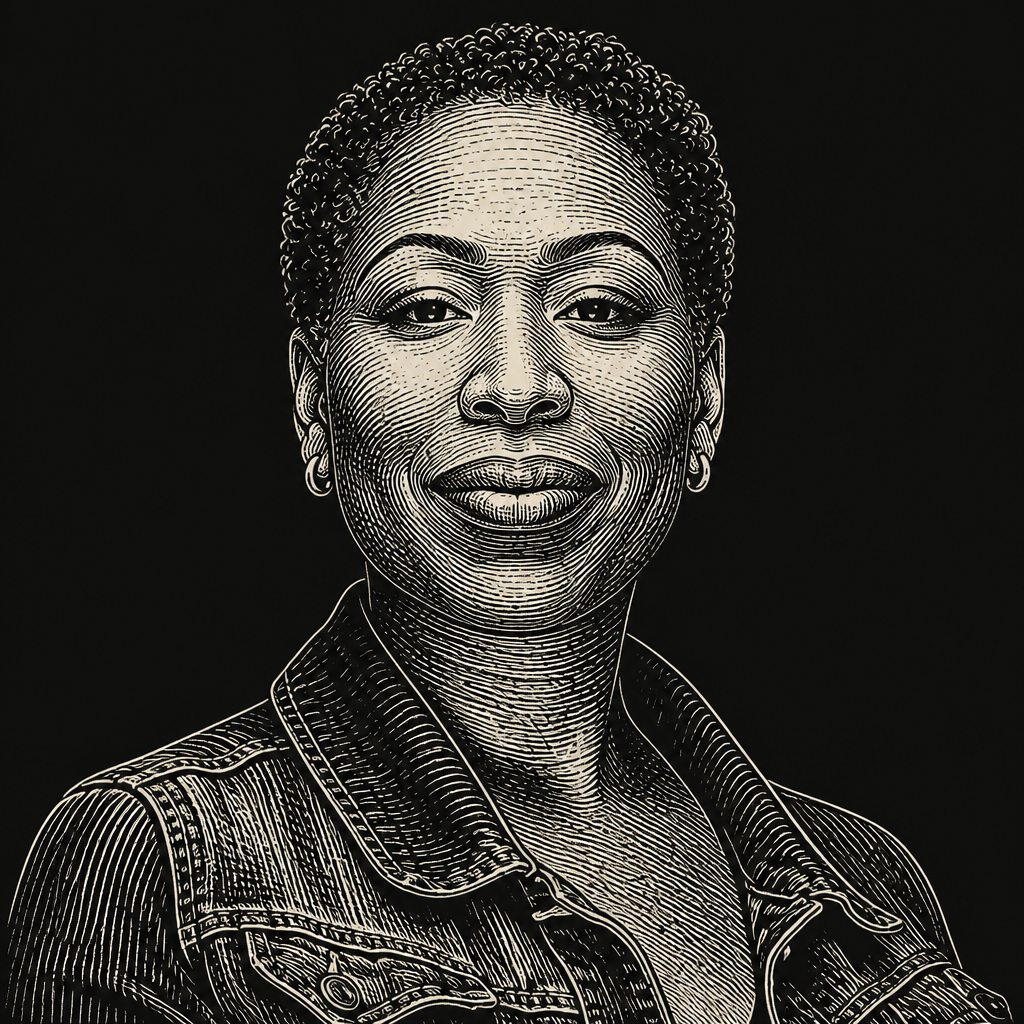
That did not excuse slavery in Mead’s account. It situated the founding at a moment of historical transition. Technological progress, he argued, was beginning to move civilization beyond the perceived necessity of forced labor. At the same time, technological progress was making slavery in many ways worse, because more systematic, market-focused exploitation added new layers of cruelty and horror to an already cruel institution.
The founding generation, then, lived at the beginning of a principled movement to abolish slavery as an institution. Mead cited Alexander Hamilton as an abolitionist who joined an abolition society. His broader point was that this was the beginning of a move not merely to free this or that enslaved person, but to say that slavery itself — a foundation of every known major civilization — was immoral and had to be destroyed.
Mead urged applying the same moral logic to the present. Future generations may look back on today’s Americans and ask how people could wear T-shirts made by workers on starvation wages in Bangladesh while talking about themselves as moral. His point was not to provide an automatic moral path forward. It was that studying the founders’ dilemmas can illuminate the ways people today also live inside structures they may later be judged for tolerating.
Jane Kamensky said that grappling with imperfect people and “perfectible things” is Monticello’s “bread and butter.” She resisted calling Jefferson a “man of faith,” except perhaps in the vaguest “under God” sense, and Mead interjected, “Except when running for office.” But she argued that Jefferson had something useful to say about exemplarity. He was not, in her telling, asking later generations to look to him as a sanctified model. His wisdom was closer to “look not to me but to you.” He warned against “sanctimonious reverence” for constitutions and for the founding era.
Kamensky recommended Tracy McKenzie’s book We the Fallen People for its account of the founders’ broadly shared sense that they were making an imperfect offering because they were fallen people. Later generations, she said, should not give the founders a hubris they did not possess.
The practical point returns to the Declaration as a tool. Black men in Boston who used the Declaration’s language in freedom petitions did not, Kamensky said, trouble themselves over Jefferson’s contradictions on slavery. They used the tool. That is the tension she wants Americans to inhabit: imperfect men and women can leave behind instruments that others use for more just purposes. The advantage contemporary Americans have over the founders, she said, is simply “being alive.”
David French gave the most explicit answer to whether vicious men can produce virtuous work. “Absolutely yes,” he said. But the fact that they produced virtuous work does not mean they were not men of vice, or that they should be idolized. The obligation is to see “with all of our eyes open.”
A civic gospel may need transcendence without sectarian control
White noted that “gospel” is an innately religious word to her as the daughter of a minister: deeply held, something shared with others. She introduced a 2023 Pew Research finding: about 28 percent of U.S. adults said they were religiously unaffiliated, compared with 16 percent in 2007. The question was whether a shared civic gospel must have religious underpinnings or can be entirely secular.
Walter Mead’s answer was that a purely secular civic gospel is unlikely to last long. He first complicated the usual story of American secularization. The idea that 18th-century Americans were extremely religious and gradually became less so is, in his view, not a good picture of American religious history. He argued that the founding generation was less religious than their parents and more religious than their children, with evangelical waves such as the Kentucky revivals coming early in the 19th century.
He also treated midcentury religious affiliation as part of a broader organizational culture. In the 1950s and 1960s, Americans belonged to organizations at historically unusual levels, including religious congregations. Since then, affiliation has declined not only in religion but in civic life more generally — the world evoked by “Bowling Alone,” Kiwanis clubs, and other forms of association. Some places now seen as intensely religious, such as the low country Tidewater South, historically had low levels of church membership.
The reason a secular civic gospel may not last, Mead said, is not that it will be logically refuted. It is that human beings seem to need connection to something transcendent. Political legitimacy, for many people, depends on some consonance with that sense of the transcendent, whether or not it is attached to a particular organized faith.
The barrier David French identified was not public religion itself, but a particular misconception he sees among some fellow evangelicals: that embracing the Declaration or small-l liberalism compromises authentic Christianity. In that view, the good institutions are pre-liberal — family, church, and similar structures — while liberalism corrodes them through individualism until society collapses and must reconstitute them.
French warned that this line of thought treats the messiness of democracy and pluralism as a problem generated by departure from Christianity. He argued the opposite: the founders’ case for small-l liberalism was “shot through with Christianity.” His main example was James Madison’s Memorial and Remonstrance Against Religious Assessments, written against a Virginia tax to support pastors. French emphasized two parts of Madison’s argument: that America should be open to the oppressed of all nations and all religions, and that establishment would not spread the light of Christ.
For French, that illustrated a founding pivot. The older wars-of-religion logic said: our religion is true, therefore we are entitled to rule, and it is good for you that we rule. The founders’ alternative, as French described it, was: our religion teaches us to treat you with dignity and love, and that means legal equality and freedom of conscience.
George Washington’s letter to the Hebrew Congregation of Rhode Island supplied French’s second example. Washington invoked the biblical phrase that every man shall live under his own vine and fig tree, and no one shall make him afraid. French said Mount Vernon has done “incredible work” showing this was arguably Washington’s favorite Bible verse, one he used almost 50 times to describe American pluralism. The point, French stressed, was not that Christians are in charge. It was that Christians and other people of faith must treat neighbors broadly defined with dignity and legal equality.
Jane Kamensky framed the civic problem as seeking transcendence without sectarian confinement. The great utterances of American possibility, she said, from Thomas Paine to John F. Kennedy’s inaugural address, are shot through with biblical language. Paine, whom she called the most anti-religious figure of the founding, used biblical cadence and language throughout Common Sense. The Declaration invokes the Creator and the sacred. Lincoln’s language is especially biblical. The civic question, for Kamensky, is how Americans can “find our better angels without asking people to believe in angels.”
Her answer was not a single doctrine but “civic ecologies”: schools, historic sites, faith-based institutions, Kiwanis clubs, and other institutions that orient people toward something greater than the self and toward a “we” that continues over time.
Pluralism cannot be reduced to a hierarchy of approved religions
The American version of religious pluralism, as the panel described it, is not French-style civic secularism and not a ranked settlement in which some faiths receive full protection while others live by sufferance. The question is whether the civic and constitutional language that emerged from a largely Christian and Abrahamic context is expansive enough to include non-Abrahamic religions on equal terms.
Andrew Hannah sharpened that question by asking whether, if America is not a creedal nation, it might be a nation of creeds. He contrasted the United States with France’s civic religion of liberty, equality, fraternity, and laïcité. In French public schools, he said, visible religious symbols such as a cross necklace, hijab, or yarmulke are not allowed. At a Bosnia versus Qatar game in Seattle, by contrast, he saw all three at once. That, he suggested, is part of what makes America different.
Walter Mead answered with an anecdote rather than a theory. He said he had tried to get to know people in India connected with the Hindu nationalist movement, including Mohan Bhagwat, head of the RSS. When Mead asked what an RSS-style faith-based organization seeking civic renewal in the United States should study, Bhagwat answered: the Constitution. For Mead, the fact that the head of the Hindu nationalist movement could see the American Constitution as a foundation for political consciousness suggested that the answer to Hannah’s question will be “interesting” and worked out over generations.
The clearer line came from David French, who rejected the idea that American religious liberty exists on a hierarchy: first-tier protection for Christians, maybe Jews, and everyone else living by permission. He said he was puzzled by the assumption that American religious liberty was built around “Abrahamic” faiths, particularly because many people using that phrase mean Christianity and Judaism while excluding Islam.
Early American history, French said, is often simplified as the story of people seeking religious liberty. More precisely, many sought religious liberty for themselves but not for others. The colonies had plenty of religious conflict, which is one reason Madison viewed the Establishment Clause as indispensable to creating the new nation. French acknowledged that some founders were more theocratic than Jefferson or Madison. But he argued that Jefferson and Madison extended American liberty beyond Christianity and Judaism. Jefferson did so explicitly, and French said he could not read Madison’s phrase “all religions” as excluding non-Christian religions, because Madison knew they existed.
Jane Kamensky added Jefferson’s line that it did not matter whether his neighbor worshiped one god or twenty, because it neither picked his pocket nor broke his leg. She said the striking part is not only the reference to “twenty” gods but the practical social test: if the issue does not injure the social fabric, “then what matters it?”
The risk, Mead argued in response to a later question, is the recurring American temptation to use government power so that “the good people” can make everyone else do the right thing. The questioner characterized the 1797 Treaty of Tripoli as saying that the United States was in no way a Christian nation and raised that characterization while asking about a recent White House Commission on Religious Liberty report. Mead did not adjudicate the treaty text. He linked Jefferson’s wall of separation to the danger French had described: establishment as a means of coercive moral rule.
Mead identified a longstanding American impulse toward a “godly nanny state,” historically associated in his telling with New England except Rhode Island. What has shifted, he said, is that some on the religious right, historically hostile to such coercive moral governance, are now embracing a more theocratic style of government. He called it “a real shift,” one with historical antecedents among some 18th- and 19th-century Presbyterians, and said it bears watching. A richer understanding of history, he argued, would help Americans see both the strengths and “very real dangers” of that approach.
Public debate fails when religion and law are treated as atmospherics
The panel’s larger argument depends on distinctions public debate often blurs: faith versus establishment, pluralism versus secular exclusion, Christian participation versus Christian nationalism. Charlotte Clymer named the problem as a tendency to report on the “vibes of tension” around religion rather than the theological disagreements themselves. She used JD Vance as an example, saying there has been much reporting on his tensions with the Catholic Church but less on whether his political views are at odds with the Catechism of the Catholic Church.

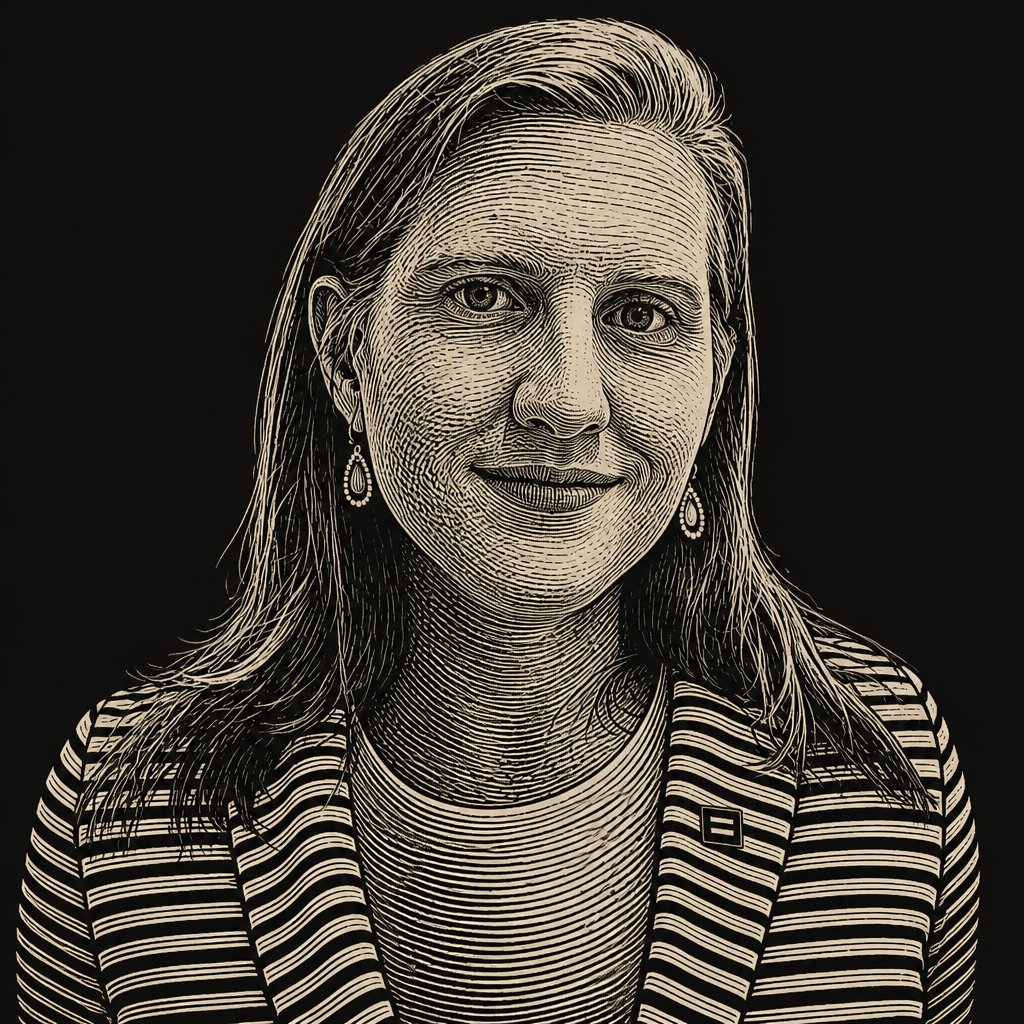
Errin Haines responded from the standpoint of journalistic competence. Not every journalist is a trained theologian, she said, and she did not claim to be positioned to do a deep theological dive. There are religious news services that do that work. The question is partly one of platform and expertise: whether national news media can cover such questions broadly and do them justice.
David French agreed “a billion percent” that religion coverage needs to be better. He identified religion and law as the two areas where journalism most needs improvement. Both suffer from the same problem: people who do not know the subject well are assigned to cover it as part of a larger beat. He acknowledged newsroom resource constraints, but called the problem a “national imperative.”
Christian nationalism was his example of what goes wrong when coverage lacks precision. There is, French said, a real thing called Christian nationalism. But it is not the same thing as Christians participating in politics. When coverage elides that distinction, it misinforms the public about one of the central political-religious conflicts in the country.
The unresolved question is not whether Americans have a creed, but why they assent to it
When asked what question Americans should ask themselves as they think about reaffirming a shared civic gospel, David French returned to the Declaration’s central claim. Do Americans agree that all people are created equal and endowed by their Creator with unalienable rights, including life, liberty, and the pursuit of happiness? He expected most would say yes. The harder question, he said, is why.
For many founders, French said, the answer was that human beings are created in the image of God. Even someone who disagrees profoundly with you must therefore be treated with dignity and respect. French called that a powerful grounding for the Declaration’s golden idea. His question for Americans was: why do you agree with the Declaration of Independence?
Jane Kamensky’s closing question was civic rather than theological. A week before July 4, 2026, the country’s 250th birthday, she said the anniversary was an opportunity to teach a mass of Americans to think about what attaches them to the nation.
What is the nature of your patriotism? Because none is not an answer.
If people decline to define their patriotism, Kamensky warned, somebody else will define it for them.
Walter Mead’s final question went deeper into personal moral anthropology. Drawing on Reinhold Niebuhr and Paul Tillich, he invoked the idea of God less as a king in heaven than as the “ground of our being.” He urged people to ask about their relationship to their most authentic experience of themselves and the universe, and then to ask what duty they owe fellow human beings. The civic question follows from that: how does being a citizen of the United States shape and assist the performance of those duties?
His closing claim was that the country has enough problems — domestic division, global strain, and technological revolutions — that surface-level answers will not suffice. “We have to go deep,” Mead said. “There’s no other alternative.”