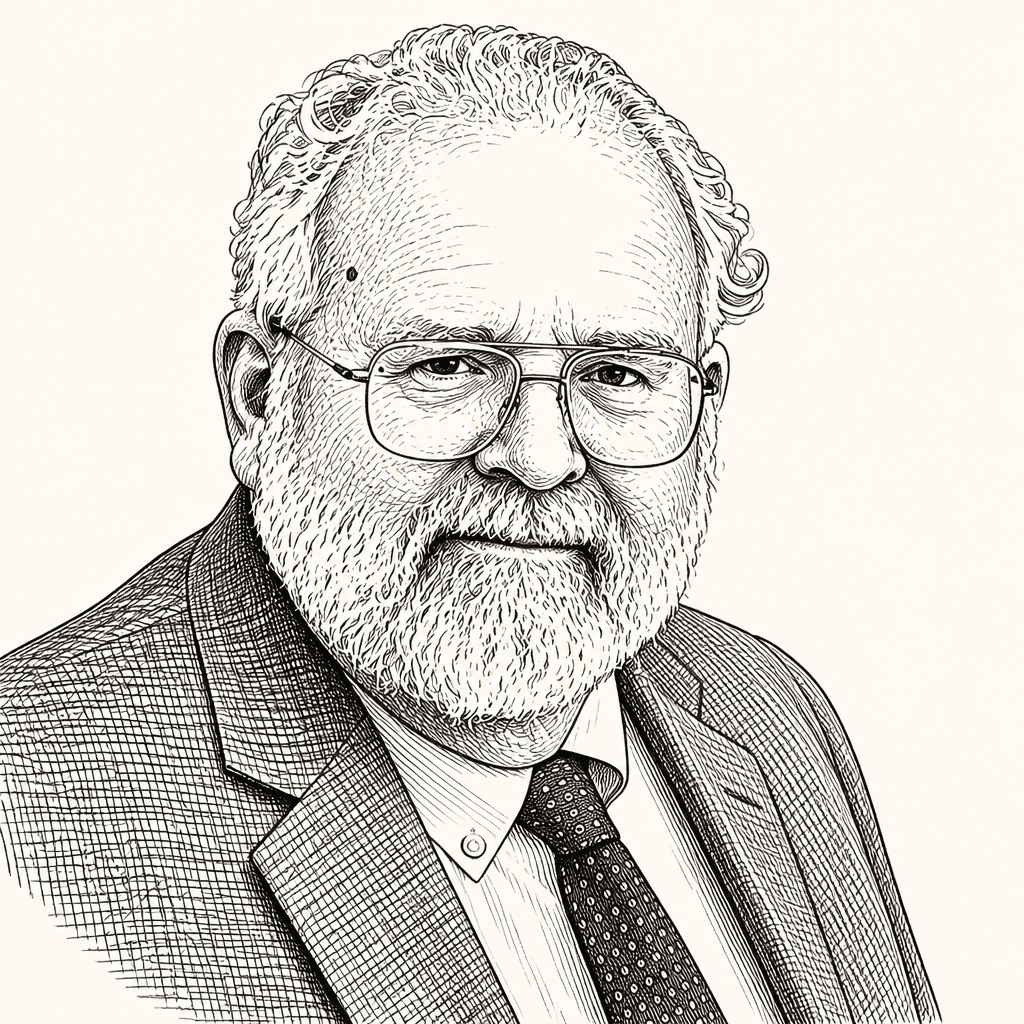
Walter Mead
Foreign-policy historian and commentator; Ravenel B. Curry III Distinguished Fellow in Strategy and Statesmanship at Hudson Institute, Alexander Hamilton Professor of Strategy and Statecraft at the University of Florida, and a Wall Street Journal "Global View" columnist.
American Power Depends on Preserving the Open Order China Needs
Walter Russell Mead argues that China’s integration into the U.S.-led commercial order is also its central strategic weakness: in a conflict over Taiwan, Beijing’s dependence on imported energy, raw materials and export markets could be turned against it. But Mead warns that American power rests on the open trading system, alliances and institutions that have allowed others to prosper under U.S. leadership—and that Washington, particularly under Donald Trump’s transactional approach, risks eroding its own leverage.
A Shared Civic Gospel Depends on Arguing Over Who Belongs
At the Aspen Ideas Festival, Jane Kamensky, Walter Russell Mead and David French examined whether the Declaration of Independence can still serve as a shared American civic gospel in a religiously plural democracy. Kamensky argued for treating the Declaration as a usable national creed, French said its rights language gives Americans an internal standard for condemning oppression, and Mead cautioned that American identity has always rested on belonging as well as belief. The panel’s central question was not whether Americans can recite “all men are created equal,” but why they assent to it, whom it includes, and how it can be taught without becoming sectarian rule.