The “Nones” Category Obscures Americans’ Spiritual and Moral Lives
 Bill Barrow
 Annie Aguiar
 Christian Paz
 Dominic Gates
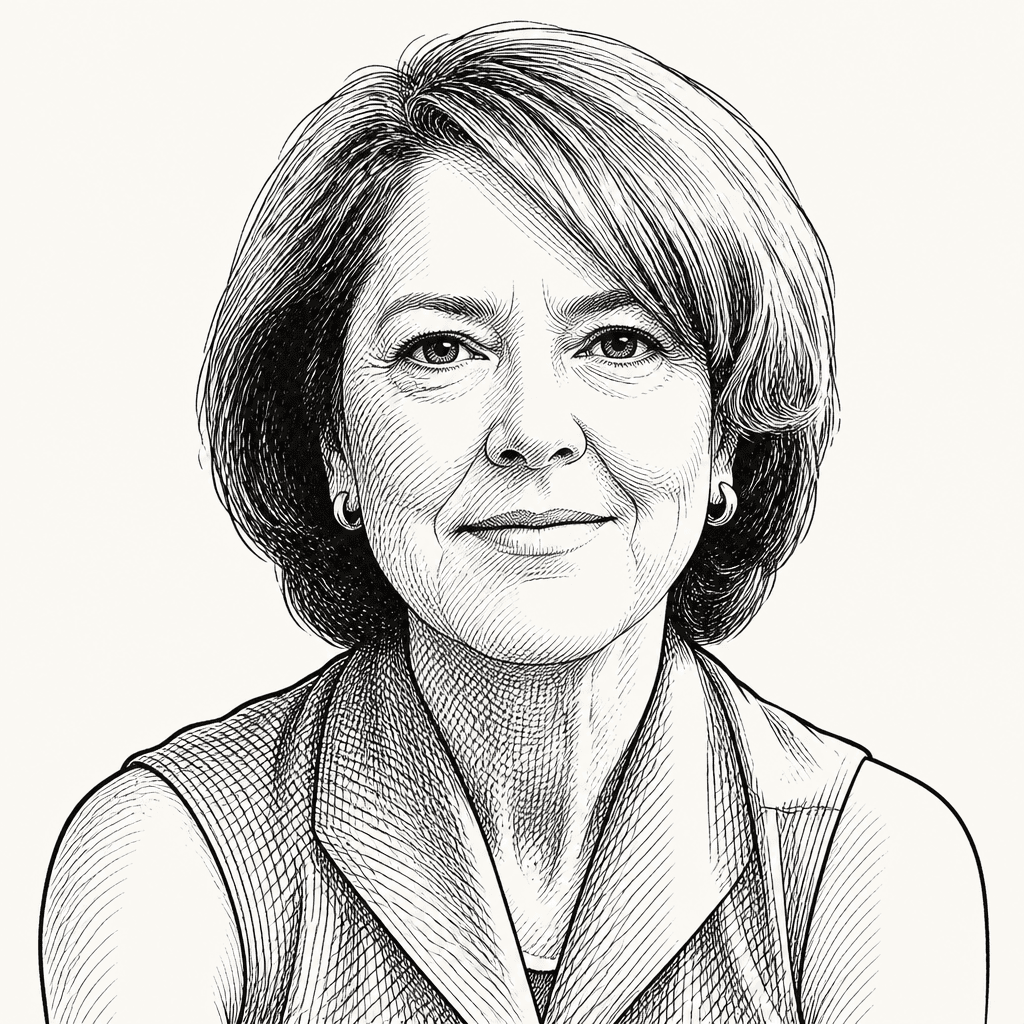 Barbara Hagerty
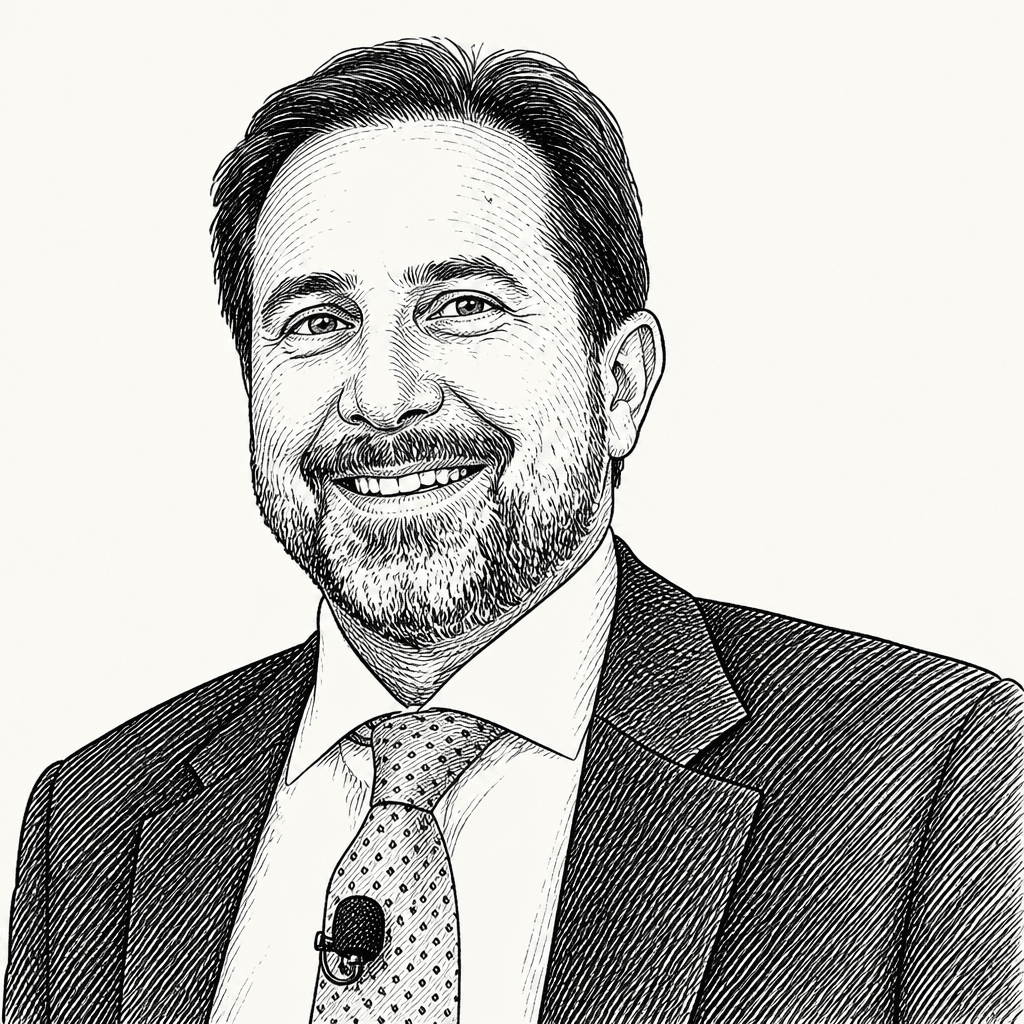 Carl Cannon
 Yusra Farzan
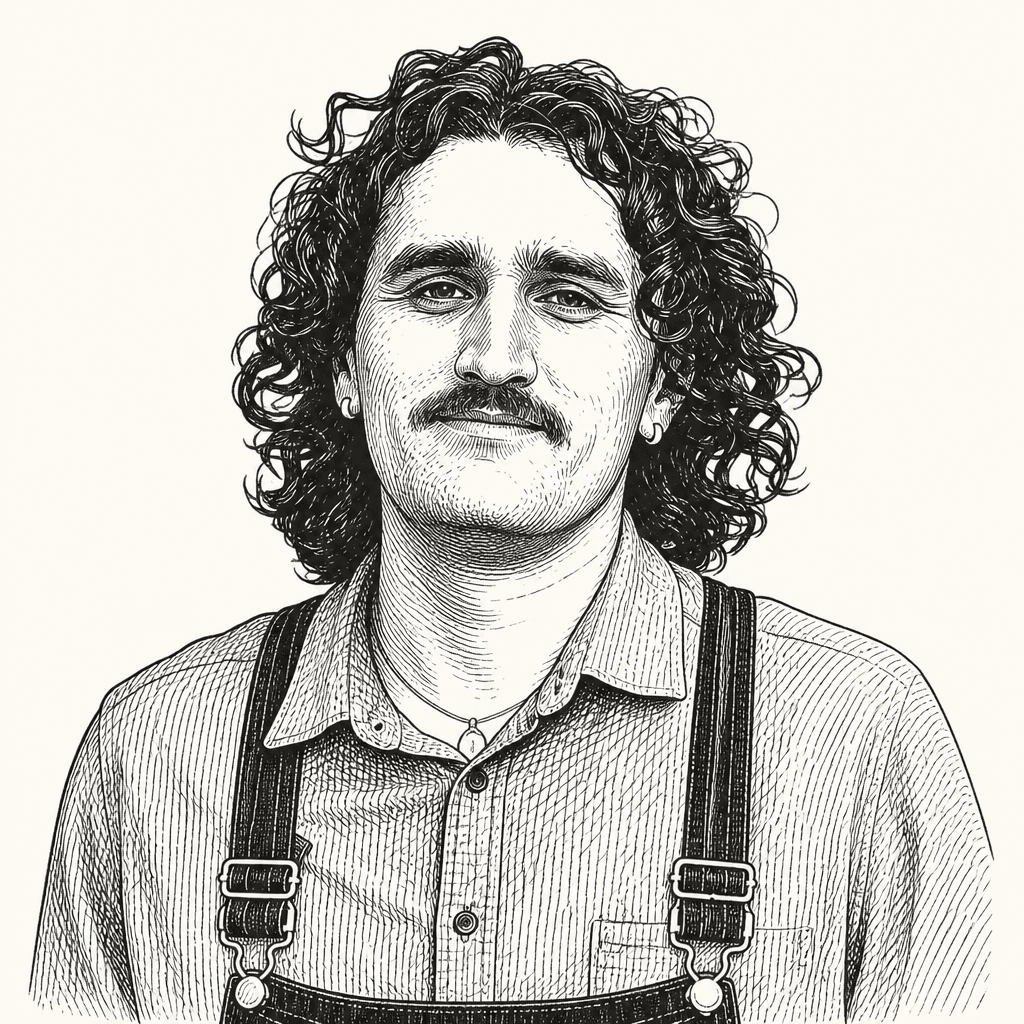 Mitchell Atencio
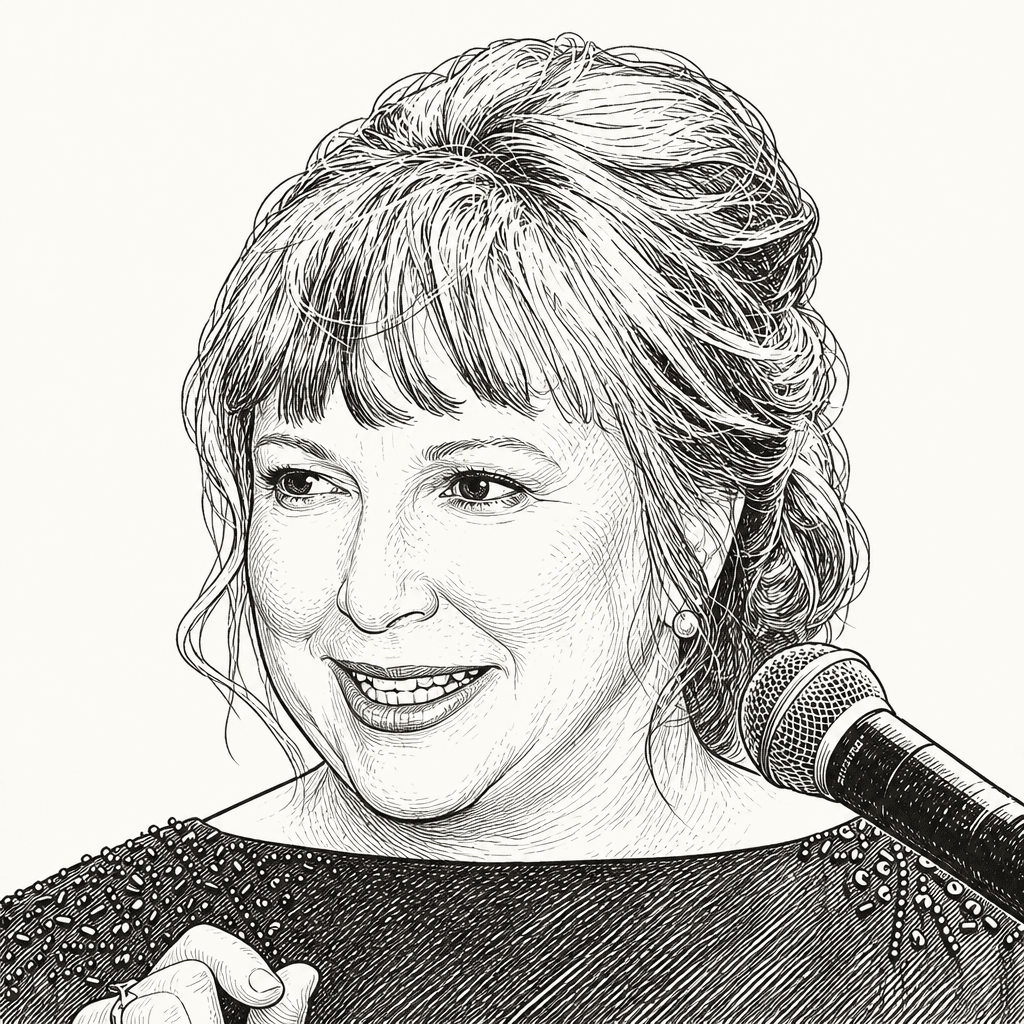 Diane Winston
 Samuel Benson
 Josh Good
 Nina Shapiro
 Kalpana JainStephanie Sy
 Daniel Strauss
 Richard ParkerThe Aspen InstituteFriday, July 10, 202615 min read
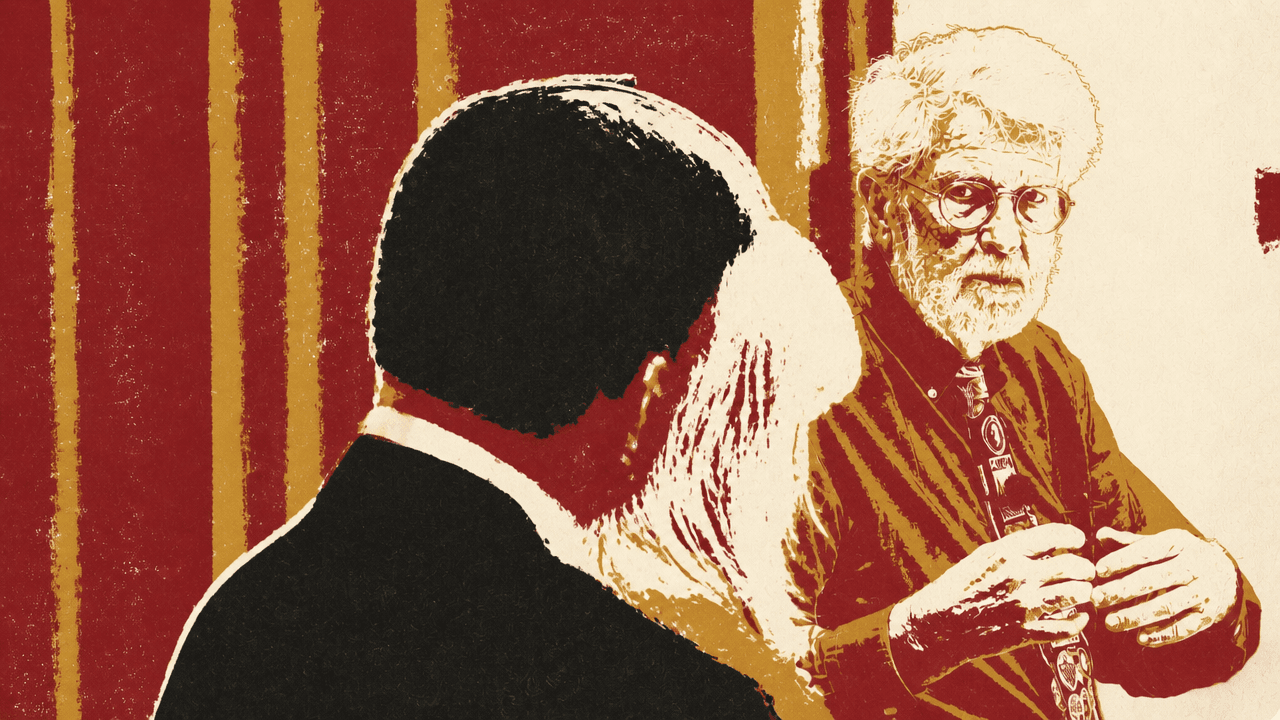
Harvard’s Richard Parker and USC’s Diane Winston argue that journalists should not treat the 29% of Americans labeled religious “nones” as people without belief, moral commitments or sources of meaning. In a Faith Angle Forum discussion, Winston contends that the secular-sacred divide obscures how religion, politics, markets, culture and technology shape one another, while Parker warns that survey categories and polling trends cannot provide a full account of a person’s life. Their shared prescription is to report beyond affiliation labels without collapsing every cultural or political commitment into religion.
“Nones” describes non-affiliation, not an absence of meaning
The category of the religious “none” is useful to pollsters and journalists because it creates a clean headline: nearly three in ten Americans do not identify with a formal religious tradition. But Diane Winston argues that the category can obscure more than it reveals.
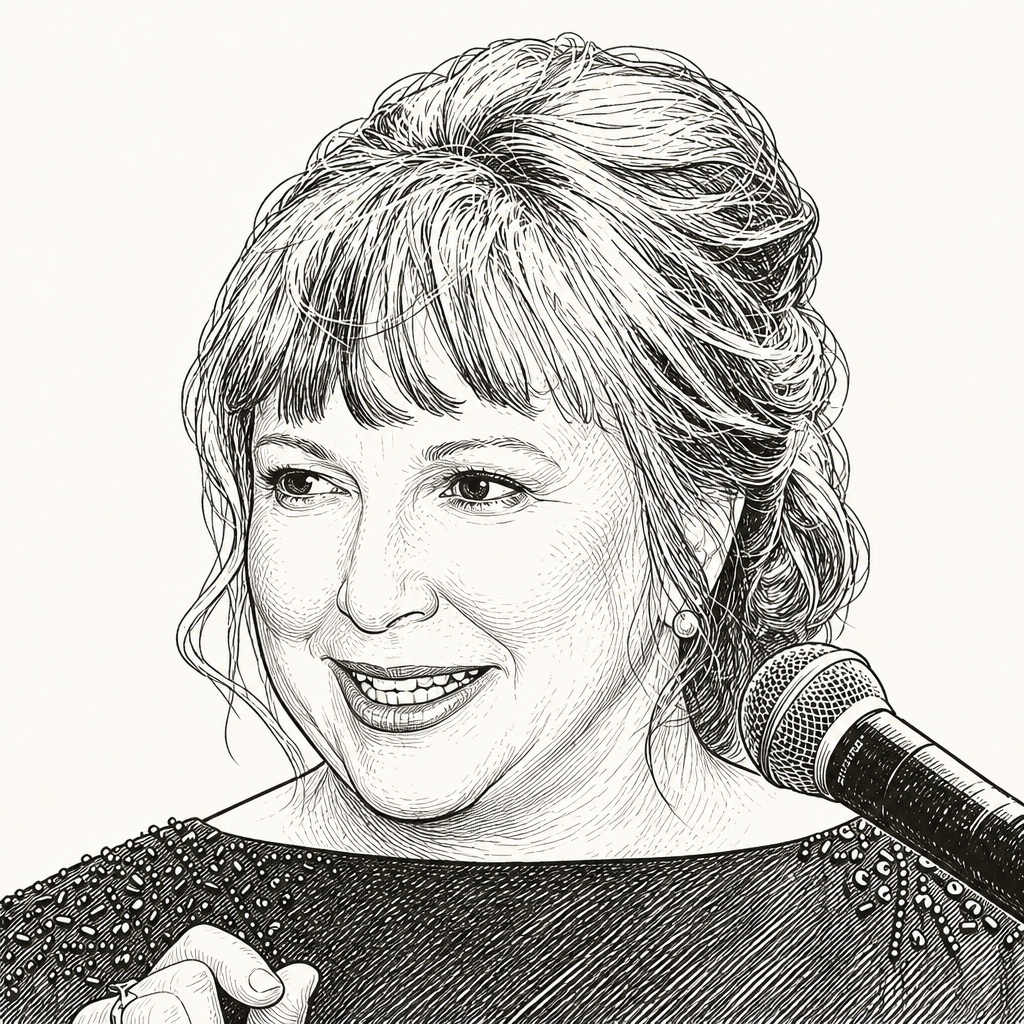
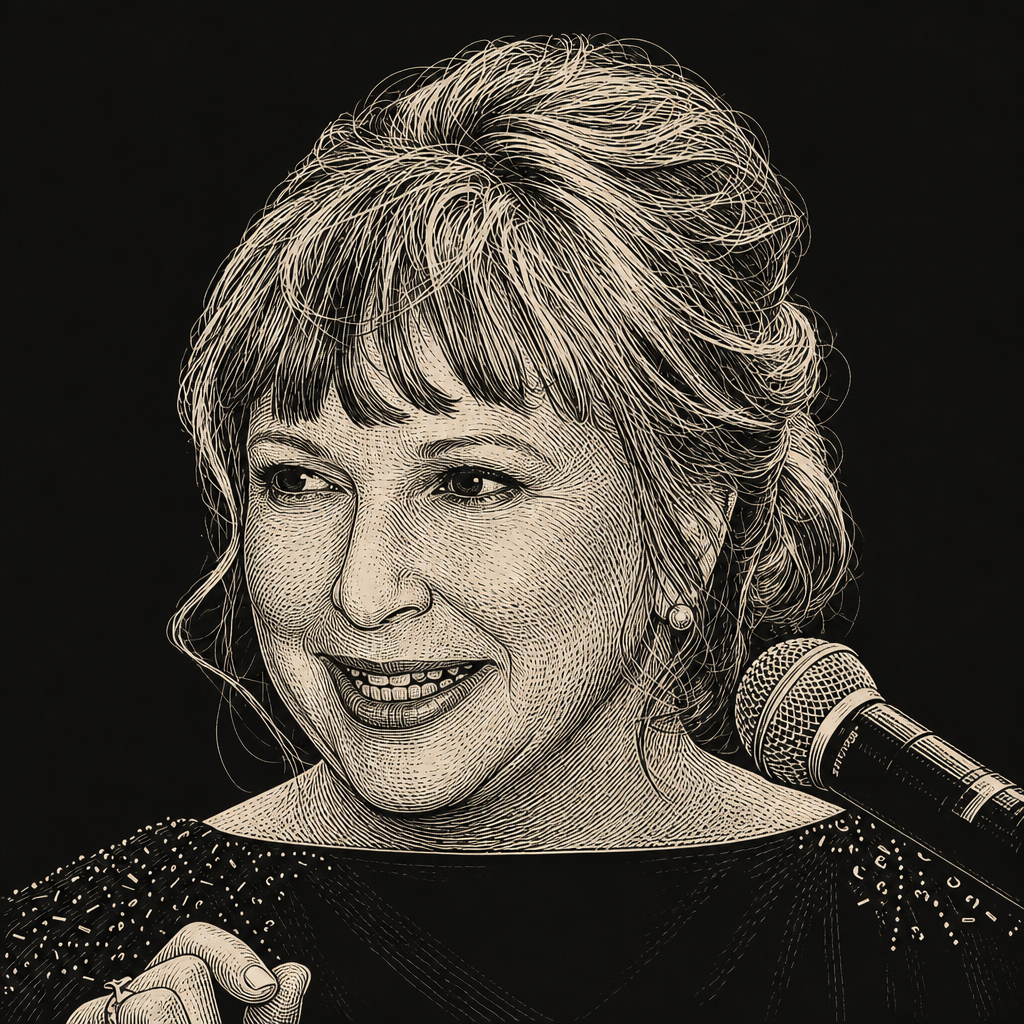
“Nones” can imply an absence of belief, commitment, ritual, moral orientation, or spiritual aspiration. Winston’s objection is not that every strong commitment ought to be called religion. Rather, non-affiliation does not tell a reporter what a person values, what communities shape them, where they encounter questions of transcendence or purpose, or how they organize a moral life.
The familiar split between a secular realm of politics, markets, media, technology, and culture and a spiritual realm of religion is not how Winston thinks people actually live. Technological choices, political obligations, national identity, and economic behavior all involve judgments about human worth, belonging, authority, and purpose.
We live in a both/and continuum. And what we believe, whether or not we acknowledge it, shapes how we see ourselves, our community, and our world.
Her examples were deliberately drawn from places usually treated as separate from religion. Pope Leo’s recent encyclical on artificial intelligence, as Winston described it, approached AI as a question of human dignity rather than simply technical progress. Protests by ultra-Orthodox Jews in Israel against military conscription joined political conflict to religious identity; Winston cited an NPR report that some protesters carried signs saying, “We would rather die as Jews than live as Zionists,” and, “We refuse to serve an army for the sake of the Zionist religion.” James Talarico, the Presbyterian seminarian running for a Texas Senate seat, has described democratic participation as a spiritual exercise and argued that care for the poor and welcome for strangers are truer to Jesus’s teachings than the politics of the Christian right.
None of this establishes that politics is religion, or that technology is religion. It does show why a story that confines religious meaning to congregations and declared doctrine will miss how religious and moral claims operate in public life.
Josh Good cited a Pew breakdown in which 64% of nones call themselves “nothing in particular,” 19% agnostic, and 17% atheist. The figures make one limited but important point: atheists are a minority even within this large umbrella category. The remaining respondents may be distant from institutions for many different reasons, and they may have very different relationships to belief and practice.
Richard Parker made the problem with negative categories more bluntly. Calling a woman “not man,” he said, would not meaningfully describe who she is. Likewise, non-affiliation can identify a survey response, but it cannot function as a full description of someone’s social or spiritual world.
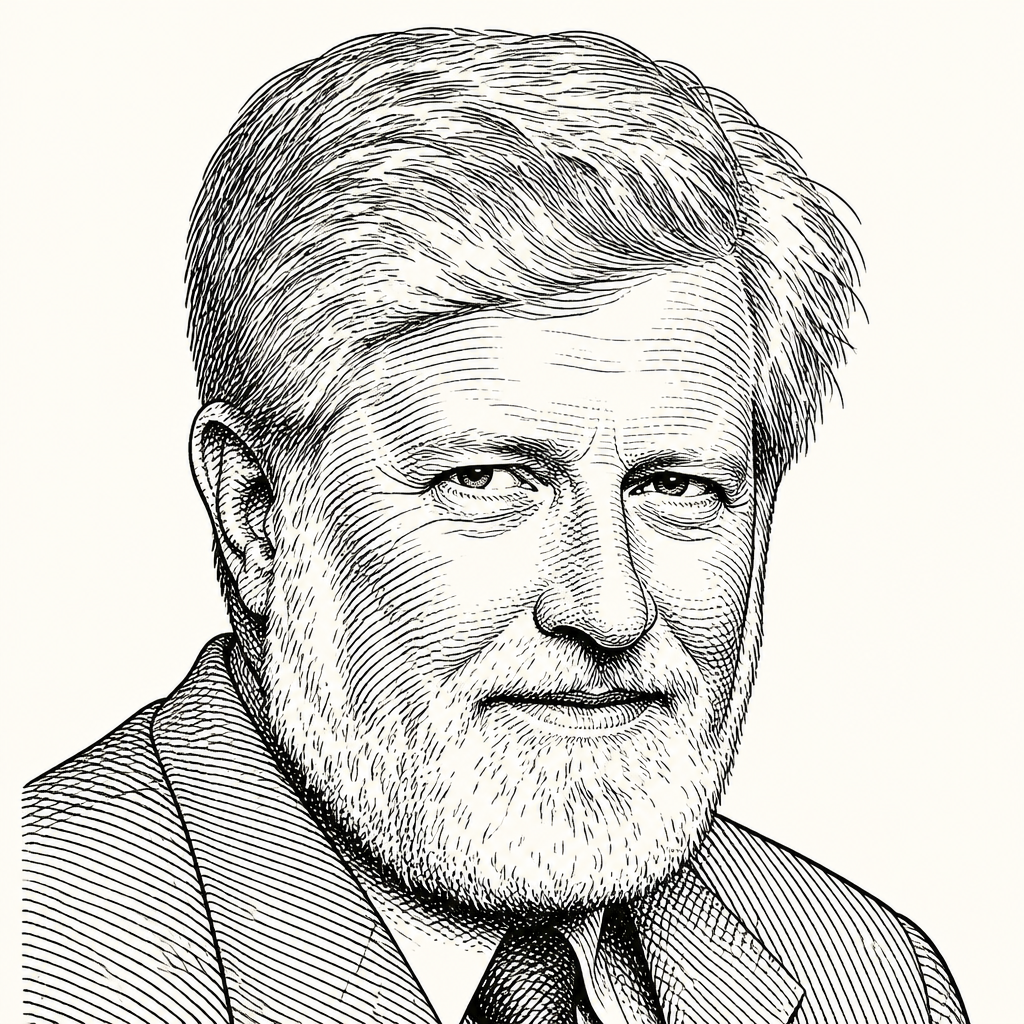
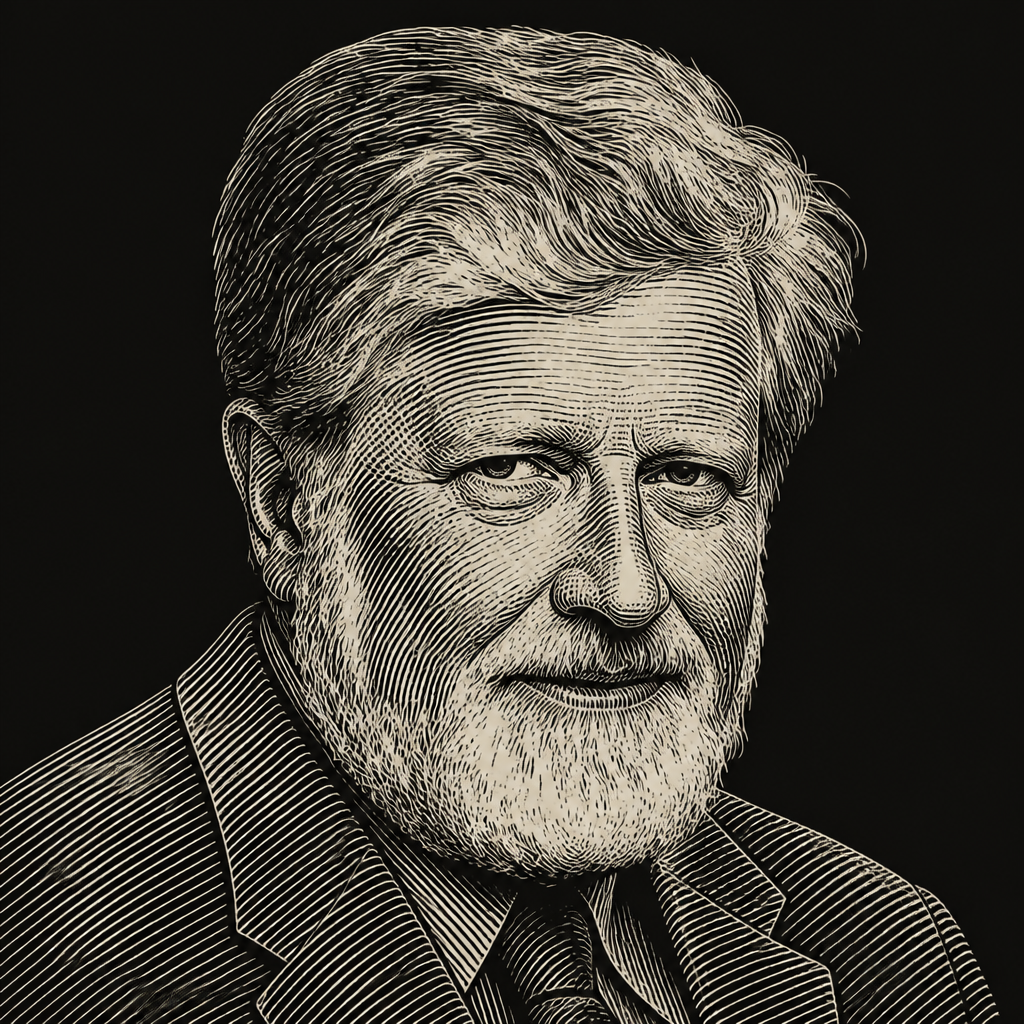
A person may be a none in the specific sense that they do not claim a religious identity or belong to a formal institution. The reporting error comes when that answer is made to stand in for everything else they believe, practice, or seek.
The sacred-secular divide has a history
The sacred-secular divide is not a timeless fact. Winston located it in a long Western history in which religion came to be treated as a distinct sphere rather than a condition woven through law, farming, family, medicine, political authority, ritual, and daily life.
In the premodern world, temporal and spiritual orders could be distinguished, but they were entangled. A bad harvest might be read as divine anger; summer rain as divine favor. Kings ruled and peasants toiled in arrangements understood to have divine sanction. People lived within ordinary cycles of work and family while also inhabiting sacred time through holidays, rituals, and inherited stories.
Several changes made the modern separation appear natural. Winston named the Protestant Reformation, whose reformers challenged practices they considered superstitious; the scientific revolution, which explained the universe through mathematical and physical laws; the Enlightenment, which elevated reason as a guide for politics and morality; and urbanization and industrialism, which replaced local accountability and natural rhythms with cities, factory schedules, clocks, and pluralism.
Imperialism was central to this reclassification. European colonizers encountered communities in Africa, Asia, the Middle East, and the Americas whose practices and cosmologies differed from Christianity. They called those systems “religions,” often labeling them heathen, inferior, and in need of Christianization and civilization. Winston’s point was that the supposedly neutral category of religion was shaped partly through a colonial encounter: it distinguished European Christianity from ways of life Europeans sought to govern, convert, or exploit.
Even the word does not translate cleanly into older traditions. Winston noted that ancient Sanskrit, Hebrew, classical Greek, and Arabic did not have a direct equivalent for the modern category of religion. What contemporary observers separate into religion, law, medicine, family, and farming was not necessarily experienced in those terms.
This history bears directly on the study of nones. When religion is measured principally through membership, attendance, self-description, or assent to specified beliefs, the measures tend to assume that religion is an institutionally bounded domain. That may describe parts of American Christianity quite well. It does not necessarily travel across traditions or capture the full ways people relate practice, family, ethics, politics, and ultimate concerns.
Kalpana Jain pressed this concern from a Hindu perspective. Hindu traditions, she noted, do not necessarily maintain the same divide between belief and unbelief, or the same institutional model implied by asking who attends a church. In her view, studies of nones often register practices such as meditation or non-Christian spiritual traditions as later adaptations while leaving them outside the frame that defines religiosity in the first place.
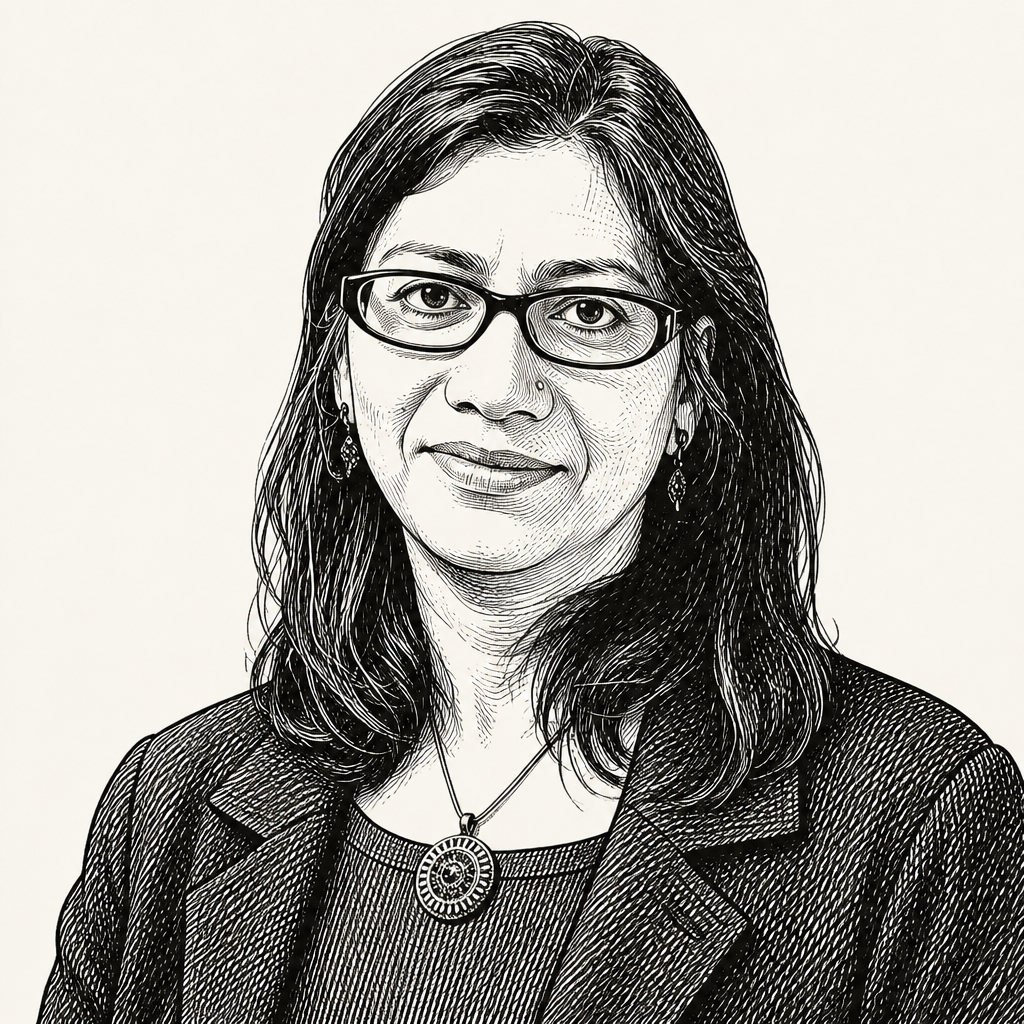
Parker initially asked why non-affiliation could not apply equally to Muslims, Hindus, Jains, or Christians. Jain’s point was methodological rather than semantic: a category based on institutional participation can make traditions that do not organize themselves around churchlike attendance appear peripheral or invisible. Winston agreed with the underlying critique, calling “nones” a specious category when it becomes a way of naming people by what established institutions say they lack.
A survey response cannot settle what religion means in a life
Winston’s practical instruction to reporters was direct: “Pew is not God.” Neither, she added, are NORC, Gallup, or PRRI.
Her concern was not that polling has no value. It was that quantitative instruments impose categories, and those categories can become the story before reporters have asked what they capture. Church attendance, for example, is an imperfect proxy for devotion. People may attend worship to pray, meet a romantic partner, impress a boss, find friends for their children, satisfy family expectations, or participate in a local social world. Conversely, people with substantial religious commitments may attend irregularly or not at all.
Winston used Ronald Reagan as an example of the gap between public behavior and interior conviction. During his presidency, she said, the press corps treated his failure to attend church regularly as evidence that his religious language was strategic—a means of appealing to Christian voters. Her research into Reagan’s private correspondence led her to a different conclusion. He was, she said, deeply religious; among the evidence was a letter to his father-in-law, Loyal Davis, expressing Reagan’s belief that Davis would be separated from Reagan and Nancy in the afterlife unless he accepted Jesus as savior.
The point was not to endorse Reagan’s theology. It was to show why attendance alone cannot settle the question of religious belief.
Parker’s caution begins earlier, with the mechanics of polling. He noted that phone surveys now often obtain completed responses from only 6% to 8% of the people initially contacted. Internet-based surveys resolve some access problems but bring biases of their own. As an economist trained in statistics, he said, he approaches quantitative claims about religion with considerable caution.
That caution matters when reporters encounter narratives of religious revival or collapse. Asked about reports that young people, especially young men, may be returning to church, Parker pointed to a recent Ryan Burge analysis comparing survey instruments and question wording. An apparent increase, he said, could be a statistical artifact. The appropriate response was not to dismiss people who see younger congregants in their own communities, but to resist turning local observation into a national trend before the evidence settles.
Winston took a related position. Anecdotes can support almost any storyline, she said, and data can often be found to support it as well. Still, she sees institutions experimenting in ways that may reach people whom older forms do not. She described attending a Shabbat service connected to a non-Zionist Jewish network that attracts some younger Jews alienated from traditional settings. She also cited Episcopal efforts to learn directly from young people and a church that reportedly shifted a gathering from Sunday to Wednesday because youth activities made Sunday difficult for families.
These are developments worth reporting. They are not, by themselves, proof of a broad reversal in affiliation trends.
The discipline is to keep separate questions that are often collapsed: whether people identify with a tradition; whether they attend an institution; whether they believe in God or a transcendent reality; and whether they hold commitments that structure their daily lives. A survey may answer one of these. It should not be made to answer all four.
Meaning and belonging can be formed outside religious institutions
Winston proposed two ways to notice religion beyond its formal homes without erasing the distinction between institutional religion and other kinds of commitment.
“Lived religion” concerns the way people enact their highest priorities in ordinary behavior. “Implicit religion,” as Winston described it, involves commitment, an integrating focus that gives life meaning, and concerns intense enough to demand time and energy while exerting broad effects on a person’s life.
Sports and fan cultures can sometimes be understood through this second lens. Winston named Deadheads, Swifties, and Trekkies: communities whose participants may share language, rituals, emotional intensity, collective memory, and a sense of belonging. Her claim was not that a music fandom is interchangeable with Christianity, Judaism, Islam, Hinduism, or Buddhism. It was that such communities can perform some of the meaning-making and connective work associated with religious life.
She made the same point about culture more broadly. Beyoncé’s music can introduce listeners to the Orishas, Christianity, and struggles around race and gender. Kendrick Lamar explores sin, temptation, God, and faith. John Coltrane’s A Love Supreme announces its spiritual register in its title, while Bruce Springsteen’s performances have long drawn on a revivalist sensibility. Television series including The Wire, Breaking Bad, Succession, and The White Lotus give audiences ways to talk about evil, death, judgment, materialism, power, and moral ambiguity.
The relevant reporting question is not whether every cultural attachment should receive a religious label. It is whether the attachment helps explain how people form identity, community, obligation, hope, or moral imagination. Those questions may arise in a congregation, but they may also arise around music, sport, television, political movements, family rituals, or online communities.
Digital life deserves the same attention. Winston argued that TikTok and other platforms should be taken seriously as sites where younger people encounter testimony, instruction, argument, spiritual vocabulary, and new forms of authority. She cited an AI-generated estimate that FaithTok has accumulated more than 1.2 trillion views globally, but her substantive point was not the number. It was that religion online should be investigated rather than dismissed as a marginal substitute for “real” religious life.
Neither Winston nor Parker regarded digital practice as a replacement for embodied community. Winston pointed to earlier debates over virtual religion, including experiments in online worlds, where some scholars wondered whether digital practice would displace congregations. In her view, virtual spaces added something but did not replace face-to-face gathering. They can help people explore ideas, discover that others share their concerns, and speak about questions that may otherwise feel isolating. But people also want to interact directly with other people.
Political coalitions carry moral and religious claims
Religion cannot be reduced to a vote-delivery mechanism. It is also a language of moral authority, identity, institutional power, hope, and historical memory.
Parker drew on political theorist Stephen Skowronek’s account of presidential cycles to argue that transformative presidents create durable coalitions and a simple organizing frame that shapes subsequent politics. He identified Thomas Jefferson, Andrew Jackson, Abraham Lincoln, Franklin Roosevelt, and Ronald Reagan as broadly recognized examples.
For Parker, the Reagan order is weakening but has not yet been replaced. Barack Obama, in his view, did not break sufficiently with Reagan-era financial-market deregulation to establish a new governing order. Joe Biden recognized that the Reagan coalition was deteriorating and tried to build another, Parker said, but failed to win durable public support. A new political order may emerge only through further crises.
Diane Winston disagrees about the present tense. She sees Donald Trump as transformative because he has assembled constituencies that might not ordinarily coalesce—she named Muslims and the Christian right, Latinos and white Wall Street voters, and groups motivated by economic concerns, political grievances, or resentment. Trump has supplied a new ideological frame, she argued, and kept those groups together.
You need religion to justify politics even if you don’t want to admit it.
Parker rejected Trump’s status as an order-building president. Trump’s coalition, he argued, is too unstable and too rooted in resentment rather than hope or opportunity. Parker read Trump’s victories partly as rejections: in 2016, of the order Hillary Clinton represented; in 2024, of Biden’s failures. He also interpreted efforts around redistricting, voter registration, and mail-in ballots as signs of fear rather than confidence.
The disagreement should not be flattened. Winston believes Trump may have produced transformative effects that endure even if his coalition changes. Parker believes the country is still waiting for a successor order. Both treat religion as part of the explanation, not as an isolated demographic variable.
Winston connected political transformation to religious change through shared historical currents. The Second Great Awakening and the Jacksonian era, she said, both expressed ideas of individual autonomy, agency, and the common person. She did not claim that one simply caused the other. Her account was of a zeitgeist moving through multiple institutions at once.
She made a similar argument about the late twentieth-century conservative turn in the Southern Baptist Convention and the Republican Party. As a reporter in the South in the 1980s, Winston heard conservative Christian sources describe a plan to take over the country “step by step, county by county.” Some accounts treat the Southern Baptist conservative takeover as a dry run for Republican strategy, she said, with political and religious actors using comparable tactics.
For reporters, the immediate lesson is to avoid treating “religion” as a single political force. Parker criticized coverage that referred to “evangelicals” without distinguishing white, Black, Brown, and Asian evangelicals. That looseness made a politically unified evangelical bloc seem larger and more coherent than it was.
The Democratic Party presents a different problem. When Stephanie Sy asked whether Democrats ignore religious language at their peril, Winston said Democratic politicians know they have struggled to find an effective public idiom. She named Raphael Warnock, James Talarico, Hillary Clinton, and Josh Shapiro as figures who have attempted, in different ways, to connect public purposes with religious conviction.
Parker stressed that Democrats are more religiously and culturally polyglot, including people shaped by Islam, Judaism, Christianity, humanism, and other traditions, as well as people with deep anger toward religion. A single religious message is therefore harder to construct. Winston’s alternative was not doctrinal unity. It was shared values articulated broadly enough that people can explain their commitments through their own traditions.
The market is also a story about what makes a life whole
The exchange over capitalism turned on the difference between an economic system and the moral story people attach to it.
Winston’s claim was not that Americans consciously worship money, or that wealthy people are incapable of moral commitments. Her concern was that market capitalism has become a totalizing cultural force: people are repeatedly told that fulfillment lies in getting, owning, consuming, and displaying the right things. The promised objects may be makeup, a home, a boat, a car, or a lifestyle. None, she argued, can make a person whole.
She called this a “jealous” religion because it competes with other sources of purpose and may downgrade institutional religion as superstition, irrelevance, or an obstacle to consumption. What she thinks people need is religious or moral grounding that offers hope rather than the promise that more acquisition will resolve human dissatisfaction.
Carl Cannon challenged that characterization. He argued that Americans may accept capitalism not because they venerate wealth but because they see markets as the least bad system—a framework for entrepreneurship, innovation, and opportunity. He also noted that deregulation associated with Reagan began as a bipartisan project during Jimmy Carter’s presidency.
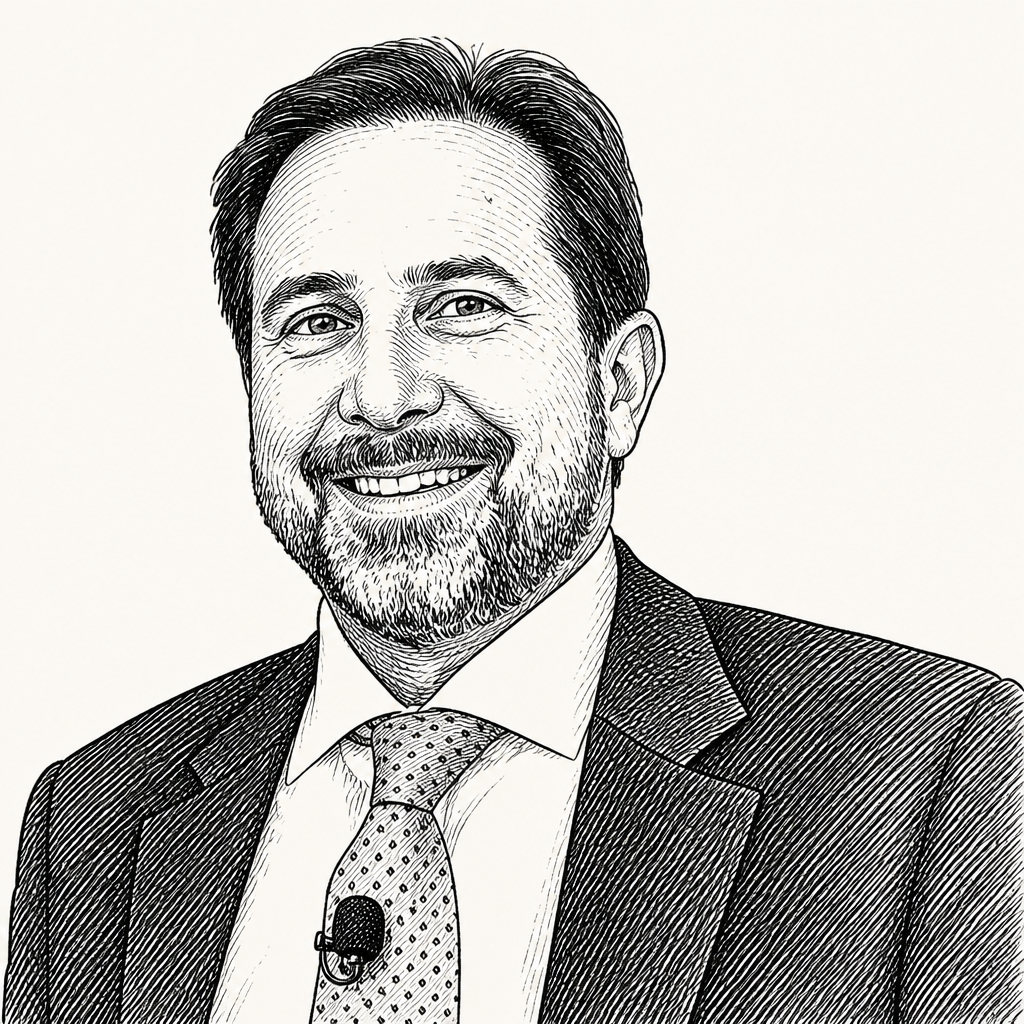
Parker resisted reducing the matter to a free-market-versus-government binary. The deeper unresolved question, he said, is how a society balances individual opportunity and responsibility with collective responsibility and mutuality. He remains skeptical both of capitalism and of its putative alternatives.
Winston distinguished Roosevelt’s welfare capitalism from the more intensive market capitalism or neoliberalism she associates with the post-Reagan era. Roosevelt’s system, in her account, aimed to make assistance available within capitalism. Parker added that Reagan-era welfare did not disappear so much as become more protective of a different class.
Parker’s discussion of Jürgen Habermas supplied a broader frame. Habermas began as a left-wing German social theorist associated with the Frankfurt School, Parker said, but later gave greater attention to religion’s role in mediating between individuals and the state and in articulating the values on which political communities rest. Even in a secularizing society, Parker’s Habermas found that material benefits alone could not supply the hope or moral claims that religion can sometimes provide.
That is not an argument that secular citizens lack moral commitments. It is an argument against assuming that markets, state institutions, or private autonomy can answer every question of meaning and obligation.
The better story begins with a person, not a label
For journalists, the practical instruction is not to abandon surveys, theory, institutional reporting, or demographic categories. It is to stop treating any of them as a complete account of human life.
When Mitchell Atencio asked how to report on money, sex, music fandom, or other possible forms of implicit religion without falsely making people into adherents of an invented faith, Winston’s answer was form as much as method. This work is difficult to do in a daily brief. It is better suited to long-form or deeply reported feature work that places a person at the center and traces the multiple forces shaping their decisions.
She described her own reporting on a Black woman entrepreneur from Oakland, a committed Buddhist who moved to Louisiana to build a sustainable rice-farming initiative for Black farmers. The story held together Buddhism, entrepreneurship, Black agriculture, environmental practice, regional difference, and a commitment to doing good. No single element explained the subject. Each was active in her life.
That is the alternative to a flattening category. Instead of asking only whether a person is religious, spiritual, secular, or a none, reporters can ask what obligations they recognize; where they find community; how they describe suffering, hope, and responsibility; what institutions they trust or reject; and how religious, political, economic, cultural, and family commitments interact.
Parker’s advice was literary as well as analytical. He recommended work by journalists Dayton Duncan, Ian Frazier, and Neil King Jr. as examples of writing that gets close enough to a place and its people to reveal what they love, remember, fear, and believe. He was not recommending book-length work for every assignment. He was urging reporters to develop forms of observation that do not begin and end with a demographic designation.