Political Control, Not Flat Budgets, Threatens U.S. Science Funding
 Ann Kurth
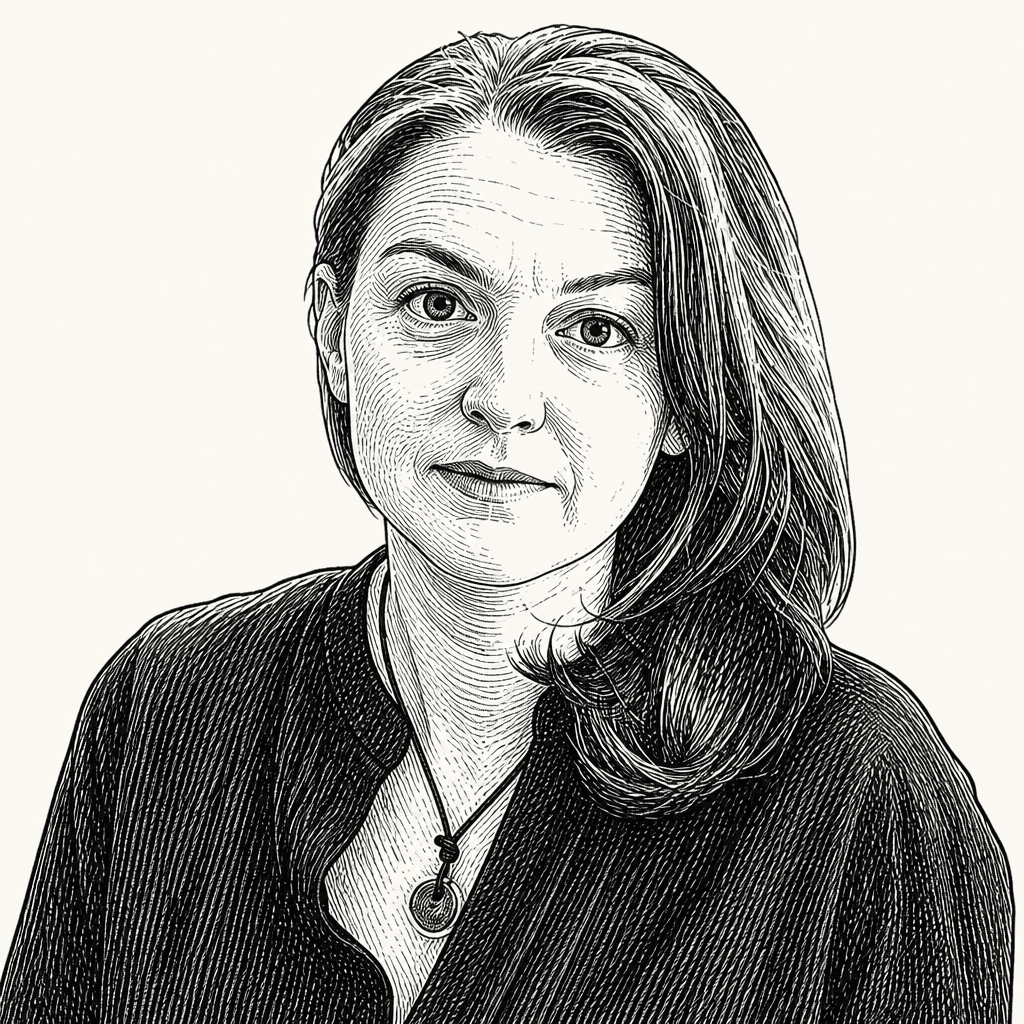 Beth Westrate
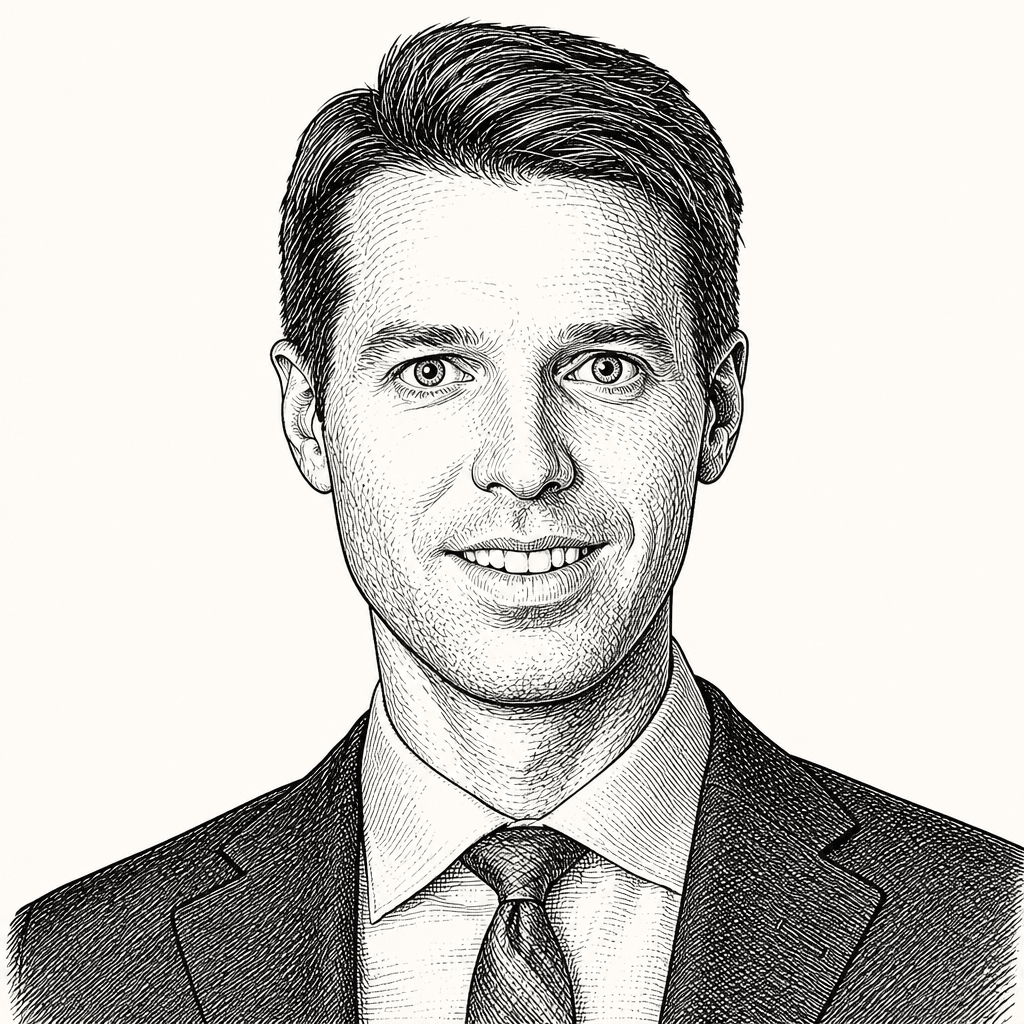 Aaron Mertz
 Andrea Graham
 Ted Richane
 Marilyn Ness
 Shruti NaikThe Aspen InstituteMonday, June 22, 202617 min read
At a New York post-screening panel for The Endless Frontier, filmmaker Marilyn Ness, immunologist Shruti Naik, journalist Ira Flatow and executive producer Aaron Mertz argued that the most vulnerable part of science is not discovery itself but the public system that sustains it. Their case was that curiosity-driven research, expert peer review and stable federal funding are being misunderstood and politically threatened just as the public needs a clearer view of how science actually produces medicines, technologies and trained researchers. The panel framed science funding as both an institutional question and a democratic one: who decides what research is worth doing, and whether voters understand enough to defend that process.

The fragile part of science is not discovery. It is the system that lets discovery happen.
Science is not a shelf of results, and discovery is not a predictable product. It is a process that depends on time, institutions, money, expertise, and tolerance for repeated failure.
Andrea Graham, one of the scientists featured in The Endless Frontier, put the point plainly. Science, she said, is “not a product.” It is a way of observing the world closely, developing explanations for what is seen, observing again, and revising those explanations when new information arrives. That revision is not an embarrassment to the work; it is the work. Graham said scientists have to be willing to “admit you’re wrong most of the time” and update their understanding of the world. For her, being wrong is “fun and fascinating” because it is part of the endless process of learning.
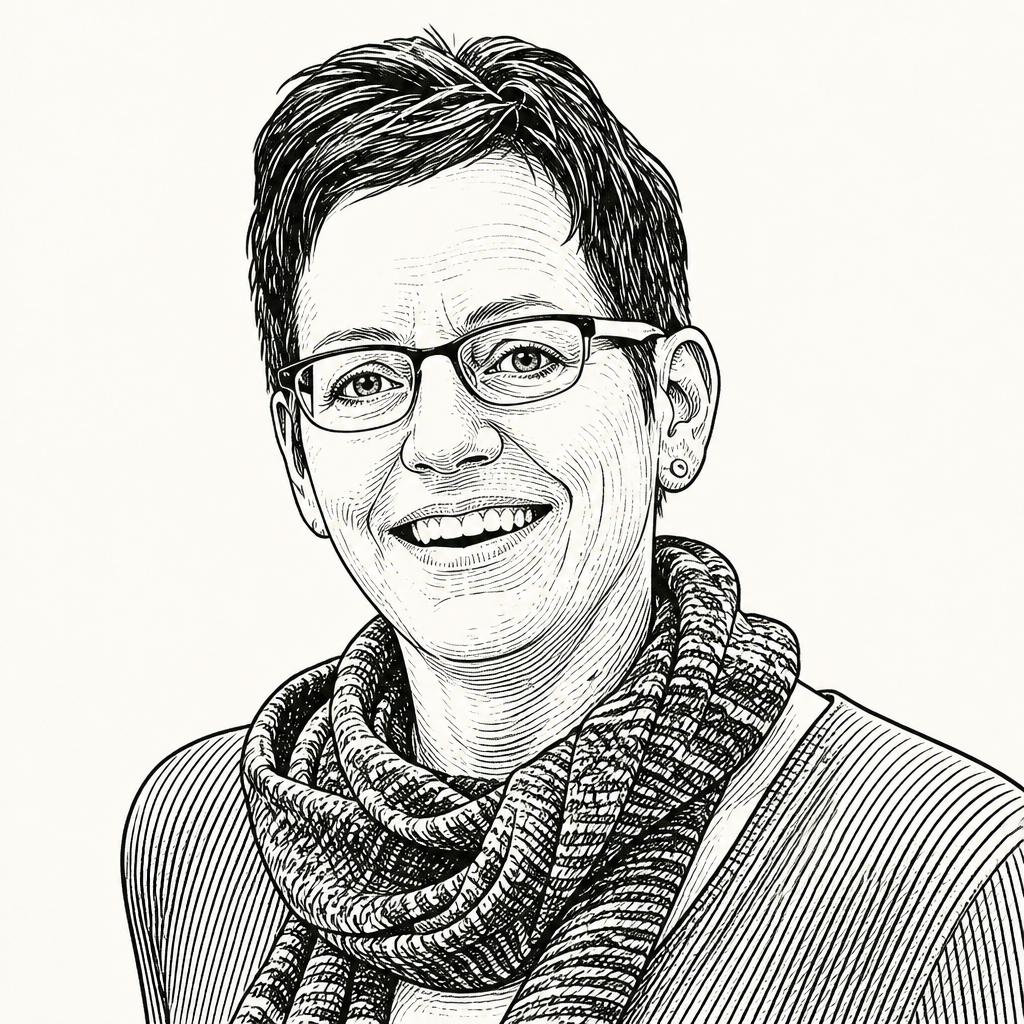

? jacob-george, another featured scientist, described the same reality from the standpoint of innovation. The path is not a forced march from experiment to application. “You can’t force innovation,” he said. You enter through curiosity, try to understand, fail repeatedly, and accumulate knowledge from each setback. Those failures, in his phrasing, build “the powder keg” that later fuels discoveries and innovations.
That framing matters because much of the evening’s urgency came from the gap between how science actually works and how it is often judged. The people doing research cannot promise immediate outcomes from basic questions. They often cannot know in advance which observation or tool will become consequential. Yet the social value of science, as the speakers described it, depends on protecting exactly that uncertain period before usefulness is obvious.
? ira-flatow said the documentary captured something the public rarely sees: the proposal writing, the struggle for funding, and the everyday difficulty of sustaining research. In his view, schools tend to teach simplified exercises — chemistry demonstrations, physics ramps — but not “what makes science work,” how funding enters the system, or why the process is hard.
People think that everything we know is in a book, in an encyclopedia, it's sitting there, you want the answer to something, I'll look it up.
Flatow argued that this misunderstanding has political consequences. If people do not understand the process, they are less prepared “to vote to keep science alive.” The central public question is not whether finished discoveries are useful, but whether society will keep funding the conditions under which unknown future discoveries can emerge.
Curiosity-driven research is the foundation, not the ornament.
Shruti Naik identified curiosity-driven research as the theme that “really hit home” for her as a scientist. Basic research begins with questions whose answers are not yet known. It creates new knowledge rather than merely applying established knowledge. That kind of work, she argued, is also “the science that is most at risk right now.”


Naik gave examples meant to show why the public should care about research that does not begin with a near-term product. The internet, she said, came from people in Southern California asking whether two computers could talk to each other. CRISPR came from research into how bacteria defend themselves against viruses. Cancer immunotherapies emerged from scientists trying to understand how the body defends itself from infection. Her point was not that every curiosity-driven question produces a revolution, but that revolutions in medicine and technology often depend on earlier questions that did not look commercially obvious at the time.
? ira-flatow reinforced the point with stories from science journalism. After the Higgs boson was found, he said, some physicists were disappointed because the search itself had been the meaningful part. In another Science Friday discussion about dark energy and dark matter, he recalled asking a scientist what practical effects the work would have. After a pause, the answer was: “Absolutely nothing.” Flatow said people need to hear that answer because basic research cannot always be defended by immediate application. Its future value is unknown, and that is precisely why a public system is needed to support it.
He also referenced an episode of The Big Bang Theory that ended at Richard Feynman’s grave, describing it as a tribute to “research that goes nowhere.” The idea, as Flatow described it, was that basic research can be worth doing “just for the beauty of doing the research” and may pay off later.
Director Marilyn Ness offered a compact example of the same non-obvious path from basic inquiry to public consequence: “How do gila monsters lead to like this Ozempic craze?” Her question captured the broader claim that the route from organism, mechanism, or basic biological fact to medical or technological use is rarely linear from the outside.

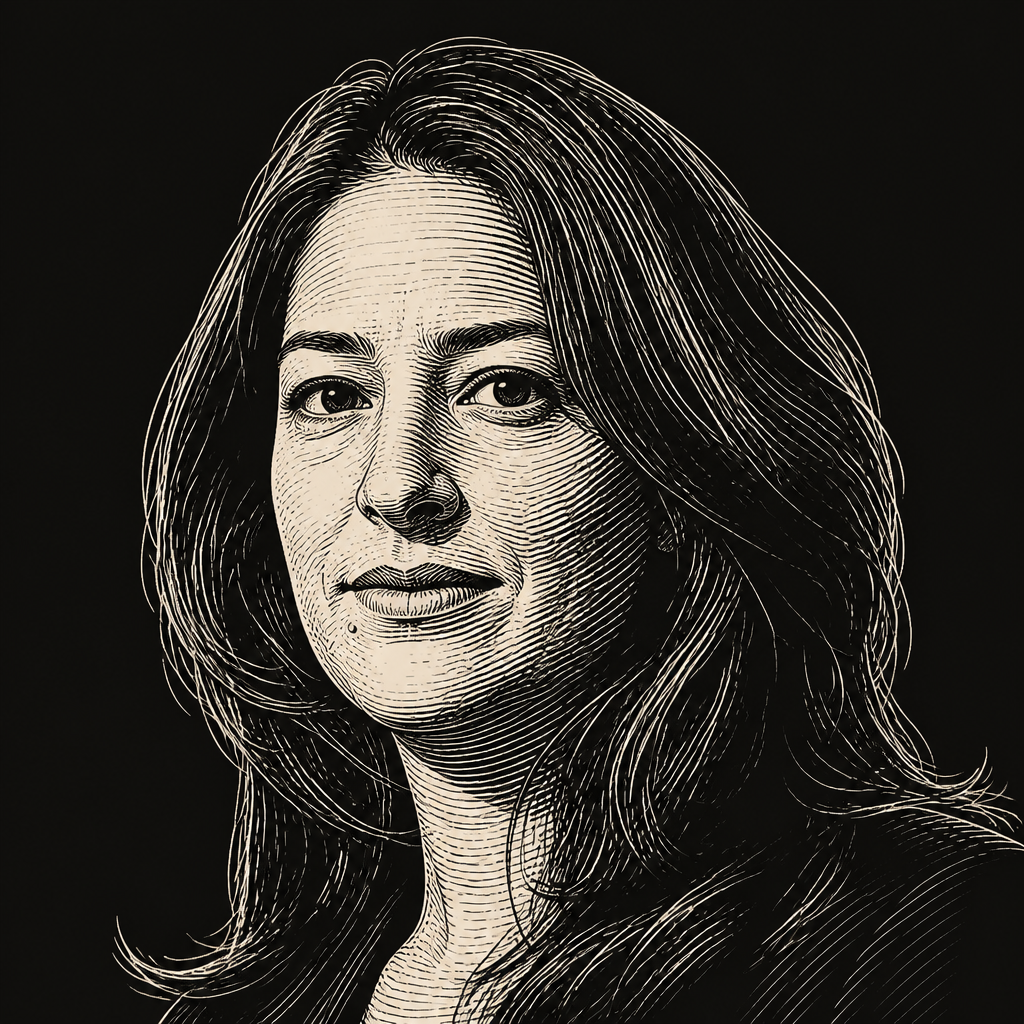
Naik later used a different image for the same structure. The public sees “the beautiful house and the landscaping” — the Pfizers and SpaceXs of the world — but not the government-funded basic research foundation underneath. The private-sector successes that appear most visible depend, she said, on public investment in biomedical research, materials science, physics, and other foundational fields.
Flatow added a more contentious version of the argument about commercial incentives. In his view, the pharmaceutical industry is not structured primarily around curing people when long-term treatment is more profitable. He said people in pharma had acknowledged this privately to him in off-mic conversations. His claim was that federally or state-funded basic research fills a role that large commercial actors will not necessarily fill, especially before a development has obvious market value or quarterly return.
The funding threat is not only lower budgets. It is political control over scientific judgment.
The policy core of the panel was an Office of Management and Budget proposal that Shruti Naik said could substantially change how NIH grant dollars are spent. She stressed that the danger, as she saw it, was not captured by the topline appropriation. “This year, actually the budget remained relatively flat,” she said. The more serious issue in her account was who decides what the money is spent on, and whether expert peer review remains central.
Naik described the existing NIH and NSF system as one in which, for roughly 80 years, experts have decided which science should be funded. Scientists, she said, are “very critical of each other,” “very hard on each other,” and able to judge what is rigorous, important, and cutting-edge. As Naik described it, the OMB proposal would move decisions away from experts and toward political appointees.
She described a second potential change: in her reading, grants could be cut at any time. That would mean a federally funded project could be interrupted midstream, including in the middle of a clinical trial. Naik asked the audience to imagine a loved one or friend participating in such a trial and having the grant withdrawn “with no recourse.” She contrasted this with the prior situation in which, she said, universities such as Columbia and Cornell could sue the federal government after grant funding was taken away. Under the new policy as she characterized it, the federal government could withdraw funding without giving a reason or leaving the university with recourse.
The operational consequences, she argued, would be severe. Science requires stability. A clinical trial cannot simply stop midway without consequence. Graham’s field experiments, which Naik described as being set up a year in advance with 40 people, cannot be paused casually. A lab cannot have people coming and going unpredictably and still maintain continuity.
We need stability and we need experts to make decisions.
Ann Kurth, president of the New York Academy of Medicine, set the policy backdrop before the screening. She said the Academy holds an original copy of Vannevar Bush’s postwar publication Science, the Endless Frontier, which she described as helping “kick off” NIH as it is known. She also referred to a 2024 report produced with the National Academy of Medicine and others that offered advice to the incoming president on sustaining the biomedical research enterprise. “Spoiler alert, advice not taken,” she said. Kurth warned that the OMB proposal would “eviscerate peer review for science” and pointed audience members to a July 13 deadline to respond.


? ira-flatow reacted by comparing the proposal, as he understood it, to politically directed science in the Soviet Union. He said that in communist bloc countries, research could be funded or not funded depending on whether it matched government political objectives. The resemblance between that history and the OMB proposal, he said, was “unbelievable.”
Naik added that the problem is not merely partisan control in the abstract, but the information environment shaping political decisions. She said political actors are listening to social media and “TikTok docs,” making it especially important to reinforce the role of experts and expertise in scientific decision-making.
The documentary changed because the research system changed.
Marilyn Ness said the film was originally designed to make scientists’ lives and work visible, not to document a funding crisis. The filmmakers wanted to move beyond the public’s stock images of science — labs, beakers, distant places — and show the range of scientific practice. The film follows immunology, neuroengineering, and marine biology, with science happening in labs, field sites, underwater environments, mouse studies, meetings, homes, and patient interactions.
That choice was partly about time. Ness wanted viewers to understand how long the path can be from basic research to human benefit. George’s neurorobotics work, which involved interaction with patients, helped make that pathway more visible. At the same time, the marine and animal work showed that research far from the clinic can still eventually return to human benefit.
But the film changed after 2024. Shruti Naik said the movie was “almost done at the end of 2024,” and credited Ness with turning “this entire ship around” to make it also about what Naik called “the dismantling” of a major biomedical enterprise. Ness described returning to the scientists for a “very sad reunion tour” after funding cuts and learning what would happen to their labs.
The consequences she listed were concrete. George’s patient-focused research had been stalled and put on hold. Graham had not hired new researchers and had shrunk her lab in hopes of surviving what came next. Paul Barber, the third featured scientist, was not at the New York event because he had his last cohort “for now,” and Ness said his last three years of funding had run out.
For Ness, the funding crisis forced the film to add a primer on the system itself. She said that before 2025 she understood science as something happening “over there” that society would eventually benefit from “over here.” Once funding was cut, the filmmakers went back to understand what had been operating in the United States for 80 years. They encountered the Endless Frontier framework and concluded that presidents of both parties had long understood national greatness — health, security, financial strength — as being driven by scientific endeavor.
Ness said she had not understood the scale of the system. Each lab is “an ecosystem unto itself,” she said, and it trains the next generation. Continuity in research depends on continuity in funding. She referred to the broader enterprise as “400,000 people strong,” a scale she said had not been transparent to her before making the film.
That opacity is a challenge for science. If curious laypeople do not understand the scope of the scientific enterprise or what it accomplishes year over year, then science and society both have work to do.
New York’s state-level case is a hedge against federal volatility.
The New York argument was economic as well as scientific. Ann Kurth emphasized that New York has, in her account, a large share of major pharmaceutical headquarters, a high proportion of national clinical trials, many technology and biomedical jobs, and more life science PhD graduates than anywhere else in the United States. She argued that the state needs to remain competitive with California, Texas, and Massachusetts, which have made investments in the sector.
Shruti Naik connected that local argument to New York Cures, an effort she is helping lead to strengthen biomedical research across New York City. Asked where she saw optimism, she answered cautiously: “I don’t know if optimism is the right word.” Scientists, she said, had long assumed stable federal funding and also assumed the public understood the value of the work. That assumption no longer holds.
Her state-level argument followed from federal volatility. Scientists still need to advocate federally, she said, but they also need state-level safeguards that can operate in parallel with federal funding. California, in her account, is moving in that direction, and she hopes New York State will do the same.
Naik described a coalition that includes medical schools, institutions, the United Auto Workers union representing postdocs and graduate students, and the Associated Medical Schools of New York. Their message to the state, as she framed it, is that New York is an epicenter of science and “number two in NIH funding.” That position, she said, means New York is globally significant as a place where science happens. State support could help offset federal instability, attract talent, and grow the next generation of scientists and technologies in New York.
Marilyn Ness added that universities and colleges are economic engines for their communities beyond the scientists themselves. Research institutions employ administrators, facilities staff, and the people who keep buildings running. That broader employment base is part of why screenings and public engagement should reach beyond university walls. People in surrounding communities need to understand what is happening “behind those windows and walls” if they are to understand why it matters to them.
Science has a communication problem, but the burden cannot fall on scientists alone.
Public misunderstanding is not solely the public’s fault. Nor are scientists naturally equipped communicators who simply need to talk more. The speakers described a structural communication problem: scientists are trained to speak precisely to one another, not accessibly to people outside their fields; they are under severe time pressure; and the media environment has changed faster than institutions have adapted.
Shruti Naik said scientists have not done “such a good job” communicating for a long time, but she also asked for “a little bit of grace.” Scientists work long hours just to keep the lights on and avoid laying people off. Adding public communication on top of that is a lot. The communication style that works within science differs from the communication style needed with the public. Learning the latter is not trivial, and social media has “changed the game” in the past five years.
Marilyn Ness, as an observational filmmaker, sharpened the diagnosis. Scientists, she said, “do not speak English” in the ordinary public sense; they speak the language of science. That language is necessary for precision, accuracy, and communication within the field. But it can prevent outsiders from understanding what is being done and why it matters. Most professions have their own internal language, but scientists now face the additional expectation that they will translate theirs for the public while also sustaining labs, grants, and families.
At the same time, Ness said younger scientists in the film seemed to understand that science communication is becoming integral to their work. She noticed younger people in labs taking out phones and beginning to open lines of communication in ways older institutions had not fully learned.
? ira-flatow’s position was more demanding. Scientists, he said, need to learn how to tell the public what they do. He recalled going to Columbia University with a camera and finding that graduate students and scientists could not speak in front of it without becoming tongue-tied. That, he argued, is a skill. If scientists want to defend the need for research dollars, they must be able to explain why their work matters.
He went further: someone earning a PhD should not be able to receive the degree without some training in public speaking. Science funding, he said, used to be treated as predictable — something that “spoke for itself.” That is no longer true because science is under attack. Scientists cannot rely on the old assumption that the public will automatically see the need.
Naik offered a lower-stakes version of the same advice. Scientists do not have to begin with national media appearances or television shows. They can practice by talking to an Uber driver or the person next to them on the subway. “Just do it,” she said. Talk “as a human being, person to person.”
She and Aaron Mertz described an informal experiment that helped motivate the film. They went to Times Square with an NYU film student and asked people, “Where do your medicines come from?” According to Mertz, most people could not answer. The top responses they recalled were China and plants. One person said laboratories; one person said research. Naik said the people they approached were excited to engage. For her, that showed both the lack of public understanding and the possibility of simple conversation.
The public appetite for science exists, but it has to be met where people are.
? ira-flatow rejected the idea that the public is inherently uninterested in science. His “dirty little secret,” learned over decades, is that people love it. The problem is that they do not always know where to find it, how it is done, or which sources to trust. If science is offered in “morsels and chunks” people can digest, he said, they will keep taking it in.
That belief shaped his answer to how journalism can portray science as dynamic rather than static. He proposed, half seriously and half strategically, a science reality show. Shruti Naik immediately called for “the Kardashians for science,” then joked about a “grant challenge” in which all the grants get rejected. Flatow said producers had tried for decades to persuade networks that science could work on television, only to be told it would be too boring. Then The Big Bang Theory became a top show for more than a decade, suggesting to him that science-adjacent storytelling had more potential than executives assumed.
His larger point was that storytelling should show the lives of scientists: partnerships, children, work pressures, and the practical reality of doing science. Marilyn Ness said observational film can let people “go to work with someone” in a place they would never otherwise enter. She argued that viewers would not be bored by underwater cinematography of marine scientists or by the visual world of Graham’s mouse research if the story gives them meaningful access between explanations.
Flatow also emphasized distribution. Science Friday, he said, began as a radio show and is now in its 35th year, but many 18-year-olds may not know what a radio is. The program has become podcast-centric, and he said its audience is expanding there. It is also on TikTok and other social media platforms. The task is to “go where the new audiences are.”
He compared this adaptation to the improvisational work scientists do in the field or lab. Watching the film’s scientists, he said, reminded him that researchers have to become “MacGyver” figures, making equipment work on the scene. Science communicators now have to do the same with media formats: adapt the work to social platforms and learn new techniques just as earlier generations learned to stand in front of a microphone.
Ness noted that the film deliberately avoided the default iconography of science. Flatow praised the visuals because there was “not one white lab coat anywhere.” Ness said they avoided them, though Naik interjected that scientists do, in fact, have rules requiring lab coats in some settings. The point was not that lab coats are unreal, but that the public needs more than one image of what science looks like. The film shows scientists as real people with families, problems, obligations, and lives beyond the bench.
Science and democracy are presented as mutually dependent.
? ira-flatow made the broadest civic claim of the evening: science and democracy depend on each other. He said that in the 250th anniversary period of the Declaration of Independence, it is worth remembering that Article I of the Constitution includes support for science through Congress’s power to create a patent office and allow inventors to benefit from their work. He pointed to Benjamin Franklin as one of the country’s great scientists and argued that the founders recognized science as fundamental to democracy.
“You can’t have a democracy without science and you can’t have science without a democracy,” Flatow said. In context, that claim had two meanings. First, democratic society depends on the fruits of research: medicine, technology, food systems, transportation, and the material conditions of modern life. Second, science itself depends on political arrangements that protect expert judgment, tolerate uncertainty, and fund inquiry without requiring immediate political usefulness.
That claim also shaped the speakers’ view of advocacy. Flatow argued that public pushback matters. Marches for science, public demonstrations, voting, and other forms of expression can bring dividends and reverse decisions. He asked where the Carl Sagans of today are, noting that Neil deGrasse Tyson cannot “do the whole thing himself.” More scientists, in his view, must speak publicly and defend their work.
Marilyn Ness was direct about the political mechanism: people need to vote for this funding. The film showed people walking to Congress’s door and waiting, she said, because Congress has to release funding and change how the system works. Her belief is that if communities understand what is happening inside universities and labs, they are unlikely to say society should not fund cancer research or Alzheimer’s research. But without that understanding, science remains vulnerable to being treated as distant, elite, or optional.
The speakers closed on related but distinct lessons. Ness said society needs science to live “rich, safe, healthy lives on a planet that continues to function,” and she hoped colleges and universities would organize screenings that bring in audiences from outside their walls. She also linked science funding cuts to cuts in independent film, arts funding, and PBS, arguing that communities, universities, and organizations will have to help get the word out about what matters for decades and centuries ahead.
Shruti Naik’s final lesson was simpler: scientists are people too. They have the same fears, desires, and joys as anyone else. They should not be feared or villainized as people “putting microchips in our vaccines.” Scientists, she said, are “here to serve” by making new knowledge that helps humanity.
Flatow ended by widening the time horizon. Supporting science is not only about the present generation. It is about “the next two generations,” about keeping science alive for children. If people want science to thrive and technology to grow, he said, they have to support it and make their voices heard at the ballot box or wherever they can.