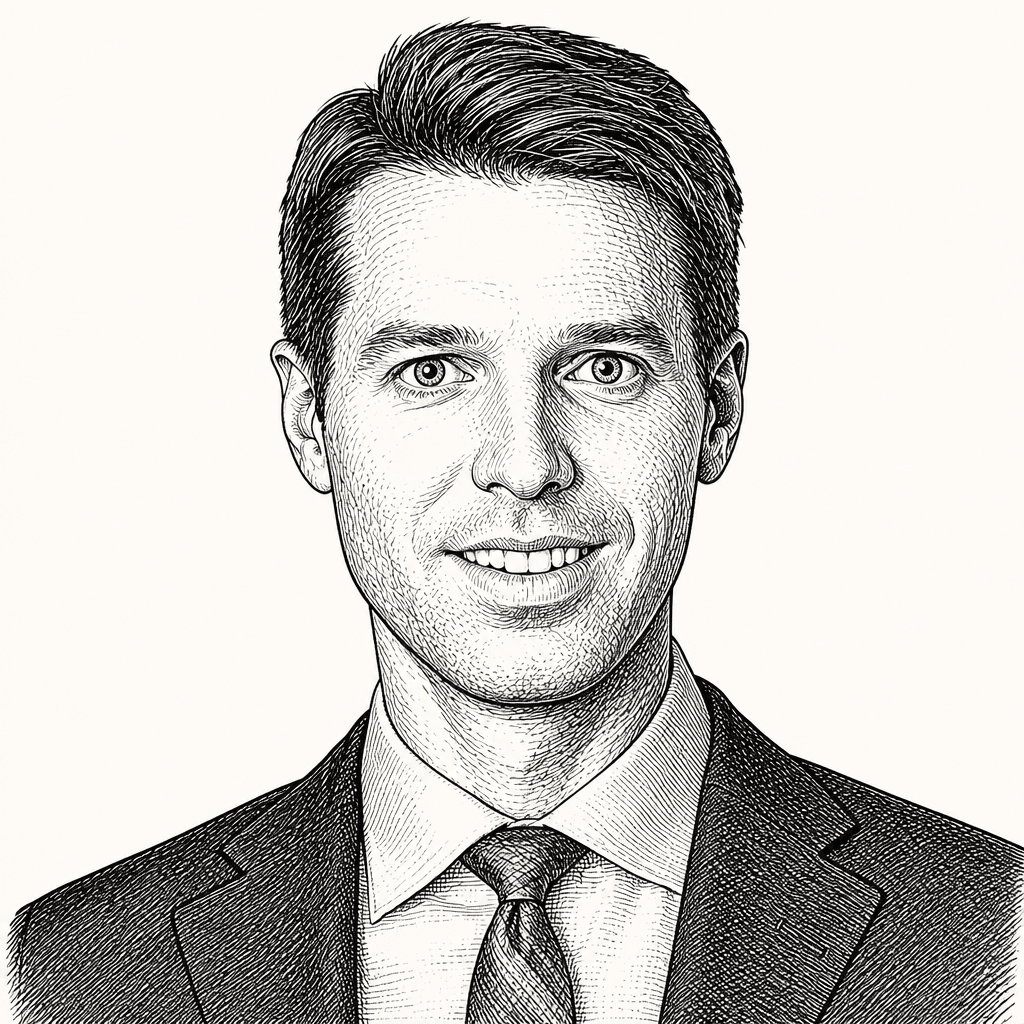
Aaron Mertz
Founder and Executive Director of the Aspen Institute Science & Society Program, a civic science leader and biophysicist focused on public understanding of science, evidence-informed decision-making, and science storytelling. He is also associated with The Endless Frontier documentary as a producer and panel moderator.
New York Must Plan Housing and Transit as One Urban Project
Felipe Correa, co-author of *Collective Living and the Architectural Imaginary*, argues that New York should treat housing as a way to organize urban life, not simply as a count of apartments. At a panel convened by FXCollaborative, AIA New York and the Aspen Institute Science & Society Program, he called for housing, transit, public space and services to be planned together as the city reuses underused land and accommodates changing patterns of domestic life. The discussion also brought development and design constraints into view: what can be built depends on financing, regulation and the conditions of existing sites.
Political Control, Not Flat Budgets, Threatens U.S. Science Funding
At a New York post-screening panel for The Endless Frontier, filmmaker Marilyn Ness, immunologist Shruti Naik, journalist Ira Flatow and executive producer Aaron Mertz argued that the most vulnerable part of science is not discovery itself but the public system that sustains it. Their case was that curiosity-driven research, expert peer review and stable federal funding are being misunderstood and politically threatened just as the public needs a clearer view of how science actually produces medicines, technologies and trained researchers. The panel framed science funding as both an institutional question and a democratic one: who decides what research is worth doing, and whether voters understand enough to defend that process.