Trust-Building Was Framed as Funded, Measurable Community Work
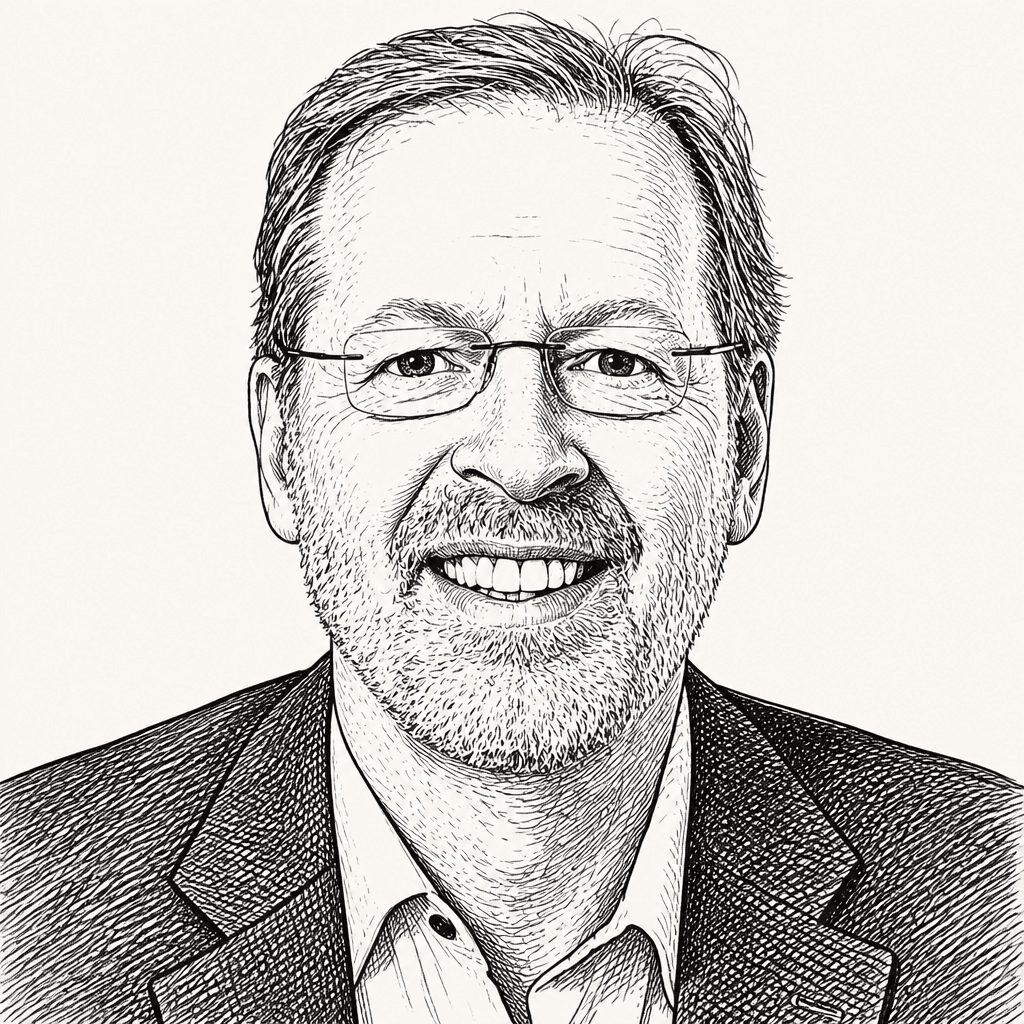 Daniel Porterfield
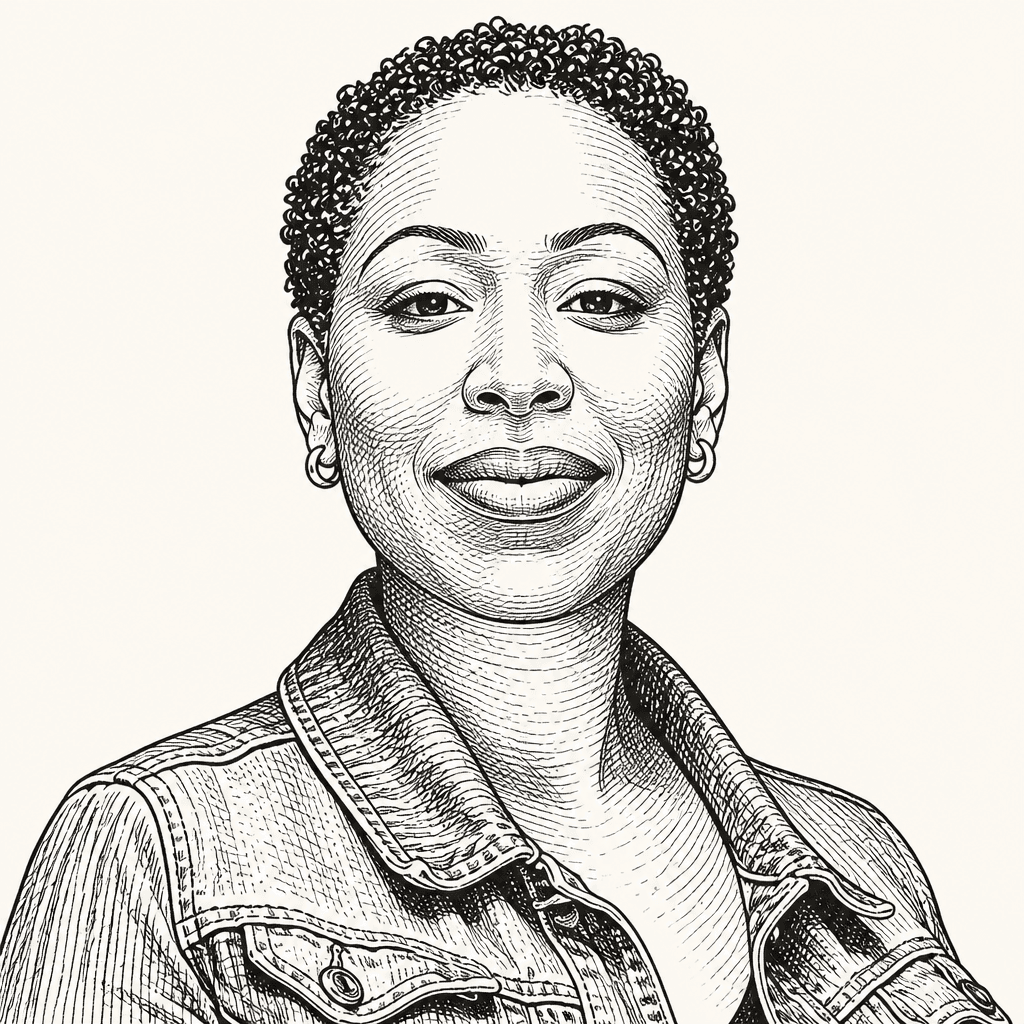 Jenn White
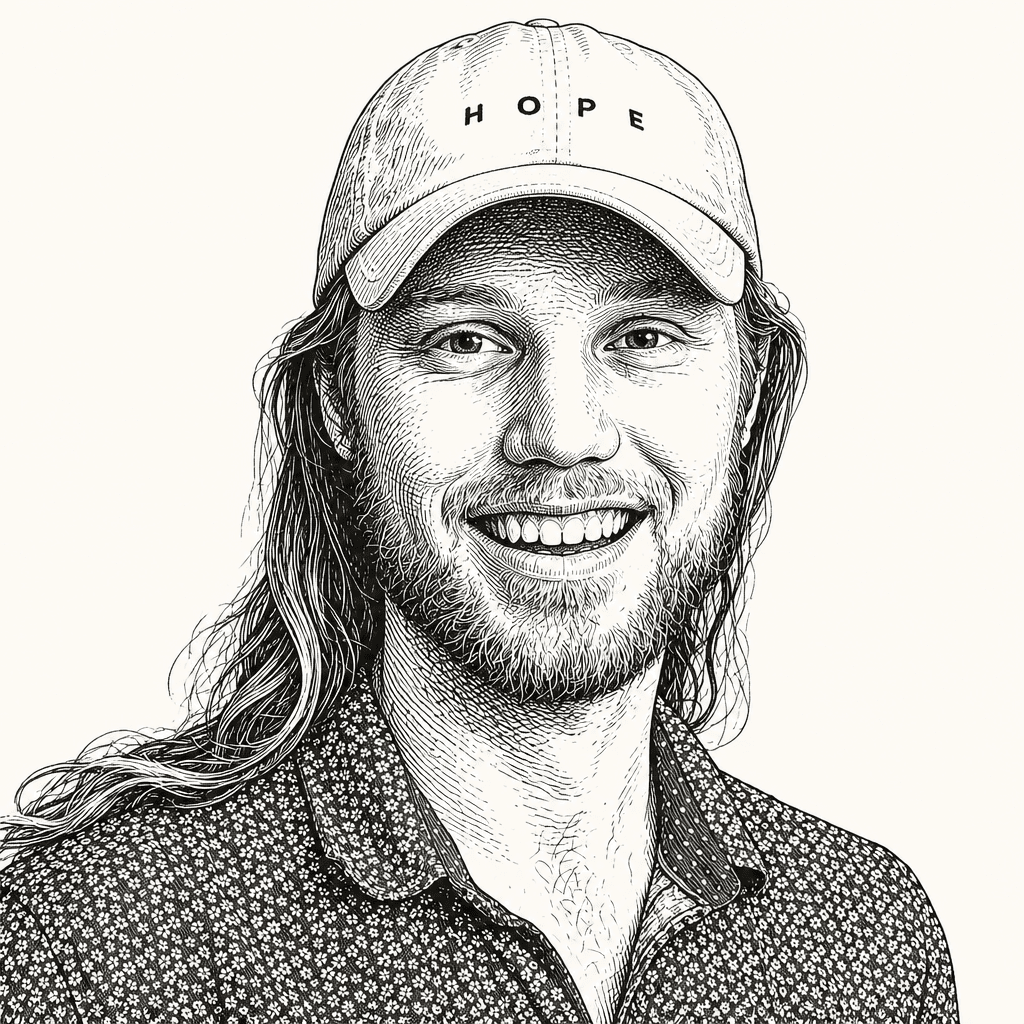 Jordan Bowman
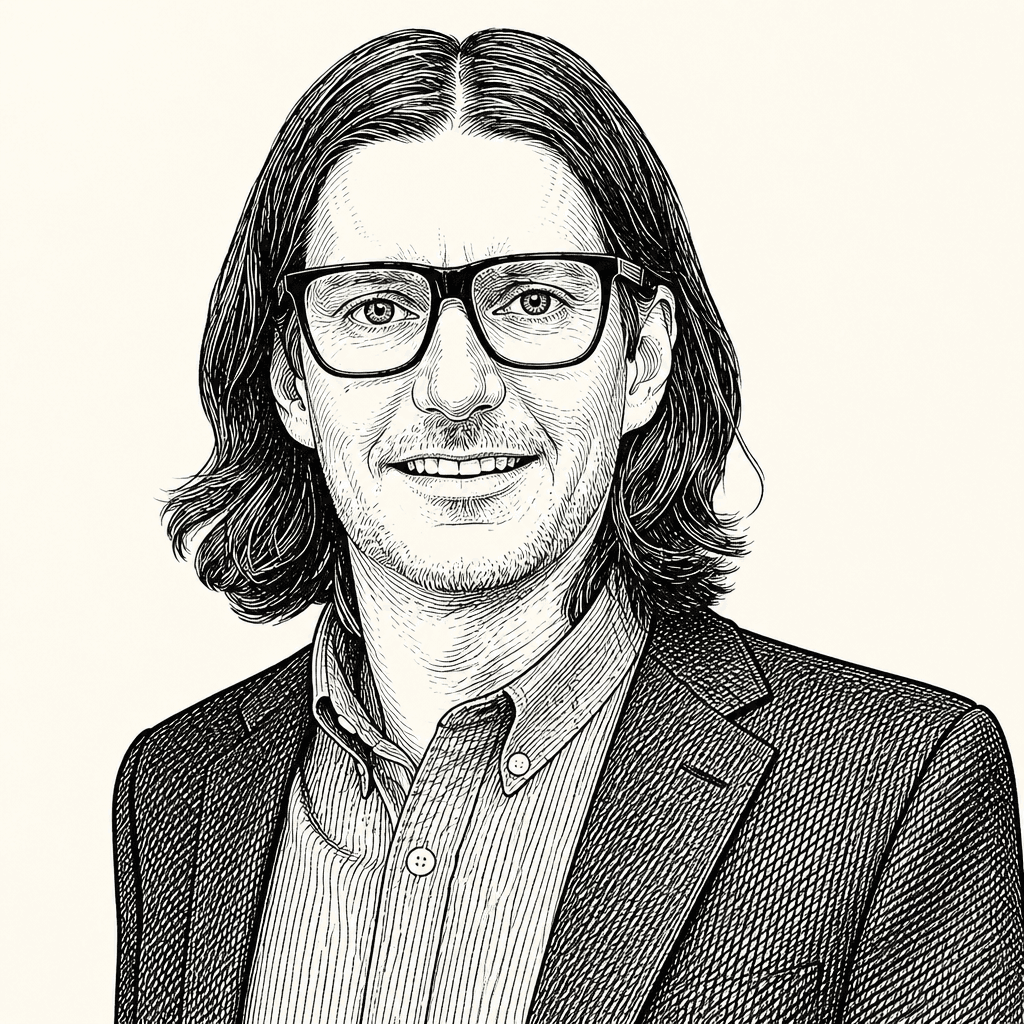 Charlie Brown
 Nellie Catzen
 Olajumoke Banjo
 Shoshana Barzel
 Vivian Schiller
 Uché Blackstock
 Mazin Sidahmed
 Tom WilsonThe Aspen InstituteThursday, June 11, 20265 min read
The 2026 Trust in Practice Summit highlights present trust-building as practical civic work that needs funding, tools, measurement, and local leadership, not simply a sentiment to be restored. Hosted in Chicago by the Alliance for Social Trust in partnership with Allstate, the summit convened more than 250 leaders and announced $1 million, $500,000, and $100,000 awards to 11 nonprofit collaborations across 10 states. Speakers argued that institutions should support community leaders, measure trust at a local level, and focus on the ordinary problem-solving through which trust is built.
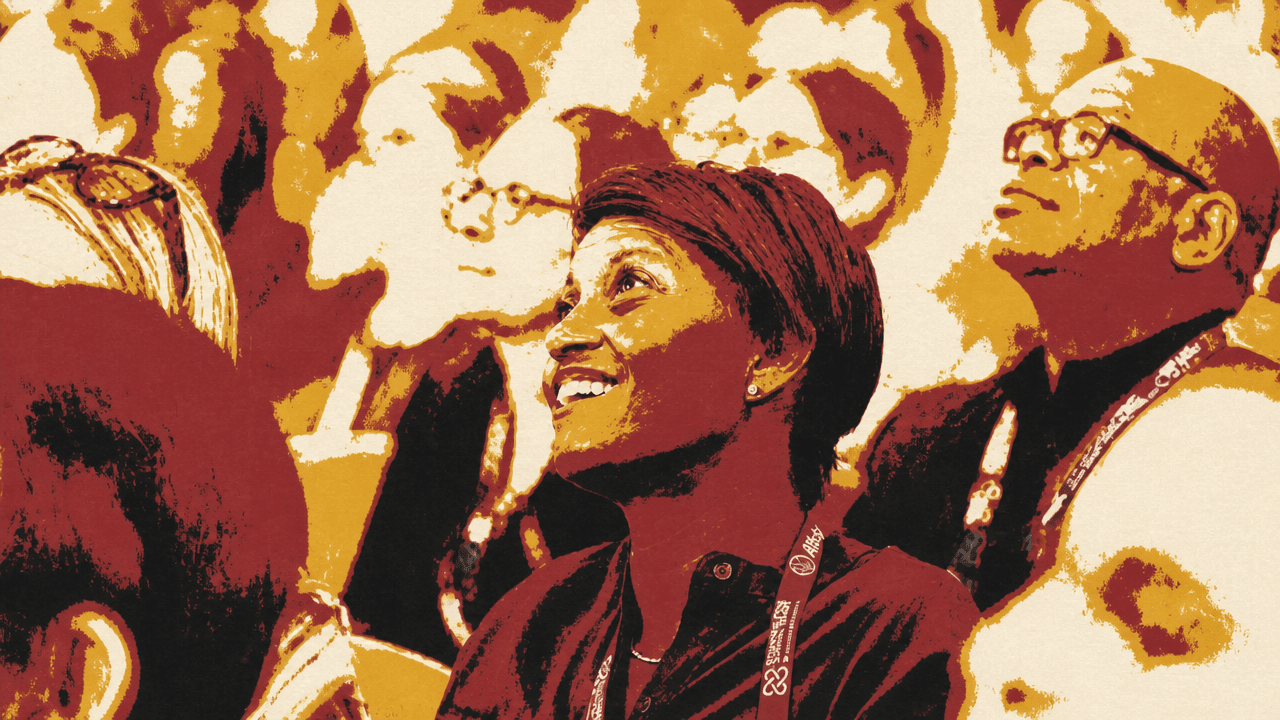
Trust-building was treated as work that needs resources, tools, and measurement
The 2026 Trust in Practice Summit presented trust less as a mood to be restored than as work people and organizations can support with resources, shared learning, and tools. Hosted in Chicago on May 19 by the Alliance for Social Trust in partnership with Allstate, the summit brought together more than 250 leaders and announced the 2026 Trust in Practice Awards: 11 nonprofit collaborations across 10 states, with awards of $1 million, $500,000, or $100,000 to advance community-based trust-building.
| Awards announced | Geographic reach | Award levels |
|---|---|---|
| 11 nonprofit collaborations | 10 states | $1 million, $500,000, or $100,000 |
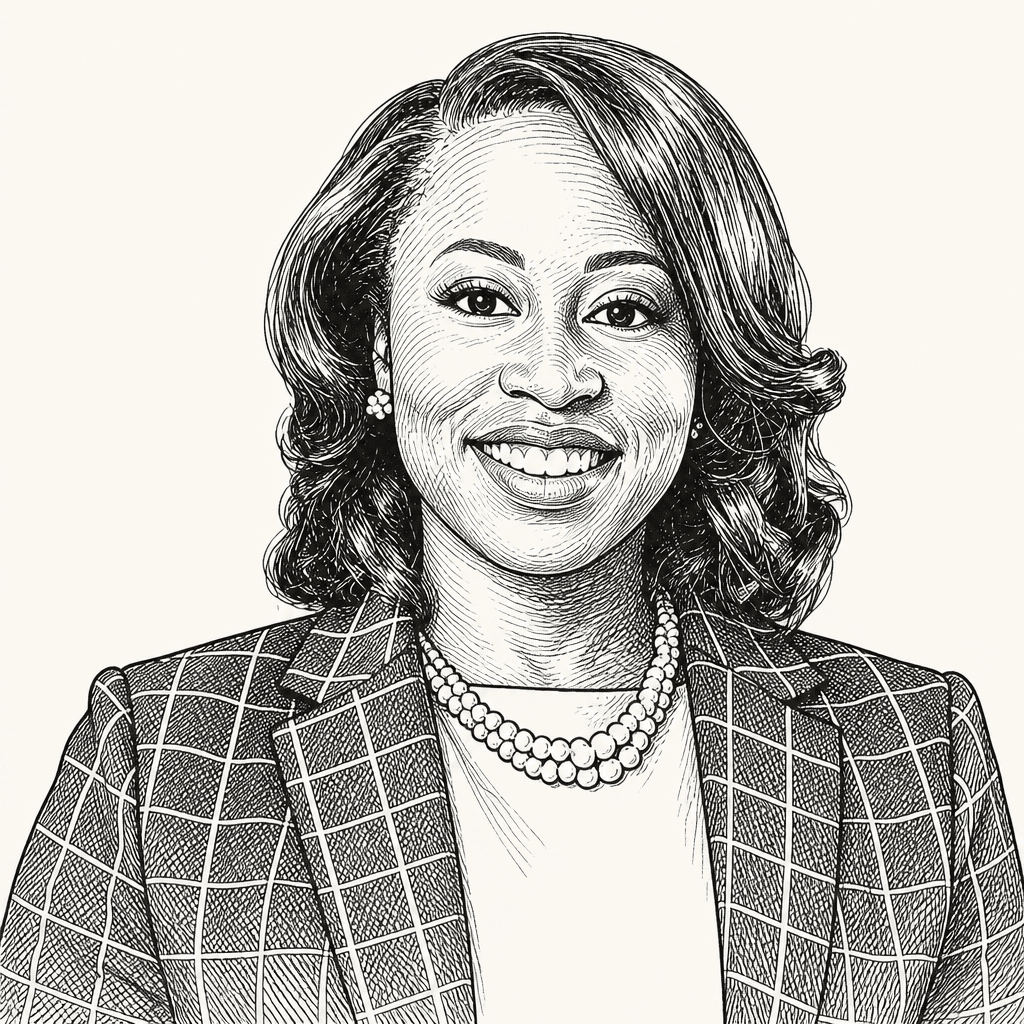
Olajumoke Banjo described the room itself as a source of hope: more than 250 leaders gathered “for one purpose,” to keep learning and to acquire the resources they need to build. The summit’s framing made that purpose deliberately practical. A display board asked attendees, “How are you building trust?” and invited them to place pins indicating where their organizations were focusing. The visible prompt underlined the premise: “Across industries trust is built through action.”
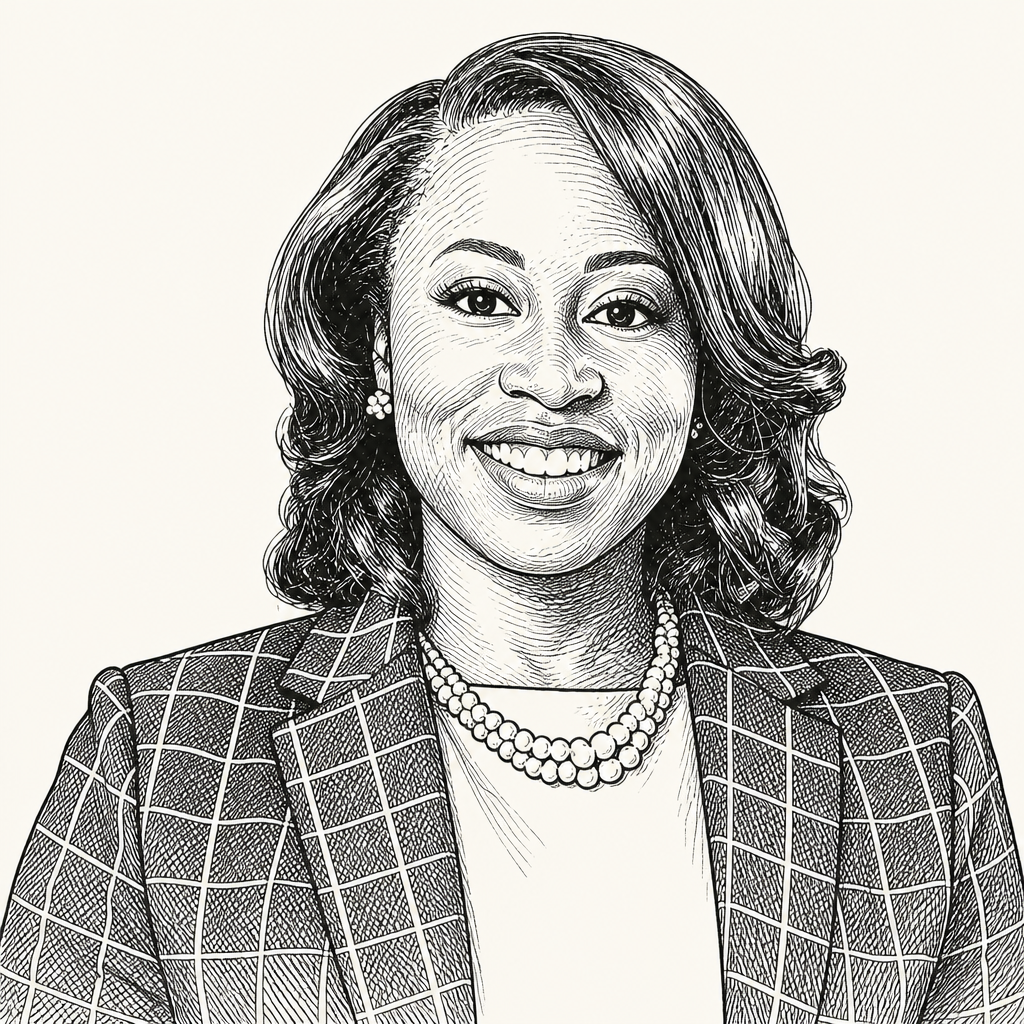
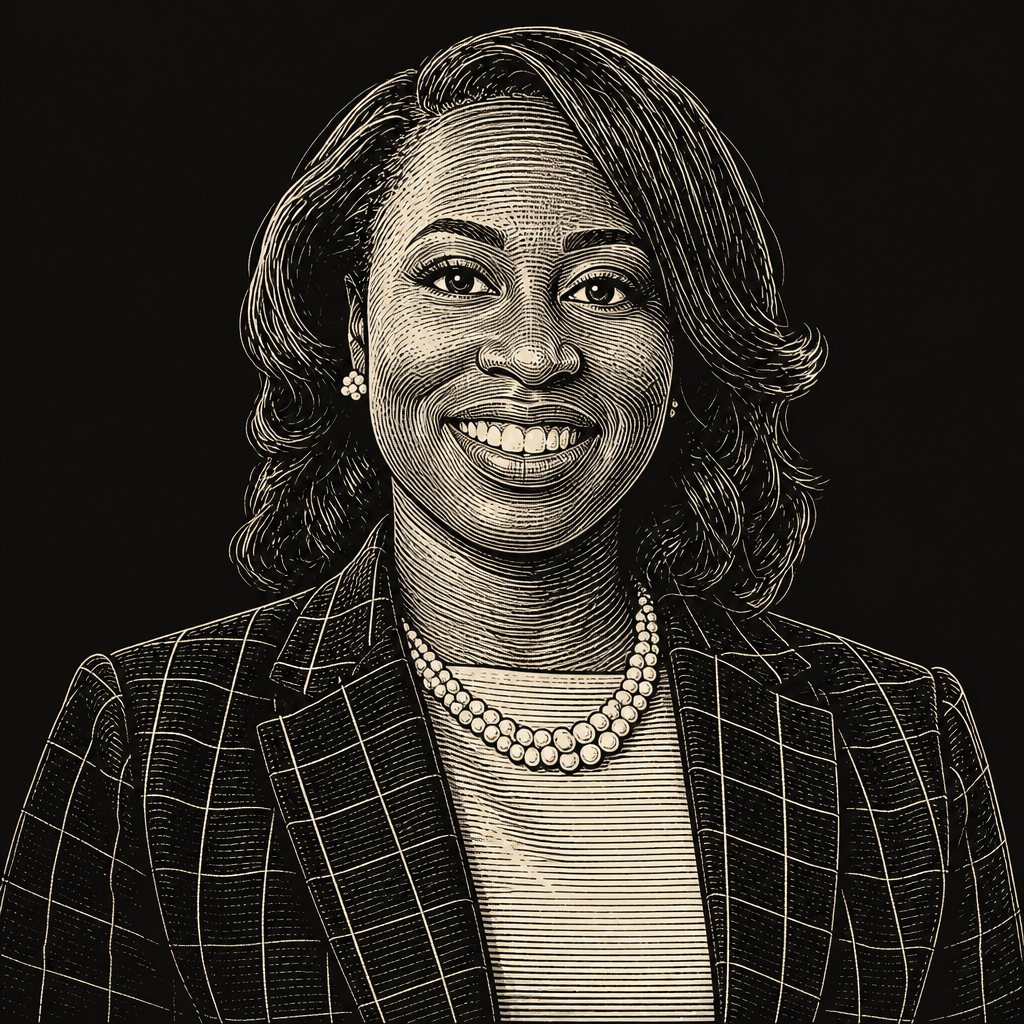
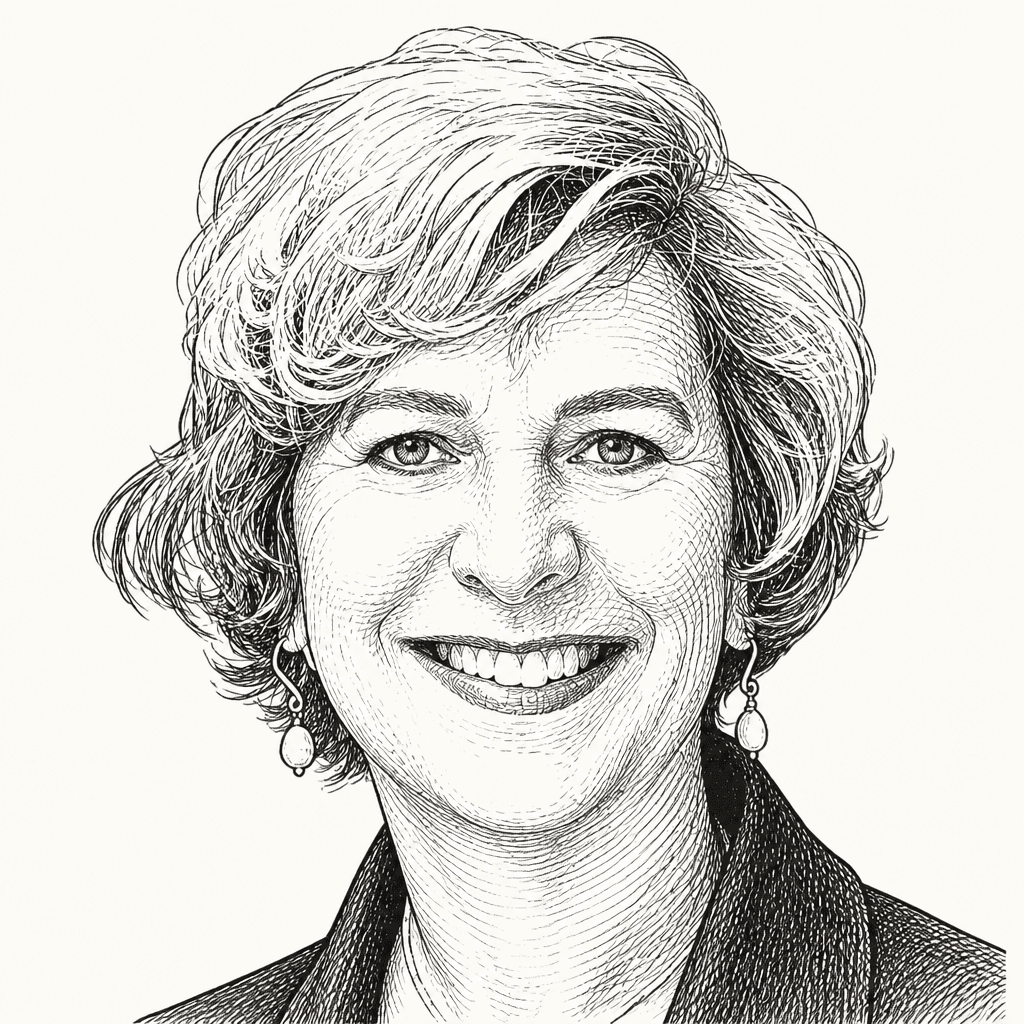
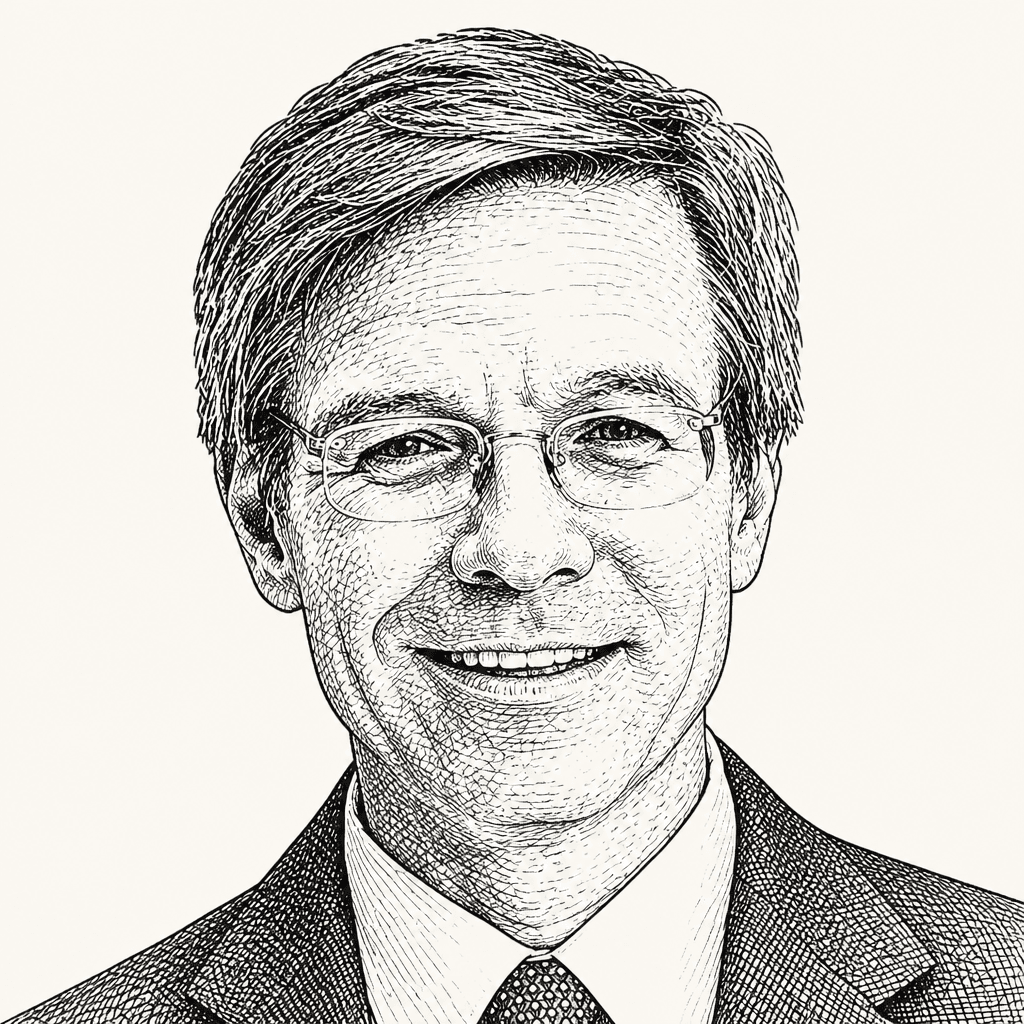
That emphasis on action ran through the remarks. Vivian Schiller said the program had been designed for the community “to share and to learn and to be inspired.” Tom Wilson told attendees that they had “the expertise and the resources necessary to build a better future.” The shared claim was not that trust can be willed back into existence, but that people already doing civic and community work need learning, support, and usable resources.
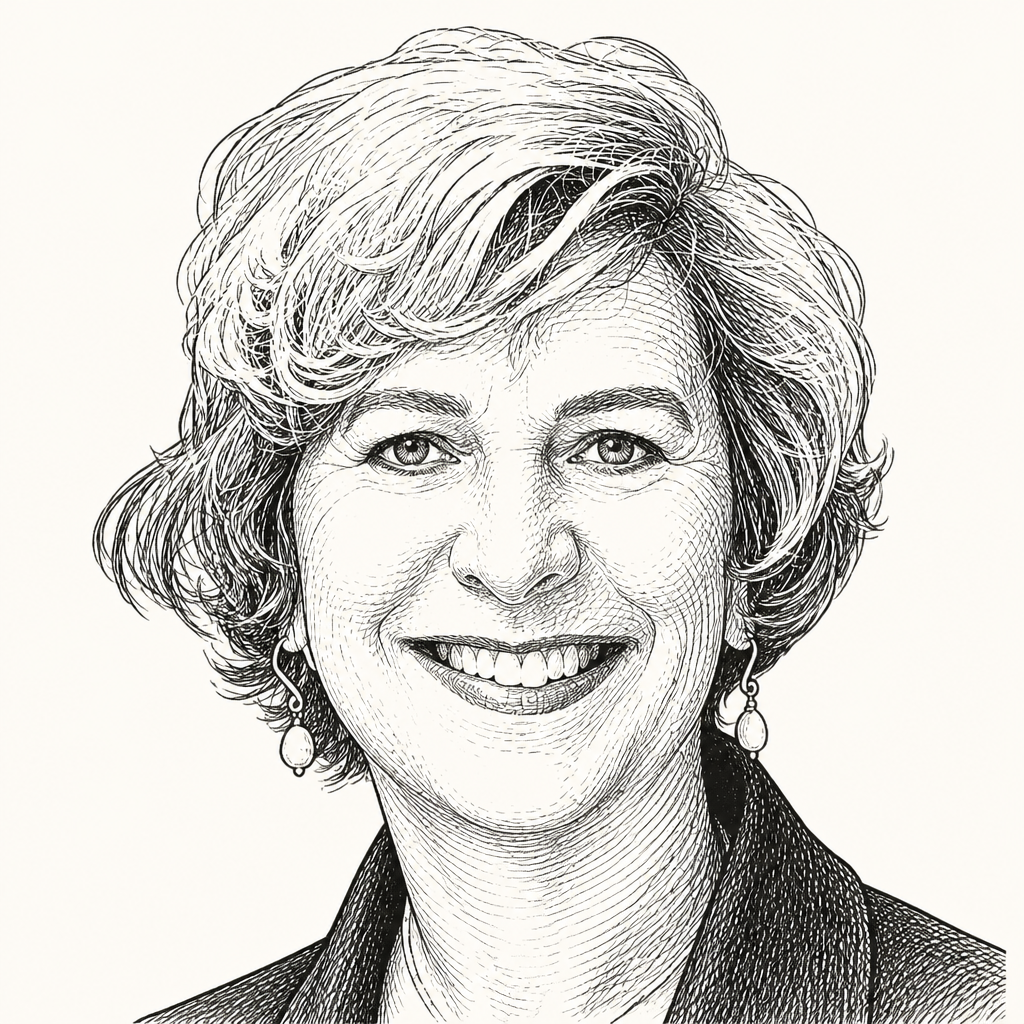
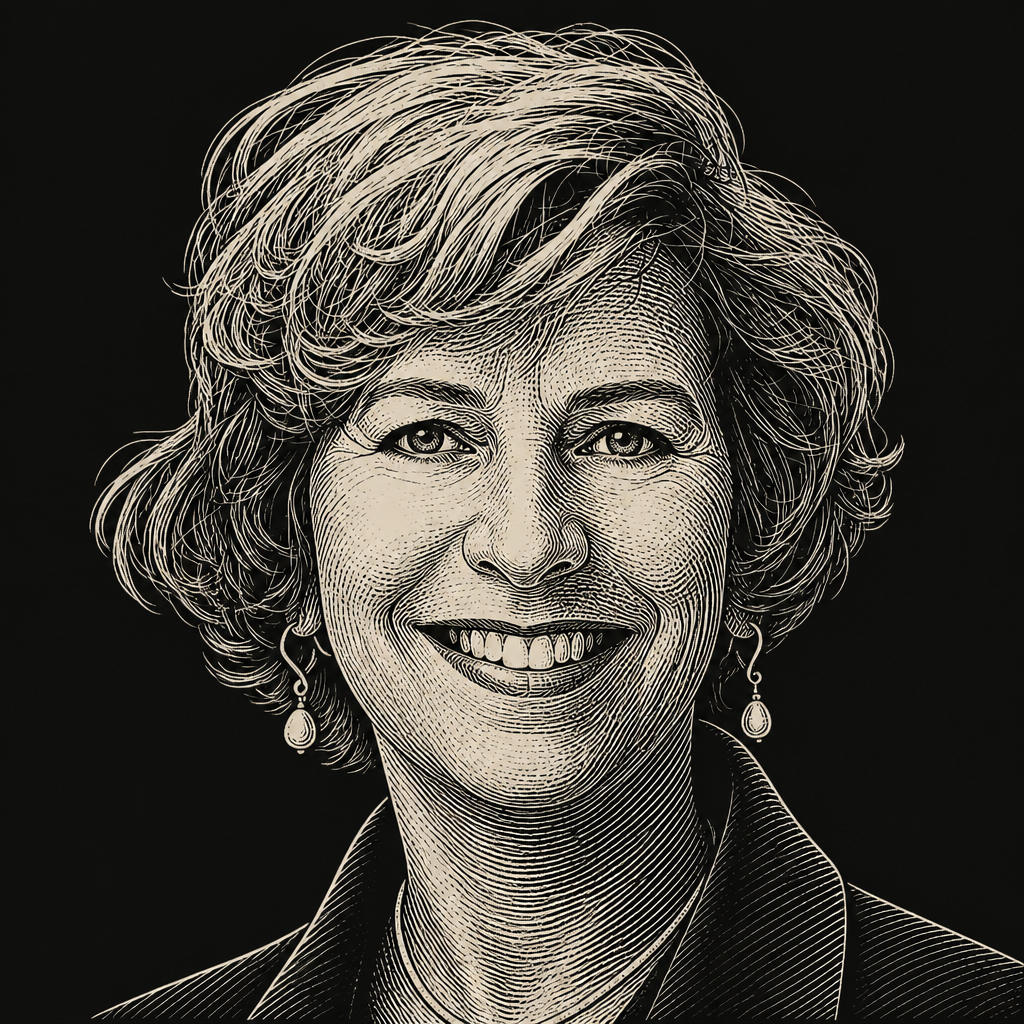
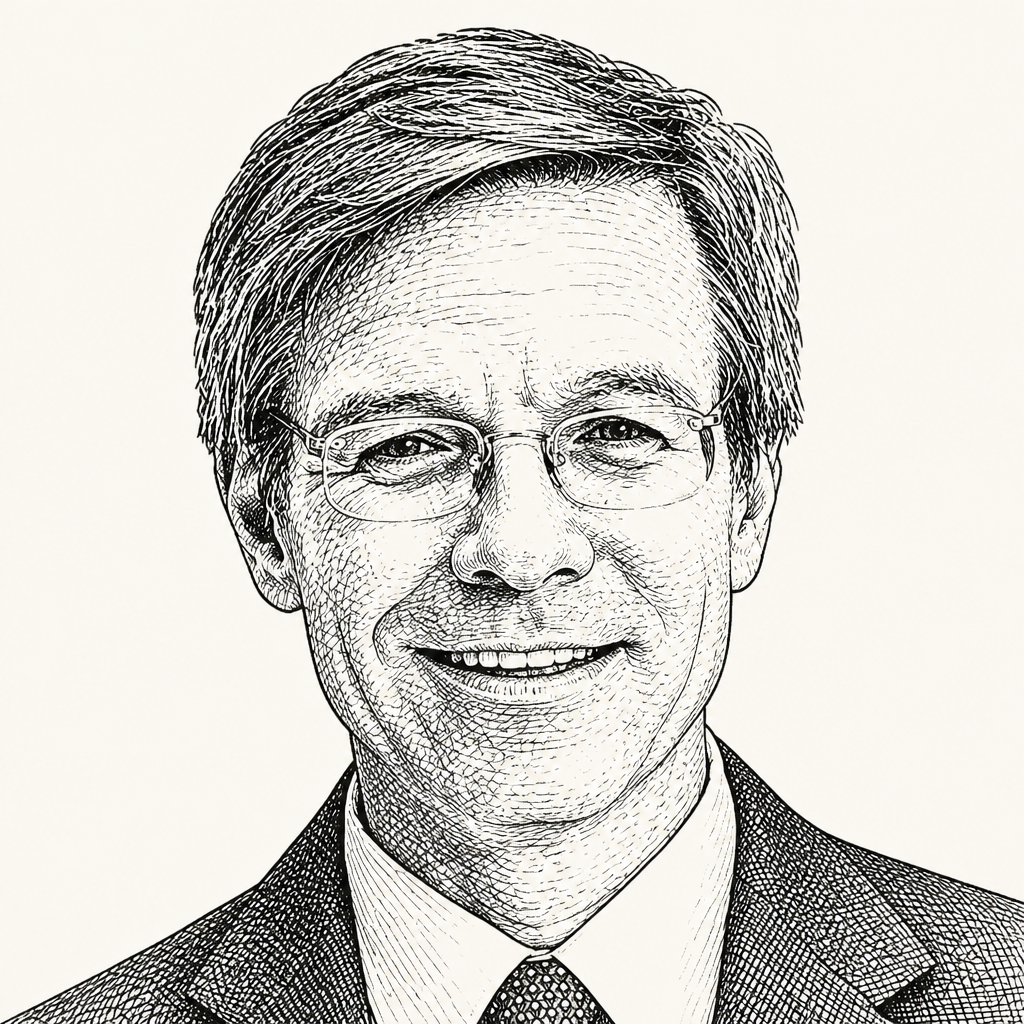
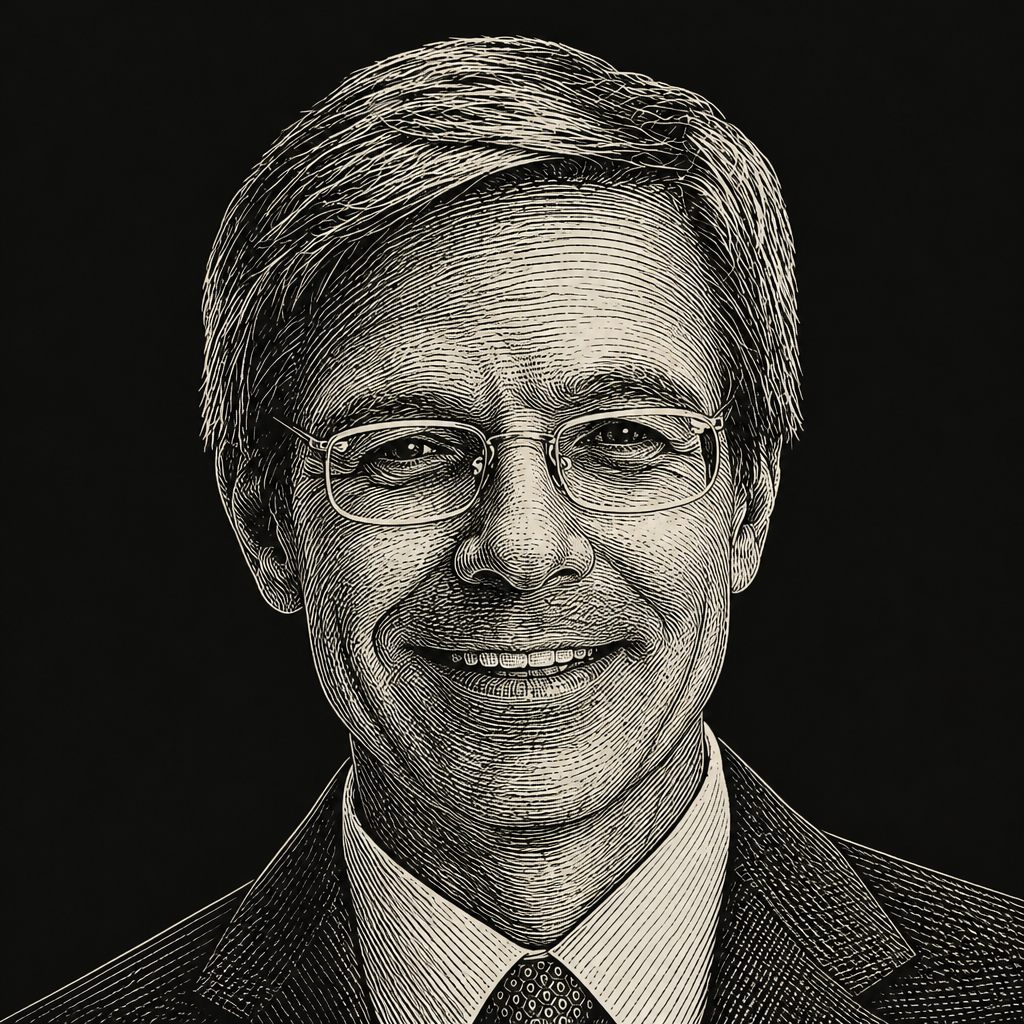
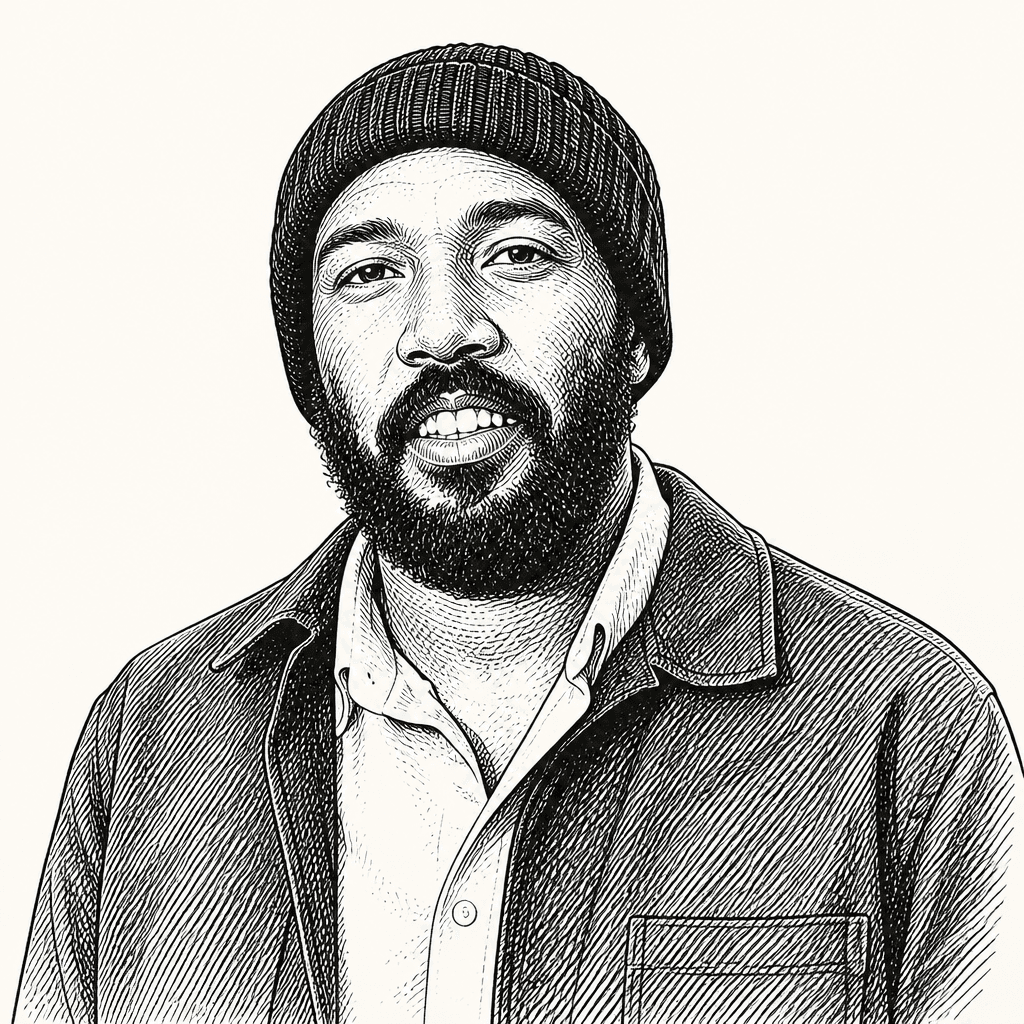
Mazin Sidahmed pointed to one of the summit’s more concrete tools: the Trust Map. What stood out to him was the possibility of measuring trust “at such a micro level.” He called that potentially “incredibly transformative,” because it suggests trust-building can be examined with local specificity rather than only as a broad national condition.
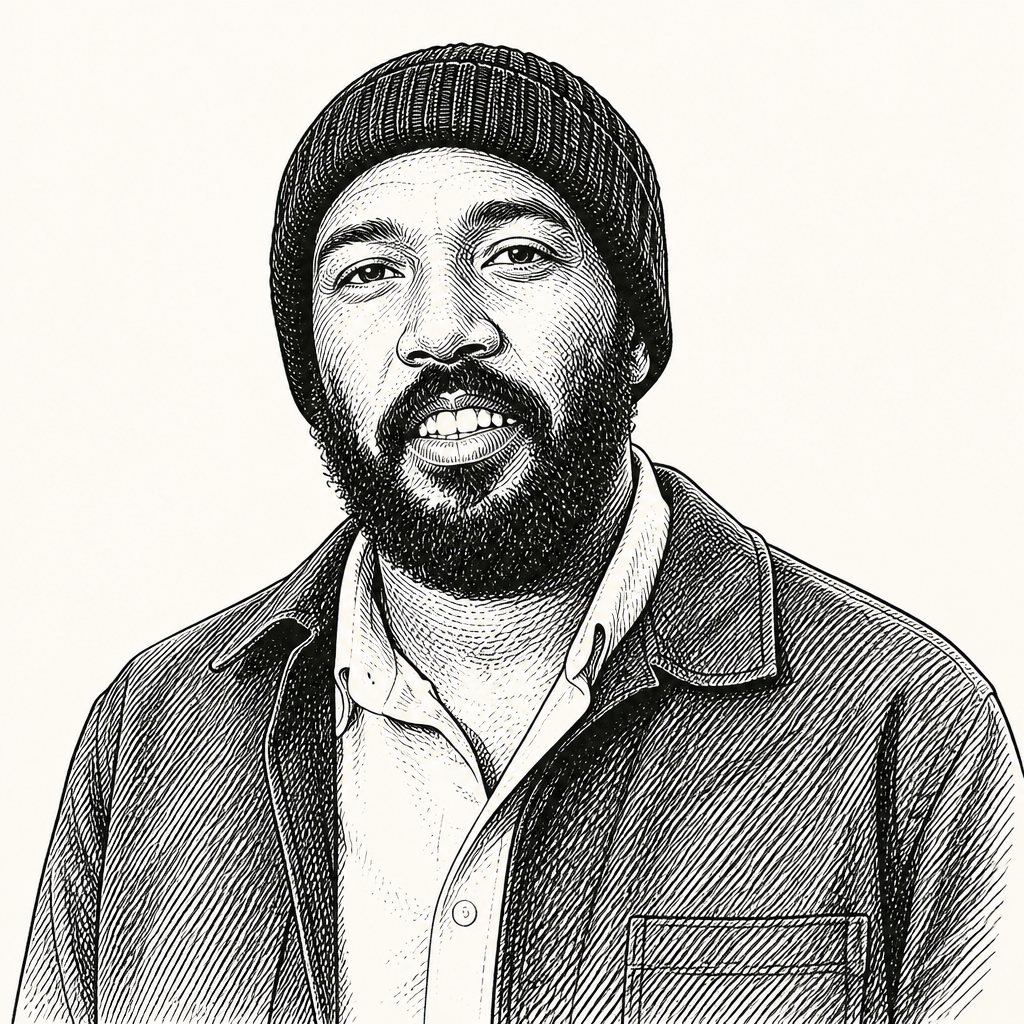
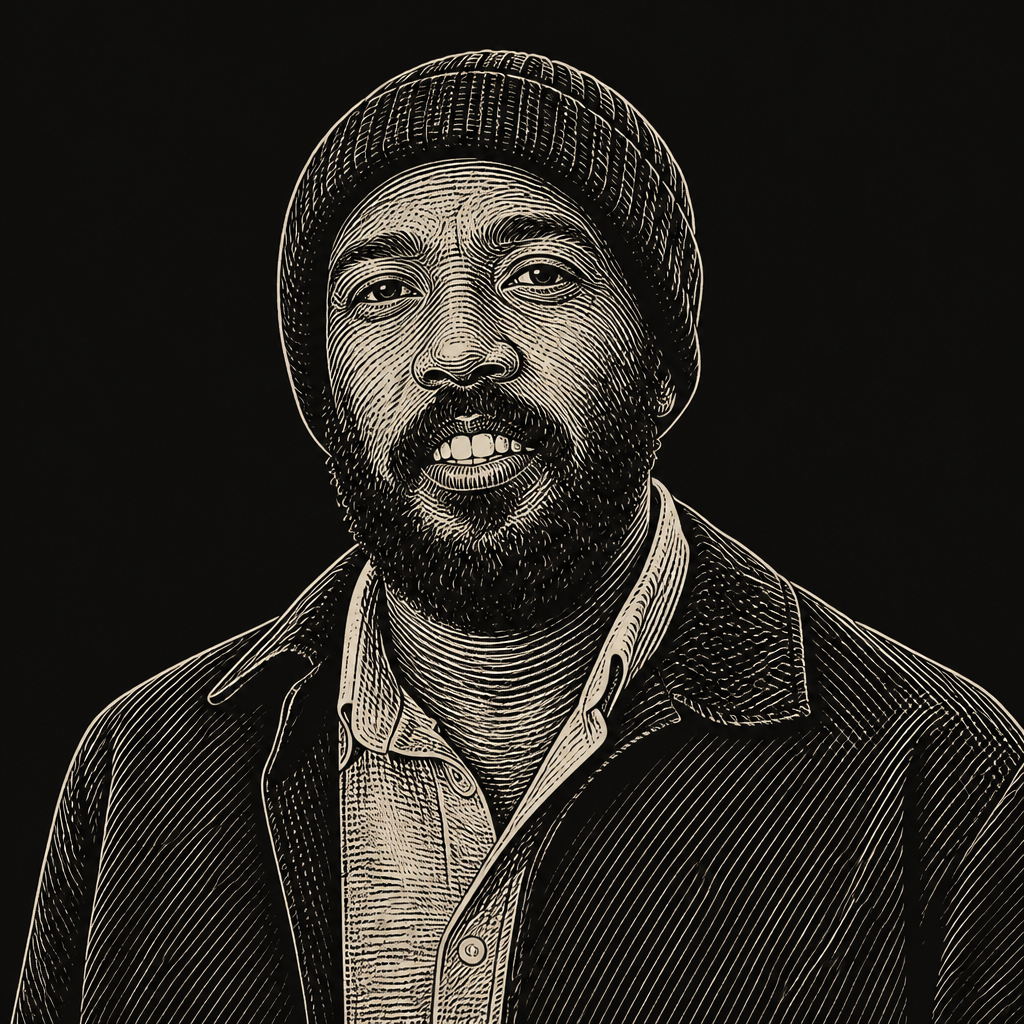
I think learning about the Trust Map and how we can actually start to measure trust, where it's at at such a micro level, I think could be incredibly transformative.
A Statista-attributed line graph also appeared on stage behind a speaker, placing the summit’s language of experience and community work alongside the language of data. The source did not show the chart’s readable values, but its presence reinforced that measurement was part of the summit’s vocabulary.
Pluralism was framed as a shared civic challenge
Daniel Porterfield framed the broader challenge as one of mobilizing belief in a shared culture without denying pluralism. “How do we mobilize among our people the belief that we are a coherent connected culture,” he asked, “that we share values, and that our pluralism has a real purpose?”
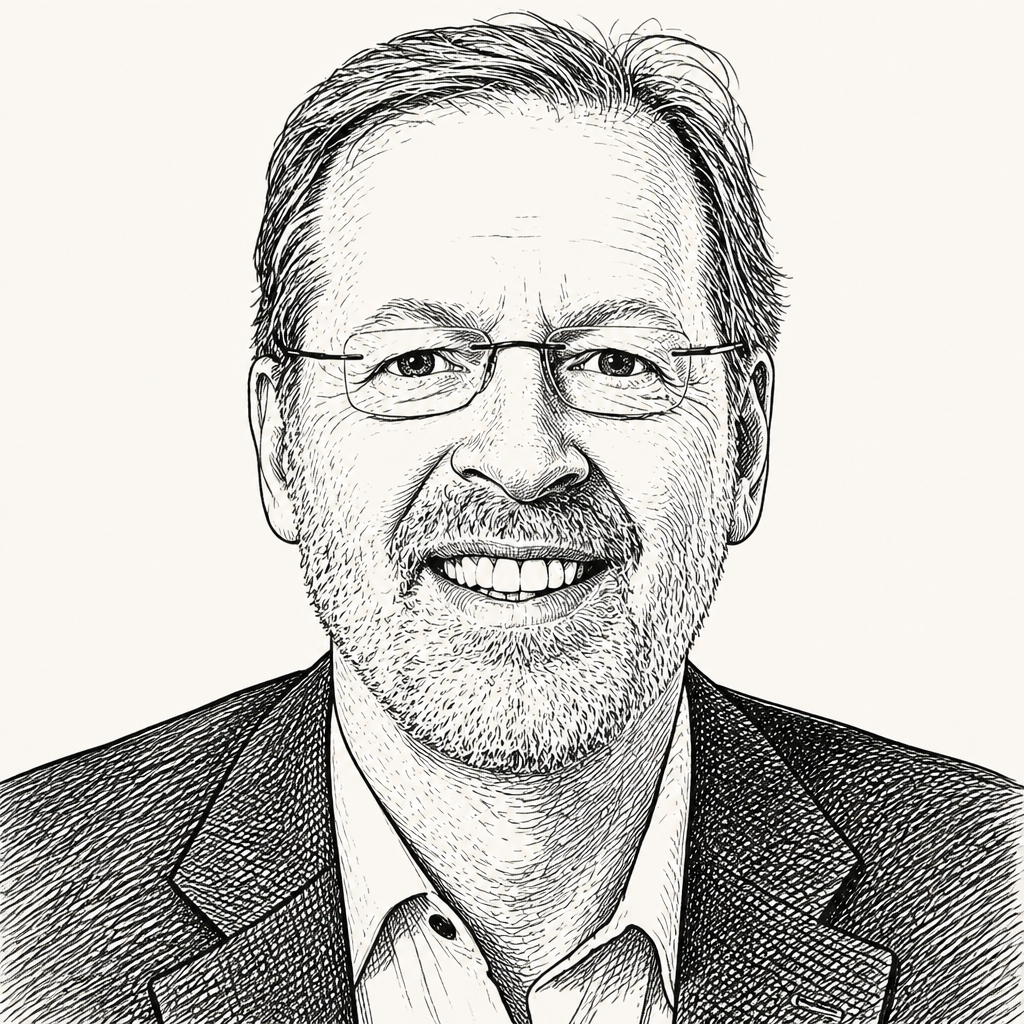
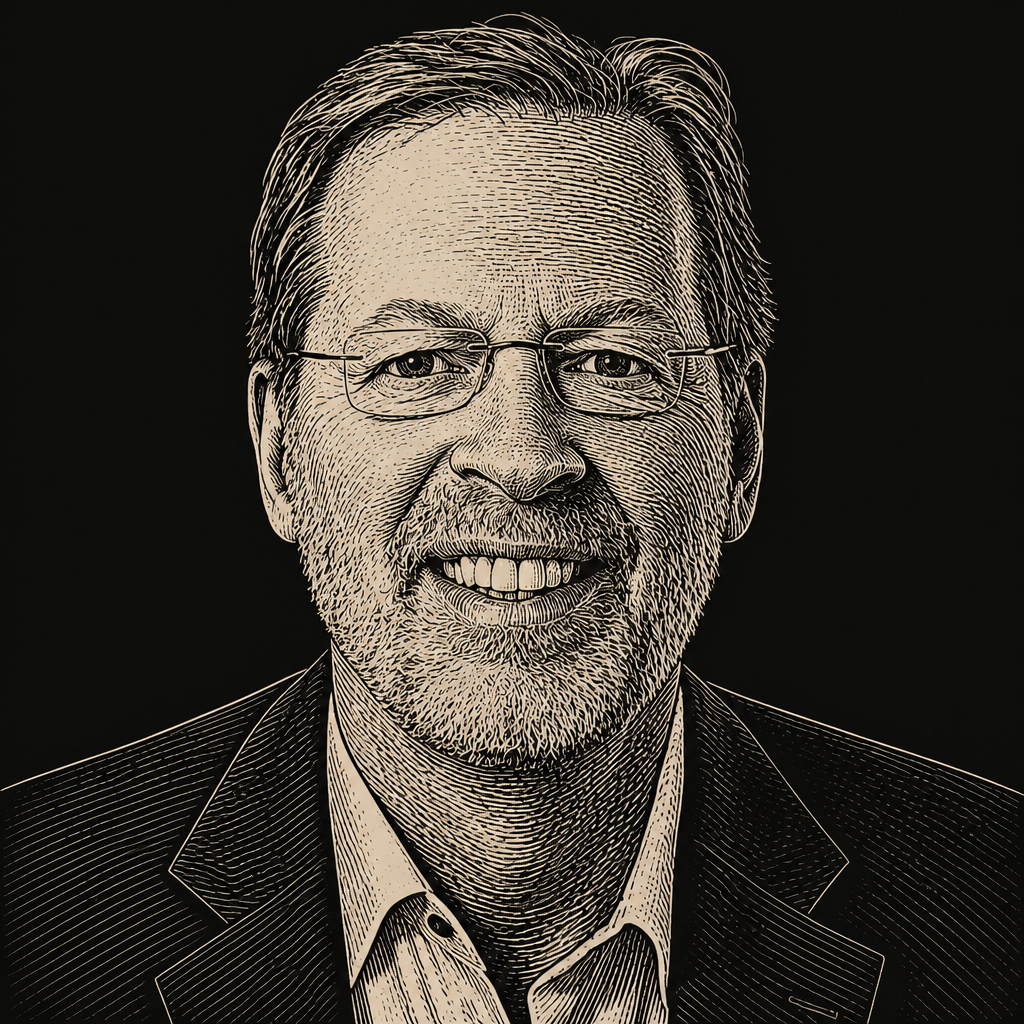
That question placed trust-building inside a larger civic problem: whether people can understand themselves as connected and value-sharing while still living with real differences.
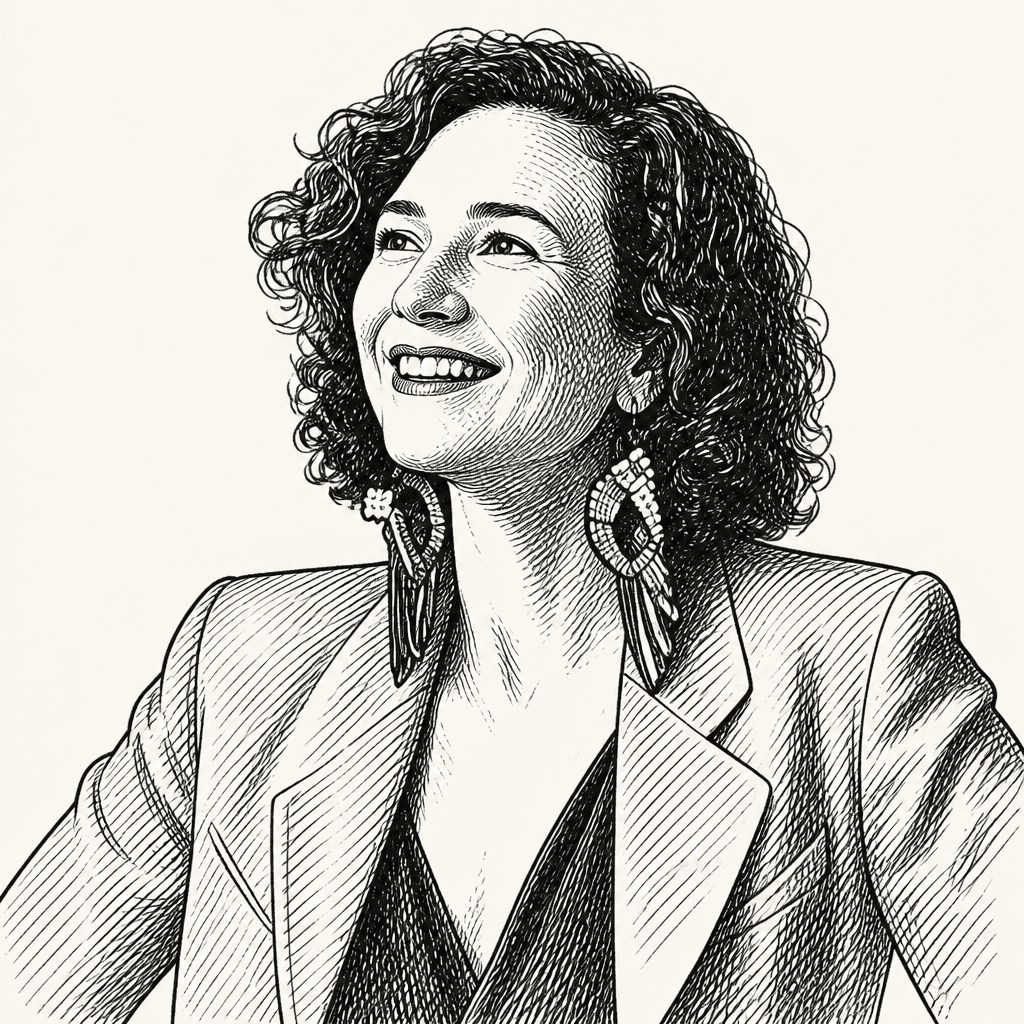
Nellie Catzen emphasized the importance of institutions listening to local leaders. She said she was “heartened” by a process that showed “several institutions coming together to really listen to local leaders and understand why and how trust moves in our communities.” Her wording placed local knowledge at the center: institutions may have convening power, funding, and visibility, but they still need to understand how trust actually operates in particular places.
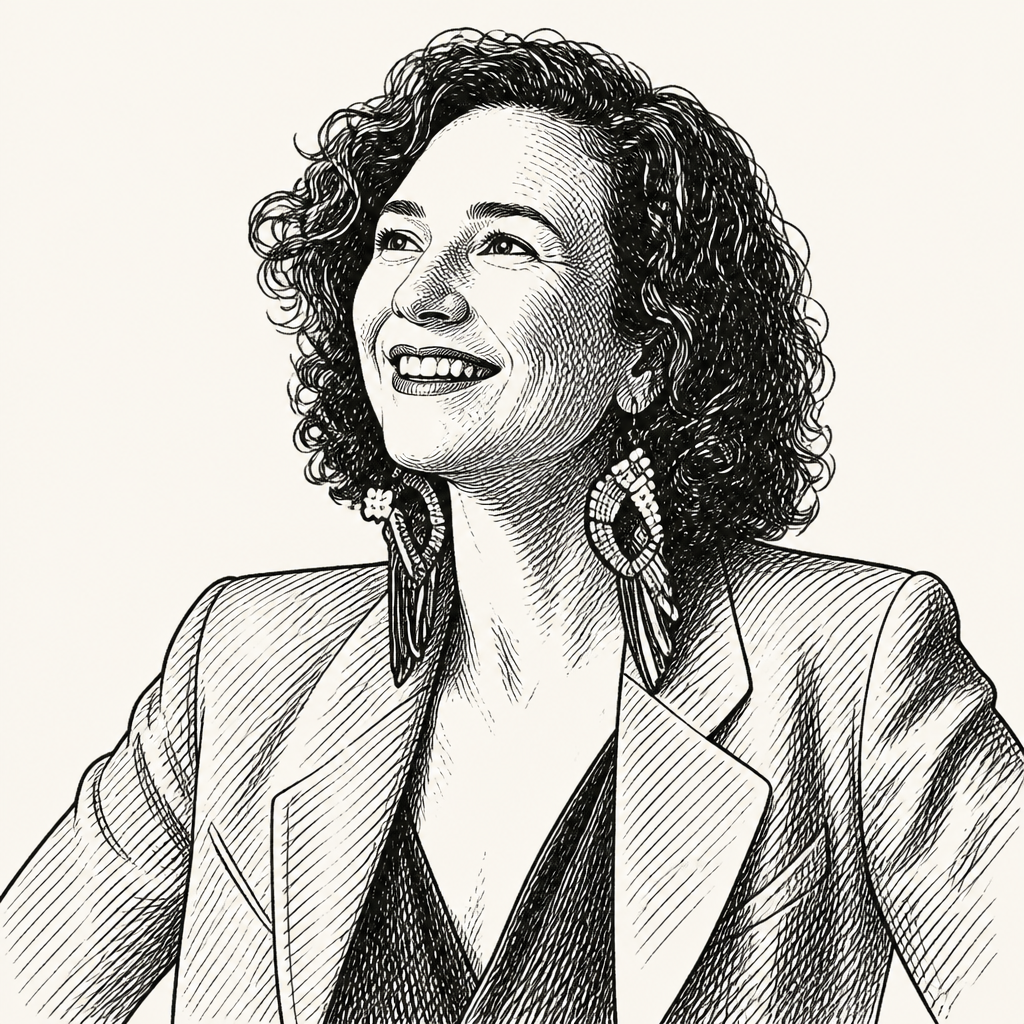
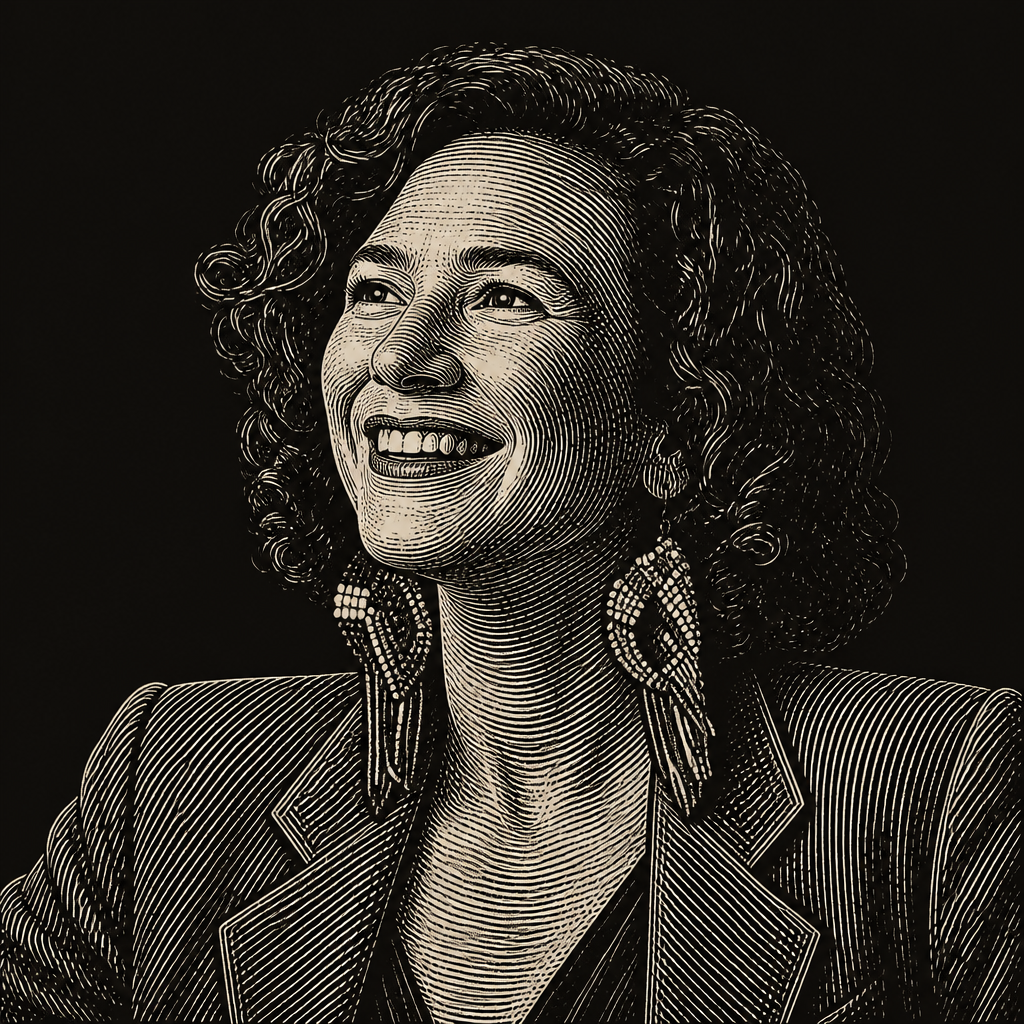
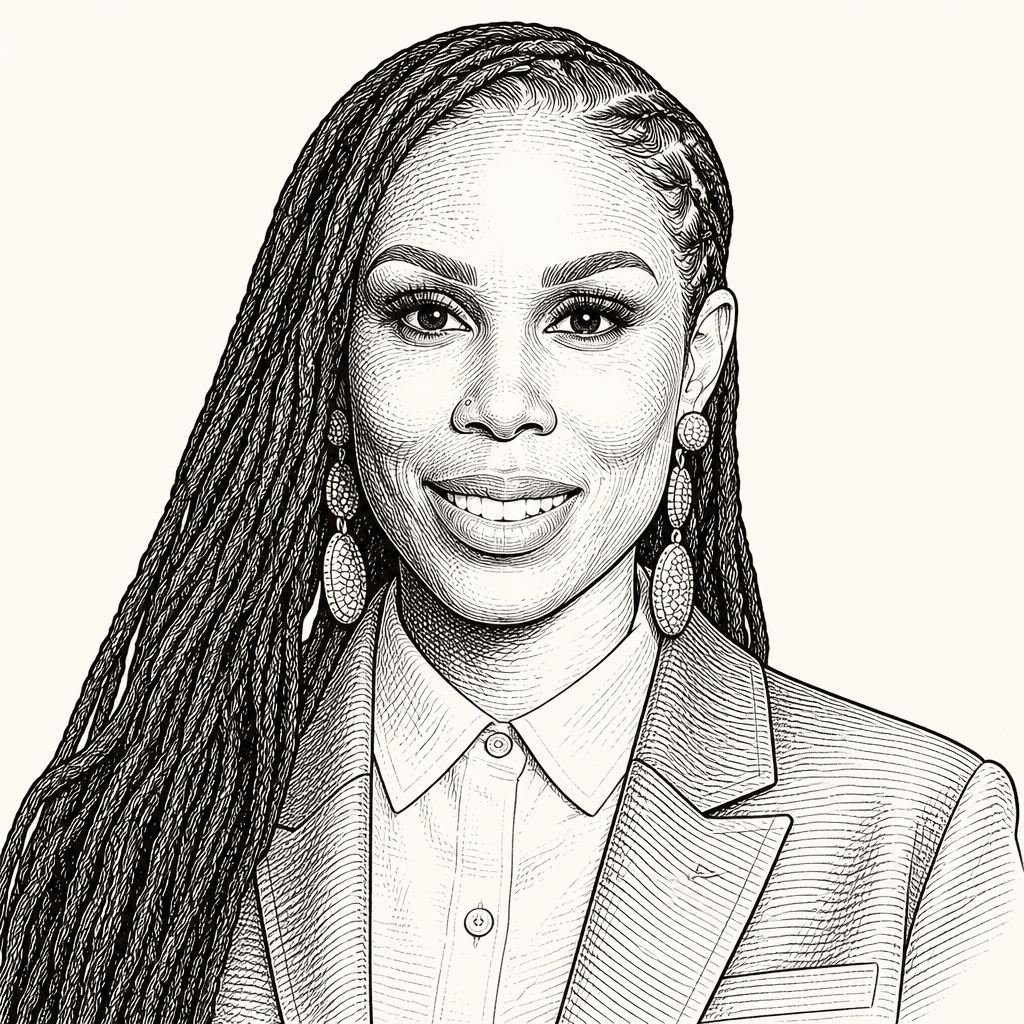
Uché Blackstock described a similar practical need. People are struggling, she said, with how to engender trust with communities. But she also saw willingness to collaborate and learn best practices from others. For Blackstock, the value of the convening was that it helped participants leave with tools they could use “so they actually can make a difference.”
The summit’s institutional frame depended on that orientation. Awards, measurement, and convening power were presented as supports for trust-building, while speakers repeatedly located the credibility of the work in community leaders, relationships, and direct experience.
The future of trust-building was located in ordinary problem-solving
The summit’s most concrete account of trust-building came from speakers who placed it in daily relationships and problem-solving rather than national messaging. Jordan Bowman said his hope was that people would become “better neighbors” and begin to see the humanity in one another. He linked that recognition to people beginning to trust the systems they are part of.
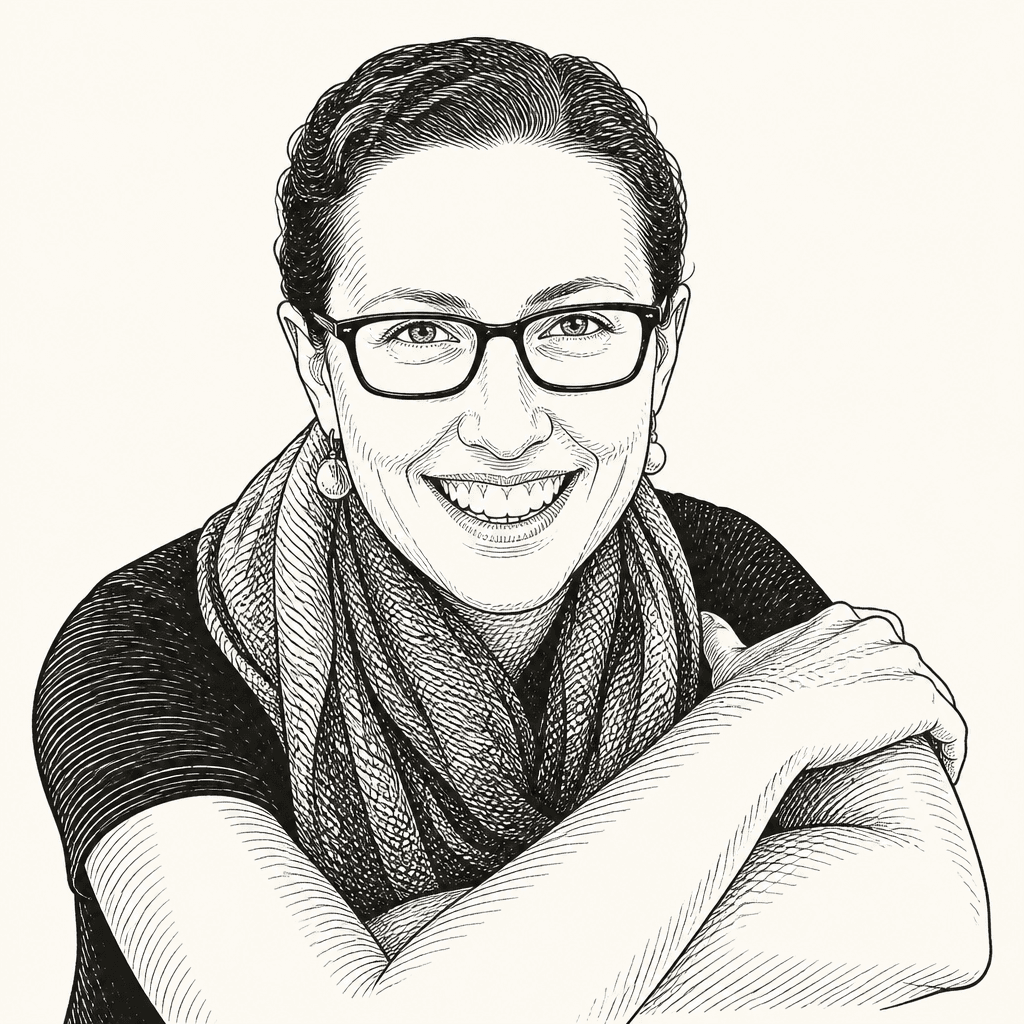
Shoshana Barzel made the work feel less isolated. She said organizations often operate inside “our little bubble,” whether that means an organization, immediate partners, or a community. Seeing that similar work is happening across the country was, for her, inspiring. The implication is that trust-building efforts may feel fragmented even when they are part of a wider set of efforts.
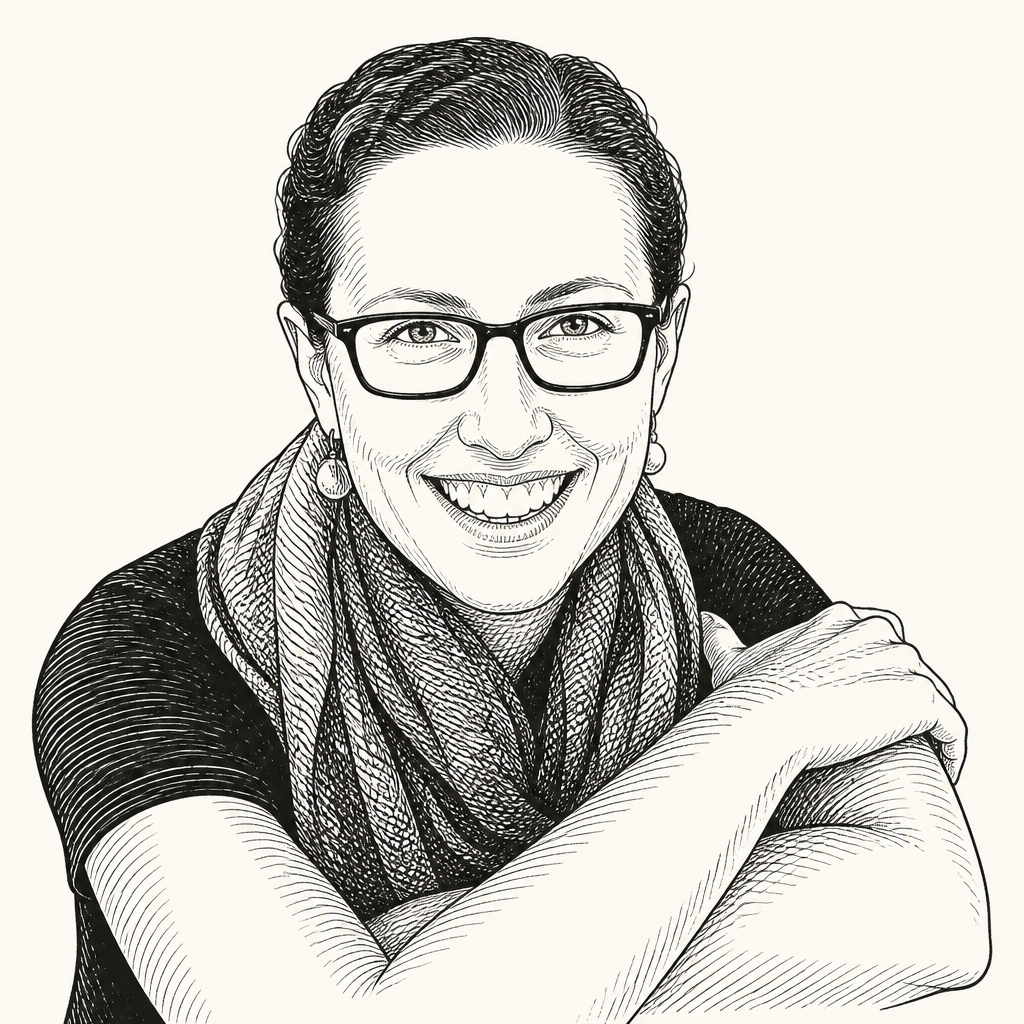
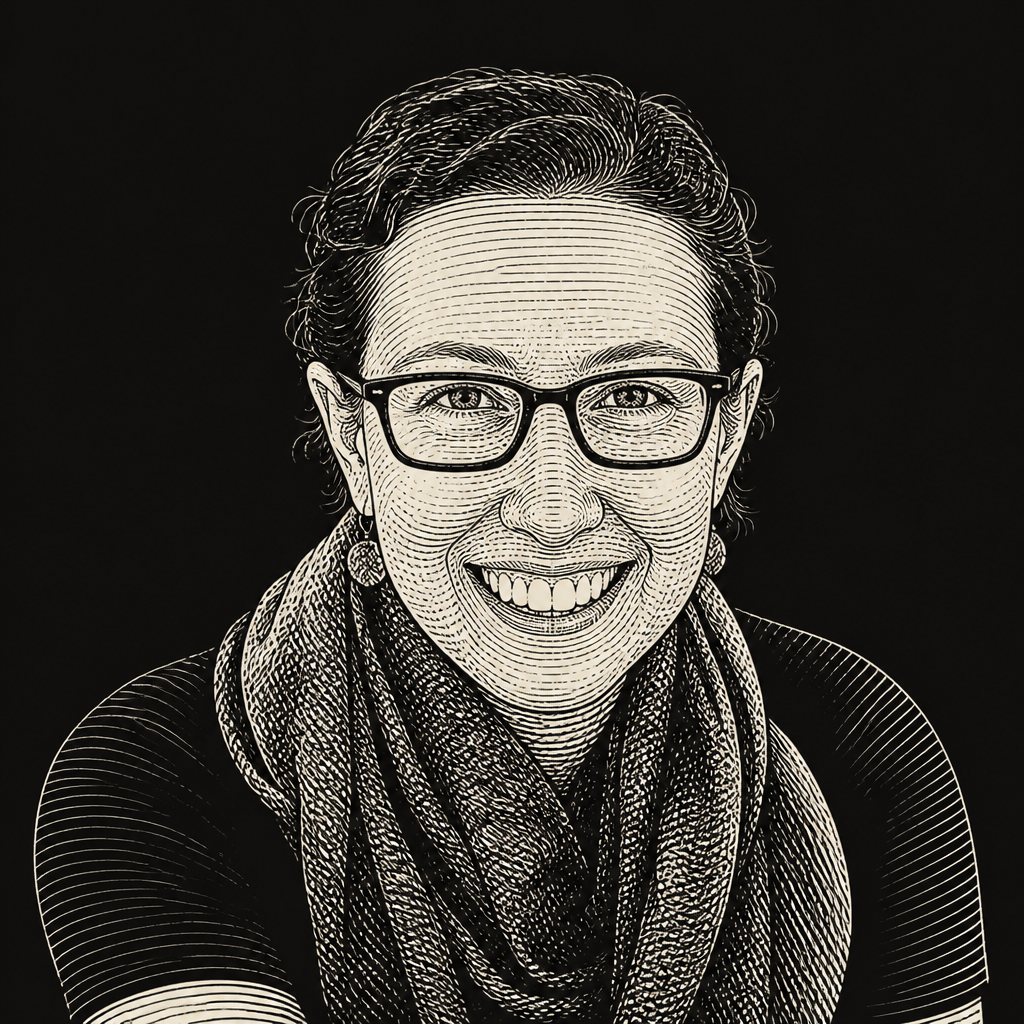
Charlie Brown sharpened the distinction between national narrative and local reality. National narratives often highlight challenges and differences, he said. But in local communities, one finds people working together and solving problems that affect daily life. That, he argued, is “what the future of trust building looks like.”
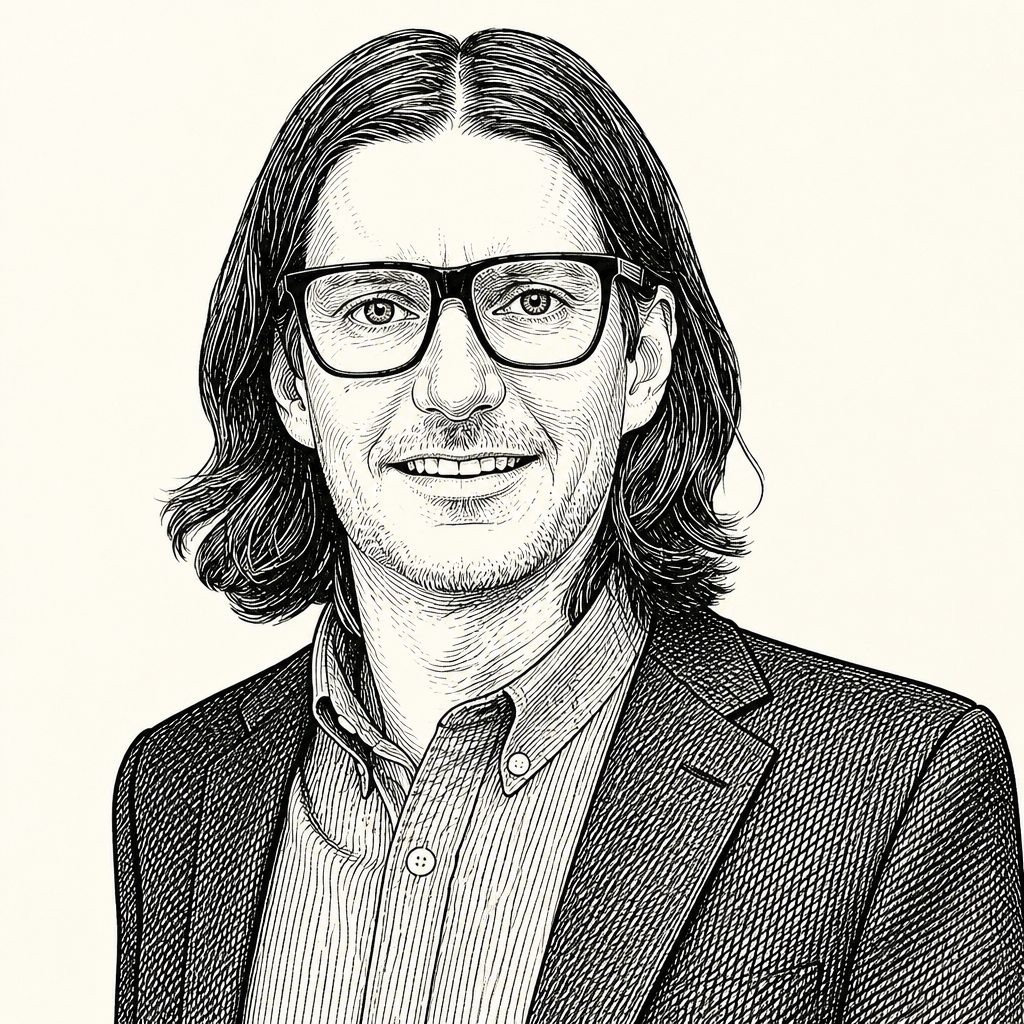
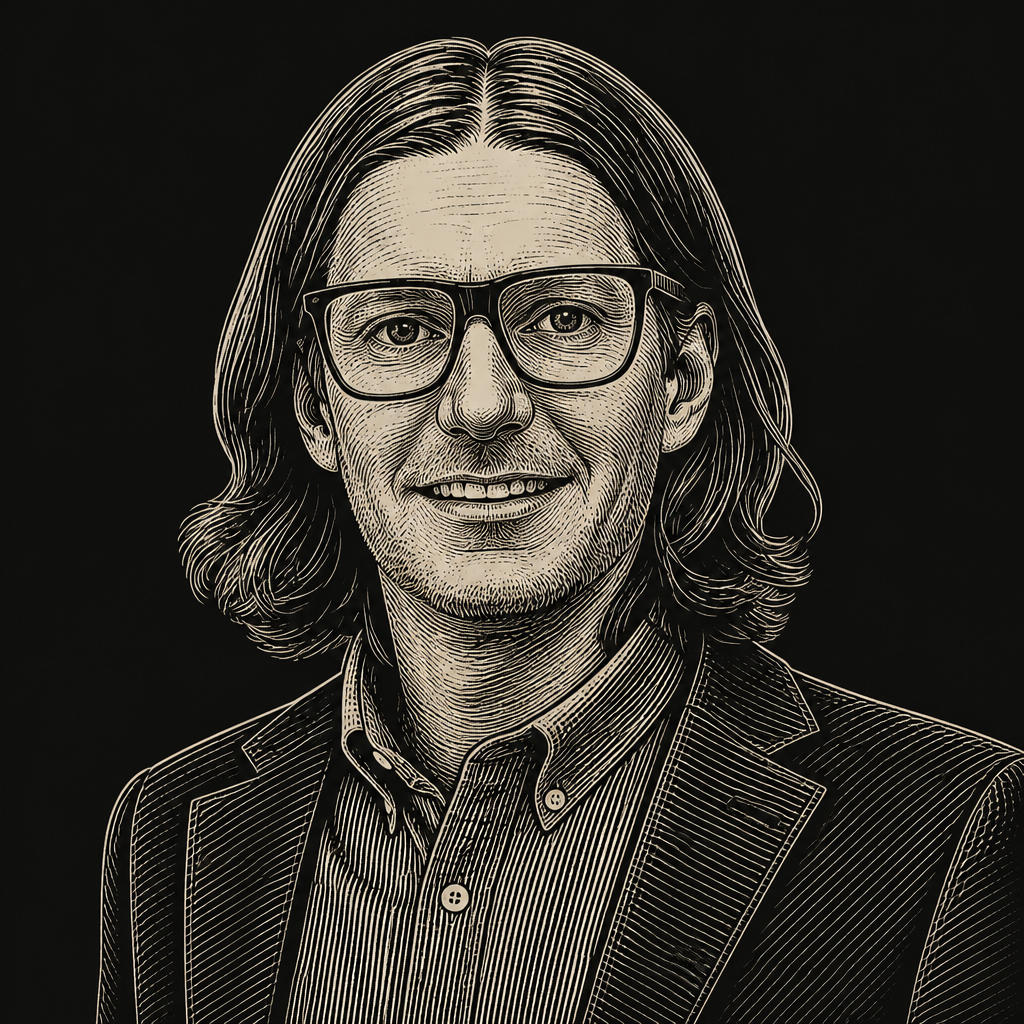
When you're in that local community, what you find is people working together and solving the very problems that address their day-to-day life.
Wilson returned to the same emphasis in more direct exhortation. There is “hope and momentum to turn this around,” he said, and that hope is located in the attendees themselves: their leadership, lived experience, and day-to-day work in communities.
The awards gave that emphasis concrete support. The summit announced funding for 11 nonprofit collaborations across 10 states, at three award levels, so that trust-building would not remain only an aspiration or convening theme.
The closing title card placed the event name alongside the Alliance for Social Trust, Aspen Institute, and Allstate marks, reinforcing the summit’s sponsorship. But the substantive through line was that convenings, tools, and awards are meant to support work that happens elsewhere: in organizations, collaborations, neighbor relationships, and practical problem-solving.