Ackman Says AI Threats Are Leaving Durable Incumbents Mispriced
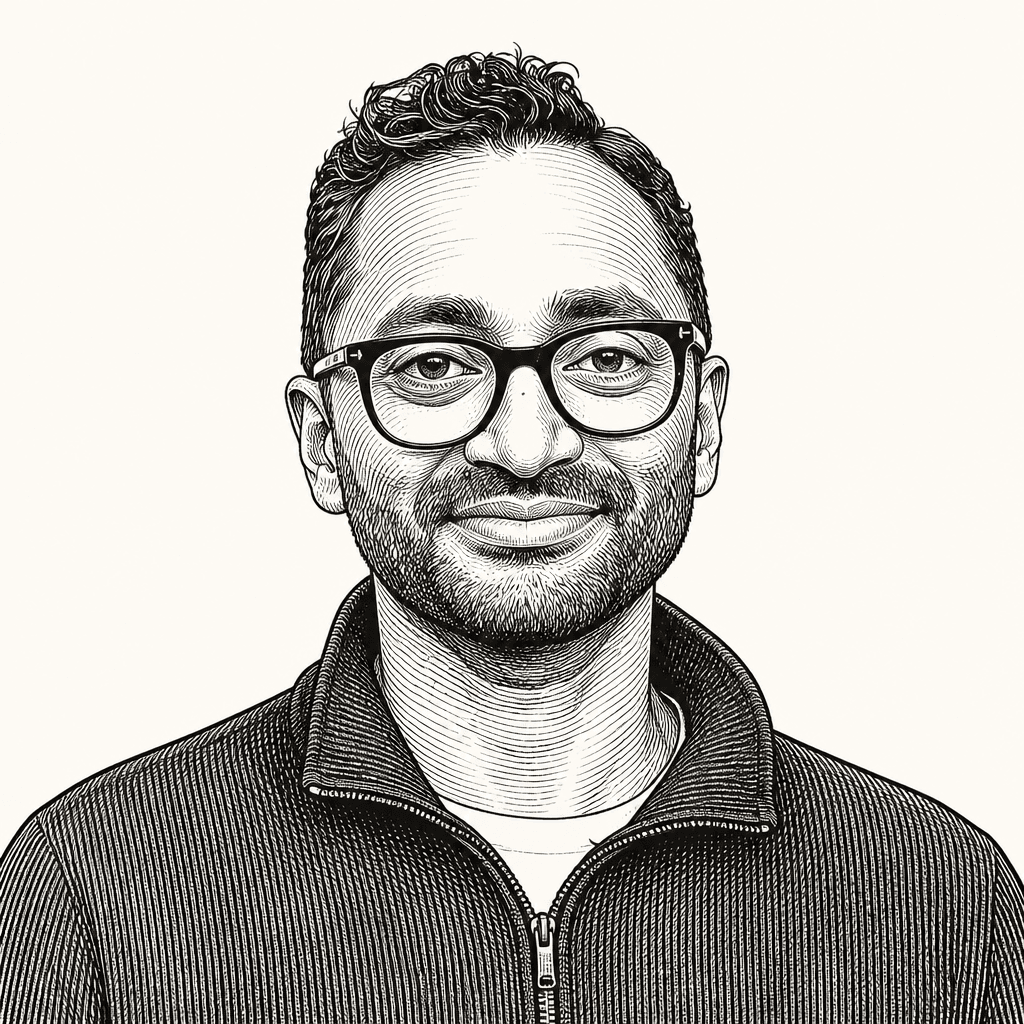 Chamath Palihapitiya
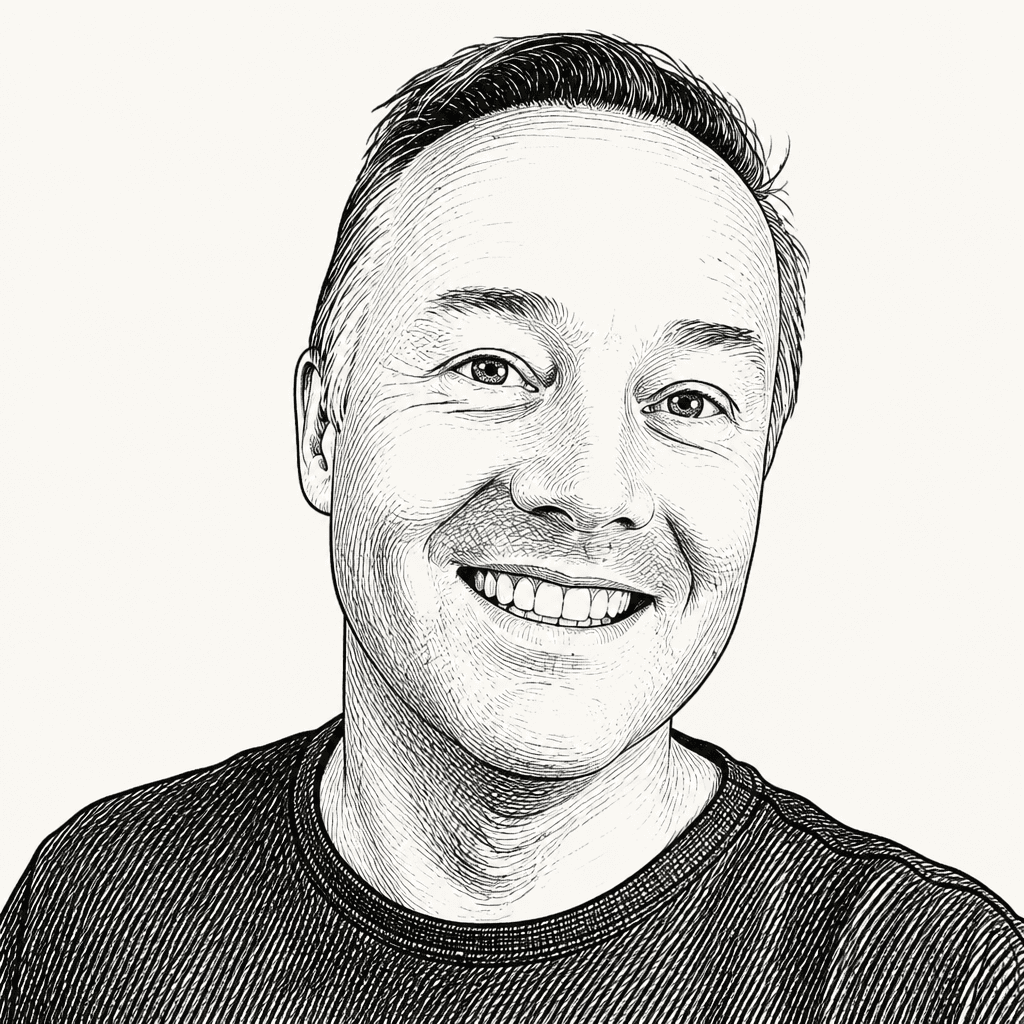 Jason Calacanis
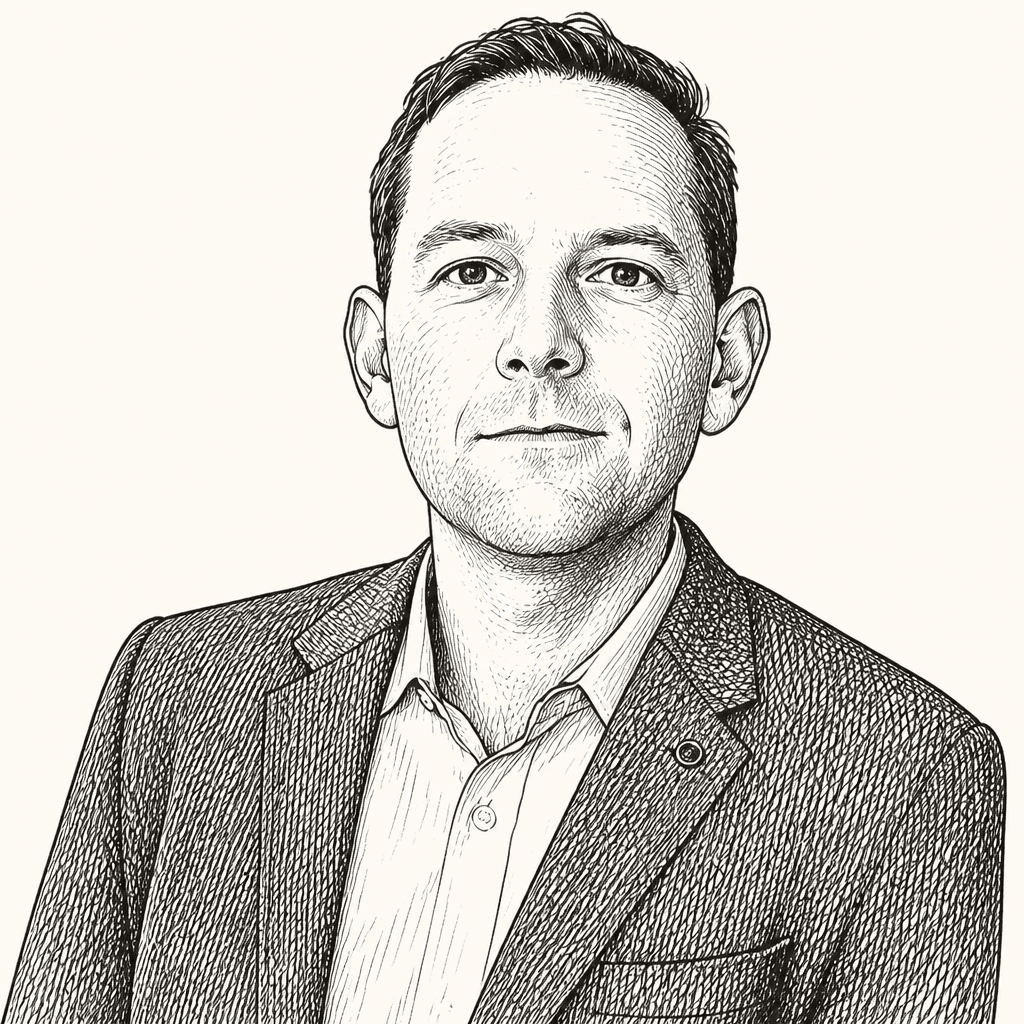 David Friedberg
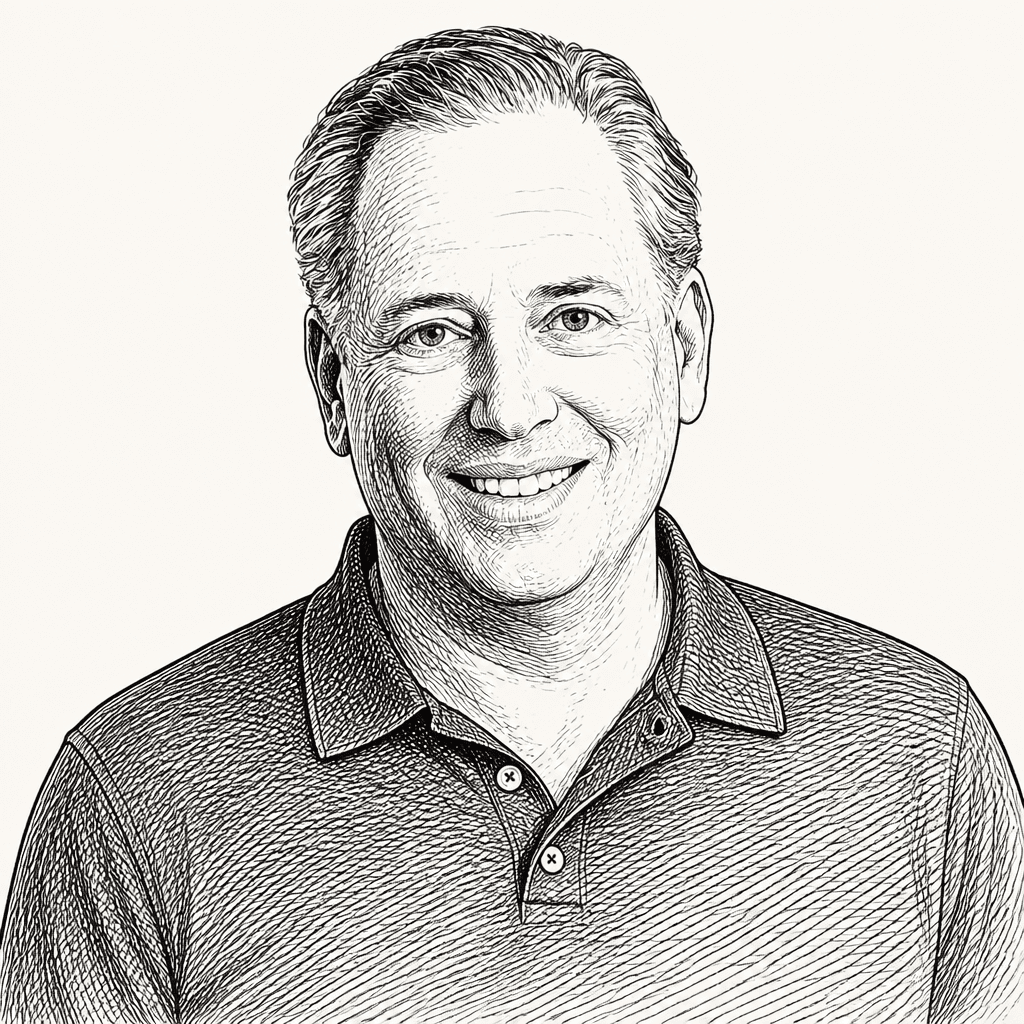 David Sacks
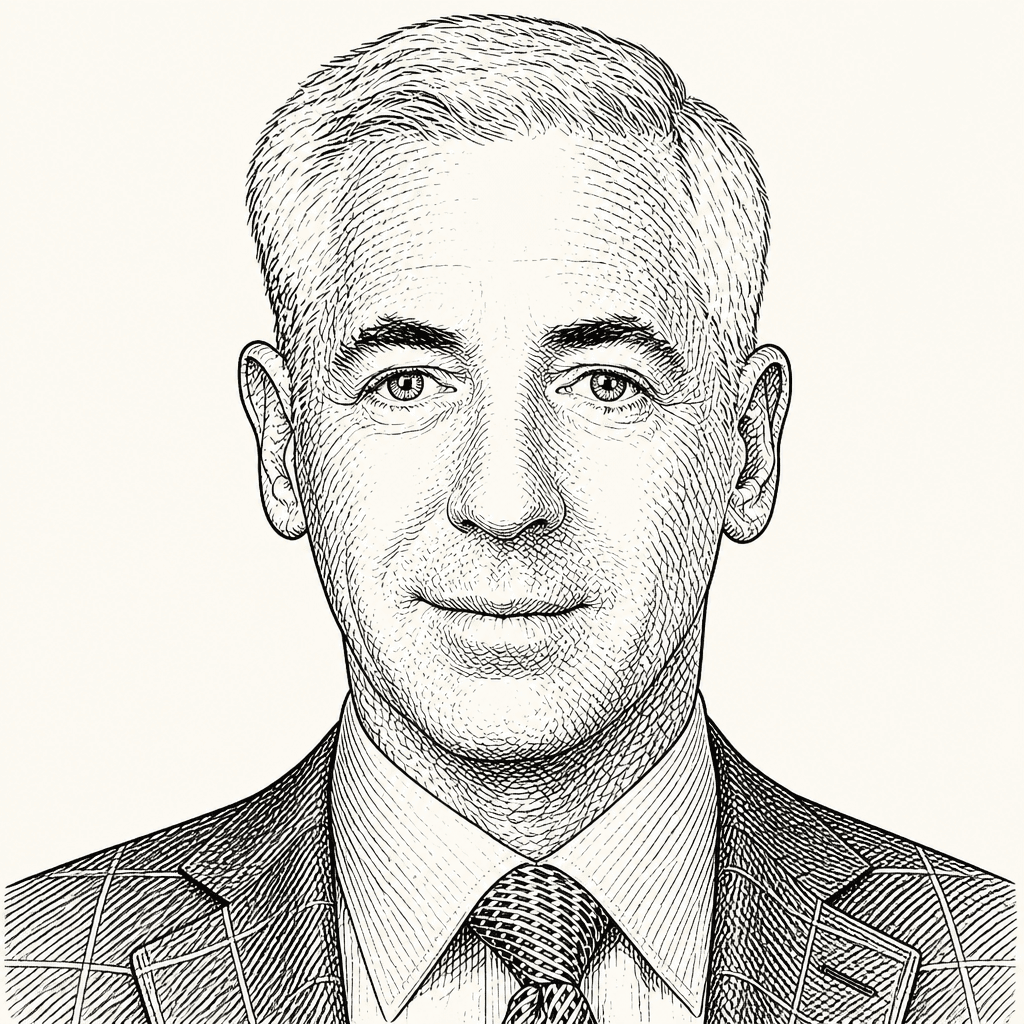 Bill AckmanAll-In PodcastWednesday, June 3, 202614 min read
Bill Ackman told the All-In hosts that Pershing Square’s investment filter has shifted toward durable business quality while remaining activist where influence can extend a company’s time horizon. He argued that AI has made disruption risk the first question for long-term investors, even as markets may be overlooking incumbents such as Microsoft, Meta and Amazon. Ackman also cast founder control, valuation discipline and permanent capital — including his Howard Hughes project — as ways to underwrite businesses through a period when public markets and CEOs are still working out AI’s practical effects.
Ackman’s filter has moved toward business quality, not away from activism
Bill Ackman described the biggest change in his investment philosophy as an increased appreciation for “business quality”: long-term, durable, protected, non-disruptable growth. That is not, in his telling, a retreat from activism. He said he is “as activist as I’ve ever been,” though more of that activism now happens on Twitter than in corporate campaigns.
The change is partly a function of scale and reputation. Early in Pershing Square’s life, Ackman said, it could not get a return phone call. His example was Wendy’s International, which owned Tim Hortons. Pershing’s thesis was that Tim Hortons was worth more than Wendy’s entire market value: buy Wendy’s, spin off Tim Hortons, and double the money. After buying 10% of Wendy’s and failing to get the CEO to respond, Ackman said Pershing obtained a fairness opinion from Steve Schwarzman at Blackstone on what Wendy’s would be worth after a Tim Hortons spin, mailed it in, filed it publicly, and saw the company spin off Tim Hortons six weeks later.
That early style required conferences, public filings, television appearances, and pressure. Ackman contrasted it with the current version of Pershing Square, which he described as known enough and constructive enough that companies often open the door. He said he knows “pretty much every CEO in the S&P 500, either directly or one person removed,” and that when Pershing buys a stake today, some companies publicly welcome it as a shareholder.
The ideal investment, however, is not one that needs a public fight. Ackman told David Friedberg that the best investments are those where Pershing does not need to join the board or do anything. Where involvement is useful, he framed Pershing’s role as extending management’s time horizon. Public-company CEOs may need to make decisions over three, five, or ten years while analysts ask about the next quarter’s tax rate. A large shareholder on the board can let management test ideas privately and can support a plan that hurts near-term earnings but improves long-term value.
That is the practical link between Ackman’s activism and his quality filter. The firm still wants influence when influence matters. But the preferred asset is a durable business whose compounding does not depend on a single corporate event.
AI makes disruption the first underwriting question
Pershing Square is exposed to AI through Microsoft, Meta, and Amazon, but Ackman framed the issue more broadly: investors are either directly or indirectly invested in AI, or AI is a threat to what they own. Chamath Palihapitiya had asked how Ackman underwrites business-model quality across the AI complex; Ackman’s answer began with disruption risk.
For a concentrated, long-term investor, Ackman said, the hardest question is the risk of disruption. AI has made that question more severe. The old fear that “two guys” or “two women from Stanford in a garage” might create something that upends an incumbent is now more plausible, because startups have access to compute, capital, and talent at a scale that makes company formation faster and more dangerous for existing businesses.
This is the greatest era in history to build a business.
Ackman’s response is not simply to chase the most obvious AI beneficiaries. He said markets tend to focus on the “new new thing” — in the current cycle, chips, semiconductors, and energy — while high-quality businesses can be left behind. He compared the pattern to 2000, while saying the present moment is different. In the internet bubble, he said, investors became excited about internet stocks and Berkshire Hathaway traded at what he believed was the lowest valuation in its history because it was treated as “old stuff.” He sees a similar dynamic today in Amazon, Meta, and Microsoft: companies that can look old-fashioned in the OpenAI era but that he views as undervalued.
Palihapitiya pressed the point: these are the “old fashioned companies” in the new AI era, and Ackman thinks they are undervalued. Ackman answered: yes.
The software market requires more discrimination. When David Sacks asked whether the “SaaS-pocalypse” had been oversold, Ackman said it has to be analyzed one company at a time. He worries more about Salesforce than about some other software companies. More broadly, he said software businesses must become as AI-enabled as possible, and he warned that companies extracting “monopolistic type” profits from niche products — for example, charging $30,000 a year — are at risk. By contrast, Microsoft’s platform, where he suggested the average customer may pay a much smaller per-seat amount, is worth more and less exposed.
The AI question, for Ackman, is therefore double-sided. AI raises the probability that incumbents are disrupted. But the market’s focus on new infrastructure can also leave durable incumbents mispriced, especially when those incumbents are themselves central participants in the AI transition.
Valuation can snap back in both directions
Ackman tied his public market calls to valuation and psychology. Palihapitiya raised Ackman’s viral CNBC appearance during COVID and a more recent public call that the market was going higher. The question was why Ackman makes such calls in public, given the room to be wrong.
Ackman first pointed to temperament. He said his high school yearbook “epithet” was “most verbose,” and that a friend wrote next to his name, “A closed mouth gathers no foot.” He described himself as having a long-standing desire to say what he thinks needs to be said.
On the COVID market call, though, Ackman said his motive was policy rather than trading. In March 2020, he believed the country needed a short shutdown to let the virus cool down as hospitals became overwhelmed. He went on television, he said, to reach President Trump and argue for a two-week shutdown. At the same time, he said stocks were at incredibly cheap valuations and Pershing was buying.
Valuation is like a tether on the market, right? When it gets too high, it’s like this rubber band that’s stretching and inevitably it bounces back. But it works the other way as well.
When Palihapitiya asked what triggered Ackman’s more recent bullish call, Ackman said stocks had become “crazy cheap” — specifically, stocks of very high-quality companies. Asked to define that in fundamental terms, Ackman gave the intrinsic-value answer: a financial asset is worth the present value of the cash it generates over its life. On that basis, he said, high-quality companies were very cheap.
The point was not a broad macro forecast detached from business value. Ackman was describing moments when market psychology pushes durable companies to prices he believes are inconsistent with their lifetime cash generation.
Some expensive companies need venture-style underwriting
Extreme revenue multiples do not fit neatly into Ackman’s public-equity framework. Palihapitiya asked whether businesses valued at 50, 100, or 150 times revenue can be underwritten at all, naming SpaceX, Anthropic, OpenAI, and Palantir. Ackman separated that category from ordinary discounted-cash-flow cheapness.
Ackman said SpaceX should be underwritten like a venture investment. He cited a business-school framework: people, opportunity, context, deal. On people, he and Palihapitiya agreed SpaceX is “one of one.” On opportunity, Ackman also called it one of one. On context, he pointed to SpaceX’s position relative to Blue Origin and the increasing value of time in the AI era. Losing a month or two matters more now, he said.
The “deal” question is harder. Ackman said he did not know whether SpaceX’s valuation would be $750 billion or $1 trillion and had not done the full math. In the same exchange, he said he had invested in X and xAI, was in an SPV, and was also in SpaceX after Ron Baron urged him to invest. Ackman said he was rooting for a good outcome but had not completed the work.
For Anthropic, OpenAI, and Palantir, Ackman said the same broad category applies: they are venture investments, though not seed or Series A. They are later-stage companies that have proven they can generate substantial revenue. In OpenAI’s case, he said he had been impressed by Sarah, the company’s CFO, particularly her explanation of how OpenAI thinks about committing capital. From the outside, he said, OpenAI has an interesting but difficult business model: it is making capital commitments massively in excess of revenues, and explaining that capital strategy is important. If he were OpenAI, he said, he would be getting that message out.
Ackman was not saying that extreme revenue multiples are justified by ordinary public-market valuation. He was saying the underwriting model changes when the company remains venture-like: the investor has to evaluate exceptional talent, the size of the opportunity, strategic context, and then price.
CEOs are focused on AI before the operating playbook is proven
AI is already at the top of the public-company agenda, even though Ackman does not yet see many large companies using it effectively. David Sacks asked what Ackman hears from Fortune 500-type CEOs about AI: whether they are testing pilots, launching transformations, ignoring it, or struggling to apply it.
Ackman said every CEO in America is asking how to use AI, how it applies to the business, and how it threatens the business. Boards are asking management about both the opportunity and the threat. CEOs need internal champions and may need to recruit from outside. In the hierarchy of executive concerns, he said, AI is probably number one.
Every CEO in America today is like, “How do I use AI? How does it apply to my business? How is it a threat?”
Sacks then pressed on results. He cited mixed signals in enterprise adoption, including a McKinsey study he described as saying 95% of enterprise initiatives fail, and Palihapitiya’s argument that many enterprises do not know how to deploy AI. Sacks also pointed to the rise of the “forward deployed engineer” as evidence of a gap between AI’s promise and measurable ROI.
Ackman said he has not seen much success yet. Pershing Square’s own first use case is modest: legal work, compliance, and back-office-type functions. Large companies, in his view, are still “super, super early” in using AI effectively.
For investors, that creates an uncomfortable sequencing problem. The strategic threat is already present, and CEOs are already being forced to respond, but the enterprise operating model for extracting value from AI is still immature.
Founder control matters more when decisions get harder
Founder-led companies may have an advantage in periods that require radical adaptation. David Friedberg tested that thesis with Ackman: in fast-changing technology and market environments, founders have the authority, ownership, and willingness to make difficult decisions, while non-founder CEOs may be incentivized to avoid mistakes and preserve the job.
Ackman agreed. He said the average life of an S&P 500 CEO is probably three to four years, and such CEOs are often focused on shorter-term compensation without a large economic stake in the business. A founder’s company is their life and reputation. They are not simply going to get another job; they have to make it work.
Founders also have unusual authority in the boardroom, whether through voting control, economic ownership, or both. Ackman compared that with Pershing’s own influence when it joins a board as the largest or second-largest non-index shareholder. If the CEO has that kind of influence, the decision-making dynamic changes.
His example was Mark Zuckerberg. When Meta bought Instagram and WhatsApp, Ackman said, observers were shocked by the prices paid. But a founder who has made enough difficult calls that turned out to be right earns the authority to make more of them.
Friedberg asked whether this is antithetical to a Ben Graham investing model. Ackman said Graham remains important because he taught investors to see a stock certificate as an interest in a business rather than a piece of paper. But Graham’s original environment was different: before EDGAR, investors had to go to company headquarters to get a 10-K, and many stocks traded around the cash on the balance sheet. Graham often bought liquidation-type bargains. Ackman added that Graham made much of his money in an investment like Geico, not only from liquidation investing.
In Ackman’s framework, value investing is not limited to statistical cheapness. In an environment shaped by AI disruption, management quality, founder authority, and the capacity to adapt become part of the value analysis.
Howard Hughes is the permanent-capital experiment
Ackman described Howard Hughes as the vehicle through which he wants to build something inspired by Berkshire Hathaway. He cited a book on Berkshire’s financial history that reconstructed Warren Buffett’s deals and filings over decades. His reading is that most of Berkshire’s value came from owning an insurance operation.
Insurance, as Ackman explained it, has two jobs. The company writes policies, collects premiums, and accepts the obligation to pay future claims. It then invests the money received upfront. Most insurance companies focus on the liability side of the balance sheet. Buffett was unusual because he focused heavily on the asset side. If both assets and liabilities are managed well, Ackman said, the result can be an enormously profitable, compounding, tax-efficient machine.
He argued that the model is hard to copy because of talent allocation. If someone is exceptional at investing, they tend to work for a hedge fund, Fidelity, Wellington, or another investment organization, not an insurance company. Buffett owned half the company and was very good at investing, so the model worked.
Howard Hughes came to Pershing through General Growth. Ackman said Pershing bought a large stake while General Growth was bankrupt, after its market capitalization had fallen from roughly $20 billion to $100 million. Pershing bought effectively 27% of the company at about a $200 million market cap, with $27 billion of debt. The thesis was that the assets were worth more than the liabilities and that equity holders could retain value through restructuring. Two years later, he said, the company emerged from Chapter 11 and the stock had gone from 34 cents to $34. Howard Hughes was spun out as part of the restructuring, made up of assets analysts disliked.
The company owns master-planned communities — “small cities,” in Ackman’s phrase. Summerlin near Las Vegas was his main example: 26,000 acres of land, including commercial and residential land, where Howard Hughes sells lots to homebuilders, builds downtowns, and develops buildings. He compared the model to the Irvine Company, saying Don Bren created roughly $100 billion of personal wealth managing a small city.
The problem is that the business operates over decades while Wall Street focuses on shorter horizons. Ackman said Howard Hughes has traded at a large discount and compared the setup to Buffett buying a textile business at a discount to liquidation value. His plan is to redirect cash generated by the real-estate business into insurance rather than reinvesting all of it in real estate.
The insurance structure he described follows Buffett’s template: put policyholder float in short-term Treasuries and invest the insurer’s surplus equity in common stocks. Ackman said the company is starting small, with a market cap of about $4 billion, but the goal is to build it into a trillion-dollar enterprise over 50 years.
Palihapitiya summarized the idea as building a flywheel. Ackman agreed. He said Pershing can buy the asset at “60 cents on the dollar” and use it to build a compounding machine.
A higher stock price can give a company more room to maneuver
Ackman does not think markets have changed because of his own follower growth on Twitter. He did, however, say social-media-driven followings can matter in specific cases. Palihapitiya had asked how Ackman’s fame and social-media reach change markets, especially in an environment where WallStreetBets-style retail opinion can move around stocks. Ackman pointed instead to Ryan Cohen and GameStop as an example of a real change: a stock can trade above its intrinsic value because a personality can gather an army of followers.
Ackman then made a narrower but important valuation point. The higher a stock price goes, he said, the more valuable the company can become, because the higher valuation lowers the cost of capital, gives management more flexibility, allows equity issuance, supports capital raising, and enables acquisitions. He said Elon Musk is a better example than himself: Musk built an army of believers and followers that helped Tesla get built and supported its markets.
That logic connected to SpaceX. If SpaceX goes public at $750 billion or $1 trillion, Ackman said, it will “probably be the lowest cost of capital equity capital transaction in the history of the world.” The claim was not that fame mechanically creates value. It was that a high market valuation can change a company’s financing options and flexibility.
At the end, Ackman described three ways investors can align with Pershing Square, each with different exposure. One is Pershing Square itself, the management company that receives fees from the permanent-capital vehicles it manages. He characterized it as a royalty on compounding, with no capital expenditures and the ability to pay out profits while growing with underlying assets. He said a dollar invested in Pershing Square 22 years ago became roughly 27 or 28 times net of all fees, and that under the lower-fee public vehicle structure the result would have been higher, by his recollection in the mid-40s. If the firm compounded at historical rates, he said assets under management could rise from $25 billion to something approaching $1 trillion over 22 years without hiring another person or adding overhead.
The second path is PSUS, which Ackman described as a public vehicle holding Pershing’s best ideas and trading at an “18% discount to cash.” The third path is Howard Hughes, for investors who want exposure to the Berkshire-like compounding project.
Sacks said he had bought some Howard Hughes and argued that Ackman’s direct communication on Twitter made it easier to understand and place that bet. Ackman acknowledged the power of reaching 2.2 million people with a button. He then took a selfie from the stage with the All-In hosts and posted it to X with the caption: “With the besties as I am always All-In.”