America’s Promise Is Opportunity, Not Guaranteed Outcomes
 Chamath Palihapitiya
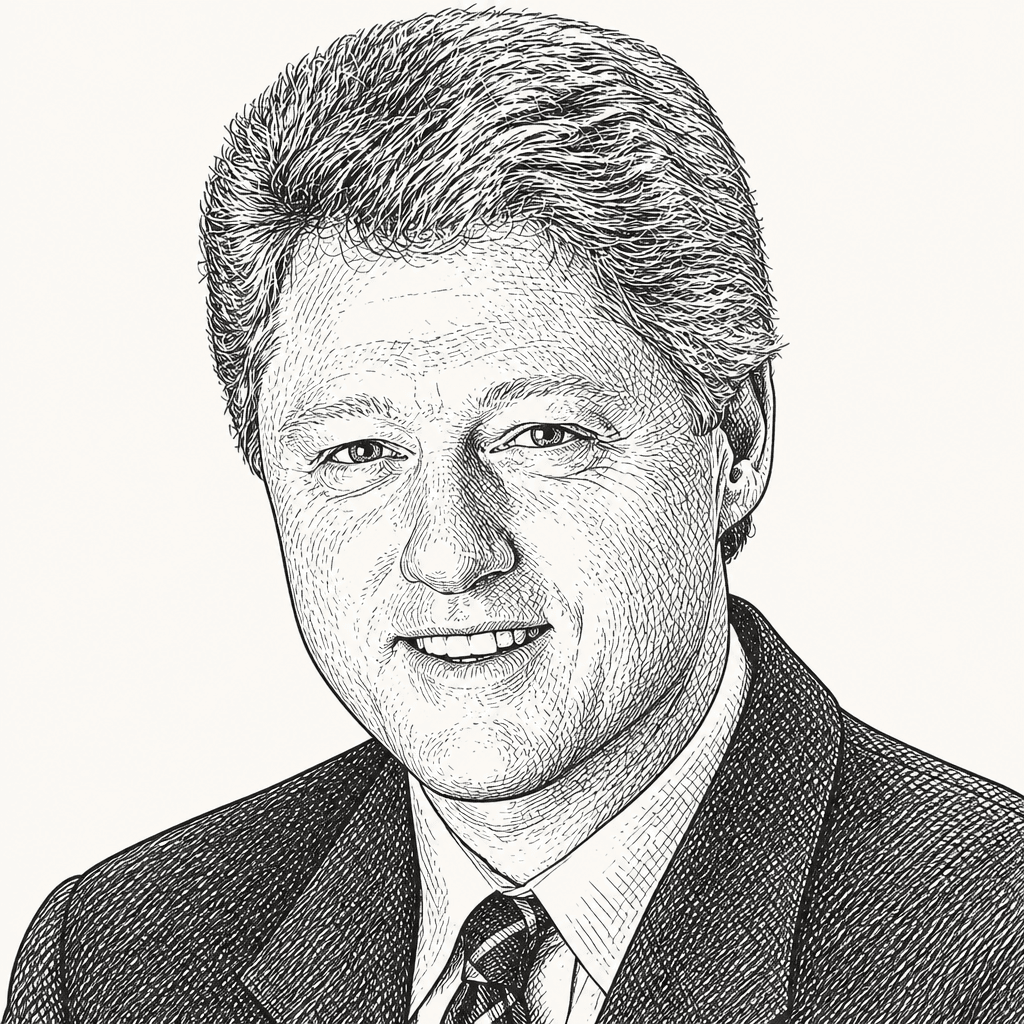 Bill Clinton
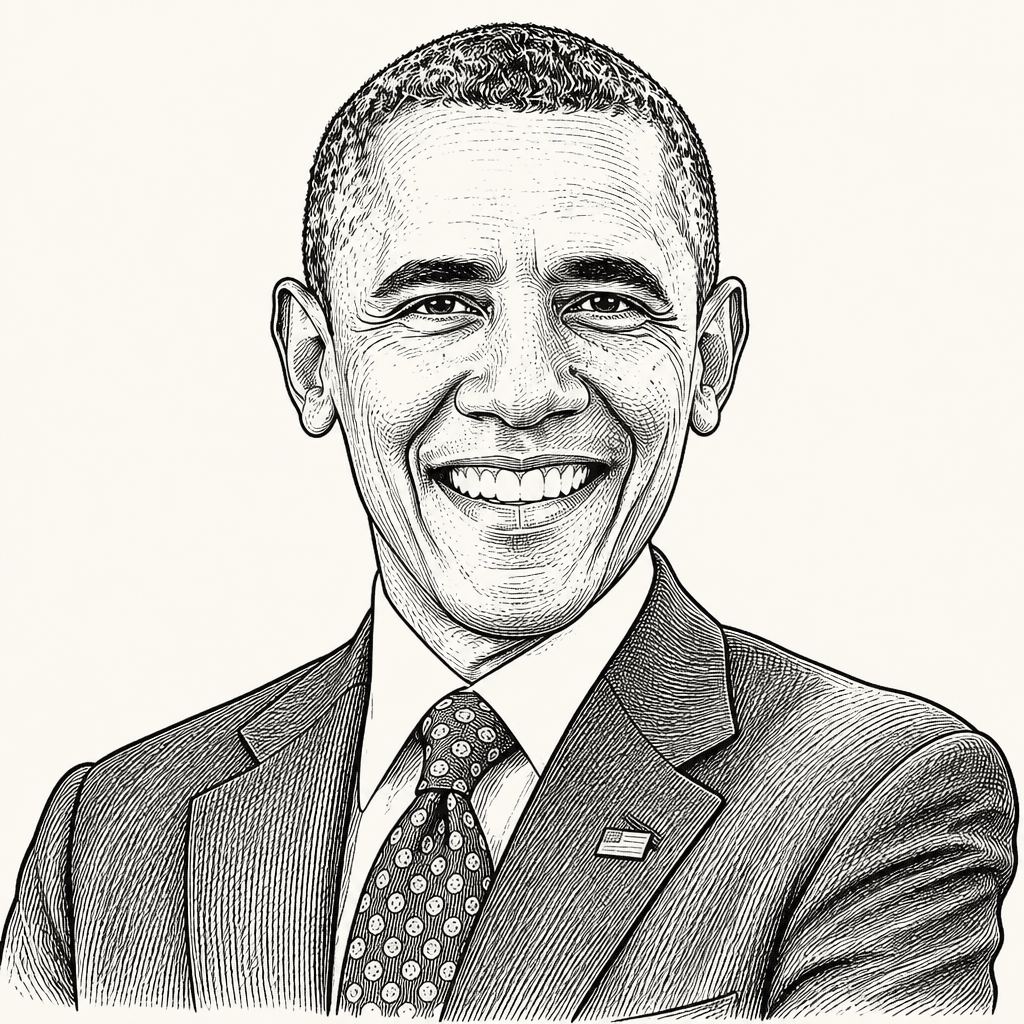 Barack Obama
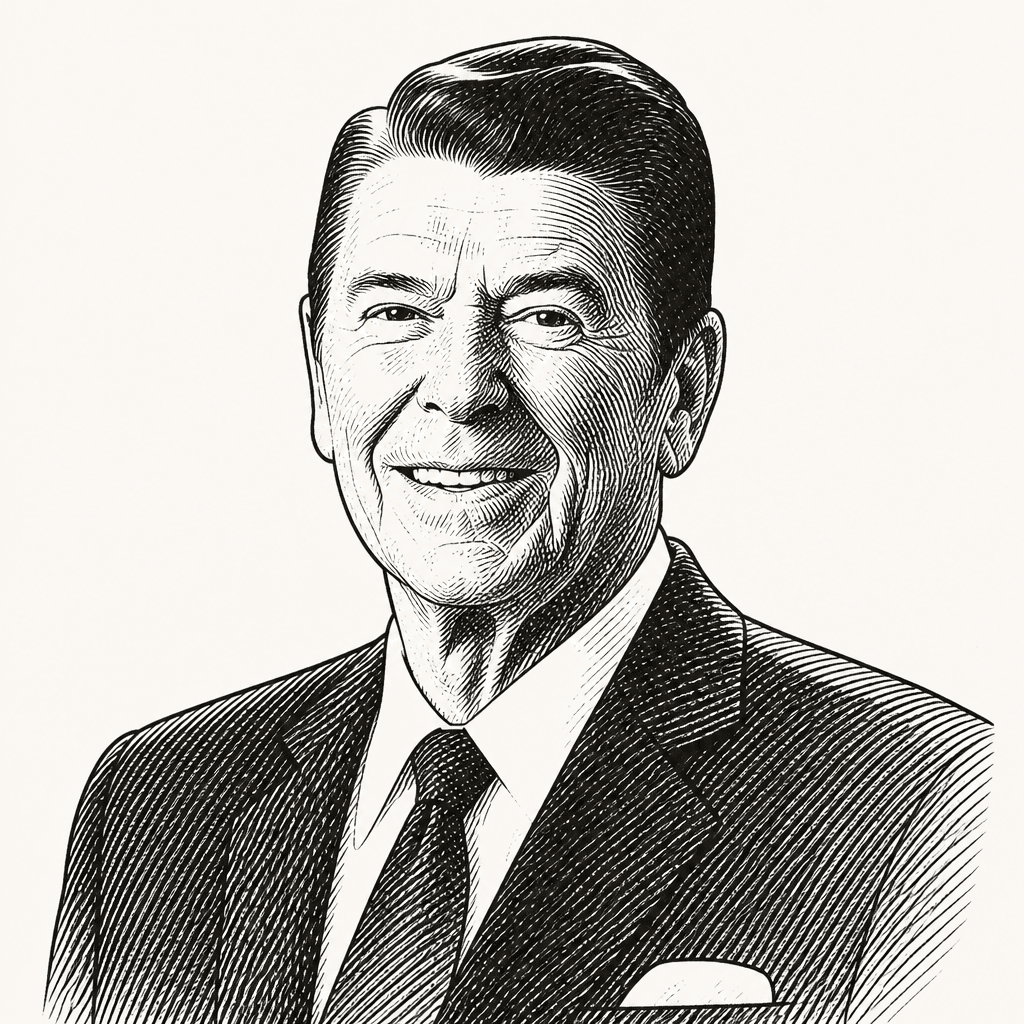 Ronald Reagan
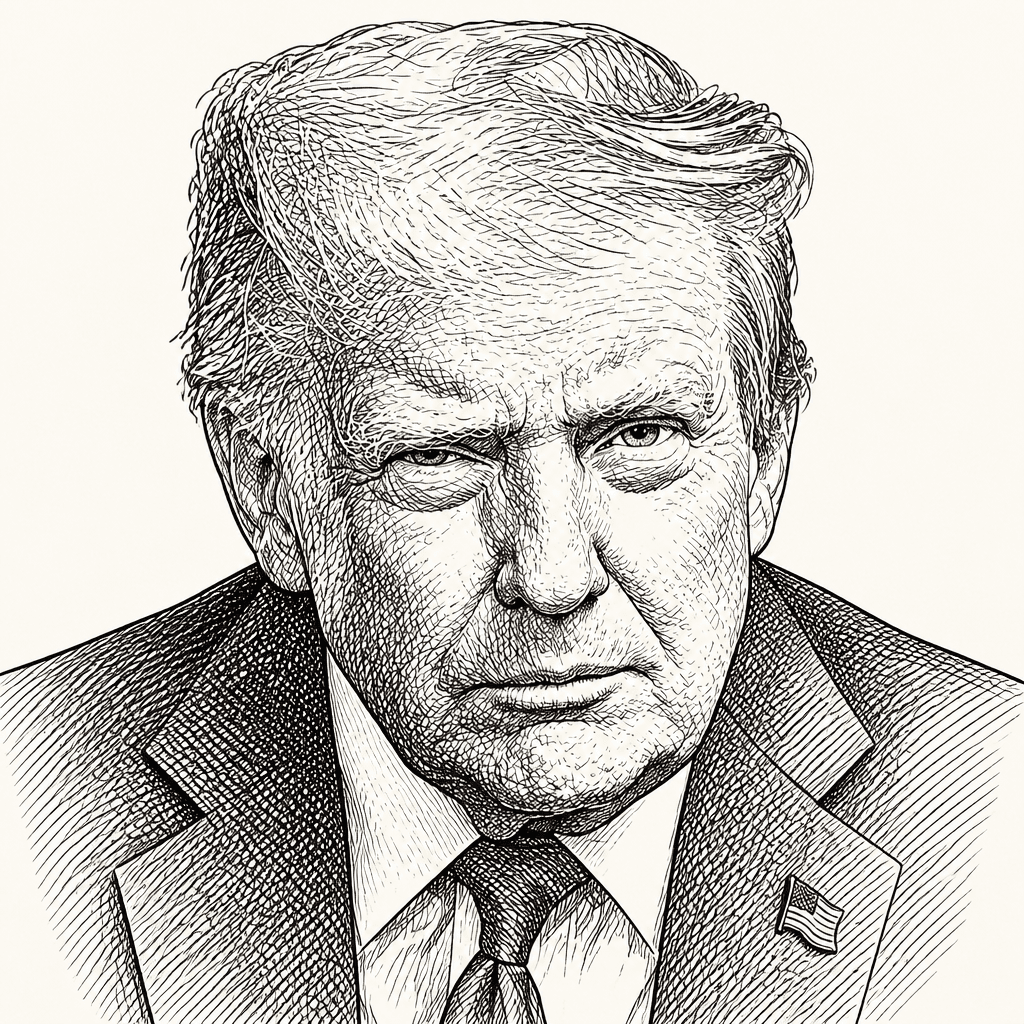 Donald Trump
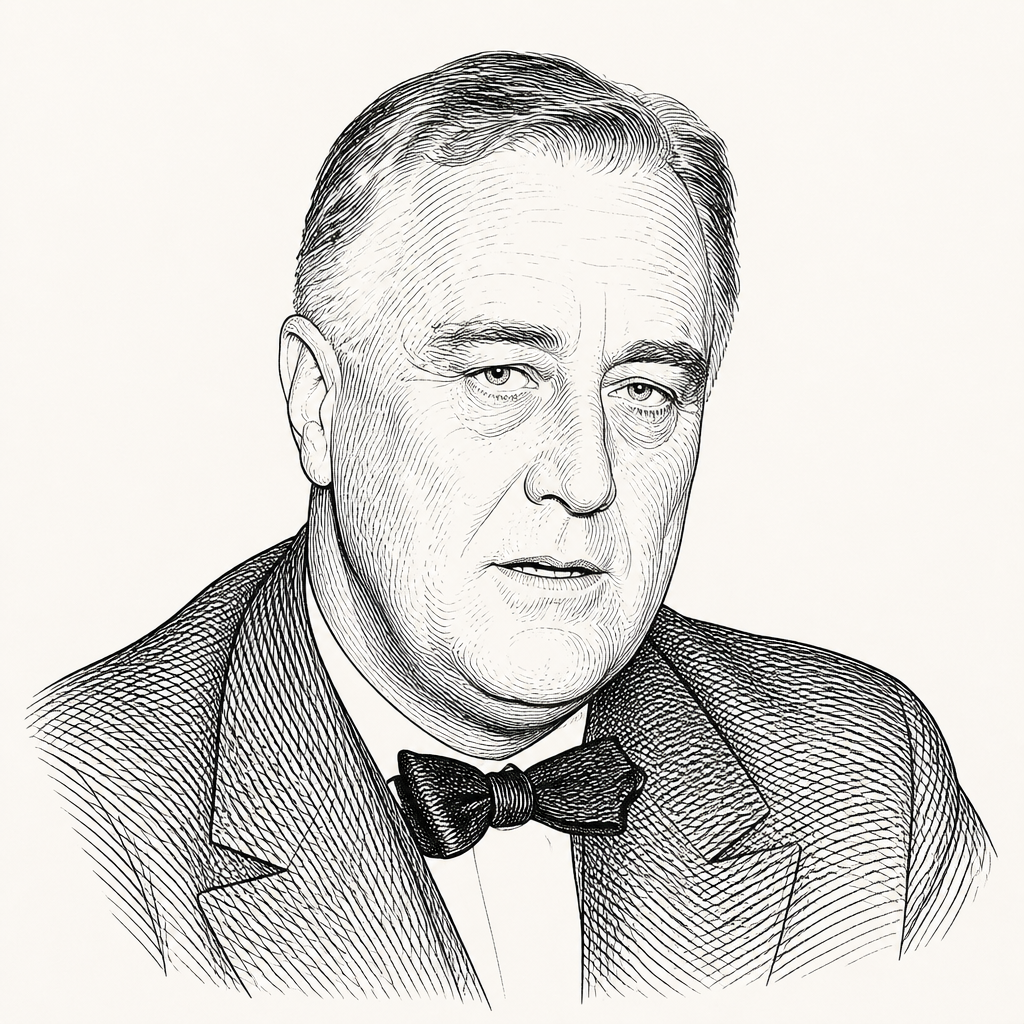
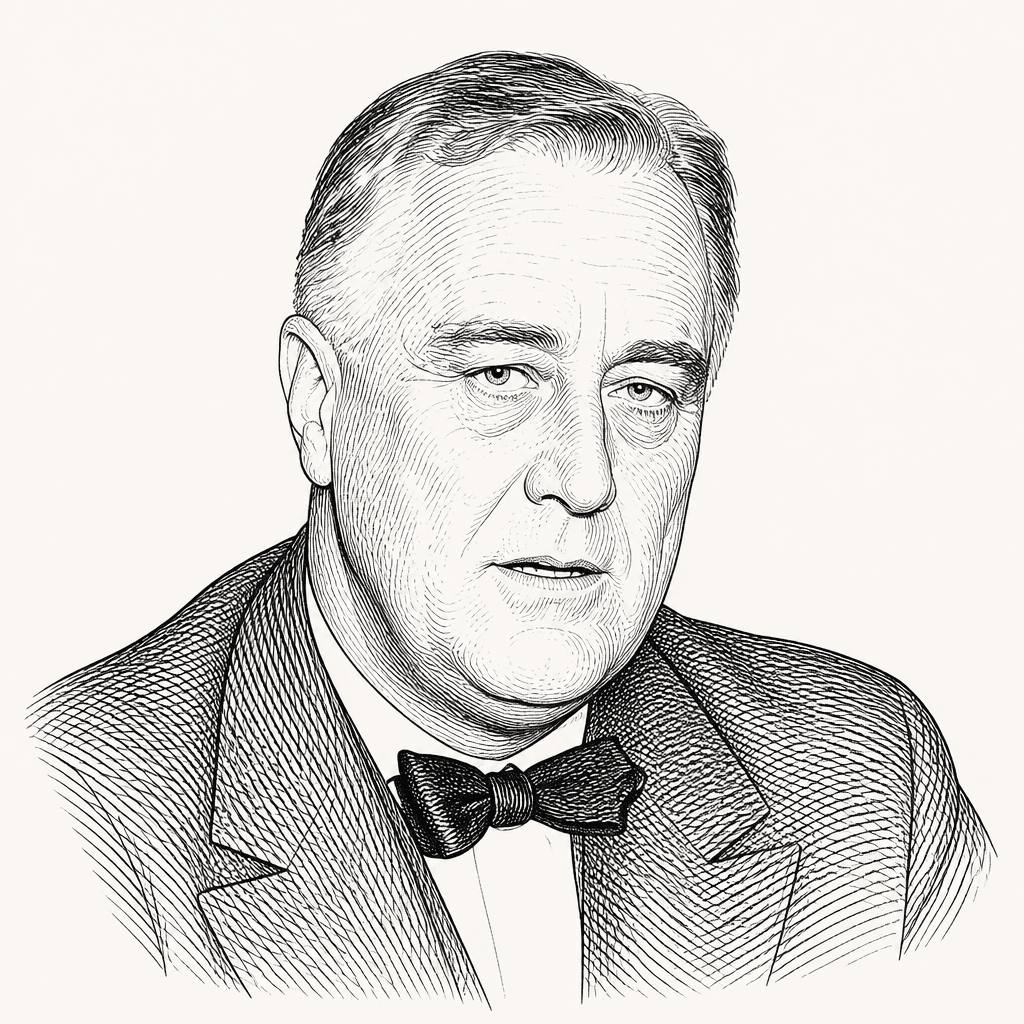 Franklin Roosevelt
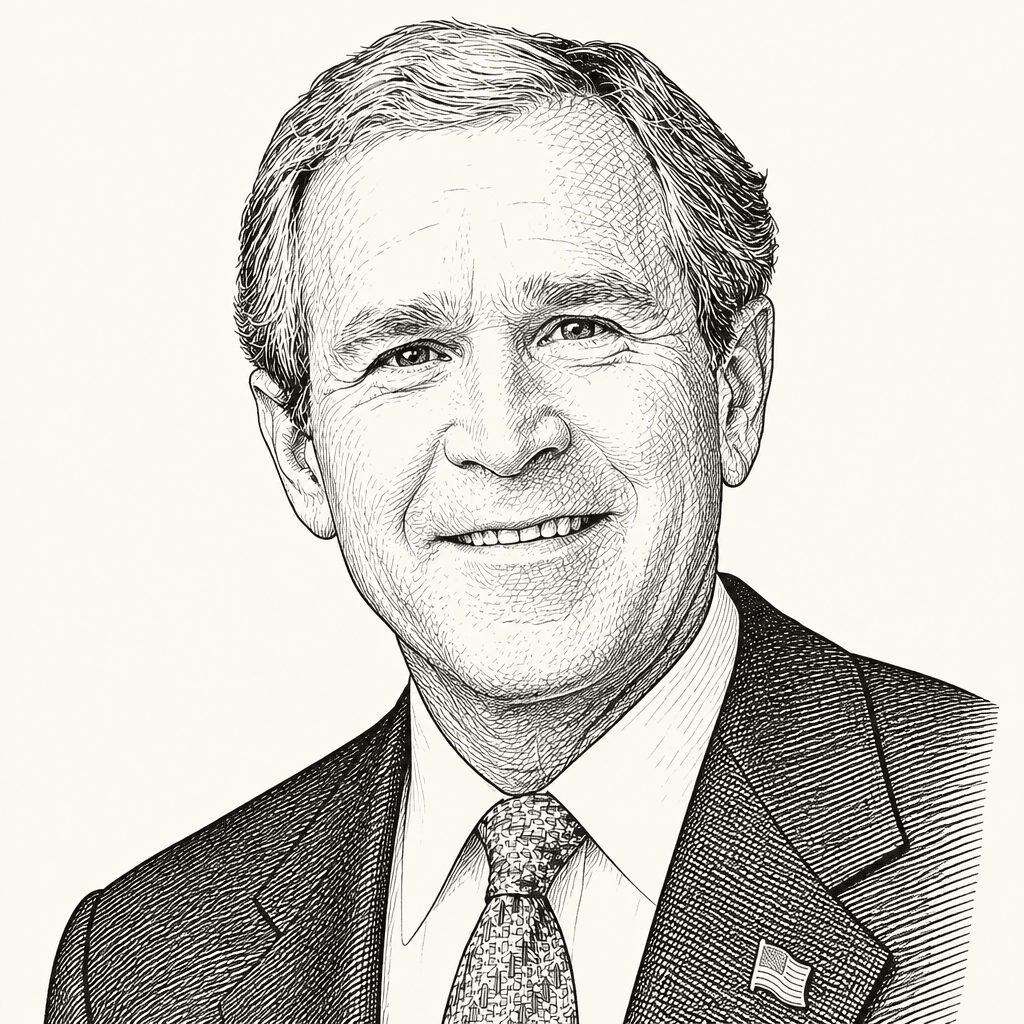 George Bush
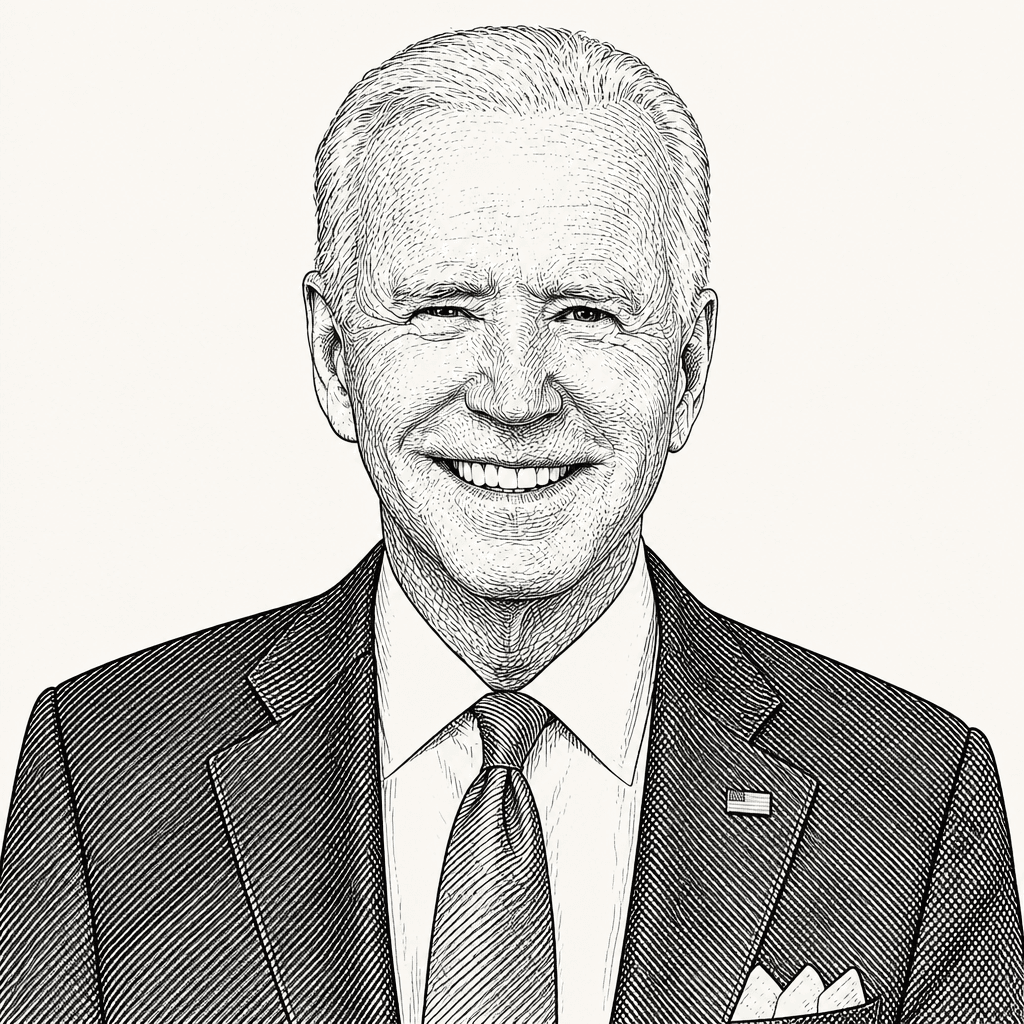 Joe Biden
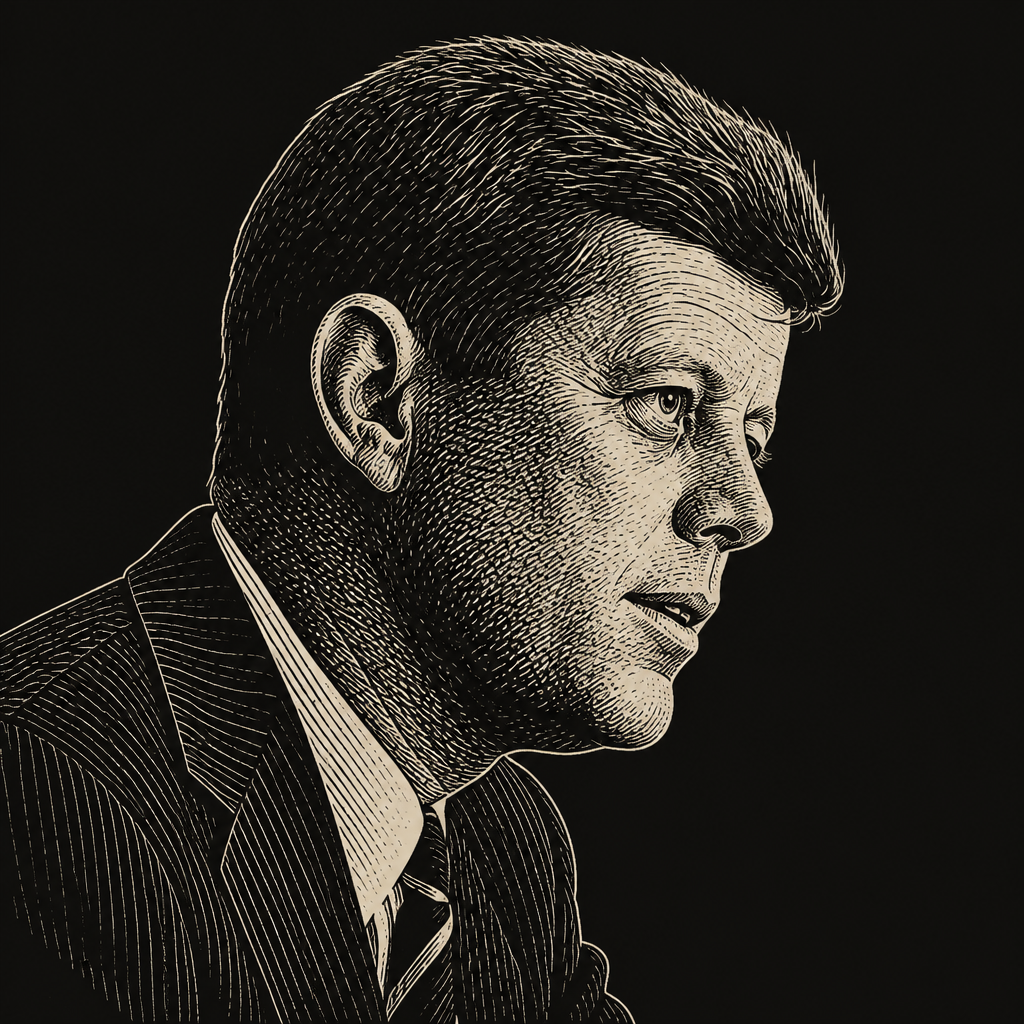
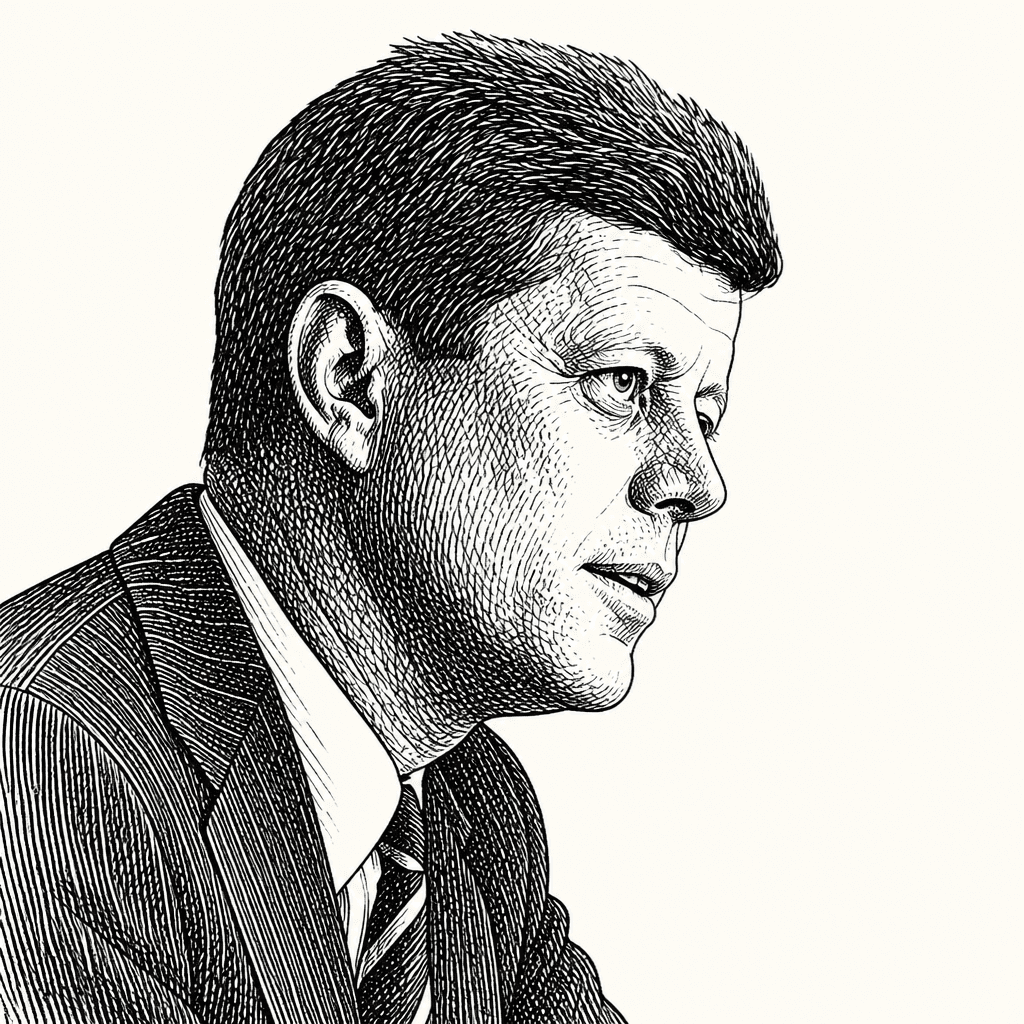 John Kennedy
 Jason Calacanis
 David Friedberg
 David SacksAll-In PodcastFriday, September 18, 20265 min read
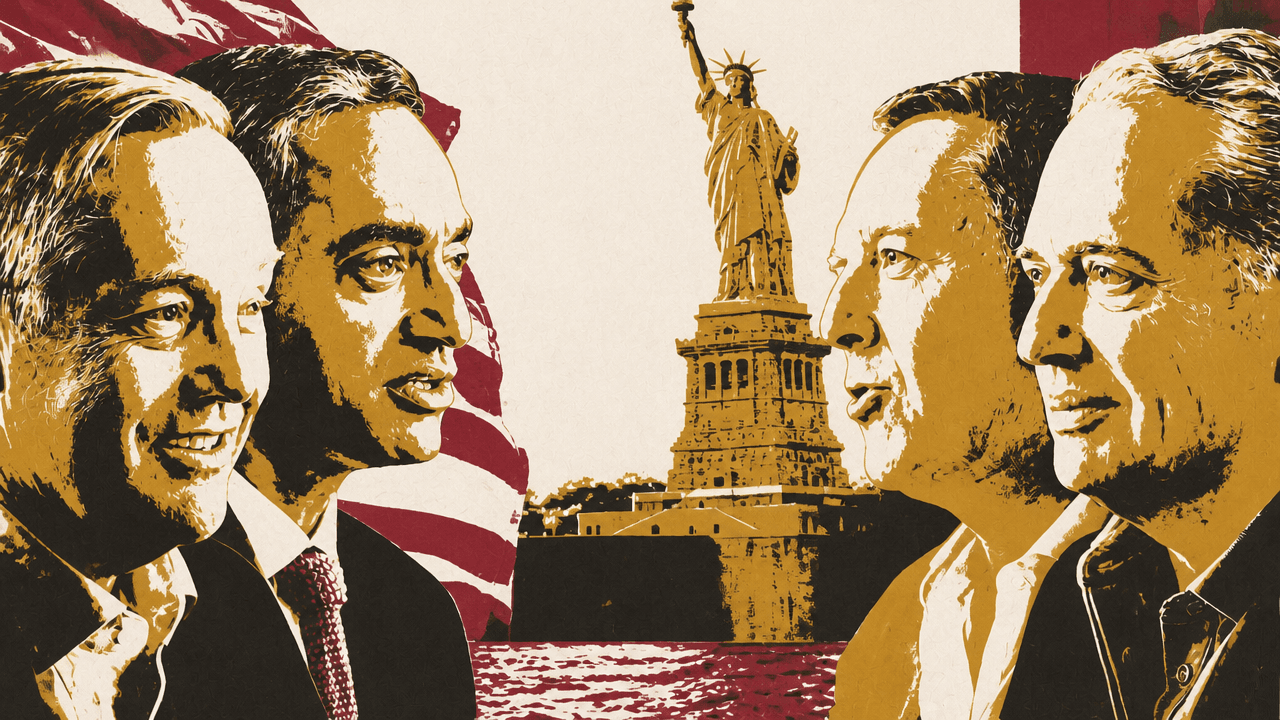
David Sacks argues that America’s defining promise is not provision but the opportunity to pursue anything through work, talent and initiative. In the All-In Summit’s 2026 introductory film, Sacks, Chamath Palihapitiya, David Friedberg and Jason Calacanis frame their immigrant and entrepreneurial experiences as evidence of a culture that rewards ambition, tolerates unconventional ideas and treats failure as part of trying. The montage pairs that case with presidential appeals to building, risk-taking and national renewal.
Opportunity, not provision, is the promise
David Sacks defines the American proposition in terms of possibility rather than distribution: “It’s not about giving everyone something. It’s about giving everyone the opportunity to have anything.” For Sacks, that distinction is what separates the United States from the rest of the world. America is where people can accomplish great things, he says, if they work hard, are smart, and do the right things.

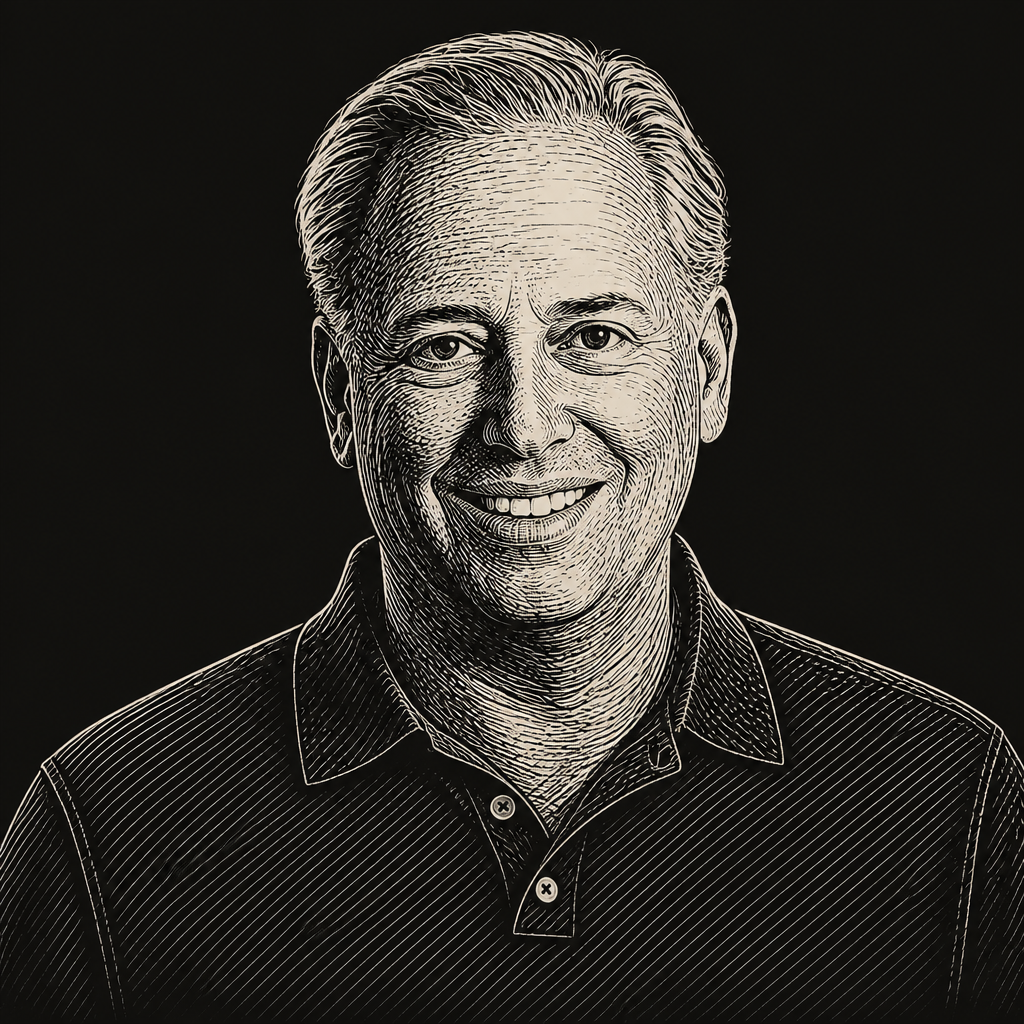
The claim is grounded in the speakers’ own paths to the country. Chamath Palihapitiya was born in Sri Lanka in 1976. His family moved in 1986, when his father became an attaché at the Sri Lankan embassy in Canada; Palihapitiya says Sri Lanka was at the beginning of a protracted ethnic civil war when he left. He spent his formative years in Canada, from roughly age six to 22. Later, after graduating in electrical engineering from the University of Waterloo, he watched many of the smartest people in his class go to the United States during the dot-com boom and wondered what was drawing them there.


David Friedberg describes a similar impulse from South Africa during apartheid, when, he says, what came next was uncertain and those who could found ways to leave. His parents, documentary filmmakers, had a specific ambition: America and Hollywood. A “Go for gold” bumper sticker placed on the bookshelf in his childhood bedroom stood for that aspiration.
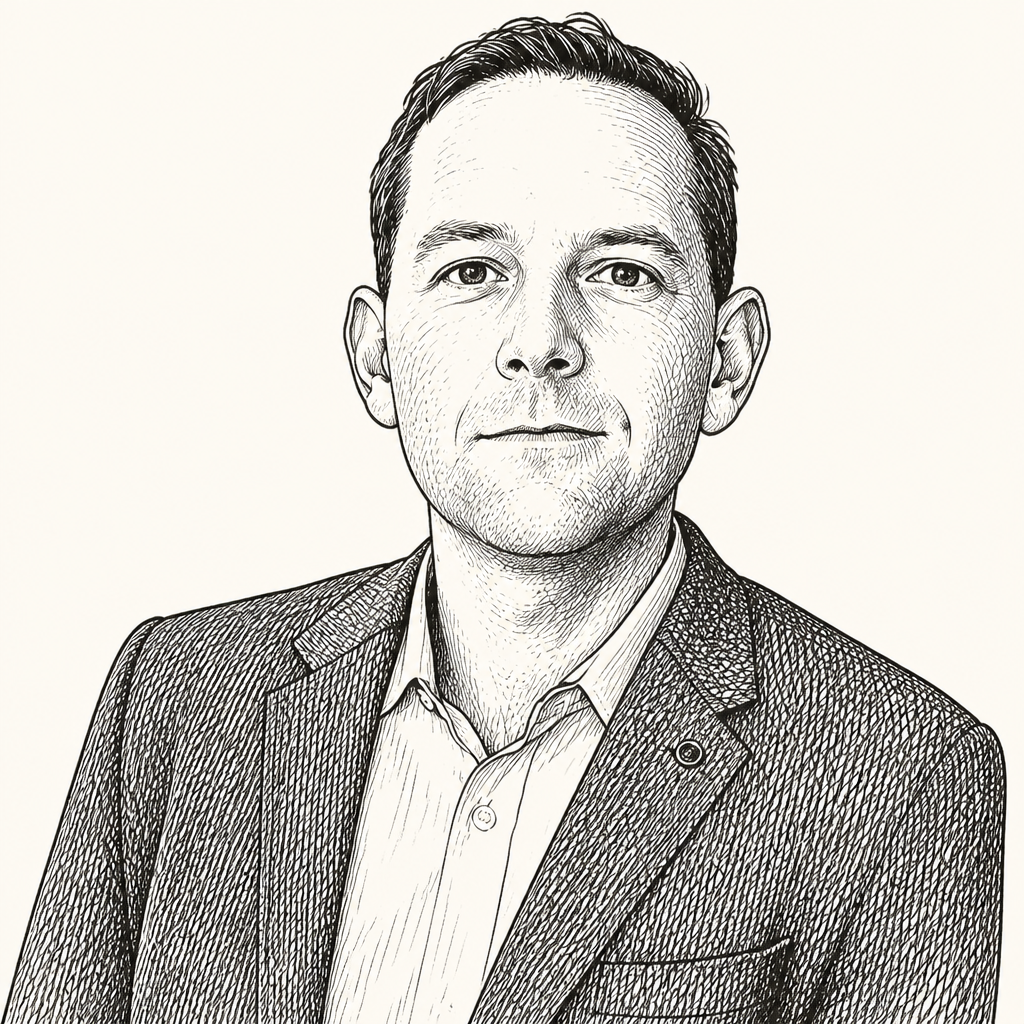
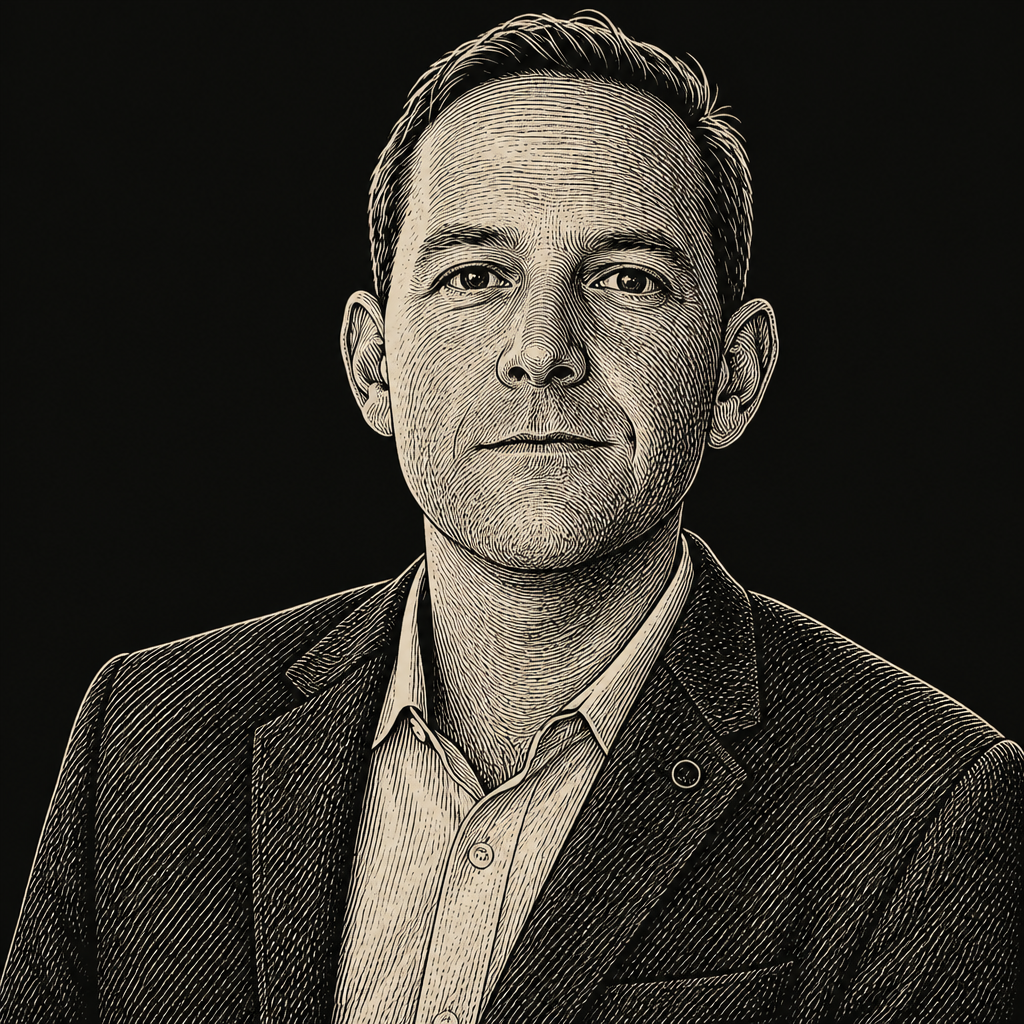
Sacks was also born in Cape Town. His family moved to Memphis when he was five, and he became a U.S. citizen at 10. The montage later shows him celebrating at the PayPal IPO, identified on screen as taking place in 2002.
The childhood photographs—Palihapitiya with his family, Friedberg with his father and sister, Sacks with his family—make the argument personal before it becomes civic. Their accounts do not present America as a guarantee of arrival. They present it as the place people sought when they wanted a larger field of possibility.
Friedberg invokes the proposition that “all men are created equal”: background, religion, and race should not determine what someone may pursue. The relevant equality, in this account, is equal standing before opportunity.
It’s not about giving everyone something. It’s about giving everyone the opportunity to have anything.
The culture is meant to reward the attempt
Opportunity, as the speakers describe it, depends on more than formal permission. It requires a social disposition that treats ambition, experimentation, and even failure as worthwhile.
Jason Calacanis locates that disposition in the entrepreneurial example he saw growing up in Brooklyn. New York in the 1970s and 1980s was, in his telling, rough—defined by gangs, graffiti, and the atmosphere familiar from crime films. But his father ran Beard’s, a Brooklyn bar, and Calacanis says he learned entrepreneurship by watching him operate a business.

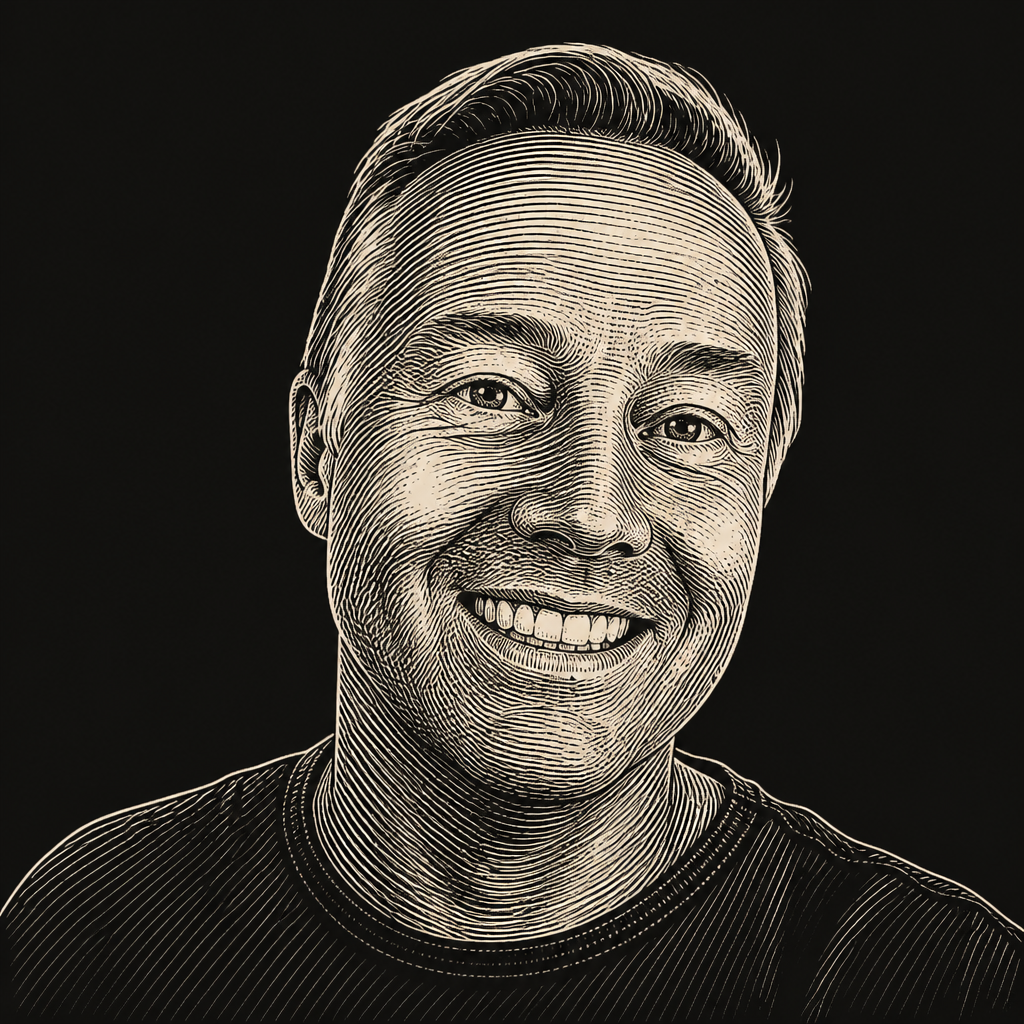
His broader claim is that Americans do not merely tolerate someone saying they will try something; they encourage it. The response, he says, is: “Fuck yeah. You should do it. Tell me more.” In that formulation, another person’s ambition is something to meet with interest rather than dismissal.
Chamath Palihapitiya describes the same cultural condition from the perspective of someone who found the United States unusually hopeful. It is a place, he says, where a person can be “a little bit crazy”—where they can say heterodox things, think heterodox thoughts, and start heterodox ideas. People, in his phrasing, see past “the cover of the book.”
It was just an incredibly hopeful place. And it just represented a total microcosm of life that I just didn't feel existed anywhere else.
That willingness to look past the cover is central to the montage’s ideal of opportunity. It joins the immigrant stories with Calacanis’s account of encouragement: people should be able to voice unconventional ideas and pursue improbable projects without being reduced to surface impressions.
Building and renewal are presented as American habits
A cross-party sequence of presidential quotations presents action and renewal as recurring American civic ideals. The anonymous reading of Theodore Roosevelt’s “man in the arena” passage supplies the moral standard: credit belongs to the person who acts, accepts the possibility of failure, and dares greatly rather than remaining among those who know neither victory nor defeat.
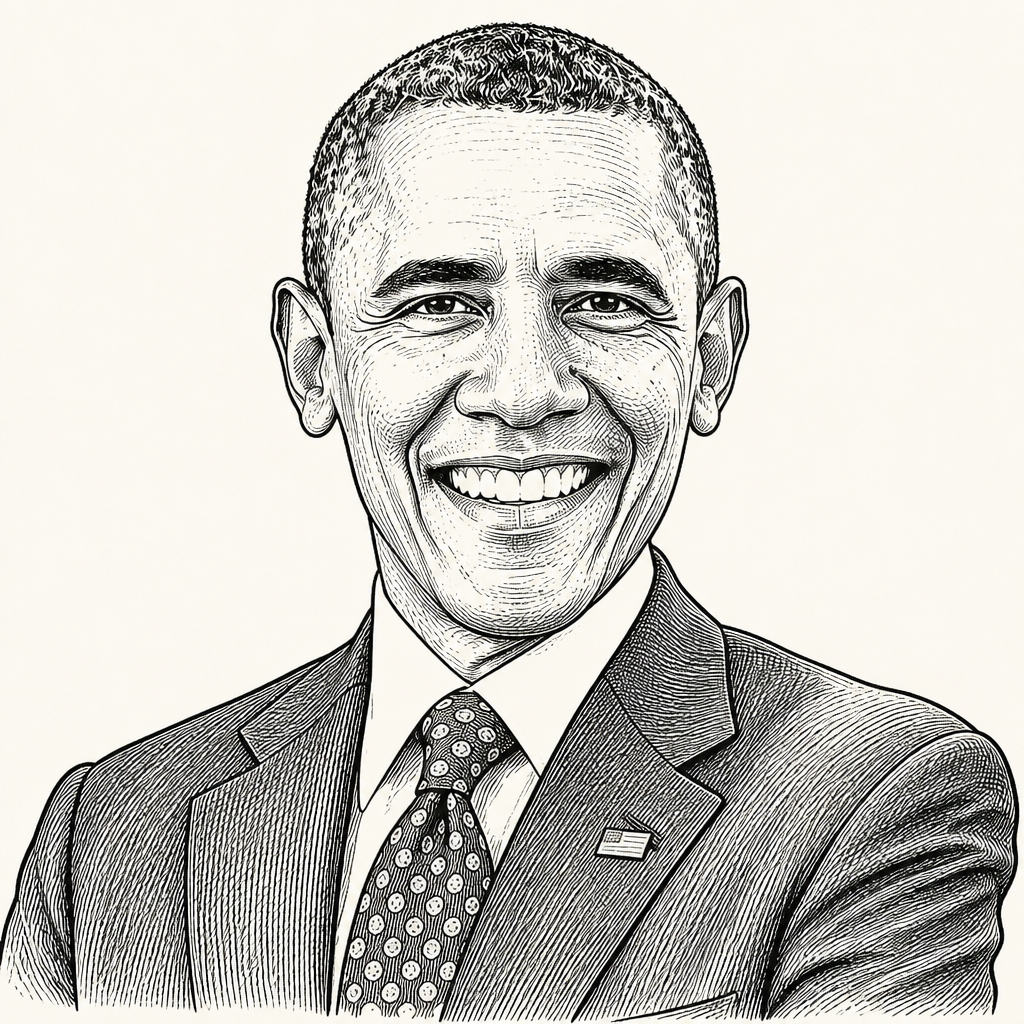
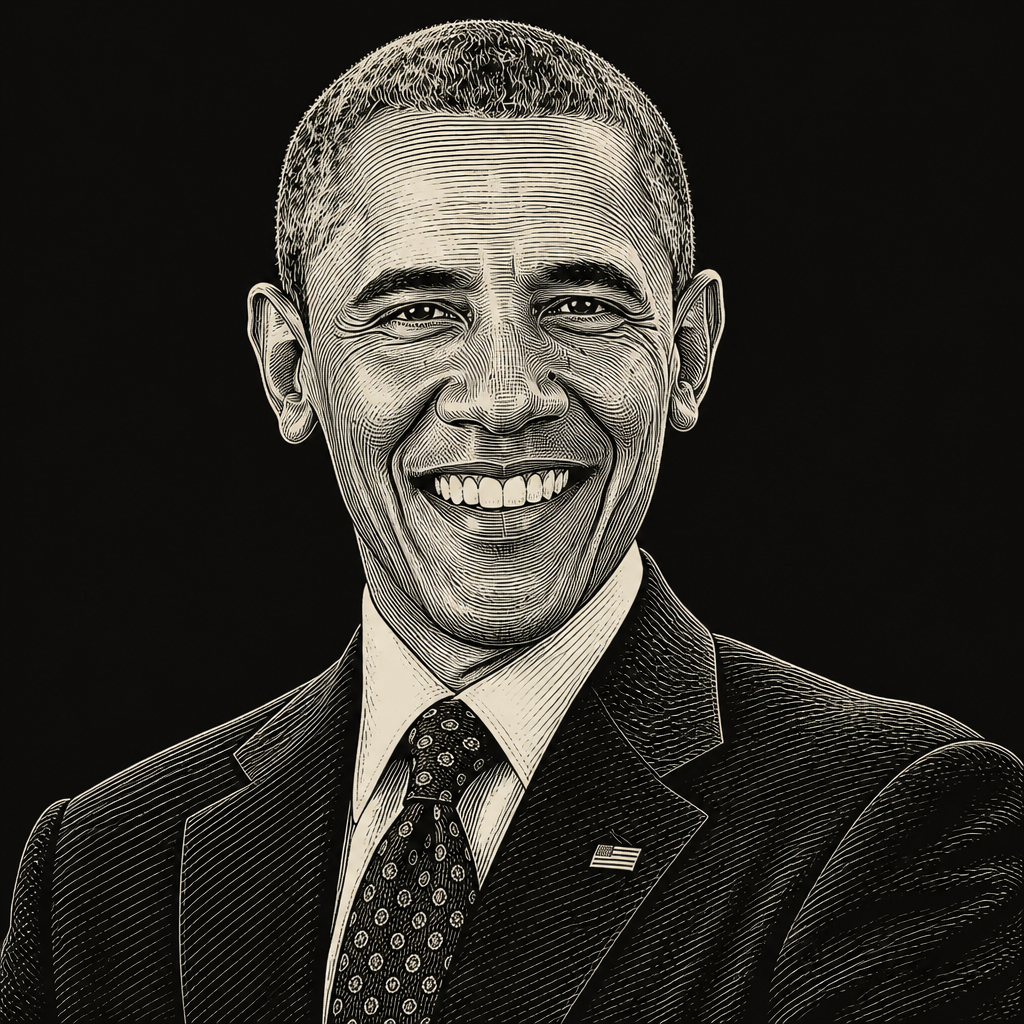
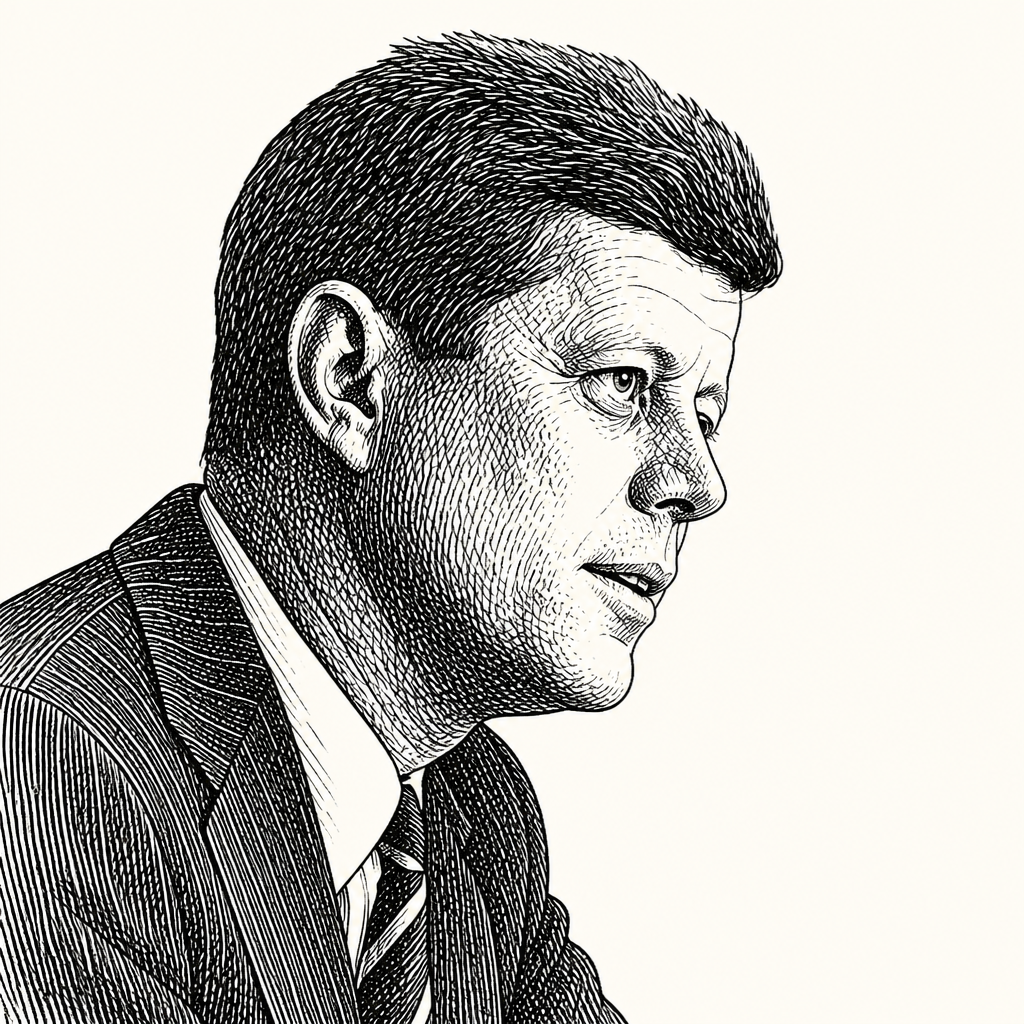
Barack Obama gives that standard an economic and civic form, crediting “the risk-takers, the doers, the makers of things” with carrying the country toward prosperity and freedom. John Kennedy makes forward movement the defining historical impulse, saying the country was not built by those who waited, rested, or wished to look behind them, but by those who moved forward.
The images broaden that ethic beyond the speeches. A Macintosh screen declares “insanely great!”; the Atari logo follows; then a Tesla humanoid robot moves its arm and hand beside the label “Tesla-designed actuators & sensors.” The montage places consumer computing, games, and robotics within the same visual language of making and technical ambition.
Renewal is equally prominent. Bill Clinton frames the country’s remedy as internal: “There is nothing wrong with America that cannot be cured by what is right with America.” Franklin Roosevelt calls his generation to a “rendezvous with destiny,” treating the future as a collective demand rather than a passive expectation.
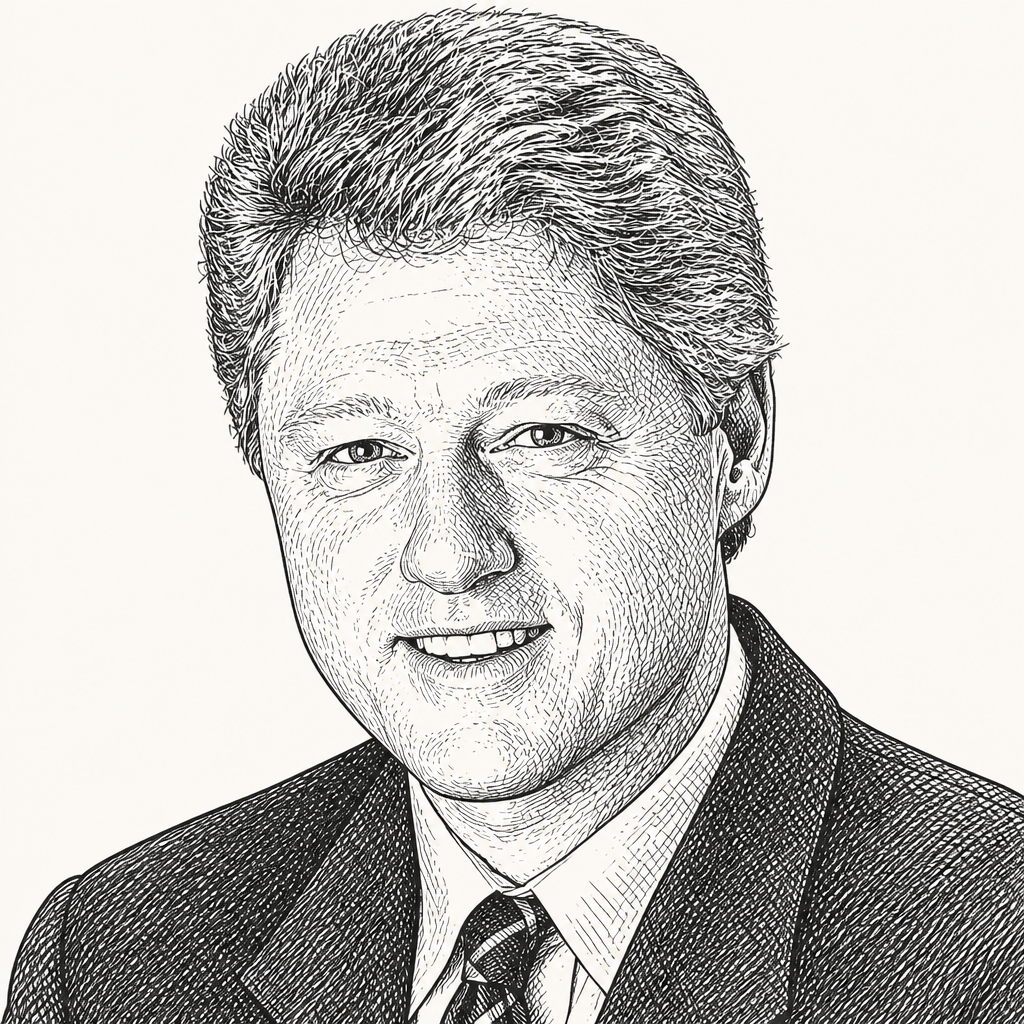
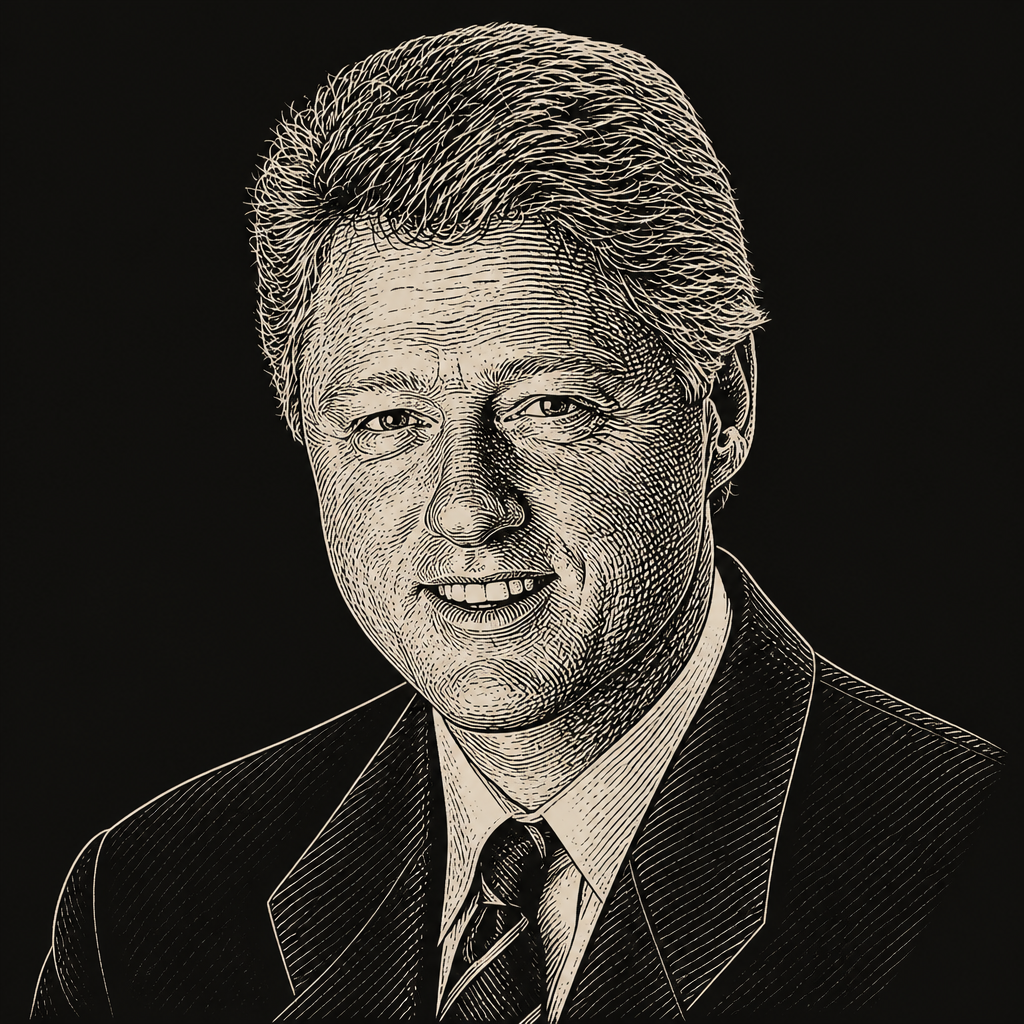
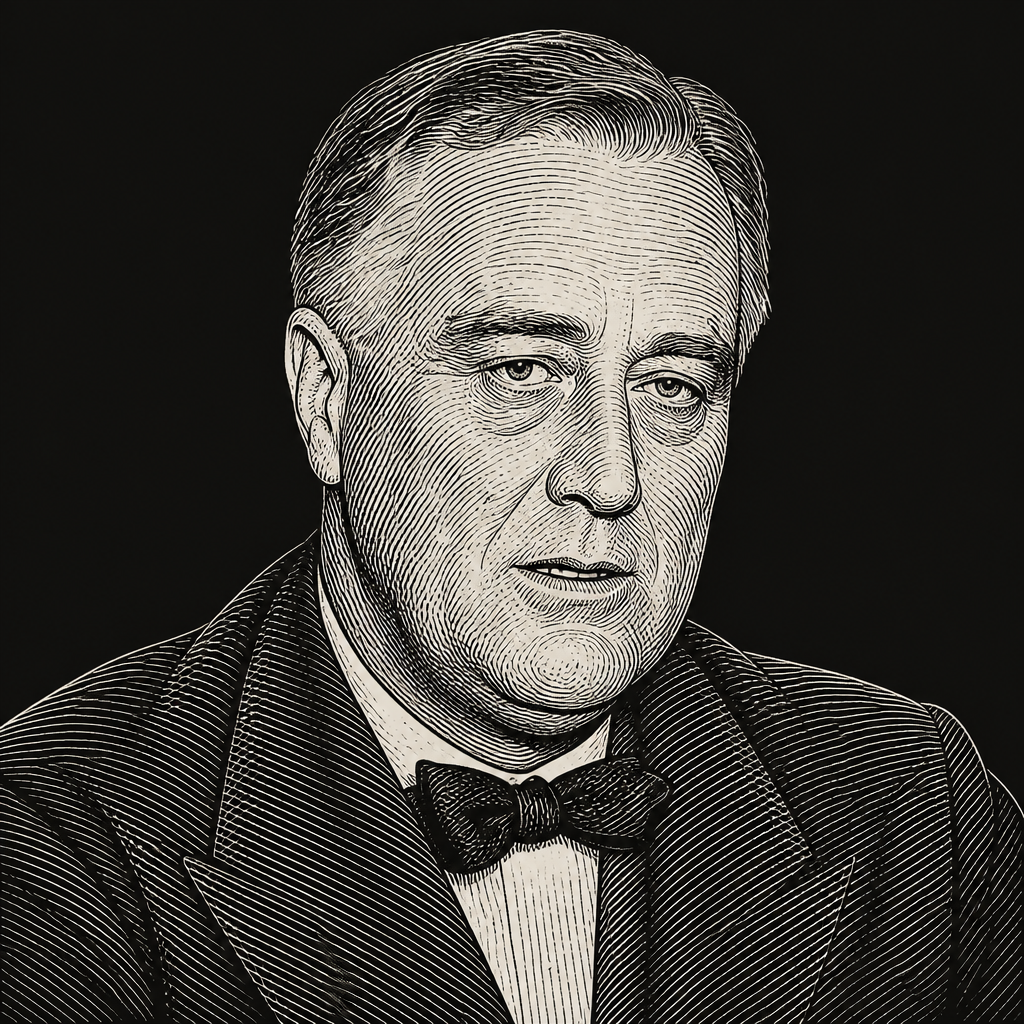
The remaining quotations vary in politics and tone but return to confidence in national capacity. Ronald Reagan asks why Americans should not believe they can resolve their problems together. Joe Biden calls the country “second to none” and says it “own[s] the finish line.” Donald Trump promises to make America great again, while George Bush thanks Americans for making the nation proud.
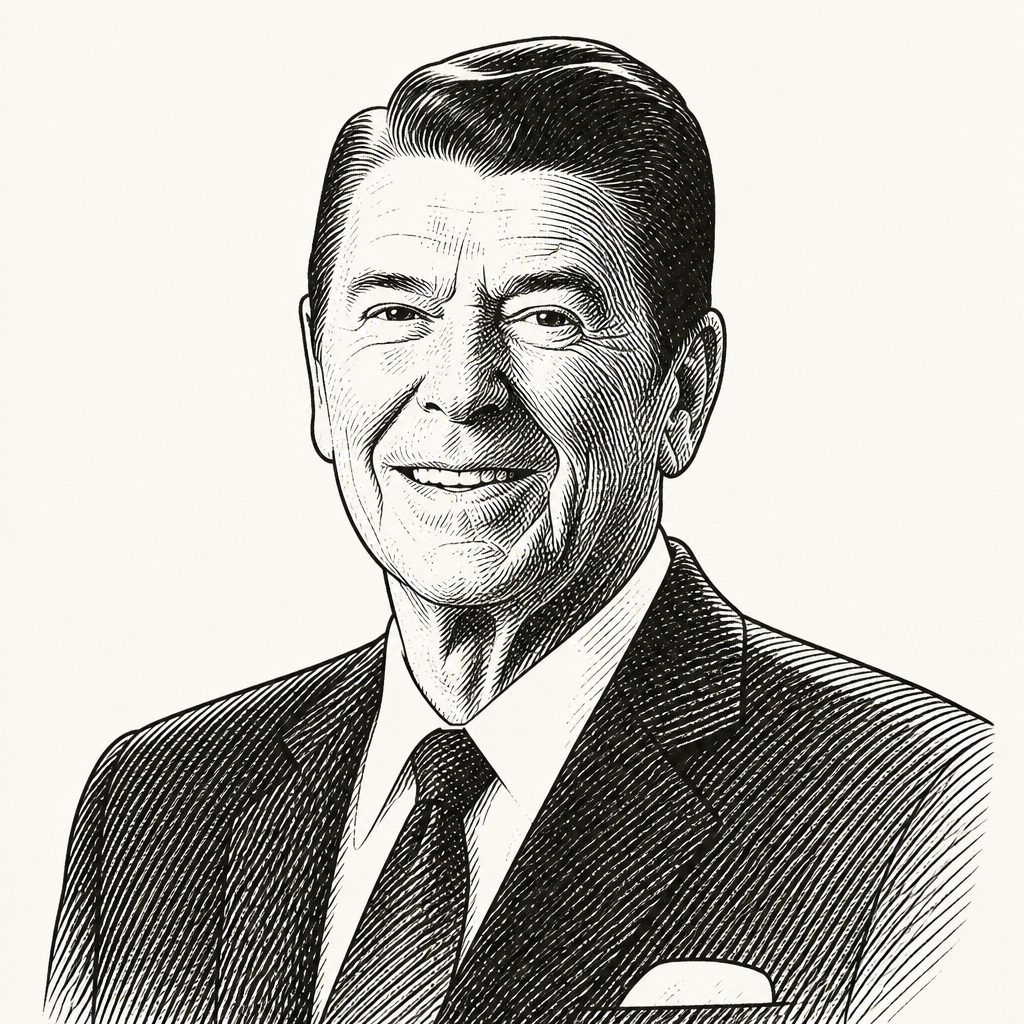
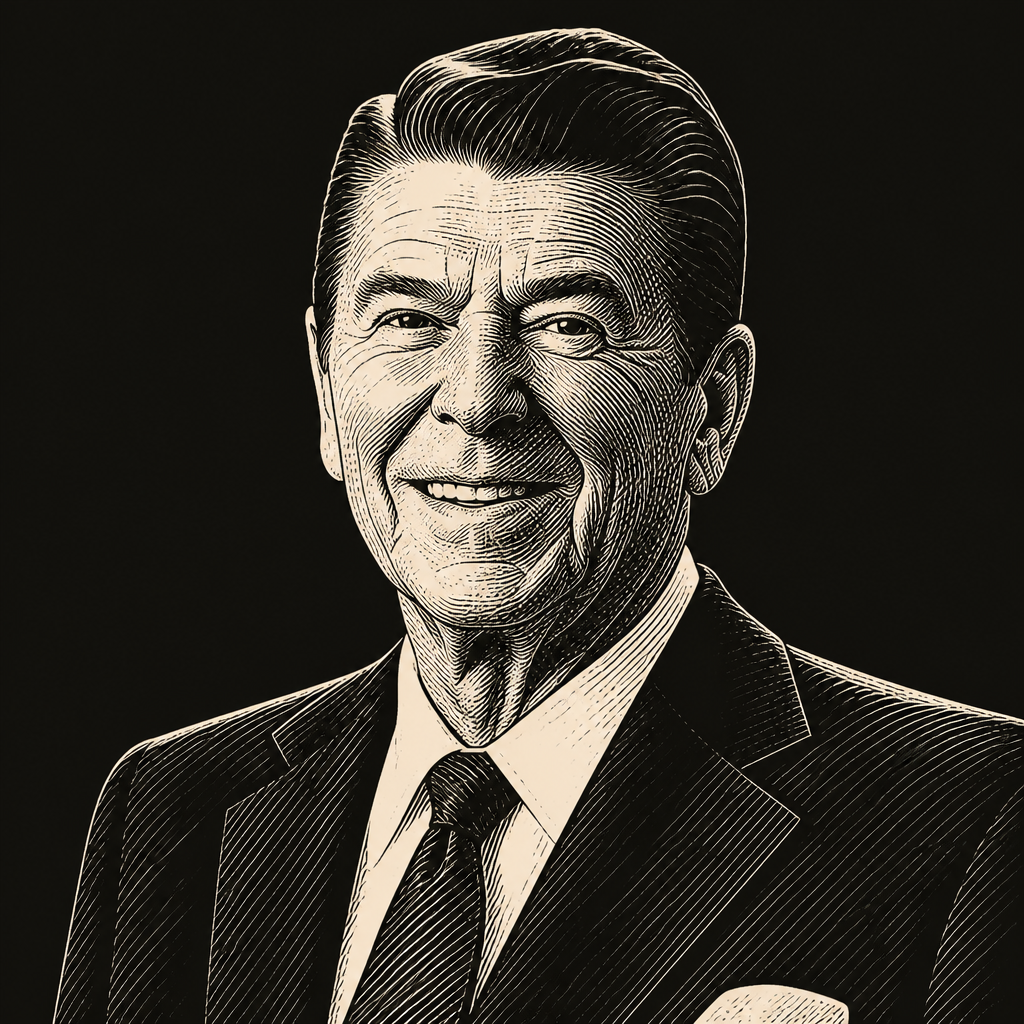
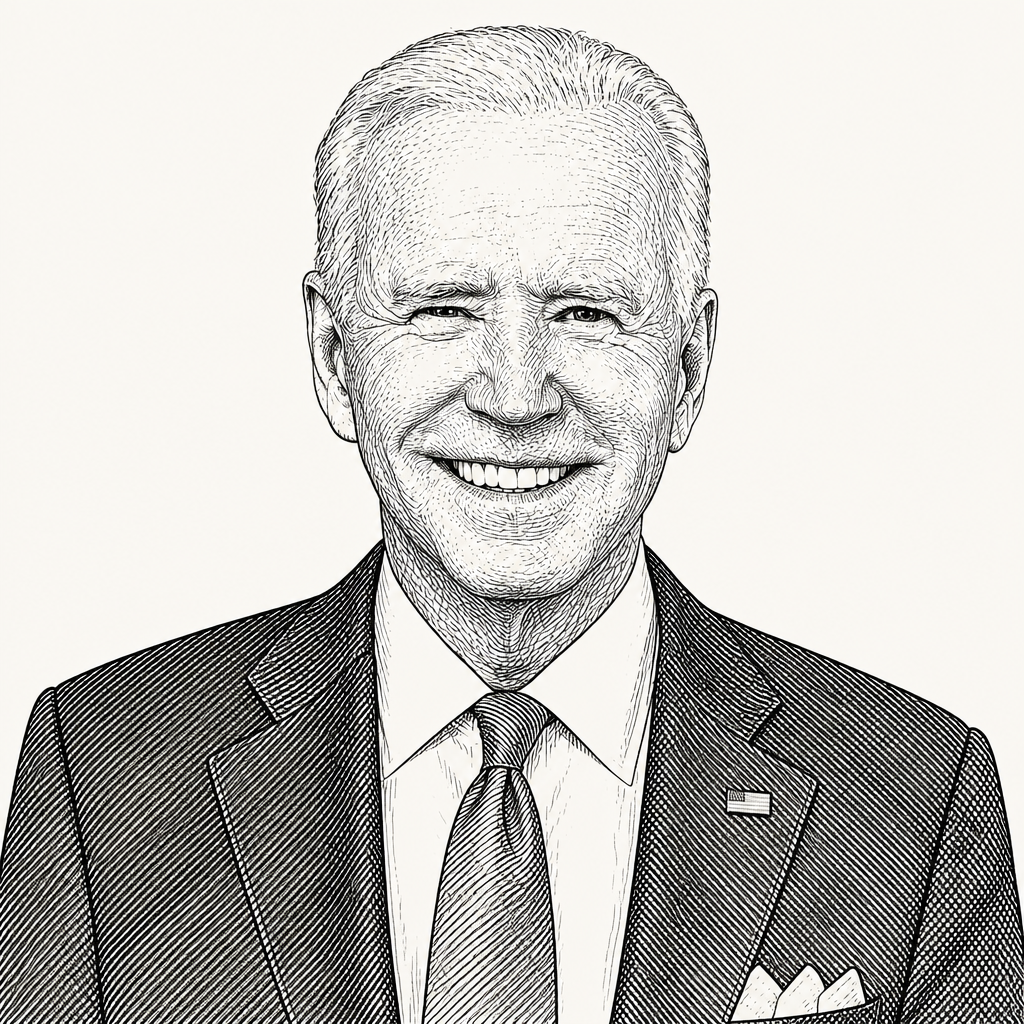
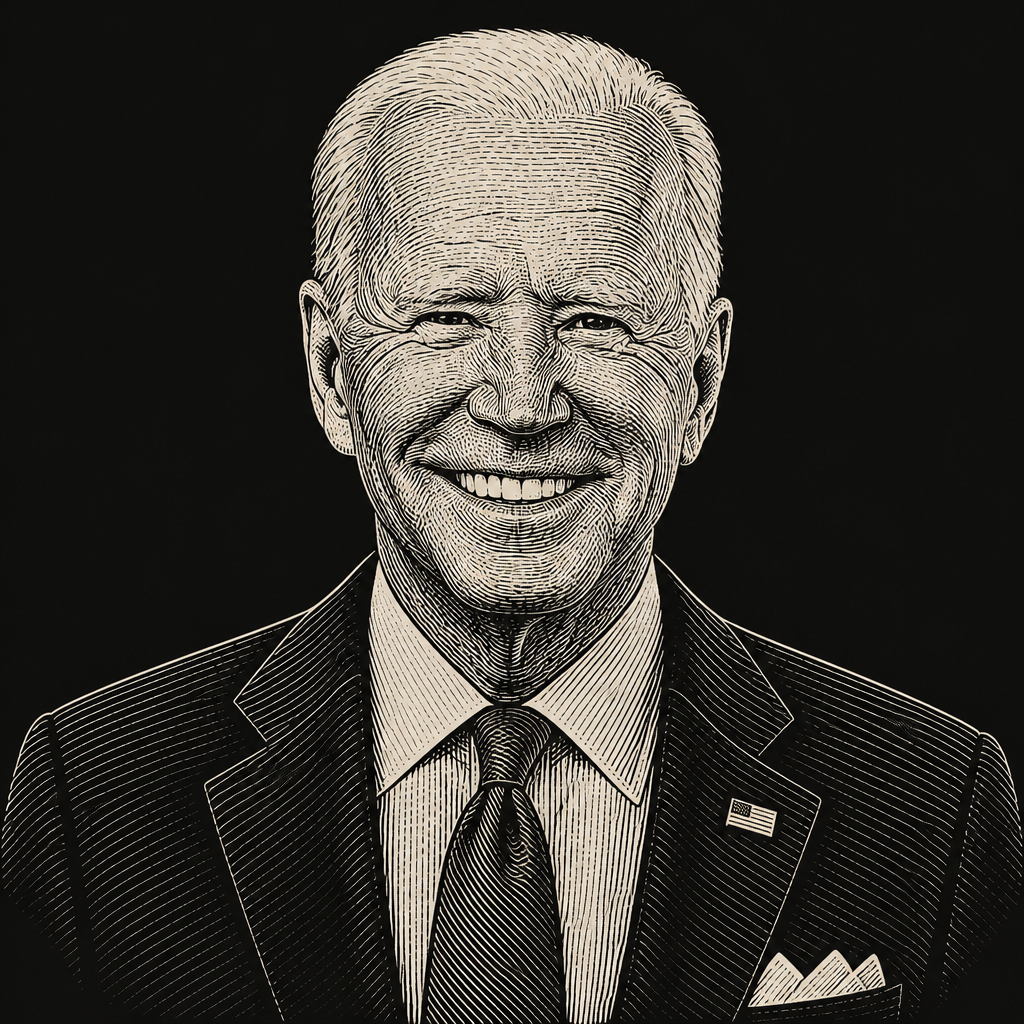
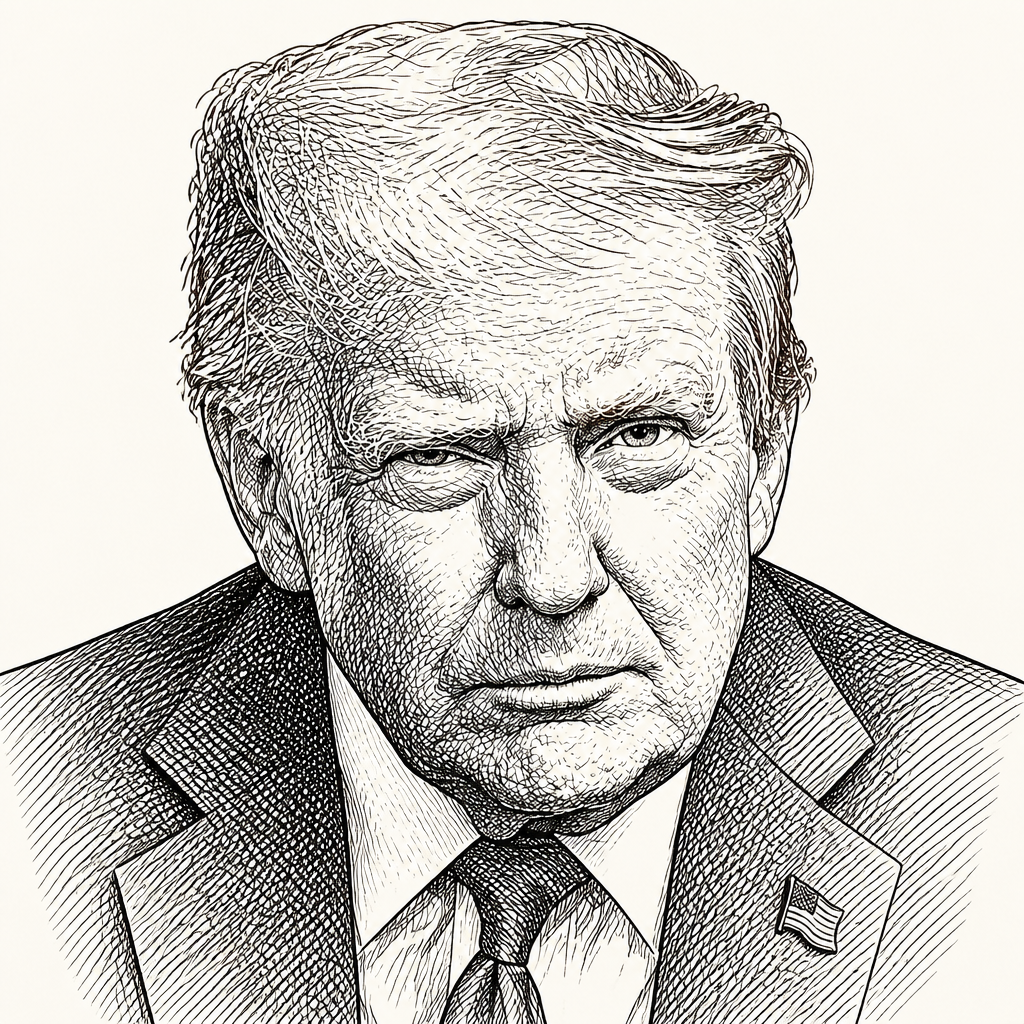

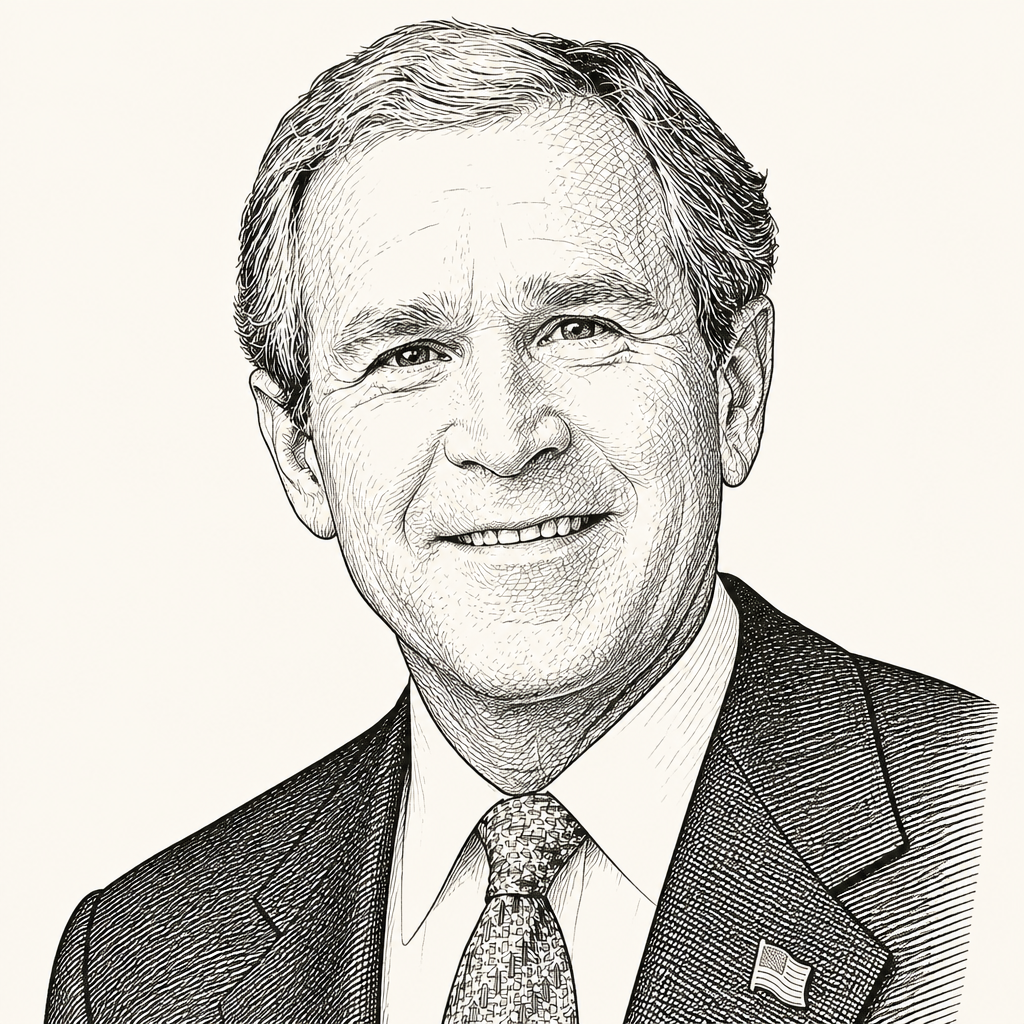
Across the selected quotations, the montage emphasizes a shared vocabulary of building, risk, forward motion, problem-solving, and national renewal. Its closing title—“America’s Next 250: Remember Who We Are”—casts those ideas as an inheritance to be recalled and enacted.