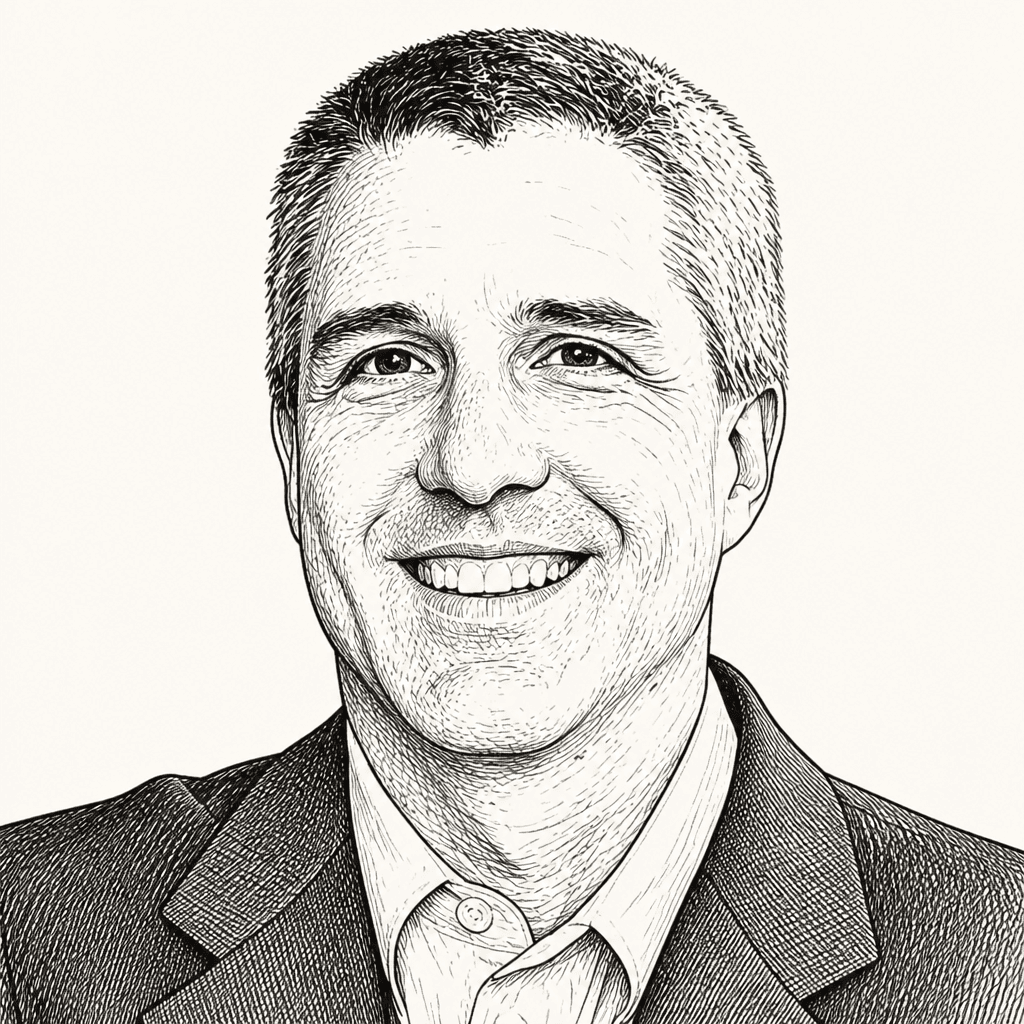
Ross Levine
Economist and Booth Derbas Family/Edward Lazear Senior Fellow at the Hoover Institution, where he co-directs the Financial Regulation Working Group. His research examines how financial regulation and financial systems shape economic growth, stability, innovation, entrepreneurship, and prosperity.
Capitalism Requires Impartial Law, Competition, and Broad Opportunity
Ross Levine argues that market-based capitalism delivers prosperity and freedom only when competition is protected by impartial law and the state is strong enough to enforce rules without becoming a dispenser of political privilege. In conversation with Steven Davis, he makes a moral as well as economic case for a system in which people advance by serving willing customers rather than securing favors, while both men argue that public policy must address market failures and give more people a meaningful chance to participate.
Central Banks Face Accountability Tests Across Independence, Reserves, and Stability Policy
At a Hoover Institution conference on central-bank independence, Marvin Barth, Darrell Duffie and Christina Skinner each framed the next phase of monetary and financial policy as an accountability problem. Barth argued that the Federal Reserve’s policy failures and lack of humility have weakened its political legitimacy; Duffie said shrinking the Fed’s balance sheet depends on changing reserve demand and payment mechanics, not simply selling assets; and Skinner argued that financial stability policy should weigh growth and economic security rather than treating every visible risk reduction as a net gain.
The American Dream Is Weakening Where Competition and Mobility Are Blocked
In a Hoover Institution discussion moderated by Washington Post columnist Megan McArdle, economists John Cochrane, Valerie Ramey and Ross Levine argue that American prosperity has depended less on wealth itself than on institutions and habits that allow competition, risk-taking, mobility and disruption. They differ on emphasis — Cochrane stresses limits on government and regulatory failure, Levine competition joined to justice and stability, and Ramey education, culture and immigration — but converge on a warning that the American Dream weakens when schools fail, incumbents are protected, fiscal space erodes and politics stops doing routine maintenance.