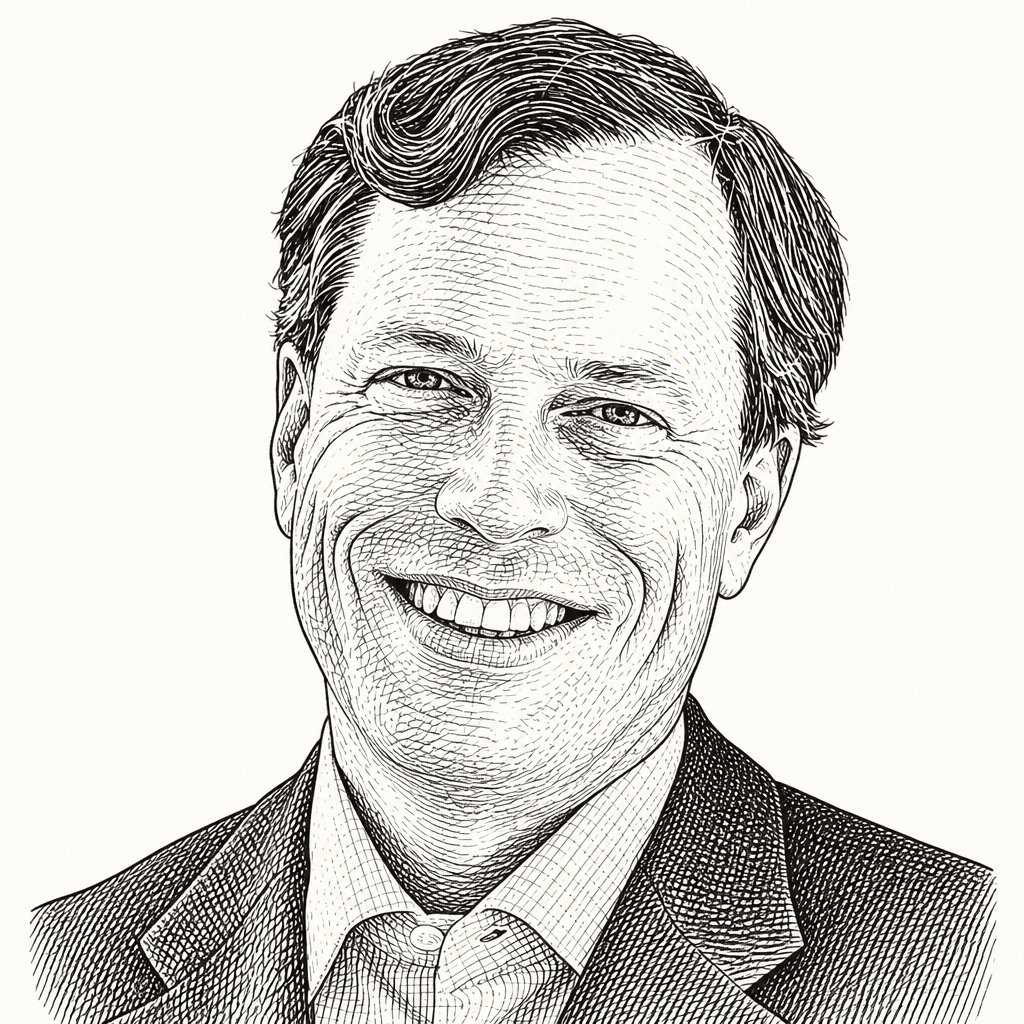
Philip Zelikow
Philip Zelikow is the Botha-Chan Senior Fellow at Stanford University’s Hoover Institution, an attorney and former career diplomat whose work focuses on statecraft, national security, policy design, and the implications of frontier AI. He previously served as Counselor of the U.S. Department of State and directed the 9/11 Commission and the Covid Crisis Group.
Build Rate, Not Energy Reserves, Will Determine AI Leadership
Philip Zelikow of the Hoover Institution argues that U.S. leadership in AI will depend not only on chips and software but on the ability to build electricity generation and transmission at far greater speed. America’s fuel resources and nuclear prospects offer little strategic advantage, he says, if projects take 10 to 15 years while China expands power capacity across multiple sources at scale. Zelikow calls for bipartisan regulatory changes that turn energy abundance into operating capacity for a data-center-intensive economy.
Cross-Border Threats Demand Intelligence Before Crisis Forces Clarity
Phillip Zelikow, executive director of the 9/11 Commission, argues that the attacks exposed a war the United States had failed to recognize and forced it to confront how transnational threats exploit safe havens, porous travel and identity systems, and divided government agencies. He credits post-9/11 reforms with making another attack harder, while arguing that the underlying lesson now applies to AI-enabled risks, pandemics, cyber threats and criminal networks: institutions built for earlier eras should be reviewed before another crisis dictates the response.
China’s Communists Won Through Foreign Backing and Attritional War
At a Hoover Institution book talk, historian Frank Dikötter argued that the Chinese Communist Party’s victory in 1949 was neither inevitable nor chiefly the result of mass peasant support. Drawing on archival research behind Red Dawn Over China, Dikötter presented the conquest as a contingent outcome shaped by Soviet sponsorship, Japan’s destruction of the Chinese Republic’s position, American pressure for truce and coalition in 1946, and the party’s use of coercion, forced conscription and attritional warfare.
China Could Pressure Taiwan Into Submission Without Invading
In Defending Taiwan, Eyck Freymann argues that U.S. strategy is too narrowly focused on deterring a Chinese invasion and is underprepared for a gray-zone crisis that could isolate Taiwan without open war. Freymann’s case, developed in discussion with Hoover Institution participants including Philip Zelikow, is that Beijing’s most plausible path may be legal, commercial, and coercive control over Taiwan’s external ties. Deterrence, he argues, will require Washington and its allies to integrate military power with political discipline, economic planning, technological leverage, and diplomatic coordination before such a crisis begins.