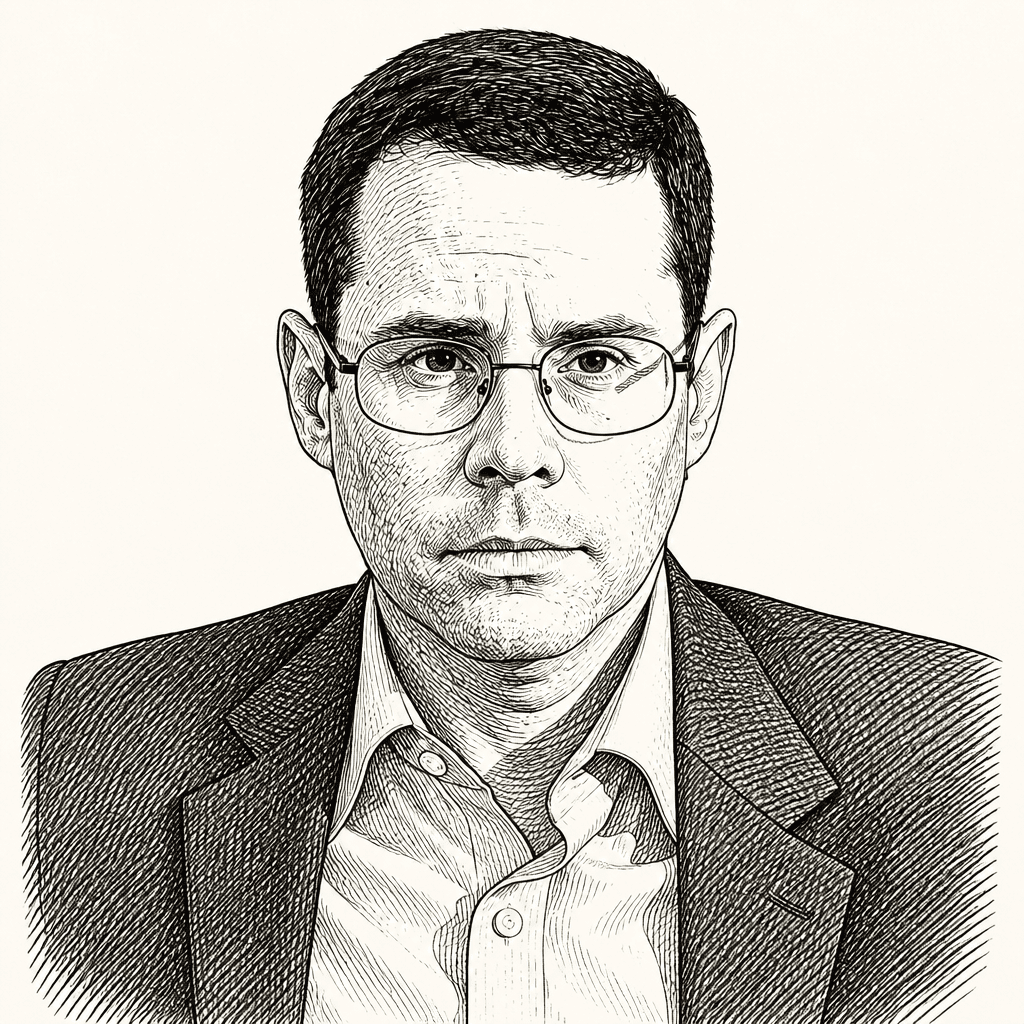
Michael Auslin
Michael Auslin is a historian and the Payson J. Treat Distinguished Research Fellow at the Hoover Institution, Stanford University. He is the author of National Treasure: How the Declaration of Independence Made America, as well as books on Asian history and geopolitics.
The Declaration Made Independence a Risky Decision, Not an Inevitable Outcome
Michael Auslin, a Hoover Institution distinguished research fellow and author of *National Treasure: How the Declaration of Independence Made America*, argues that the Declaration’s significance lies partly in the uncertainty surrounding its creation: in 1776, the colonies had no guarantee they would win the war or remain united. He traces how an improvised act of separation became a lasting standard for judging whether government acts legitimately.
The Declaration of Independence Endures as America’s Unity Document
Historian Michael Auslin argues in his new book, National Treasure: How the Declaration of Independence Made America, that the Declaration’s endurance rests not only on its claims about liberty and equality but on its assertion that Americans are “one people.” In this Hoover Institution discussion, Auslin presents the Declaration as a unity document whose authority grew through compromise, preservation, reproduction and repeated use by later movements seeking fuller membership in the American project.
The Declaration of Independence Became America’s Unity Document Over Two Centuries
In a Hoover Institution book launch for National Treasure, historian Michael Auslin argues that the Declaration of Independence began as a wartime instrument and diplomatic necessity before Americans made it a sacred national text. Auslin’s central claim is that the document’s afterlife — as parchment, symbol, commercial object, equality claim and constitutional touchstone — shows it was not only about liberty and equality, but also about creating “one people” out of divided colonies.