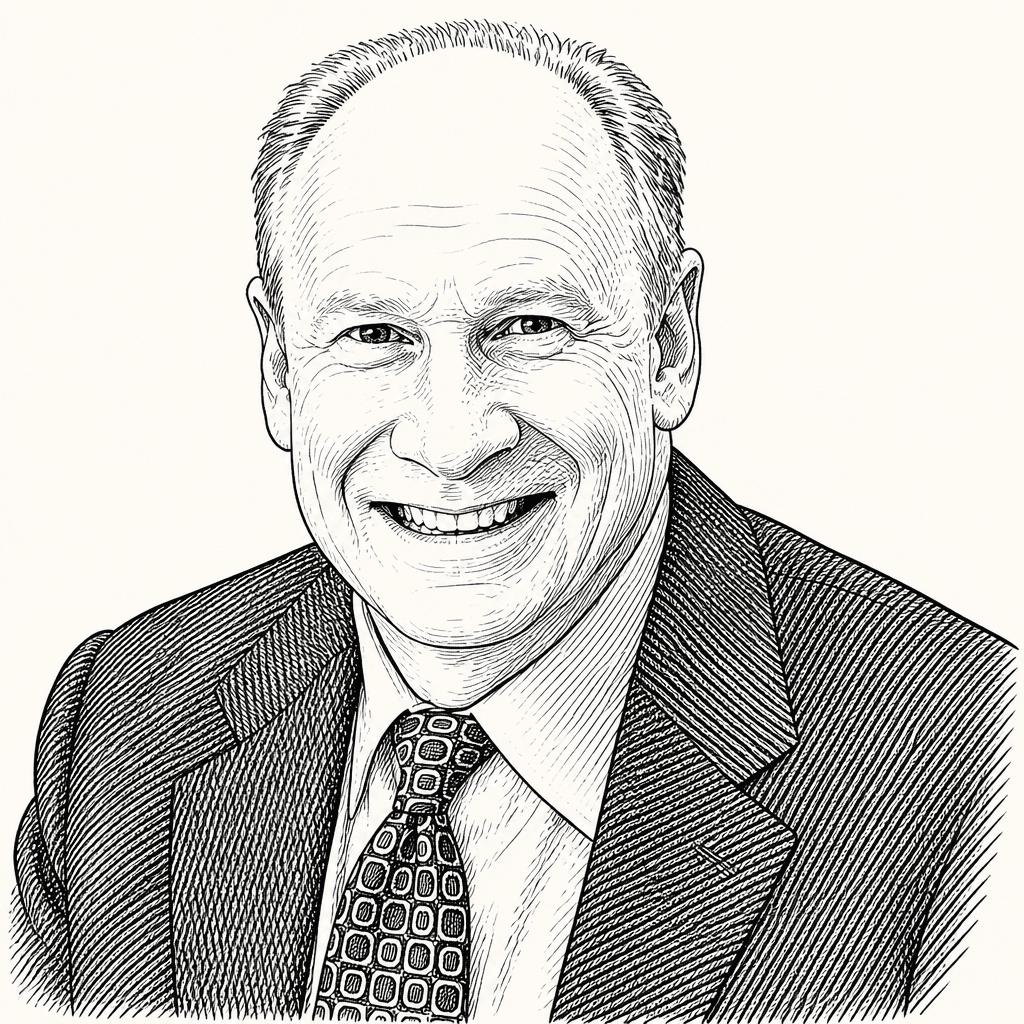
Lee Ohanian
Lee Ohanian is a Hoover Institution senior fellow (adjunct) and UCLA professor of economics who studies economic growth, macroeconomics, and public policy. He also writes and comments on California policy.
California’s Rail Project Faces a 2027 Cash Deadline and No Clear Funding
The Paramount settlement may keep the company in Los Angeles, but it does not promise production in California or reverse the state’s loss of entertainment work, Bill Whalen and Lee Ohanian argue. Their account points to a broader gap between preserving a major company and resolving the state’s underlying problems: Ohanian says high-speed rail lacks a sound business case, while Whalen warns that the project may run out of cash by December 2027. Whalen also reads Governor Gavin Newsom’s recent political moves as positioning for a possible 2028 presidential run.
California’s Homelessness Spending Faces an Accountability Test
As California’s legislative session nears its deadline, Hoover Institution fellows Bill Whalen and Lee Ohanian argue that homelessness remains Governor Gavin Newsom’s clearest political and policy vulnerability. They contend that the state’s Housing First approach has spent heavily without adequately measuring results or connecting housing to treatment, sobriety, and recovery. The pair also warn that California risks weakening its economic position if opponents of a proposed wealth tax cannot articulate the costs of business departures and if regulators allow the Paramount dispute to push production elsewhere.
California Wealth-Tax Deal Nears Deadline as Unions Split Over Revenue
In a Hoover Institution California update, Bill Whalen and Lee Ohanian argue that the state’s politics are being shaped by institutional strain more than any single scandal. They say the federal investigation of Gavin Newsom and Jennifer Siebel Newsom could help Newsom cast himself as a Trump target in a Democratic presidential race, while exposing family finances and behested payments to deeper scrutiny. They also frame California’s election rules, Xavier Becerra’s likely succession, and a possible deal to avert a billionaire wealth-tax ballot fight as evidence of a system increasingly governed by distrust, weak execution, and interest-group bargaining.
California’s Revenue Windfall Masks a Narrow and Mobile Tax Base
In a Hoover Institution California update, Bill Whalen and Lee Ohanian argue that the state’s newly balanced budget reflects another capital-gains windfall rather than a sounder fiscal model. They say California remains dependent on a narrow group of high-income, mobile taxpayers, with AI and possible IPOs offering more revenue upside while reinforcing the same volatility. The discussion extends that critique into state and Los Angeles politics, where they see unsettled Democratic fields and Spencer Pratt’s mayoral bid as symptoms of frustration with incumbent governance.