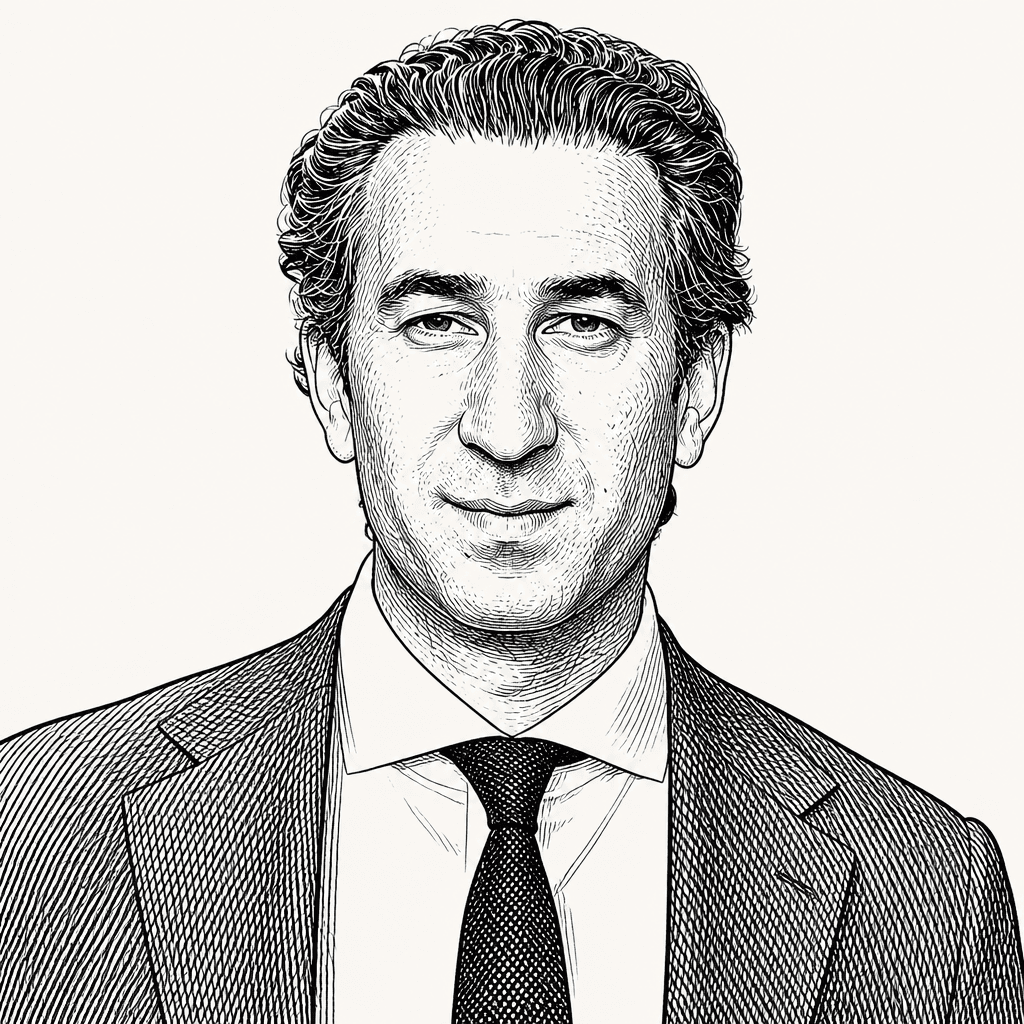
Karim Sadjadpour
Senior fellow in Carnegie Endowment for International Peace’s Middle East Program, focused on Iran and U.S. foreign policy toward the Middle East; he is also a contributing writer at The Atlantic and an adjunct professor at Georgetown University.
Iran’s Military Losses Have Not Ended Its Leverage Over Hormuz
Former U.S. national security official Robert Greenway argues that U.S. military action has reduced Iran’s nuclear, missile and drone capabilities enough to justify eliminating its remaining ability to threaten regional trade and energy flows. Senator Chris Murphy counters that Tehran’s survival and continued leverage over the Strait of Hormuz have left Washington with a weaker hand in any future negotiation. Carnegie’s Karim Sadjadpour adds that a militarily diminished Iran may nonetheless emerge more confident that coercion works.
Iran MOU Tests Whether U.S. Strikes Created Leverage Over Tehran
At the Aspen Ideas Festival, Fareed Zakaria, Kim Ghattas, Karim Sadjadpour and Mark Dubowitz debated whether the U.S.-Iran war and the subsequent memorandum of understanding left Washington with leverage or exposed the limits of American coercion. Dubowitz argued that U.S. and Israeli strikes badly weakened Iran’s nuclear, missile and proxy capabilities, while Zakaria and Sadjadpour said Tehran may have gained a new strategic weapon in the Strait of Hormuz and learned that escalation works. Ghattas placed the argument in regional terms, warning that Lebanon, Gulf states, Iranians and Israelis are now living inside an unstable cease-fire whose documents are being read differently by every side.