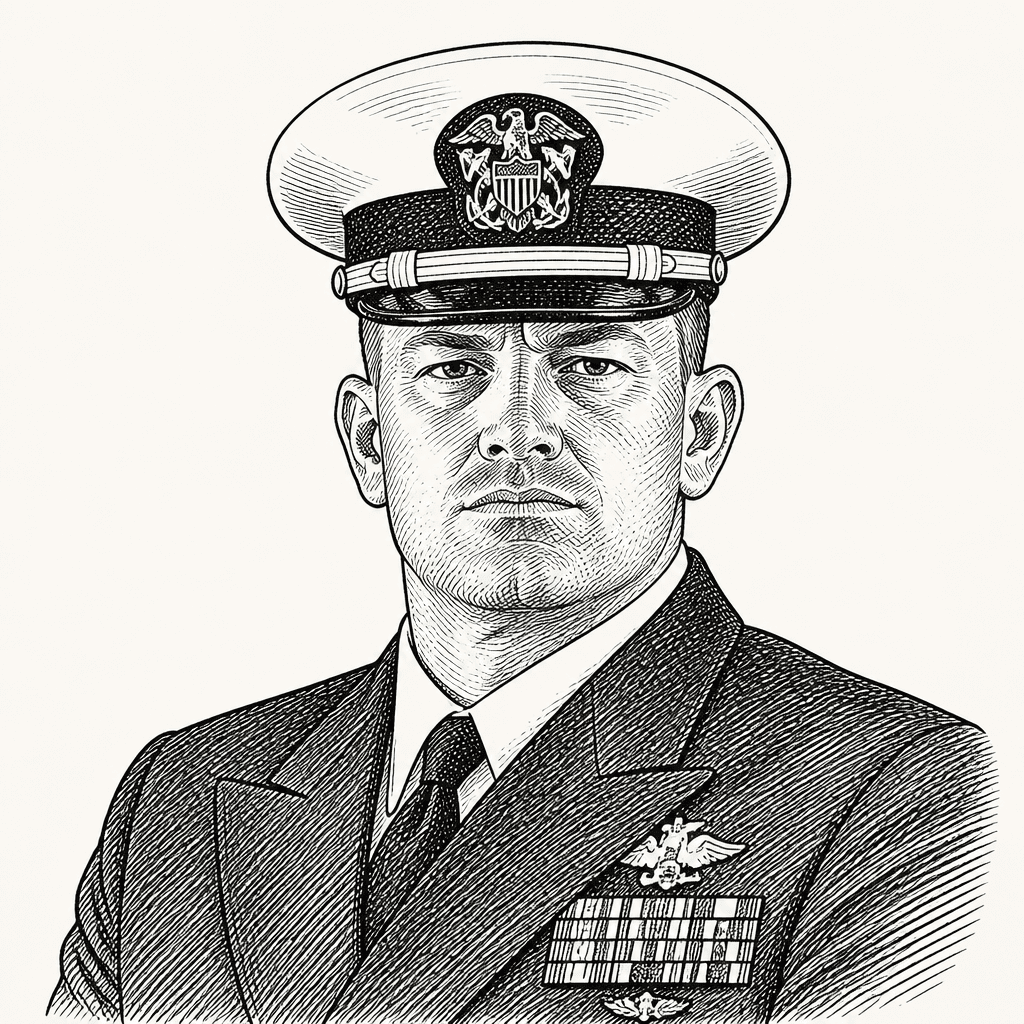
Jocko Willink
Retired U.S. Navy SEAL officer, author, podcaster, and CEO/co-founder of leadership consulting firm Echelon Front. He commanded SEAL Team Three’s Task Unit Bruiser during the 2006 Battle of Ramadi in Iraq and co-authored Extreme Ownership.
A Six-Month Campaign Became a Two-Decade War
Jocko Willink argues that the central misreading after September 11 was not simply the length of the wars that followed, but the assumption that they retained a clear military endpoint. Expecting a campaign like Panama or the first Gulf War, he feared the fighting would end before he returned to a SEAL team; by 2005, he says, Iraq had become an insurgency shaped by sectarian conflict and a US effort to build a democratic political order.
Military Force Depends on Selection, Command and Restraint
Retired Navy SEAL officer Jocko Willink argues that military effectiveness depends less on raw toughness or aggression than on an institution’s ability to select, direct and restrain it. Drawing on SEAL selection, hazing, difficult personnel and working dogs, he says physical capability and willingness to fight become useful only when they are tied to a defined mission, accountable leadership and clear limits.
Love on the Spectrum Faces Claims of Condescension and Exploitation
Comedian Jeff Dye argues that Love on the Spectrum turns autistic adults’ dating lives into sentimental entertainment, inviting viewers to call them “cute” and subjecting intimate encounters to the pressures of reality-TV production. Dye says the participants’ candor deserves respect rather than a 10-camera shoot, even as Matt McCusker sees genuine warmth and opportunity in the show. The dispute is less over whether its subjects are likable than over whether viewers can enjoy their openness without reducing it to something consumable.