A Six-Month Campaign Became a Two-Decade War

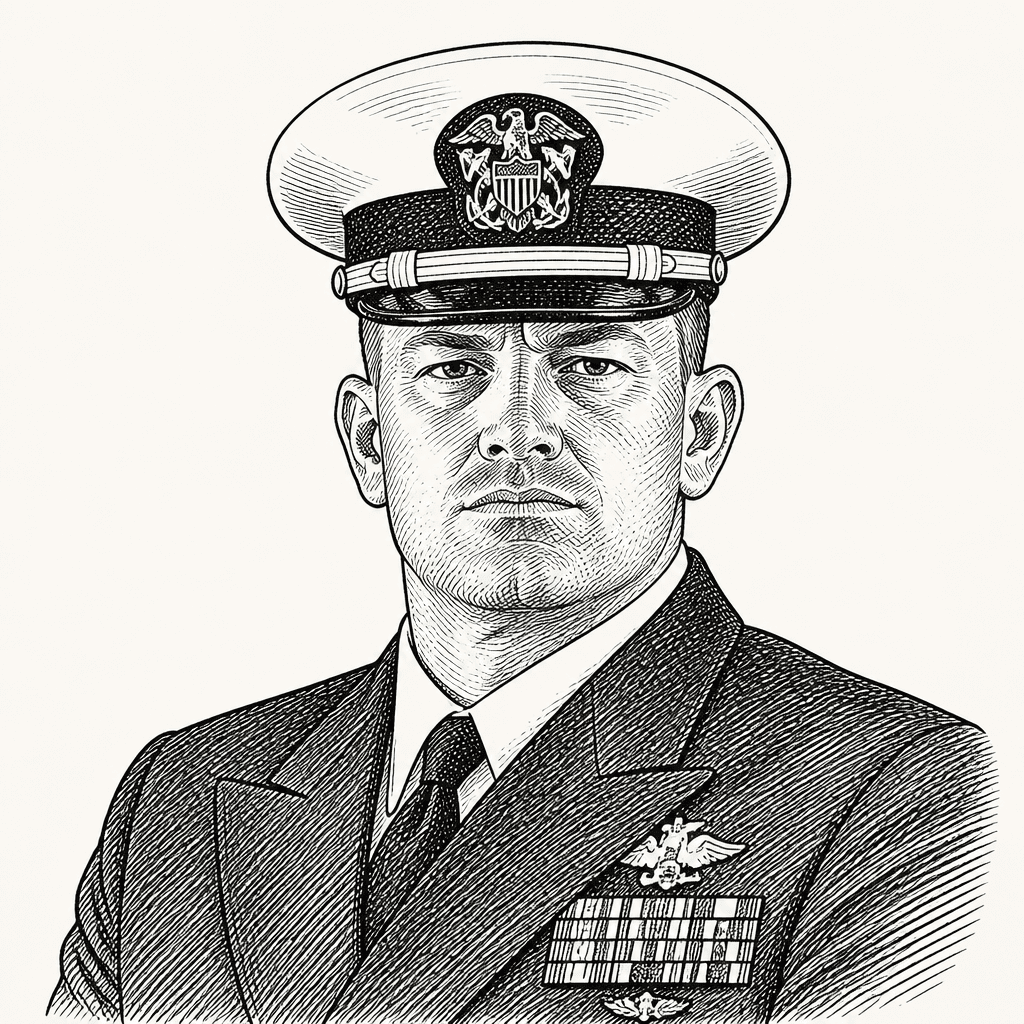
Jocko Willink argues that the central misreading after September 11 was not simply the length of the wars that followed, but the assumption that they retained a clear military endpoint. Expecting a campaign like Panama or the first Gulf War, he feared the fighting would end before he returned to a SEAL team; by 2005, he says, Iraq had become an insurgency shaped by sectarian conflict and a US effort to build a democratic political order.
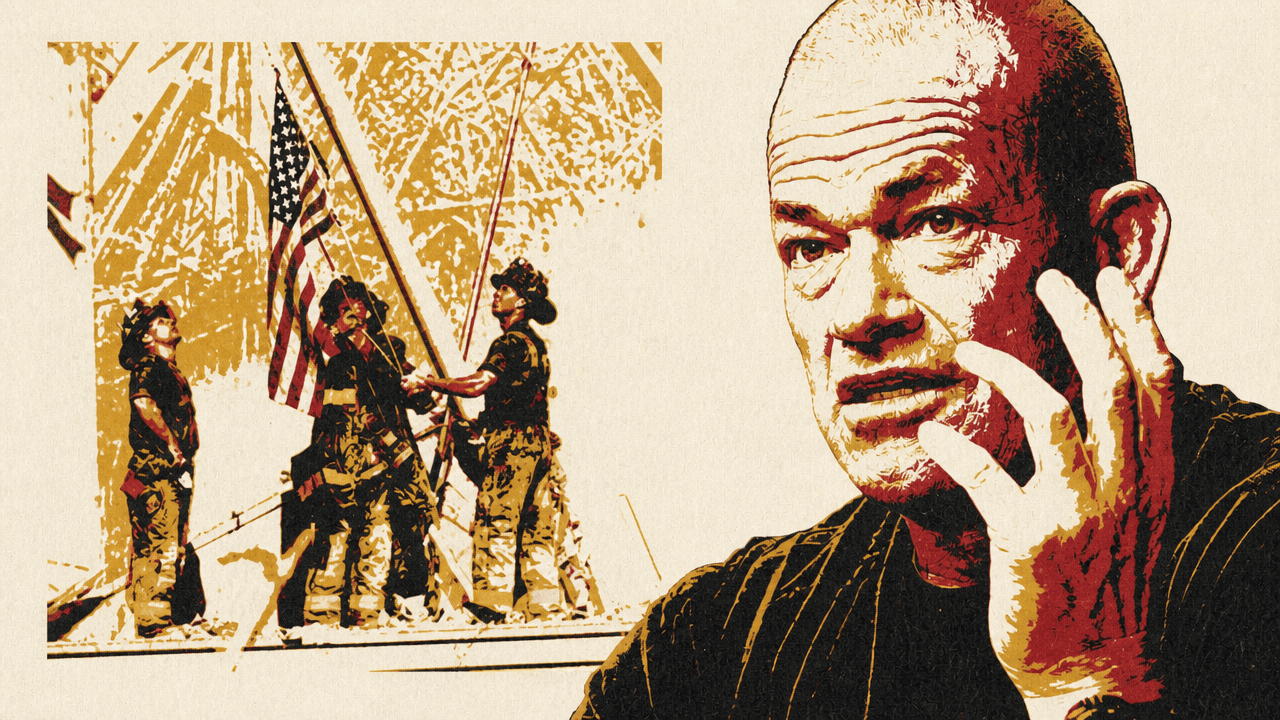
The mistake was assuming the war had a fixed military endpoint
For service members whose careers fell between Vietnam and September 11, combat was not a given. Jocko Willink says men who served from roughly 1994 through 1999 have told him they feel guilty that they never saw combat. His answer is that they did what the country required at the time.
Willink’s own 1990s experience was defined by limited operations. His unit conducted ship boardings in the Persian Gulf, taking control of vessels suspected of moving goods in and out of Iraq. They were real missions, he says, but “not that big of a deal” compared with what followed.
September 11 changed that expectation overnight. Everyone understood that the United States was going to war, Willink says. But he assumed it would resemble Panama, Grenada, or the first Gulf War: a campaign measured in days or months, with a recognizable endpoint.
We all thought that much like some of the other sort of operations that had taken place, whether it's Panama or Grenada, something like that. These things lasted a few days.
At the time, the Navy had sent Willink to college. He feared that the fighting would finish before he could return to a SEAL team, and called the officer responsible for assignments to ask to be sent back immediately. He offered to complete school later. The officer told him to finish college: the conflict, he said, would last “a really long time.”
Willink did not believe him. After joining a deploying team, he went to Iraq in 2003–04 and still regarded his six-month deployment as potentially his chance to take part before the war ended. The change in his view came when the mission no longer appeared to be a short campaign against a regime.
By 2005, Iraq looked like an insurgency and a political project
Willink places the turning point in the middle of 2005. Jocko Willink says the language he was hearing in the news changed: Iraq was no longer being treated primarily as a campaign against a regime. It was being described as an insurgency.
That distinction altered what a military victory could mean. In Willink’s account, the United States could have taken out the regime and left. Instead, it remained in Iraq and attempted to help turn the country into a democracy—an objective he questions as potentially “not a great idea.”
The conditions he describes were not limited to the remnants of a defeated government. Al-Qaeda leadership, Willink says, began coming into Iraq from other countries to run, direct, and finance operations. He also describes existing sectarian tensions: Shias were the majority population, while Sunnis had governed for a long time, leaving what he calls “bad blood” between the communities.
Willink says al-Qaeda did not want the United States to succeed in Iraq and worked to spark conflict between Sunnis and Shias. In his telling, the American presence now sat within a conflict involving outside militant leadership, internal sectarian friction, and an attempt to establish a democratic political order.
You started really hearing the shift in the news that they were saying that this is an insurgency now.
His description of working relationships captures the practical ambiguity. U.S. forces worked alongside Sunnis, he says, while Shias made up the vast majority of the Iraqi army. There was no clean alignment with one community; forces had to get along with both even as the conflict between them was being exploited.
By 2005, the original premise of a brief campaign no longer fit. The problem was not merely that fighting had continued longer than expected. In Willink’s account, a mission that might have ended with the removal of a regime had become an effort to remain through an insurgency while pursuing political reconstruction.
September 11 was a sharper break than earlier shocks
Chris Williamson describes September 11 as one of the rare events that changed the future in a very short period of time, comparing it with the atomic bombings. Willink agrees about its scale, but sees 9/11 as a more radical break in national direction.


His comparison is about trajectory rather than destruction. Without atomic bombs, Willink says, the United States would still have landed on mainland Japan and eventually won, though at much greater cost. He sees Pearl Harbor similarly: an immense shock that tipped the United States into a war it was already moving toward, despite substantial isolationist sentiment.
September 11, by contrast, arrived while the country was “carrying on with normal stuff,” Willink says, and then “boom.” Williamson calls it an “off-road left turn.” For Willink, that turn was personal as well as strategic: a career spent in the comparatively quiet 1990s was redirected into a war he had initially feared would be over before he could join it.
The eventual two-decade duration is central to the contrast. What began, in Willink’s expectation, as a finite operation against a regime became an open-ended conflict shaped by insurgency, sectarian tensions, and an American commitment to remain and pursue democratisation.