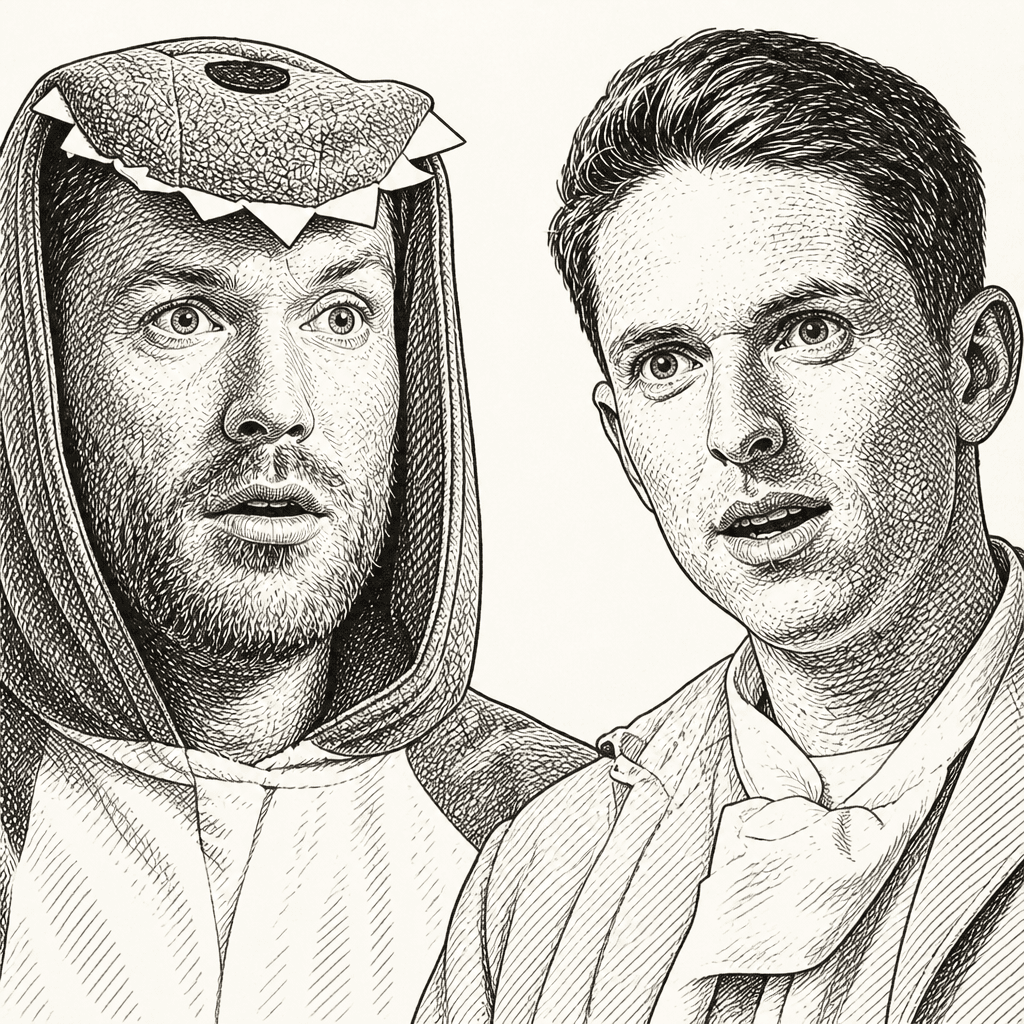
George Mack
Writer, marketer, and entrepreneur; founder of The Ad Professor and creator of the High Agency framework. He publishes the 0.1% of Ideas newsletter and focuses on advertising psychology, mental models, persuasion, and strategic thinking.
When Friction Disappears, Attention and Connection Can Go With It
Jimmy Carr, Harry Dry and George Mack argue that efficiency is a poor measure of what improves a life: removing friction can also remove attention, friendship, creative feedback and time to think. Dry and Chris Williamson make the case for deliberate limits on constant consumption, while Mack cautions that phones and other compulsions may be serving needs that predate the technology. Across work, relationships and policy, Carr’s recurring test is whether a habit or status symbol serves a real function rather than merely signalling progress.
Reflection Is Useful Only When It Changes Default Behavior
George Mack and Chris Williamson argue that many habits, norms and judgments people treat as natural are products of local circumstances, social pressure and unexamined defaults. From AI writing and procurement rules to male vulnerability and anxiety, they return to the same question: whether a reaction reflects considered judgment or inherited programming. Their practical case is for reflection that alters conduct rather than merely supplying another idea to admire.
Juan Pujol Used a Fictional Spy Network to Mislead Hitler
George Mack argues that Juan Pujol, a Spanish chicken farmer repeatedly rejected by Britain’s embassy in Madrid, made himself indispensable to British intelligence by first gaining the trust of Germany. Posing as a Nazi agent, Pujol built a fictitious network of 27 British sub-agents and supplied deception that, Mack says, helped convince Hitler that the Allied invasion would come at Calais rather than Normandy. Chris Williamson presents the story as a case for changing the evidence behind a request after rejection, rather than simply repeating it.
The AI Era Tests Which Human Frictions Are Worth Keeping
Tim Ferriss, Nirav Savjani, George Mack and Chris Williamson use a wide-ranging “Rabbit Hole” conversation to argue that the AI era’s central problem is not raw intelligence but judgment about what to retain, remove and resist. Across memory, ambient AI, future interfaces, neuromodulation, religion and consumer convenience, they return to the same claim: systems and societies that eliminate friction can also weaken attention, meaning and value. The discussion treats forgetting, restraint and selective resistance as human advantages that technology will have to learn rather than merely overcome.
AI Photo Analysis Is Moving From Skin Care to Cosmetic Advice
George Mack, Nirav Savjani, Tim Ferriss and Chris Williamson argue that image-capable AI is moving from practical skin-care triage into cosmetic judgment. Mack says Gemini identified a fungal skin treatment that years of doctors and lifestyle changes had missed; Savjani says the same photo-upload pattern is now driving looksmaxing tools that recommend facial changes, procedures and appearance edits. The discussion turns on a boundary the speakers see becoming harder to police: when AI advises what to do to a face, it can also normalize a version of that face that no longer matches reality.