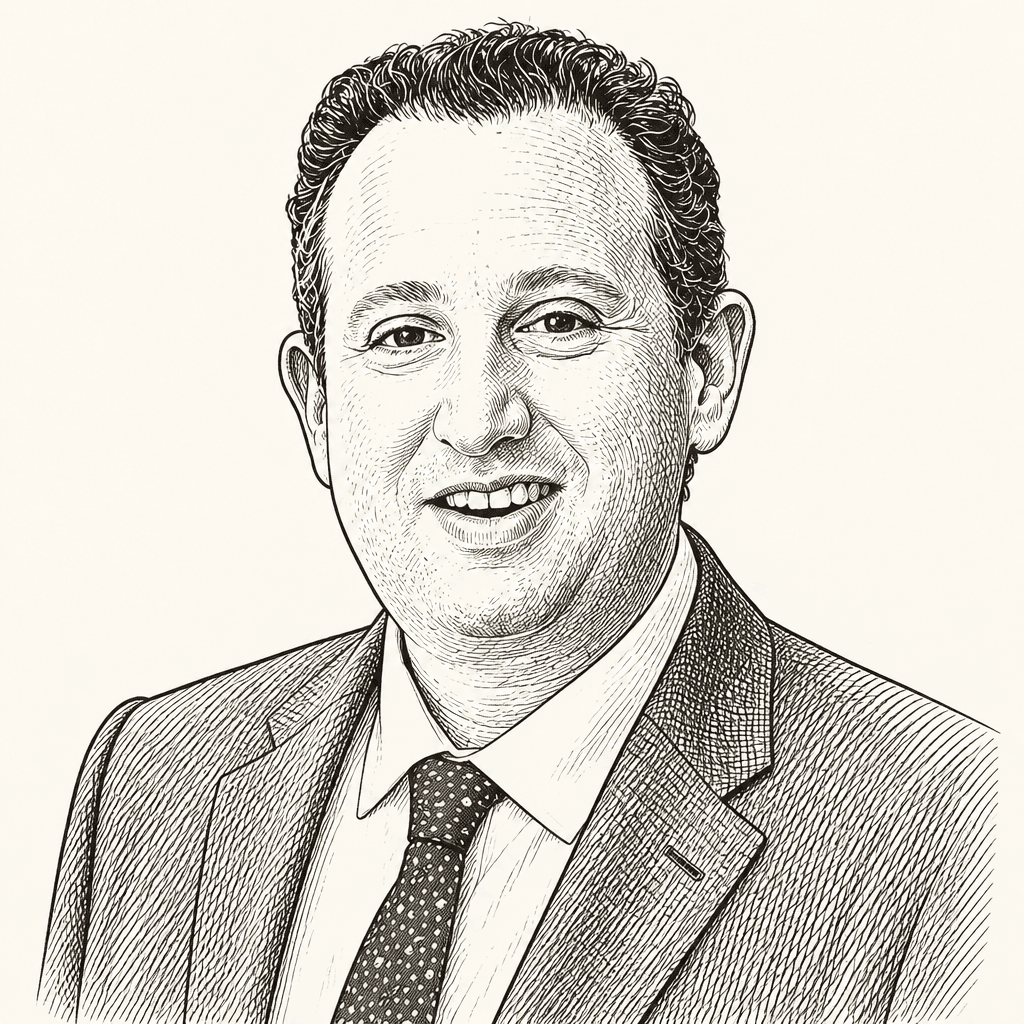
David Ulevitch
General Partner at Andreessen Horowitz, where he leads the American Dynamism practice and invests in companies advancing national-security, aerospace, public-safety, logistics, and AI-related capabilities. He previously founded OpenDNS and led Cisco's global security business after Cisco acquired the company.
Portable Microreactors Shift Nuclear Complexity From Customers to Manufacturers
Radiant argues that nuclear power can become easier to deploy if reactors are built and sold as transportable products rather than bespoke, permanent construction projects. Tori Shivanandan and Doug Bernauer say the company’s Kaleidos microreactor would deliver roughly five years of power, then return to Radiant for refueling and waste-related obligations, leaving customers without a long-term nuclear site. A planned full-power test at Idaho National Laboratory is meant to show whether that factory-built model can work in practice.
Drones and Sensor Networks Are Turning Policing Into Real-Time Response
David Ulevitch’s a16z conversation with Arizona DPS director Jeffrey Glover and Flock Safety’s Rahul Sidhu argues that public safety technology is moving from record-keeping and faster response toward earlier situational awareness. Sidhu describes drones, license-plate readers and gunshot detection as a layered system for proactive response, while Glover says agencies are building broader technology ecosystems that also monitor officer wellness, analyze body-camera footage and share intelligence across jurisdictions. Both argue that founders need direct exposure to field work if they want to build tools that departments can actually use.
America’s AI Race Requires Silicon Valley to Build for National Interest
Ben Horowitz argues that a16z’s scale gives it responsibilities that now extend into national strategy. In a conversation with David Ulevitch following the firm’s largest-ever fundraise, Horowitz says Silicon Valley should treat U.S. technological leadership in AI, defense, manufacturing and allied supply chains as a national-interest obligation, not a side concern. His case is that if the next technological revolution determines global influence, venture capital and startups have to help America build, adopt and remain optimistic about the technologies that will shape it.