Portable Microreactors Shift Nuclear Complexity From Customers to Manufacturers
 Doug Bernauer
 John Wagner
 David Ulevitch
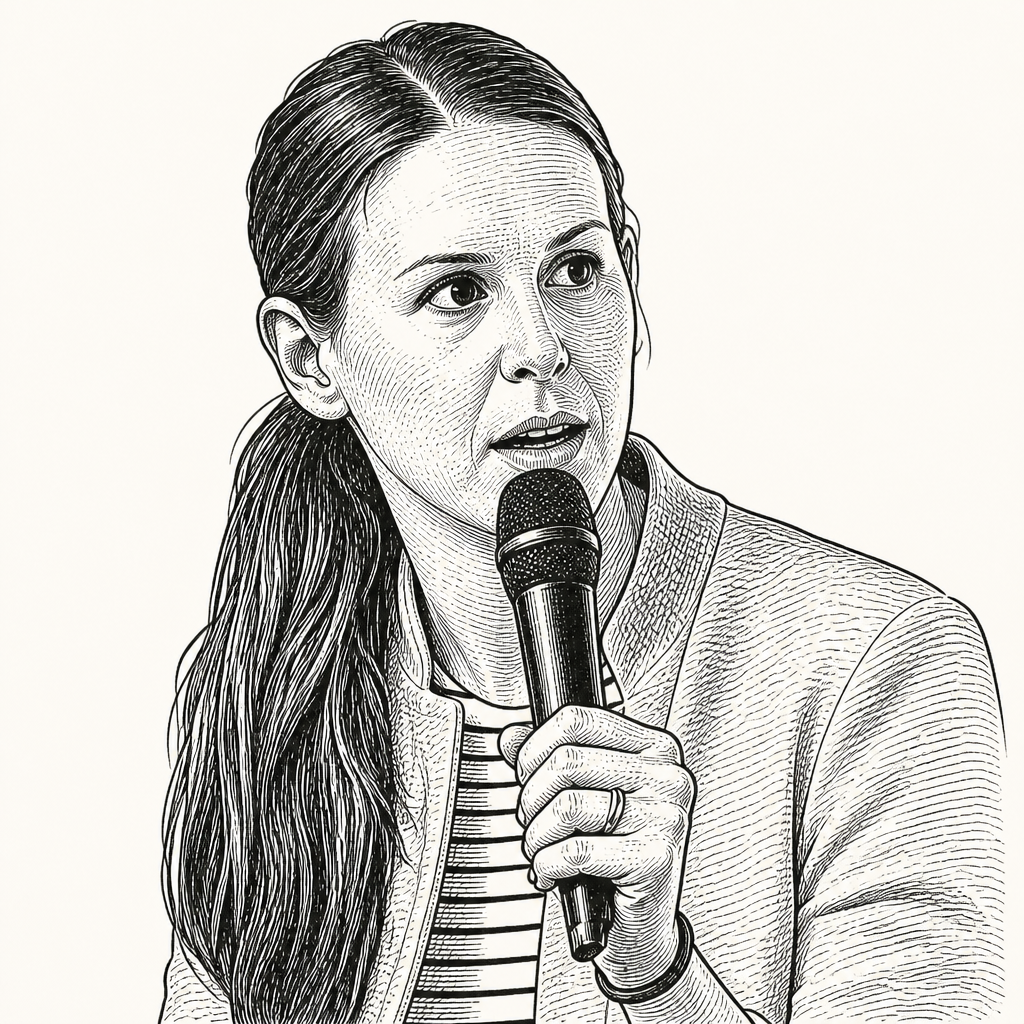
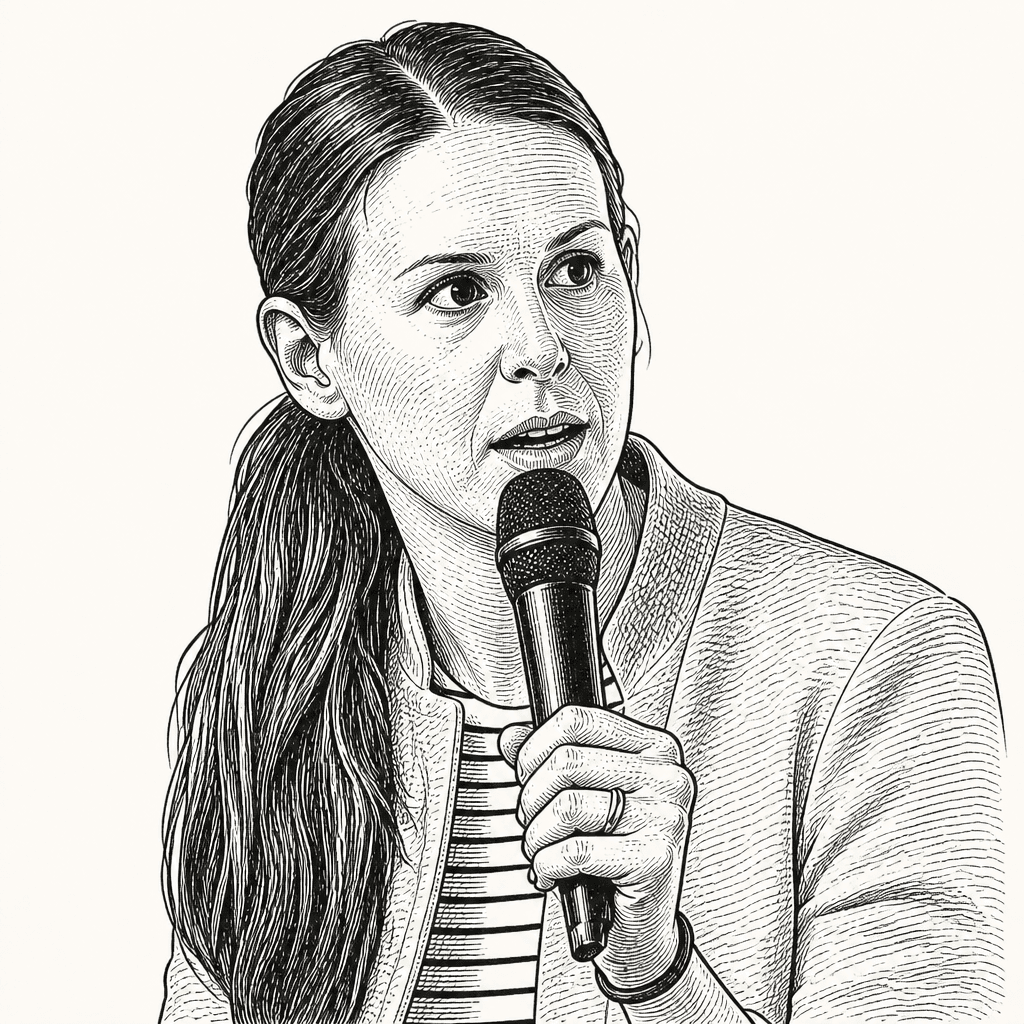 Tori Shivanandan
 Rita Baranwala16zWednesday, August 5, 20265 min read
Radiant argues that nuclear power can become easier to deploy if reactors are built and sold as transportable products rather than bespoke, permanent construction projects. Tori Shivanandan and Doug Bernauer say the company’s Kaleidos microreactor would deliver roughly five years of power, then return to Radiant for refueling and waste-related obligations, leaving customers without a long-term nuclear site. A planned full-power test at Idaho National Laboratory is meant to show whether that factory-built model can work in practice.
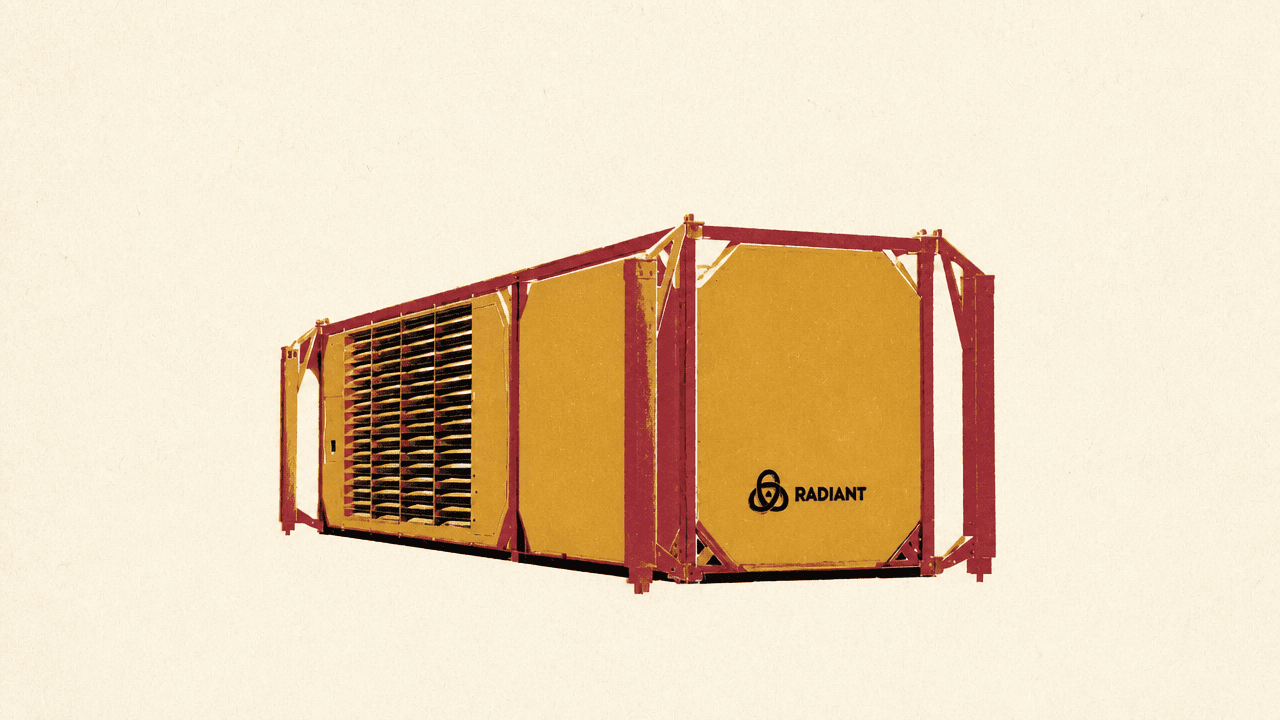
Radiant wants to sell reactors as a product, not a construction project
Tori Shivanandan frames Radiant’s premise in civilizational terms: power is the foundation of prosperity, and making it more affordable and available lets people and economies do more. The company’s practical diagnosis is narrower. The United States, she says, lost its capacity to iterate on nuclear energy because the industry stopped listening to what customers would actually accept.

Radiant’s answer is to abandon the model of a reactor as a bespoke, permanent construction project. Customers do not want to excavate a site, absorb an uncertain build schedule, manage nuclear waste, or inherit a radiological site indefinitely. They want dependable electricity without taking on the operational and financial complexity of nuclear deployment.
Doug Bernauer puts the distinction plainly: “We’re going to be doing is building reactors, not reactor buildings.” Radiant’s proposed alternative, Kaleidos, is an above-ground microreactor designed to travel by land, air, or sea. After a customer has used it, Shivanandan says, Radiant would take the unit back to its Oak Ridge, Tennessee facility for refueling and handle the nuclear-industry obligations customers do not want on site.
One of our units is five years of power in a box that just gets delivered.


Bernauer compares the intended experience to a diesel generator, but at a different duration and scale. A unit is meant to fit on the back of an 18-wheeler, occupy a few parking spaces, and supply power for five years without repeated refueling. Multiple units could be linked together, he says, to serve a small city or a large data center.
The roughly one-megawatt scale is central to that proposition. Bernauer says the reactor must be small enough to transport to a site and retrieve afterward, including taking back the fuel. That makes it relevant to remote operations, military deployments, AI infrastructure, and drones: if an operation must be deployed rapidly outside grid coverage, he says, it needs to bring power with it.
The commercial wager is that Radiant can absorb the complexity in its own factory rather than transfer it to the buyer. Shivanandan describes the intended experience as simple: “make a reactor, it shows up, it plugs in, you get power.” John Wagner says factory construction shifts uncertainty away from the site and into the manufacturer’s process. If that process works, he says, customers could face much lower—potentially nearly zero—cost uncertainty and substantially less onsite activity.


Bernauer imagines that model eventually producing one reactor per week. Shivanandan acknowledges that Radiant’s aims are not conventionally reasonable, but argues that changing society’s relationship with energy requires more than a marginal variation on existing practice.
Reliability and independence are different energy arguments
Shivanandan’s argument begins with the reliability and capacity of the existing American grid. Much of it, she says, was built in the 1960s and 1970s, while the technologies and society dependent on it have changed substantially. The country operates near the median level of power it needs, she says, and on some days in many states dips below that requirement.
For a business, Shivanandan says, an outage can be catastrophic. Her broader point is that merely satisfying present demand is insufficient for innovation: the United States needs capacity above its immediate needs to create room for growth and new capabilities.
Rita Baranwal makes a separate geopolitical case. Countries that rely on other nations for energy, she says, have “strings attached.” A supplier can become an adversary during conflict, potentially disrupting an entire country’s energy system. Domestic energy independence, in her view, provides energy security, and nuclear power can provide that independence.


Radiant places those problems against a long interruption in American reactor development. Bernauer notes that Idaho National Laboratory had 52 nuclear reactors over a 21-year span, with the last in 1977, and no advanced reactors since. He says the major activity was concentrated in the 1950s and 1960s.
David Ulevitch attributes nuclear’s sidelining to environmental advocacy groups that, in his view, pushed misinformation to the public. Wagner offers a related but distinct explanation: public perceptions helped drive a continuing ratcheting-up of regulation, and he believes nuclear was regulated out of business because it became too expensive.
The Idaho test must turn a product thesis into a repeatable one
Radiant plans to take its unit to an 80-foot-diameter dome at Idaho National Laboratory that once housed the Experimental Breeder Reactor. Bernauer says the company has been targeting 2026 for criticality there since 2020. The system is designed to exceed 700 degrees Celsius and run continuously for 150 hours.
Those parameters matter to Radiant’s buyer proposition. The company is not presenting Kaleidos as a one-off site-built project; it is proposing a product that can be manufactured, delivered, operated, retrieved, refueled, and deployed again without leaving the customer with a permanent nuclear construction project. The planned full-power run would be a significant test of Radiant’s commercial prototype and factory-built proposition.
Wagner says the dome had been slated for demolition before it was repurposed for this work. John Wagner says Radiant was selected through a competitive process based, “simplistically speaking,” on the maturity of its technology and planning. The benefit of the test, he says, is a full-power run over a significant period—what he describes as the laboratory’s first such test in a very long time.
The demonstration therefore has significance beyond reaching criticality. A sustained run is meant to show whether the technical and planning maturity Wagner cites can support the kind of predictable process that factory-built nuclear promises: less uncertainty at the customer site, with more of the burden controlled by the manufacturer.
Shivanandan recalls that Radiant had roughly 20 employees when it first told INL that it would bring a commercial prototype to the facility four years later. The laboratory would need to build out the test facility as well. In her account, the product, the test campaign, and the facility were developed together through a partnership built on faith and trust in the process.
Rita Baranwal says executive orders signed by the president in May of the prior year accelerated the effort. Bernauer says no company has yet turned on a new commercial microreactor and that Radiant intends to be the first.
That ambition depends on safe execution. Shivanandan says customers will not buy reactors that are not designed, built, and operated safely. The company needs to make money to sustain its mission, she says, but being cavalier even with a prototype would put both customers and Radiant’s future at risk.