Drones and Sensor Networks Are Turning Policing Into Real-Time Response
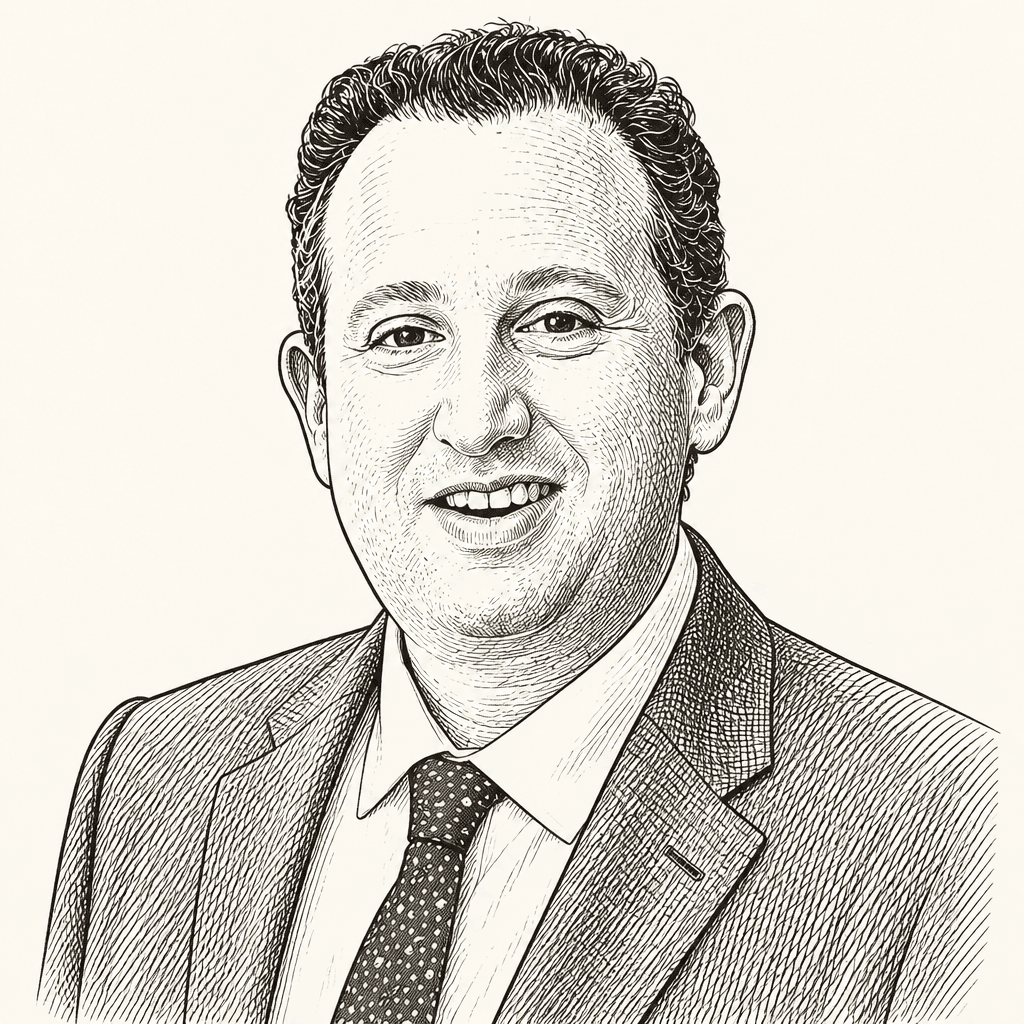
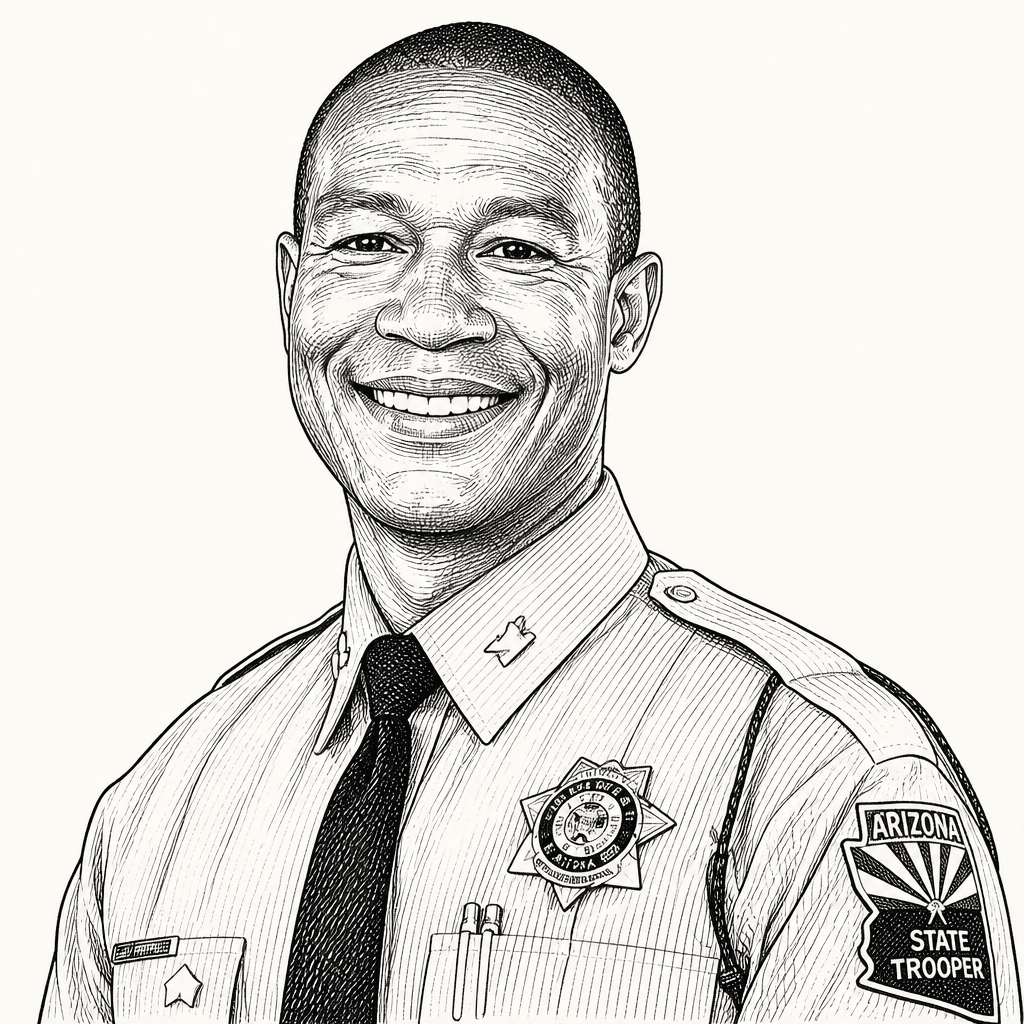
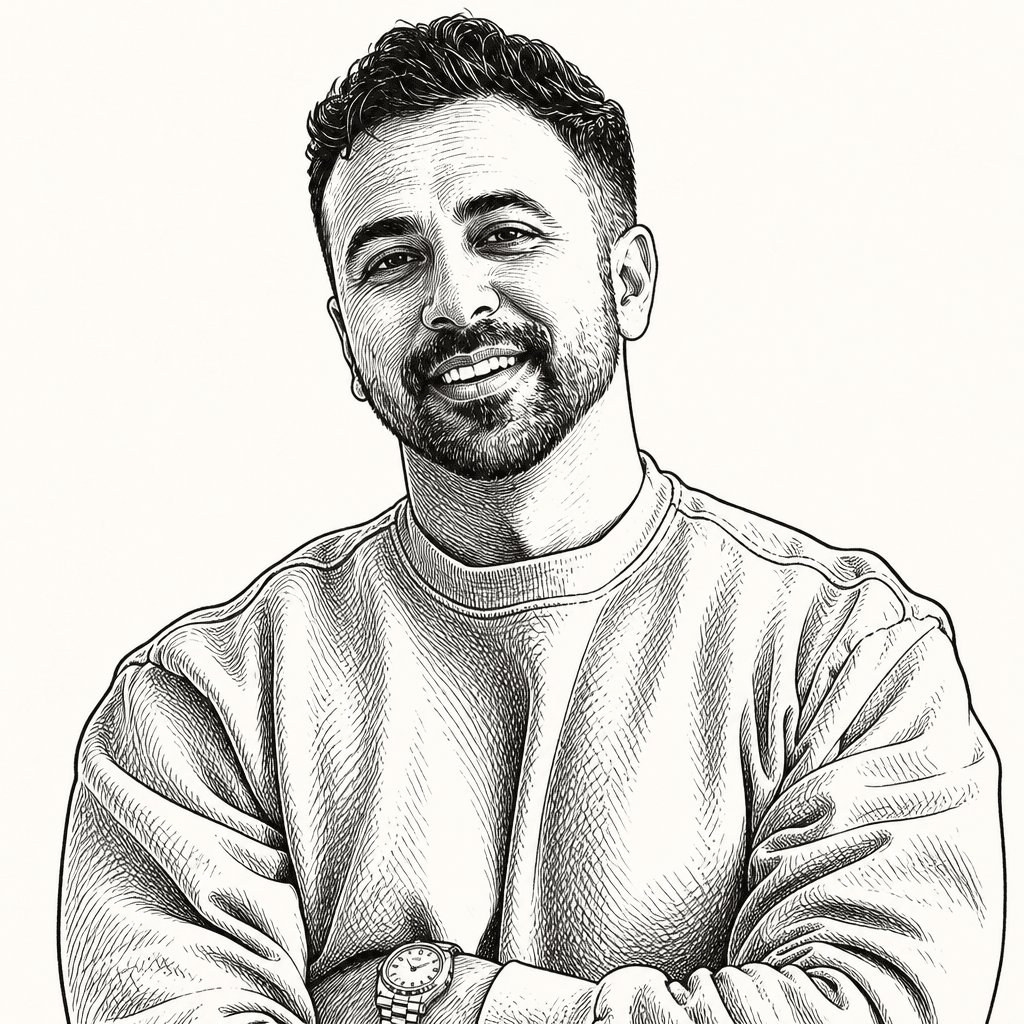
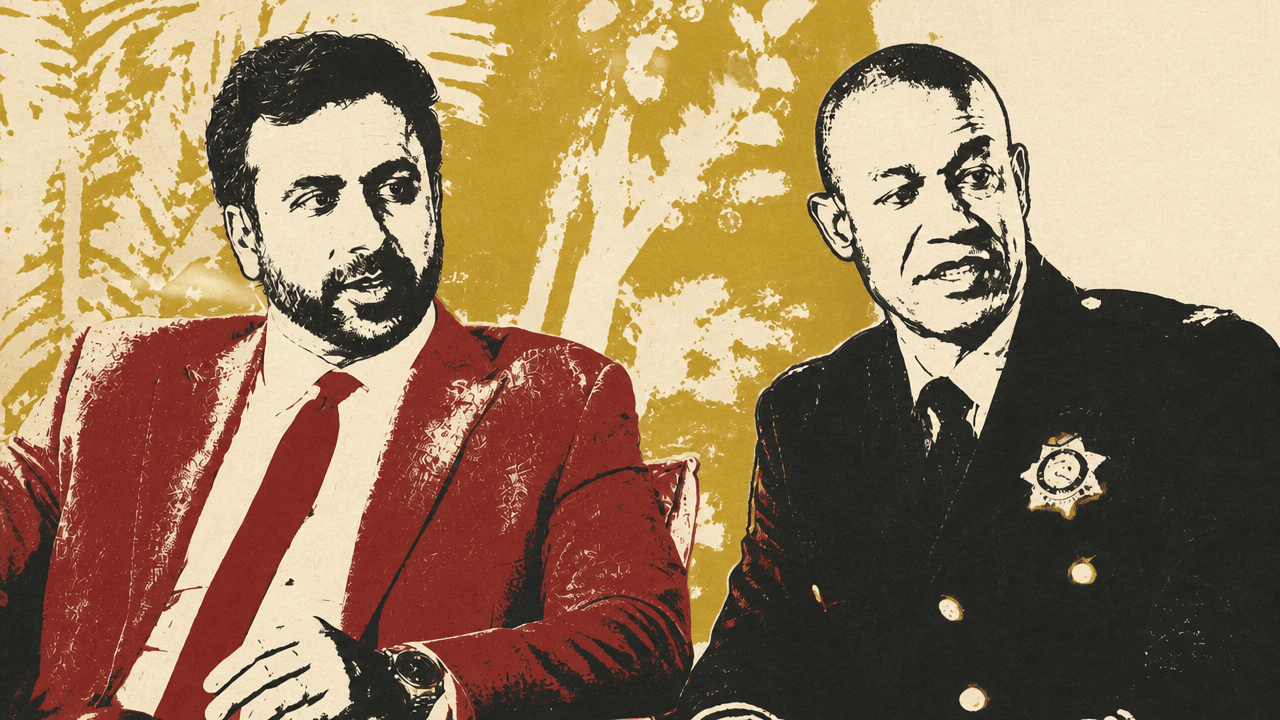
David Ulevitch’s a16z conversation with Arizona DPS director Jeffrey Glover and Flock Safety’s Rahul Sidhu argues that public safety technology is moving from record-keeping and faster response toward earlier situational awareness. Sidhu describes drones, license-plate readers and gunshot detection as a layered system for proactive response, while Glover says agencies are building broader technology ecosystems that also monitor officer wellness, analyze body-camera footage and share intelligence across jurisdictions. Both argue that founders need direct exposure to field work if they want to build tools that departments can actually use.
Public safety tools are moving from faster response to earlier situational awareness
Public safety technology is being described less as a set of after-the-fact records and more as a way to know what is happening before officers commit to a dangerous response. Rahul Sidhu calls drones “flying robots,” part of the same AI-and-robotics shift affecting other industries. In law enforcement, he expects drones to become one layer in a working stack of license-plate-reading cameras, gunshot detection, and systems that can identify an Amber Alert vehicle or detect a gunshot and launch a drone response.
The example Sidhu gives is an Amber Alert vehicle. A sensor identifies the vehicle, and a drone launches to follow it. In another example, a gunshot is detected, the drone locates a shooter getting into a car, and the system pursues the vehicle even onto highways. The alternative — maintaining helicopter coverage at that density — is not realistic.
We can't do that with a helicopter today unless you've just kept five helicopters up 24/7, and that's just not sustainable. This is the only way to actually achieve that level of safety.
The same shift can change how officers approach a scene. David Ulevitch cites a case in which a 911 caller reported “a guy in the alleyway with a shotgun.” A responding officer could reasonably approach that call as a high-risk armed encounter. But the drone provided enough visual context to show that the person was a janitor holding a broom. In Ulevitch’s telling, the technology changed the posture of the response before officers arrived.
Sidhu also says more drones will not only mean more police and fire department drones. He expects “potentially more hostile drones” as well, and says public safety agencies will have to prepare for that environment.
The officer becomes part of a technology ecosystem
Jeffrey Glover says the Arizona Department of Public Safety is building what he calls an “ecosystem or platform within the agency.” The purpose is not limited to putting better tools in officers’ hands. It is also to monitor how officers are doing, how the public is interacting with them, and whether the agency needs to intervene before burnout affects field performance.
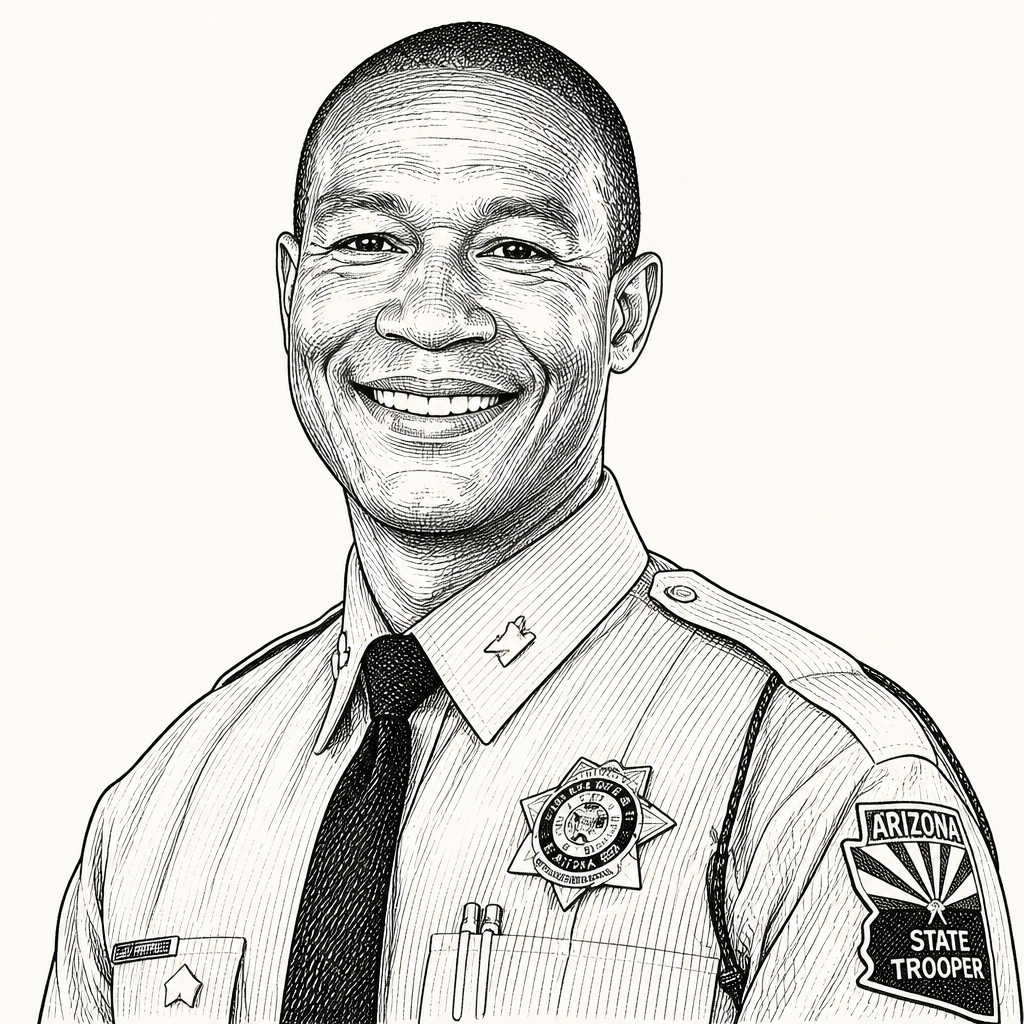
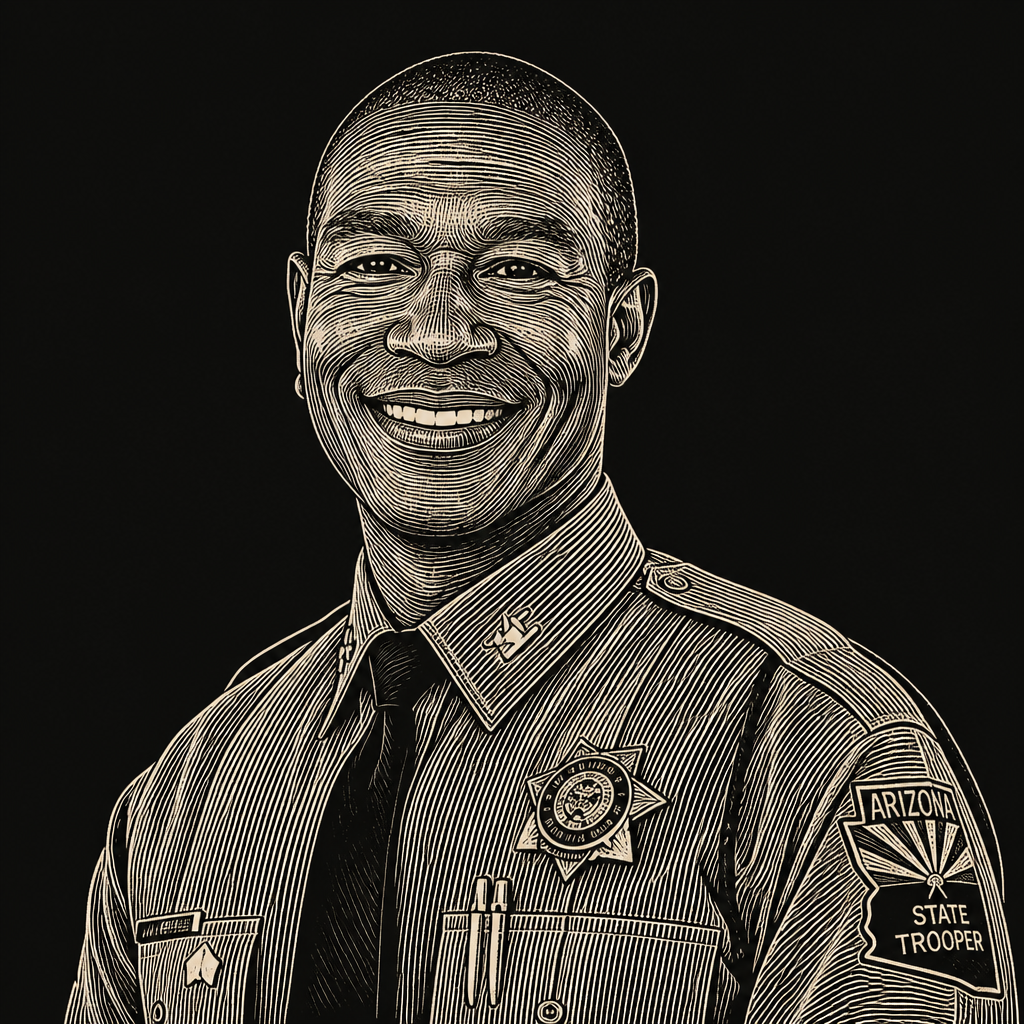
Glover describes one part of the system as Vitanya’s Heal the Heroes, which he characterizes as a brain-scan or “temperature check” at the start of the day: a way to assess how an officer is doing before a shift. Body-worn cameras then become more than evidentiary devices. Arizona DPS is using Truleo analytics behind body-camera footage to evaluate behavior and interactions.
That analysis can score how a trooper is interacting with the public, but Glover emphasizes that it can also capture whether a member of the public is being combative and whether a situation should be flagged for a supervisor. The same infrastructure gives officers “a little bit of a layer of protection” because it can flag burnout as well.
The agency has paired that with well-checks and sabbaticals for officers at the 15- and 25-year marks. Glover describes those interventions as ways to support performance and job satisfaction: if officers feel better about the work, they can operate better in the field.
Ulevitch connects body cameras to earlier technology adoption curves. He says body cameras initially faced resistance, including from some officer unions, before departments came to see that the footage could protect officers as well as hold them accountable. His operational shorthand is “game tape”: footage that can support coaching, mental-health services, and decisions about when someone needs a break.
Law enforcement intelligence is becoming more collaborative and more global
Jeffrey Glover argues that information-sharing is now central to how law enforcement prepares for threats. At Arizona DPS, that includes the Arizona Counter Terrorism Information Center, or ACTIC, and broader collaboration among fusion centers across the United States. He also mentions the TRX program, which he says many agencies are using around FIFA and the Olympics.
The more distinctive move, in Glover’s description, is Arizona’s push for an international presence. He points to partnerships with Sonora, Mexico — significant because Arizona is a border state — and says the agency is looking at intelligence officers from Mexico, the UAE, Liberia, and other parts of the world.
The premise is that crime trends are not purely local. Glover says “the world is getting a lot smaller” and that agencies need ways to condense and distill unclassified information so they can share trends with one another. AI and related technology, he says, can backstop that work and help agencies stop trends before they start.
David Ulevitch briefly points to Austin and New York City’s counterterrorism work as examples of global events having local repercussions. His point is that state and local preparedness increasingly depends on broader intelligence awareness.
Founders need time on the beat before they know what to build
For founders, Rahul Sidhu starts with a warning about the culture they are entering. He repeats a line he says Colonel Glover has likely heard: “There’s two things cops hate. For things to change and for things to stay the same.” The lesson is not that law enforcement will reject new technology outright. It is that founders have to thread a narrow path: change has to feel useful, inevitable, and grounded in the work.
Sidhu says there are already founders building in public safety, and points to Sharp Performance CEO Ben Curlee as someone working on performance and burnout tracking. But his broader guidance is to look for changes that are hard to avoid — drones, AI, and related systems — and take responsibility for bringing them into the field.
Don't be intimidated by it just because they're cops. And then if you do do it, I would say spend a lot of time with the cops, too.
That means ride-alongs, learning what it feels like to be on the beat, and, if appropriate, becoming a reserve officer. Sidhu’s test is practical rather than symbolic: proximity helps founders “speak the language” and understand what to build. A founder has to understand the day-to-day workflow well enough to build something that can be implemented, not just demonstrated.
Jeffrey Glover gives similar advice from the agency side. He says founders and technologists should “jump in,” engage, and connect with law enforcement leaders. Many leaders, in his view, are already trying to understand implementation and get ahead of the curve.
But Glover also says the profession itself will change over the next decade. The officer’s skill set will become “a little bit more investigative” and “a little bit more nuanced.” The work may be less defined by “kicking in doors” and more by interpreting technical evidence: a video an officer has just received, AI-generated issues, or fraud signals. Leaders are trying to figure out how to make departments flexible enough for that future.
Most of the cops out in the field are going to have to change the way their skill set is shaped. Because it's gonna be a little bit more investigative, it's going to be a little bit more nuanced.
It's not going to look the same anymore, 10 years from now.
Law enforcement technology is not being presented as an accessory to the existing job. Sidhu and Glover describe it as changing the job: how calls are triaged, how danger is assessed, how officer wellness is monitored, how intelligence is shared, and what skills officers will need.