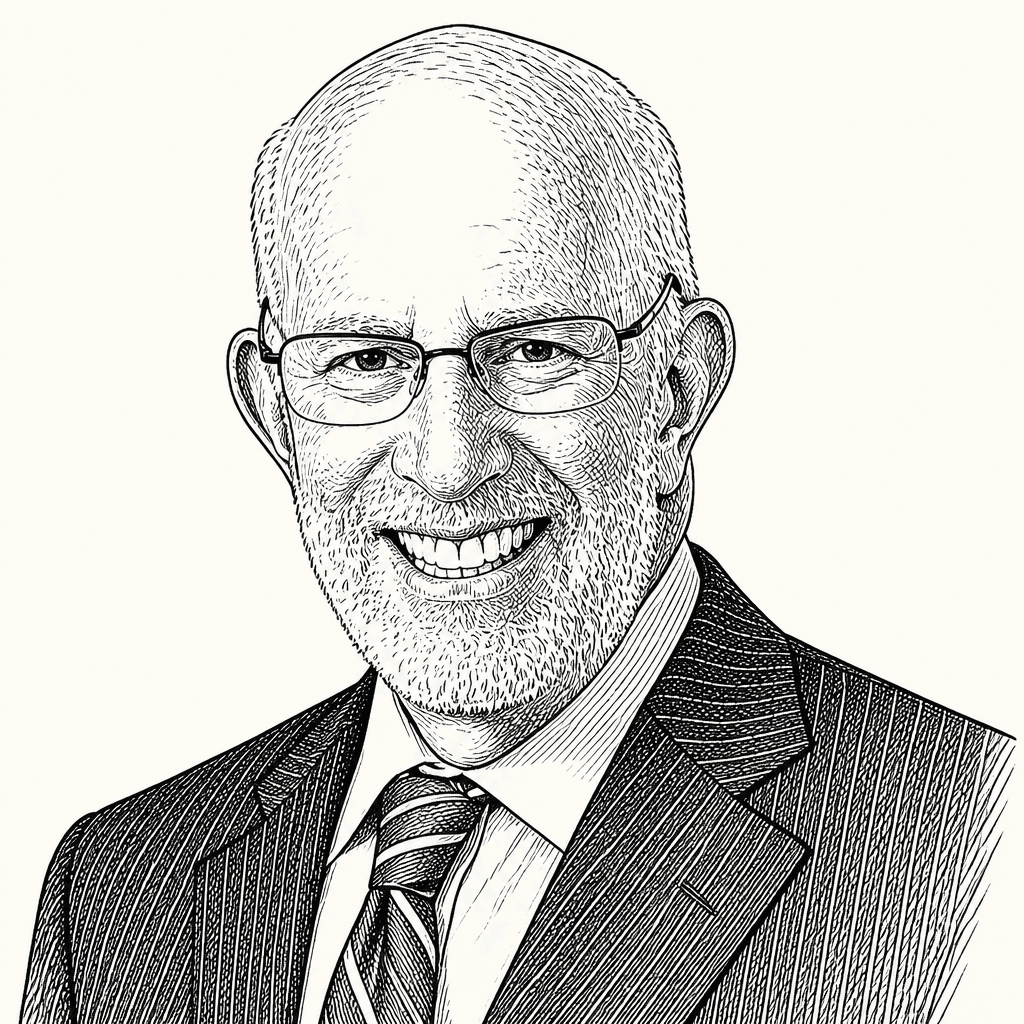
Benjamin Ginsberg
Benjamin Ginsberg is the Volker Distinguished Visiting Fellow at the Hoover Institution and a nationally known political law advocate focused on U.S. elections, election law, campaign finance, recounts, election administration, and redistricting. He has represented Republican presidential campaigns, co-chaired the bipartisan Presidential Commission on Election Administration, and appears as a CNN contributor on politics and law.
California’s Ballot Rules Extend Vote Counts Weeks Beyond Election Day
Hoover Institution fellow Benjamin Ginsberg argues that California’s vote counts take weeks because the state has chosen broad mail-ballot access and post-election correction opportunities alongside extensive verification requirements. Counties must receive ballots for seven days after Election Day, review signatures and possible duplicate voting, and allow up to 22 days to cure certain envelope defects while processing millions of ballots. Ginsberg frames the resulting delay as a trade-off: state officials prioritize participation and accuracy, while critics say faster results are also essential to public confidence.
Weak Voting Protections Keep American Election Law on the Battlefield
At the Aspen Ideas Festival, election-law scholars and political practitioners argued that the immediate danger for 2026 is less a miscounted Election Day than a close election whose count is challenged, delayed or delegitimized afterward. Rick Hasen, Benjamin Ginsberg, Sarah Isgur and Janai Nelson largely trusted local administrators to count ballots, but split over what makes elections legitimate: administrative competence, equal access to the franchise, limits on federal and judicial power, stronger parties, or a constitutional right to vote.