Weak Voting Protections Keep American Election Law on the Battlefield
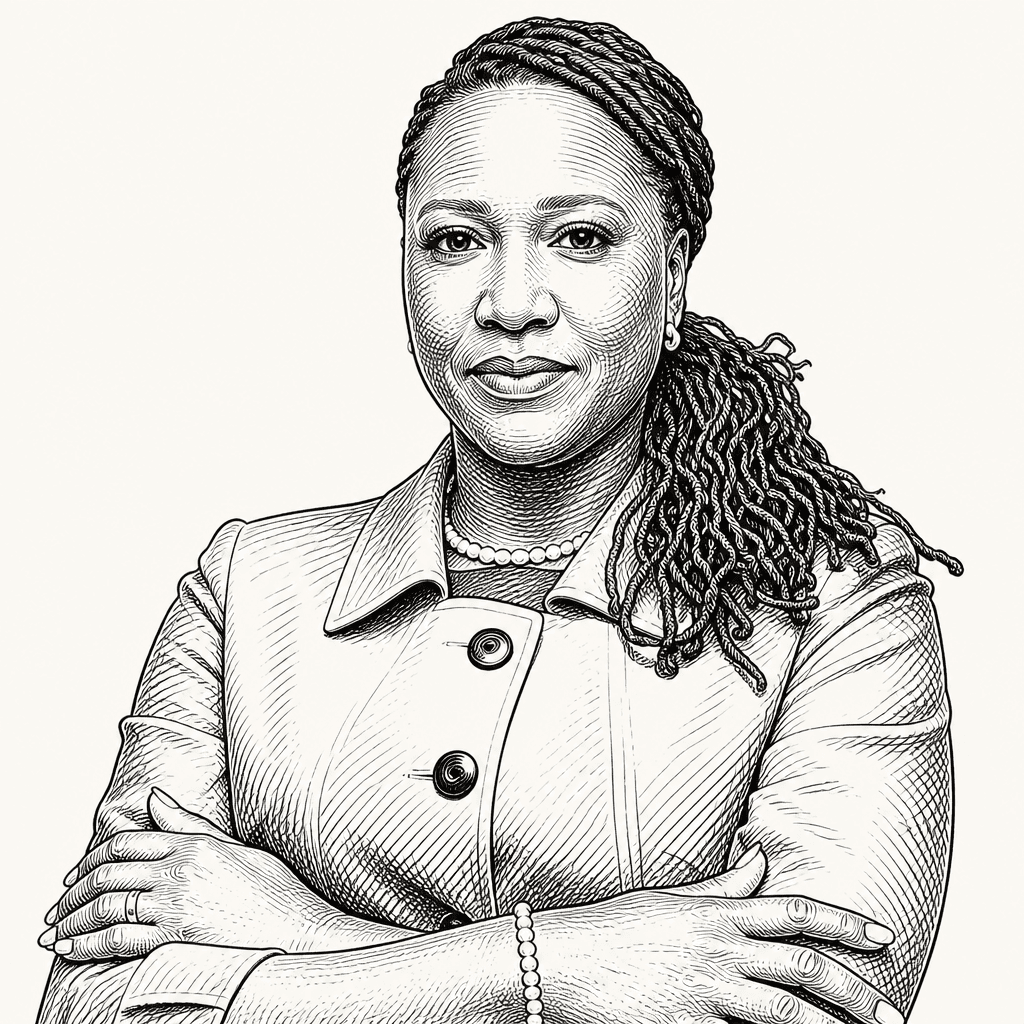 Janai Nelson
 Greg Gershuny
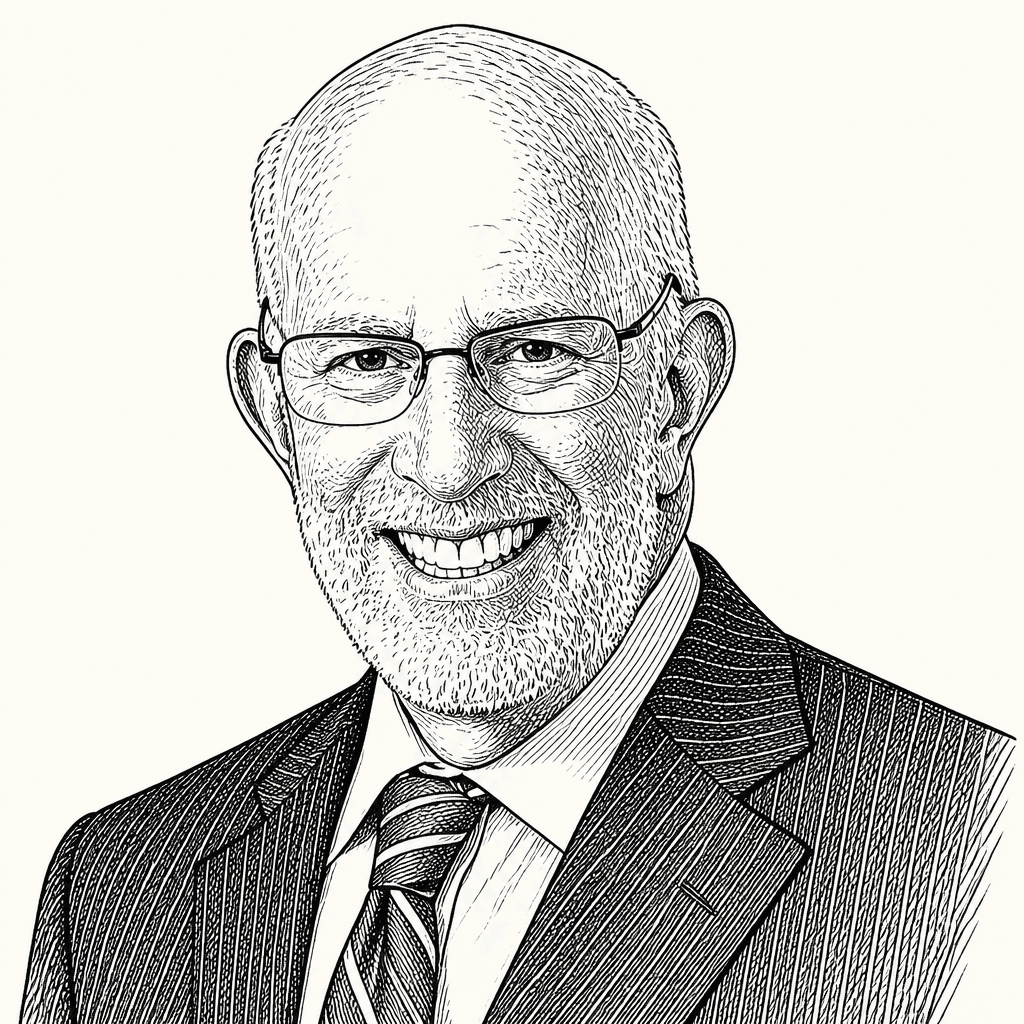 Benjamin Ginsberg
 Rick Hasen
 Sarah Isgur
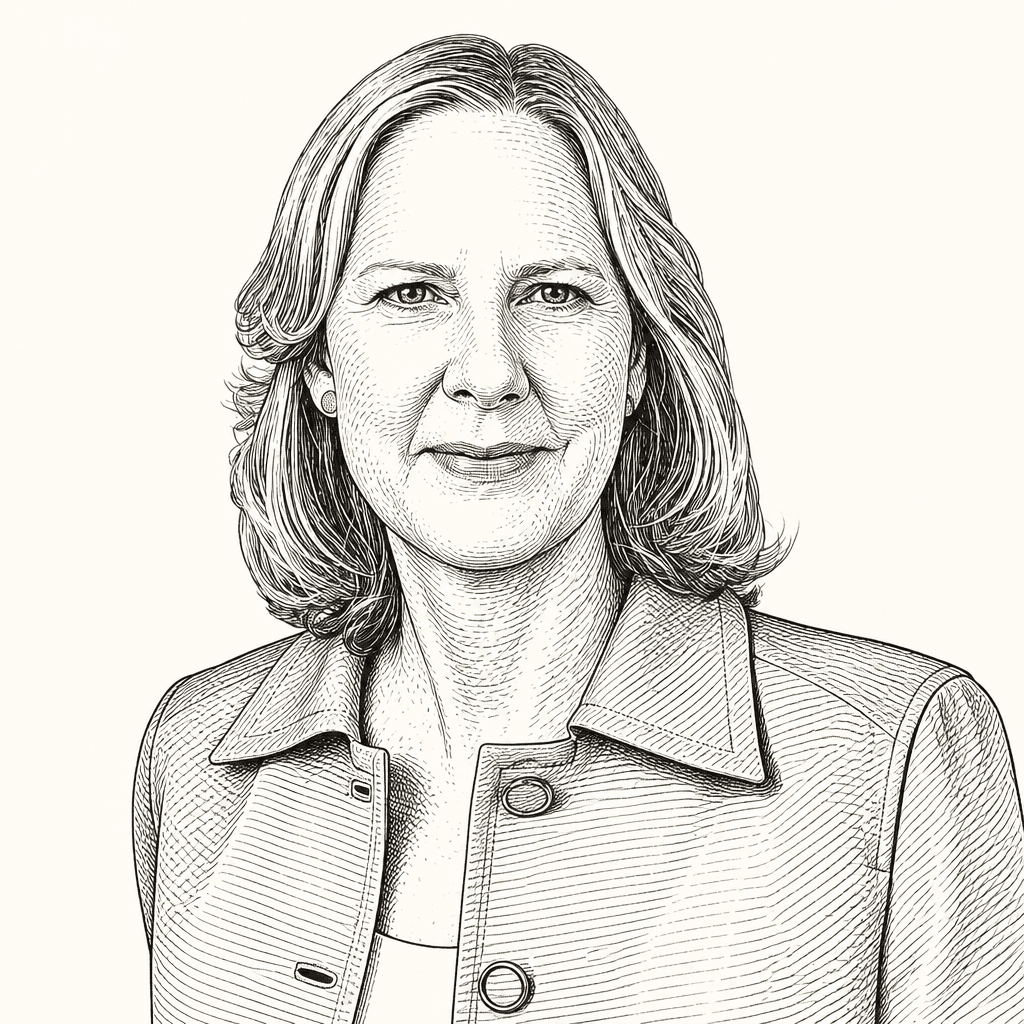 Heather GerkenThe Aspen InstituteTuesday, July 7, 202622 min read
At the Aspen Ideas Festival, election-law scholars and political practitioners argued that the immediate danger for 2026 is less a miscounted Election Day than a close election whose count is challenged, delayed or delegitimized afterward. Rick Hasen, Benjamin Ginsberg, Sarah Isgur and Janai Nelson largely trusted local administrators to count ballots, but split over what makes elections legitimate: administrative competence, equal access to the franchise, limits on federal and judicial power, stronger parties, or a constitutional right to vote.

The 2026 risk is less a stolen Election Day than a contested count
The most immediate concern for 2026 was not that the machinery of voting cannot count ballots accurately. The sharper risk was that a close midterm could create incentives to challenge, seize, delay, or delegitimize the count after ballots are cast. Rick Hasen put the threshold plainly: the biggest factor is closeness. If the election is not close, election administrators get what he called their prayer — “Lord, let this election not be close.” If it is close, the stress moves to the back end of the process.


That framing also exposed the panel’s larger divide. The participants did not principally disagree over whether election officials can count votes. They disagreed over whether democratic legitimacy can survive unequal access, weakened parties, federal pressure on election administration, and a Supreme Court increasingly asked to settle questions Congress will not.
Hasen said the most common question he now hears is whether ICE agents will be at polling places. His answer was “almost certainly no.” He was more worried about tabulation, chain of custody, and public confidence that ballots remain under lawful control once cast. Chain of custody, as he described it, means knowing that ballots voters cast have not been tampered with.
He pointed to two ballot-seizure episodes that troubled him: search warrants in Fulton County, Georgia, and Riverside County, California. In Hasen’s account, both involved elections that were already over — Fulton County’s 2020 election and a Riverside County election involving Proposition 50, which he described as a Democratic gerrymander responding to a Republican gerrymander in Texas. His concern was the precedent. If ballots are removed from election officials’ custody while an election is ongoing, Hasen said, “we can't be sure that the votes are going to be freely and fairly counted.”
Because 2026 is a midterm, Hasen emphasized that the geography of risk is different from a presidential year. Control of the House turns on 435 elections, with competitive seats spread across the country rather than concentrated in a handful of presidential battleground states. Gerrymandering means there are not many competitive seats, but the ones that matter are distributed. That makes preparation harder and localized disruptions more consequential.
Hasen identified three bulwarks against election subversion. The first is state and local control: however much a president may seek to shape election rules, states and local governments remain the institutions that administer most of the system. The second is the courts. Hasen criticized recent judicial protection of voting rights as dismal, but he distinguished that from judicial handling of outcome-subversion claims. On that front, he said courts have “done a very good job holding the line.”
His example was a 2024 North Carolina Supreme Court race in which, as he described it, a trailing candidate persuaded the state Supreme Court to agree to retroactively change rules and potentially throw out ballots. Hasen called that “kind of the definition of what is not democracy.” A conservative federal district judge stopped it, saying that was not what democracy is. The third bulwark, Hasen said, is “we the people.” If necessary, he said, protecting a count could come down to human chains around election administrators’ offices while ballots are counted, though he did not expect that unless the election is very close.
Benjamin Ginsberg saw a related set of warning signs. He described federal activity around elections as unprecedented: executive orders seeking to change election rules, Department of Justice investigations, seizures of voting equipment, and investigations of election officials. He referred to a Supreme Court ruling as “Watson” and said the Court had offered cautionary words about using executive orders to alter election rules, emphasizing that the president has no authority in that realm and that election rules remain principally with the states. Neither Ginsberg nor the panel further identified the case.
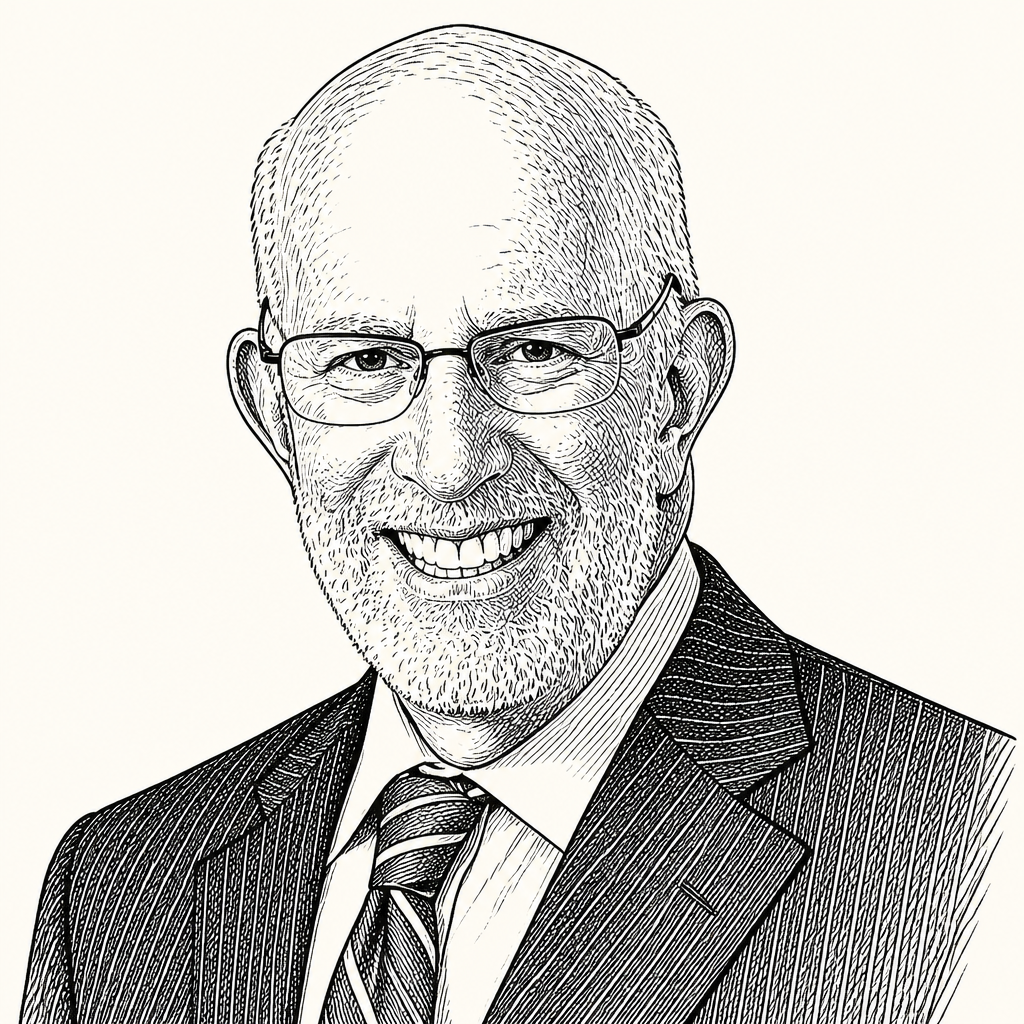
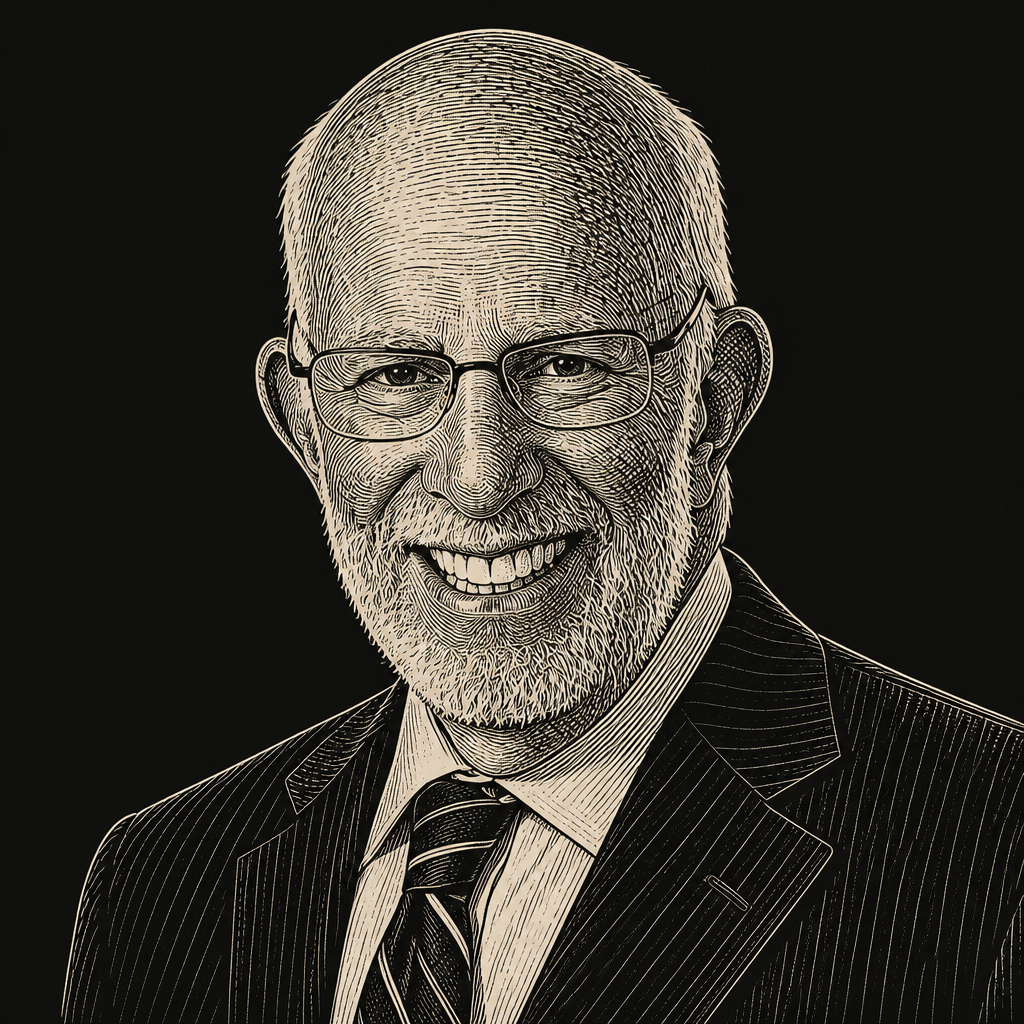
Ginsberg also worried that federal cybersecurity support has been cut back. Cybersecurity agencies, he said, had worked with state and local election officials to help protect elections from cyberattacks. With that capacity reduced, states and localities are having to recreate some of the coordination. He credited them with doing a “terrific job,” but said the loss of national coordination remains a concern.
His strongest reassurance came from the same local system that creates so much anxiety. Ginsberg called state and local election administrators “the true heroes in this democracy”: prepared, hard-working, and increasingly committed to transparency policies meant to persuade doubters. His account did not rest on optimism about national politics. It rested on the competence and civic seriousness of local administration.
Sarah Isgur answered the stolen-election question from campaign and recount experience. Part of her work for Ginsberg, she said, had been recount preparation and thinking through possible ways to steal an election. Her conclusion was practical rather than sentimental: “It’s really hard to do actually.”


She used a North Carolina 2018 congressional race as her example. In her telling, the state banned ballot harvesting — collecting absentee ballots from other people if one is not an election worker and taking them to an election site. She said about half the states ban it and about half do not. In the North Carolina case as she described it, someone collected roughly 1,100 ballots from voters thought to be likely supporters of the opposing candidate and threw those ballots away. That could move 1,100 votes, she said, though not as a “double shift,” because the perpetrator does not receive those votes. Because the state banned ballot harvesting, she argued, the case was easier to bring. In states that allow ballot harvesting, the problem is harder to prove: one must show that ballots were discarded, not merely collected.
Isgur then pointed to the 2005 Carter-Baker Commission, formed after the 2000 election by Jimmy Carter and James Baker. She described its 87 recommendations as a bipartisan guide to making elections more open, secure, fair, and trusted. Her frustration was that the country did “absolutely nothing” with them. She treated the commission less as nostalgia than as an unused playbook.
The constitutional diagnosis is weak voting protection plus fragmented authority
The deeper structural diagnosis began with the instability of American election rules. Rick Hasen said political polarization, populism, and unrest exist across advanced democracies, but other advanced democracies do not fight constantly over election rules in the same way. The American structure, he argued, makes election law itself a battlefield.
The reasons, in his account, are constitutional and institutional. The United States has “a very old Constitution” that did not protect voting rights very well at the founding. It also diffuses authority across federal, state, and local actors. Congress sets some rules, state legislatures set others, local administrators implement many of them, and the Supreme Court repeatedly intervenes. In a polarized environment, that produces recurring litigation and instability rather than a stable baseline of democratic administration.
Because we're in this period of polarization, and where we have weak protection for voting rights and a very weak Constitution that protects voting rights, the election field itself becomes a battlefield.
Hasen gave specific examples. States and the federal government are contesting whether documentary proof of citizenship, such as a birth certificate, can be required before a person registers to vote. He distinguished those rules from voter ID laws, saying documentary proof-of-citizenship requirements are known to disenfranchise thousands of people. Mail-in ballots, which he said were not controversial a decade ago, have also become a partisan flashpoint.
Hasen attributed much of the deterioration in confidence to Donald Trump. His account was a “double whammy.” First, Trump convinced his supporters that elections are rigged despite “all reliable evidence” to the contrary. Hasen said local election administrators have been transparent, and that the system is stronger than it has ever been in its ability to count votes fairly and accurately. Second, in response to that belief among Republican voters, Republican legislatures and election administrators have enacted some rules that make it harder for people to register and vote. That causes Democrats to lose confidence because they believe the system is being rigged against them.
The result, Hasen said, is a litigation explosion. Since the disputed 2000 election, election litigation has “nearly tripled.” That may be good for election lawyers, he said, but it is “not so good for the rest of America.” With rules uncertain and constitutional protections thin, life-tenured Supreme Court justices end up with outsized authority over the practical rules of democratic participation.
Janai Nelson made the constitutional vulnerability more explicit. The Constitution, she said, does not affirmatively grant the right to vote. It contains negative protections: freedom from race discrimination in voting, freedom from gender discrimination in voting, voting for people 18 and older. Those protections matter, but they do not amount to an affirmative guarantee. That omission, in her view, makes the franchise vulnerable.
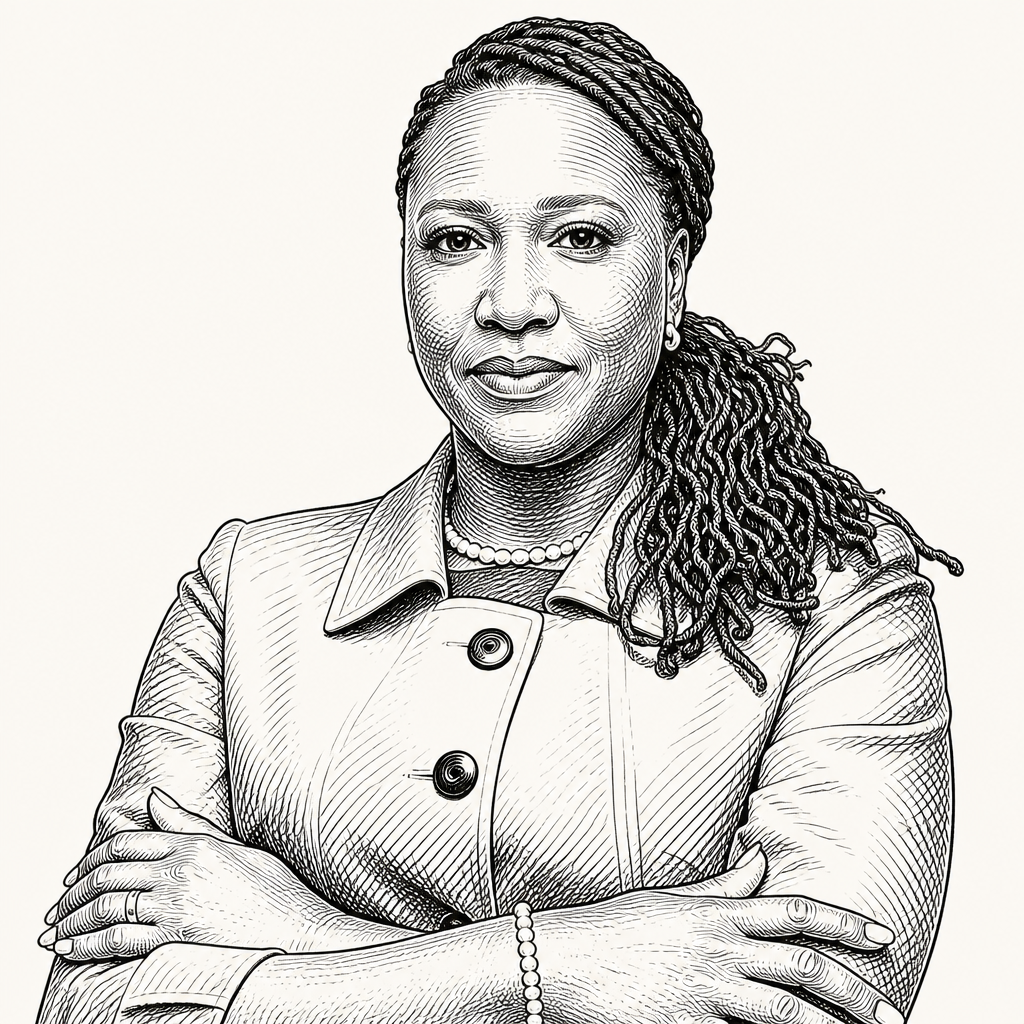
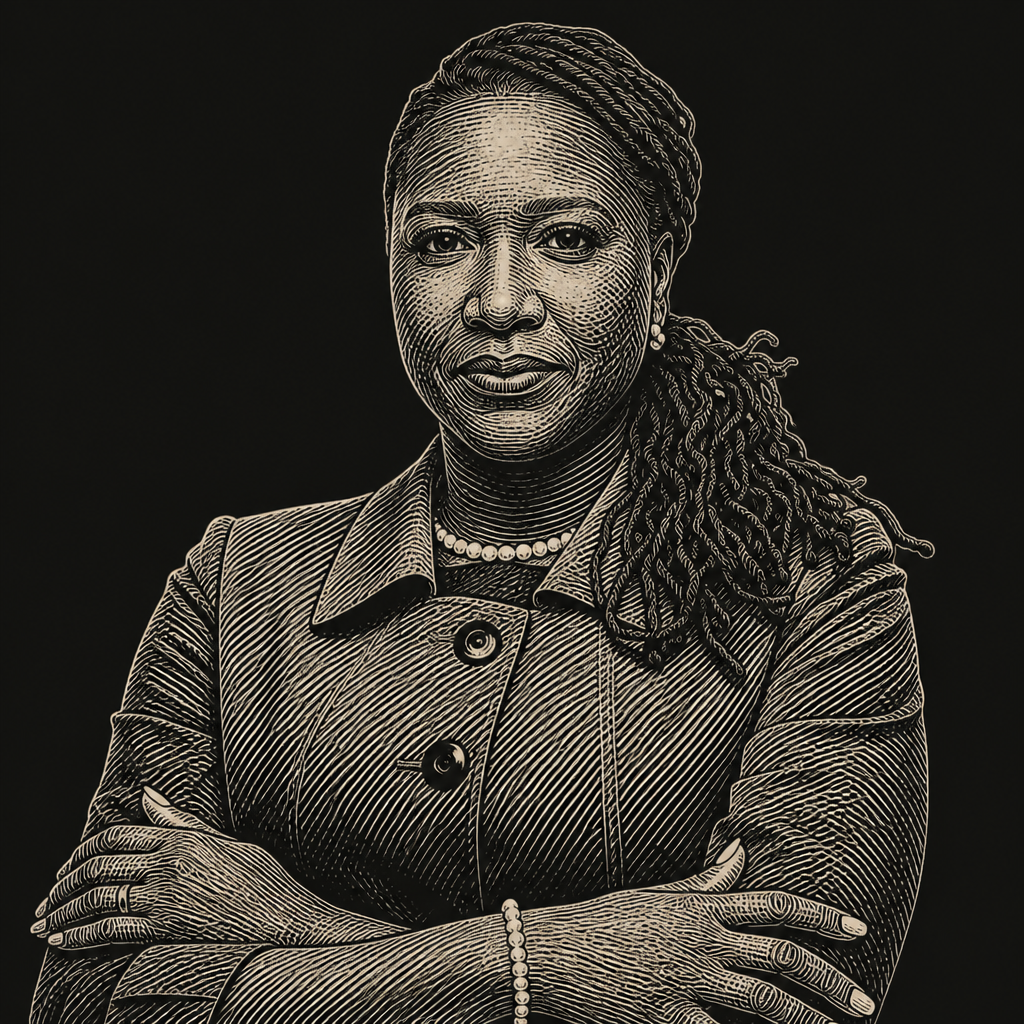
Nelson placed the Voting Rights Act of 1965 at the center of the country’s effort to become a multiracial democracy. The Act, she said, launched the United States onto that path. But she argued that the Supreme Court’s recent decision in Louisiana v. Callais severely weakened that project.
Her assessment was stark: Callais was, in her words, “probably the worst voting rights decision since the Voting Rights Act was passed in 1965.” She connected it to Allen v. Milligan, the Alabama case in which Black voters challenged a congressional map in a state where roughly one-third of the population is Black but only one congressional district allowed Black voters to elect a candidate of choice. Louisiana presented a similar structure, she said: a state with a Black population of roughly one-third and only one district among five or six in which Black voters could elect their preferred candidate.
Nelson represented Evan Milligan in the Alabama litigation and noted that he was present in the room. In Milligan, she said, Chief Justice Roberts wrote that without enforcement of the Voting Rights Act, the 15th Amendment would be a “mere parchment promise.” Nelson said that only three years later, in Callais, Roberts effectively made it one.
The consequences, as Nelson described them, were immediate. In the weeks after Callais, she said, hard-fought Black political power across the South began to erode. Districts drawn to enable communities to elect candidates of choice were wiped out. Memphis, a predominantly Black city, was carved into three different districts, diluting Black voters’ power across all three.
Nelson said the aftermath requires a rethinking of what a multiracial democracy needs in order to function. The Legal Defense Fund is exploring what remains of Section 2 of the Voting Rights Act, which she described as “very little,” as well as alternative voting systems and state voting rights acts. Nine states have enacted their own voting rights acts; she said advocates are pushing for two more, in New Jersey and Delaware. LDF has also helped introduce voting rights acts in Southern states, even where they are not expected to pass soon, because socializing the idea is part of the work.
Her strategic conclusion was that the fight has moved to state and local government until there is a federal government “that actually cares about its Constitution.”
“Free and fair” depends on whether the question is access, counting, or power
The phrase “free and fair elections” did not carry one meaning. The sharpest disagreement was not over whether votes can generally be counted. It was over whether a system can be called free and fair when ballot access and district power have never been equal.
Janai Nelson rejected the standard formulation unless the term is carefully defined. If fairness means that every eligible voter has equal access to cast a ballot that will be counted, she said, the United States has never had free and fair elections. If fairness includes whether electoral districts have been drawn so that every community has a meaningful chance to elect representatives responsive to its interests, she again said no.
Our elections have never been free and fair. If we define fairness by access across the electorate, for every eligible voter, do they have free access to cast a ballot that will be counted? No.
But Nelson drew an important distinction. If the narrower question is whether the system can count ballots that are cast, transparently determine who won, and administer the election with integrity, then she said the answer has been yes, at least until recently. She credited Heather Gerken’s past work on a Democracy Index as part of the effort to measure and compare democratic performance. By that more general measure, Nelson said, the United States had been doing quite well.
Her warning was that “free and fair” should not be used to sanitize an unequal status quo. The country must preserve administrative integrity while also confronting the fact that ballot access and districting have never been equal across the electorate.
Nelson tied that inequality to Congress. She said democracy is on the ballot in the midterms because the country needs a Congress willing to restore the Voting Rights Act, ban partisan gerrymandering, and protect the major federal election laws that remain. She initially referred to the SAVE Act, then corrected herself to HAVA, the Help America Vote Act that followed the 2000 election. She also referenced the National Voter Registration Act and said the Supreme Court had recently granted certiorari in a case that would determine some of its continued viability. She did not name the case.
Her point was not that existing laws are sufficient. It was that even insufficient but necessary election protections are under assault. LDF, she said, is nonpartisan and has sued Democrats and Republicans. She expects more litigation after Callais. But voters still have to turn out despite threats and dismay, because, as she put it, “this is our democracy to keep.”
Benjamin Ginsberg added a trust dimension that cuts across both definitions. The current lack of faith is unprecedented, he said, and damaging even if one side thinks distrust benefits it politically. If people do not believe in the method used to choose leaders, those leaders have a harder time securing the consent needed to govern.
Ginsberg cautioned, however, that national polling may overstate how distrust operates locally. In work he does with Bob Bauer, his longtime adversary, in contentious election jurisdictions, he said the national bitterness is often not reflected at the ground level. People in local communities are more concerned with “peace and prosperity” than with national rhetorical combat.
That reassurance had limits. Messages that elections are rigged can suppress participation, especially among low-propensity voters. For years, Ginsberg said, Republicans operated on the assumption that low-propensity voters were Democrats, so dampening turnout was viewed through that lens. Trump changed the Republican base and brought more low-propensity voters into the GOP coalition. In Ginsberg’s view, Republicans may still be running an old playbook that no longer fits their own electorate: attacks on trust may now hurt them as well as Democrats.
Local administration is both the defense and the source of conspiracy fuel
The strongest practical defense of the election system is also a structural weakness: it is intensely local. Benjamin Ginsberg described the system as “creaky” because the United States made a policy decision roughly 200 years ago to administer elections at a very local level. That means between 8,000 and 10,000 jurisdictions are responsible for casting, counting, and certifying votes.
Inconsistencies across “8 to 10,000 of anything” are inevitable, Ginsberg said. Those inconsistencies become a petri dish for conspiracy theories and claims of inaccuracy. A system can be decentralized, lawful, and locally competent while still producing enough variation to feed suspicion among people who do not understand why procedures differ from one county to another.
Ginsberg did not propose abolishing federalism. He argued instead for honesty about both the tradition and the weakness. Election reform, in his view, should recognize how much the country depends on local administrators while rethinking what the system should look like 20 years from now.
His emphasis on administrators was one of the few points of broad reassurance. State and local officials, he said, have adopted transparency practices to persuade doubters and are preparing seriously for 2026. Hasen likewise treated state and local control as a bulwark against federal interference. Even where they disagreed about courts, campaign finance, or constitutional reform, the speakers repeatedly returned to local election officials as the people most likely to hold the system together.
Campaign finance reform weakened parties and rewarded outrage
Sarah Isgur used campaign finance as an example of a reform whose goals were widely shared but whose consequences diverged from those goals. Americans wanted elections free of corruption and candidates not bought by large donors. The 2002 Bipartisan Campaign Reform Act, also known as McCain-Feingold or BCRA, had bipartisan support because of that aim.
But Isgur argued that the law’s limits helped create a worse incentive structure. Low contribution limits and the end of soft-money donations to political parties weakened parties. Over time, she said, the system moved from large-dollar donor influence to small-dollar donor dependence. She did not describe small donors as more representative. Only about 2 percent of Americans ever give money to a political candidate, she said, and those donors are often activated by anger, outrage, negative polarization, and social media.
The new system rewards messages built around existential threat: not “vote for me,” but “vote against them.” Isgur described the language of small-dollar fundraising as premised on the idea that the other side will burn down villages, close churches, or strip voting rights. That changes who succeeds.
Her strongest institutional claim was that BCRA “killed off political parties entirely.” Trump, she said, defeated the Republican Party before defeating the Democratic Party in 2016 because parties no longer had the carrots or sticks to choose their own standard-bearers. She connected that pattern not only to Trump but to movements such as the Tea Party and DSA: splinter candidates can win without representing a party’s policy direction or long-term goals because their incentives are built around the next election, not institutional governance.
Super PACs, in her account, are another unintended consequence. She said campaign operatives dislike them because super PACs have money but cannot coordinate with campaigns, often spend it inefficiently, and may deliver messages that do not help the candidate. The way to eliminate super PACs, she argued, would be no limits on individual donations to candidates, combined with full and immediate disclosure. That, she said, would “kill super PACs instantly.”
Isgur also discussed an unnamed Supreme Court campaign finance decision issued that week or that morning. She described it as allowing political parties to coordinate with candidates. Individual contribution limits to candidates and parties remain, but parties and candidates may speak to one another. Isgur suggested that the ruling could enlarge the role of parties because parties receive discounts on television ads that super PACs do not. Candidates may therefore prefer to work with parties rather than outside groups. If that happens, she argued, parties could gain more carrots and sticks, encourage longer-term thinking, and reduce some negative polarization.
Benjamin Ginsberg agreed that the campaign finance system is “upside down.” It began as an effort to restrict big money and corrupt interests, he said, but produced something like the opposite. Whether one favors regulation or not, he argued, the system has not worked in the 50 years it has existed and should be conceptually restarted.
Congress’s weakness turns courts and presidents into substitutes for legislation
Isgur’s concern about 2026 was not primarily that votes would not be counted. It was that Congress is dying as a governing institution.
Sarah Isgur linked campaign finance, small-dollar incentives, and institutional decline. When politics rewards outrage and online performance, she said, the country stops electing people who want to do the work of Congress and starts electing people who want to be podcasters. A member who spends six months developing a serious proposal on elections, immigration, climate change, or another issue gains less political reward than someone who goes on Instagram and says the other side is evil and responsible for all failure. The second person raises more small-dollar donations and goes to Congress.
That incentive structure makes compromise and legislation politically costly. Bipartisanship becomes a bad word, so legislation disappears. The consequences move outward through the constitutional system. Government by executive order replaces legislation. Every presidential election becomes “the most important election of our lifetime.” Policy swings back and forth every four years on issues such as Iran, immigration, and climate. Then the courts are pulled into disputes because executive action is challenged, and the Supreme Court becomes the visible institution issuing the final headline.
Isgur argued that many public complaints about the Court are misdirected. When the Court strikes down Biden’s student-loan debt forgiveness or Trump’s tariffs, she said, the headline should often be understood as: Congress is free to do that at any time. On partisan gerrymandering, she said, people should be mad at Congress, not the Court.
Janai Nelson rejected the absolution of the Court while agreeing that Congress could act. She said the Supreme Court’s partisan gerrymandering decisions paved the way for the current chaos. When the Court permits blatant partisan gerrymandering, it enables candidates to win on unfair lines. Those representatives are then not beholden to voters who want fairness and are unlikely to pass legislation undermining their own power.
That, for Nelson, is the conundrum: the Court and Congress reinforce each other. Congress had 13 years after Shelby County v. Holder to restore the Voting Rights Act and did not do so. But the composition and incentives of Congress are themselves shaped by judicially tolerated gerrymandering. She also described the current Congress as feckless and said, in the panel’s phrasing, that “the House of Representatives in 2025 signed 362 bills,” calling that second only to the Congress that governed during COVID.
Rick Hasen’s long-term answer was a constitutional amendment guaranteeing the right to vote. He argued that changing party coalitions may create an opening for both Democrats and Republicans to see an interest in constitutional protection for voting. In the shorter term, he said, the Safeguarding Democracy Project at UCLA Law is convening people across the political spectrum and across disciplines — historians, computer scientists, legal experts, and others — to identify bipartisan solutions that can reduce recurring anxiety around each election.
Supreme Court reform split ethics consensus from institutional alarm
Recent Supreme Court decisions were a constant pressure point, including voting cases, a campaign finance ruling, and a birthright-citizenship ruling discussed from the stage. Heather Gerken noted that the birthright-citizenship ruling was not as lopsided as some had expected; after correction and cross-talk from others, the exchange settled into an unresolved shorthand about the vote split and the constitutional question. The panel did not name the case.
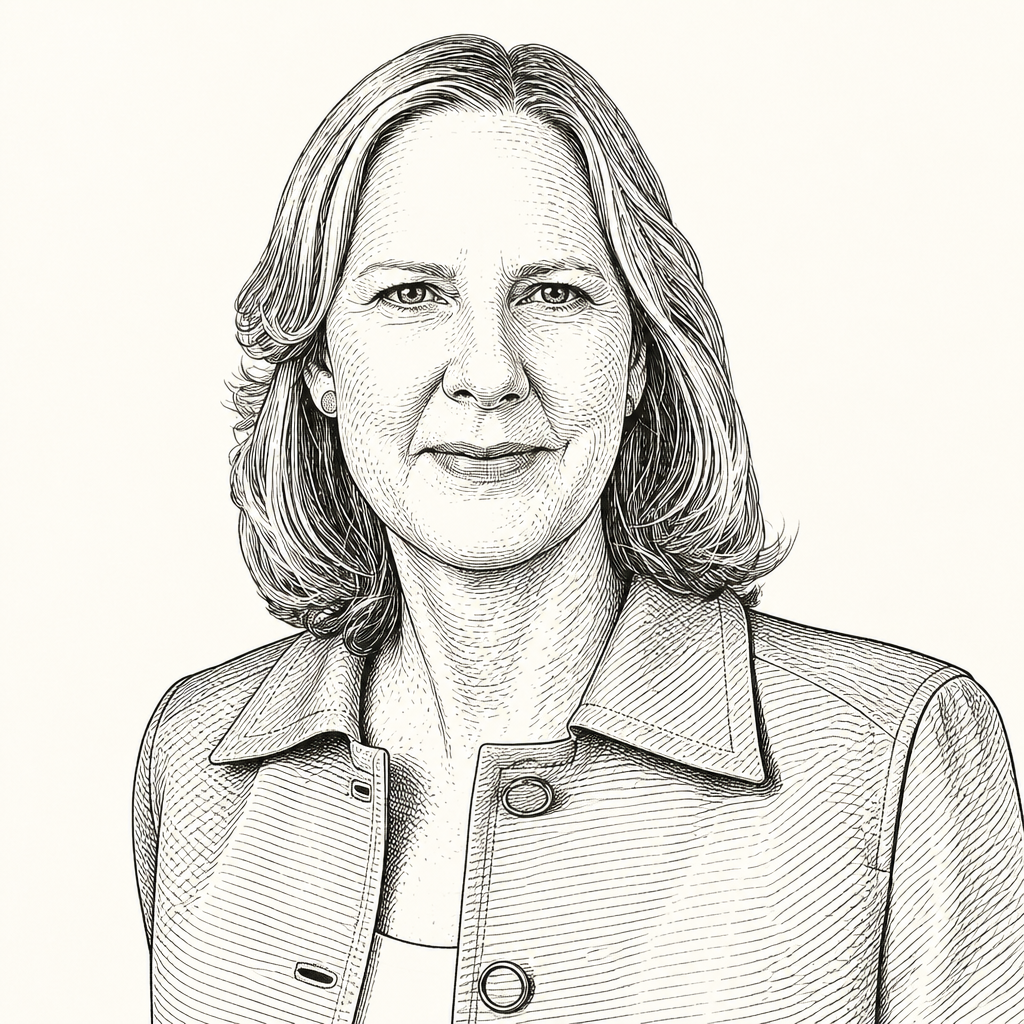

Janai Nelson began with what she called low-hanging fruit: a binding code of ethics for the Supreme Court. She said that should be uncontroversial. She also favored examining term limits, bringing the emergency docket “out of the shadows,” and expanding the lower federal judiciary.
Nelson’s concern with the emergency docket was transparency. She said it is being abused by the current president and has increasingly become a staple of the Court’s work. In her account, it often does not allow full litigation, meaningful briefing, or visible decision-making on critical issues. On expansion, she was still considering whether expanding the Supreme Court itself is sensible, but she strongly favored expanding appellate and lower courts because access to justice is strained and the lower federal courts are important bulwarks against voting-rights violations and election sabotage.
Sarah Isgur agreed on a binding ethics code if the issue is disclosure, not recusals. She said the main practical fight is who decides the disclosure rules — retired federal judges or some other body — and treated that as solvable.
But she opposed term limits and court expansion. Term limits, she argued, sound clean but have underexamined consequences: automatic presidential appointments would further politicize selection, and a known rotation of justices could encourage strategic behavior around the docket. On expanding the Supreme Court, Isgur was categorical. She said it would be “the end of the American Constitutional Republic.” Her defense of the existing structure rested on the need for a counter-majoritarian Court. Life tenure and judicial independence, she argued, allow justices to rule against majorities and protect rights from “bare and fleeting majorities.”
Isgur also pushed responsibility back toward democratic politics. The Court is not the last word, she said, because constitutional amendments remain available and because many major decisions are statutory. If people dislike statutory outcomes, Congress can legislate. If people think amendment is impossible, she argued, that is a failure of the public and political system, not proof that the Court should be made majoritarian.
Rick Hasen rejected the idea that the status quo is acceptable. He corrected himself after initially misstating the recent appointment pattern; his point was that Joe Biden got no Supreme Court appointments while Donald Trump received three: Gorsuch, Kavanaugh, and Barrett. Hasen then focused on the Court’s current ideological alignment: conservative justices appointed by Republican presidents, liberal justices by Democratic presidents, and no remaining ideological middle of the kind associated with Justices Kennedy or O’Connor.
Hasen’s point was not that one interpretive philosophy is inherently right and the other wrong. It was that vague constitutional phrases such as equal protection and due process produce different outcomes when filtered through different jurisprudential commitments. With no unpredictable center, he argued, “we’ve got to do something.” He acknowledged problems with term limits, but said there are also benefits to having the Court reflect more of the ideology and views of the majority of people in the United States.
The reform agenda split between bipartisan restraint and constitutional refounding
Asked what election reforms should be pursued, avoided, or considered realistic, the speakers offered sharply different priorities.
Benjamin Ginsberg placed bipartisanship ahead of any particular technical reform. The country’s central problem, he said, is division and polarization. Election reform worsens that problem if one side imposes rules on the other for partisan advantage or because it dislikes current outcomes. New rules for elections or the Supreme Court should not be “crammed down the throat” of the other side. For Ginsberg, legitimacy requires bipartisan buy-in.
If he could wave a magic wand, he would deal with redistricting. But he immediately limited the claim: redistricting affects the House, not the Senate or the White House, so ending partisan gerrymandering alone will not cure polarization. Campaign finance also needs a conceptual restart, and local election administration needs long-term rethinking.
Sarah Isgur called for Congress to ban redistricting based on partisanship, religion, or race and require fair, compact districts. “Draw square districts around the country,” she said, and then see what Congress looks like. She opposed drawing districts by race just as she opposed drawing them by partisanship.
Her “do not do” was abolishing the Senate filibuster. She drew a parallel to judicial nominations. Once the filibuster for judges disappeared, she argued, confirmation became less like a general election requiring some support from the other side and more like a primary election in which nominees need only their own side — and may not even want support from the other.
Isgur offered an alternative for judicial confirmations that she said she borrowed from two law students. A nominee could be confirmed by a supermajority threshold — she mentioned 60, 75, or 80 votes — or, if that failed, by bare majorities in two successive congressional periods separated by an election. Her stated purpose was to bring voters back into the process and let them judge which side was acting in bad faith.
Janai Nelson took the 250th anniversary of the Declaration of Independence as an opportunity to reconsider the structure more radically. She agreed that the people have power through constitutional amendment, but she emphasized the need to rid constitutional and political practices of the history and continuing effects of racial discrimination. She named the filibuster, the Senate, and redistricting as institutions or practices that require scrutiny through that lens.
Nelson described racial hierarchy as the country’s Achilles’ heel and the “vector for the demise of our democracy.” In her formulation, the hierarchy is not simply Republican or Democratic. It creates class and racial segmentation that pits groups against one another, eclipses values, and disguises what she called “the kleptocracy that is actually governing our country.”
Rick Hasen’s preferred long-term reform was an affirmative constitutional right to vote. He said he had written a book called A Real Right to Vote and argued that changing party coalitions might create an opportunity for both Democrats and Republicans to see constitutional protection of voting as in their interest. Shorter term, he emphasized cross-ideological work to identify consensus reforms. His concern was practical as well as constitutional: democracy cannot function normally if every election cycle is accompanied by widespread fear that the next election may not be free and fair.
The final sources of hope were modest but not trivial. Hasen said he had been pleasantly surprised by how much people care about democracy and are willing to work to protect it. Nelson saw turmoil as an opening to “refound” the democracy and realize its promise. Isgur suggested Americans may be tiring of “reality politics,” drawing a cultural analogy to declining interest in reality television. Ginsberg returned to local communities and election officials: even in contentious places, he said, people want the system to work.