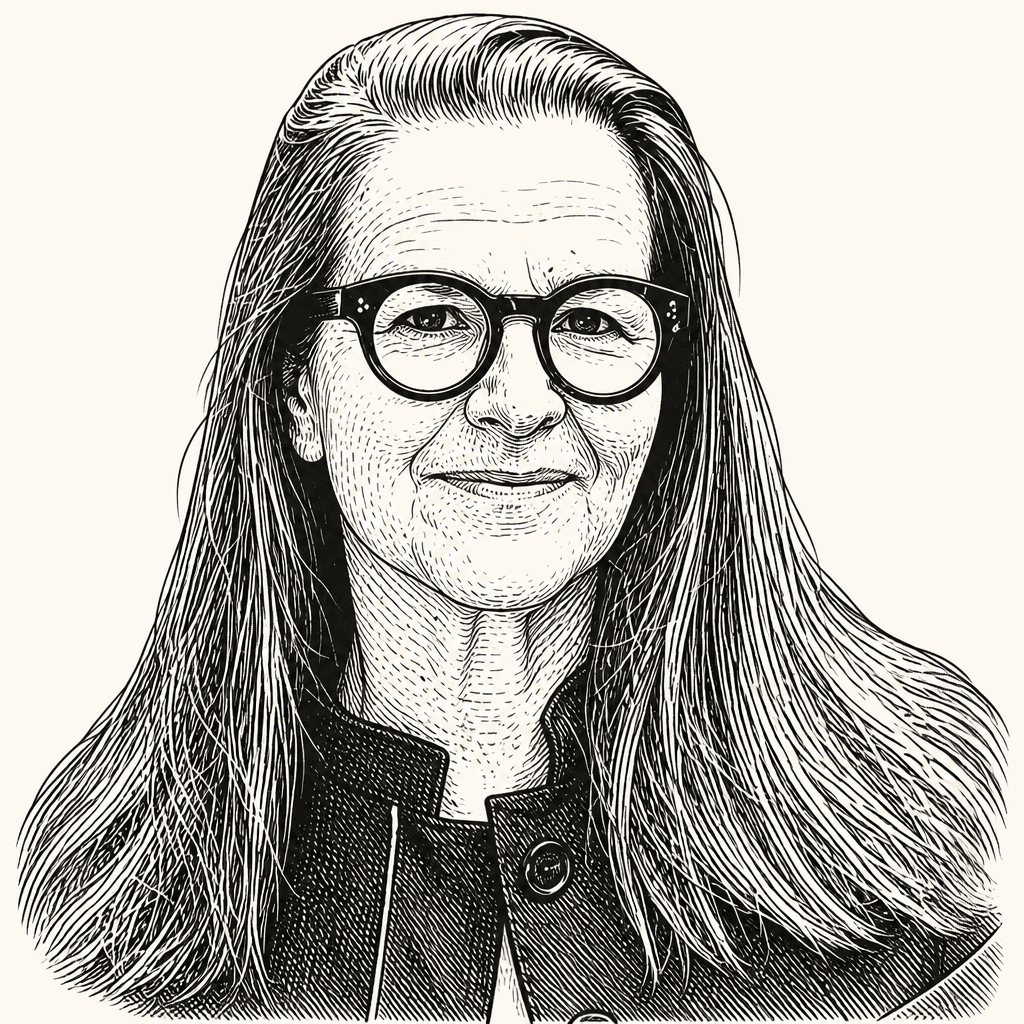
Annie Jacobsen
Pulitzer Prize–finalist and New York Times bestselling nonfiction author whose reporting focuses on war, weapons, government secrecy, and national security; author of Nuclear War: A Scenario and Biological War.
Bioweapon Response Hinges on Containment Before Public Trust Collapses
Annie Jacobsen, the investigative journalist and author, argues that a biological attack could be more difficult to manage than a nuclear strike because an engineered pathogen can spread invisibly while authorities are still determining what happened. Drawing on officials, scientists and Cold War bioweapons history, she says the decisive window for detection and containment may be only 12 to 36 hours—and that, once trust in public-health guidance and state capacity breaks down, emergency planning shifts from protecting the population to preserving government continuity.
The First 36 Hours of a Bioweapon Outbreak Are an Intelligence Crisis
Annie Jacobsen argues that a biological release from a Russian high-containment laboratory could present U.S. officials with a narrow 12-to-36-hour containment window precisely when evidence is most uncertain and Moscow may have the strongest incentive to deny what happened. Using a hypothetical explosion at the Vector laboratory near Novosibirsk, she describes an intelligence effort to infer a concealed outbreak from satellite imagery, intercepted communications, deaths and signs of decontamination. The resulting dilemma, she says, is that a response forceful enough to stop a suspected release could also provoke nuclear escalation.
Engineered Euphoria Could Turn Plague Victims Into Unwitting Spreaders
Annie Jacobsen argues that a genetically engineered plague could be made more dangerous by giving infected people temporary euphoria, removing the symptoms that ordinarily keep sick people home while they spread disease. Drawing on an account of Soviet interest in a “super plague,” she describes how delayed recognition—especially where early cases resemble routine medical crises—could exhaust a narrow containment window. By the time authorities visibly mobilize, Jacobsen says, the priority may shift from stopping transmission to protecting critical infrastructure and managing disorder.