Bioweapon Response Hinges on Containment Before Public Trust Collapses
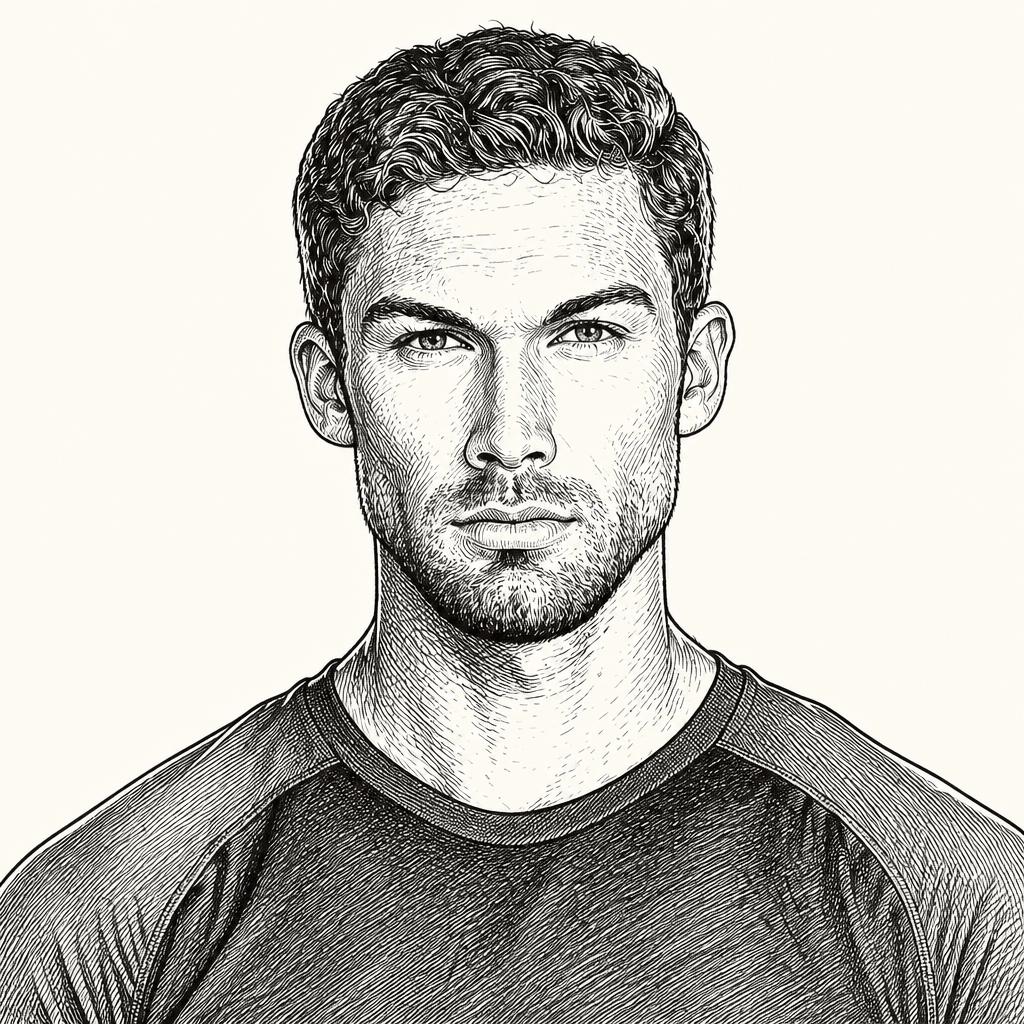
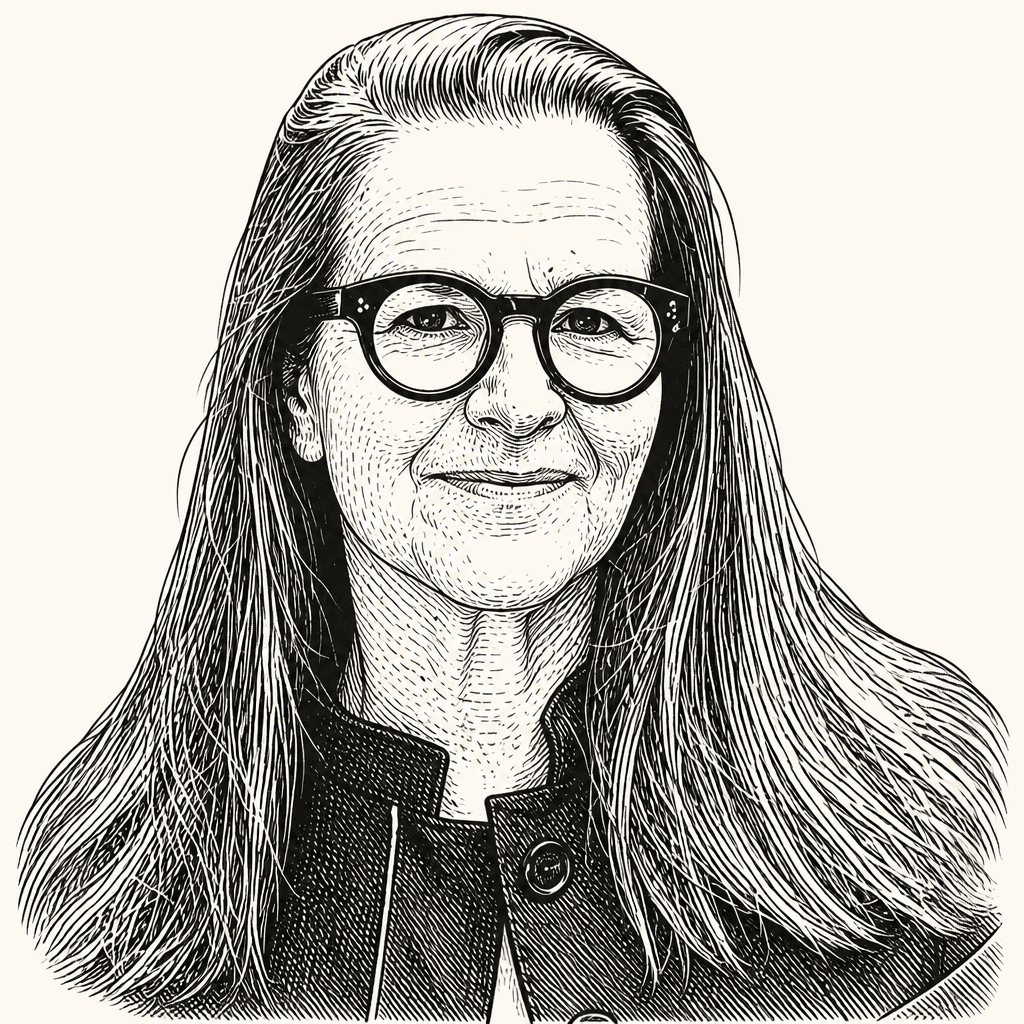
Annie Jacobsen, the investigative journalist and author, argues that a biological attack could be more difficult to manage than a nuclear strike because an engineered pathogen can spread invisibly while authorities are still determining what happened. Drawing on officials, scientists and Cold War bioweapons history, she says the decisive window for detection and containment may be only 12 to 36 hours—and that, once trust in public-health guidance and state capacity breaks down, emergency planning shifts from protecting the population to preserving government continuity.
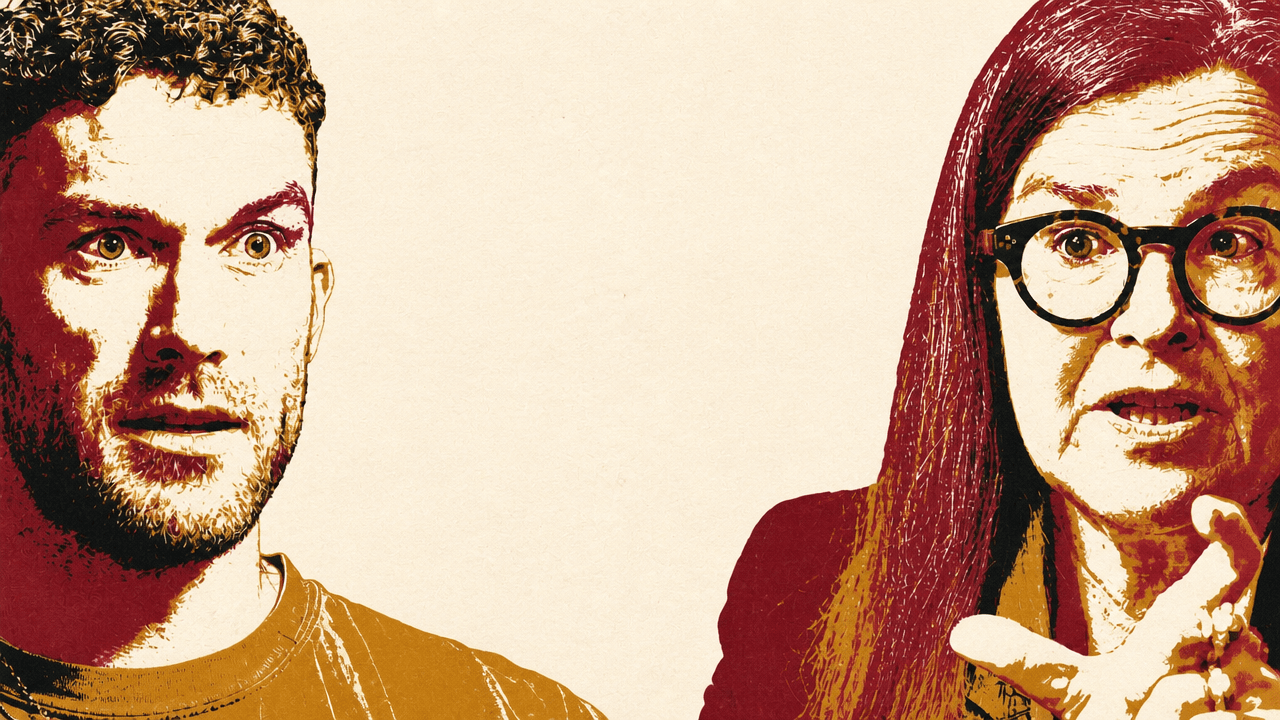
The decisive variable is whether institutions can act before trust collapses
Annie Jacobsen draws a sharp distinction between nuclear and biological catastrophe. A strategic nuclear attack, she argues, is treated as an “event without warning”: it occurs at once, leaving little meaningful scope for population protection. A biological release has a warning window, but it is measured in hours rather than days. In the scenario she constructed from interviews with public-health, intelligence, and defense officials, the relevant period is roughly 12 to 36 hours—the interval in which an outbreak might still be identified, contained, and prevented from becoming a pandemic.
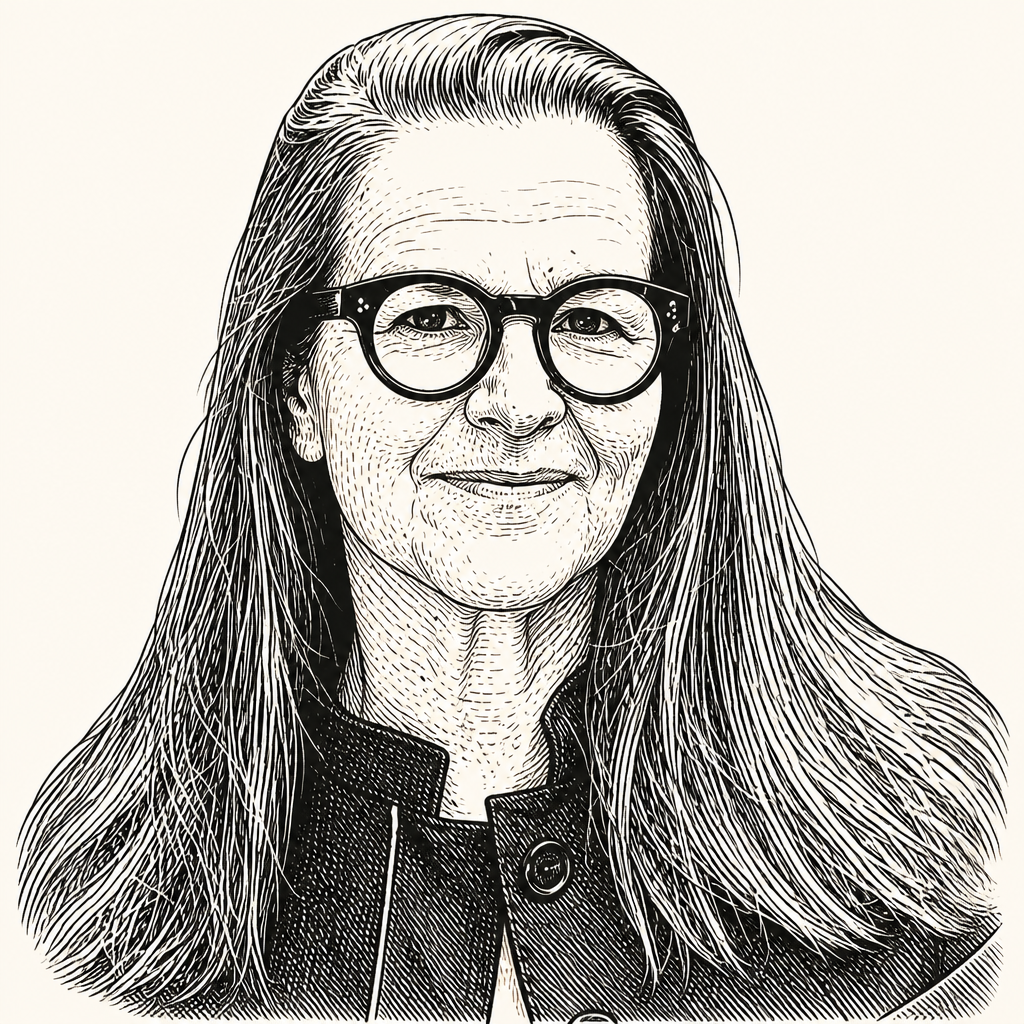
That narrow interval is the central constraint. The danger is not simply that an engineered pathogen might be lethal. Authorities may not know what has been released, whether it is transmitting, or whether the government at the source is concealing the event. Meanwhile, the public may be asked to change behavior quickly on the basis of incomplete information—and may no longer trust the institutions making the request.
A pathogen is not simply an explosive device with a delayed effect. Jacobsen calls it a “living munition”: invisible, self-reproducing, and able to move through populations independently of the actor that released it. Once transmission begins, the weapon can generate its own delivery system.
Biological war is tricky and scary because you don't happen to die instantly and then you have to wonder, I wish I did.
Jacobsen says the U.S. government’s threat framework places biological weapons close to nuclear weapons in destructive potential while treating them as more likely to be used. Biological weapons are prohibited under international agreements, but their illegality has not eliminated the capabilities that concern her: genetically modified agents designed for high transmission, high virulence, or resistance to vaccines and other medical countermeasures.
The public attention given to nuclear weapons, she argues, has never been matched by comparable attention to biological risks. Nuclear fire is visible. A pathogen is silent. It has no mushroom cloud, no obvious point at which a civilian population knows it is under attack, and no clean boundary between an intentional release, a laboratory accident, and a naturally emerging outbreak.
Her reporting led her to what she regards as a disturbing asymmetry in emergency planning. In a strategic nuclear attack, former FEMA director Craig Fugate told her, there is no practical plan to protect the general population because the destruction would be overwhelming. In a biological catastrophe, continuity planning does exist—but it is not principally a plan for the population. It is intended to preserve government and critical systems after a broader failure of containment.
Prevention, detection, and continuity are therefore different problems. Prevention means reducing the likelihood that a dangerous organism is created or released. Detection means recognizing an outbreak in time to stop transmission. Continuity begins when authorities conclude that the first two efforts have failed and must preserve the functions that remain. Jacobsen’s scenario is built around the speed with which a crisis can move from one category to the next.
Defensive biology creates capabilities that can also defeat defenses
Chris Williamson frames the core biological-security problem as one in which offense and defense are contained in the same technical system. The tools used to understand pathogens, design medicines, and prepare for a hostile release can also alter organisms in ways that make them more dangerous.

Jacobsen traces modern gene editing back to 1971, when Stanford scientist Paul Berg developed recombinant DNA techniques. Recombinant DNA, in her formulation, is the fundamental concept behind gene editing: genetic material is recombined to produce an organism with new properties. Today’s CRISPR-based work is a later generation of that underlying capability.
The rationale for working with dangerous pathogens is straightforward in theory. Researchers may alter an organism so that, if a similarly altered pathogen were ever released, public-health systems would have some basis for developing a countermeasure. But that defensive logic creates a Catch-22: investigating how a pathogen might evade treatments, vaccines, or normal modes of control can also reveal how to create such an evasion.
This is where the dispute over gain-of-function research sits. Jacobsen defines the term literally: modifying a pathogen so that it gains a new function. Some of the people she interviewed who work on preventing biological warfare regarded the practice as deeply objectionable, and she says some called “gain of function” a euphemism for biological-weapons engineering. The official framing remains defensive—countermeasure development rather than offensive weapons work—but Jacobsen’s concern is that the technical distinction does not eliminate the capability.
She points to experiments that made this concern concrete. In an Australian mousepox experiment around 2000, scientists vaccinated mice and then found that a modified form of mousepox could defeat that vaccine protection. Roughly a decade later, she says, work involving H5N1 demonstrated airborne transmission in ferrets. Jacobsen presents these not as admitted weapons programs but as countermeasure-oriented research that showed how existing protections or transmission barriers could be overcome.
The growth of biodefense infrastructure compounds the risk. Before the post-9/11 expansion, Jacobsen says, the United States had two biosafety-level-four laboratories: one at Fort Detrick and one at the Centers for Disease Control and Prevention in Atlanta. She says that number grew to 15 BSL-4 labs, alongside more than 1,000 BSL-3 facilities. BSL-4 work involves pathogens with no known cure; BSL-3 facilities may work with organisms such as plague or hantavirus.
| Facility type | Before post-9/11 expansion | After expansion described by Jacobsen |
|---|---|---|
| BSL-4 laboratories | 2 | 15 |
| BSL-3 laboratories | Not stated | More than 1,000 |
The resulting problem is not that every high-containment laboratory is a weapons facility. It is that a system built to defend against biological attack also enlarges the number of people, sites, and experiments handling organisms that could produce catastrophic consequences if deliberately misused or accidentally released.
COVID-19, Jacobsen argues, exposed two failures regardless of what one believes about its origin. First, she says the United States was extremely ill-prepared for a pandemic despite spending billions of dollars annually on that problem. Second, the pandemic fractured trust in science, public-health authorities, and politicians.
That damage matters because public cooperation is part of outbreak control. A future emergency could require people to accept uncertain guidance, alter behavior quickly, and cooperate with health and emergency authorities. Jacobsen emphasizes that biology contains substantial uncertainty. During the first months of COVID, she says, the World Health Organization publicly stated that COVID was not airborne before later revising its understanding. She does not portray the initial position as malicious. Her criticism is that institutions struggle to say plainly that they do not yet know—and that later reversals become evidence of deception to a public already inclined toward distrust.
A risk chart displayed during the discussion, found through a Google Images search and attributed on screen to the Effective Altruism Forum, supplied the probability estimates Williamson cited. The figures were associated with Toby Ord’s work; they were not Jacobsen’s estimates, and neither speaker treated them as settled forecasts.
| Risk category displayed on screen | Chance within the next 100 years |
|---|---|
| Asteroid or comet impact | ~1 in 1,000,000 |
| Supervolcanic eruption | ~1 in 10,000 |
| Total natural risk | ~1 in 10,000 |
| Nuclear war | ~1 in 1,000 |
| Climate change | ~1 in 1,000 |
| Naturally arising pandemics | ~1 in 10,000 |
| Engineered pandemics | ~1 in 30 |
| Unaligned artificial intelligence | ~1 in 10 |
| Total anthropogenic risk | ~1 in 6 |
Williamson used the chart to argue that engineered disease belongs in discussions of existential risk. Jacobsen’s concern was less the precision of the numerical estimates than the possibility of a pathogen that spreads before a society can recognize and organize against it.
The Soviet program showed that prohibition is not verification
Annie Jacobsen places the modern bioweapons problem in the history of the Cold War. The United States, she says, once had an extensive biological-weapons program, both offensive and defensive. President Richard Nixon renounced the U.S. offensive program in 1969 and ordered its destruction; Jacobsen says the process took 219 weeks.
The Biological Weapons Convention followed, declaring biological weapons too dangerous and “repugnant to the conscience of mankind.” The Soviet Union signed it.
According to Jacobsen, the Soviet Union nevertheless continued and expanded a secret biological-weapons effort on an enormous scale. Soviet officials referred to it as their Manhattan Project. Western intelligence did not grasp its scale, she says, until the late 1980s, when Vladimir Pasechnik, a senior scientist-engineer in the program, defected while in France to procure equipment.
Pasechnik first approached the Canadian embassy, Jacobsen recounts, and was sent away. The British embassy took him seriously, transported him to a London safe house, and arranged interviews with Dr. Christopher Davis, a British intelligence officer and surgeon commander working on biological-weapons issues.
Davis described a program that included industrial-scale work on plague and smallpox weapons. The account was then taken to U.S. intelligence. Jacobsen says the CIA sent Nobel laureate Joshua Lederberg to interview Pasechnik directly. Davis, who was present, described Lederberg’s reaction as if “the scales fell off his eyes”: alarm at what the Soviets had built and disbelief that Western intelligence had not recognized it sooner.
The Soviet program’s reported strategic logic differed from nuclear war in a consequential way. A nuclear attack destroys people and infrastructure together. A biological campaign could, at least in theory, kill a population while leaving roads, buildings, industrial facilities, and other assets available to an occupying force. Jacobsen quotes Davis’s account of Soviet planning: they wanted “to kill all the people and leave the infrastructure intact.”
She says the intended effect was not casualties alone. Researchers reportedly sought plague variants that could evade antibiotics, potentially returning an adversary to a pre-antibiotic condition while trust in medical authority collapsed. The point, in Jacobsen’s account, was to combine mass death with institutional disorientation.
That history informs her view of current policy. Jacobsen says the U.S. State Department’s public position is that Russia retains a biological-weapons program rather than having fully dismantled the Soviet infrastructure. She says the department has made similarly serious allegations about North Korea, while its language about China and Iran is more equivocal. The United States officially says it has no biological-weapons program, though Jacobsen notes that it maintains defensive research capacity.
The policy implication she draws is not that every state conducting defensive research is secretly running an offensive program. It is that treaty commitments and formal labels do not by themselves establish what capabilities have been retained, created, or made possible.
A weaponized outbreak would exploit transmission, lethality, and ordinary behavior
Jacobsen’s scenario uses genetically modified pneumonic plague because, in her account, it brings together several difficult traits: airborne transmission, high lethality, a short and uncertain incubation period, and the assumed ability to evade antibiotics.
Airborne transmission comes first. Many pathogens can be dangerous without moving freely through the air. Jacobsen uses anthrax as an example of an organism that can be lethal when inhaled but does not readily pass from one infected person to another. A pathogen that remains suspended in the air and moves between people through ordinary proximity is different because the exposure mechanism becomes ordinary social life.
She distinguishes airborne transmission from droplets. Droplet transmission occurs when respiratory fluid reaches another person’s eyes, nose, or mouth. Airborne transmission, by contrast, means infectious material is aerosolized, remains in the air, and can be inhaled. Jacobsen uses the early confusion around COVID to show how consequential that distinction can become.
The second factor is virulence, often expressed as a case-fatality rate. She contrasts the seasonal flu, which she describes as roughly 0.1% fatal, with COVID at about 1% and hantavirus at a far higher rate. Untreated pneumonic plague, she says, can have a 100% case-fatality rate if antibiotics are not administered within the first 24 hours after illness begins. Her scenario assumes a genetically modified form in which that ordinary antibiotic response no longer works.
The third factor is incubation: the period between exposure and symptoms. A longer incubation period can support transmission because people may travel, work, and gather before realizing they are sick. But Jacobsen resists a simple formula linking incubation length to lethality. Biology is “squishy,” she says: dose, host response, mutation, and the pathogen itself can change outcomes.
She describes infectious dose as another important uncertainty. Dr. Henry Hein, a plague specialist she interviewed, told her that tens of thousands of plague particles could fit on the head of a pin and that a comparatively low exposure could be sufficient for infection. Jacobsen adds that, even after the global experience of COVID, there is no universally agreed figure for the number of SARS-CoV-2 particles required to infect a person.
A disease that incapacitates or kills quickly can also limit its own spread, because infected people stop circulating. The scenario’s most unsettling feature is designed to overcome that apparent constraint. Jacobsen says Hein told her that Soviet researchers had engineered a euphoria-related gene into Yersinia pestis, the plague bacterium. She presents that as his reported account of Soviet work, not as an independently demonstrated technical claim in the discussion.
They infected a gene for euphoria because they wanted people to be—if you have euphoria, you want to go to a disco.
In Jacobsen’s book scenario, that reported concept becomes a premise: euphoria delays the behavioral signal that ordinarily accompanies illness. Infected people feel unusually well during the first phase, socialize intensely, and later collapse into disease. She chose the feature because it provided an analogy to the reported Soviet ambition—using behavior, not just biology, to increase spread.
A release becomes unmanageable when detection lags behind movement
Annie Jacobsen begins her six-day scenario with an explosion at Russia’s Vector laboratory near Novosibirsk. Vector is associated with the former Soviet biological-weapons infrastructure and, she says, experienced an explosion in 2019 that did not apparently result in a pathogen release.
In the scenario, this event does release a genetically modified pneumonic-plague agent. The immediate problem is uncertainty. An outside government may be able to see an explosion or detect unusual state activity, but it may not know whether an organism escaped, what it was, or whether people are becoming sick. The host government may also have strong incentives to deny an accident, particularly if acknowledgment would expose prohibited research.
Jacobsen points to the 1979 anthrax release in Sverdlovsk as a precedent. She says Soviet authorities attributed deaths to contaminated meat, while the actual event involved anthrax escaping from a military facility. The denial persisted for decades.
Concealment converts an already short biological response window into an even shorter one. Authorities are not merely racing against a pathogen. They are racing against uncertainty, diplomacy, and ordinary travel.
- Hour 0An explosion at Vector releases a genetically modified plague agent in Jacobsen’s scenario.
- First 12–36 hoursAuthorities attempt to determine whether a release occurred and contain it before transmission expands.
- After international movementInfected travelers and contact chains carry the outbreak beyond the original area.
- After local detection failsEmergency response shifts from trying to stop spread toward protecting critical infrastructure and government continuity.
- Day 6Jacobsen’s scenario reaches mass disorder and devolution planning.
The scenario reaches the United States through international travel and contact chains. A UCLA pre-med student doing volunteer work in Los Angeles becomes part of the route into a homeless encampment.
Jacobsen’s choice of setting is central to her argument about surveillance. She says the United States built a nationwide syndromic-surveillance system after 9/11, BioSense, through which thousands of hospitals, urgent-care facilities, and emergency departments send real-time information that can help identify outbreaks early. But people without regular healthcare access may not appear in that system until much later, if at all.
Epidemiologists she interviewed repeatedly identified unsheltered populations as a serious public-health vulnerability—not because they are inherently responsible for disease spread, but because symptoms are difficult to distinguish, care is fragmented, and routine surveillance can fail. In an area already marked by overdoses, tuberculosis, influenza, chronic illness, and delayed treatment, an unfamiliar pathogen may initially look like another severe but familiar medical problem.
Super-spreader conditions, in this account, are not reducible to crowd density alone. They include poor ventilation, close contact, delayed care, and the inability to recognize a new disease amid a large volume of existing illness. Reassurance can become a failure mode: authorities may hesitate to sound an alarm for fear of panic, while that hesitation postpones the response needed to stop transmission.
Jacobsen says the United States maintains a Chemical, Biological, Radiological, and Nuclear response force of 18,000 people available for deployment, and that Russia has corresponding CBRN forces. Such capacity can matter when an event is known and geographically limited. It cannot reverse the effects of delay once infected people have moved through ordinary networks of travel and contact.
Once containment fails, planning turns from protection to continuity
Annie Jacobsen says the most consequential feature of biological-war planning is not the first outbreak response but what follows when that response fails. In the plague scenario she describes, mass illness and death create a secondary crisis of disorder, fear, and loss of trust. The Defense Department’s deepest concern, she says, is not only the original pathogen but the insurrection and anarchy that can follow it.
The initial response force is not, in her telling, an unlimited population-protection system. Once the Defense Department moves from a warning order to an execution order—dispatching personnel in protective equipment to mitigate damage—the pivotal moment may already have passed. At that point, she says, planning shifts toward protecting critical infrastructure: roads, water systems, nuclear plants, Defense Department facilities, and the functions needed to preserve a surviving state capacity.
The mechanism is grimly practical. A rapidly lethal airborne disease overwhelms hospitals and makes them places people fear to enter. Staff become sick, care systems lose capacity, and every encounter with another person becomes a potential exposure. The social coordination necessary to restore order becomes difficult precisely because gathering with others is dangerous.
Williamson summarizes the dynamic as an attack on the trust required for civilization itself: citizens do not trust government, people do not trust one another, security forces cannot be sure who is infected, and hospitals become morgues. Jacobsen agrees that trust is the center of the problem.
She links this concern to contemporary accounts of the Black Death. The 14th-century plague, she says, killed between one-third and one-half of Europe. Writing from the period, including Giovanni Boccaccio’s The Decameron, described people abandoning family members, children foraging without protection, and ordinary social obligations breaking down. Jacobsen does not claim a modern outbreak would reproduce medieval conditions exactly. Her point is that extreme disease has historically produced conduct that becomes understandable once survival itself appears uncertain.
Former Senate Majority Leader Tom Daschle, who was targeted in the post-9/11 anthrax attacks, gave Jacobsen the phrase she uses to describe the end state. Biological warfare, he told her, would be “the death of government,” “the death of people,” and “the death of everything you know,” followed by “people doing inhuman things just to survive.”
The formal response to that prospect is devolution: a continuity-of-government arrangement intended to preserve state authority during catastrophic disruption. Jacobsen says the program name has been declassified, though its operational details remain protected. Under continuity planning, a preselected group of officials has instructions and emergency supplies to relocate to secure facilities so government can continue operating even if ordinary civic order has failed.
The premise is not universal protection. It is that government itself should not disappear.
That distinction becomes politically explosive when scarce medical resources enter the picture. Jacobsen describes the Strategic National Stockpile as a reserve of vaccines, antibiotics, antidotes, and other supplies. Its principal warehouse locations are not publicly disclosed. A ChatGPT response displayed during the discussion similarly stated that confirmed warehouse locations are unavailable, while states have systems to receive and distribute stockpile assets during an emergency.
Her concern is that scarcity, rather than secrecy alone, would drive disorder. If people believe their family’s survival depends on access to antibiotics or vaccines, they may attempt to seize or control whatever medical supply chains they can identify. The stockpile is intended to save lives, but in her scenario it becomes a focal point for desperation.
Jacobsen cites a figure of 500 million guns in a country of 340 million people and imagines armed conflict over access to medical countermeasures. Whether that specific sequence unfolds is not the point of the scenario. Emergency planning, as she frames it, must reckon with the social consequences of distributing lifesaving resources under conditions in which public trust, healthcare capacity, and ordinary law enforcement have already broken down.
COVID was a trust stress test, not the near analogue of her plague scenario
Chris Williamson asks how close COVID came to broader social breakdown. The visible strain was real: panic buying, concerns about food and fuel, disrupted supply chains, and intense political conflict. But Jacobsen does not think COVID approached the mass anarchy described in her plague scenario.
Her explanation is perceived lethality. COVID was devastating, but she characterizes its fatality rate as roughly 1%. For many people, particularly after the early period of uncertainty, the perceived risk was that they might become ill but probably would not lose their entire family or see every infected person die. Jacobsen says she personally did not know anyone who died, even though she knew of deaths and interviewed people who had lost relatives.
That perception, in her account, kept fear below the threshold at which ordinary social life becomes impossible. A disease with a 2% fatality rate would produce a different level of fear, she argues. A disease with a 30% rate, or an airborne agent with near-certain fatality in untreated cases, would be more destabilizing still. The difference is not simply mortality totals. It is the loss of ordinary assumptions: that hospitals can help, medicine can cure, institutions can distribute scarce supplies, and proximity to other people remains tolerable.
COVID’s significance for Jacobsen is therefore not that it nearly replicated a weaponized-plague scenario. It demonstrated how quickly guidance, institutional credibility, supply chains, and public cooperation can come under strain—and how much harder a future response becomes when people interpret uncertainty as proof of bad faith.