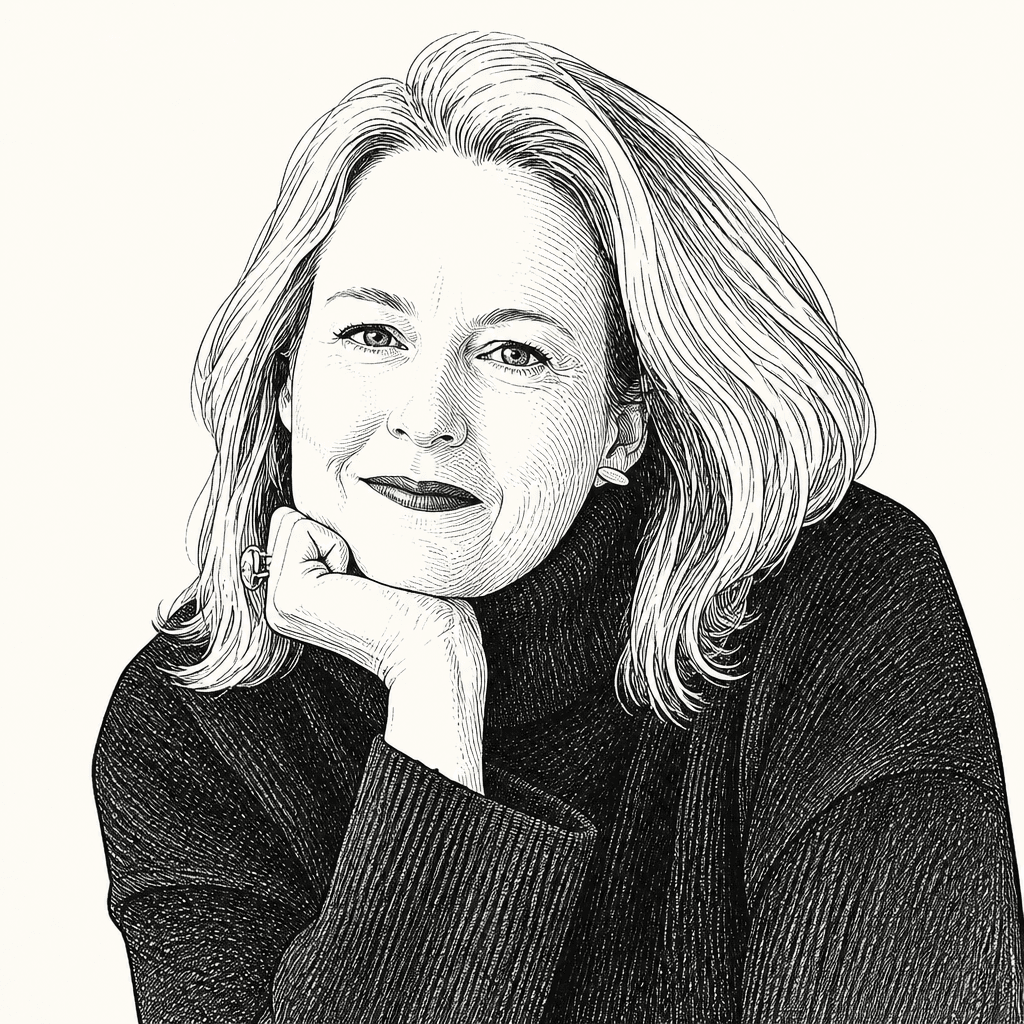
Anna Machin
Evolutionary anthropologist, writer, and broadcaster known for pioneering research on fatherhood and close human relationships. She spent more than 12 years at the University of Oxford researching the neuroscience, genetics, and psychology of love and parenting, and authored The Life of Dad and Why We Love.
Most People Still Choose Exclusive Pair Bonds Under Looser Sexual Norms
The discussion turns on whether some women would prefer to share a wealthy or high-status partner rather than have an exclusive relationship with a less desirable one. An unnamed speaker argues that monogamy protects the value of exclusivity while distributing partnership more broadly among men; Williamson questions whether that arrangement primarily serves men. The speaker’s narrower empirical case is that, even under looser sexual norms, most people still form largely exclusive pair bonds, usually serially rather than for life.
About One in 10 New Fathers Experience Perinatal Depression
About 10% of new fathers experience depressive symptoms around childbirth and in their child’s first year, yet many are never screened, according to Mat Lewis-Carter, who says his own postnatal depression went unrecognized even in therapy. Anthropologist Anna Machin argues that fathers can face overlapping pressures including sleep disruption, relationship strain, caregiving demands and identity change, without equating their experience with childbirth. Recognizing paternal depression, she says, is not a zero-sum claim on attention but part of building a stronger support system around mothers, children and families.
Caregiving Participation Is Linked to Lower Testosterone in New Fathers
Anthropologist Anna Machin argues that among biological fathers studied in early parenthood, testosterone tends to fall in connection with active caregiving—not simply with becoming a father. She frames the change as an adaptive shift from mating competition and risk-taking toward pair bonding, patience and infant care, while cautioning that the effects of testosterone supplementation on fathers remain poorly studied. Her broader case is that masculinity should be judged by responsiveness to changing roles, not by maintaining permanently high testosterone.