About One in 10 New Fathers Experience Perinatal Depression

About 10% of new fathers experience depressive symptoms around childbirth and in their child’s first year, yet many are never screened, according to Mat Lewis-Carter, who says his own postnatal depression went unrecognized even in therapy. Anthropologist Anna Machin argues that fathers can face overlapping pressures including sleep disruption, relationship strain, caregiving demands and identity change, without equating their experience with childbirth. Recognizing paternal depression, she says, is not a zero-sum claim on attention but part of building a stronger support system around mothers, children and families.
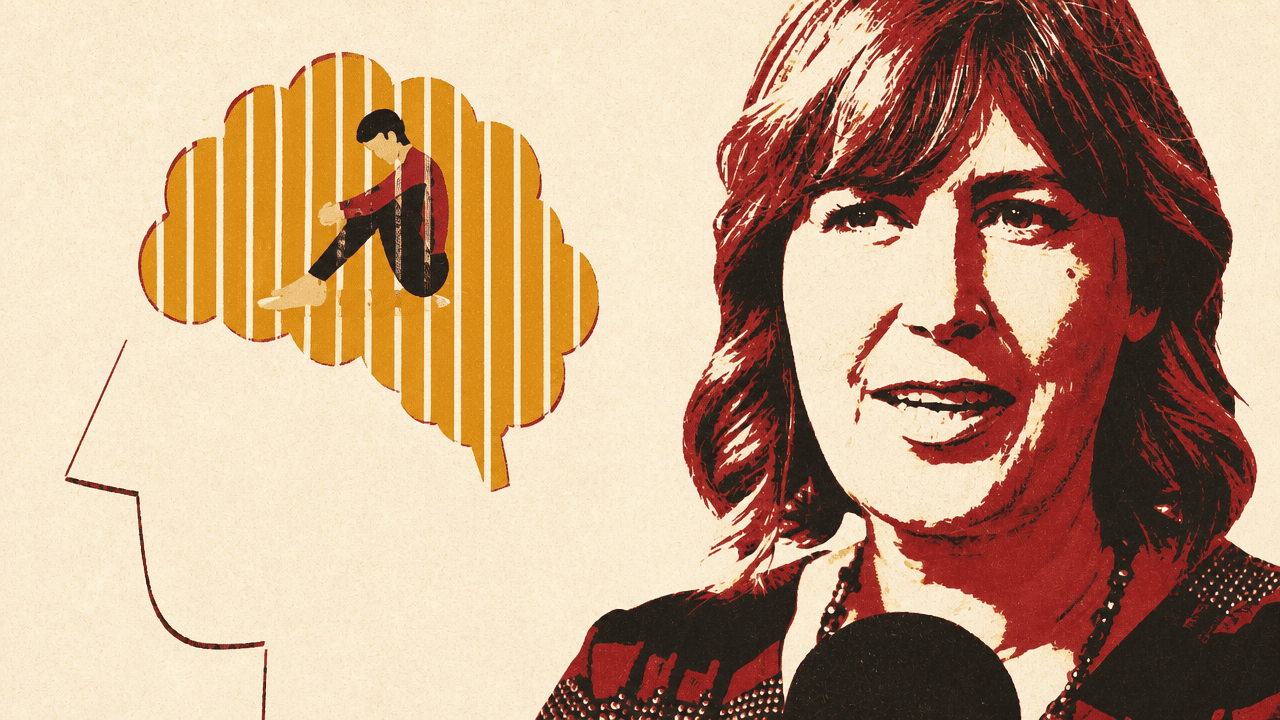
About one in 10 new fathers experience depressive symptoms, but many are not screened
Anna Machin says depression among new fathers occurs at roughly twice the rate seen in the general population. Mat Lewis-Carter puts the figure at about 10% of new dads experiencing depressive symptoms during the perinatal period and their child’s first year. Yet, he says, men are not routinely screened for the condition, so many cases go undiagnosed.
Machin prefers “perinatal depression”—depression around the birth of a child—to “postpartum depression” when discussing fathers, though she considers the terminology secondary. “Postpartum,” she says, means the period after a baby is born; it does not require that the person experiencing depression gave birth.
Fathers do not undergo childbirth, but new mothers and fathers can share a cluster of depression risks: stress, disrupted sleep, relationship conflict, new responsibilities, identity crisis, hormonal changes, and brain changes. Those overlapping pressures can make fathers vulnerable to depression without making their experience identical to that of mothers.
Machin estimates that studies place depression among new mothers at roughly 19% to 21%, compared with about 10% for fathers. She adds that women have about twice the general-population rate of anxiety and depression as men, so the difference between new mothers and fathers broadly tracks that baseline.
Disconnection and shame can go unrecognized as depression
Mat Lewis-Carter says he experienced postnatal depression after the 2021 birth of his daughter, Aurelia. When she was about a month old, his wife asked how much he loved their baby. He froze, said that he did, and later recognized that the emotional bond he expected was not there yet.
He describes struggling to connect with his daughter, feeling disconnected, and developing shame that he was not the “natural father” he thought he would be. He waited about six months before opening up to his wife, partly because he wanted to be a “rock” for her after a complicated pregnancy. Therapy followed, but postnatal depression was never raised as a possibility. When Aurelia was about a year old, he came across an article about men’s postnatal depression and says his experience finally made sense.
Lewis-Carter says his bond with Aurelia later became “incredible,” but that new fathers should know an immediate emotional connection is not guaranteed. His account centres on symptoms that went unrecognized even after he entered therapy.
The TikTok comments shown alongside his testimony illustrate the gatekeeping Machin describes. Some dismissed his experience as “discomfort and uncertainty”; others suggested he resented attention shifting to the baby, or argued that depression after birth belongs exclusively to mothers because childbirth involves hormonal changes. The comments do not establish what Lewis-Carter himself encountered, but they make visible the kind of dismissal under discussion.
Treating parental mental health as a contest leaves the family with less support
Anna Machin is sympathetic to the history behind objections to fathers using the term postpartum depression. Women, she says, have had to fight for recognition, funding, treatment, and education around reproductive health and maternal mood disorders. A psychotherapist Machin interviewed for her book, who works with new fathers and advocates for their mental health, described women’s-health advocates asking: “Can’t we have this one thing? Can’t we have the postpartum period? This is ours.”
But Machin’s argument is not simply that fathers deserve an equal share of attention. Recognizing paternal distress can strengthen the support available to mothers and children. Mental health operates across the family system, she says, and the best predictor of a mother’s mental health is the support she receives from her partner. A father who is unwell may be less able to provide that support, leaving the household with less capacity around the baby.
Mental health is a family system. You need the best possible team around a baby.
Chris Williamson objects to what he calls a zero-sum view of empathy: treating attention to fathers’ distress as an attempt to displace concern for mothers. He argues that denying a father’s illness does not protect mothers or children if it leaves the father unable to contribute to the household’s care and support.
Machin makes the tension more concrete. Men are increasingly expected to wake with the baby, handle routine care, and participate fully in the difficult work of caregiving. That work, she says, can be taxing, isolating, and draining. It is incoherent, in her view, to ask fathers to function as active caregivers while treating mental-health vulnerability as the sole domain of mothers.
If we want men to participate, we have to respect that their mental health matters too.
Williamson speculates that the amount of caregiving a father performs may mediate his risk. Machin does not resolve that proposition in the discussion; her stated point is narrower: more involved fatherhood brings real pressures, and those pressures should be recognized rather than dismissed.