Progressive Strength Training Expanded Tae Jin Park’s Independence With Cerebral Palsy
 Tim FerrissRafael Rivera
 Jacob Zalewski
 Aniela GregorekTae Park
 Jerzy GregorekTim FerrissThursday, May 14, 202612 min read
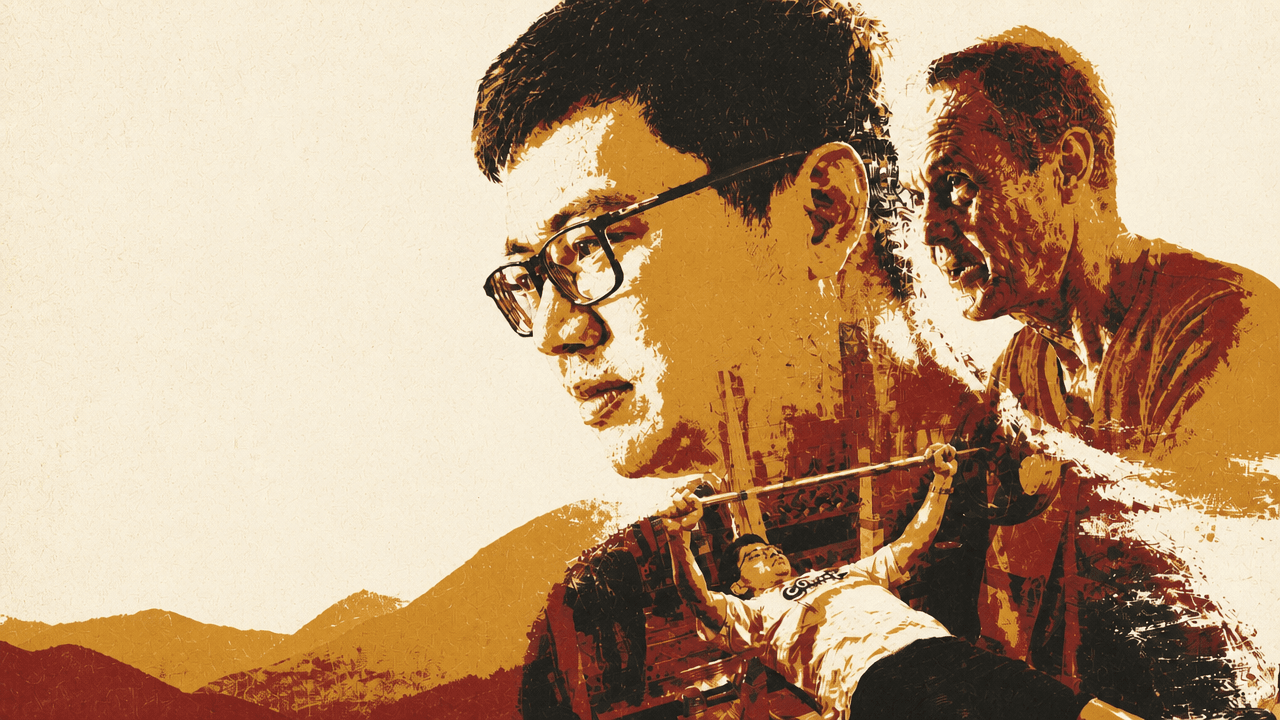
Jeff Wolfe’s documentary Prisoner No More follows Tae Jin Park, who was diagnosed with cerebral palsy, and the years of training he undertook with Olympic weightlifting coach Jerzy Gregorek. The film’s central case, made through Gregorek, Park, his family and a clinical voice, is that Park’s limits were not fixed by diagnosis alone: progressive strength training, higher expectations and reduced dependence helped expand his movement, attention, speech, independence and access to college.
The intervention began with a different premise
Jerzy Gregorek states the principle bluntly: “Everybody can get better. It’s just where to start. Find the starting point.” In Tae Jin Park’s case, the starting point was not a program designed around incapacity. It was a coached search for what he could do, then a disciplined expansion of that ability.


Tae Jin was born in Seoul two months premature. According to the account from his family, early signs appeared when he did not crawl at the age when babies usually begin crawling, and later did not try to stand and walk. He was diagnosed with cerebral palsy. His family tried therapies and exercises intended to help him develop “to become a normal kid,” but they did not see improvement. When he began walking, he walked on tiptoes. Doctors recommended surgery, which his family delayed until, when Tae Jin was about 10, they were told that further delay might make surgery impossible because of his weight. The operation, performed in Heidelberg, Germany, put his feet down to the ground, but it did not solve balance. A small bump could make him fall.
The medical framing is careful on one point: cerebral palsy is not a single cause but a clinical diagnosis involving early-onset movement difficulty. A physician explains that the definition has changed. The older idea tied cerebral palsy mainly to brain injury around birth; more recent data, the physician says, suggests that up to 30 percent of people diagnosed with cerebral palsy may have some genetic factor contributing to the condition. That does not erase the diagnosis. Injury, infection, differences in brain development, genetics, and environmental factors can all result in what clinicians call cerebral palsy.
The physician also emphasizes severity. Some children have minimal symptoms; others are profoundly affected. The practical question is not simply “CP or not CP,” but baseline function: what a person can do, what can be strengthened, and how movement can be made more efficient. The “magic,” in that account, comes when interventions are tailored to the individual.
That is close to Gregorek’s working model, though his language is that of a coach rather than a clinician. When a friend asked whether he could help a boy with cerebral palsy, Gregorek says he answered as if the diagnosis did not change the underlying coaching obligation: “It’s not different than anybody else.” When he first met Tae Jin, he saw someone crouched, arms held in, weak, lethargic, walking on his toes, and giving few answers to questions. Gregorek took him to the gym.
The first test was a bench press. Tae Jin could not lift the bar. Gregorek then brought out a three-pound wooden bar. Tae Jin lifted it. Gregorek added weight, tested again, and then returned to the aluminum bar. Tae Jin lifted that too. The sequence is less important than the inference Gregorek drew from it: Tae Jin could progress. Gregorek told Tae Jin’s father to give him five years and see where they ended up.
The father wanted a normal child. I said, well, you have to give me five years first. And we'll see where we end up.
Tae Jin’s father describes Gregorek as the first person who said there was something that could help his son. They signed up immediately.
The method was progressive overload, not consolation
Gregorek’s intervention was built from slow, concrete progressions: walking heel-to-toe, stepping, jumping, lifting, and increasing resistance in small increments. In one training sequence, he cues Tae Jin repeatedly: “Heel and toe. Easy, easy, slower, slower.” The work is ordinary in form and exacting in demand. It treats movement as trainable.
Gregorek says Tae Jin initially could not jump and land safely. His legs were tight, his body awkward, and landing could make him fall. Through stepping and jumping, he began jumping higher. Eventually, Gregorek says, Tae Jin could jump onto an 11-inch box. Gregorek frames the change as neurological as well as physical: the brain moved from “not able to do” toward “actually be able to do it,” developing pathways to control the body.
Strength followed the same logic. Gregorek says he added one or two pounds each week, allowing resistance to accumulate slowly while the body adapted. Tae Jin’s body became stronger and more flexible. Gregorek calls it “waking up.” In one training moment he counts Tae Jin through 20 repetitions at 120 pounds. Elsewhere he says Tae Jin went from being unable to lift 15 pounds to pressing 170 pounds. At 150 pounds body weight, Gregorek says, Tae Jin could press more than his body weight.
Gregorek’s claim is that Tae Jin had trainable capacity that others were not accessing, and that athletic coaching could reveal and expand it. He did not treat the diagnosis as a reason to lower the demand. He treated it as information about where to begin.
This is also where Gregorek’s view of parents becomes central. He says he asked Tae Jin’s father to be present in the gym because parents must learn to coach their children. For Gregorek, part of the intervention is a change in how parents see the child: not as sick, ill, or handicapped, but as a person whose brain has “a lot of boulders to move around.”
The visual record reinforces that Gregorek is being presented through the identity of a weightlifting coach, not as a medical provider. One on-screen article from The Almanac shows Aniela and Jerzy Gregorek in their Woodside home and describes a “Happy Body” program that stresses inner and outer fitness. Another profile shown on screen identifies Gregorek as an Olympic weightlifting champion, author, and personal trainer. It notes that he and his wife Aniela were both Olympic weightlifters, that they left Poland during the Solidarity Movement, and that after a spine injury and temporary paralysis, Gregorek later returned to competition and “went on to win five more gold medals in the next decade.” The article quotes him saying, “Weightlifting is a lifestyle,” and, “It’s a craft, and it takes time.” That background is the basis Gregorek gives for his five-year horizon: as an Olympic weightlifting coach, he says, five years of training can create “a major change.”
Strength training became a route into attention, speech, and independence
The changes Gregorek describes were not limited to gym numbers. After six or seven months, he asked Tae Jin’s father whether anything had shifted outside training. Gregorek says he was “looking for transitions.” The father reported hearing Tae Jin’s voice from the back of the car. Tae Jin had noticed a car.
Gregorek turned that into an attention drill. What kind of car was it? What color? Tae Jin did not know. Gregorek told him to look at cars on the way home and remember them. Tae Jin returned able to report two cars, then their models and colors. Gregorek kept adding layers: who drove the car, how old the person was, and the license plate. The point was not cars; it was observation, memory, and engagement with the world.
Gregorek says Tae Jin’s father once told him that Tae Jin’s “only language” had been practical prompts such as “time to go to bed” or “time to eat.” After the car exercises, the father said they had their first conversation.
Tae Park gives his own account in more formal language: he is grateful for the ways he has changed since working out with Coach Jerzy. Previously, he says, he did not pay attention to what was happening around him. He communicates better with his parents by sharing his training in the gym. “In conclusion,” he says, “I am happy with the progress that I have made.”
The account repeatedly links physical competence with personal agency. Tae Jin tells Gregorek that walking upstairs used to make him nervous and afraid. “Now I’m okay,” he says. Gregorek notes that Tae Jin is no longer “crushing” down, can lift his foot up and down, is not shuffling and tripping in the same way, and has become more flexible.
The most concrete shift in independence comes through a shoelace. Gregorek noticed one of Tae Jin’s shoes was untied. Tae Jin’s father rushed to tie it. Gregorek stopped him: Tae Jin could do it. Tae Jin leaned down and tied his own shoe. Gregorek then asked what else the family was doing for him. The answer, in Gregorek’s telling, was “everything”: dressing him, taking him to the toilet, and other daily care. Gregorek objected. “The boy is ready to take care of himself,” he told them. “You have to give the boy a chance.”
That moment captures a tension running through the story. Care can protect, but it can also preserve dependence after a person is ready for more. Gregorek’s view is that the family had to stop doing for Tae Jin what he could now learn to do for himself. That became part of Tae Jin’s movement toward independence.
Gregorek’s philosophy of difficulty comes from having been pulled out himself
Gregorek’s insistence on hard training is not presented as detached toughness. He connects it to his own adolescence. At 15, he says, his parents did not think college was for him. His father was a locksmith, and Gregorek was expected to become one too. He passed the exam for high school but was not ready for the work and study. He began drinking vodka. His “alcoholic years” lasted until about 18. He says there was no school, daily blackouts, suicidal thoughts, and a sense that he was almost done.
Then a boy came to him after his mother threw his weightlifting equipment out of the house. Gregorek offered space for the equipment but did not want to train. The boy suggested they do a little bench press and then go for a beer. The beer got Gregorek’s attention. They trained, then repeated it the next day, and the next. Gregorek says he was extremely weak and could barely lift a bar, but strength began waking something in him. He describes the friend as “like my angel,” someone pulling him out of alcoholism.
Later, facing mandatory army service, Gregorek joined the fire department as an alternative. The first time he rode in a fire engine to a fire, he felt something he had never felt: someone needed him, and he was the person going there. He was proud of himself in a new way.
He also returned to high school through evening classes. A soccer player named Edu, who lived about 200 meters away, would come out of his house, walk with Gregorek to school, and then walk him back. Gregorek says this went on for a year or two. He later understood that Edu was saving him, making it possible to go to school instead of going drinking.
The conclusion Gregorek draws from these memories is explicit: people need other people to get out of hard places. Sometimes they need to be dragged toward the next level.
If you want to go out of really a place where is really hard for us, we need other people to help us, drag us all the way, right? And move us toward, help us to go to the next level.
That history informs his attraction to difficulty. Gregorek invokes John F. Kennedy’s line about doing things not because they are easy but because they are hard. For him, “hard” means progress. Easy means repeating something already known, which he calls useless for development. In coaching, hard means finding a way to push the athlete into the unknown so the athlete improves over time. The hard choices are physical, mental, and spiritual.
Tae Jin’s goal was not a special track, but college with other students
Tae Park says plainly that his dream is “to be able to study with normal kids.” That educational aim becomes the concrete test of Gregorek’s broader claim: the point was not only to improve Tae Jin’s gait or strength, but to change what settings others believed he could enter.
Gregorek does not deny cerebral palsy. He argues against the expectations attached to it. In his formulation, people with cerebral palsy are born with the condition, but “that condition doesn’t get worse over time.” What worsens, he says, is how they live in society: they do not fit in, walk on toes, speak slowly, appear awkward, and because of those things do not develop as others do.
His criticism is directed at a social posture of comfort without challenge. Others see people with cerebral palsy as people to care for, he says, “but not to do anything with them,” not to make them better. Medicine, in his formulation, “doesn’t do it.” What is needed, he argues, is to coach them like athletes.
The physician’s remarks supply a clinical frame: cerebral palsy varies widely, and individualized interventions matter. Gregorek supplies the coaching frame: capacity is left undeveloped when people are treated primarily as fragile. The two frames sit side by side in the account. The medical voice stresses diagnosis, cause, severity, and tailored intervention. Gregorek stresses training, expectation, and the refusal to define a person by limitation.
For Tae Jin, the practical consequence was education. Gregorek says Tae Jin passed eighth grade and then faced college acceptance. When a college offered to accept him into a special program, Gregorek objected. “No special program,” he says he told them. Tae Jin needed to be around normal students because, in Gregorek’s view, he is normal and capable. He may be slow, but “he will get it” in his own time.
Tae Jin says he feels he is at the same level as any other college student. He says he can express his thoughts more effectively and clearly, and has more confidence at college. A closing title card states: “TAE JIN IS CURRENTLY FINISHING HIS COMMUNITY COLLEGE REQUIREMENTS AS A SOPHOMORE AND IS PURSUING A TRANSFER TO SAN JOSE STATE NEXT YEAR.” Another says he continues “TO DEFY LIMITATIONS OF ANY KIND,” living in a way that, to most, was unimaginable seven years earlier.
Gregorek describes Tae Jin as completely independent and “in a place like anybody else,” while also noting that he is 30 years old and still trying to figure out who he is in the world. The phrase he uses is “second chance.”
The same contract is offered to another person
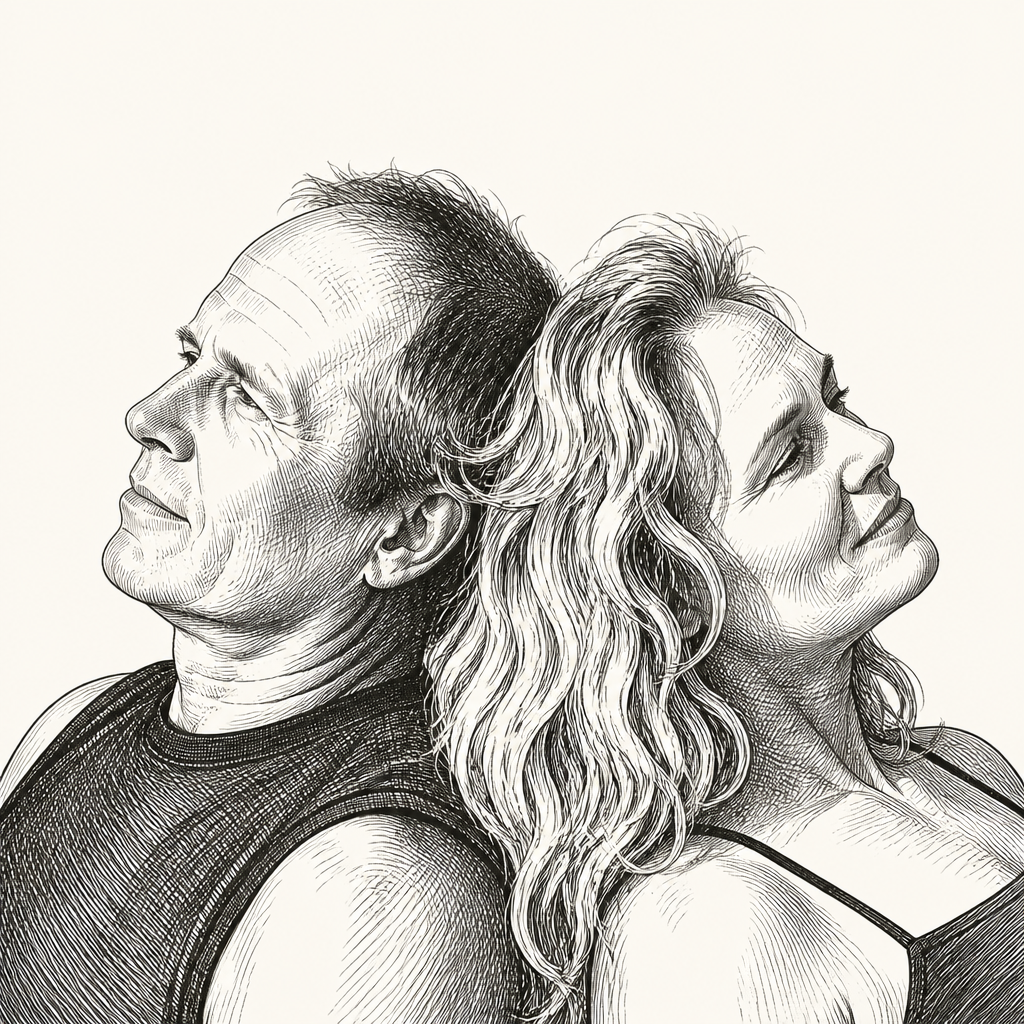
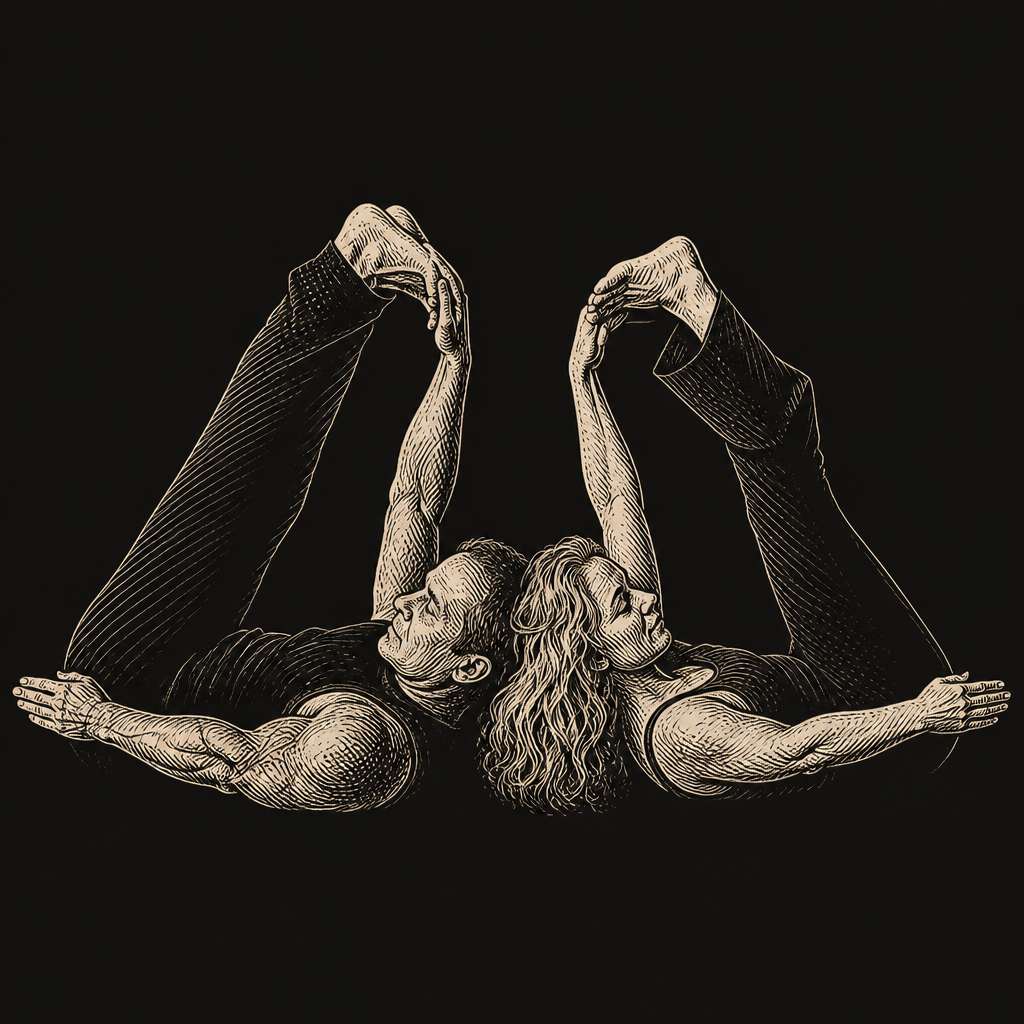
Aniela Gregorek describes her husband’s pattern after 40 years of marriage: he sees people who are suffering, often because they are stuck in their minds or have imprisoned themselves, and he becomes emotionally involved. He encourages them, inspires them, and says words that help them begin moving in the right direction.
The account then introduces Jacob Zalewski, founder of the One Step Closer Foundation. Jacob says his father, a professional poker player, helped get him started. He wanted to create a scholarship for people with disabilities whose medical issues were preventing them from going to school. He says the foundation had sponsored, to that point, 12 people with disabilities to go to college and pursue their dreams without disability being a hindrance.
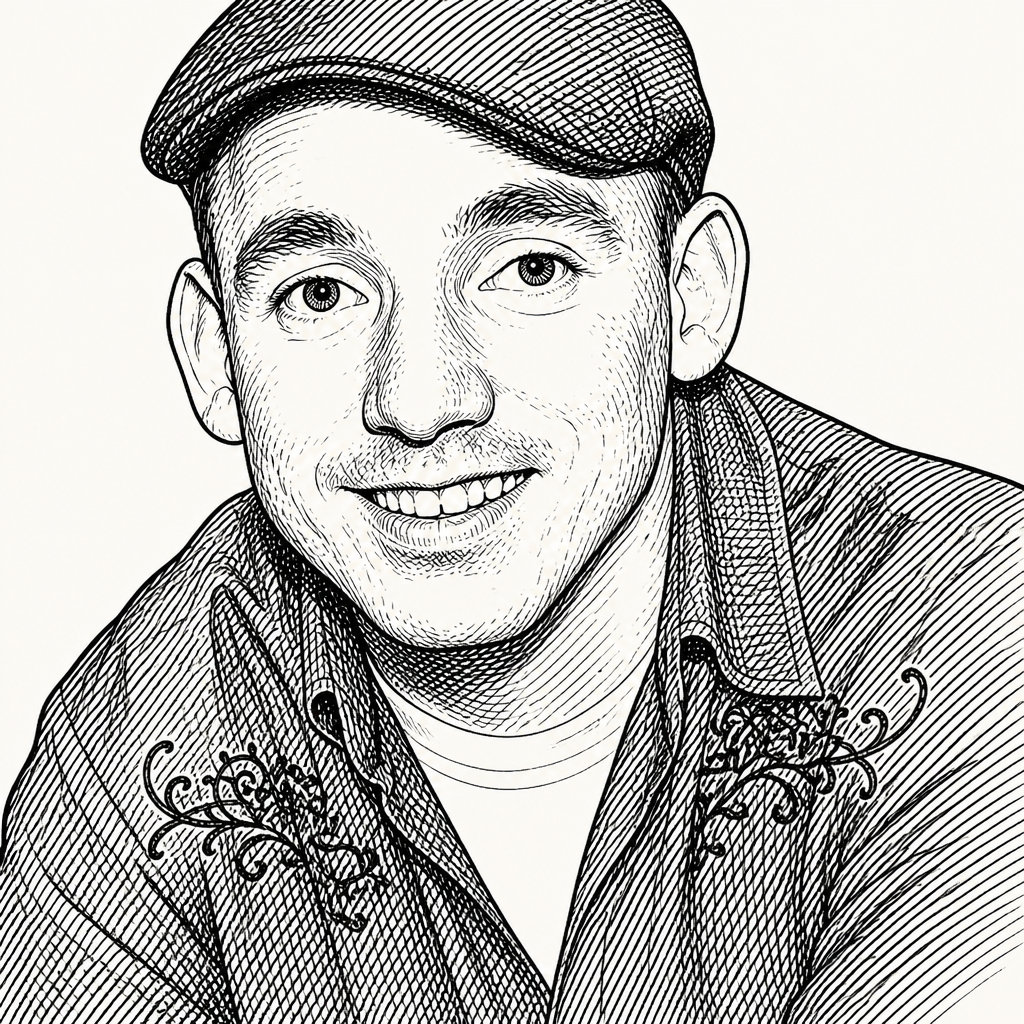
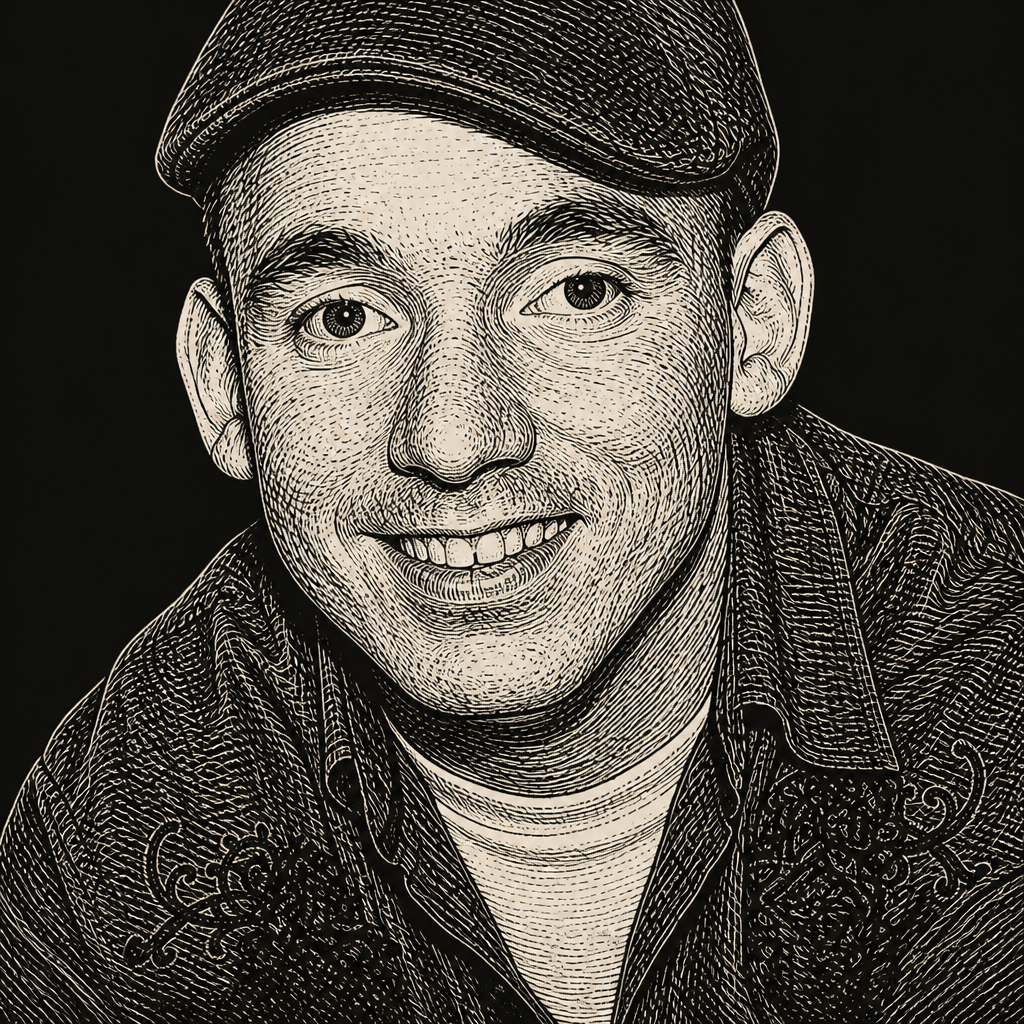
Jacob’s own history echoes some of Tae Jin’s. He tells Gregorek he had been three months premature, with an umbilical cord wrapped around his neck and a brain infection. Doctors, he says, did not think he would have quality of life or be able to eat, speak, or do anything. “Luckily,” he says, “they were wrong with about 95% of their predictions.” At 40, he says, that is “not bad” given that he was not expected to live more than two weeks.
Gregorek asks what Jacob would most want to improve. Jacob answers: balance, less need for a walker, and, if possible, the ability to walk. Gregorek asks how he would respond if he could return to balance and maybe walk. Jacob says it would be phenomenal. Gregorek asks for three years. Jacob replies that he would give him 20.
The exchange matters because it repeats the core contract of Tae Jin’s story: a long horizon organized around possibility, effort, and coaching. Gregorek thinks three years could bring “a lot.” Jacob is willing to commit far beyond that. The new beginning is framed as another journey “fueled by hope and dedication,” with the belief that Jacob too could become “a prisoner no more.”