Longevity Stack Stays Conservative as Rapamycin and Bioelectric Medicine Remain Watchlist Items
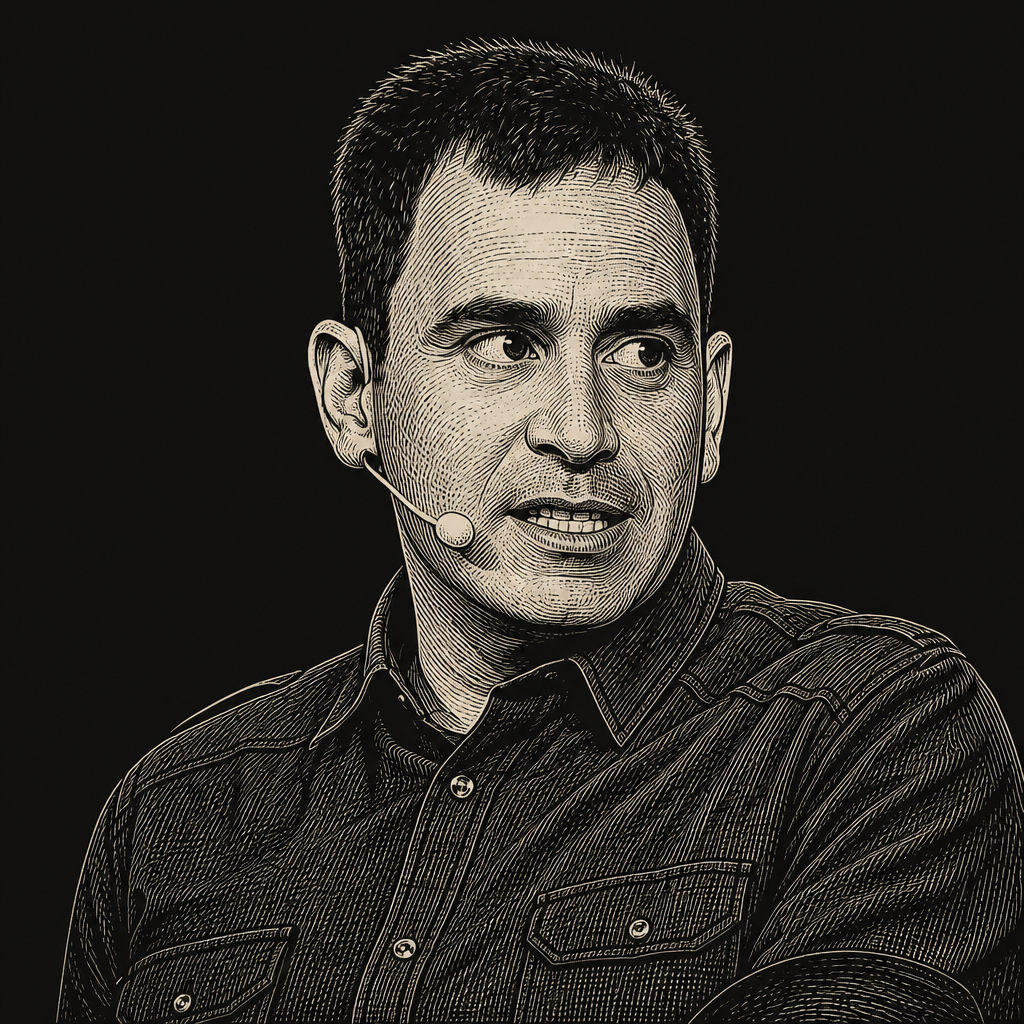
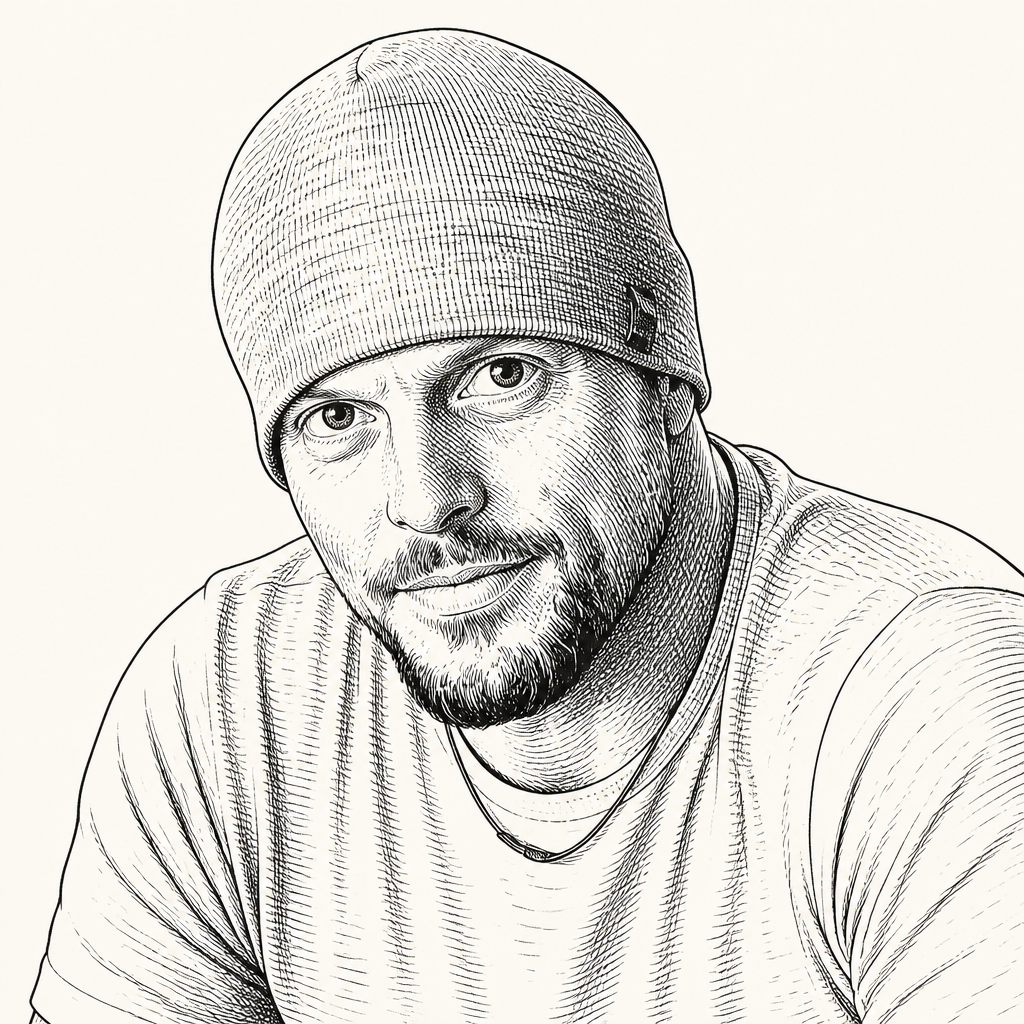
Elad Gil describes a longevity regimen built less around biohacking novelty than around sleep, exercise, diet, and a narrow supplement base. In a conversation with Tim Ferriss, Gil argues for waiting on more powerful interventions until the evidence and drugs improve, while Ferriss applies a similar caution under the heuristic of “no biological free lunch.” The discussion treats rapamycin, ketones, ibogaine, anesthesia, neurosensory aging, and bioelectric medicine as watchlist items rather than settled parts of a personal stack.
The durable base is not exotic
Elad Gil’s personal longevity stack is deliberately plain. Despite the growth of biohacking from what Tim Ferriss described as a 2008-era Quantified Self meetup of “12 people sitting around in Kevin Kelly’s house talking about measuring things with Excel spreadsheets” into “armies of tens of thousands” talking about longevity, Gil said much of what matters collapses into a short list: sleep well, exercise a lot, eat well.

Gil said he has “not done a ton” personally. He is interested in a few possible additions and experiments, but his practical posture is restrained: wait for “the real drugs” before treating more aggressive interventions as part of a personal regimen.
Ferriss described himself as more conservative than many people might expect. He distinguished his earlier self-experimentation from higher-stakes biological interventions. Wearing first-generation Dexcom continuous glucose monitors around 2008 or 2009, when they were unpleasant and when he was not aware of other non-Type 1 diabetics using them, was in his view a capped-risk experiment. That is different from, as he put it, questionable gene therapy or traveling to other countries for something like follistatin.
His governing heuristic is “no biological free lunch”: simplistic, he acknowledged, but useful for avoiding pitfalls.
The general heuristic of no biological free lunch, I recognize it's very simplistic, but it's pretty helpful.
That phrase was also shown on screen in a screenshot of a February 2024 post on Ferriss’s site titled “No Biological Free Lunches,” framed by quotes from John Muir and Blade Runner. In the discussion, the principle functioned less as a formal rule than as a filter: if an intervention promises a biological shortcut, Ferriss assumes there may be tradeoffs that are not yet obvious.
The supplement base stayed narrow. When Gil asked what was on Ferriss’s short list, Ferriss answered: vitamin D and creatine, with creatine especially relevant “if you want to lift.” Gil accepted that answer and did not try to turn the stack into a long supplement protocol.
The speculative edge is mostly a watchlist
Elad Gil’s more speculative interests begin with interventions he has not yet tried. He said it would be “cool” to try a rapamycin pulse, but he placed that in the category of experiments rather than current practice. He also pointed to age-related vision changes: as people age, he said, the muscle that holds the lens of the eye weakens, contributing to reduced ability to focus.
Tim Ferriss picked up that example and argued that there “should be eyedrops for that.” He said he would like to fund startups around neurosensory aging and has also long been interested in the cosmetics of aging as an underinvested area. As an example, he said he had funded a Stanford clinical trial related to cosmetic aging. Ferriss also grouped many peptide uses into that domain: people may discuss peptides as health interventions, but he sees examples such as 5HKCU and melanin as largely cosmetic in nature.
Ferriss’s own watchlist was broader than his daily routine. He said he is experimenting with different forms of ketone esters and salts, which he thinks could be interesting for cerebral vasculature. Because Alzheimer’s disease and Parkinson’s disease are in his family, including among people who are APOE3/3, he said he pays close attention to brain-related risk factors.
Ferriss named obicetrapib as something to watch, while emphasizing that it is “not yet ready for prime time.” He also called rapamycin interesting, but only with “a lot of asterisks.” His caution was straightforward: rapamycin is an immunosuppressant, and “you can screw yourself up if you don’t know what you’re doing.”
One possible experiment Ferriss described would combine Norwegian 4x4 interval training with rapamycin pulsing, then examine whether there are volumetric changes in the hippocampus or other brain areas. He noted the methodological problem himself: a cleaner signal would come from testing one intervention at a time. But when Gil supplied the phrase “waiting for science sometimes,” Ferriss agreed with the practical tension: real life is not always the same as waiting for perfect evidence.
Ferriss also mentioned urolithin A as interesting, tied to his interest in mitochondrial health. In the same cluster he placed intermittent fasting and occasional three-to-seven-day fasts, including fasting-mimicking diets, most recently influenced by input from Dr. Dominic D’Agostino. Gil summarized the aim as fostering autophagy and mitophagy “with some regularity,” and clarified that he is not trying to optimize for those processes all the time.
The “reboot” idea becomes a risk question
Elad Gil raised a systems analogy: sometimes the way to fix a computer is to reboot it. He wondered whether biology has any equivalent, including whether going under anesthesia could function that way. Tim Ferriss recalled a “nerve freezing” intervention people had been doing; Gil and Ferriss identified it as a stellate ganglion block, and Ferriss immediately treated the category with caution. He allowed that there may be interesting options for specific use cases, but did not frame them as general-purpose resets.
Ferriss then offered examples of interventions that appear to create broader state changes. GLP-1 agonists, he said, sometimes coincide with people stopping smoking, cutting back on drinking, or showing system-wide changes in impulse control when they take them for weight loss.
For a more dramatic example, Ferriss pointed to ibogaine in opiate addiction. His account was careful and risk-heavy: flood dosing at relatively high doses, under medical supervision, can give some opiate addicts a window in which they do not experience physical withdrawal symptoms. He credited historical figures including Howard Lotsof and his wife. But he also stressed that ibogaine can be dangerous, including fatal cardiac events, and said co-administration of magnesium seems to help.
Ferriss did not present a simple mechanism. He said some of the “craziest” material around ibogaine involves claims of reversal in brain age or MRI-visible brain changes, but he was skeptical of that simple description. He added that Nolan Williams and his lab had looked at pre- and post-dosing of ibogaine in veterans with traumatic brain injury. Ferriss then noted that some effects might involve glial-derived neurotrophic factor, comparing it to the more familiar BDNF.
For Ferriss, ibogaine was less important as a molecule than as a proof of possibility. He called it the most interesting “reboot” he had seen, while saying he did not want to reduce it to the dopaminergic system because “there’s a lot more to it.”
General anesthesia is familiar, useful, and still poorly understood
Tim Ferriss said he has become much more cautious about general anesthesia. He had undergone surgery the day before and chose local anesthesia because the procedure — removing something from his head — did not require being put fully under.
His concern had two parts. The first was incentives. Referring back to an earlier discussion of diagnostic incentives around autism spectrum disorder and ADHD, Ferriss invoked the idea of following the money: many people, in his view, are put under general anesthesia when they do not need to be, and it adds a “very, very, very huge line item” to the bill.
The second was uncertainty. Ferriss said some people go under anesthesia and wake up without the same ability to recall memories, or with personalities destabilized in some way. Elad Gil agreed with the broader epistemic point: “We know it works, but it’s very poorly understood.”
Ferriss expanded that caution beyond anesthesia. Many common, well-known medications, he said, have mechanisms of action that remain poorly understood or not understood at all. Studies may show that a drug appears well tolerated, establish a side-effect profile, and demonstrate an effect on a biomarker, while still leaving the actual mechanism unclear. For Ferriss, that gap does not make the tools useless. It makes casual use harder to justify.
The next frontier may look less like supplements than procedures
Tim Ferriss’s more optimistic frontier was brain stimulation and bioelectric medicine. He said he is “very bullish” on the field broadly, while acknowledging there will be failures and “sidebars that don’t look so good.”
The applications he named included psychiatric disorders and performance enhancement. He also emphasized the form factor: some of the most interesting future interventions may not be pills, peptides, infusions, or supplements, but non-invasive brain stimulation. Invasive implants may also have a role in some cases.
Elad Gil’s final stance was restrained: “We’ll see.” Ferriss’s expectation was that much of this could become outpatient medicine — a person walks in, spends an hour or two there, and leaves. That was not presented as an established reality. It was a tracking thesis about where powerful biological and neurological interventions may move next.