Tim Ferriss’s New Book Promises Focus, but Its Pitch Remains Unclear

Tim Ferriss says his next book is taking longer because he has not yet found a clear way to explain its promise. He describes it as a workbook on saying no, focusing amid noise and choosing what matters, but says test readers respond more strongly to the manuscript than people hearing its pitch. Ferriss is weighing how to position and publish the book, including whether print can support its exercises without delaying its release.
The manuscript may work better than its pitch
Tim Ferriss says his current book is taking longer partly because he is trying to make its promise immediately legible. In hindsight, he sees a similar problem in The 4-Hour Chef: it sold about 120,000 copies in its first week and hundreds of thousands overall, but he thinks that early success came from readers who already trusted him. To someone unfamiliar with his work, he says, the book was difficult to explain because it combined three or four books.
Ferriss applies the same principle to presentations: advice he was given, and now gives to people preparing for appearances such as 60 Minutes or a TED Talk, is that they fail from too much information, not too little. Kevin Rose describes a related test for products as the “crowded bar” conversation: can someone explain the idea in two sentences well enough that a listener wants to check it out? Entrepreneurs often weaken a product by adding features until its central idea is hard to state. As an example of restraint, Rose and Ferriss point to the original iPhone, which launched without an App Store and even without copy-and-paste.
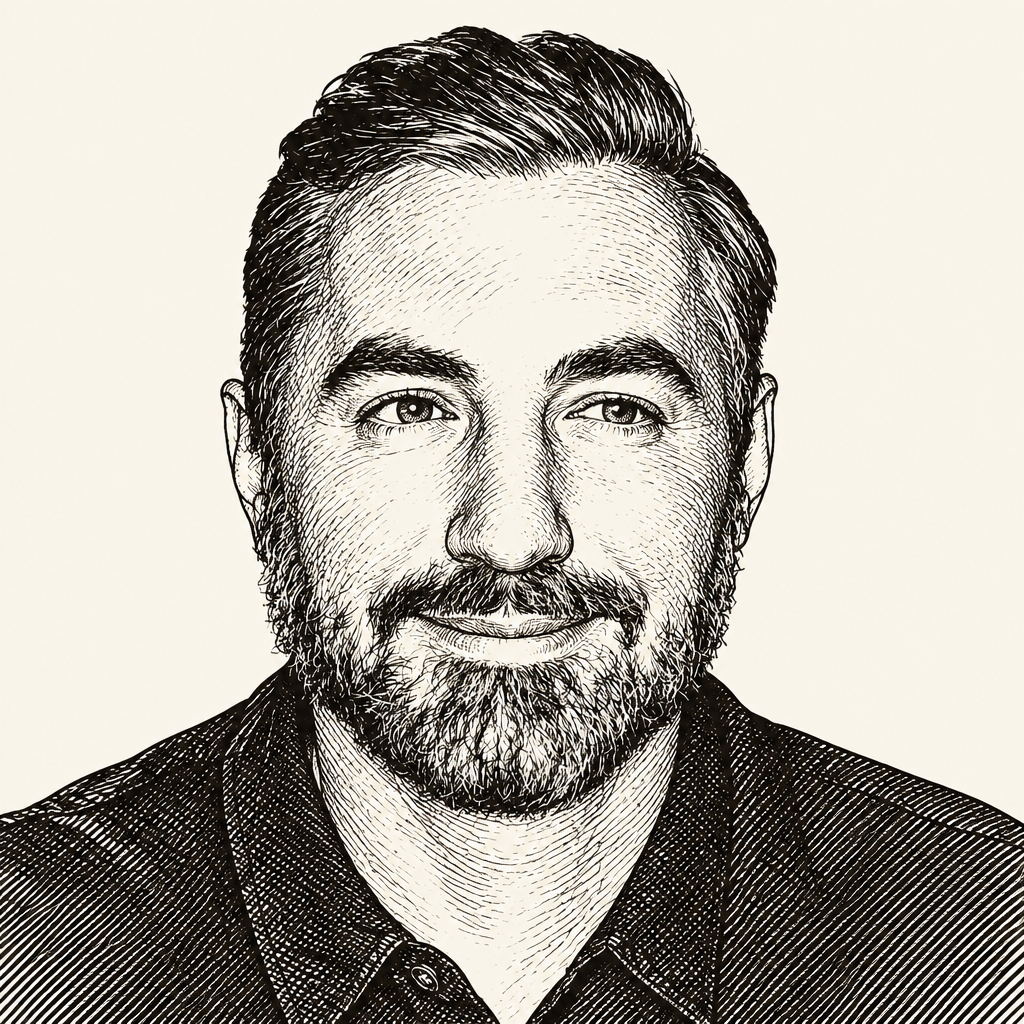
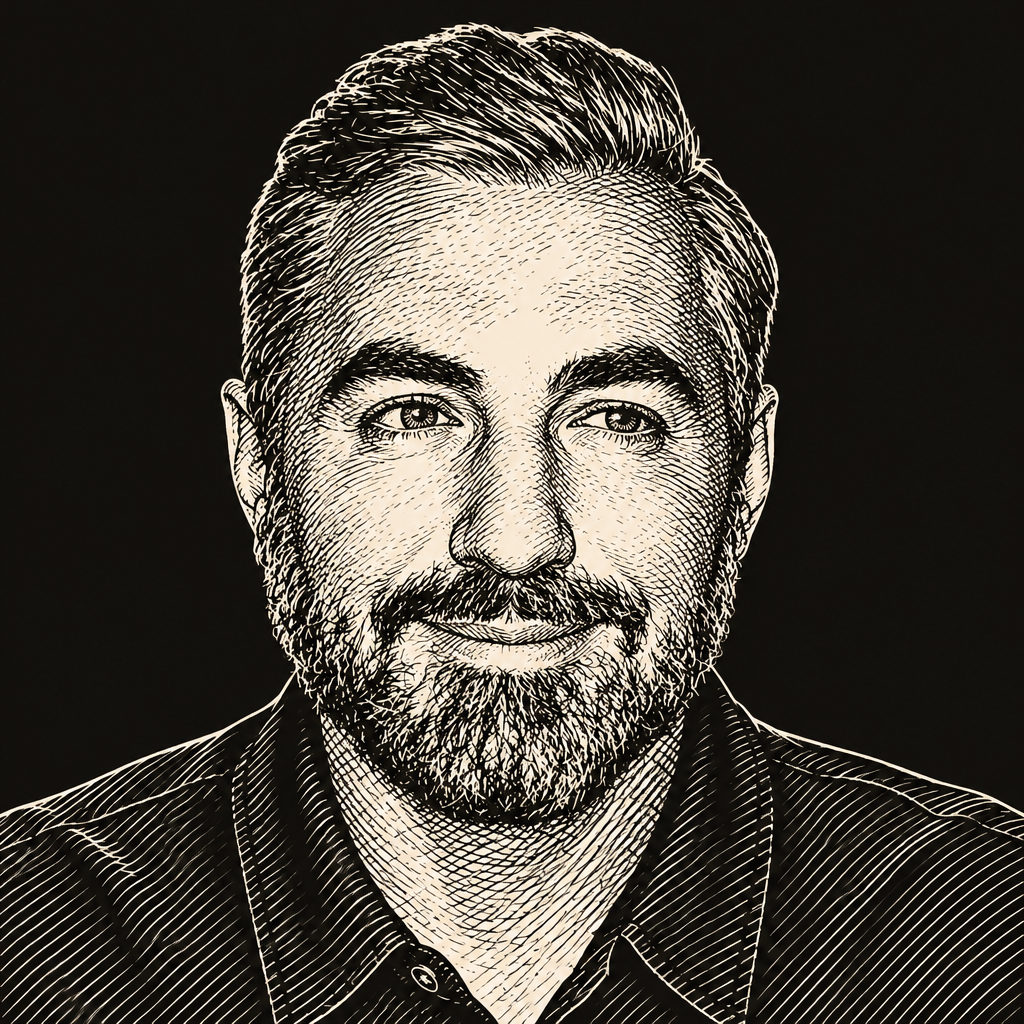
Ferriss is still testing whether his new book passes that clarity test. He describes it as a book about saying no and focusing amid noise, with systems to make that possible. Busy friends respond by asking urgently for the draft; most people outside that circle do not show the same interest. Rose wonders whether many people want more opportunities to say yes, rather than help declining things.
Ferriss has not determined whether the issue is the title, an unclear promise, or the negative sound of “saying no.” About a third of the book, he says, is actually about choosing the one or two things that matter enough to say yes to. Emphasizing that idea could help, though it would require substantial revisions to the book’s positioning and explanatory material.
That uncertainty about the pitch contrasts with the response to the manuscript itself. Test readers say they were never bored and would give the book to friends more than any of Ferriss’s others. He takes that as evidence the material is working once people read it, but he is not yet sure how to make unfamiliar readers want to begin. The current title and description matter because, as he puts it, if they fail on the Amazon page, the book may be “dead” before readers encounter the work.
Print could support the book’s purpose, but slow its release
Ferriss has not taken an advance and says he lacks the accountability a publisher can provide. That is not the same as having no publishing partner: he is leaning toward Authors Equity, where he is a small investor, but has not settled on an arrangement. Without a firm external deadline, he says, it is easy to push the work off while other projects compete for attention. He aims to finish the book within eight weeks.
He describes the book as a workbook rather than passive reading: five hours of work, he estimates, should save a busy reader a hundred hours over the next year. That practical aim shapes his interest in print. Ferriss argues that phones have become sources of constant distraction, while a printed book can help a reader single-task. A Kindle could serve a similar purpose if used on a device without internet distractions, but he sees print as particularly suitable for work that asks readers to stop, think, and do exercises.
The trade-off is time. Ferriss says a polished traditional book—with copy-editing and professional layout—could take about a year from the point a manuscript is considered finished, perhaps longer. A rush publication is possible when a book is made an overriding priority, but that is not the ordinary schedule. Print-on-demand offers a faster route, and he says its quality has improved. Rose suggests another possibility: a single, limited print run that makes the physical book collectible. Ferriss considers offering a small batch quickly while making other formats available later, but has not decided whether to do that, use print-on-demand, or pursue another route.
Ferriss has already made a substantial editorial cut, taking the manuscript from about 870 pages to roughly 350.
He says multiple test readers and proofreaders rated the material that remains between eight and ten out of ten. He feels good about the book itself; its format, timing, and publishing arrangement remain open.