Nvidia’s Leadership Crisis Puts Chip Policy and Espionage Claims Under Scrutiny

Jason Calacanis argues that Jensen Huang could return to lead Nvidia within a year, even as the company’s reported leadership change draws scrutiny over personal allegations, corporate governance and U.S. chip policy toward China. On This Week in Startups, Calacanis and Lon Harris also examine Brian Halligan’s return as HubSpot CEO as a “refounding,” and debate whether founders can reset companies’ growth and operations.
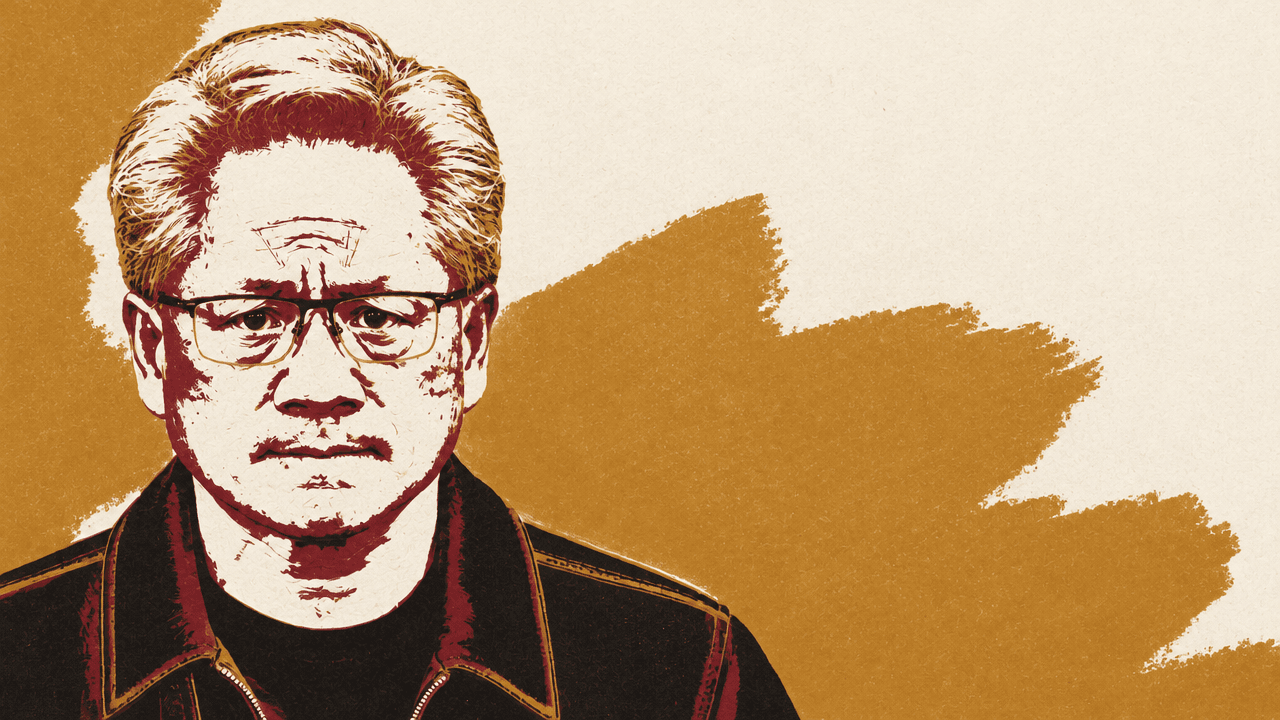
Nvidia’s leadership change sits inside a larger fight over chips and influence
The source describes Jensen Huang as out as Nvidia’s CEO, with longtime CFO Colette Kress named interim CEO and former Synopsys chief Harvey Jones becoming the board’s first chair. Lon Harris said the board’s move followed reports of three alleged affairs. He cited Bloomberg’s account that directors met remotely late Wednesday and Huang was given no choice but to resign. The reports Harris summarized also included a Wall Street Journal account of an August meeting in which Huang criticized Kress. The discussion did not include a direct statement from Nvidia or Huang explaining the board’s decision.
The Wall Street Journal reporting, as Harris described it, adds a corporate-governance dispute to the personal allegations. At the August meeting, Huang reportedly called Kress “a deer in the headlights” and a “reporting CFO” rather than a strategic partner. Harris said the meeting concerned billions of dollars in guarantees Nvidia was negotiating for customers unable to afford its chips, including deals led by Huang’s son-in-law, Nico Caprez. The terms and oversight of those guarantees are part of the story, alongside the question of who will lead the company.
Political scrutiny was already developing. Harris said Senate Banking Committee chair Tim Scott wanted Huang to testify on December 3, with Commerce Secretary Howard Lutnick scheduled to follow on December 10. Three House Republican chairs had given Huang until Friday evening to confirm a closed-door interview for December 1 or face a subpoena. Harris expected the interview might bring some of Huang’s first comments on the events.
Jason Calacanis urged caution about the allegations and the information available in a breaking story. His starting point was that Huang should be presumed innocent unless proven guilty. He also asked why the story had become national news just days after the midterm elections. Calacanis said an earlier New York Times report had appeared in October 2025 and connected that reporting to a hedge fund shorting Nvidia stock over its relationship with a company in Singapore. Lon Harris called the timing notable but said that, as far as they knew, it showed “correlation, not causation.”

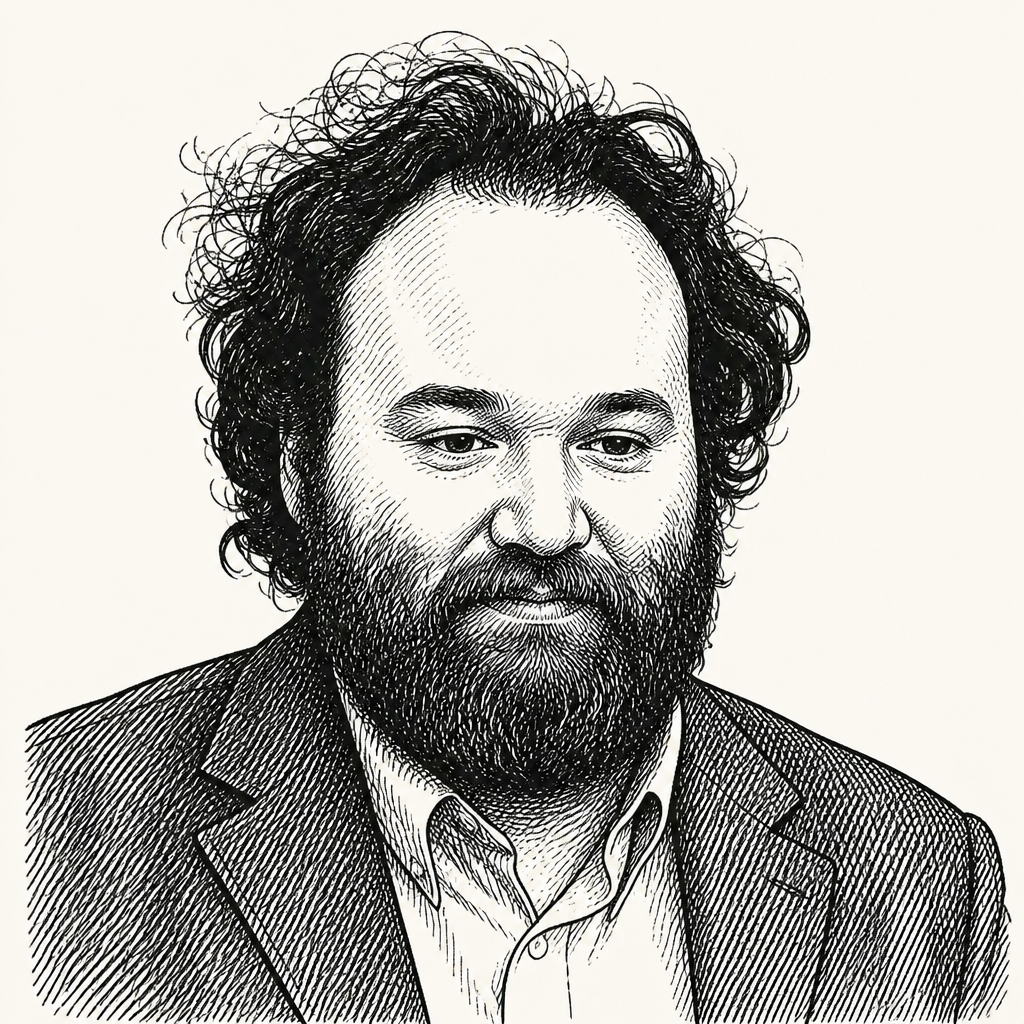
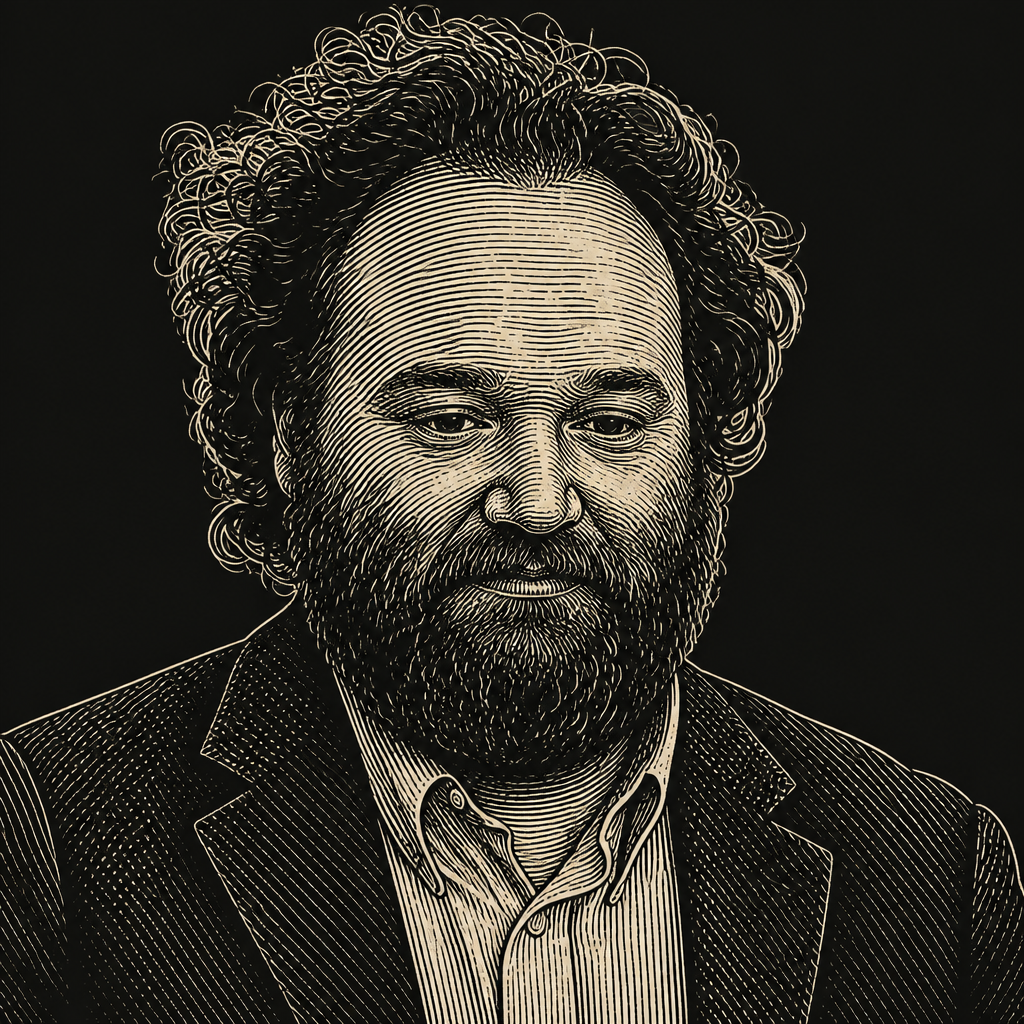
Calacanis offered a theory about who might have prompted the story’s wider circulation. He said he had no inside information and put the odds above 50% that the leak came from the White House. He connected that guess to China hawks in the administration who opposed sending Nvidia chips to China, including older-generation chips. He also named other possible beneficiaries: journalists drawn to a story involving a powerful company, alleged affairs and espionage; politicians seeking to increase pressure on the administration; and critics of AI and data-center investment. These were possibilities Calacanis was weighing, rather than accounts from identified sources.
The question of espionage remained unresolved in the discussion. Harris said an X post by David Sacks summarized statements from the attorney general, CIA, director of national intelligence and a senior House Intelligence Democrat that disputed or expressed uncertainty about the claim that one of the women reportedly involved with Huang was a Chinese spy. The post challenged anonymous officials’ reasoning, including the suggestion that a successful Chinese businesswoman working with a powerful American company was, by itself, evidence of acting as an agent. Harris said the hosts did not seem to have evidence that she was a spy.
Bessent’s comments offered a separate window into the policy dispute. In a CNBC excerpt played on the show, Treasury Secretary Scott Bessent said Treasury, the U.S. Trade Representative and State had supported placing Megaspeed on the Commerce Department’s entity list for months. “Commerce has the pen,” Bessent said, directing questions about the department’s internal process to Lutnick. Calacanis called the exchange an unusually direct assignment of blame. The question of why Megaspeed was not placed on the list remained central to the chip controversy.
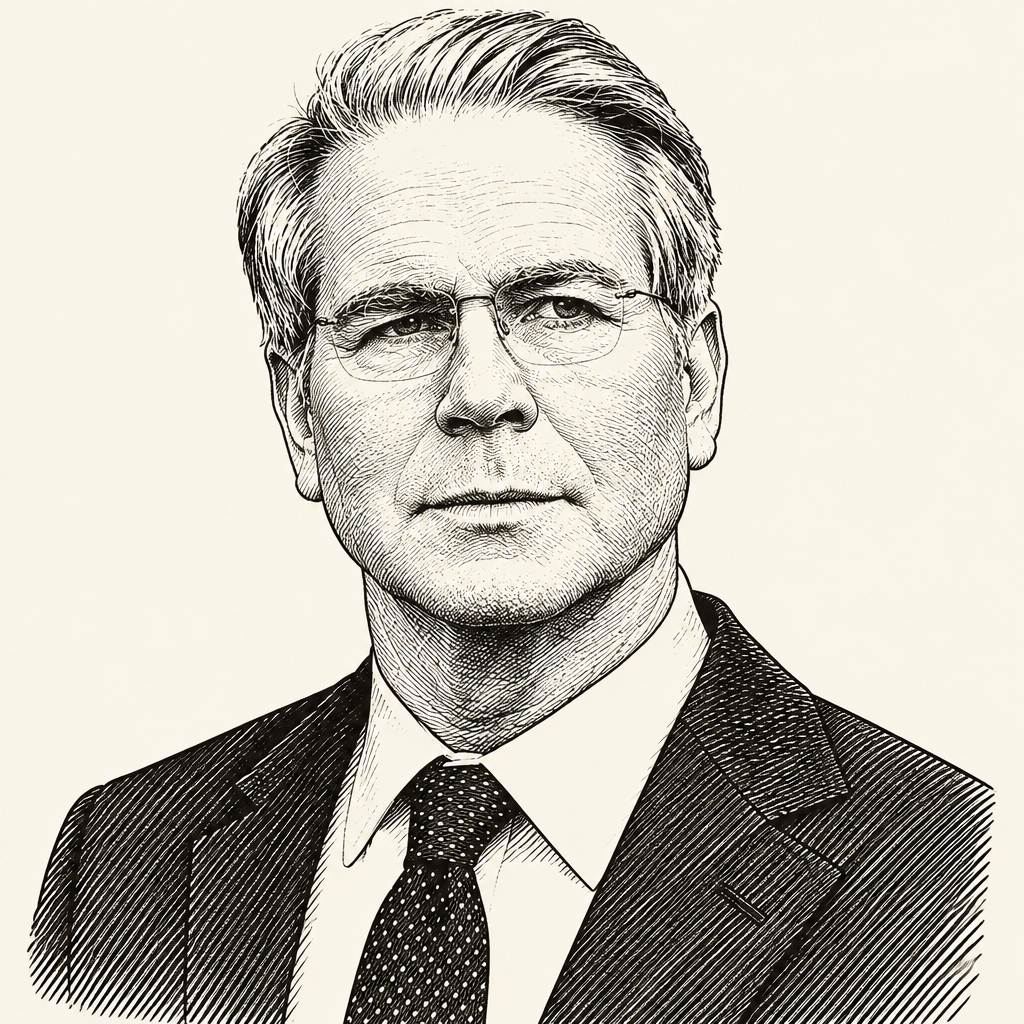
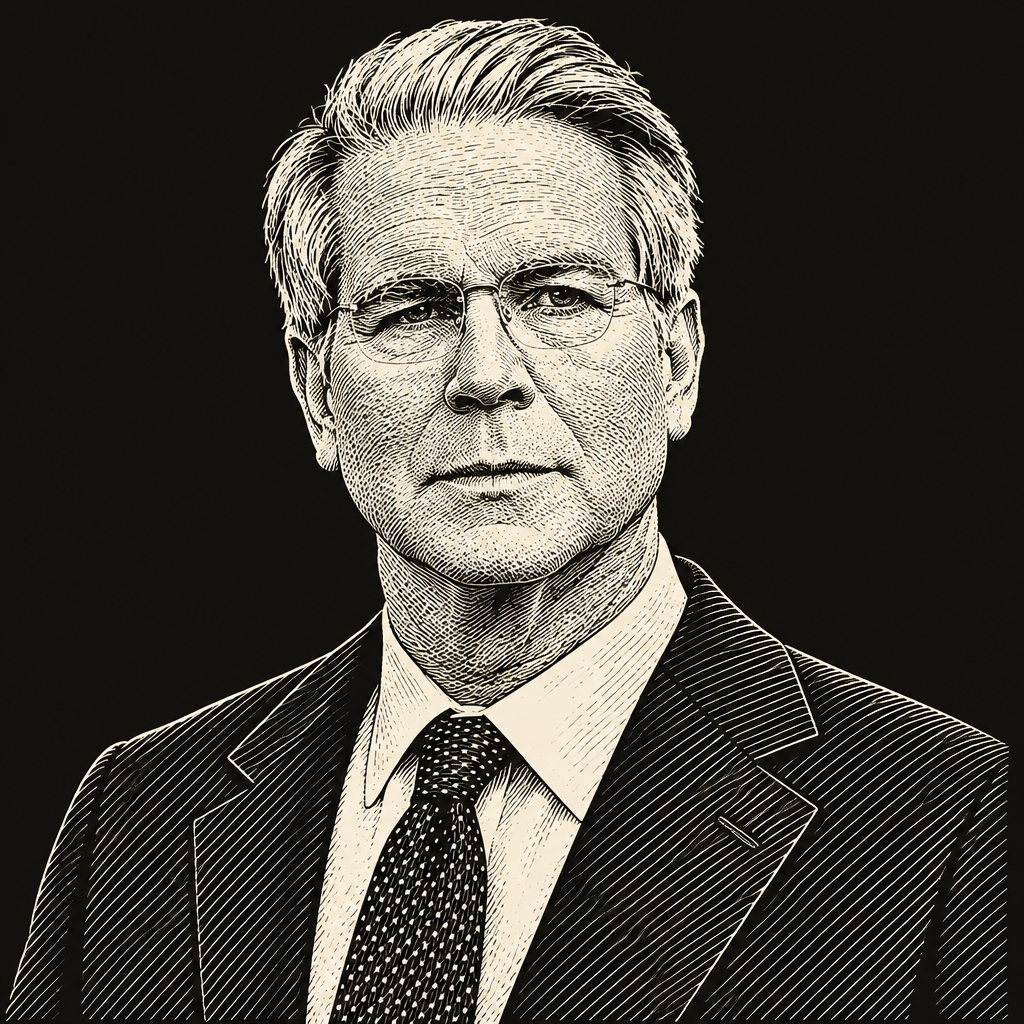
The audience question made that controversy specific: did $1 billion of Nvidia chips bought by Megaspeed reach China despite U.S. restrictions? Calacanis said he believed the answer was yes. He predicted investigators would find billions of dollars in chips had reached China or had been installed in data centers operated by shell companies for Chinese users. He also referred to an X post claiming that Chinese open-source models had been trained on the latest chips, while noting that this would not show the chips were physically located in China.
The succession discussion mixed a preferred outcome with speculative alternatives. Calacanis predicted Huang would be back as Nvidia CEO within 12 months, comparing that possibility with Sam Altman’s return to OpenAI and Steve Jobs’s return to Apple. He also imagined Nvidia buying Palo Alto Networks and recruiting its CEO, Nikesh Arora, to bring cybersecurity expertise into the company. Another idea was for Elon Musk to make Huang a peer who would lead xAI and computing at SpaceX. Harris asked whether Huang, who could retire or pursue other interests, would want to work for Musk. Calacanis said he did not know what Huang would choose.
They also considered Tim Cook as a possible replacement. Calacanis thought Cook might favor stock buybacks and extracting more from existing products, but doubted he would lead the creation of Nvidia’s next generation of products. In his view, Nvidia needed a technology-driven product leader unless it chose a more incremental approach. These possibilities sat alongside his central prediction that Huang would return.
A founder’s return can reset more than the org chart
HubSpot’s announcement that co-founder Brian Halligan would return as CEO, in what the company called a “refounding,” gave the hosts a concrete case for a broader trend. Halligan had stepped down in 2021 and remained on the board. He was returning as Yamini Rangan left the CEO role and the board; Karen Burgess, a two-decade Adobe veteran, was set to become CFO in February as current CFO Kate Bueker retired. Halligan said he planned to overhaul product, culture and sales processes.
Calacanis framed the move against HubSpot’s stock performance. The five-year chart shown during the discussion compares HubSpot with the Invesco QQQ Trust: HubSpot down about 74%, QQQ up about 73%. Calacanis described the gap as roughly 150 percentage points and said a founder who had watched the company’s decline might decide to return and “show people how it’s done.”
The hosts compared Halligan’s return with other founders returning to run companies, including Steve Jobs at Apple, Michael Dell at Dell and Ro founder Zach Reitano’s account of “refounding” Ro. In a post shown on screen, Reitano described Ro in December 2021 as growing about 9% year over year, at a $270 million run rate and burning cash. He wrote that the company had raised about $800 million over five years and had just under $500 million in the bank. Ro, he said, was a “zombie company”: not growing fast enough to matter, but too well-funded to die.
Reitano’s post said the company refounded itself in 2022 and had reached a $3 billion-plus run rate in 2026, growing revenue at more than 100% annually over the previous three years. Harris described its annualized revenue as rising from roughly $250 million at the end of 2021 to more than $3 billion. The Ro chart shown during the discussion depicts revenue largely flat from 2021 through 2023, then climbing through 2025 before accelerating sharply in 2026.
A second Ro chart tied the growth story to staffing. The graphic tracked annual run rate per employee from 2021 through 2026, alongside employee numbers. The hosts described staffing as roughly steady while revenue per employee rose from around $800,000 in the early years to close to $8 million in 2026. They treated the pattern as a sign of operating efficiency. Calacanis attributed it both to earlier overstaffing and to AI-enabled gains.
That distinction shaped their discussion of AI and employment. Harris said companies had tried replacing whole departments with AI, then backed away from that approach. A more common possibility, he argued, was to equip existing teams with tools that increased productivity and then avoid adding headcount. In that account, some of AI’s effect on employment would appear in roles never opened, not only in jobs eliminated.
Calacanis described his own company’s spending on AI products for employees as roughly $1,000 to $2,000 per person annually, with some people spending more. He said he would be willing to spend more if additional tools improved productivity. His example was practical: he considered a few hundred dollars a small cost relative to salary if using a tool once a month made an employee even slightly more efficient. He said Grok was “ripping through” his organization and discussed adding other tools, including Claude.
For Calacanis, a founder’s return can also change what an organization is willing to do. A hired CEO, he argued, may worry about being fired, wonder what the founder intended, or hesitate to make bold moves without a clear sense of the company’s original purpose. Founders have a different relationship to the company’s “DNA.” The cases discussed made “refounding” more than a change in title: it meant trying to reset product, culture or operating habits. Ro supplied a striking growth chart; HubSpot’s announcement put the same idea in the context of a founder returning to lead a mature company.
A SpaceX–Tesla merger would ask investors to value two different futures
Harris summarized Bloomberg reporting that SpaceX and Tesla were making progress on merger talks, with an announcement possible as soon as December, though it could slip into early 2027. Boards and advisers were working through deal terms, including how many SpaceX shares Tesla investors would receive. The figures cited on the show put SpaceX’s value above $1.9 trillion following its June IPO and Tesla’s at about $1.5 trillion. The proposed combination would bring electric vehicles and energy storage together with rockets and satellites, alongside pitches around AI, driverless cars and humanoid robots.
Calacanis’s price prediction was separate from those reported terms. He thought Tesla’s share price could move to between $420 and $469 if a deal went ahead, but did not offer a per-share exchange ratio. His argument focused less on a detailed valuation model than on Tesla shareholders’ patience. The five-year chart shown during the discussion placed Tesla near its earlier share-price level. Investors who had expected Tesla to reach $700 or $1,000, he said, might feel that five years had been lost “in the wilderness.”
The prospect of a deal also raised the question of approval. Calacanis estimated an 80% chance the merger would be completed and a 20% chance it would fail, while noting that Tesla shareholders would have to vote on it. He argued that political conditions could complicate the transaction if it did not close by the first half of the following year. Harris agreed that Musk’s political profile could make the deal a special case. The hosts speculated that regulators might demand that businesses such as SpaceX’s computing operation or Tesla’s Optimus program be separated.
Calacanis broadened the discussion into a prediction that the next six to twelve months would bring substantial M&A activity. He also floated the possibility of Alphabet and Uber combining. In his scenario, Uber would bring its ride-hailing and food-delivery businesses, while a deal involving Waymo could create a larger transportation company. He speculated that such a company might capture a substantial share of the market, with Tesla competing in autonomous rides. These were strategic bets he was putting forward, not reported negotiations.
The merger discussion also became a debate about corporate boards. Calacanis proposed that the ten largest shareholders should be offered board seats first, with an additional seat for employees and perhaps one for an industry expert. Harris summarized the idea as making the board more directly representative of shareholders. Calacanis’s proposal reflected his view that board seats should follow ownership; the conversation did not work through how to balance that principle with other responsibilities.
X creator payments are becoming a meaningful part of the platform
The hosts’ discussion of X shifted from audience reach to creator income. Harris said he was earning more than $500 about every two weeks through the platform’s creator program, despite having around 20,000 followers. He described the payments as enough to approach part-time-job income and wondered whether creators could eventually support themselves on X in the way they might on TikTok or YouTube.
Calacanis compared that with his own payments. He said he had received $11,446 on November 6 and described recent payouts ranging from about $5,000 to $11,000 every two weeks. He guessed that Harris’s earnings could increase substantially with a larger following; Harris noted that Calacanis had about a million followers. Their figures were personal examples, but they led them to treat creator payments as a real incentive to invest time in the platform.
For Calacanis, the payments were not just income. He said he had started using them to promote posts and to pay people who clipped moments from the show. He proposed building a “Twist clipping army,” offering $10 per clip plus a dollar per thousand views. He wanted the clips to include a worthwhile moment and a decent caption rather than automated “slop.” Harris agreed that automated clipping made quality control important.
Calacanis also described the payments as a way to fund show marketing. He said his team could record the income and deduct clipping payments as marketing expenses. Harris emphasized the larger implication: if a relatively small account could earn hundreds of dollars twice a month, X might be an increasingly viable place for creators to build an audience and a livelihood.
The hosts connected those economics to their own distribution choices. They said the show now streamed from Calacanis’s account rather than multiple accounts, because spreading the audience across profiles could cannibalize viewership. Calacanis said the show was doing well on X and that its audience felt more favorable there than on YouTube. Harris agreed that the platform made sense given where their followers were. The creator program, promotional tools and concentrated audience all factored into their decision to lean further into X.
AI-made environments could widen the space for independent games
A video shared on X by Matt Shumer showed a realistic virtual walkthrough of a Manhattan-like city. Its caption contrasted seven days spent making it with the eight years Rockstar had spent on the then-imminent Grand Theft Auto VI. Harris used the comparison to ask whether generative tools could eventually let games create environments and experiences as players move through them, rather than requiring years of construction in advance.
Calacanis expected established game companies to adopt the tools, but did not predict that AI would simply eliminate large commercial games. He imagined studios making a major title and then extending it through add-on content, subscriptions and seasons. He compared the new creative possibility to independent film, music and clothing: smaller teams could make work that previously required more resources, while large studios would still have an advantage in producing expansive, polished titles.
Harris said independent games had become more sophisticated in recent years, but noted that they often stood apart through an unusual idea rather than matching the look of games made by the largest studios. The Manhattan demonstration prompted speculation about how far that gap might narrow. The hosts’ interest was in the possibility that new tools could make game environments faster to create and give smaller creators more room to compete.
The best tech dramas make the business story feel credible
The hosts discussed an upcoming dramatization of the rise and fall of FTX, comparing it with earlier true-tech adaptations. Calacanis and Harris praised The Dropout, about Theranos, and WeCrashed, about WeWork. Harris also mentioned Super Pumped, about Uber; Calacanis called it “unwatchable.” Their disagreement was less about the appeal of real-world business stories than about execution: a recognizable company and a dramatic rise and fall were not enough to make an adaptation work for them.
They also debated the casting in The Altruists. Calacanis thought Anthony Boyle, cast as Sam Bankman-Fried, looked too handsome and too unlike the founder’s appearance in the period being depicted. He suggested comedian Stavros Halkias as a better fit. Harris noted that Boyle was a capable actor and that Julia Garner’s portrayal of Caroline Ellison involved changes to her appearance. The casual casting argument came back to credibility: for a story based on recognizable people, the hosts wanted the physical characterization to support the performance.
A small demonstration can change what a tool seems worth
The off-duty conversation returned to a smaller kind of product demonstration: a coffee mug warmer. Harris was using one at his brother’s home and said it kept coffee warm without making it burn or taste bitter. He had not expected to want the device, but said the experience had changed his mind.
Calacanis already used a warmer with temperature settings and an LED display. He described settings of 176, 150 and 126 degrees, then said the device cost about $20. After seeing the model Harris was using, he wanted a version customized for the show’s merchandise store. Their exchange was a modest example of a recurring pattern in the show: the value of a product was clearest to them when they could describe a specific task it handled well.