GPU Prices Are Rising Despite a Wave of New Compute Supply
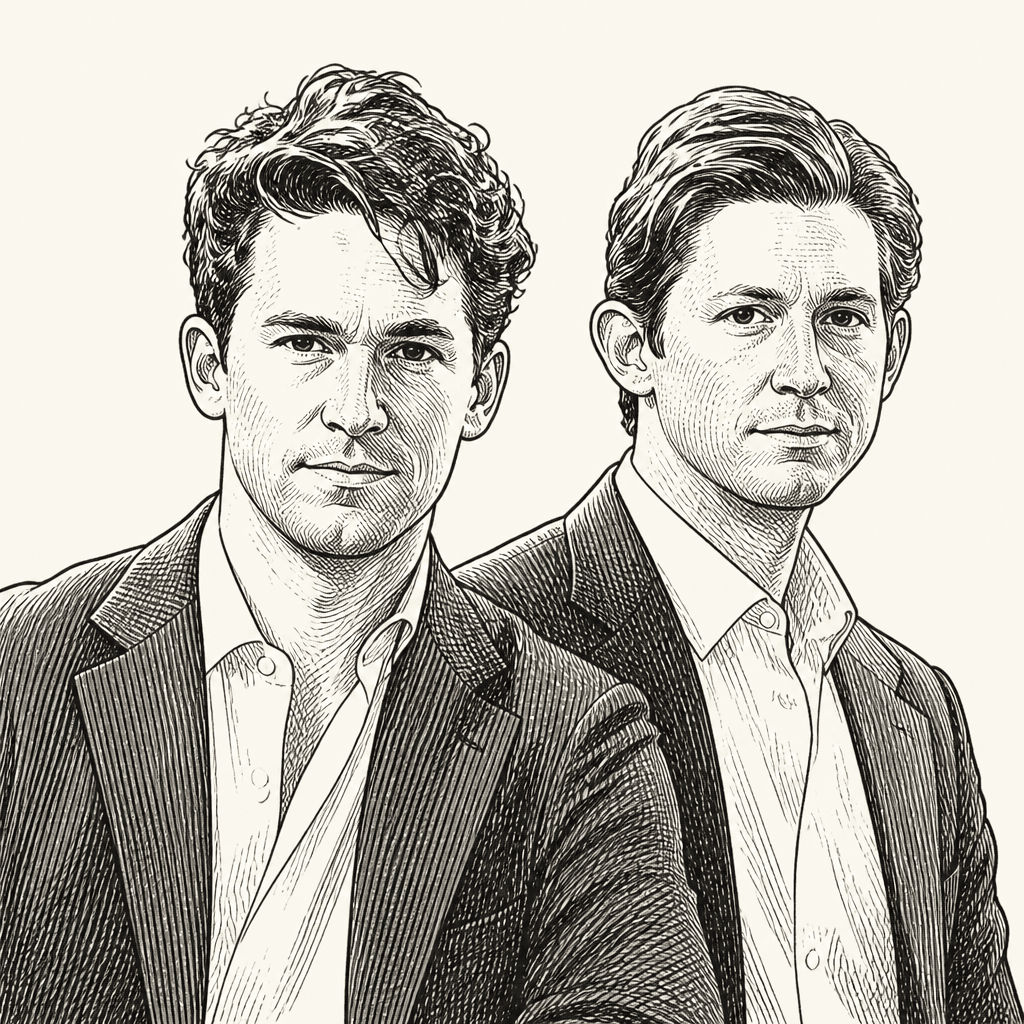
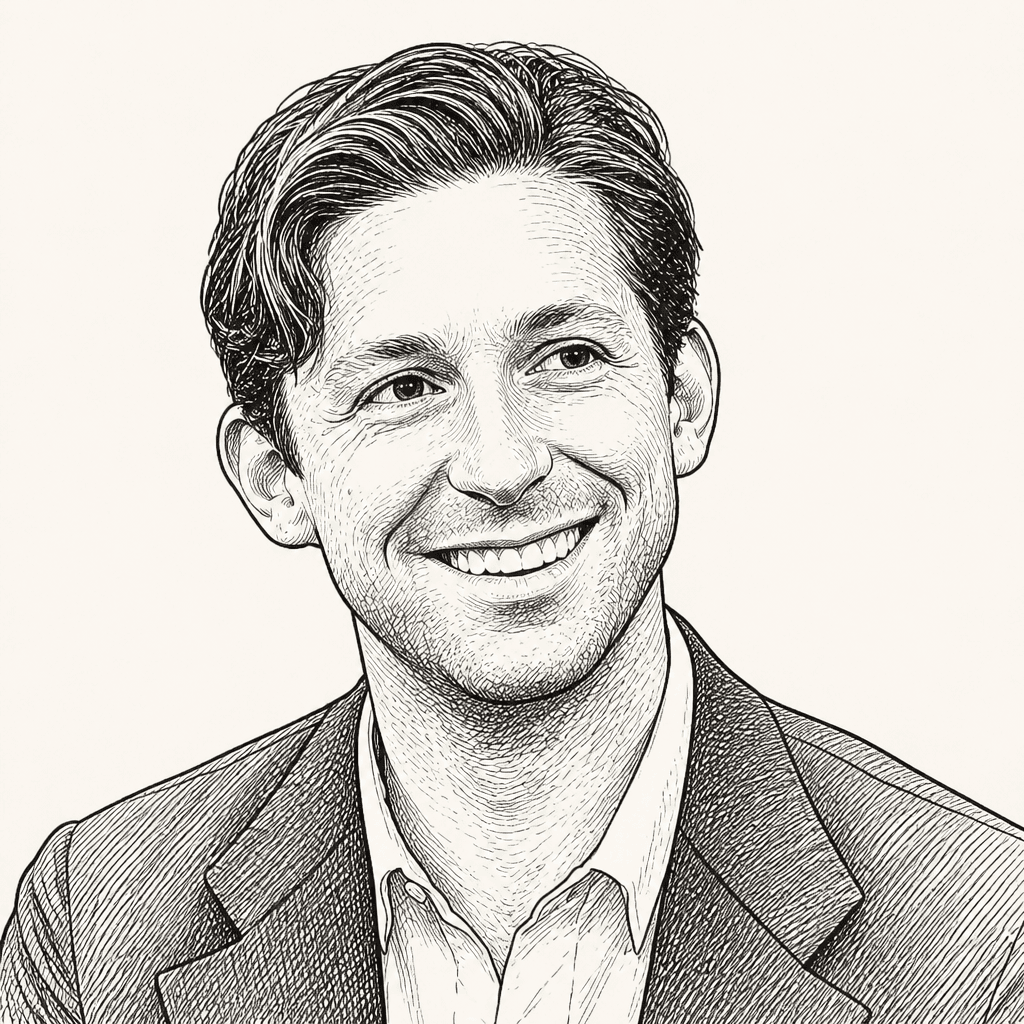
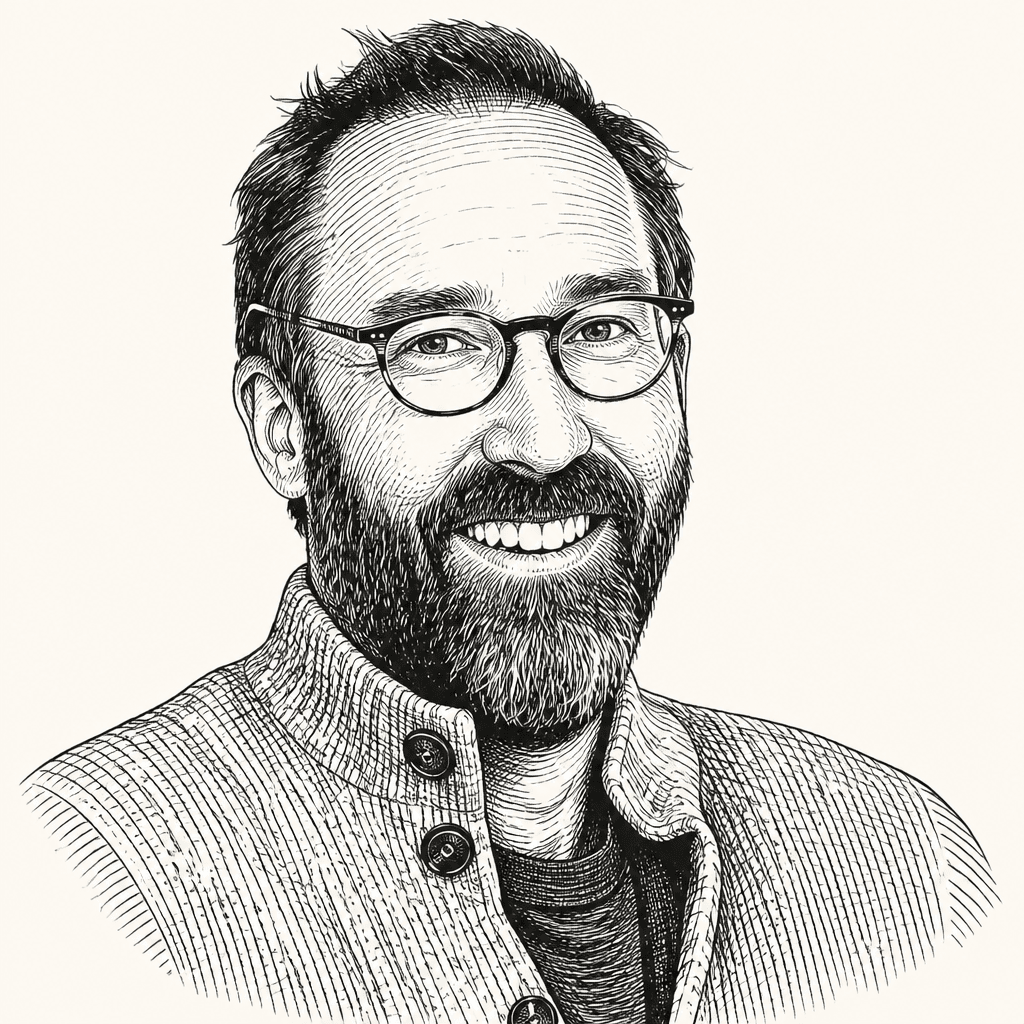
Gavin Baker argues that the AI infrastructure buildout depends on more than expected GPU supply: companies must secure increasingly expensive compute and bring it online quickly enough to earn a return. Delays compound the cost of tight supply by leaving high-value equipment idle, while public listings by Anthropic and SpaceX could, in his view, unlock buying power for private-market investment. He reads Anthropic’s S-1 as evidence that enterprise adoption remains early, reinforcing the case for further investment.

New compute supply does not yet mean cheaper compute
The central tension in Gavin Baker’s account of AI infrastructure is that large amounts of new capacity are expected, yet companies are already paying more to secure compute in the future. The question is not only how many GPUs arrive, but who can finance them, connect them to power, and operate them quickly enough to earn a return.

Baker said the price to rent almost any kind of GPU had risen throughout October. In his view, tightness had spread from the spot market—the market for compute available now—to future contracts. Citing remarks by CoreWeave’s founder at GTC, he said the forward market was in contango: a company seeking a cluster a year ahead could have to pay more than it would for current capacity.
The examples he gave were specific. Some portfolio companies had secured clusters of 4,000 Blackwell GPUs for May or June 2026, then found that adding another 4,000 in September 2027 would cost substantially more. Baker said companies were struggling to find compute well into 2027 despite knowing that substantial supply was expected to come online.
The price to rent essentially any kind of a GPU has gone up every day.
The contract economics make that future tightness consequential. Baker cited OpenAI CFO Sarah Friar’s statement that compute commitments the company had signed could now be sold at a three-, four-, or five-times premium. He said that companies with long-term compute contracts signed before May 2026 were “way in the money,” presenting the contracts’ current value as evidence of the market’s strength.
That also shapes how operators should finance infrastructure. Baker prefers a model that leaves more compute exposed to spot prices and uses large customer prepayments, rather than locking in long-term fixed prices. He said CoreWeave had shown it could bring clusters online and run them reliably, but had committed a great deal of capacity at fixed prices that were now well below market. He added that CoreWeave was trying to gain more spot-market exposure and rely less on large, long-term offtake agreements.
Baker did not attribute this shift to Elon Musk studying other operators’ mistakes. He described Musk as a first-principles thinker, and said the conclusion—that prices were rising and spot-market sales could produce paybacks in under a year—could follow from reasoning about the market directly. More broadly, Baker sees financing and operating capability as linked: in a rising market, the way a company contracts for compute can determine whether it captures or gives away the upside.
Baker compared bringing up a large GPU cluster to running a Formula One team. Buying the equipment is only the start. An operator must secure power, energize the GPUs, and run the cluster effectively. He named CoreWeave, Crusoe, Nebius, SpaceX, and the major hyperscalers as firms with a track record in that work. Acquiring land and power and signing an offtake agreement is not enough if a company cannot bring its GPUs into operation.
The delay can be expensive. Baker said it could take some operators three to six months to energize GPUs and get them working. He argued that NVIDIA’s DGX POD—a pre-assembled, seven-rack system announced at GTC Berlin—could shorten that process. If it does, fewer high-cost assets would sit idle while waiting to generate revenue, reducing the working capital tied up in infrastructure. Baker said a six-month delay could leave hundreds of billions of dollars’ worth of assets not yet generating revenue.
For Baker, expected supply should not be treated as an immediate answer to scarcity. He expects the market to favor operators able to deploy and run clusters, while leaving open how less-experienced entrants will fare. Easier-to-deploy systems could help, but neither expected capacity nor new equipment removes the need to execute.
The filing suggests early adoption, but not a uniform spending picture
Anthropic’s S-1 was an upside surprise for Baker. He said the company had burned $10 billion and described its profitability, cash generation, and unit economics as encouraging. He was especially struck by the contrast between its scale and its reach: Baker cited the filing’s figure that about half of the Fortune 500 had adopted Anthropic, while spending on its products amounted to about 0.1% of those companies’ expenses.
He took that combination as evidence that enterprise adoption remained very early, perhaps earlier than he had thought. Baker also cited a figure of about $67 billion, which he said came from annualizing Anthropic’s reported third-quarter figure. He described Anthropic as having substantial scale alongside low penetration among large companies.
John Coogan read the adoption figures partly as a sign that many companies were still working through the practical difficulties of deploying AI across their organizations. Some, he suggested, might be committed to particular providers; others had not yet figured out how to use AI broadly. He also argued that early spending would naturally be concentrated among companies and employees unusually focused on the technology, while others might remain less engaged.
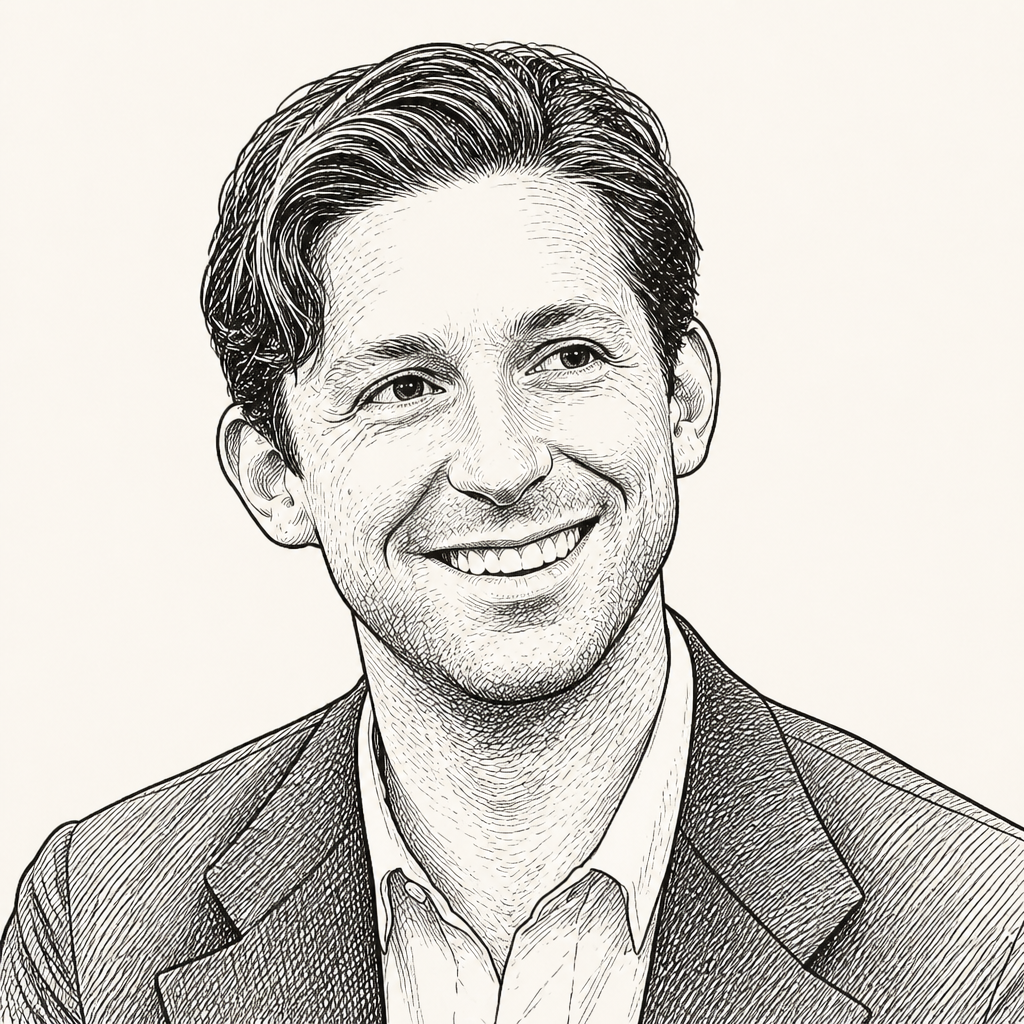
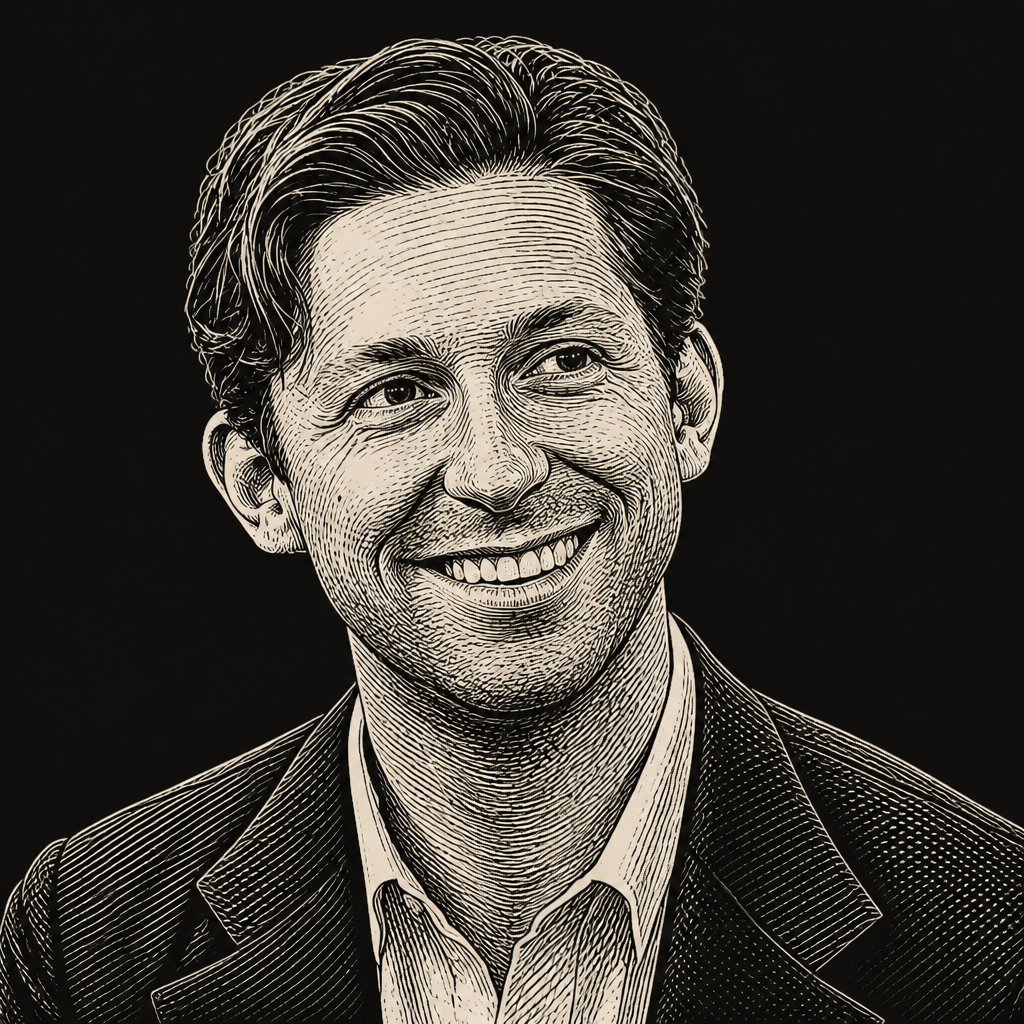
Baker pushed back on the idea that Anthropic’s revenue depended on only a handful of customers. He said the S-1 showed 250 accounts spending more than $10 million. Coogan cited roughly 11,000 or 12,000 accounts spending more than $100,000, a figure he saw as evidence of a broad base. Baker contrasted the 250 accounts in the filing with a claim, reported elsewhere, that 80% of Anthropic’s revenue came from eight customers; the filing, he said, showed a more diversified customer base than he had expected.
The hosts and Baker were also distinguishing Anthropic’s customer base from spending across the wider AI market. Coogan pointed to Ramp data suggesting that a small share of companies accounted for most AI spending. Baker said that data might describe the overall market, while the S-1 provided more direct evidence about Anthropic’s own customers.
Nor, in Baker’s view, was growth confined to the best-known model providers. He said companies focused on open-weight models—including Fireworks, Baseten, Together, and Modal—were growing faster than OpenAI or Anthropic. Atreides led Fireworks’ latest financing round, Baker said, and the company’s growth made it difficult to settle a valuation. He described revenue growing so quickly during the deal process that the valuation multiple was effectively falling each day the deal remained open.
These are different measures: enterprise adoption, customer concentration at Anthropic, and spending across the wider AI market. Baker’s reading of the filing was that Anthropic’s customer base was more diversified than some public accounts suggested. Coogan’s concern about uneven adoption, and the broader concentration indicated by Ramp data, remained separate questions.
Agents have changed how Baker starts research
Baker called Grokbot the most impactful AI product he had used so far. He said he had built up to 17 bots and kept thinking of new ones to add. By contrast, he had found it cumbersome to assemble workflows using Claude Code; Grokbot, in his experience, made the process easier.
For an investment firm, the value is partly in getting information to the right person at the right time. Coogan described another advantage: an agent can take on a substantial research task late on a Sunday without asking an employee to work for hours. He said an agent could investigate a question at length—even spending a million tokens on a market-size inquiry—without the interpersonal cost of calling someone into work.
Baker said he had not replaced his professional assistant, whom he described as exceptional, and had not felt a need for an AI assistant in that part of his life. He had downloaded and tried other personal-assistant products, but said Grokbot had been transformative in his professional work. His example draws a distinction between delegating research to agents and replacing human support.
Public listings could widen the pool of AI capital
Baker expects mutual funds, sovereign wealth funds, and cash generated by cloud businesses to contribute to the financing of AI infrastructure. He argued that U.S. mutual funds are limited in the percentage of their holdings they can keep in liquid assets. SpaceX and Anthropic going public and becoming unlocked, he said, could free up buying power for private-market investments.
He named Capital Research, T. Rowe Price, Goldman Sachs Asset Management, and Franklin Templeton among firms that had already been involved. Sovereign funds, he said, had also been active, particularly in the Gulf and the UAE. As one example, he cited Atreides and Valor co-leading Crusoe with Mubadala. He described the UAE’s sovereign funds as especially active in AI.
Baker also expects infrastructure investment to be financed increasingly from operating cash flow. He said cloud companies had signed contracts at prices he considered below current market levels. If those contracts reprice higher and operators add more spot-market exposure, he expects revenue growth across both hyperscalers and neoclouds to continue accelerating, with operating cash flow following. That cash, in his view, could finance more of the 2027 buildout than people expect. He said he thought the market might be getting close to the peak in external financing, while leaving open whether it had already passed.
His optimism was conditional. Baker said he tries to look for arguments that could change his mind. One bearish interpretation he singled out concerned the S-1’s disclosure that 74% of Anthropic’s compute was devoted to training. He said that could be read as bullish because the company might be able to generate more revenue with that compute; alternatively, if less compute were needed for training, some capacity could become supply for inference. Baker called that a compelling bearish argument even while describing the S-1 as an upside surprise. He also said Anthropic had lost market share in the summer and was re-accelerating and gaining share by October.
The investment case reaches beyond models and data centers
Baker said he pays close attention to energy, industrial infrastructure, and natural resources, drawing on his earlier experience running a diversified fund and investing in energy. He has not made those areas a large part of his portfolio, but said the firm had made some private-market investments related to rare earths.
The investment he described was not in a mine. Baker said the problem with rare earths was not that they were rare, but that refining them was a dirty process. Atreides had invested in a company using a chemical process for refining rare earths. He also pointed to DARPA’s work in the area. For Baker, these are examples of why an investor should cast a wide net for weak but important signals, then concentrate the portfolio where the firm believes it has a competitive advantage.
The conversation also turned to biology and drug development. Asked about the time between AI investment and revenue from drugs, Baker said it remained to be seen how long the process would take. He pointed to a new drug program in Montana as potentially helpful, then described a friend’s use of AI to identify that a drug already in use for 50 or 60 years might treat a devastating rare disease affecting about 10,000 children a year. Baker declined to tell the friend’s story, saying it was the friend’s to tell, but argued that AI had already saved lives. He said the industry should tell stories like that more often.
Baker connected infrastructure investment to the case for expanded electricity generation. He argued that power is a prerequisite for reindustrialization and said data centers could benefit ordinary and blue-collar Americans as well as smaller towns. He cited Loudoun County, Virginia, as an example in response to the idea that data centers should be built only in less affluent places.
Baker wants public debate to test optimism, not suppress it
Baker described his stance as that of a “responsible optimist”: he wants to make the case for AI’s potential while looking for negative evidence that could change his mind. He said he uses X to learn, not to be right, and tries to sift criticism for persuasive arguments. The training-compute concern was one example of a bearish case he found worth considering.
I’m not on X to be right. I’m right now a responsible optimist but I’m trying to be open-minded to new negative facts and constantly search them out.
Baker said he wanted to help the public see potential benefits in AI infrastructure, including data centers and expanded power generation. He acknowledged that people had reasons to worry, but argued that AI could produce benefits for ordinary Americans and smaller towns. He also said he wanted to present a more optimistic vision while continuing to call developments as he saw them, including Anthropic’s changing market position.
That case for broader participation extended to ownership. Baker praised giving people shares directly rather than routing money through a foundation whose board would decide how to allocate it. He cited Elon Musk, Michael Dell, and Brad Gerstner as examples of wealthy Americans whose approaches he supported. When Coogan raised the possibility that a public listing could bring millions of new investors into the debate, Baker said he hoped more people would have a direct stake.
“Give everybody a stake in capitalism,” Baker said.
The hosts also asked about Tomorrow X, Baker’s upcoming investment conference in Austin. He said anyone could sign up, with attendees subject to security screening, and described the aim as broadening access to investment information. The event would include company leaders as well as financial commentators active on X, Substack, and Reddit, some of whom had been given scholarships. Baker said participating commentators would have opportunities to question management teams in breakout sessions and then share what they learned with their audiences. He said he welcomed both skeptics and optimists, so long as they were polite and constructive.