OpenAI Folds Codex Into ChatGPT for a Unified Enterprise Workflow
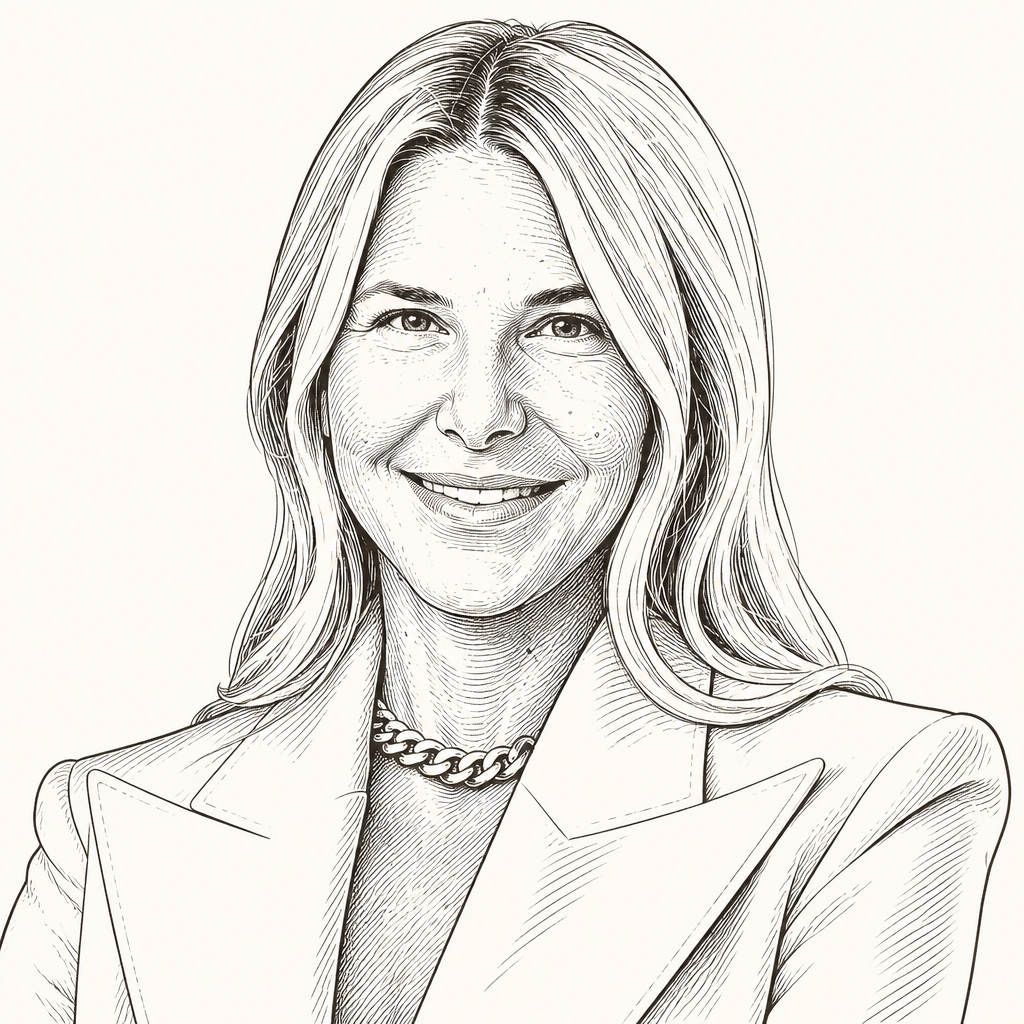
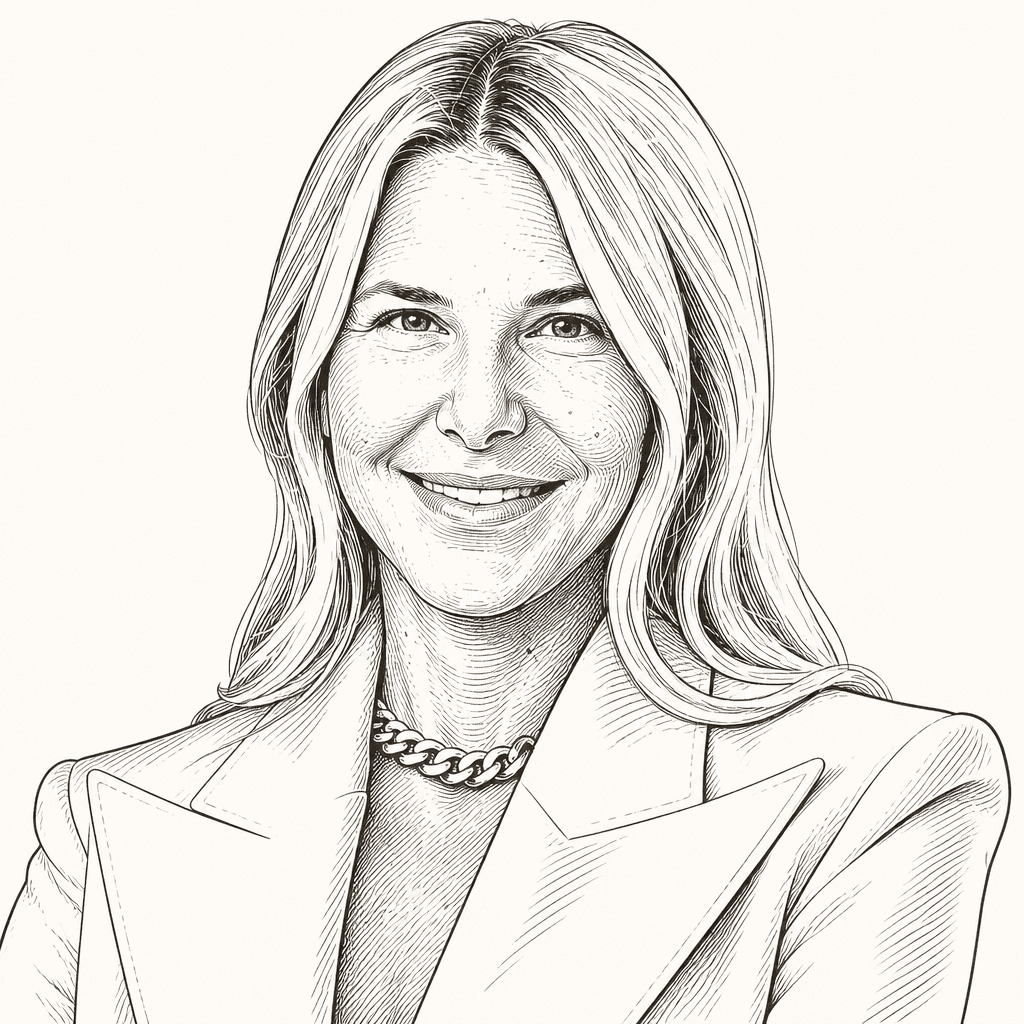 Denise Dresser
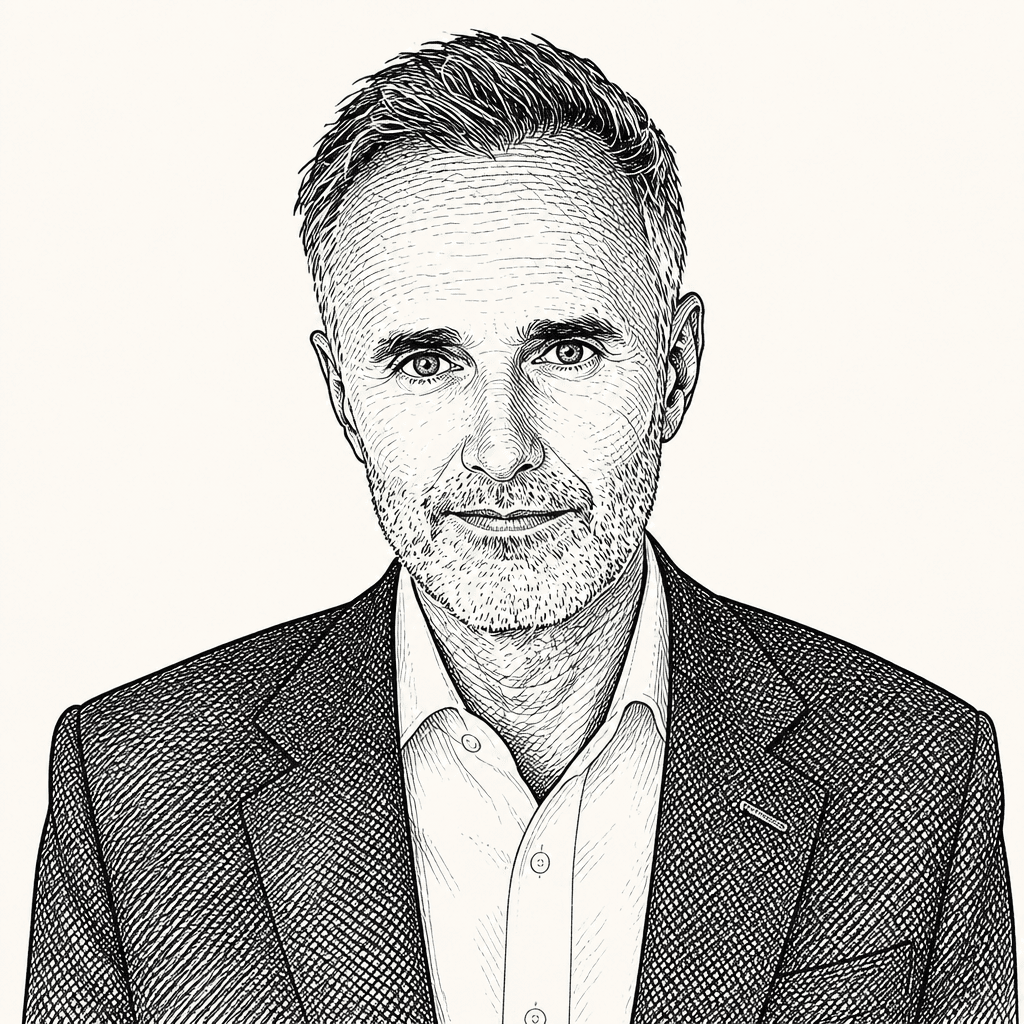 Robin Vince
 Romain Huet
 Alexander Embiricos
 Sam AltmanOpenAIMonday, June 8, 20264 min read
OpenAI used its Intelligence at Work enterprise event to argue that workplace AI is moving from separate tools into a single operating workflow for companies. Sam Altman framed the roadmap as a response to customer demand to bring OpenAI’s products together, while executives pointed to ChatGPT and Codex integration, role-specific agents, annotations in existing tools, and deployment through Sites as the product layer for enterprise adoption. BNY chief executive Robin Vince supplied the customer case, saying the bank chooses AI optimism because it sees the technology as a capacity creator.

OpenAI is positioning enterprise AI around one workflow, not separate products
OpenAI’s enterprise message was that workplace AI is moving from separate tools toward a unified workflow that can run across a company. Sam Altman described the announcement as a response to “one big request”: bringing OpenAI’s offerings together into “a single workflow in the enterprise.”

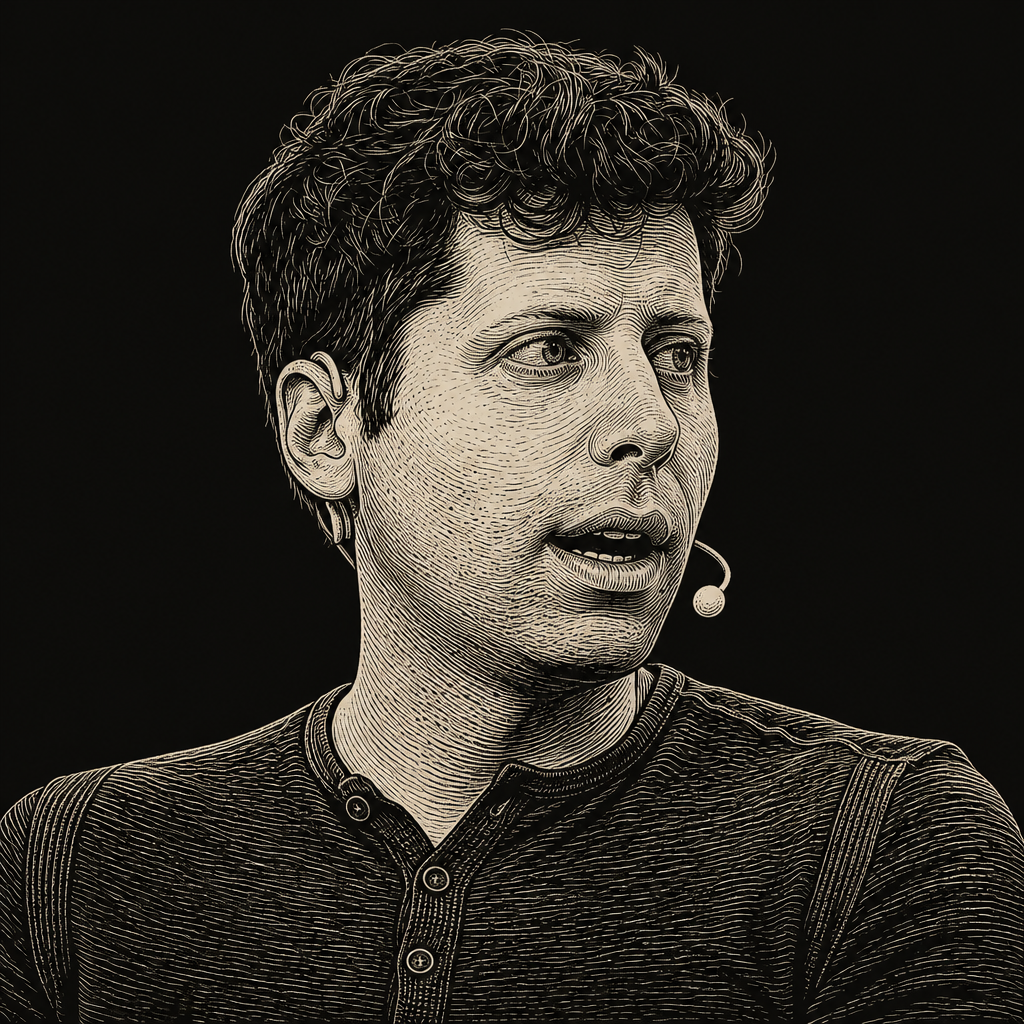
One big request has been what we just announced today, that we're going to bring all of our offerings together to be a single workflow in the enterprise.
Altman split the work into two parts: the “raw intelligence” of the models, and the “harnesses and system around it” that make that intelligence usable by people and businesses “at global scale.” Enterprise readiness, in that telling, is not just model access. It is the product layer that lets organizations put the models into regular work.
OpenAI’s roadmap translated that into product terms: ChatGPT and Codex as “one unified experience”; Agent Plugins as six role-specific agents “that do the work for you”; annotations for collaborating with the model in everyday tools; and Sites as a way to go “from idea to deployment in one shot.”
| Roadmap item | How it was presented |
|---|---|
| ChatGPT + Codex | One unified experience |
| Agent Plugins | Six role-specific agents that do the work for you |
| Annotations | Collaboration with the model in everyday tools |
| Sites | Move from idea to deployment in one shot |
| Enterprise workflow | OpenAI offerings brought together into a single workflow |
The onstage material pointed in the same direction. One OpenAI slide read “Intelligence, everywhere you work,” with interfaces shown for browser, desktop, and mobile, alongside icons for enterprise tools. The product direction was specific: OpenAI wants its systems available where employees already work, not only in a separate AI application.
Codex is being folded into ChatGPT after rapid usage growth
Denise Dresser said Codex had crossed five million weekly active users “Saturday night,” up 400% since the beginning of the year. The slide behind the line showed growth from December through April and highlighted Cisco as a customer example: “100% of new Cisco AI Defense code written with Codex, saving engineers 1,500 hours monthly.”
| Codex metric shown | Value or claim |
|---|---|
| Weekly active users | 5M+ |
| Growth since beginning of year | +400% |
| Cisco AI Defense example | 100% of new code written with Codex |
| Cisco engineering time saved | 1,500 hours monthly |
That usage claim set up the product move. Alexander Embiricos said OpenAI would put Codex into ChatGPT “in the next few weeks.” OpenAI is treating coding and software-engineering assistance not only as a separate developer surface, but as part of the broader ChatGPT enterprise experience.


Romain Huet pushed Codex beyond engineering teams. He said “every single team at the company” can now delegate real work to Codex and get something they “could not accomplish before.” In OpenAI’s pitch, Codex becomes a workplace delegation tool as much as a coding assistant: a system teams can ask to perform work, rather than only provide advice or drafts.


The scale claim is two million business customers and agents mapped to roles
Denise Dresser said OpenAI has “two million” business customers, “double in the last year.” The accompanying OpenAI slide showed a grid of partner and customer logos across finance, healthcare, retail, technology, travel, and other sectors, including BNY, Cisco, GitHub, Goldman Sachs, Memorial Sloan Kettering Cancer Center, Morgan Stanley, NVIDIA, Uber, Walmart, and Wayfair. The slide was marked “OpenAI Confidential and proprietary.”
The role-specific agent slide turned that adoption story into product structure. It showed a central goal-oriented hub connected to six business functions under the heading “Intelligence at work for every role.” The visible categories were marketing, finance, customer support, data science, operations, and sales. OpenAI described these as “Agent Plugins”: six role-specific agents “that do the work for you.”
OpenAI was not only presenting AI as a general assistant. It was showing agents mapped to business functions, with the stated purpose of doing work toward goals in those roles.
BNY’s Vince treated AI optimism as a capacity decision
Robin Vince supplied the clearest customer-side line. He posed the choice as whether companies will be “AI optimists” or “AI pessimists,” and said BNY chooses optimism because AI is “the ultimate capacity creator.”
Are we going to be AI optimists or are we going to be AI pessimists? And we choose optimism at BNY because it's the ultimate capacity creator.
Vince’s formulation made adoption a capacity decision: whether an institution sees the technology as expanding what it can get done.
Denise Dresser closed with the broadest version of the ambition: “to bring intelligence to every human being in the world for good.” In the enterprise context presented here, that ambition came through scale and product consolidation: two million business customers, Codex growth, Codex inside ChatGPT, role-specific agents, and model collaboration inside existing tools.