Thomas Sowell’s Comparative History Challenges American Racial Exceptionalism

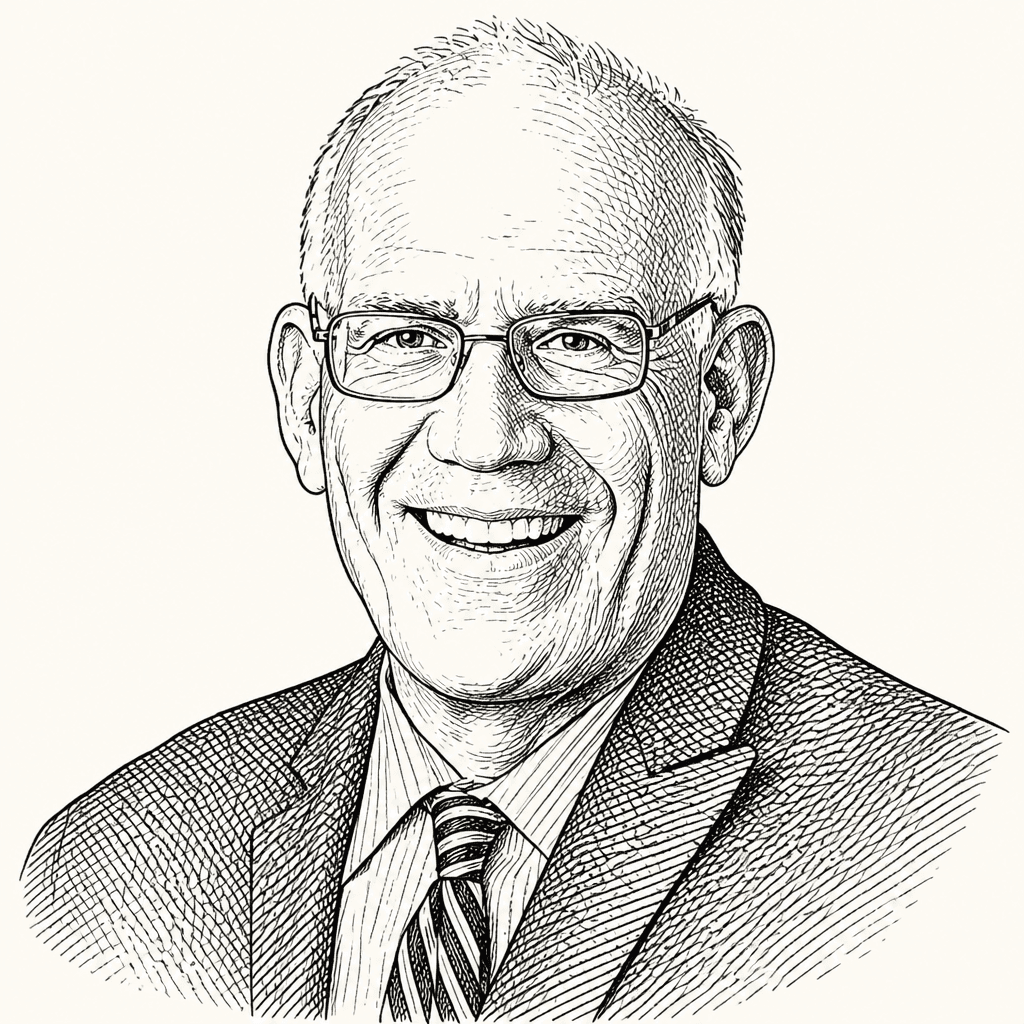

Victor Davis Hanson argues that Thomas Sowell’s historical importance lies in his comparative method: *Race and Culture* places American slavery, Jim Crow, and their aftermath within patterns found across societies and eras, rather than treating the US as uniquely exceptional. Hanson says Sowell’s work relies on disciplined observation and reasoning from examples while resisting ideological orthodoxy. Coleman Hughes, who began reading Sowell as a teenager, says the books gave developed form to questions he had already begun to ask.

For Hanson, Sowell’s method begins by refusing American exceptionalism in history
Victor Hanson reads Thomas Sowell’s Race and Culture as a challenge to treat the United States’ racial history as a case that can be understood only on its own terms. Published in 1995, the book’s project, as Hanson interprets it, was to “globalize the racial situation in the United States”: to place slavery, Jim Crow, and their aftermath within a record of human experience that extends across countries and eras.
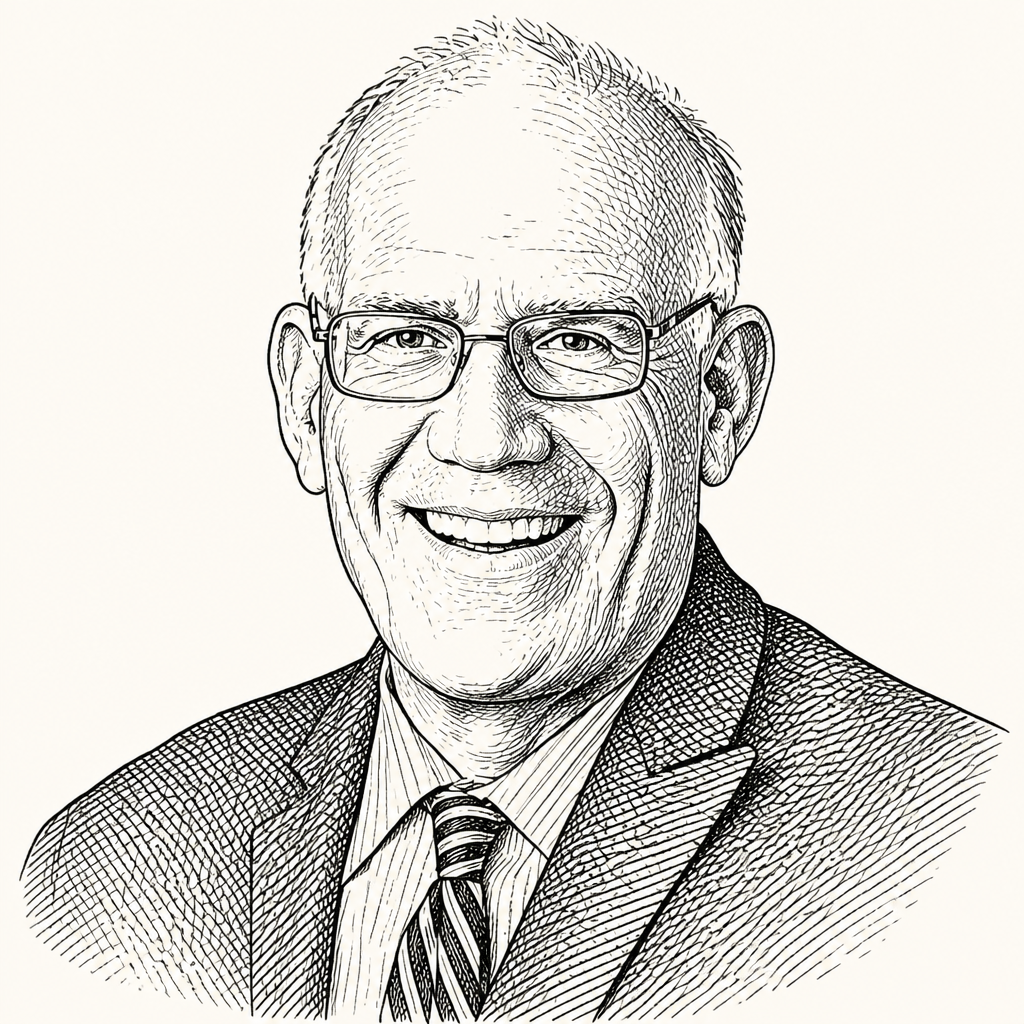

That is not an argument that American history lacks its own particulars. Hanson’s point is that what Americans often regard as a uniquely American racial situation was also a human phenomenon—one that had occurred “in places and times all over the world.” The comparative move changes the question. Rather than beginning with the assumption that the American case is incomparable, it asks what patterns become visible when it is set beside other societies.
Hanson connects that approach to a more basic confidence in disciplined observation. He says people have a “God-given empiricism”: given sufficient discipline, they can examine examples, use reason, and arrive at a common understanding of how the world works. The Greeks’ inductive method matters to him as an inherited example of that process—reasoning from particular cases rather than treating a prevailing doctrine as the answer in advance.
We can look at examples, we can come logically to a common understanding of how the world works.
The difficulty, Hanson says, is not merely that evidence is unavailable. Ideology gets in the way, but so does a more ordinary social tendency: people gravitate toward common opinion, or toward what they believe to be orthodoxy. In that account, Sowell’s comparative history and his resistance to consensus belong together. Comparison supplies more cases than a single national narrative can hold; empirical inquiry asks readers to follow those cases even when they complicate the views around them.
People gravitate to the common opinion or what they think is orthodoxy.
Hanson’s description of Sowell’s temperament follows the same logic. He rejects the characterization of Sowell as acerbic or stubborn and instead compares him to farmers Hanson knew while growing up—people with a code of conduct shaped by reciprocity. Hanson calls it a tragic code: one expects to be treated as one treats others, and plain speech follows when that expectation is violated.
“I expect you to treat me the way I treat you,” Hanson says, describing the principle. If someone does not do that, or tries to tell Sowell what to do, Hanson says, Sowell would not feel obliged to soften his response. The framing of “natural empathy” is therefore not sentimentality in Hanson’s account. It is a demand for mutual treatment, coupled with an unwillingness to defer merely because someone else claims authority or orthodoxy.
Hughes found in Sowell a developed answer to questions he already had
Coleman Hughes came to Sowell before he had worked out a settled view of the questions that interested him. At about 19, looking for reading material on his father’s bookshelf, Hughes knew Sowell mainly by reputation: “some kind of bad guy that you were not supposed to agree with.”


He picked up what he recalls as The Economics and Politics of Race, which he calls a relatively obscure Sowell book. Its effect was not simply to persuade him of a conclusion he had previously rejected. Hughes says that many of Sowell’s points addressed questions that had already arisen in his own mind, though in incomplete form. The writing gave shape and development to uncertainties he had not yet fully articulated.
That response helps explain the appeal of the method Hanson describes. A writer who begins with comparison, examples, and reasoning from evidence can meet readers before they have adopted a fixed ideological position. Hughes did not describe arriving at Sowell through a program or a faction. He found a book while looking for something to read, encountered arguments that spoke to unsettled questions, and made a decision that became expansive.
And from then on I just figured I'm gonna read everything this guy has written. So I did.
Hughes’s experience does not turn Sowell’s work into a neutral exercise, nor does Hanson present historical comparison as a route free of judgment. The attraction lies elsewhere: Sowell’s work, in their accounts, asks readers to consider a wider range of cases than orthodoxy permits and to take seriously questions that may have been discouraged before they were fully formed.