Exiled Russian Opposition Can Still Pierce Putin’s Information Monopoly
 Larry Diamond
 Kathryn Stoner
 Lyubov SobolPaul Gregory
 Marianna YarovskayaHoover InstitutionSunday, June 14, 202615 min read
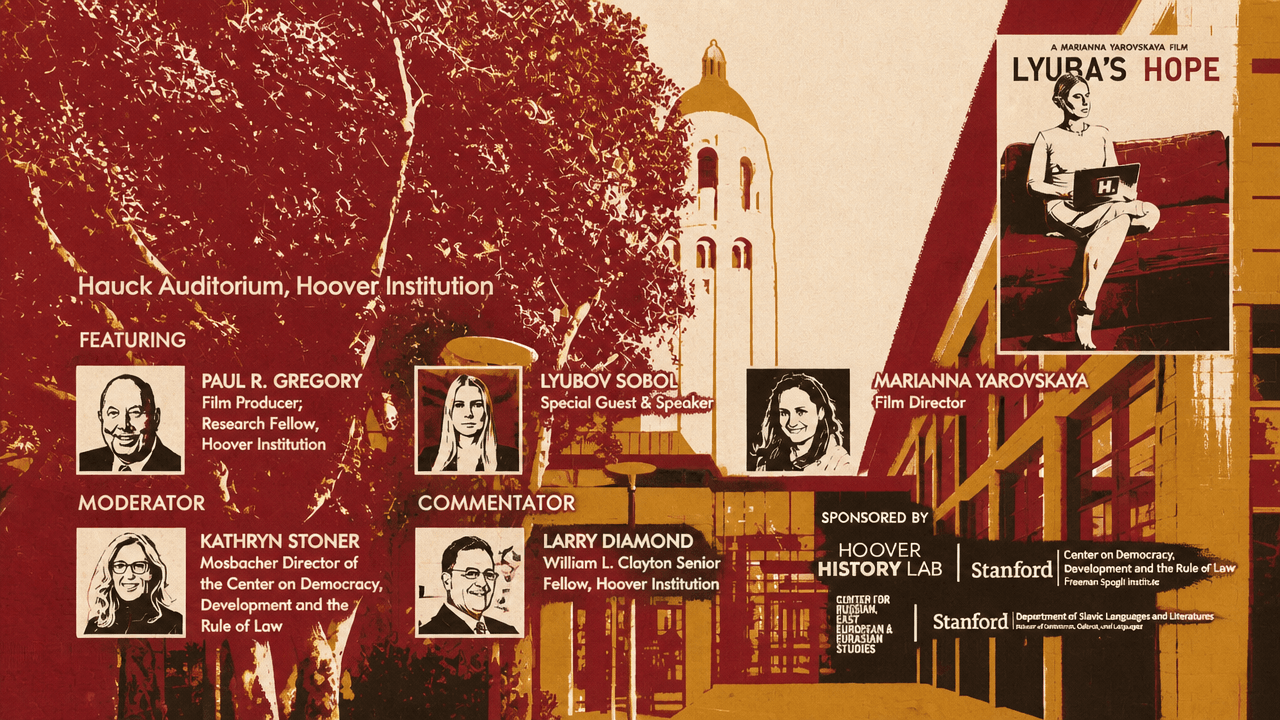
At a Hoover Institution screening of Lyuba’s Hope, Russian opposition figure Lyubov Sobol argued that exile has constrained but not ended her political work against Vladimir Putin’s regime. In discussion with filmmaker Marianna Yarovskaya, producer Paul Gregory, Kathryn Stoner, and Larry Diamond, Sobol described a strategy built around reaching Russian audiences through blocked platforms, documenting repression and war support, pushing sanctions and visa cases abroad, and preparing for a democratic opening organized around institutions rather than revenge.
Exile has narrowed Sobol’s options, but not ended her politics
Lyubov Sobol presented exile as a political constraint, not an exit from politics. After leaving Russia in 2021, she said, the work available to her became narrower: she could not freely organize inside the country, could not ask others to take risks she was not physically sharing, and could not return without facing prison or worse. But she argued that the Russian opposition still has operational tools from abroad: information channels that reach into Russia, documentation of repression and war support, sanctions advocacy, visa assistance, and preparation for a future opening built around democratic institutions rather than revenge.
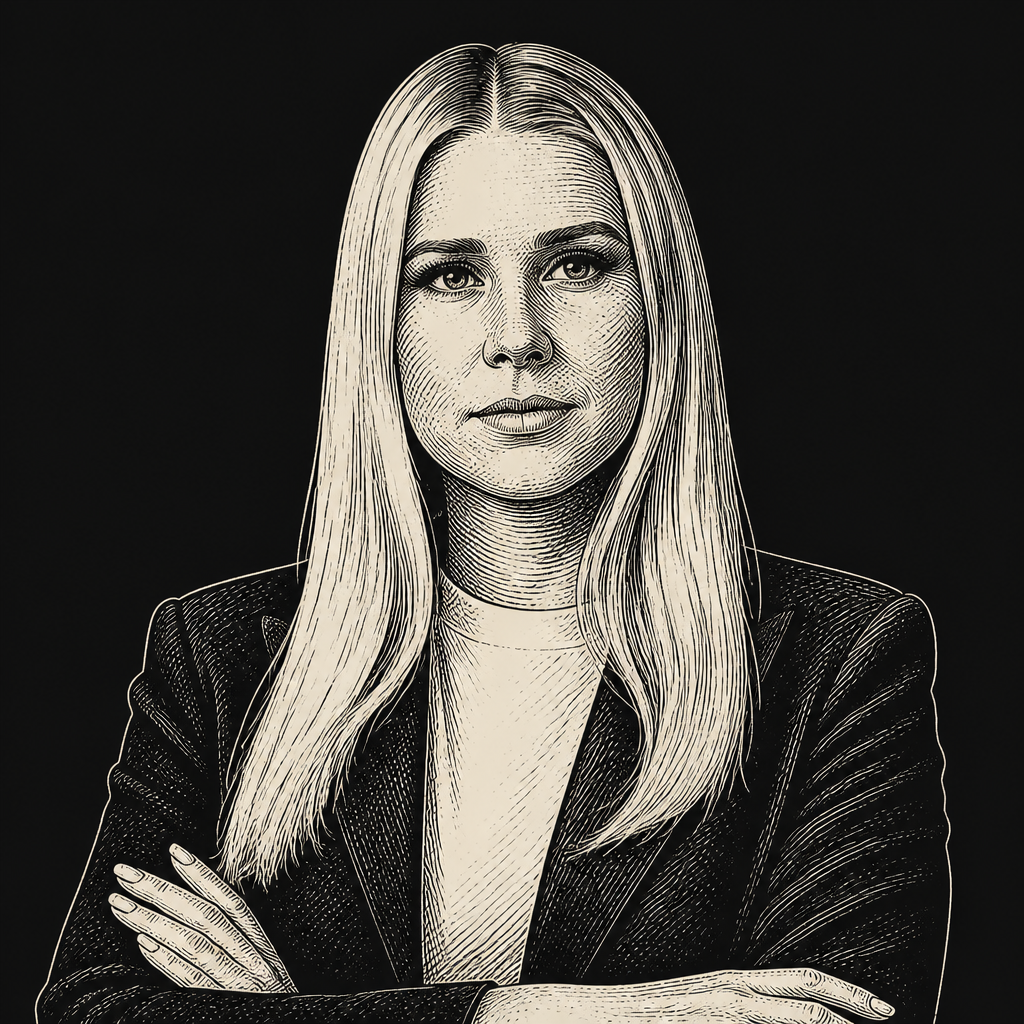
Sobol described her own position after leaving Russia as a forced choice. She said she had “only two options”: prison for an indefinite period, with at least five criminal cases already opened against her, or life abroad. Kathryn Stoner added the possibility of poisoning; Sobol accepted that, too, as part of the danger she faced.
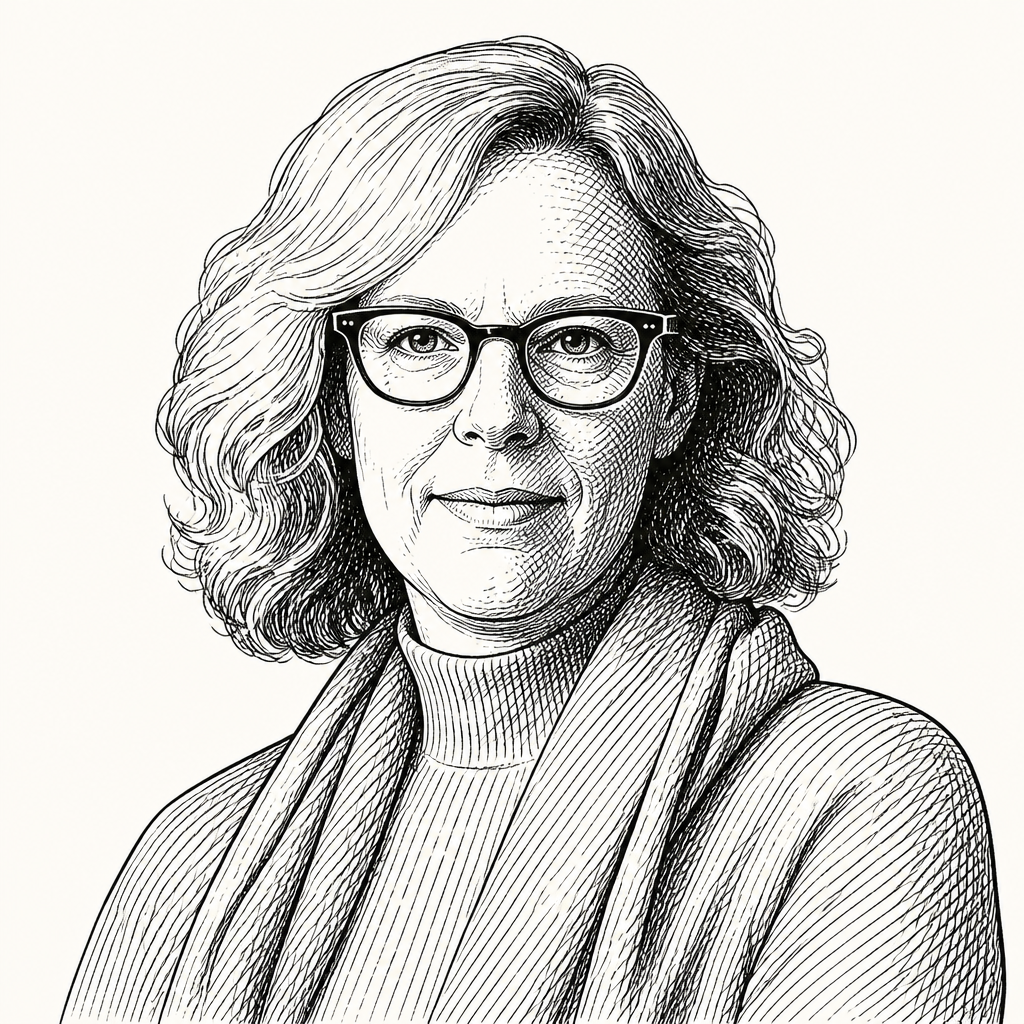
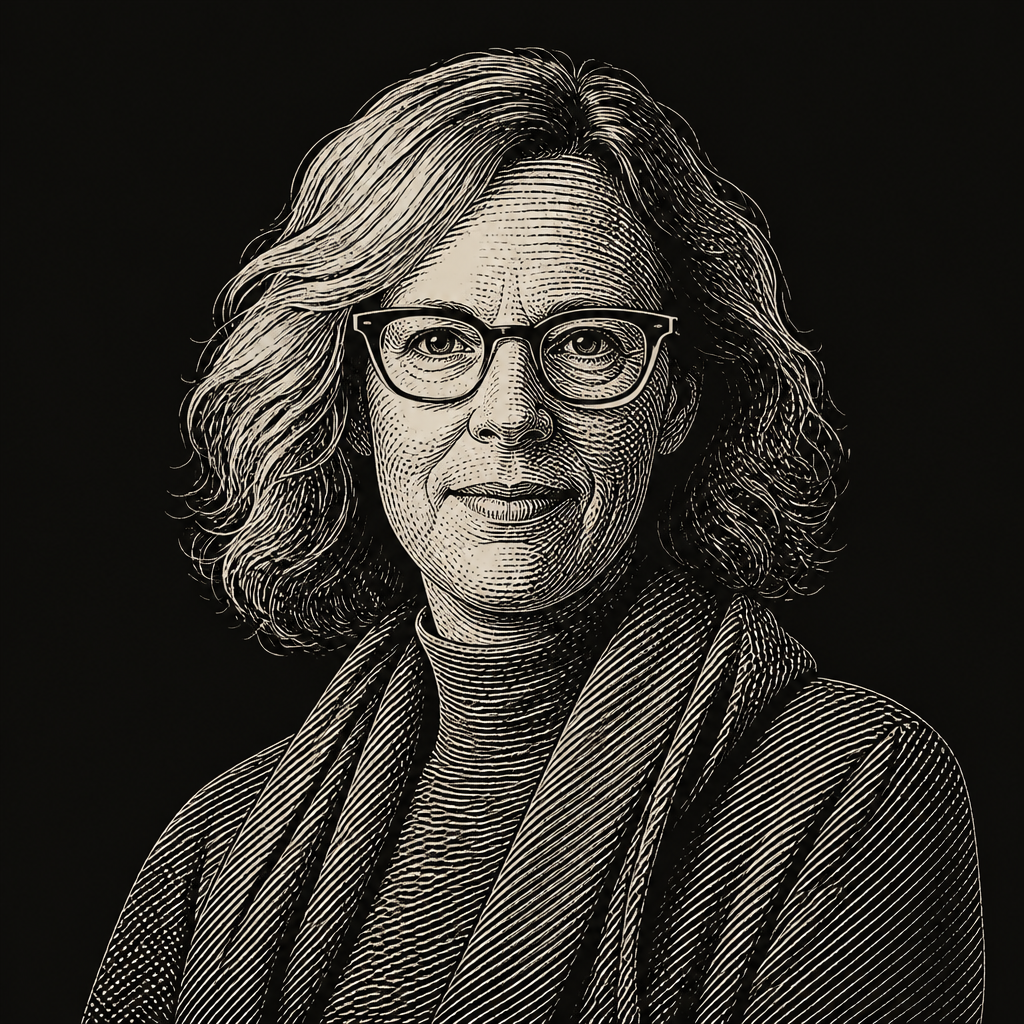
I didn't have any chance to be in Russia and free. So I had only in 2021 when Navalny returned to Russia, I have only two options: to be in prison for a long, long time... or abroad.
Russian opposition politics is harder from exile, Sobol said, but for many opposition figures it is now the only way to remain politically active and free. She called it “very difficult to be a politician or affect Russian politics from abroad,” which is why Alexei Navalny returned to Russia and why Vladimir Kara-Murza returned as well. An opposition figure abroad, she said, cannot easily call people into the streets while personally occupying a comparatively safe position. “Pretty safe,” she corrected herself, saying she had been poisoned in Europe.
Still, Sobol rejected the idea that exile makes opposition work irrelevant. She framed the Russian democratic opposition broadly: not only politicians, but human rights activists, feminist activists, LGBTQ activists, ecological projects, Memorial, and independent journalists. Many are now outside Russia, she said, but they retain large audiences and supporters inside the country.
Her practical claim was about information. Sobol said her YouTube, Instagram, and TikTok platforms receive millions of views every month, even though platforms including YouTube, Facebook, Twitter, and Instagram are officially blocked in Russia. More broadly, she said there are more than 100 popular Russian-language YouTube channels that collectively reach “dozens of millions” of viewers per month. Russians inside the country, including older people, have learned to switch between VPNs to get around state blocking.
That channel of communication, in Sobol’s account, has had direct political effects. She argued that it is now difficult for Vladimir Putin to begin a new wave of mobilization because Russian people have been told what the war in Ukraine actually is: not a “special operation,” but a real war. Sobol said she received her fifth criminal case after talking about the massacre in Bucha on her YouTube channel and was accused of spreading misinformation about the Russian army. Her point was that if Russian state television, radio, newspapers, and even regional outlets are under official or Kremlin control, exiled media and opposition channels are among the remaining ways people in Russia learn about the war, the regions, and the outside world.
Larry Diamond placed that claim in comparative terms. From outside an authoritarian country, he said, one of the most effective things opposition leaders can do is “pierce the monopoly of information and the propaganda of the authoritarian regime.” People need to hear the truth, he argued, and it is more powerful when it comes from people whose stories they know, respect, and trust. Diamond singled out one line from the film in which Sobol tells viewers to “get out your VPN,” reading it as a concrete instruction for circumventing state internet censorship.

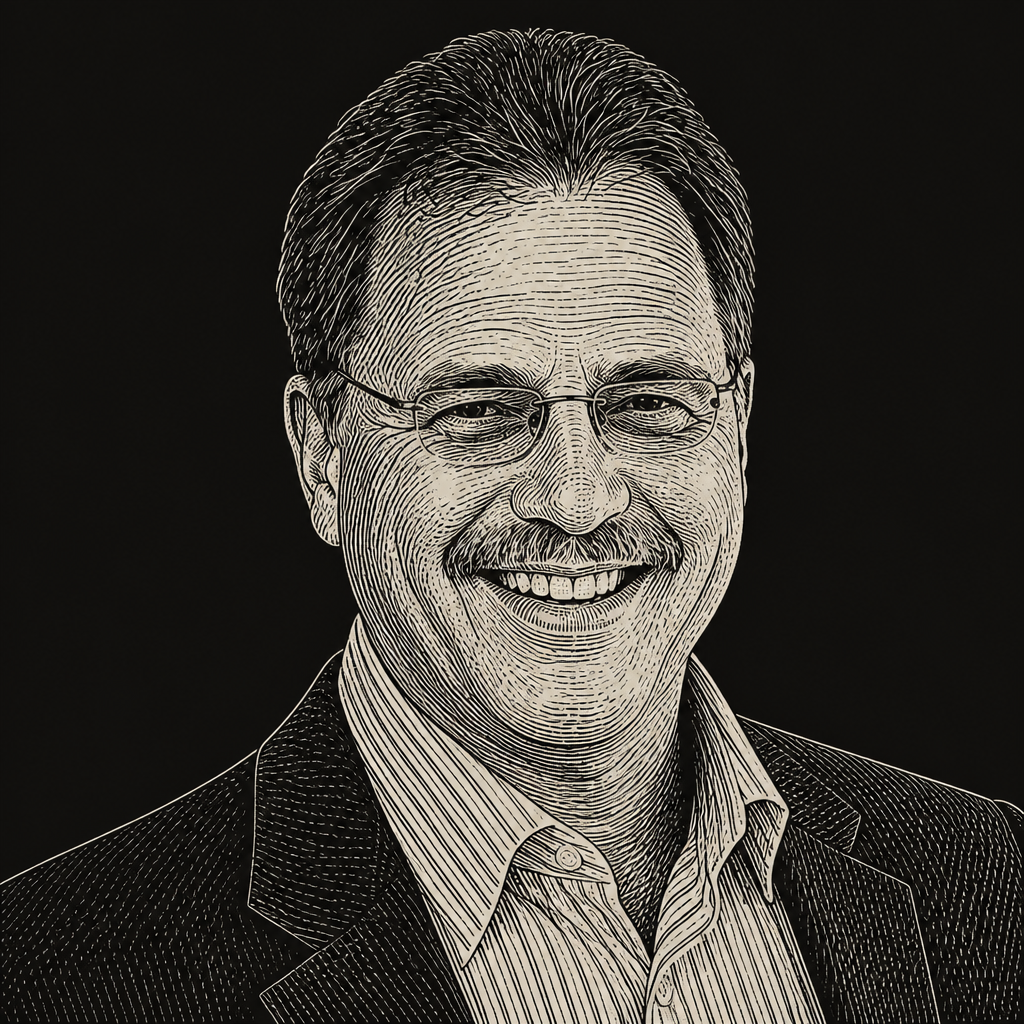
The one thing that can I think be effectively done from the outside is to pierce the monopoly of information and the propaganda of the authoritarian regime. And to give people the truth.
He also described the contest over information access as a “cat and mouse game”: authoritarian regimes are becoming more skillful, but new tools are also being developed. Exiled leaders who maintain close communication with people on the ground, he said, have an authenticity that outside broadcasters alone cannot match.
Diamond’s broader claim was that exile politics matters because historical openings are unpredictable. “You just never know when history is going to turn,” he said. He cited Kim Dae-jung, who spent time in exile, later returned after military authorities in South Korea were forced by student protests to yield, and eventually became president of the Republic of Korea. He also pointed to the United States in the mid-1970s, when Congress, in his account, began to change American foreign policy on democracy and human rights after a period of unfaithfulness to American founding principles.
For Diamond, Sobol’s work abroad was not only about Russia. It could also affect the policy environments in which Russia’s opposition must operate. He criticized current American foreign policy on Ukraine, Russia, and democracy as “shamefully wrong,” and said Europe was now leading on these questions. But he argued that advocacy, campaigning, and consciousness-raising can change foreign policy over time.
The democratic future Sobol imagines begins with institutions, not revenge
Lyubov Sobol drew a distinction between Russia’s immediate future and a future after the current rupture. “Tomorrow I don’t see anything good for Russia,” she said, but “after tomorrow” she believed Russia could become a normal country.
Her hope, she said, comes from her knowledge of Russian people. Before leaving in 2021, Sobol had lived her whole life in Russia, traveled widely, worked in different regions, and built relationships with people across the country. She argued that Russian people are struggling for democracy and for life in a “normal country”: working laws, independent judges, independent media, no internet shutdowns or blocking, and a peaceful ordinary life without war.
Sobol acknowledged that mass protest is now difficult because repression is severe. But she said she still has volunteers from her campaigns living in Russia, friends in different regions, and connections with people who have not given up. The potential for protest, in her view, remains latent rather than absent.
Her diagnosis of Russia’s missed post-Soviet chance was institutional. She said Russia missed an opportunity in the 1990s, though she was personally a child in kindergarten at the time. Some reforms were made, but not enough. The people at the top, she argued, thought more about their own wealth and “their pockets” than about building institutions that could sustain democracy over the long term. The next generation of politicians, human rights activists, and independent journalists, she said, knows these problems and should not miss the next chance.
That institutional emphasis also shaped her answer on transitional justice. The question was how Russia might move from the existing system to a democratic society, including whether it would need a process of lustration. Sobol began from her personal experience with the coercive apparatus. She had spent many hours in facilities with security forces, police, prosecutors, and other officials. In private conversations, she said, she did not find them to be ideological supporters of the regime. Her assessment was harsher in another way: they lacked courage, were focused on money, and saw the state system as their only path to income.
Sobol gave one example of an official assigned to control her movements who told her he would retire in five years and then join her in protest. She told him he would not. His answer, as she recalled it, was that he needed his retirement first. Her interpretation was that such people understand what is happening inside the regime and do not wear “pink glasses,” but they lack the courage to speak or act against it. For that reason, she said she was not sure they would fight for the regime after Putin’s death or a similar rupture.
On accountability, Sobol drew a line between documented crimes and generalized revenge. She said people who committed crimes should be sentenced and held accountable, including those responsible for actions in the war in Ukraine and those who participated in repression: judges, police, and others. She referred to a Russian opposition project called Blacklist, which documents people from different parts of the regime and different departments who participated in repression against the Russian opposition and Russian people. She gave as an example those who sentenced Alexei Navalny to a penal colony.
But she was cautious about lustration as a broader program. Sobol called it “a discussable question” and said she was not sure Russia should focus on that. The priority, in her formulation, should be establishing new rules and democratic institutions.
We should not think about revenge. We should think about our future and how to become a normal country and how to help people with trauma, with bad experience, to be like a normal member in a new configuration.
She stopped short of proposing a sweeping exclusion of everyone who had served in the system. Her emphasis was on accountability where there is evidence, institutional reconstruction where there has been collapse, and avoiding a politics organized primarily around revenge.
Navalny was Sobol’s political origin, and his death was a strategic rupture
Lyubov Sobol traced her relationship with Alexei Navalny to 2011, before his Moscow mayoral campaign and before he was widely understood as a politician. At that time, she said, he was considered more of an internet blogger and anti-corruption lawyer. She followed him on LiveJournal, where he published ideas and thoughts on a daily basis, and decided she shared those ideas and wanted to join his team.
When Navalny posted that he was looking for people to help start public anti-corruption projects, Sobol applied and was accepted. She said it was an open opportunity, but she was the first person accepted. She joined, in her words, almost from scratch politically. Afterward, they established the Anti-Corruption Foundation, began different projects, and participated in political campaigns. Navalny, she said, started the large street protests after the Duma elections; she was both a witness and an organizer in Moscow. He became her mentor and coach.
The death of Navalny, which Kathryn Stoner described as in one sense unexpected and in another unsurprising, was for Sobol personally shocking and difficult to absorb. She was in the United States when she heard. At that time, she said, there had been public discussion of a possible exchange of political prisoners, and Navalny was a top priority for such an exchange. Sobol and her colleagues believed there was at least a slight possibility he could join them abroad. “But Putin had another plan for Alexei,” she said.
Stoner framed Navalny’s death as a “real kick” for the Russian political opposition because one of its main and most recognizable leaders had been taken away. Sobol’s answer about maintaining optimism after that loss returned to her view of Russian society. The opposition’s hope, in her telling, does not rest only on a single leader’s survival, even a leader as important as Navalny. It rests on people inside Russia who want a normal legal and political order and on networks that remain alive despite repression.
Larry Diamond, before answering Stoner’s comparative question about exile, paid tribute to the courage required to confront the Russian state. He said very few Americans understand what it is like to face “overwhelming power, murderous power and intimidation.” He named Boris Nemtsov and Navalny among those murdered and said he had known Vladimir Kara-Murza and had been one of many people who begged him not to return to Russia before he suffered a second, nearly fatal poisoning. Diamond said he did not think he could summon that kind of courage himself.
His praise for Sobol was tied to what he saw as the function of the film: personalizing a national story. Abstract accounts of a democratic opposition, repression, fear, and resistance are difficult for foreign audiences to identify with, he argued. A single life can make the national story visible. Through Sobol’s experience, viewers see what was endured, risked, and sacrificed.
The impact, I think we shouldn't underestimate the impact of the story, the life, the example of one person through which we see a national story.
Stoner underscored that point: the courage and sacrifice matter because they are not abstractions. They also sustain the argument she returned to during the discussion, that “Russia is not Putin” and “Russians are not Putin.” The film and Sobol’s presence were presented as evidence of anti-war, anti-corruption, democratic Russian political life that exists against the regime rather than within its official account of the country.
The archive itself had been damaged by repression
Marianna Yarovskaya said the film was still not quite finished when shown at Hoover. The ending music was temporary; color correction and sound mix were not complete; a few small changes remained. She described the screening audience as among the first to see it.
The film took four years, and Yarovskaya’s explanation was practical as much as political. Funding was one reason. “Like with every film, 99% of it is funding and money,” she said. She compared the process to her earlier collaboration with Paul Gregory on Women of the Gulag: Gregory had taken one year to write the book, while she took seven years to make the film. With Lyuba’s Hope, she initially imagined something much smaller. When she met Sobol, at Gregory’s suggestion, she asked whether Sobol wanted to make a film together. Sobol said yes if it would take a couple of hours. Yarovskaya replied that it might take a couple of days. Four years later, she said, they were in the home stretch.
The more consequential obstacle was the archive. Yarovskaya said archival work is how she makes her living in cinema and that she has worked on roughly a hundred feature, documentary, and fiction films doing archival work. But this film’s archival work was unusually difficult. A lot of archives had been destroyed. Navalny Live hard drives had been expropriated and erased. Sobol fled with only her cell phone. The filmmakers had to collect material “bit by bit” to recreate the backstory, because their own filming began in 2022 and the political story began much earlier.
That reconstruction was not simply production polish. Yarovskaya’s account made clear that the record of opposition activity had itself become vulnerable: footage of earlier anti-corruption work, political campaigns, arrests, protests, and confrontations with the Russian state had to be recovered from scattered and damaged sources. Stoner said she had found old correspondence in her email about acquiring footage from TV Rain, suggesting the practical complexity of assembling material from different places.
Yarovskaya also described the film as a continuation of her earlier work on Russian memory and repression. Born and raised in Moscow, she said she worked as a journalist for Channel One and major television programs as a teenager, and for Echo of Moscow, the first FM radio station. She worked in news when it was still democratic, then studied cinema in the 1990s and observed what happened to the country over time.
Her earlier film Women of the Gulag, she said, had prepared her for this project because it forced her to look into history. “If you don’t work on your history, then you are bound to commit the same mistakes,” she said. Lyuba’s Hope became the next film: not what happened before, but what is happening now. Sobol, in Yarovskaya’s view, was the right subject. A short film became a larger story once the filmmakers realized how much was there.
The documentary’s purpose, as Stoner formulated it, was also political: to remind people that Russia is not Putin and Russians are not Putin. Yarovskaya answered less in slogan than in craft. Her task as an artist, she said later, is to make the work emotionally and artistically powerful. If Russian artists in exile work on Russian subjects in Russian, she believes Russian people will watch sooner or later.
Yarovskaya used another film as an example of that possibility. She said she had just returned from the Cannes International Film Festival, where she watched the premiere of Andrey Zvyagintsev’s The Minotaur. In Yarovskaya’s telling, it had won the Grand Prix in Cannes, was the first major and strongest film about the war and mobilization made by a Russian director with Russian actors while living outside Russia, and would win an Academy Award. Her point was not to compare herself to Zvyagintsev, but to argue that work made outside Russia can still speak directly to Russian audiences.
Sobol’s international work is tactical: sanctions, visas, disinformation, and access
Lyubov Sobol described a portfolio of public and private work rather than a single strategy. She said she uses different tools and opportunities to fight Putin’s regime: producing video content for Russian audiences, explaining the war in Ukraine, talking about Russian corruption, and using international platforms.
One of those platforms is PACE, where the film showed her as part of a dialogue platform with Russian democratic forces. Sobol said this gives her access to politicians from 46 countries. Four times a year, she said, they are in the same building, and PACE has opened doors for Russian opposition figures to speak with parliamentarians from different countries. At the previous session in April, she said, she had 15 events, mostly private meetings with different parliamentarians.
The issues she raised there were specific. She said she discussed Putin’s disinformation campaigns. As one example, Sobol said Armenia had parliamentary elections and that bots and AI tools were being used to spread disinformation. She connected this to a shared problem between Russian opposition figures and people abroad trying to counter Putin’s influence operations.
She also raised humanitarian visas for Russians who cannot safely return and are struggling to obtain legal status in other countries. Sobol said some well-known activists cannot get visas or legal status. She writes recommendation letters every day and asks politicians directly to help specific people. She gave the example of a family in Finland that, according to her, was at risk of being deported to Russia. Sobol said the family had actively supported Ukrainian refugees in Finland and could face a treason charge and a death sentence in Russian prison if sent back.
Sobol also described her work on sanctions. She argued that many foreign politicians focus on Putin, the Kremlin, and top propagandists such as Solovyov and Simonyan, while overlooking regional structures of propaganda. Regions, she said, have their own propagandists and political life. She said she was able to get regional propagandists and war supporters included on an EU personal sanctions list by assembling evidence, quotations, and documentation of their support for the war in Ukraine.
This was one of her clearest examples of what opposition work abroad can do. It can identify actors foreign governments may not know. It can document regional complicity. It can convert knowledge from inside Russia into policy action outside it. It can also support people in exile who would otherwise fall through legal and bureaucratic cracks.
Kathryn Stoner emphasized the public-facing function as well: keeping alive the fact that not everyone in Russia, and not all Russians who have left, support Putin or believe his regime is permanent. She argued that this matters for Europeans and Americans as well as for Russians. When the political moment changes — and she noted that nobody lives forever, despite Putin’s apparent efforts — a strong diaspora population in touch with the country can be valuable.
Sobol’s final words added a personal dimension to the institutional story of the film. She thanked the organizers and especially Gregory, saying the idea for the film came from him at Stanford four years earlier. Then she said Gregory was the person who saved her life after poisoning.