Faster Payments Could Erode Banks’ Core Deposit Franchise
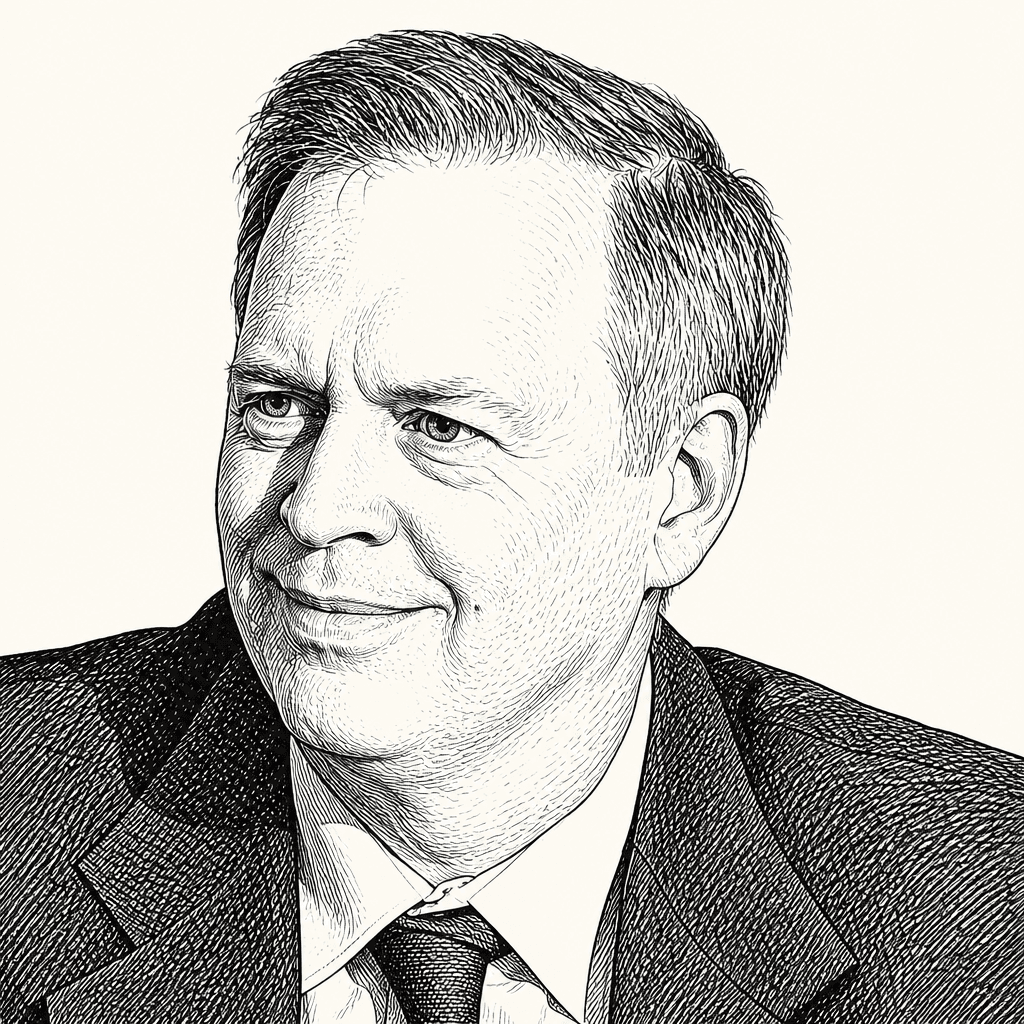
Kansas City Fed President Jeffrey Schmid argues that the important payments shift is not digitization but the growing speed and range of ways money can move, which could make banks’ deposit funding less predictable. Instant-payment rails, stablecoins and other emerging models may erode the float and stability that once defined the core deposit franchise, he says, while raising the stakes for resilient payment infrastructure. Schmid places that work within a Fed mandate he says is owed to the public—not financial markets—and requires both inflation control and dependable financial plumbing.
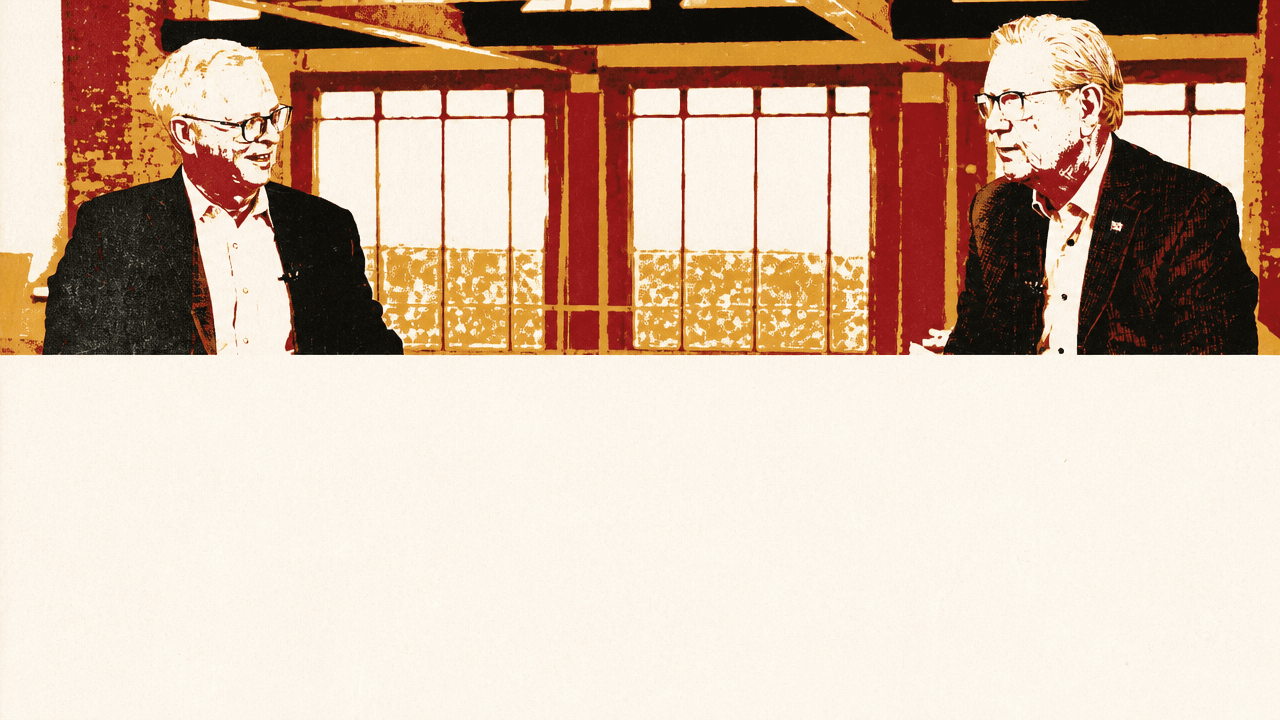
Faster settlement could unsettle the traditional deposit franchise
Jeffrey Schmid sees the consequential change in payments not as digitization itself, but as the speed and competitive models through which digital money moves. Currency and checks, he said, are now the principal physical forms of payment. Everything else is already digitized.
For Schmid, that matters because the payment technologies now developing in the private sector could challenge the traditional bank business model—first on the liability side, where deposits sit, and eventually on the asset side as well. The issue is not simply that transactions may become faster. It is that a bank’s deposit base may become less predictable as customers gain more ways to move and hold money.
Schmid’s own banking experience began in the early 1980s, when he regarded the core deposit as the central bank franchise. Those balances were predictable, usable funding, with a relatively dependable float and term. That predictability supported the liability side of a bank’s balance sheet and shaped the rest of its business.
When I grew up in banking, the core deposit was the franchise. So you—you—it was predictable, it was usable, it had predictable float and term in it. Now that's changing.
Schmid named stablecoins and blockchain ledgers among the digital-asset mechanisms and business models that are emerging. But he also suggested that some of those arrangements could be leapfrogged by instant-payment systems. The Federal Reserve launched FedNow three years earlier, he said, and the service is maturing as an instant-payment rail.
In Schmid’s view, the common issue is the changing velocity of money. Faster transfers can alter the conditions under which banks compete for deposits that once remained in place for more predictable periods. A payment system that makes balances easier to move may change the practical value of float, even if the ultimate mix of payment technologies remains unsettled.
Schmid pointed to retail employers beginning to recruit workers with offers of day pay. He offered that example not as a general account of the labor market, but as a concrete sign of how payment speed can become part of an employer’s offer and part of how workers expect to receive earnings.
He placed the shift in a longer history of banking technologies that initially appeared unnecessary. When banks began building drive-through facilities, he recalled, customers questioned the point. ATMs drew similar skepticism; some people did not even know what the acronym meant, while others thought they would never use one. The comparison was not a prediction that any particular digital-asset model will prevail. It was a reminder that payment habits can change quickly once a new convenience becomes normal.
The Fed’s role is to serve the public, not the markets
Schmid took Kevin Warsh’s first major address as Fed chair to be a practical restatement of the Federal Reserve’s mission. Warsh’s prior experience as a Fed governor during the 2005–2011 period, including the financial crisis, and his subsequent time at the Hoover Institution had given him, Schmid said, a useful perspective on the central bank’s role in the economy and financial system.
Schmid described Warsh as well suited to the moment and said the speech was “refreshing” in the way it reframed the Fed’s focus. He particularly valued what he understood to be the speech’s four major elements and seven principles. Warsh had said the address was not forward guidance, Schmid noted, but the principles mattered because they stated plainly what the institution is trying to accomplish.
The Fed’s mandate is “fairly clear,” Schmid said: price stability and full employment. Central banking can be technically complex, but Schmid’s point was that complexity should not obscure the mission. The harder work comes in translating that mission into policy actions capable of influencing an economy-wide outcome such as inflation.
Schmid agreed with Warsh’s assessment that the Fed’s record on inflation remained unsatisfactory. Warsh’s formulation was that inflation had been above target for 65 months; Schmid called that “a true statement” and said more than five years was “plenty.”
The challenge, Schmid said, is to use relatively limited monetary-policy tools to improve that scorecard and bring inflation back to 2 percent. That is where economists and other specialists are needed. But he distinguished the difficulty of implementation from the need to state the purpose clearly.
Steven Davis made the same distinction in discussing communication. Some aspects of central banking are genuinely complicated, Davis said, but the central bank’s commitment to fight inflation should be understandable to market participants and to the broader public. Communication and persuasion are therefore part of the job, even when they do not amount to forward guidance.
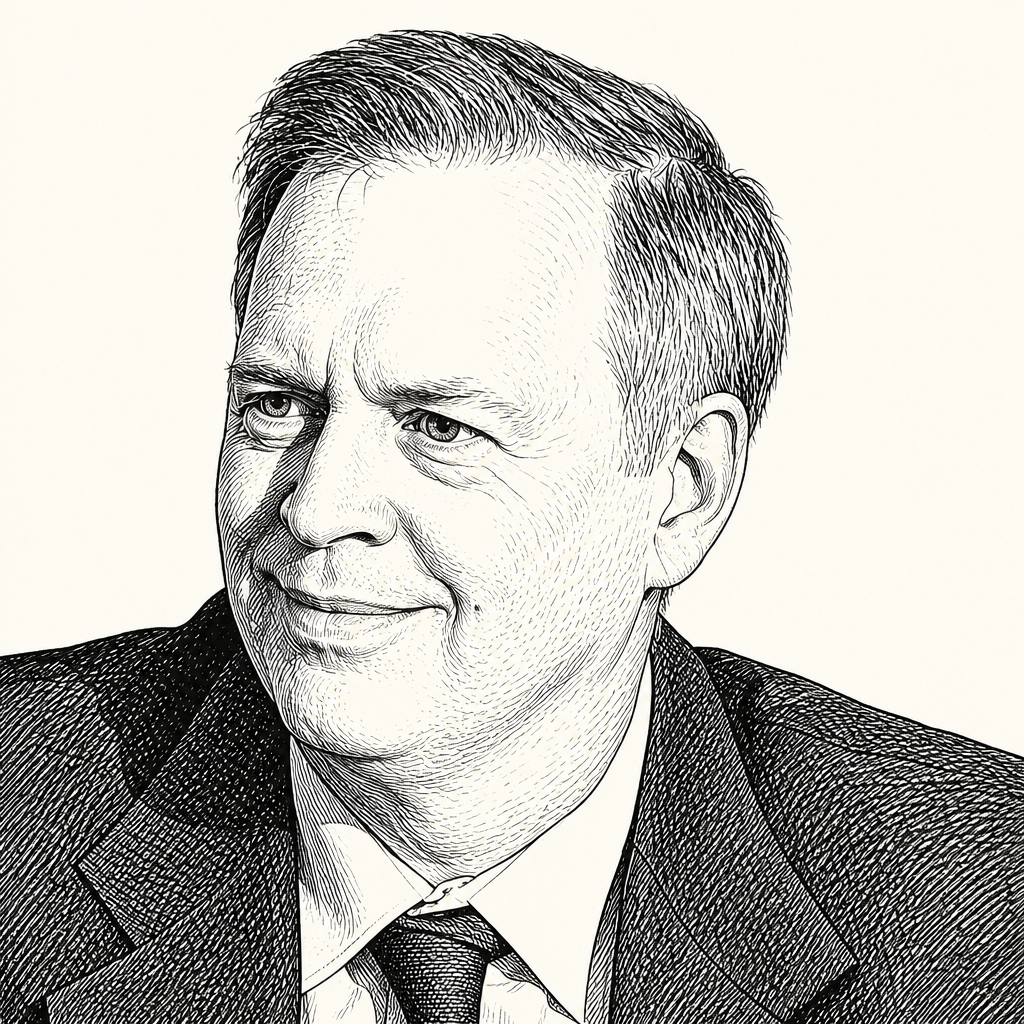
Schmid connected that view to the Kansas City Fed’s own mission statement: “We serve the public to promote financial and economic stability.” In his reading, Warsh had made the corresponding point about the Federal Reserve: its work is undertaken for the American people, rather than as a function for financial markets.
We do this on behalf of the American people. And it’s not a markets function.
That public-purpose frame is also how Schmid approaches payments. The question is not only whether a new system makes transfers quicker. It is how innovation in the movement of money fits with financial and economic stability.
Reliable payment plumbing carries a high technological cost
Faster payments make operational resilience more consequential, in Schmid’s account, because the institutions running the financial system’s basic plumbing cannot tolerate visible failures. The Federal Reserve layers technology protections on top of one another “for a reason,” he said.
“If our Fedwire system’s down for four minutes, it’s headline,” Schmid said. Davis summarized the implication: the basic plumbing cannot be allowed to fail.
Schmid raised the system’s technology spending while discussing Federal Reserve independence and the need to explain to the public what the institution does and what it costs. He estimated that operating the Federal Reserve System costs roughly $6 billion system-wide, with technology accounting for perhaps 35 to 40 percent of that total.
The technology share reflects the burden of operating critical systems with sufficient redundancy. Schmid said he has been leading an effort to migrate Federal Reserve applications to cloud and colocation systems. Both arrangements have redundancies, he said.
The resilience side of what we do technologically is world class. And it has to be, and it should be.
Davis asked whether major financial institutions are required to maintain comparable disconnected backups for crucial data and systems. Schmid said that specific question was outside his lane and that he would need to find out. He pointed instead to the Federal Reserve’s supervisory capacity: the system has thousands of bank examiners, he said, and some are equipped to make sure bank systems are resilient as well.
Schmid’s account of the Fed’s own infrastructure was direct: redundancy is necessary because a short disruption to Fedwire becomes public news. His comments on private institutions were narrower, resting on the presence of bank supervision rather than a description of particular backup rules.
Innovation changes both the funding model and the operating burden
Schmid’s concern is not that payments are becoming digital; by his account, that transformation has largely already occurred. The unsettled question is what happens when instant rails, stablecoins, blockchain-ledger arrangements, and other payment models make money move more rapidly and offer depositors more alternatives.
For Schmid, the traditional value of a core deposit lay in its predictability. As payment velocity rises, that characteristic can no longer be taken for granted in the same way. FedNow’s maturation and employers’ use of day-pay offers are examples of how faster movement of funds can enter ordinary commercial relationships, not just the internal mechanics of banks.
The Federal Reserve’s responsibilities, as Schmid describes them, therefore run on two tracks. It must remain clear about its public mandate—price stability, employment, and financial and economic stability—while maintaining infrastructure capable of carrying increasingly rapid flows of money without failure. The policy mission may be straightforward to state; the tools, technologies, and institutional arrangements needed to carry it out are not.