American Achievement Depends on Institutions That Reward Risk and Reinvention
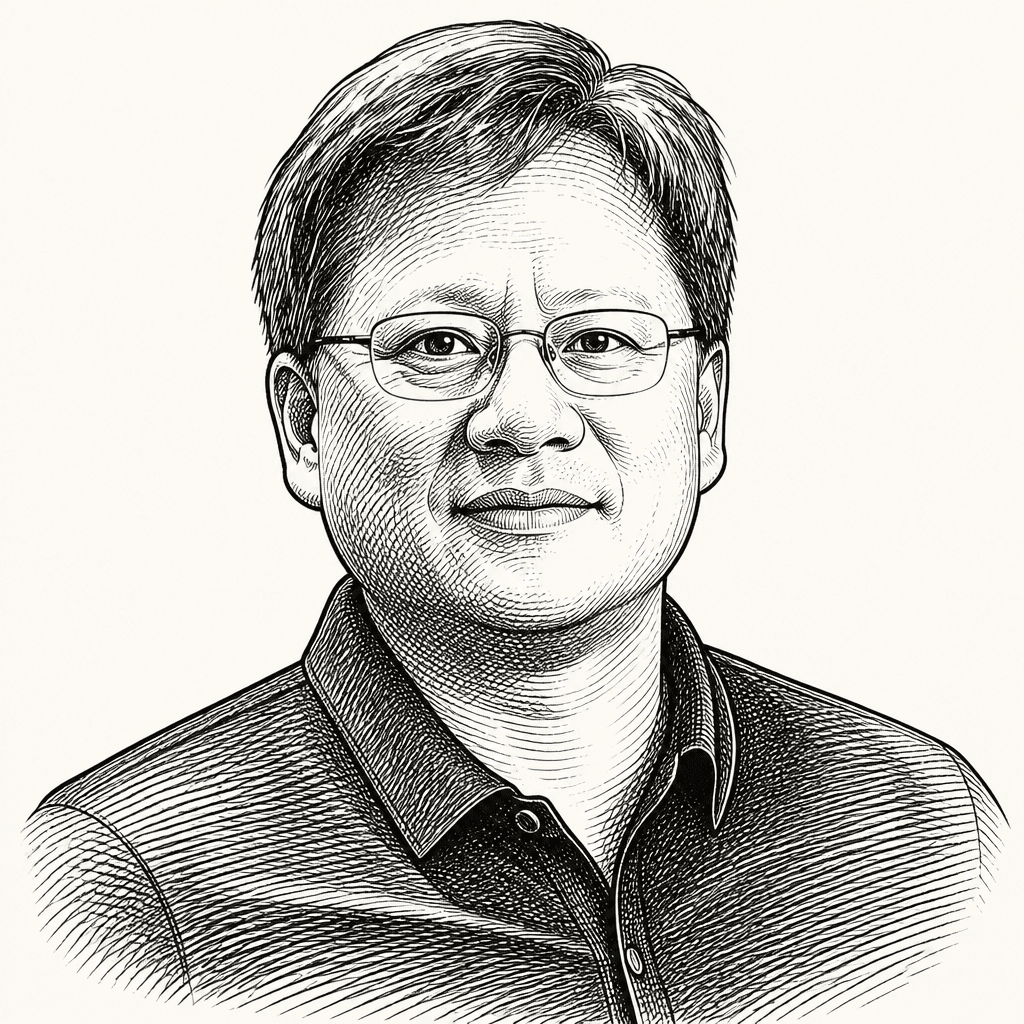 Jensen Huang
 Fei-Fei Li
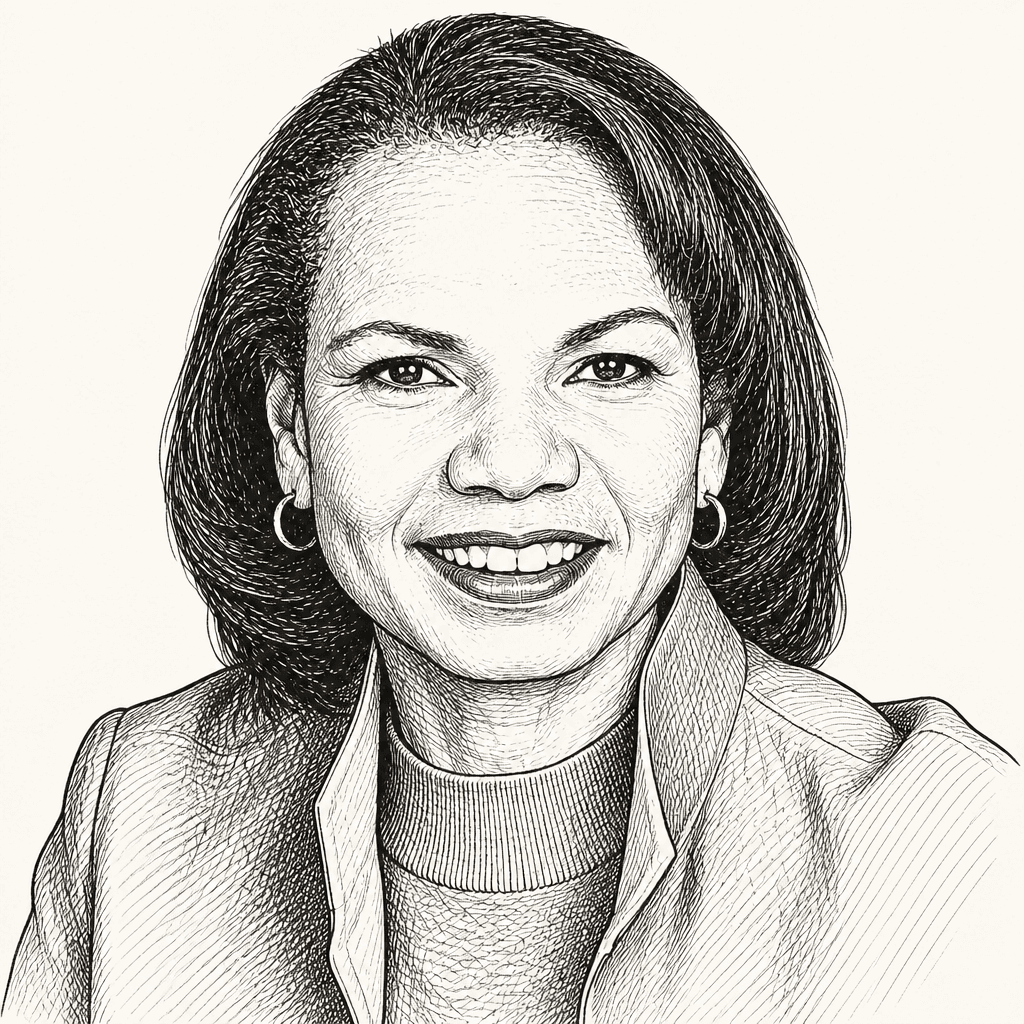 Condoleezza Rice
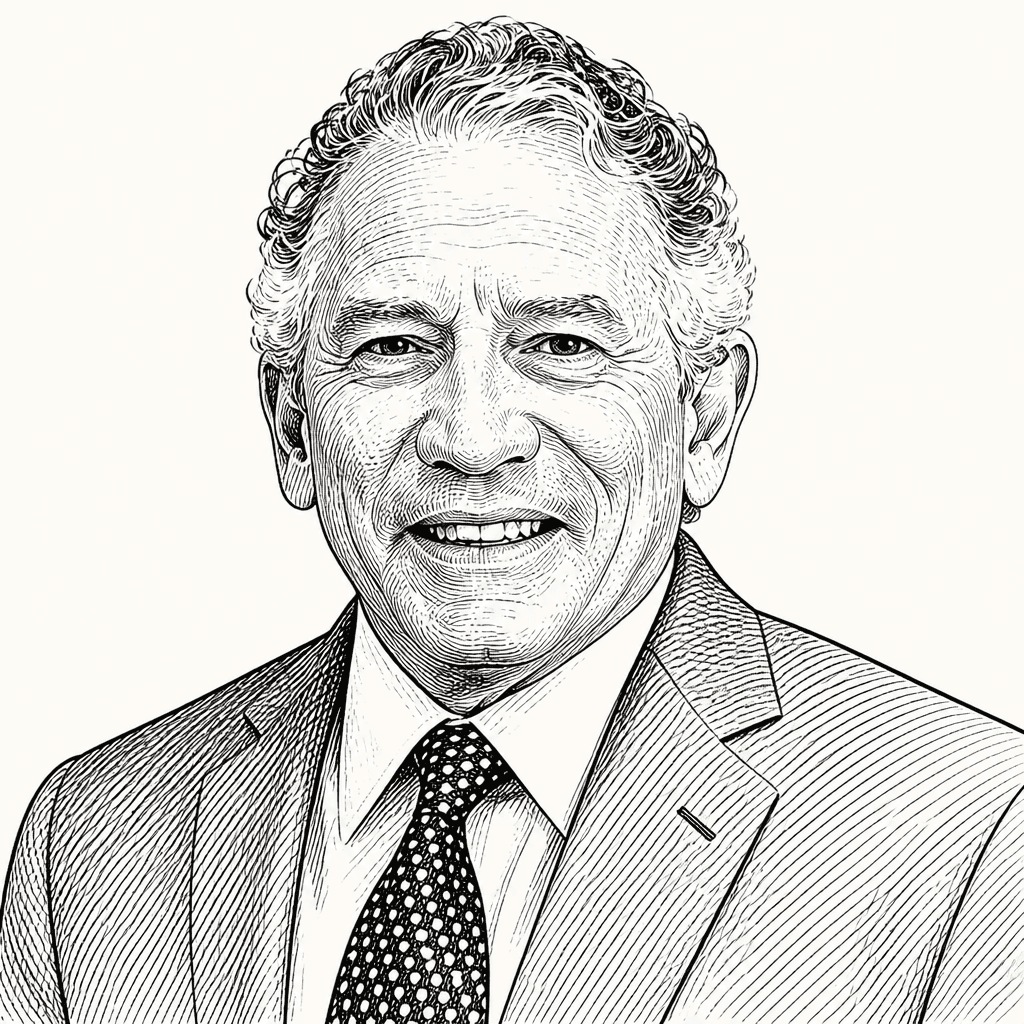 Thomas Siebel
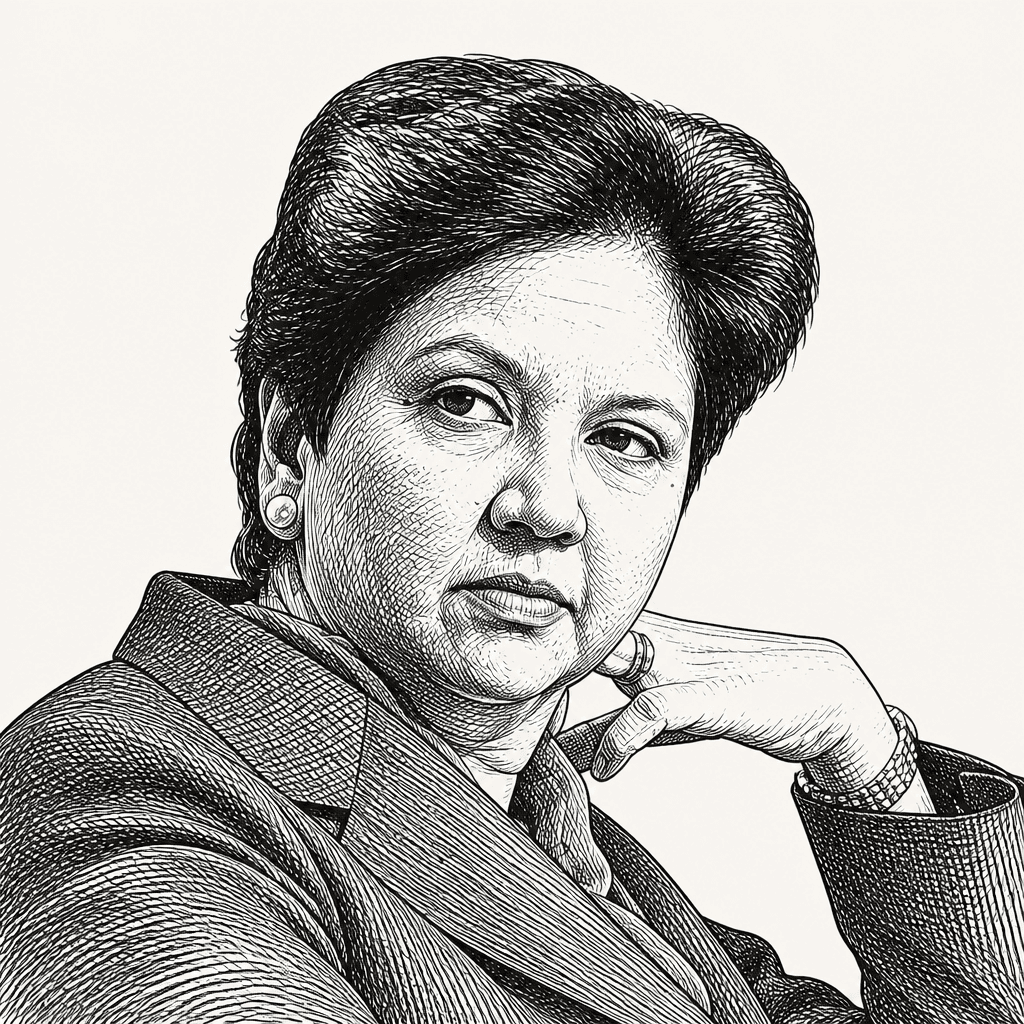 Indra Nooyi
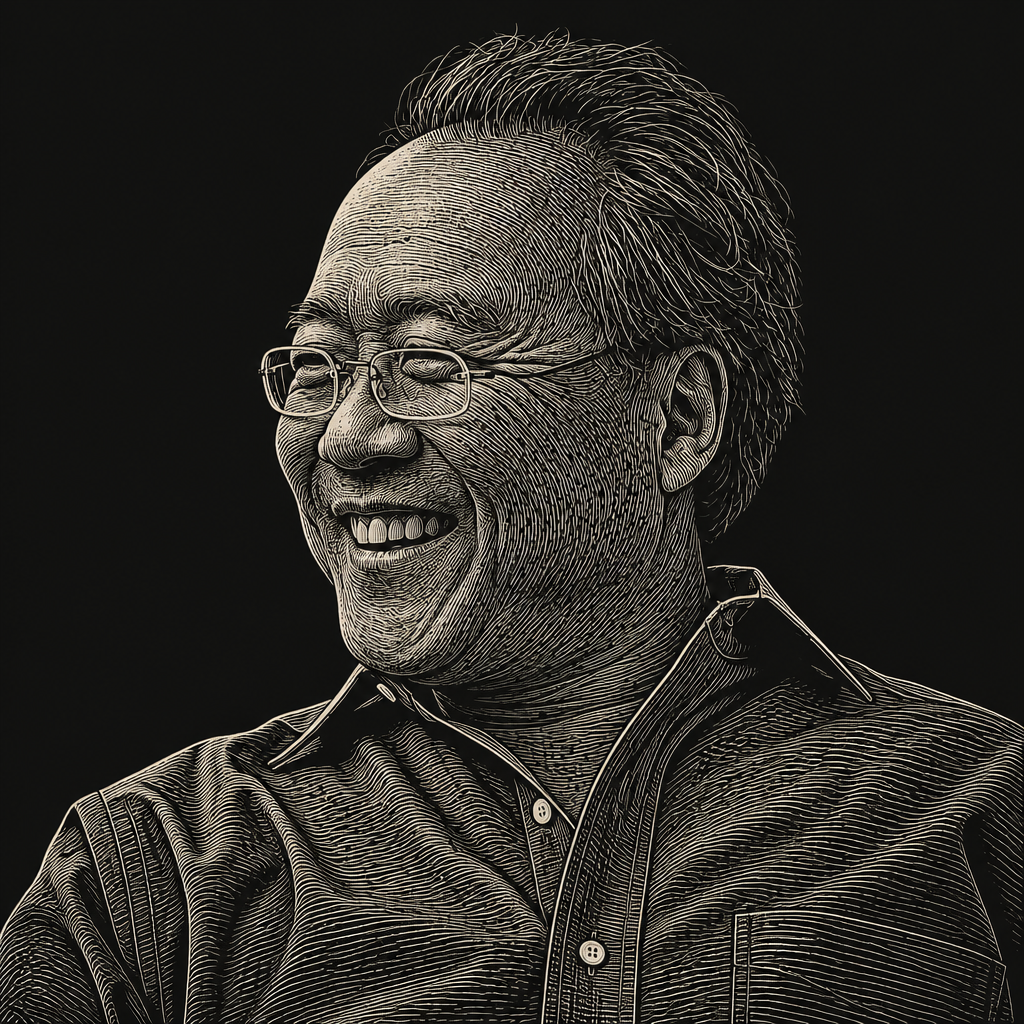
 Yo-Yo Ma
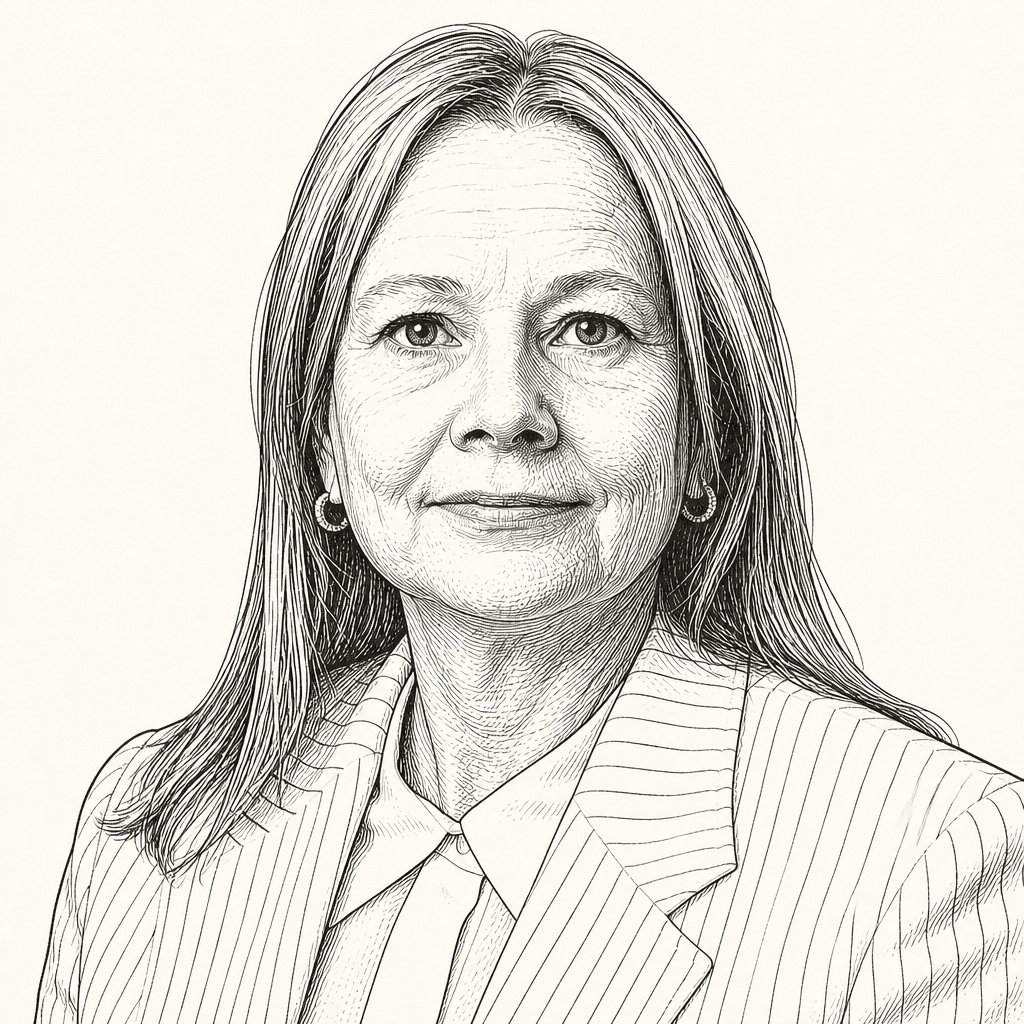 Mary BarraHoover InstitutionMonday, June 8, 20265 min read
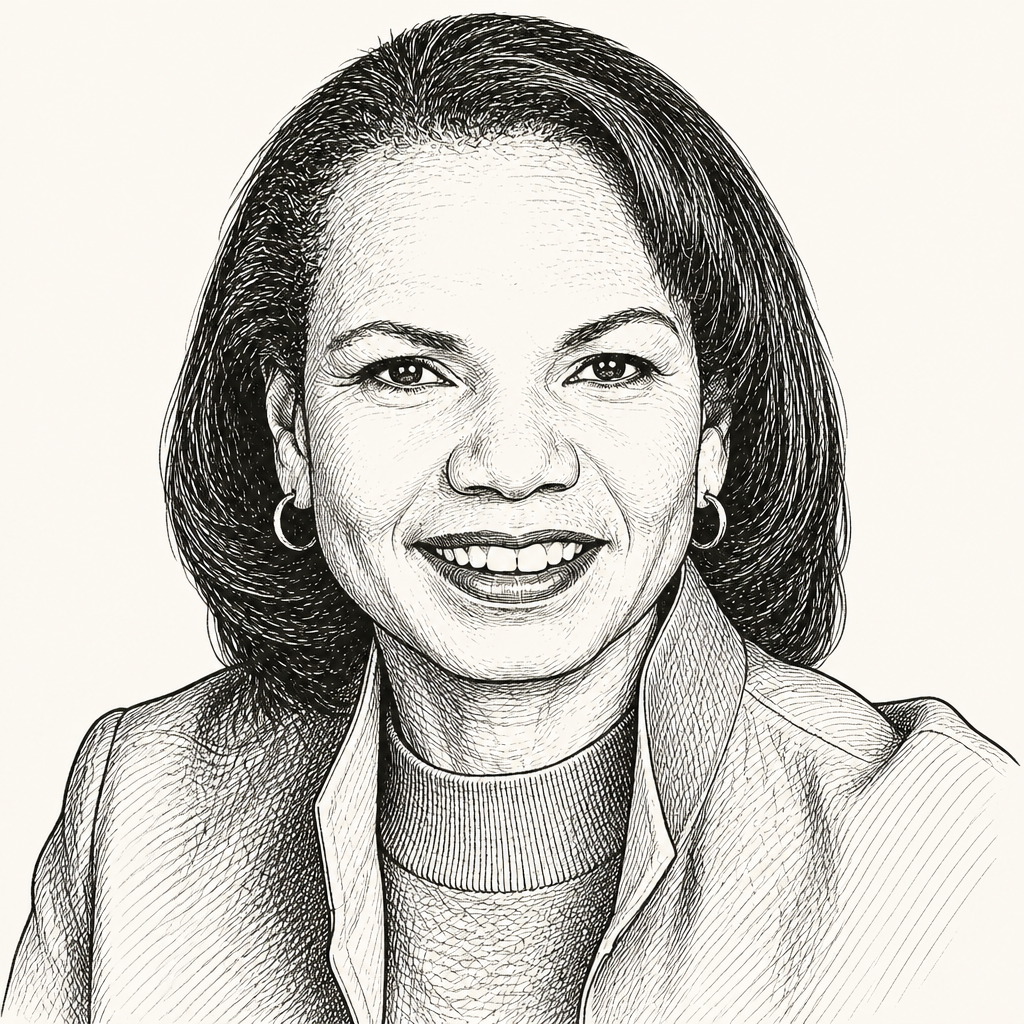
Hoover Institution’s trailer for Only in America presents Condoleezza Rice’s interview series as an inquiry into why innovation, leadership, and reinvention recur in the United States. Through clips from Jensen Huang, Indra Nooyi, Tom Siebel, Mary Barra, Fei-Fei Li, and Yo-Yo Ma, the series argues that exceptional achievement depends not only on individual talent but on American conditions: freedom, opportunity, risk-taking, education, limited government, and a culture that permits people to change their circumstances.
The series frames American achievement as a question of conditions
Hoover’s Only in America is framed around a question from Condoleezza Rice: why certain kinds of innovation, leadership, and reinvention keep occurring in the United States. The trailer for the series does not present a full argument so much as a set of selected answers from six figures: Jensen Huang, Indra Nooyi, Thomas Siebel, Mary Barra, Fei-Fei Li, and Yo-Yo Ma.


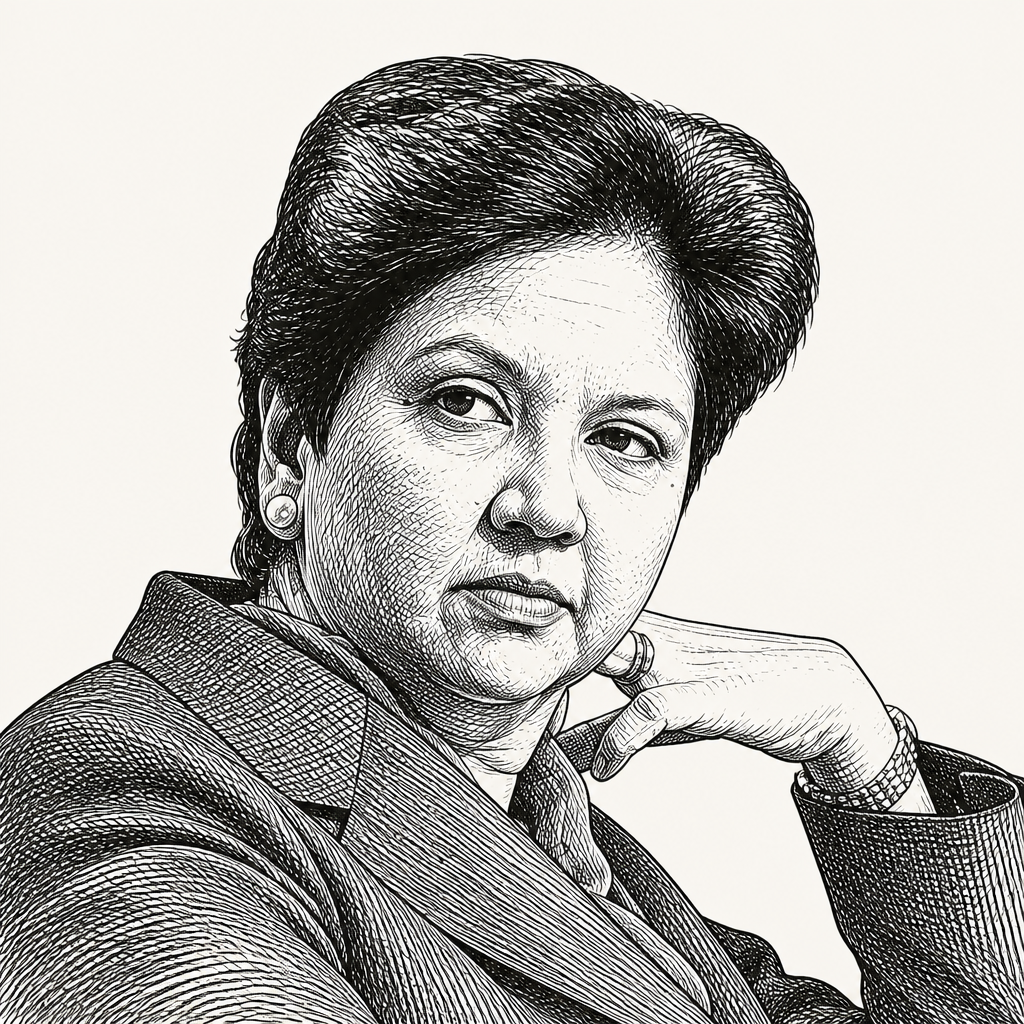
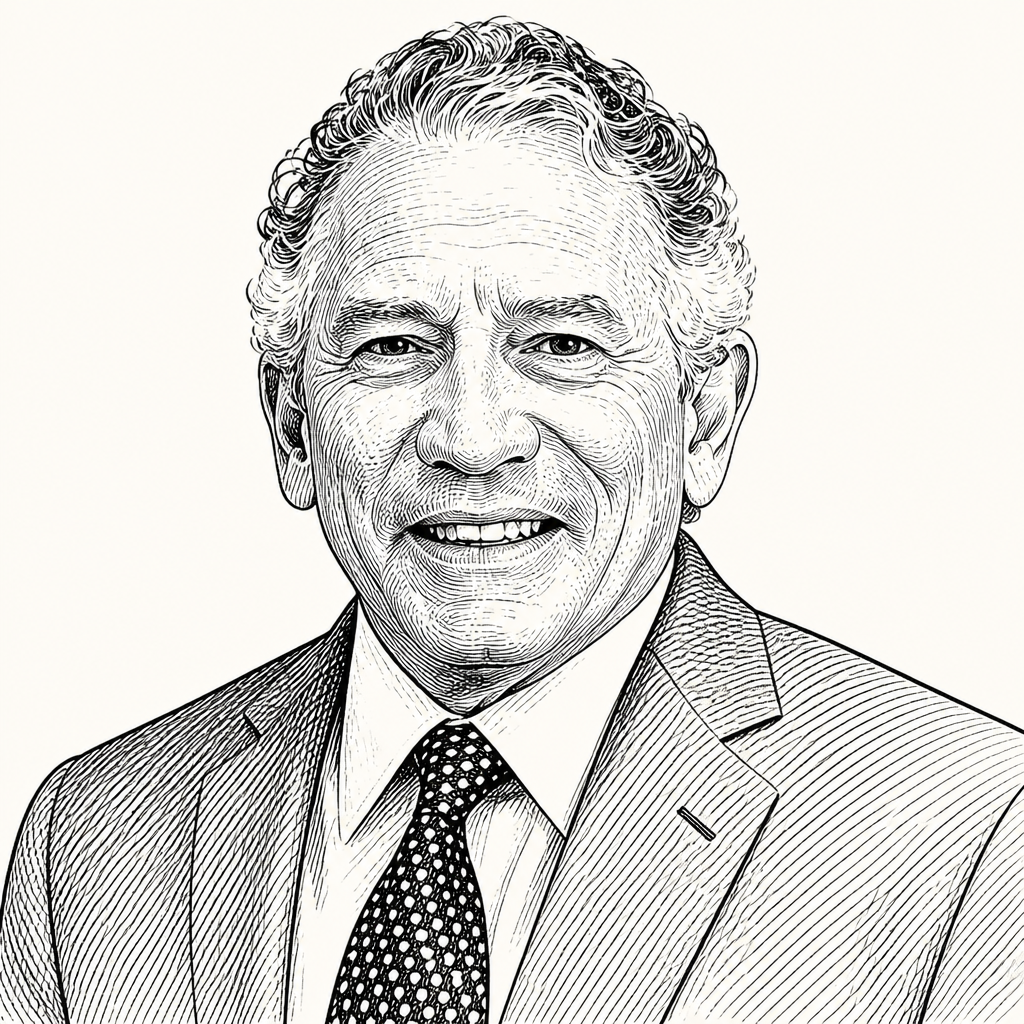
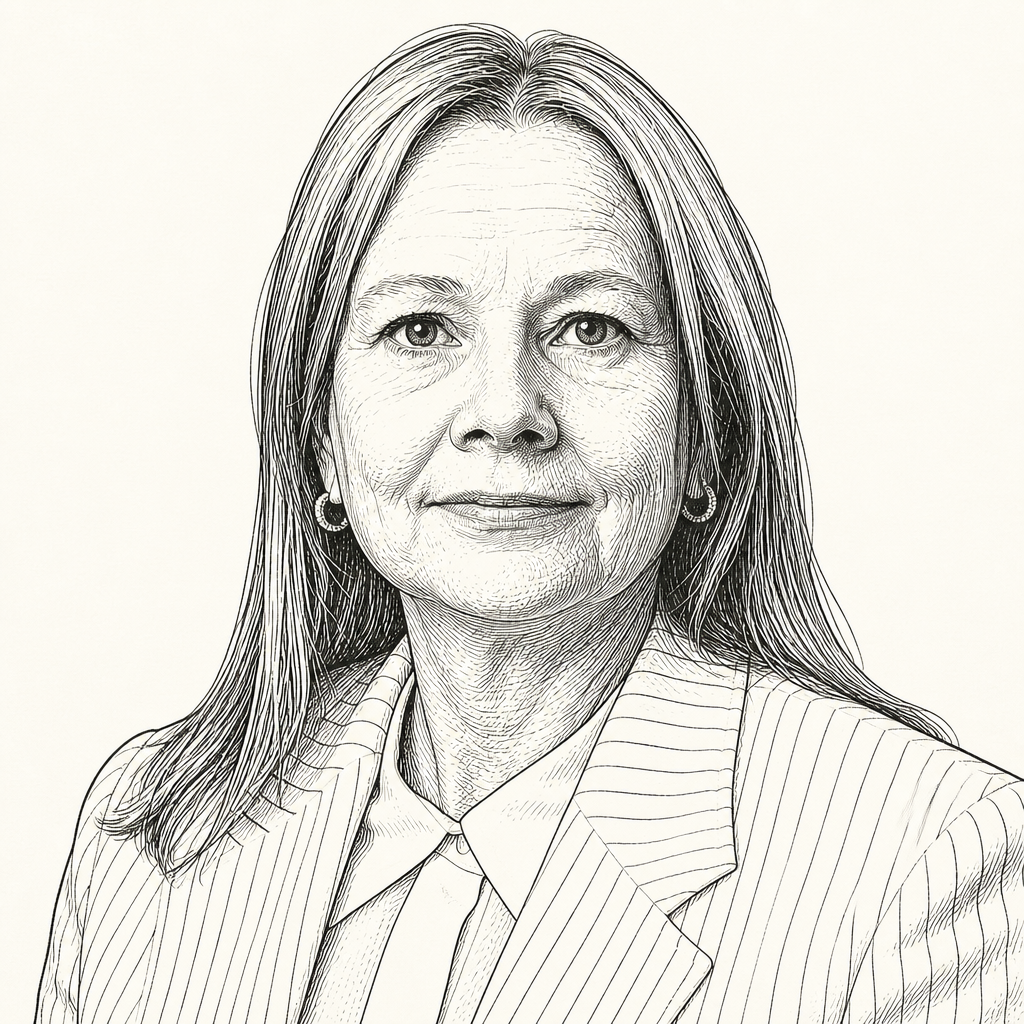
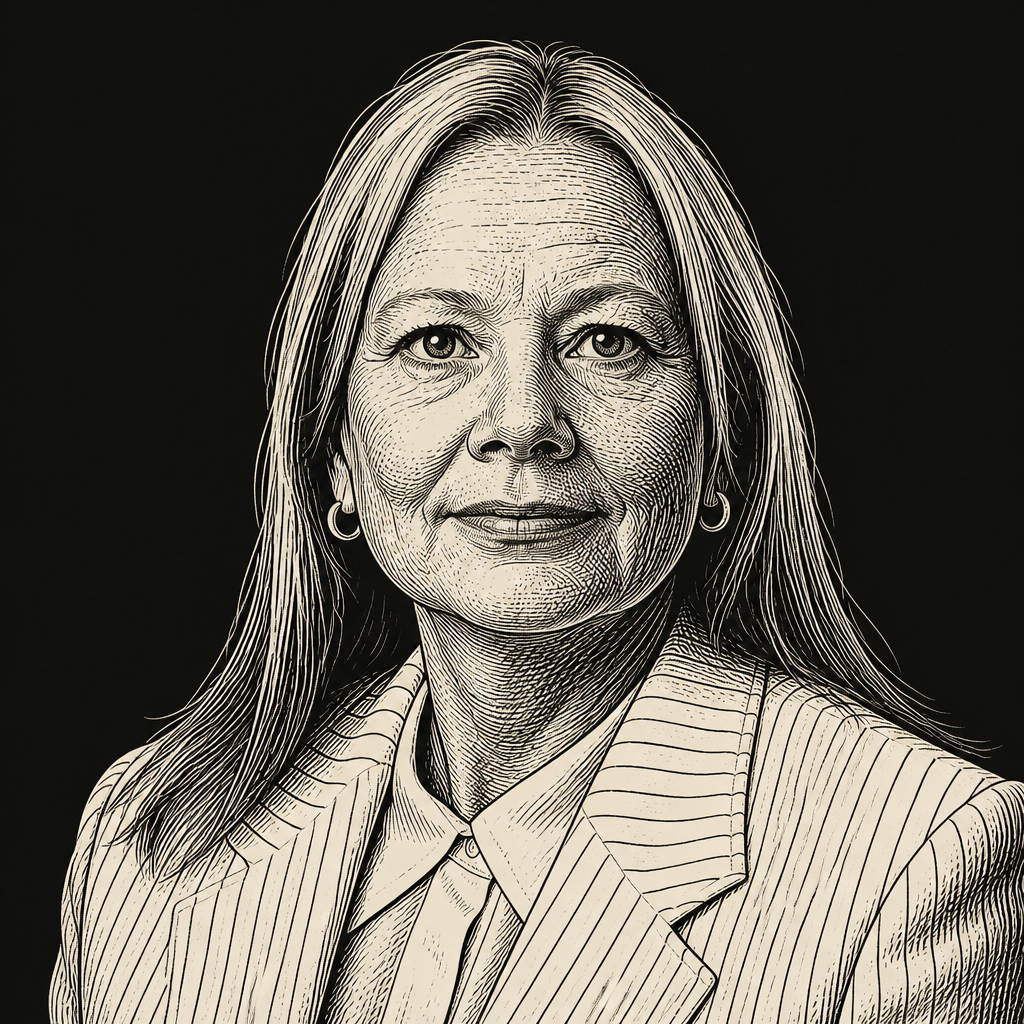

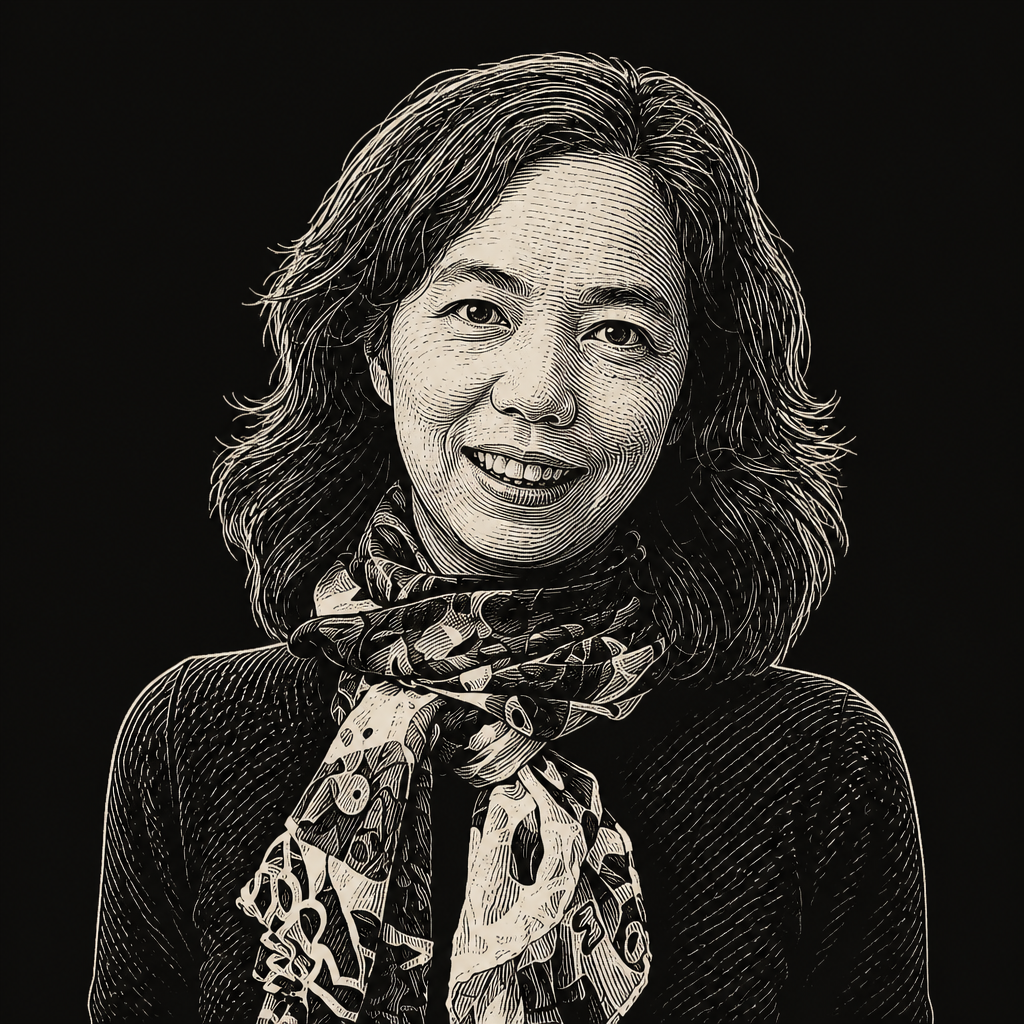
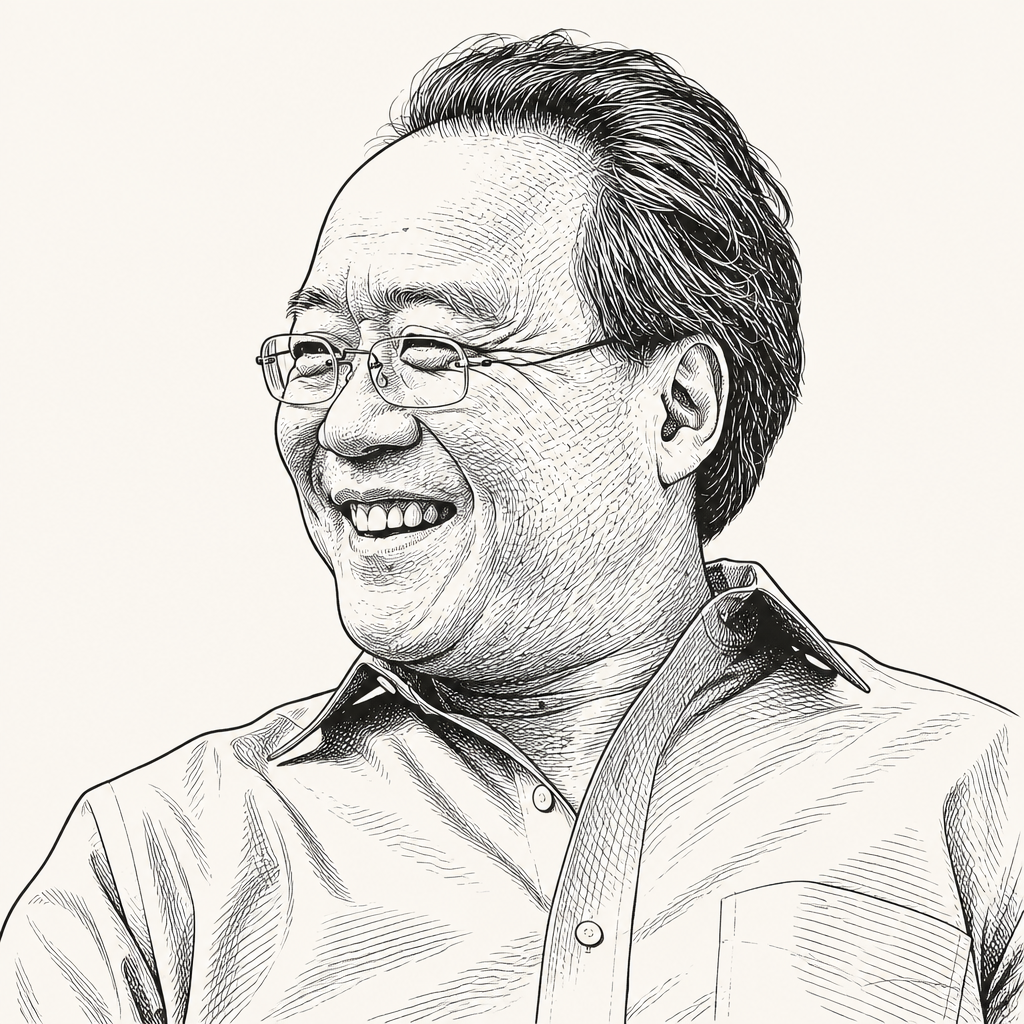
Why does it keep happening here?
The answers point less to individual talent alone than to the conditions the series says make talent consequential: freedom, opportunity, risk-taking, education, American institutions, and a culture that rewards creativity and experimentation. In the clips shown, the guests name those conditions through biography rather than policy detail: migration, work, change, limited government, and the obligation to live up to stated values.
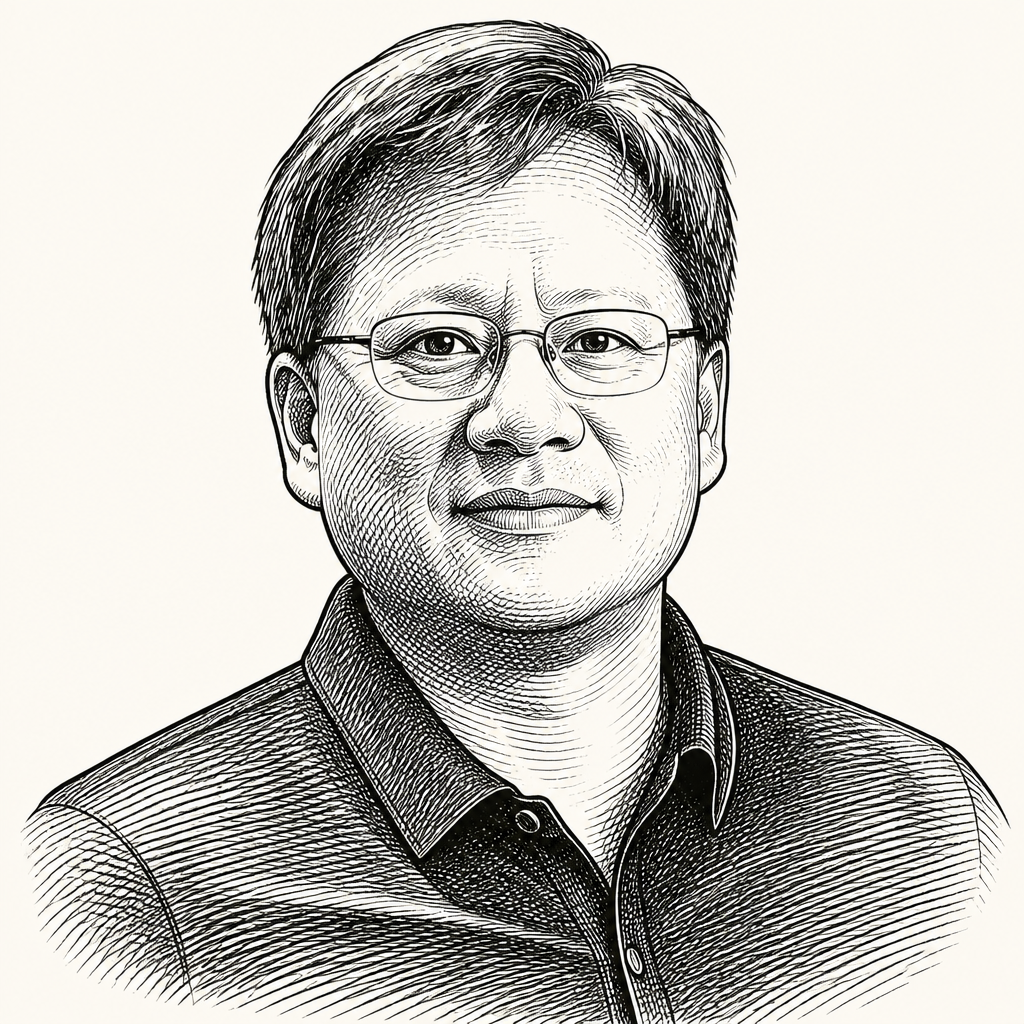
Huang begins with migration and sacrifice. “My parents had nothing, sold everything, came to America,” he says. “That was the beginning.” America is not just the setting of the story in Huang’s telling. It is the point at which a new life became possible.
That idea recurs across the featured accounts, though each guest names it differently. Li defines America through motion rather than permanence: “America, to me, is change. This country is founded on the desire to change.” Nooyi calls the United States “a seat of innovation, cultural advancement,” then makes the point personally: “Somehow when you come here, you change. You become more exciting, more innovative.”
The shared view is not simply that America attracts ambitious people. Huang, Li, and Nooyi describe the country as changing what people can imagine, attempt, and become. The source description places that claim inside a broader inquiry into “freedom, opportunity, risk-taking, education, and American institutions,” but the trailer itself keeps the evidence personal and compressed.
Immigration and entrepreneurship are treated as kindred risks
Jensen Huang draws the clearest link between immigration and entrepreneurship. “The entrepreneurial spirit, the immigrant spirit, is rather similar, actually,” he says. Both are presented as forms of departure from a known condition into an uncertain one.
I can't imagine a, another place where this is possible. I am the embodiment of the American Dream.
Huang’s company-building story is tied, in this framing, to his family’s migration and to the country that made reinvention possible. The trailer does not detail NVIDIA’s history or Huang’s path through it. It uses his biography to make a narrower claim: the immigrant story and the entrepreneurial story share a willingness to risk the known for the possible.
Mary Barra gives a more industrial and familial version of the same theme. Her parents, she says, “both believed in the American Dream.” They came “to find work, to make a life and make their life better.” Barra roots that dream in work and place, especially Detroit. The city, she says, has “a lot of grit”: “We work hard, like a lot of cities across the country.”
That broadens the account of American achievement beyond startup founders or technology companies. The season’s featured figures span semiconductors and computing, artificial intelligence, global business, automobiles, enterprise software, and music. The American Dream being described includes migration and entrepreneurship, but also paid work, civic belonging, and the chance to improve a family’s condition.
Siebel locates American exceptionalism in limited government and latitude to act
The most explicit political answer comes from Thomas Siebel. He points to a system of limited representative government, a government kept “in its place,” and a society that lets people pursue their own aims while giving them tools to develop.
This idea that we have limited representational government, we keep government in its place, let people do what they want, and give them the tools to be whatever you can become. I think that is the, the core fabric of American exceptionalism and American greatness.
Siebel’s answer is institutional as well as cultural. Creativity and hard work matter, but he ties American achievement to a civic arrangement: representative government with limits, individual latitude, and what he calls “tools” for becoming. The trailer does not define those tools. The series description, however, names education and American institutions alongside freedom, opportunity, and risk-taking.
His shorthand for the system’s durability is blunt: “And here 250 years later, this thing is rockin’.” In the context of the series description, the anniversary matters because America is approaching its 250th year, and the series asks what conditions make innovation, leadership, and human flourishing possible.
Siebel’s answer also gives a framework for the other clips. Huang’s family story, Barra’s Detroit story, Nooyi’s account of becoming more innovative in the United States, and Li’s definition of America as change all fit within a wider claim: individual effort becomes more consequential when the surrounding order gives people room to move and some means to develop.
The promise is conditional on practiced values
Yo-Yo Ma adds the sharpest qualification. His line does not reject the American ideal; it makes the ideal conditional on conduct.
If we actually practice what we say are our values, that's the America that I was first exposed to as a seven-year-old.
The key word is “practice.” Ma separates values as declarations from values as lived experience. A country can describe itself as open, free, innovative, and opportunity-rich; Ma’s standard is whether people actually encounter those values in practice.
That qualification tightens Rice’s question. “Why does it keep happening here?” cannot be answered only by pointing to successful biographies or national self-description. The answers offered in the trailer locate American distinctiveness in lived conditions: immigrants able to begin again, workers able to build a life, institutions that keep some space open for individual action, and a culture that treats change as part of its founding impulse.
The featured figures are presented as examples across domains: Huang in technology, Li in artificial intelligence and computer science, Nooyi in corporate leadership, Barra in the automotive industry, Siebel in software and entrepreneurship, and Ma in music. Their emphasis differs, but the shared assertion is that extraordinary accomplishment depends on more than private ambition. It depends on whether a society creates and maintains the conditions in which ambition can become real.