Stablecoins and Tokenization Could Cut Payment Costs, but Safeguards Lag
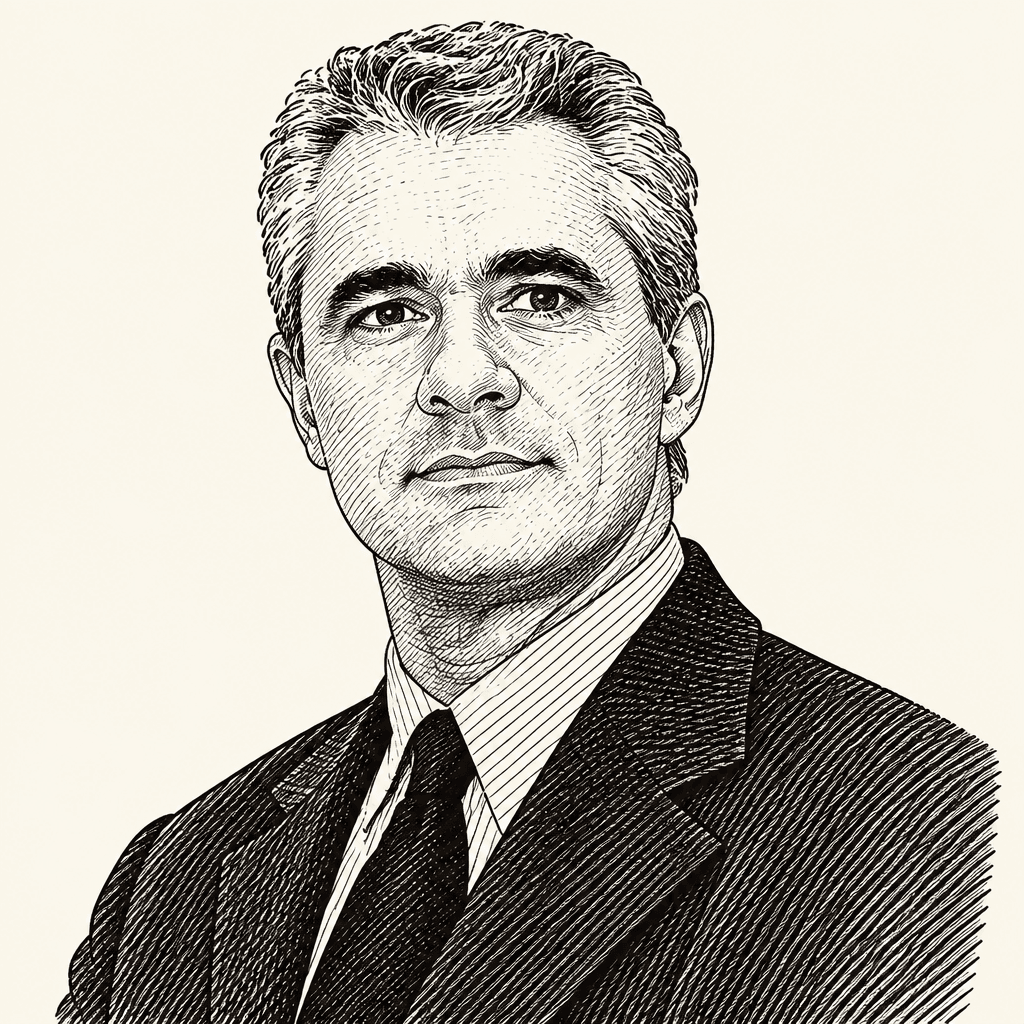

OECD Chief Economist Stefano Scarpetta argues that distributed ledgers, stablecoins and tokenized assets could reduce payment costs and widen access to financial markets, but that those gains depend on safeguards, clear accountability and systems that work across borders. Speaking with Steven Davis at the Jackson Hole Economic Policy Symposium, Scarpetta also points to nearer-term benefits from digital payment records, which could help lenders assess small businesses. The technology’s promise, he says, does not remove the need to protect consumers and manage risks to financial stability.

The gains depend on more than faster settlement
Stefano Scarpetta sees distributed ledger technology as a way to reduce payment frictions—and potentially change the wider financial system. A distributed ledger is a shared digital record of transactions among multiple participants, without necessarily relying on a central authority. Scarpetta’s case is conditional: the technology may lower costs, widen access and speed transactions, but realizing those gains requires infrastructure and safeguards that are not yet in place.
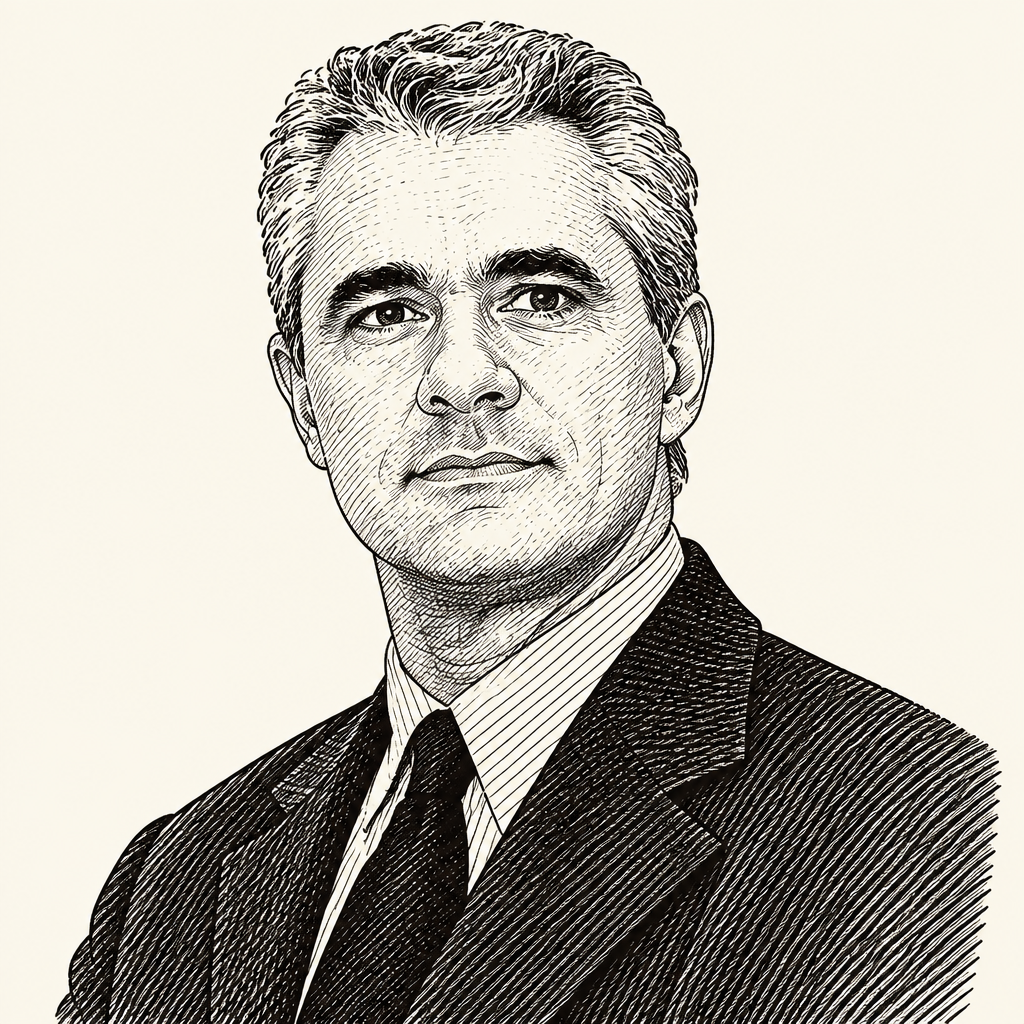

One possible gain is atomic settlement: transferring an asset and making its payment at the same time. In existing financial arrangements, multiple intermediaries can add cost and delay. Atomic settlement could synchronize the exchange so that the asset and payment are executed together, rather than leaving separate steps to be completed at different times. Scarpetta said this could happen on a distributed ledger without intermediaries or the transaction times associated with those steps. Steven Davis recast the idea as a trust problem: if both parties use a ledger whose operation they understand and trust, they may not need to rely on one another to complete separate steps. Scarpetta agreed that this is possible, while stressing that the system is not there yet.


The near-term attention, in his view, reflects how quickly the technology is developing and the need to prepare for its effects. Stablecoins illustrate why. These digital instruments use distributed ledger technology and are designed to maintain a stable relationship with a reference asset, generally a fiat currency. What began as a niche, Scarpetta said, has become a significant financial-market phenomenon.
Cross-border transfers are one area where stablecoins might reduce friction. Scarpetta said remittances still cost 6.4% of the amount sent, against a Sustainable Development Goal target of 3%; progress has been limited, in part because of the many intermediaries involved. Stablecoins could make such transfers simpler and more efficient across borders, though Scarpetta framed that as a possibility, not an established result. The case for preparing now rests on that gap between the potential of the technology and the limited progress he described in current cross-border payments.
Tokenization may matter even more than stablecoins. Bonds, securities and funds could be issued and represented as digital tokens, bringing the full transaction lifecycle—issuance, trading, settlement and custody—into one digital environment. Scarpetta said this could improve liquidity and access, including by allowing people to buy a fraction of an asset rather than an entire one. The appeal is not only faster payment; it is the possibility of reorganizing how assets move and who can participate in markets.
These are related but distinct possibilities. Stablecoins are designed to maintain a relationship with a reference asset and could make payments, particularly across borders, more efficient. Tokenization applies the digital representation to assets such as bonds, securities and funds, potentially bringing their issuance and subsequent handling into the same environment. Scarpetta presented both as opportunities, but did not suggest either outcome was assured: the technology’s potential depends on the systems and protections that surround it.
Trust, liability and safeguards are prerequisites for adoption
The difficulty is building the institutional arrangements around the technology. Stefano Scarpetta said stablecoin systems can be decentralized enough that, when something goes wrong, it may be unclear who is responsible. Traditional finance has developed a safety net, including a lender of last resort; Scarpetta said no equivalent is yet in place for distributed ledger systems. He pointed to the US Genius Act, which regulates stablecoins to some extent, and Europe’s Markets in Crypto-Assets approach, which he described as broader in also addressing tokenized assets. Much remains to be done to ensure that reducing friction does not create problems elsewhere.
Clear liability rules are part of that work, Steven Davis observed, particularly when transactions fail to happen as expected. Cross-border systems make the task harder because they span legal jurisdictions that may differ. Scarpetta agreed that coordination and common rules are necessary. But rules alone will not secure adoption: users also need confidence in market integrity, the resilience of the system and consumer protections.
He noted that stablecoins have been used for illicit transactions. A failure at one platform could also spill beyond that platform and affect the wider market. Consumers may not understand the complexity of the instruments or the risks they take on, and may lack protections available with traditional payment methods. For Scarpetta, these are not peripheral concerns to be addressed after rollout; trust is a condition for the technology’s use at scale.
The risks Scarpetta identifies are not all the same. A system may have unclear responsibility when a transaction or platform fails; a platform problem may have spillover effects; illicit use raises concerns about market integrity; and consumers may lack sufficient protection or understanding. The safeguards therefore have to address more than whether the underlying technology can execute a transaction. They must also help users understand what recourse exists and who is accountable when the transaction does not go as expected.
Global systems also raise questions of interoperability and control. Davis asked who might control or disrupt distributed ledger technologies, given the use of financial sanctions. Scarpetta treated the issue as one requiring global coordination. He emphasized several requirements for systems to work across countries: they must be able to communicate with one another; their standards should be open and known to participants; and consumers and companies should be able to move their data and switch between providers. Common safeguards are needed as well, particularly for consumer protection. These are also practical conditions for users to move between systems rather than being locked into a single provider.
Digital access creates a literacy and fraud problem
Stefano Scarpetta said fraud and scams are increasing, with one in seven adults affected. Separately, he cited data indicating that 57% of adults have very little financial literacy. In his view, digital financial tools add a further requirement: users need enough digital literacy to operate them safely.
That burden may fall hardest on people already more exposed to financial risk. Steven Davis pointed to older people as an example; Scarpetta noted that low financial literacy is associated with lower education, older age and lower income. He argued that consumer protection must be strengthened and that governments and private firms, including commercial banks, have a role. The broader concern is that risk is shifting toward consumers, who may be drawn to tools that seem convenient or inexpensive without understanding the risks embedded in them.
Artificial intelligence could help, Scarpetta suggested, but it cuts both ways. Banks already use AI to help detect fraud; the same technology could also make illicit activity harder to identify. Its positive potential, he argued, includes delivering financial and digital literacy in a form that is more accessible and tailored than conventional courses.
His example was a short online lesson presented when someone is about to buy a particular financial product. Rather than expecting people to attend lengthy courses, an AI-enabled service could offer a brief, relevant explanation of what they are about to do. Davis joked that even 15 minutes might deter many users. Scarpetta’s point was not that any single lesson solves the problem, but that digital tools could make practical guidance more available at the moment it is needed. He contrasted this approach with long financial-literacy courses that few people participate in or may even know exist.
With artificial intelligence you can think of something which is online. So you want to buy a particular tool, then you might want to go through this very short 15 minutes whatever online training that gives you all the basic elements to understand what you're about to be doing.
Stablecoins can transmit shocks beyond their users
Stefano Scarpetta also warned that stablecoins could pose financial-stability risks. He said many are collateralized with dollars or short-term Treasury securities. If significant inflows or outflows affect demand for those assets, they could affect short-term Treasury yields. In the case of significant redemptions, Scarpetta said, the collateral backing stablecoins may have to be used. The potential concern is not simply that individual holders might cash out, but that large movements could affect the markets for the assets used as collateral.
A different risk applies to countries with weak or volatile currencies. Scarpetta said a stablecoin denominated in a foreign currency could weaken the domestic currency and, in some cases, affect the central bank’s ability to conduct monetary policy. These effects make the issue larger than consumer choice or payment efficiency: the design and uptake of digital money may have consequences for financial conditions and national monetary systems.
He returned to international cooperation and common standards as ways to support adoption while limiting these risks. National authorities must consider their own legal and financial systems, but global technologies also require discussion and coordination across borders. Scarpetta identified the G7 and G20 as important venues for that work.
Some benefits are available without waiting for new infrastructure
The longer-term promise of tokenization and cross-border stablecoins should not obscure more immediate improvements in digital payments. Stefano Scarpetta pointed to India’s UPI, Brazil’s Pix and Poland’s BLIK as national initiatives. He said UPI has made digital payment cheaper, faster and interoperable within India, and described Pix as making digital payment easier and quicker in Brazil. Making such systems work across borders could extend their benefits, though that would require interoperability between national systems.
Digital payment records could also help small and medium-sized enterprises obtain financing. Scarpetta described SME creditworthiness as harder for traditional financial institutions to assess. With open banking, a business could make its digitized payment history available to lenders, allowing them to see its cash flow and operating performance. That information could improve how creditworthy the business appears and make it easier to access capital for investment, including investment in digital technology.
The proposed link is between routine payments and evidence about a business. If transactions are digitalized and the business can make the resulting data available through open banking, a lender can see a record of cash flow rather than having to assess the business without that information. Scarpetta said this could improve the company’s perceived creditworthiness even to traditional financial institutions. It does not remove the need for lenders to judge whether a business can repay; it gives them a more visible record on which to make that assessment.
Steven Davis summarized the mechanism as a lower-cost way to make a small business’s transaction history visible to lenders. Scarpetta emphasized the necessary condition: the data must be available through open banking, and businesses must be able to share it. This is a nearer-term use of digital payments than rebuilding the financial system around tokenized assets, but it speaks to the same broader possibility—reducing information and access barriers as well as transaction costs.