Veteran-Led Projects Scale Through Patient Capital, Data, and Community Trust
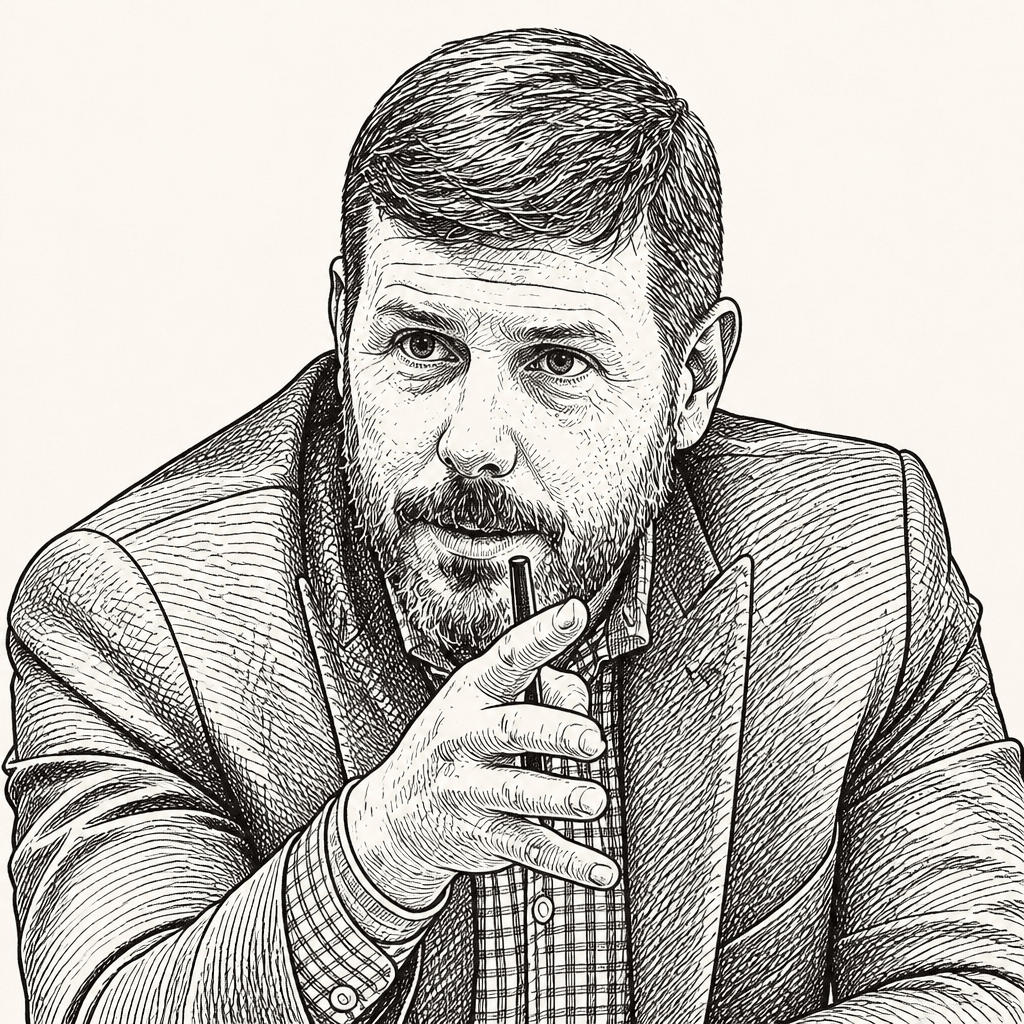 Dave Foster
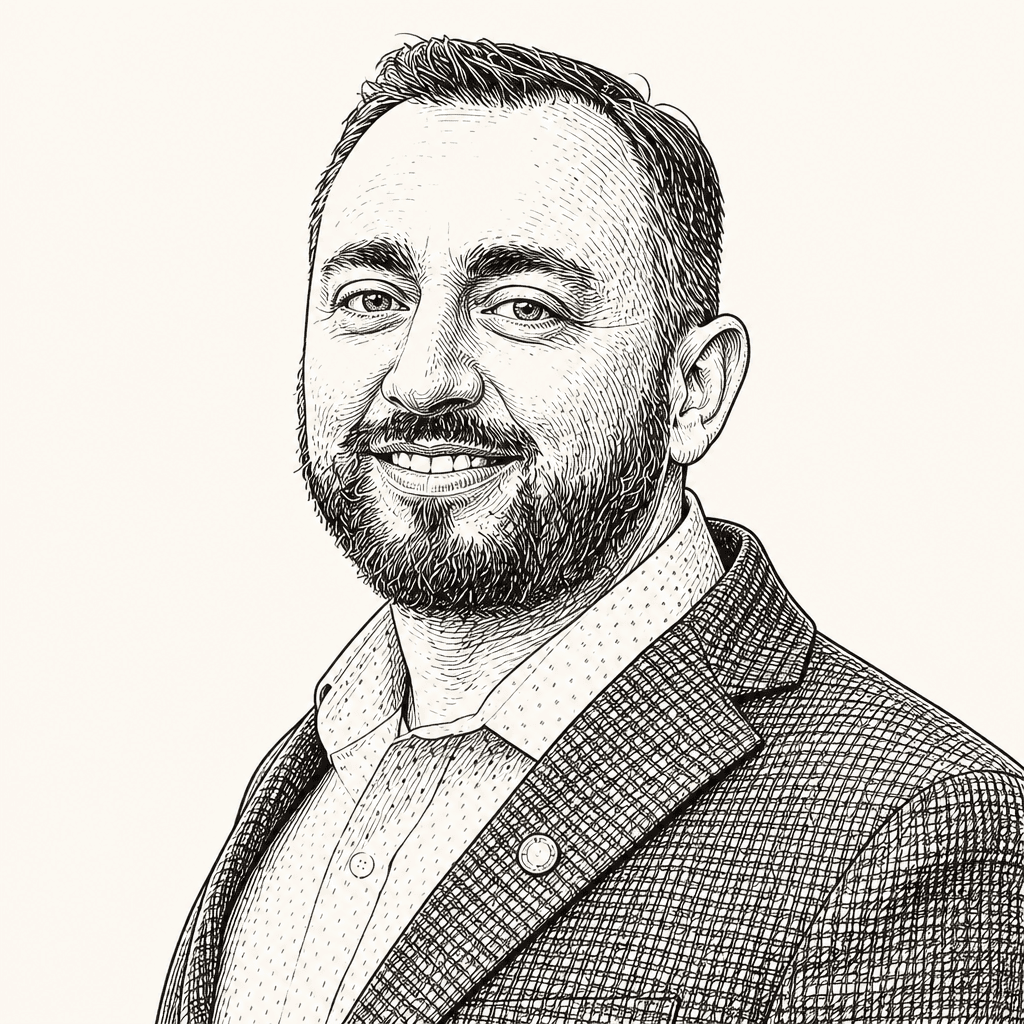 John Moses
 Trillitye Paullin
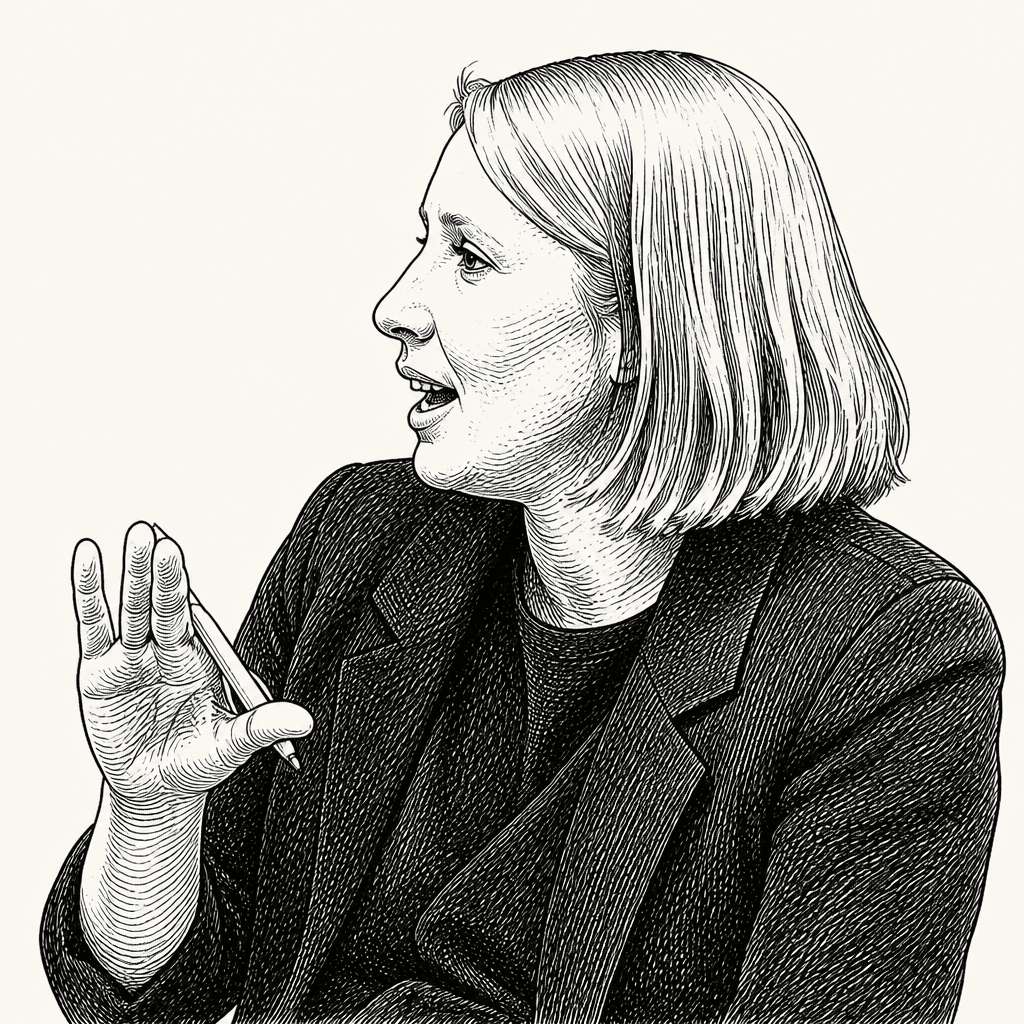 Megan AndrosHoover InstitutionMonday, June 22, 202620 min read
Hoover Institution Veteran Fellowship Program alumni argue that military experience can start a second career of public problem-solving, but it does not by itself build durable civilian institutions. In a discussion marking five years and 50 veterans in the program, fellows including Trillitye Paullin, Dave Foster, Gregory Eason, Megan Andros, Jeff Chapman, Ben Deda and John Moses describe translating urgency and service into work on affordable housing, health care, food insecurity and Afghan refugee support through capital, data, law, partnerships and local trust.
Military habits became civilian institutions only after they met capital, data, law, and trust
The Hoover Veteran Fellowship alumni described service after the military as an institutional problem, not only a motivational one. The habits that carried over from uniform — urgency, execution, leadership, loyalty to people in crisis — were useful only when rebuilt around civilian constraints: financing terms, land ownership, federal rulemaking, appropriations, data-sharing agreements, tax status, university partnerships, and community trust.
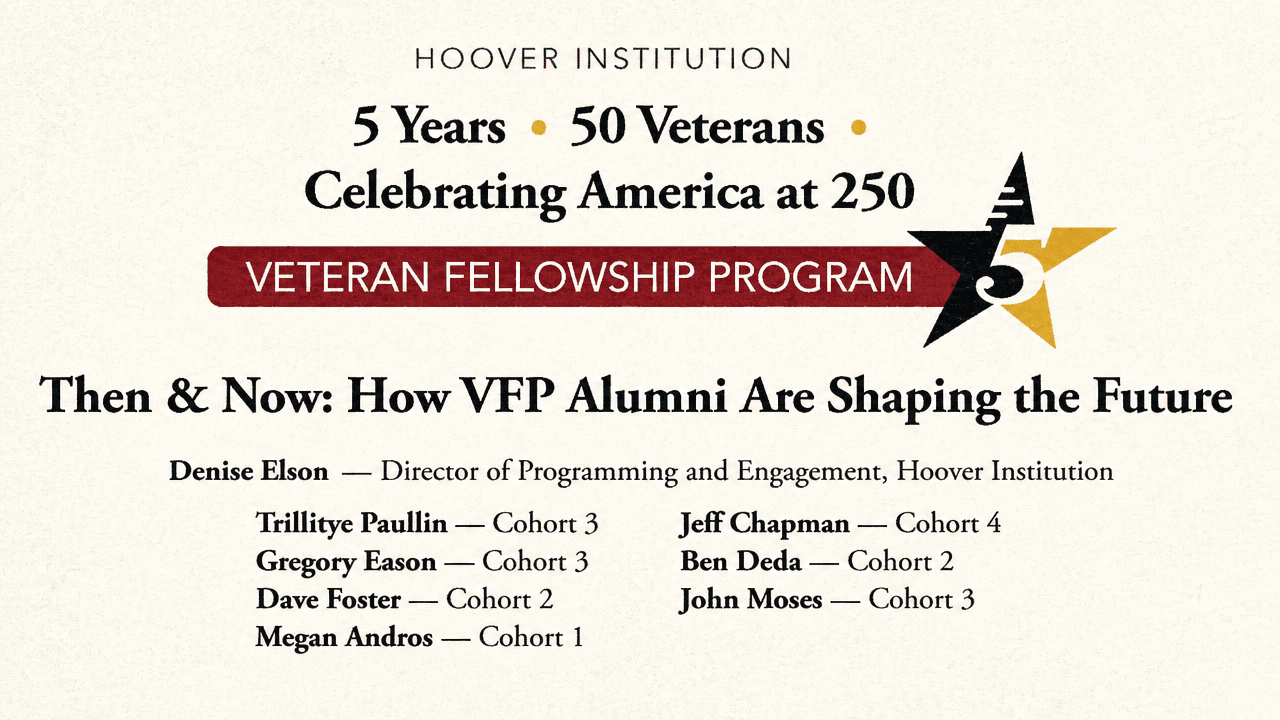
Trillitye Paullin, a retired Army staff sergeant from the third cohort, framed the through line as veterans taking “a problem that they experienced or saw firsthand” and trying to build something durable around it. The program’s title card described the Veteran Fellowship Program as “5 Years • 50 Veterans,” and the alumni projects gave that scale a practical meaning: affordable housing, care-coordination policy, rural health care, food-system data, and Afghan refugee support that continued after the fellowship year.
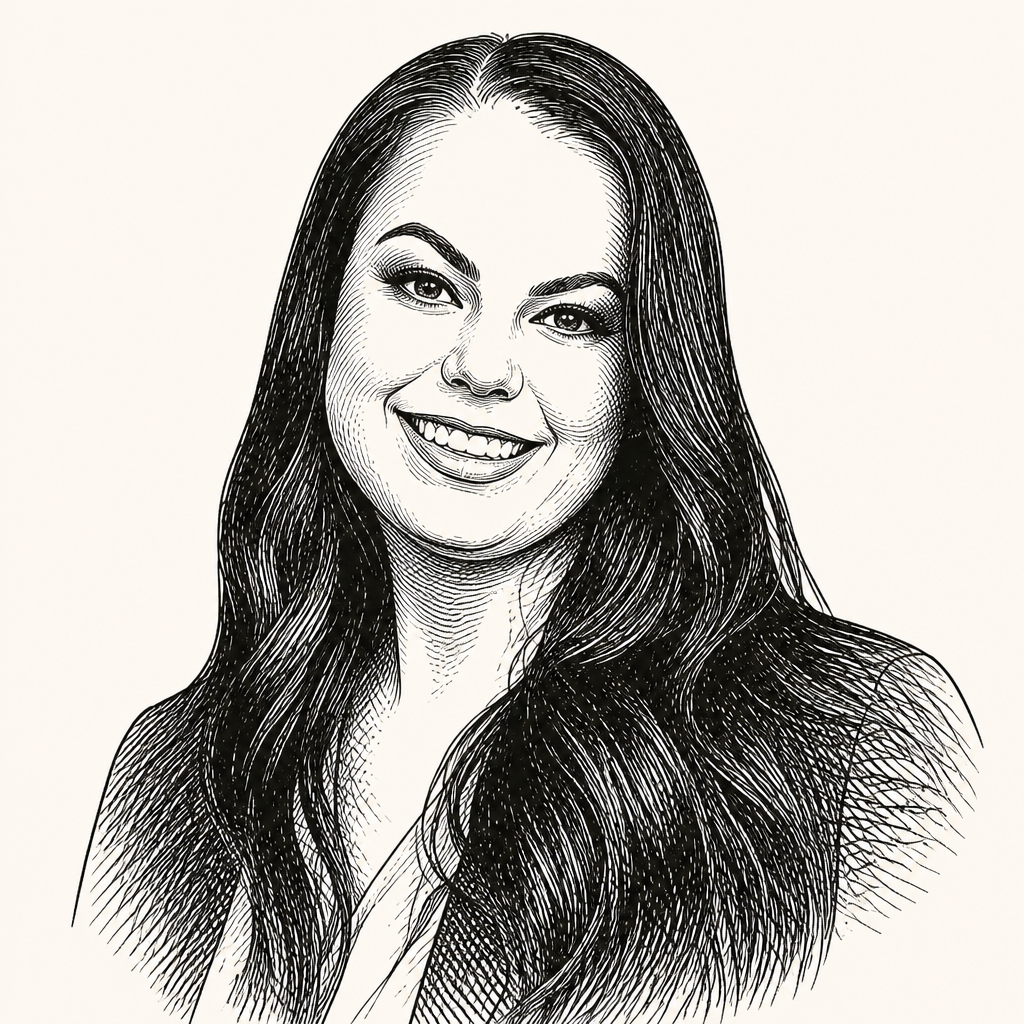
Dave Foster used impact real estate to bring private capital into affordable housing for veterans experiencing homelessness. Gregory Eason worked with Atlanta churches to convert underused land into affordable housing. Megan Andros tried to move a Pittsburgh care-coordination network from philanthropic proof point toward federal standards and veterans policy. ? jeff-chapman pushed for AI-enabled rural health care in Mississippi, where he argued that the provider shortage makes conventional access models inadequate. ? ben-deda used food-bank donation data to show what the emergency food system was actually delivering nutritionally. John Moses built the Massachusetts Afghan Alliance after helping Afghan allies and their families escape and resettle after the fall of Kabul.
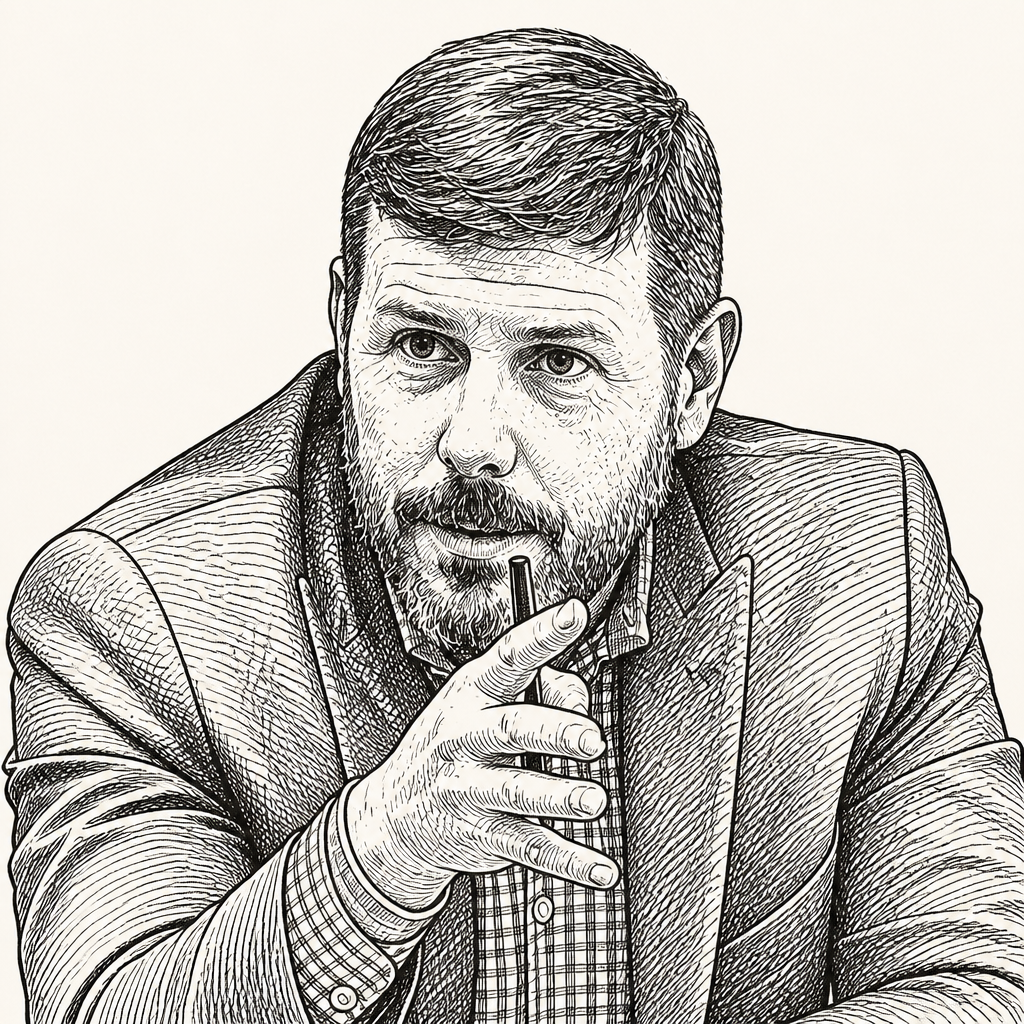
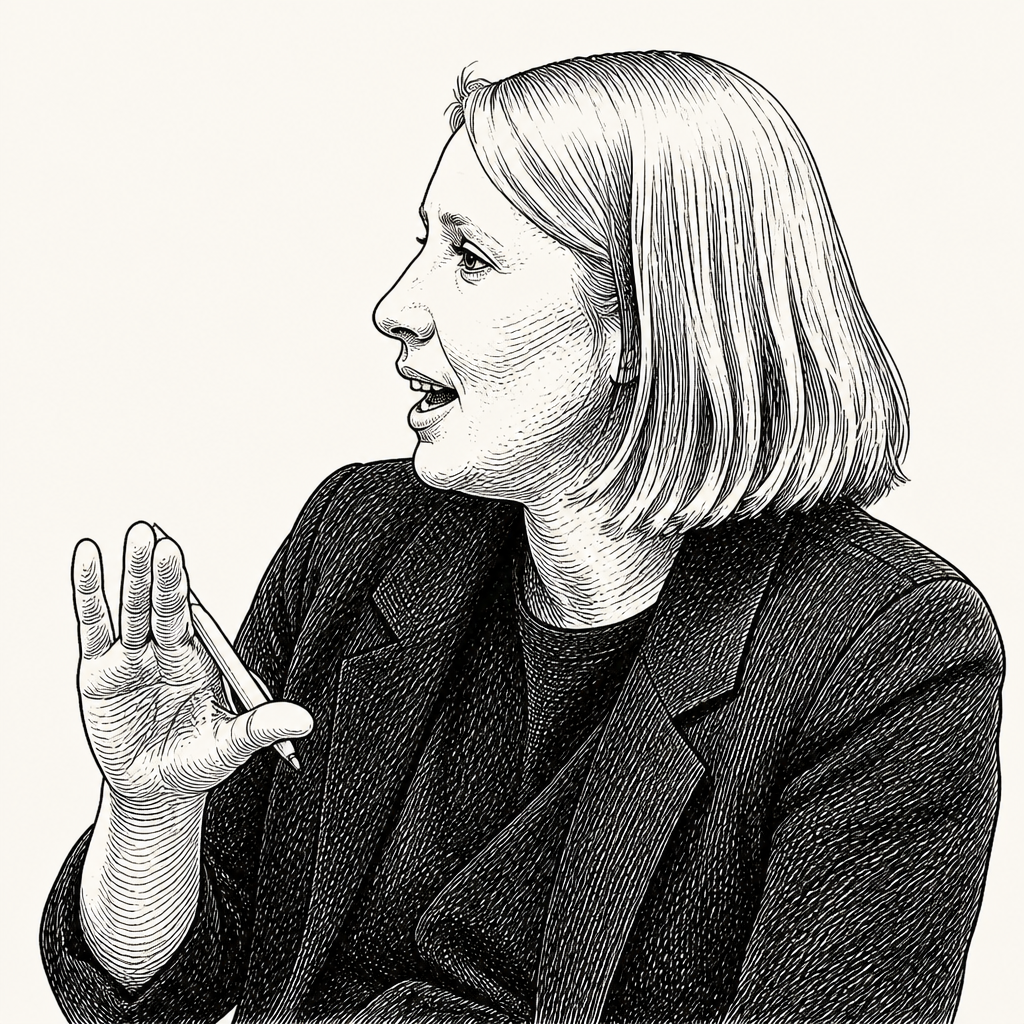
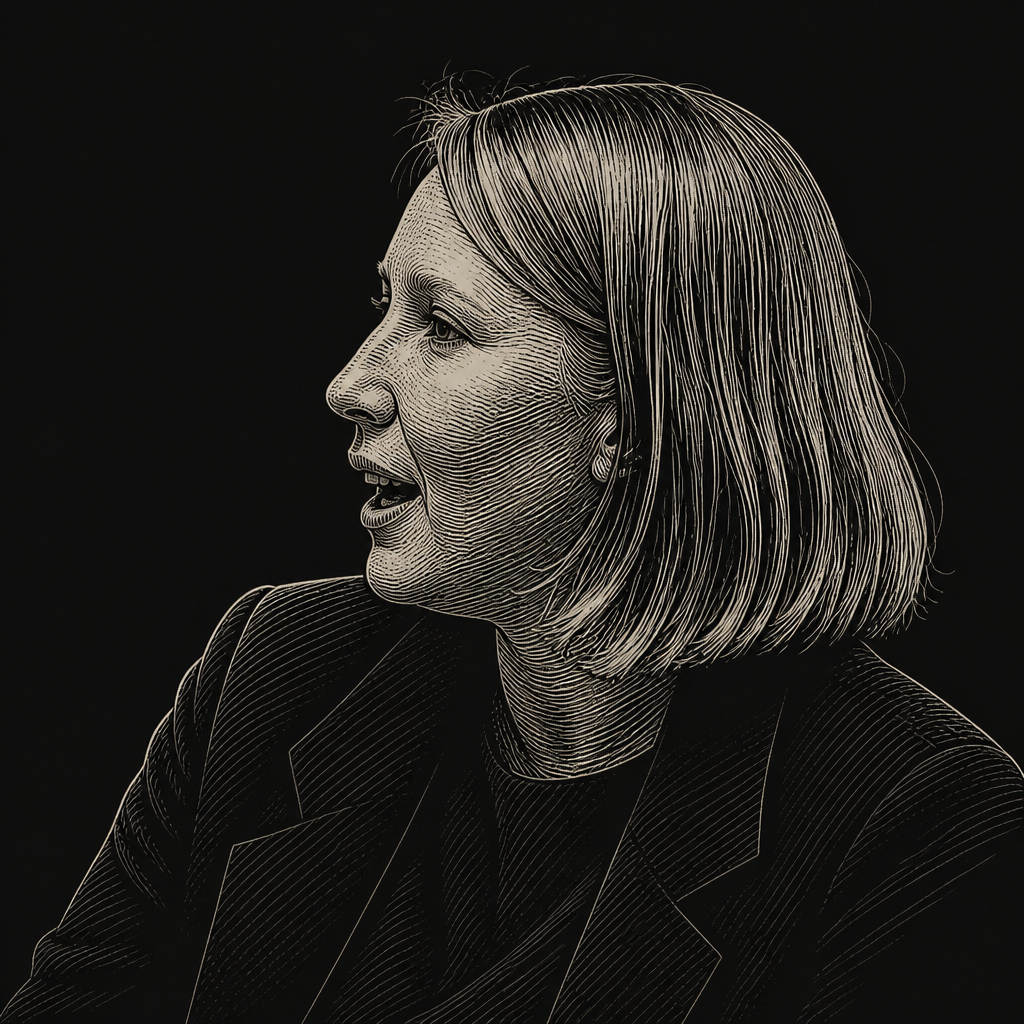
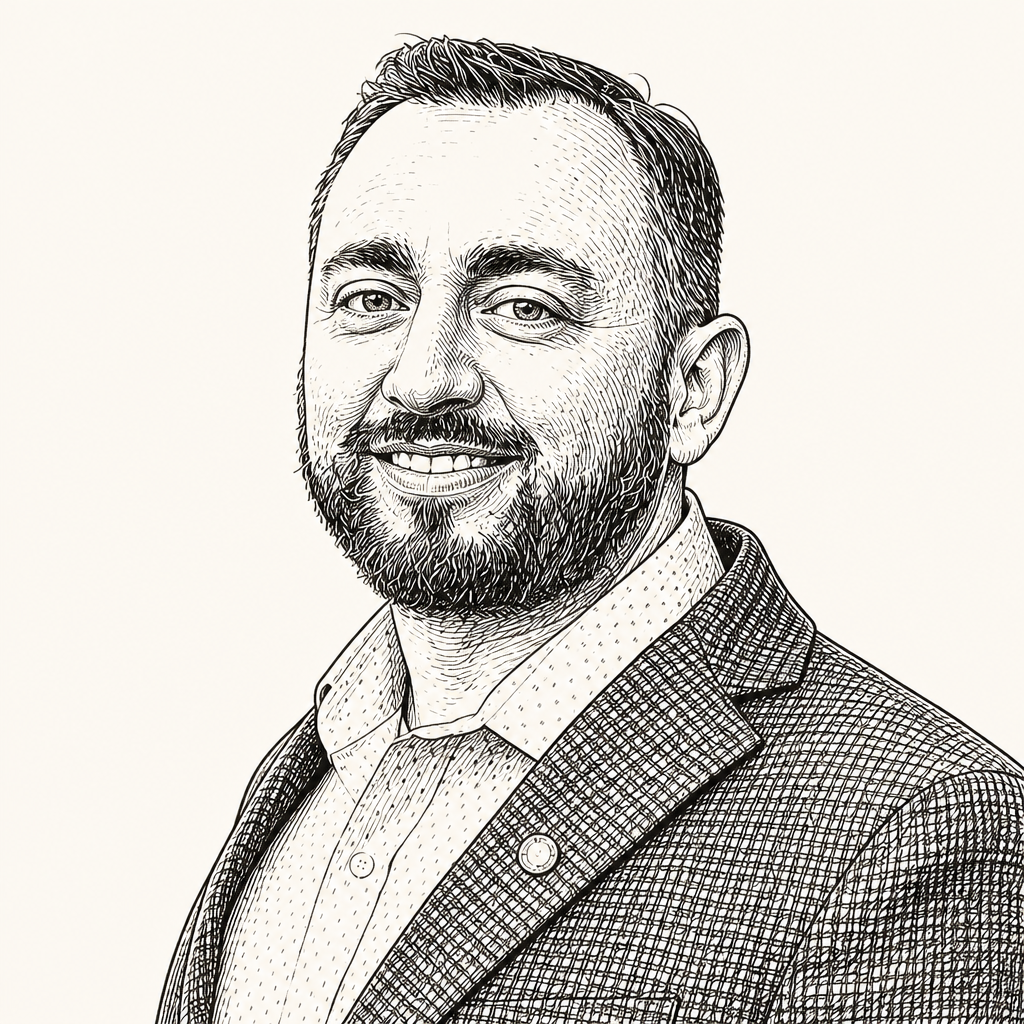
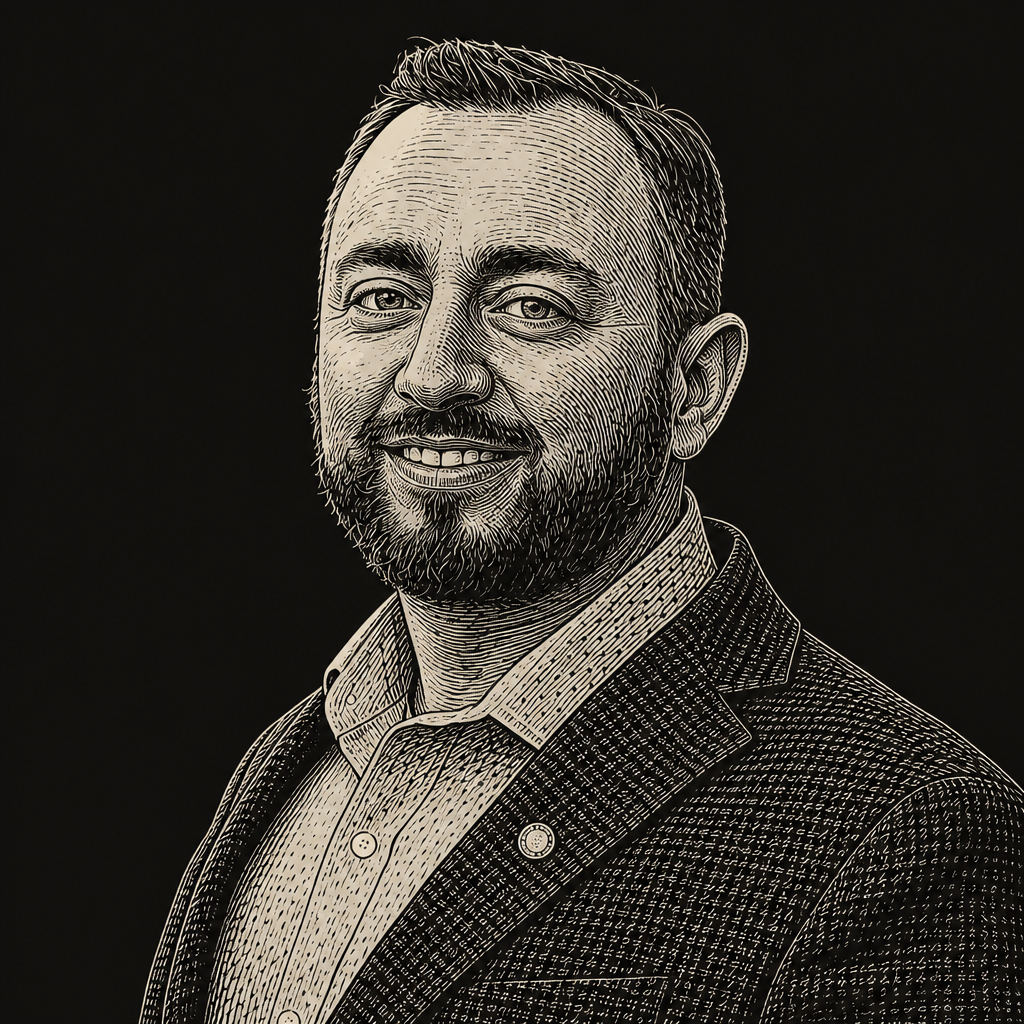
Veteran status could open doors in Washington, with state officials, or inside communities that value service. But it did not substitute for evidence, technical skill, or operating discipline. Several speakers described military experience as a starting advantage that had to be translated: execution needed planning; conviction needed grant structures; lived experience needed data; and urgency had to survive the slow pace of policy, capital, and institutional trust.
Affordable housing turns on patient capital and trusted land
Foster’s housing work began with the limits of public and philanthropic funding. After the Army, he graduated from law school and quickly realized he was “not long for the legal world.” He did not want to sit behind a desk or move paper from one client to another. He became involved instead in economic revitalization work in Camden, New Jersey, a city he described as particularly challenged.
The work produced real projects, ribbon cuttings, and visible progress. But every project depended on public dollars or philanthropy. Foster described the pace as “drip, drip, drip” — one project after another, never enough to reach the scale required to revitalize the city. That experience convinced him that private capital had to be used differently if communities were going to address major social problems at scale.
He formed BDP Impact Real Estate about 12 or 13 years before the discussion with the mission of putting private capital to work on social challenges. Affordable housing became the central focus because, as Foster put it, the problem exists “in every single community across the country.” He cited a 7.1 million-unit shortage of affordable housing in America as evidence that the current public-led system is insufficient.
For Foster, the financing problem is “fundamentally the cost and the patience of capital.” Conventional real-estate capital often requires returns, timing, or liquidity that do not fit projects designed to produce affordability and social outcomes. His model tries to find investors willing to measure performance in both financial and impact terms, while also reducing enough risk to make the projects investable.
Eason started from the other side of the housing equation: land, local legitimacy, and trust. He returned to Atlanta after the Navy because the city had shaped him. He attended Atlanta public schools, received a Naval Academy nomination from Congressman John Lewis, and went to a high school where 70% or more of students were below the poverty line. The students, he said, were “just as talented as the next,” but many remained caught in cyclical poverty. Paullin noted that Eason’s capstone poster cited a stark statistic: a child born into poverty in Atlanta has a 4% chance of escaping it, the lowest rate of any major U.S. city.
Eason’s father was a pastor, which connected him to churches with excess land and a desire to help solve the housing problem. The churches’ obstacle was not simply development expertise. They did not know how to build housing, and they did not have someone they trusted to guide the process. Eason said he was working with three Atlanta churches representing more than 20 acres of land, with just under 200 units in pre-development.
The two approaches fit together because they solve different constraints. Foster works where capital is structured and deployed. Eason works where development has to begin: with landholders, community permission, and local credibility. Foster said his firm’s current work is mostly around existing properties, which removes development risk. But he acknowledged that the shortage cannot be solved without adding new supply. That is where Eason’s model matters.
Eason also criticized the Low-Income Housing Tax Credit as competitive, limited, and rigid, making it difficult to scale. Churches bring different tools: land with little or no debt, political relationships, and local standing. In Atlanta, he said, Invest Atlanta had provided pre-development grants for the three churches he works with. He also said the projects had asked to preserve the land’s tax status because real-estate taxes are one of the largest operating expenses, and that the mayor had committed to that publicly.
Trust remains the operating constraint. Eason said he benefits from his father’s reputation as an honest pastor, even though his father is not part of the projects. That credibility helps pastors believe the work will be done correctly and that benefits will flow to the intended communities. Eason also emphasized that churches should not receive weaker expertise because the projects are affordable housing: his business partner is a Harvard-trained lawyer who works in real-estate law.
His method is deliberately not a finished template. When he enters a room, he said, he does not arrive with solutions. He comes to listen. He tells partners when the project is still early, before there is a site plan, and asks for their views before anything is put on paper. Paullin connected that posture to a wider concern: communities have often seen outside entities arrive with cookie-cutter answers to problems that do not need cookie-cutter setups.
Foster’s fund work showed both the promise and the ceiling of impact capital. Paullin referred to $100 million in commitments for his second fund; Foster clarified that it was “$100 million so far.” His first fund closed at about $153 million, and he hoped the second would reach about $200 million. He said that would deliver about $1 billion worth of affordable housing by the end of 2028 targeting veterans experiencing homelessness. Even so, he called that “still really just scratching the surface” against the scale of the challenge.
The unresolved question is how deep the investor pool is for products that ask investors to accept both financial and impact returns. Foster cited The Home Depot Corporation as an investor in the second fund and said it had not done an investment like this before, along with several banks and other groups. But true scale, he said, may require moving the model closer to the market through evergreen vehicles, more liquidity, and more real-time returns.
Evidence moves policy when it answers the questions officials should have asked
Megan Andros entered the first VFP cohort with a philanthropic experiment in Pittsburgh and a translation problem: how does a community lesson become federal policy? Her organization had funded a care-coordination network for years and was beginning to see data suggesting it was meaningful. She described the best use of philanthropy as moving fast, taking risks, evaluating, and, if an intervention proves effective, shifting it to government. What she lacked was the path from local evidence to policy adoption.
She expected the fellowship to pair her with someone who could help translate the lesson. Instead, she remembered being told that the fellows were all scholars who would receive access to professors and experts and be “let loose.” Her reaction was discomfort: “I’m not a scholar.” It took months, she said, to become comfortable acknowledging the expertise she did have.
The project also expanded in scope. Andros arrived wanting to compare Pittsburgh’s network with others in and outside the veteran space. That inquiry led to a larger conclusion: the work was not a one-year project, and probably not a decade-long one. It was about transforming health and human services, which she called “probably a generational project.” The fellowship year forced her to distinguish what could be done immediately from what would require a much longer commitment.
? jeff-chapman entered four cohorts later with a more defined target: AI-enabled rural health care in Mississippi. He connected the work to military service by analogy. Veterans, he said, are trained to take capabilities into austere environments with limited resources. Rural AI health care, in his view, is a similar problem.
Chapman’s Mississippi case rested on access numbers. He said about 20% of the state’s population lives below the poverty line; two-thirds live in rural settings; Mississippi has 60 rural hospitals, with 50% “slotted to be cut in the next five years”; it has seven emergency hospitals; and it has 2,000 people per primary physician. The state, he argued, will not produce enough medical school graduates to solve the access problem through the conventional provider pipeline.
| Mississippi measure cited by Chapman | Figure |
|---|---|
| Population below poverty line | About 20% |
| Population living in rural settings | Two-thirds |
| Rural hospitals | 60 |
| Rural hospitals slotted to be cut in the next five years | 50% |
| Emergency hospitals | 7 |
| People per primary physician | 2,000 |
Andros and Chapman both needed data to reach policymakers, but their emphasis differed. Andros’s project shaped the Staff Sergeant Fox Suicide Prevention Grant Program and prompted a three-year VA study. Paullin said researchers in that study found coordinated care reduced hospitalization by 3.7% per month for the highest-risk veterans. Chapman secured congressional funding for a rural AI health care study through Mississippi’s delegation.
Andros said data becomes persuasive when it establishes credibility against the flood of “cool shiny object” claims in philanthropy and nonprofits. A policymaker who hears “we did this really cool thing, you should fund it” can reasonably ask, “Says who?” The Pittsburgh network already measured referral accuracy, referral timing, organizational response time, how long it took for a resource to be delivered, and whether cases closed positively, negatively, or neutrally. It could close the loop 84% of the time, meaning a person actually received a ride, emergency financial assistance, food resources, or another support.
But Andros had to learn how those results compared with other networks and which questions policymakers should ask. Her criticism was that some service-navigation networks say they pick up the phone and hand someone a number, but cannot say whether the person called or received the resource. Few people know to ask those follow-up questions. Much of her work has therefore been about educating funders and policymakers on what distinguishes a high-quality network from one that merely appears responsive.
Chapman’s answer was more tactical. He had two advantages: he lives in the Washington, D.C., area, and he knew much of the Mississippi delegation. But access alone was not the strategy. He said the problem must be localized and personalized for the member’s district, and the solution must be presented in return-on-investment terms rather than only as a cost. If time on Capitol Hill is limited, he argued, the essential targets are leadership and appropriators. A freshman member may get one or two appropriations additions; a senior appropriator has more room to act.
His AI argument was constrained by a clear admission: he is not a health care professional. That made his evaluation standard more procedural than clinical. First, define discretely what problem the tool is supposed to solve. If the target is a specific patient outcome, identify the relevant class of solutions and narrow from there. Only after the problem is defined should a clinic or policymaker ask product questions: whether tools are FDA-approved, whether they have clinical trials, and whether the companies behind them have enough funding to survive to the next stage.
The failure Chapman warned against was not always choosing the wrong problem; it was choosing products because they had money behind them, instead of applying tools to the highest-order need. In the Mississippi setting he described, a rural clinic with scarce staff and few physicians cannot afford a venture-funded distraction that consumes attention without improving access or outcomes. In his framing, AI is justified only when it extends capability into austere environments. The mission comes first; the tool is subordinate.
Andros’s work showed another problem: implementation can alter the purpose of a policy. The Fox grants were a suicide-prevention program, and her network’s intent was to get upstream — to prevent crisis rather than only intervene during one. But in the final rulemaking process, the program required the Columbia Suicide Screener. Andros acknowledged it as evidence-based and important, but said its effect was to identify people already in suicide crisis. That shifted incentives toward intervention rather than prevention.
Her foundation had achieved what philanthropy is often told to achieve: it stood up a network, evaluated it, proved effectiveness, went to Washington, argued that philanthropy could not sustain or scale the work, and saw government act. But government, in her view, did not fully see the preventive value. The grants were in their fourth year and going through reauthorization at the time of the discussion, opening another debate about how to get upstream.
Andros said she is about 10 years into the topic and still sees decades ahead. A Stanford professor she met during the fellowship became a health economist on the VA study, which is meant to show whether early intervention saves costs later. Her answer to the real lag between a good policy idea and change for veterans in crisis was blunt: “Decades still.”
Veteran status helped, but only as part of a broader argument. Andros said she usually does not disclose that she is a veteran, but she does in Washington because it gives her credibility. She can say provocative things about “my population” and “my people,” then turn to research partners to support lived experience with evidence. Chapman described veteran status as neutral to positive and said he had not found it negative. When he contacted Mississippi’s director of rural health care, Dr. Jennifer Gholson, and said he was from Hoover and wanted to help, she told him she would take all the help she could get. Chapman described making himself functionally like her deputy, taking direction from her mission and producing what she needed, including a white paper for the governor.
Community work becomes institutional when dignity and scale require it
John Moses traced his work to the collapse of Afghanistan in 2021, when he and friends received calls from interpreters trying to get families to the United States. They helped 70 people come to the U.S. As Afghans arrived in Massachusetts and elsewhere, he saw uneven support. Some had money, apartments, or people already waiting for them. Others arrived with only a few suitcases.
He found that unacceptable. These were allies, he said, and they deserved better treatment. More importantly, displaced people tend to lose dignity, and dignity is “such a huge part of who we are as people.” That became the basis for the Massachusetts Afghan Alliance, now a 501(c)(3) that supports resettled Afghans with community, trusted relationships, and culturally appropriate food. Moses’s joke that he makes “a fantastic Kabuli Pulao” carried a serious point: knowing what people eat is part of treating them with dignity.
His obligation was personal. He named his interpreter, Masood, whose family he was not able to get out, and said Masood had pulled him out of “some crazy places.” He remembered being in civilian clothes in Afghanistan with Masood, just the two of them, in places they could not have gone safely without that relationship. He said he appreciated how much the Afghans he knew loved the American idea and wanted to be part of it. The work also became a way to address wounds from the airport evacuation and “the failure of Afghanistan.”
? ben-deda approached community need through food insecurity, but he found the leverage point in data rather than food. His background moved from mechanical engineering to Marine infantry, recruiting, venture-backed startups, and then FoodMaven. The company first tried to match supply and demand physically, but learned that the biggest driver of the problem was fragmented, messy data. If supply and demand sit in silos and actors use different language, matching them quickly enough becomes nearly impossible.
He brought that insight to the nonprofit food system. His project worked through 6 million lines of food-bank donation data covering 10 years and 33 partners. He said nine of his 12 fellowship months were spent trying to get access to the data: working with food banks, seeking introductions to the CEO of Feeding America, contacting Walmart and Safeway, and repeatedly getting doors shut in his face. Chief sustainability officers, he said, told him they would never share the data because they feared it would reflect poorly on them.
When he did obtain access, the analysis produced a finding Paullin said surprised her: Feeding America’s donations significantly outperformed the standard American diet on nutrition. Deda said Feeding America had not previously known the nutritional impact of its donations in that way. The data was anonymized, then analyzed with Stanford Data Science for Social Good and technology from his company to classify the records and match them to a USDA nutrition database. The output was a profile by food bank of the nutritional impact of donations.
That gave Feeding America a different argument to make to donors and partners. It could describe not only volume, but nutritional impact. Deda then looked for a way to standardize data sharing across grocery, retail, and food companies. He compared the idea to Y Combinator’s SAFE note, which simplified startup financing by standardizing terms. His goal was a similar template for data sharing, allowing companies to collaborate without renegotiating every term from scratch. He linked the need to two pressures: 40% of food produced gets thrown away, while one in three Americans are food insecure.
For Moses, informal response had to become a formal organization when the work required money, grants, volunteers, and credibility. Feeding 1,500 people in the first year required resources, and before Mass Afghan Alliance, much of the work was self-funded. He said he also wanted to remain married to his wife and could not continue paying personally.
The nonprofit structure changed access. Moses gained a co-founder, Farishta Shams, an Afghan-American woman who received her citizenship after joining Mass Afghan. He said her role made the organization a BIPOC organization, which opened access to grants it might not otherwise have received. Those grants supported halal and culturally sensitive food when food banks did not have Afghan, halal, or Persian foods available. The volunteer list grew to more than 75 people, making mobilization straightforward.
Moses said he does not think much was lost in the move from informal action to formal organization. He and Shams still do face-to-face work, physically visit sites, scout needs, and stay close to whether things are functioning. Formal status gives credibility with politicians and makes tax-deductible donations possible, but he said he still loves being “in the weeds.”
Deda and Moses both used Stanford partnerships, but for different purposes. For Deda, the Stanford and Hoover affiliation made data access possible because companies saw him as a neutral third party working for public good, not as the CEO of FoodMaven seeking commercial advantage. Stanford Data Science for Social Good also provided skilled labor he could not fund through his company.
Moses hosted a Stanford student researcher, Sean, from the Haas organization on campus, who came to provide AI consulting. Moses said AI is expensive for a small nonprofit, but Sean ended up spending almost no time on a laptop. He stayed with an Afghan family in Harvard, Massachusetts, helped bag hundreds of grocery bags, taught English to Afghan girls for hours, rode his bike around, and learned how the community work actually functioned. Moses said he got less AI than expected, especially as tools such as Claude became readily available, but the irreplaceable value was teaching a younger student how hard and important the work is.
Across the community-facing projects, formal institutions supplied what the operator lacked: neutral credibility, data-science labor, grant access, volunteers, or a tax-deductible structure for donations. But the work still depended on someone close enough to the problem to know whether the solution fit the people being served.
The military inheritance had to be rebuilt for civilian work
When Paullin asked what part of each fellow’s current work would not exist without military service, the answers converged on habits more than status.
Deda said the continuity was wanting to take on hard problems. That was why he chose the Marine Corps, why he chose infantry, and why he chose the companies he tried to build. The fellowship mattered partly because it surrounded him with like-minded people willing to take on difficult problems.
Moses said his military contribution was the ability to execute. As a noncommissioned officer, he had served on “zero-fail” missions in Afghanistan where there was no acceptable return without solving the problem. If he lacked the right connection, he made a call; if that did not work, he made another. But he added that VFP gave him something different: the ability to plan. He credited officers with refining, planning, and thinking before acting, and said the fellowship helped him move from execution into more deliberate institution-building.
Gregory Eason connected housing to what he called the intrusive leadership of being a naval officer. He valued the ability to shape sailors’ lives, watch them rise in rank, and see their families benefit. Housing became another way to improve a person’s life.
Dave Foster described his company’s evolution as a leadership problem: moving from ideas in his own head and personally convening people around them to creating an organization that can operate at larger scale and with more independence from him. The thread from the military was the basic platoon-leader understanding of what it means to lead people, transferred into a different context.
Megan Andros named two continuities. The first was not quitting. Military life, especially deployed, includes long hard days where quitting is not an option. The second was the military’s forced relationship-building across difference. Officers have to connect with people they might never choose in civilian life. In philanthropy and health care work with vulnerable populations, she said, that translates into the ability to enter rooms with people of different status, education, and circumstances, find common ground, build trust, and navigate difficult relationships.
? jeff-chapman cited the Navy paradigm “ship, shipmate, self” — the order in which decisions should be made. The ship comes first, then shipmates, then oneself. Service to something larger than himself was something he had missed in civilian life, and he said he did not know that he could have done his rural health work without Hoover.
Moses tied his work most explicitly to a wartime promise. He remembered sitting across from Masood and Najim in Afghanistan in 2012, near the end of his deployment, and promising that they would come to America and become citizens. Those two men and their immediate families did. But he also said the United States made promises to the Afghan people through law, votes, the Special Immigrant Visa program, and the CARE program, and has repeatedly broken those promises.
I always found it incumbent upon myself to continue my service to the people we made promises to.
The military experience was not presented as a clean translation. Deda said Marine infantry did not make coalition-building across many stakeholders a natural strength; “kick down doors and go through” was more familiar. The fellowship helped him learn how to identify what mattered to other stakeholders, engage them, and build common direction. Civilian work required military instincts to be rebuilt, not merely reused.
Do not leap unless the problem will survive the bad days
The advice to someone considering leaving a stable position to build similar work was intentionally unsentimental. Moses and Deda reduced it to conviction under pressure: care enough that the problem stays with you, because the work will get hard, things will go badly, and a person who is not kept awake by the problem will probably quit.
Chapman offered three tests from coaching entrepreneurs. Can I do it — do I have the skills and resources? Do I really want to do it — including staying up late, being doubted, and spending my own money? And what is the likelihood of success, whether measured in impact or money? He said a person has to answer yes to all three.
Andros framed the same issue through purpose. Coming out of the service, people may be used to meaningful work. After finding purpose in her civilian job, she said she could not imagine punching a clock or working long hours for something she did not care about. Her advice was to keep searching for the thing that makes the long years worthwhile, and to celebrate small wins because anything big will require them.
Foster added that the decision is not individual if family is involved. The journey is their journey too, and the sacrifice is theirs as well. Before taking the road, he said, make sure the people alongside you are on the same page. He valued that his wife and children had been part of the last 10 or 12 years of his work, but said he did not think he would have made it if they had not been.
Eason gave the answer of someone still inside the decision. He has a good job in real estate and is deeply committed to the church housing work, but a demanding job divides effort. Every bit of effort placed somewhere other than churches and communities feels like a loss to an Atlanta community that could be bettered, or to someone who could have housing sooner. He did not claim certainty, but said he had the conviction that within the next year or year and a half he probably needed to make the jump because the Atlanta work would be more important and “worth the volatility.”
Paullin added her own lesson from helping families navigate food allergies while breastfeeding. Once a person makes the leap, she said, it is important to keep a strong connection to the original conviction. Her daughters are older now, so she is personally further from the problem than when she first experienced it. Staying connected to parents navigating food allergies today reminds her that the problem remains, may be worse, and families still deserve answers.