German Unification Turned on NATO Membership and the European Order
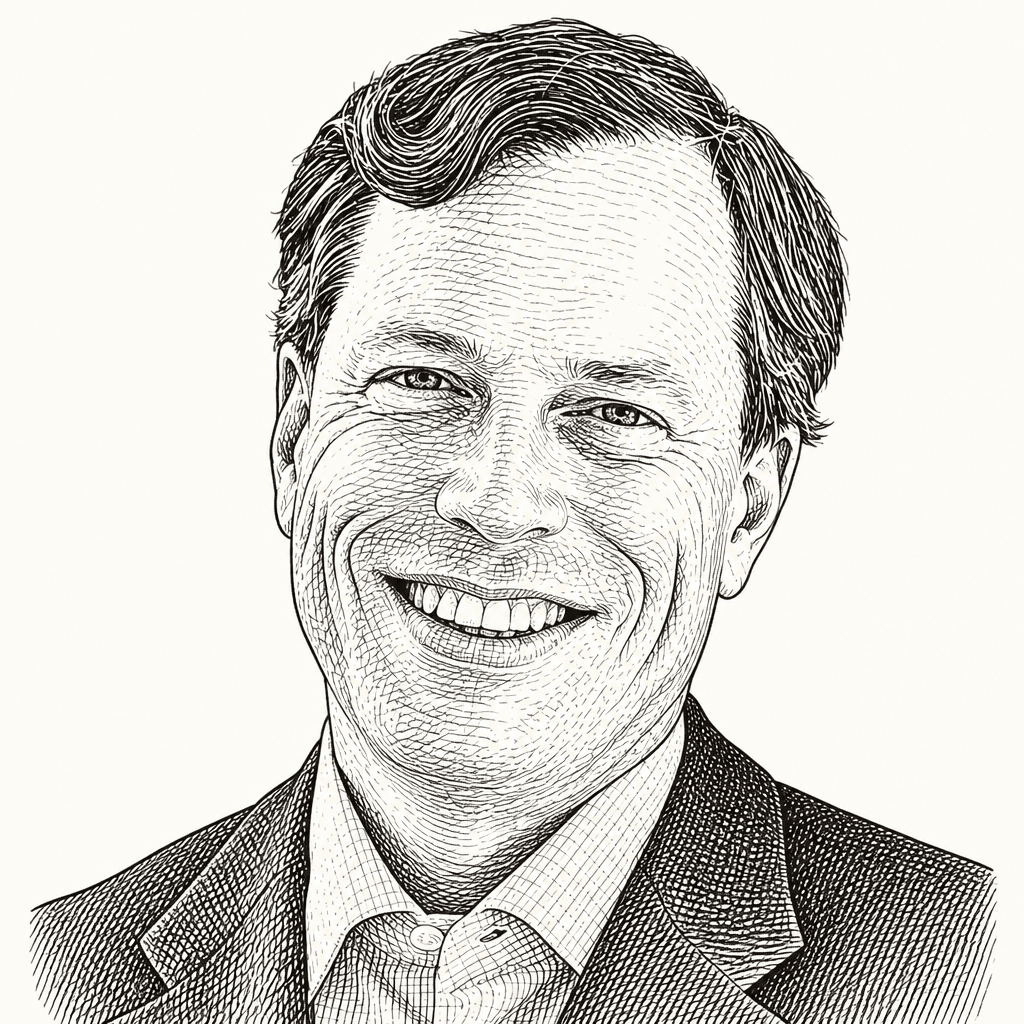
Philip Zelikow, then a National Security Council official involved in the diplomacy of 1989 and 1990, says German unification seemed remote only a year before it happened. Although the United States backed unification, that decision did not resolve whether a united Germany would remain in NATO or what place it would have in Europe. Zelikow and Condoleezza Rice later wrote a history of unification; after reviewing a draft, former West German foreign minister Hans-Dietrich Genscher challenged their account of his position on NATO.
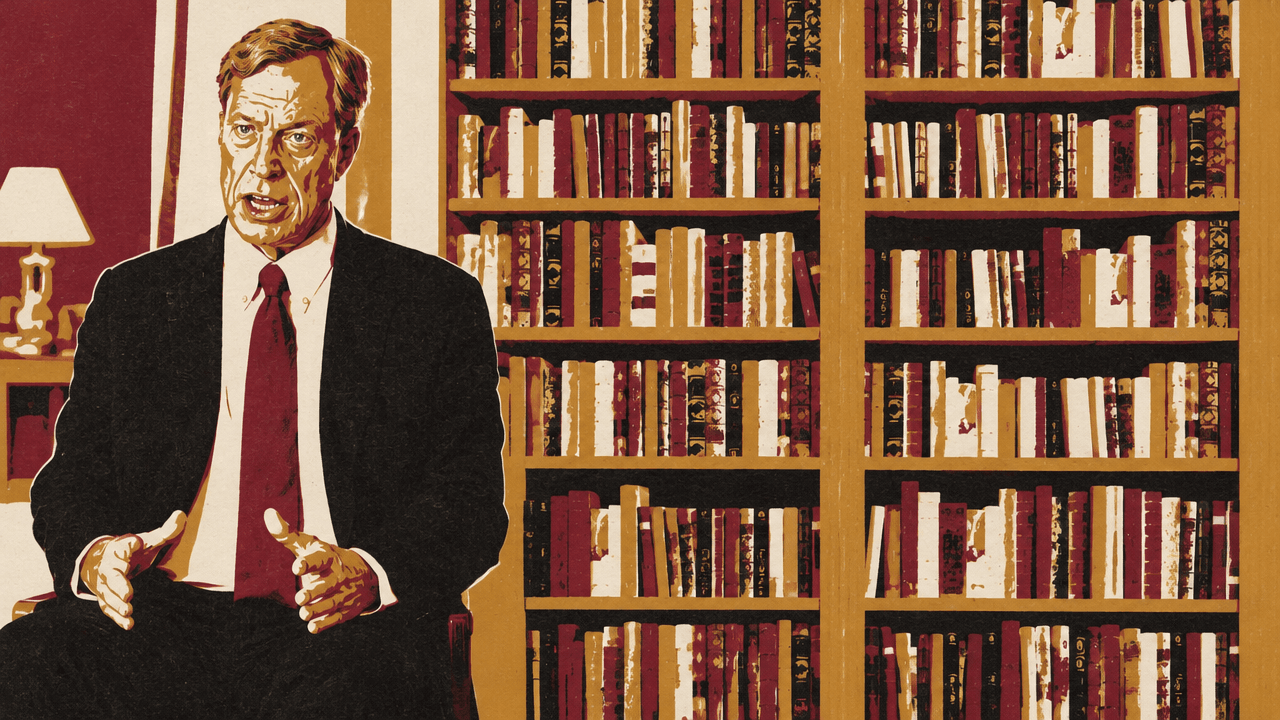
Support for unification did not settle Germany’s place in Europe
Philip Zelikow says German unification, now often treated as inevitable, seemed remote only a year before it happened. The Berlin Wall fell in November 1989, but the immediate question was whether Germany should be unified at all. The prevailing view in Europe, Zelikow recalls, was that the continent was relatively at peace with two German states.
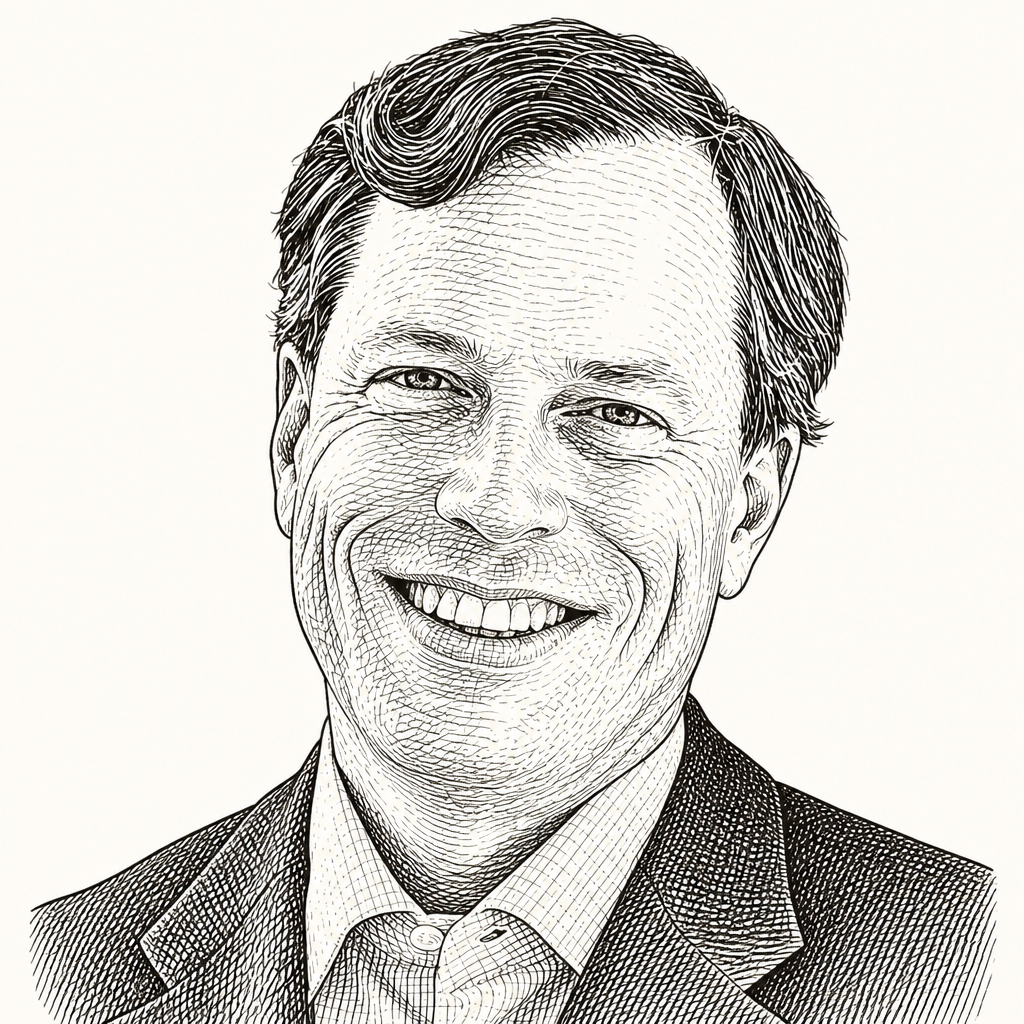
Zelikow was then a director for European security on the National Security Council staff, and one of a small number of White House officials deeply involved in the diplomacy of 1989 and 1990. American officials initially disagreed over whether the United States should support unification. President George H.W. Bush helped settle that question, and support for unification became the American position. But agreement on the goal did not settle the terms.
A central dispute was whether a unified Germany would remain in NATO or become neutral and “free-swinging.” Zelikow says American officials disagreed about that choice. In the German government, Chancellor Helmut Kohl wanted to press quickly for unification, while Foreign Minister Hans-Dietrich Genscher was more cautious. Genscher initially envisioned freezing NATO in its existing condition, after which both alliances might go away.
The divisions extended beyond Washington and Bonn. Britain, a close U.S. ally, opposed German unification. The question of Germany’s future alliance position therefore sat alongside disagreement about unification itself: whether it should happen, and what place a united Germany would have in the European order.
Genscher challenged the authors’ account of his NATO position
Zelikow and Condoleezza Rice later wrote Germany Unified and Europe Transformed: A Study in Statecraft, a detailed international history of German unification and the end of the Cold War, published in 1995. They interviewed Genscher at his home in Germany, then shared an initial draft with him and invited him to comment.
Genscher objected that the account misunderstood his position on Germany and NATO. In his letter, he wrote that there were “some misunderstandings of my views.” He also stated: “At no time I have ever spoken of a reduced or restricted membership of Germany in the Western Alliance.” To support his account, he referred to a February 2, 1990 press conference with Secretary of State James Baker. Genscher noted that the transcript available to the authors was “not in all parts correct,” and cited his words there: “Nobody ever spoke about a half-way membership, this way or that.”
Zelikow says he and Rice responded by laying out their evidence and the details of what Genscher had said. Their letter acknowledged that Genscher had raised “important issues about interpretation of the record of events in 1989 and 1990” and explained that they would address his suggestions in the manuscript. Zelikow describes their response as patient and diplomatic: they heard Genscher’s points, then explained why they had reached their conclusions.
The exchange preserved a disagreement between a participant and the authors over how to interpret his position. Genscher’s letter set out his own account; the authors’ reply explained the evidence behind theirs.
The correspondence became part of the historical record
Zelikow and Rice donated their papers on the book to the Hoover Institution Library & Archives. The papers include the correspondence with Genscher. Zelikow says scholars have consulted it and used it to produce authoritative reconstructions of the history and of how people debated the writing of that history.
For Zelikow, that kind of documentary record matters because events can unfold in a rush and later appear as a blur. The people involved, he says, were making choices, moves, and countermoves as events happened. Documents and exchanges can help historians piece those decisions together and understand what caused a momentous change.
It was happening fast, but people were making choices, moves, counter moves, maneuvers, very quickly.