Rising Energy Demand Makes Reliability Central to Climate Policy
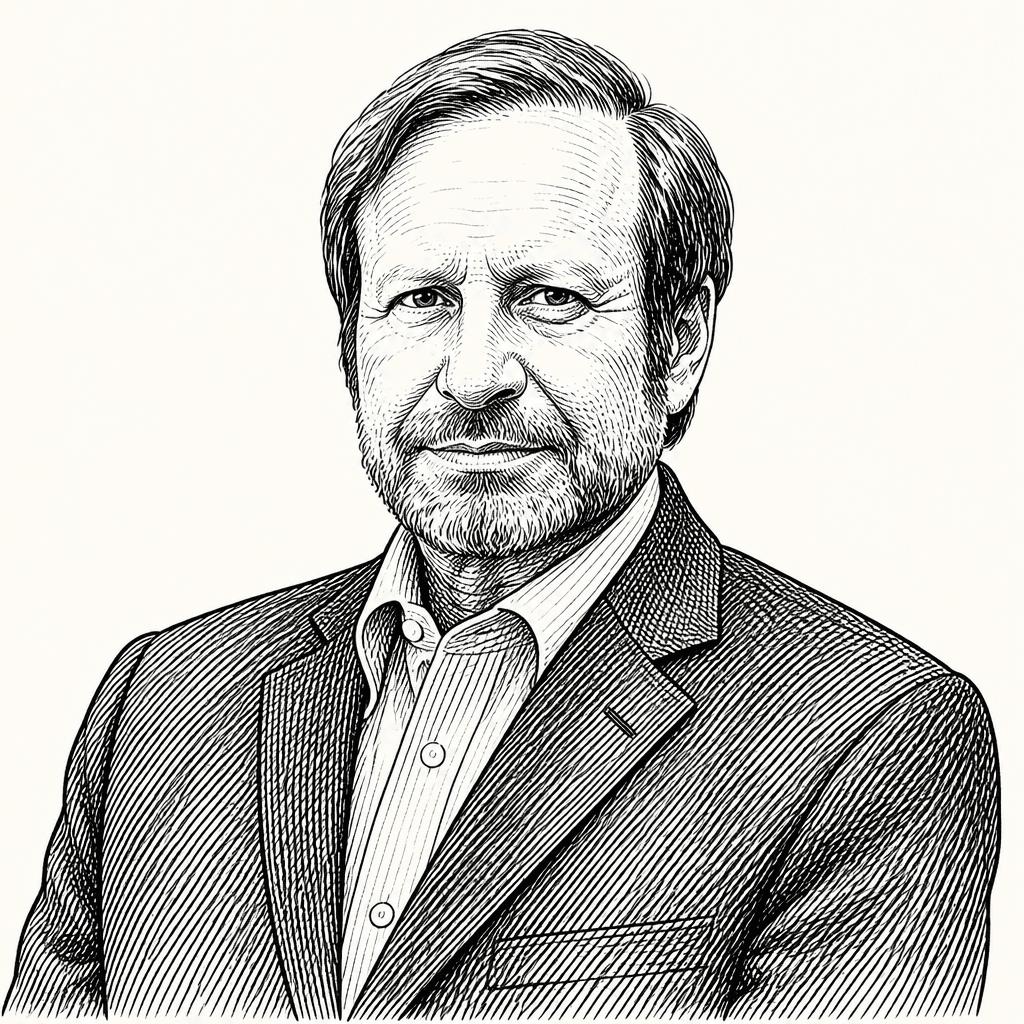
Steven Koonin argues that rising energy demand makes reliability and affordability essential tests of climate policy, and that trying to decarbonize too quickly can create risks of its own. In his remarks on energy realism, he says wind and solar cannot alone guarantee power through prolonged periods of low output, and calls for faster construction, sustained research and development, and nuclear power at scale. His case is for reducing emissions while being candid about costs, technical limits and the time needed to build.
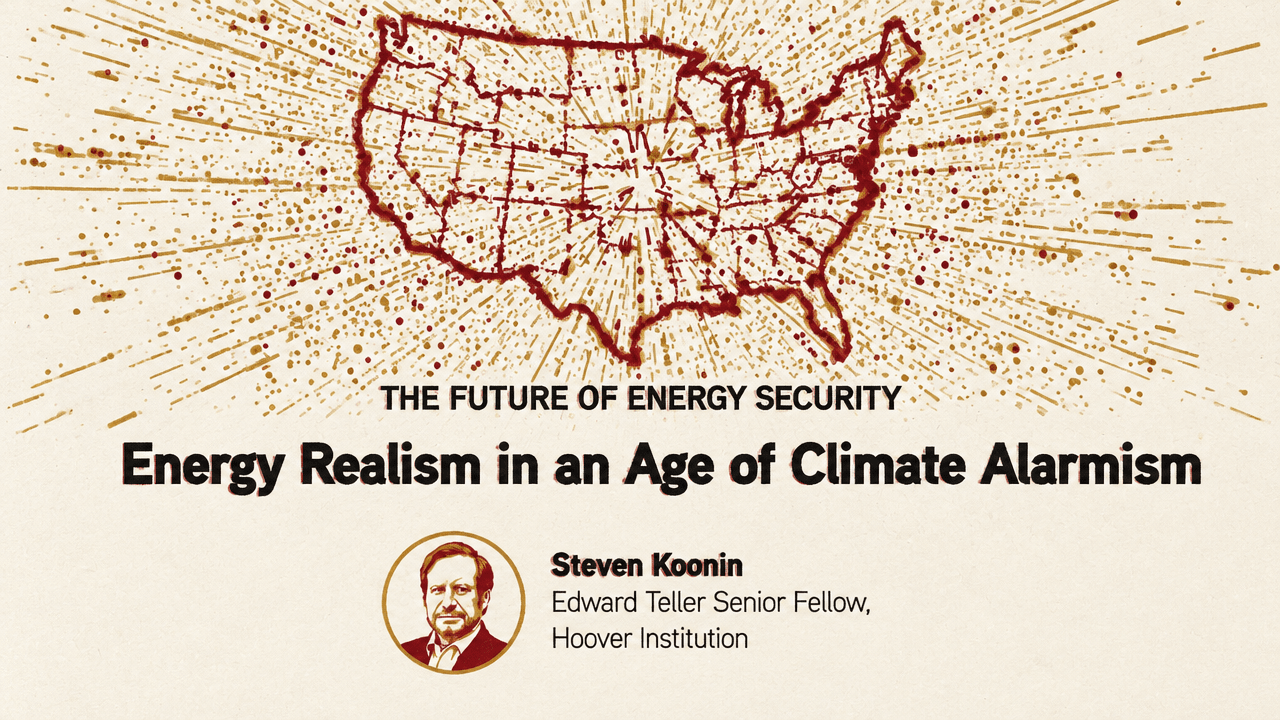
Decarbonizing too fast can create its own risks
Steven Koonin argues that energy and climate policy need clear thinking, but that public debate often replaces it with an urgent, simplified story: unless emissions are cut immediately, the future is doomed. His counterclaim is that the disruption caused by trying to decarbonize too quickly can exceed the climate impacts the effort is meant to prevent.
Koonin describes climate change as moving through an “issue attention cycle”: alarming headlines attract attention, then encounter the complexity of implementation. He points to shifting policy signals as evidence of that turn. A BBC headline asked “12 years to save the planet?” and added “Make that 18 months.” In 2023, the BBC reported that the UK government had delayed a petrol-car ban. By 2025, CNBC was describing renewed European interest in nuclear power, including Denmark’s reconsideration of a 40-year ban. For Koonin, these are signs of a shift from promises of rapid transformation toward questions of what can actually be built and sustained.
Climate risk and human resilience have to be considered together
Koonin says the science is more nuanced than the most dramatic headlines suggest. He says long-term global trends in most forms of extreme weather are difficult to find; cold extremes have eased, while patterns in US heat waves are mixed. Sea level is rising, he says, but tide gauges show a steady long-term pace. He also argues that societies have become more resilient as the world has warmed.
He connects that resilience to concrete outcomes. A chart shown during his remarks compares global cereal production, yields, land use, and population, with each indexed to 1961. It reports that cereal production increased 3.5-fold and yields 3.1-fold, while population increased 2.6-fold. Koonin notes that crop yields keep rising. He also says deaths from extreme weather have fallen dramatically and that the economic impact of weather has gone down.
Reliability comes before the idealized grid
Koonin says energy policy has to balance reliability, affordability, and sustainability, with reliability first. During a heat wave or cold snap, he argues, keeping the lights on is the immediate priority; when the grid is strained, pragmatism wins.
That constraint is becoming harder to avoid as energy demand rises. Koonin attributes growth in poorer countries to development, and growth in richer ones to data centers and AI. Against that demand, he says, it should not be surprising that fossil-fuel use and carbon-dioxide emissions are at record highs. A screenshot shown during his remarks cited a report that global energy consumption reached a record absolute high, up 2 percent from the previous year.
His criticism is that a decade of efforts to decarbonize quickly has produced only a few policies with measurable emissions reductions. Wind and solar can contribute, but he says they cannot carry the whole load: the wind may not blow and the sun may not shine for days or weeks, while batteries last hours, not weeks. Natural-gas demand can also spike beyond pipeline capacity. In that situation, Koonin says, on-site fuel is important. He argues that nuclear power should be built at speed and scale over the long term.
Practical policy starts with building, research, and candor
Koonin’s practical program begins with abundance: make construction easier through permitting reform, stronger supply chains, and infrastructure investment. Environmental stewardship matters, he says, but so does the ability to get projects built. The point is not that environmental constraints disappear; it is that policy must account for the time and systems required to deliver energy.
His second priority is innovation. He favors investing in technologies that can improve performance and cost, with an emphasis on research and development rather than rushing into mass deployment. Nuclear fission, he says, needs steady support. A coal stockpile beside a power plant, meanwhile, is not nostalgia in his framing but logistics—a reminder that dependable supply depends on available fuel and infrastructure, not only on long-term goals.
The third priority is what Koonin calls truth-telling: acknowledge climate change while being honest about trade-offs. He wants engineers, modelers, and system planners back at the center of decisions. A policy can look good on paper, he warns, and still fail when the system is stressed if ideology has displaced technical and economic expertise.
The governing distinction is not between climate action and inaction. Koonin’s argument is for cutting emissions while being candid about costs, reliability, and what different technologies can deliver. Energy policy, he says, should take environmental responsibility seriously without turning into either virtue signaling or catastrophizing.