California’s Rail Project Faces a 2027 Cash Deadline and No Clear Funding
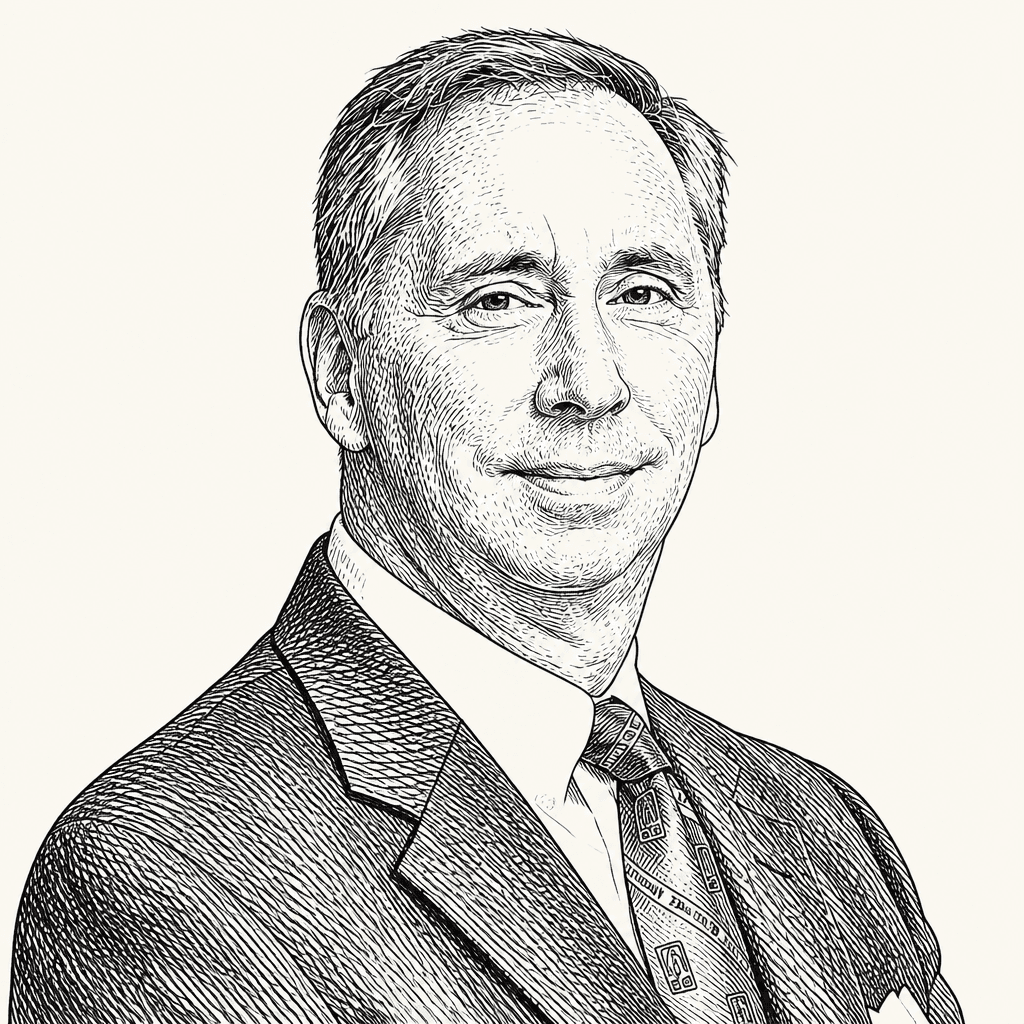
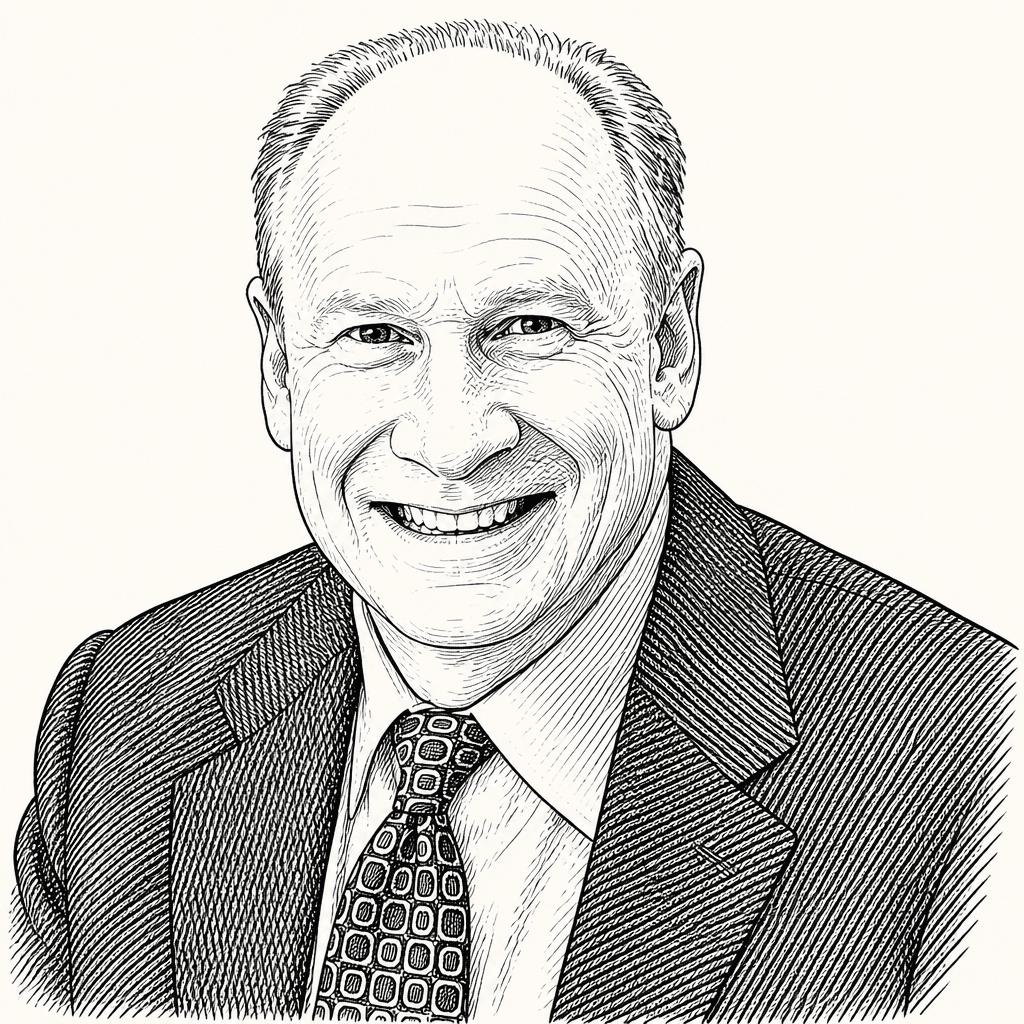
The Paramount settlement may keep the company in Los Angeles, but it does not promise production in California or reverse the state’s loss of entertainment work, Bill Whalen and Lee Ohanian argue. Their account points to a broader gap between preserving a major company and resolving the state’s underlying problems: Ohanian says high-speed rail lacks a sound business case, while Whalen warns that the project may run out of cash by December 2027. Whalen also reads Governor Gavin Newsom’s recent political moves as positioning for a possible 2028 presidential run.

The merger may keep Paramount in Los Angeles, but it does not restore California production
Bill Whalen and Lee Ohanian both called David Ellison, Paramount’s chief executive, the clear winner in the settlement over Paramount’s proposed acquisition of Warner Bros. The settlement’s details had not been made public during the discussion. Whalen said California Attorney General Rob Bonta and a dozen other Democratic attorneys general had portrayed the merger as a threat to the industry, but that the fight was driven in large part by politics around CBS and CNN. Ellison had tapped Bari Weiss to lead CBS News, Whalen said, and opponents feared she might also be put in charge at CNN.
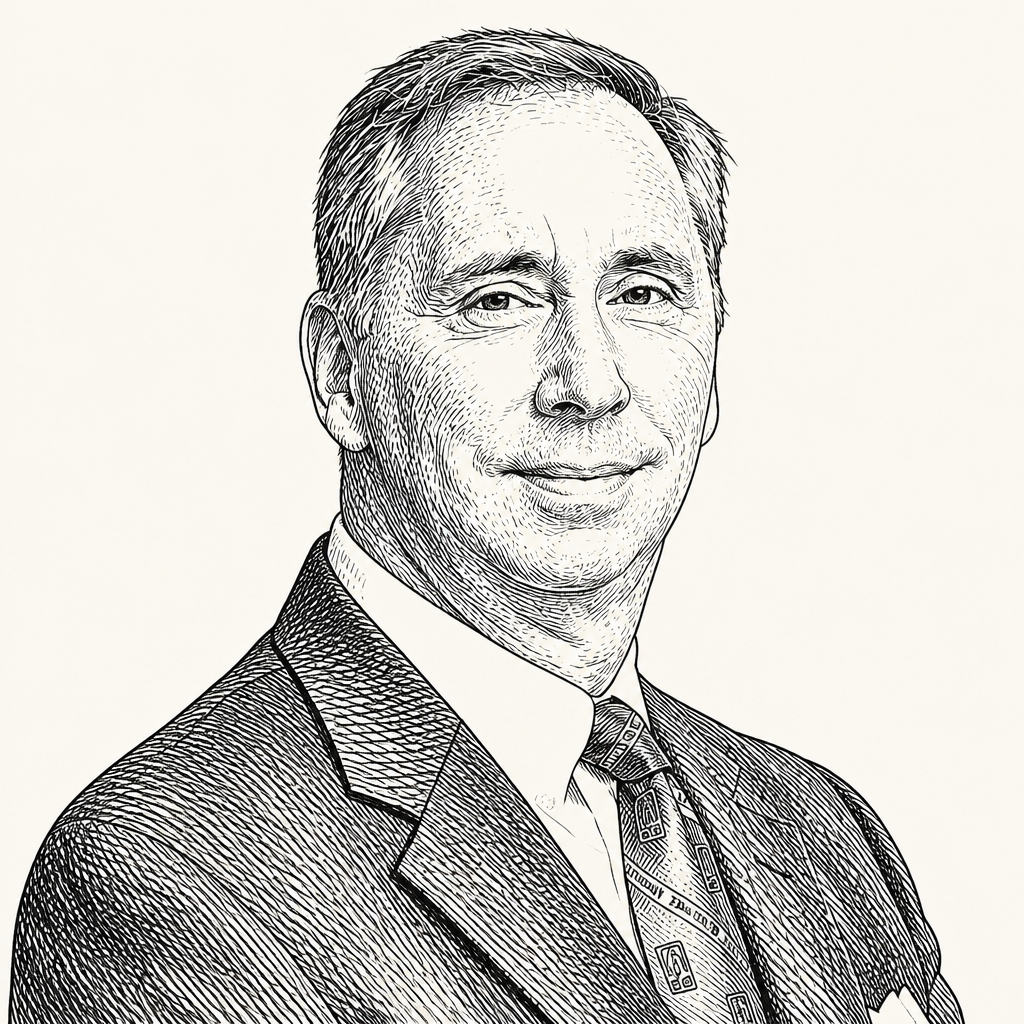
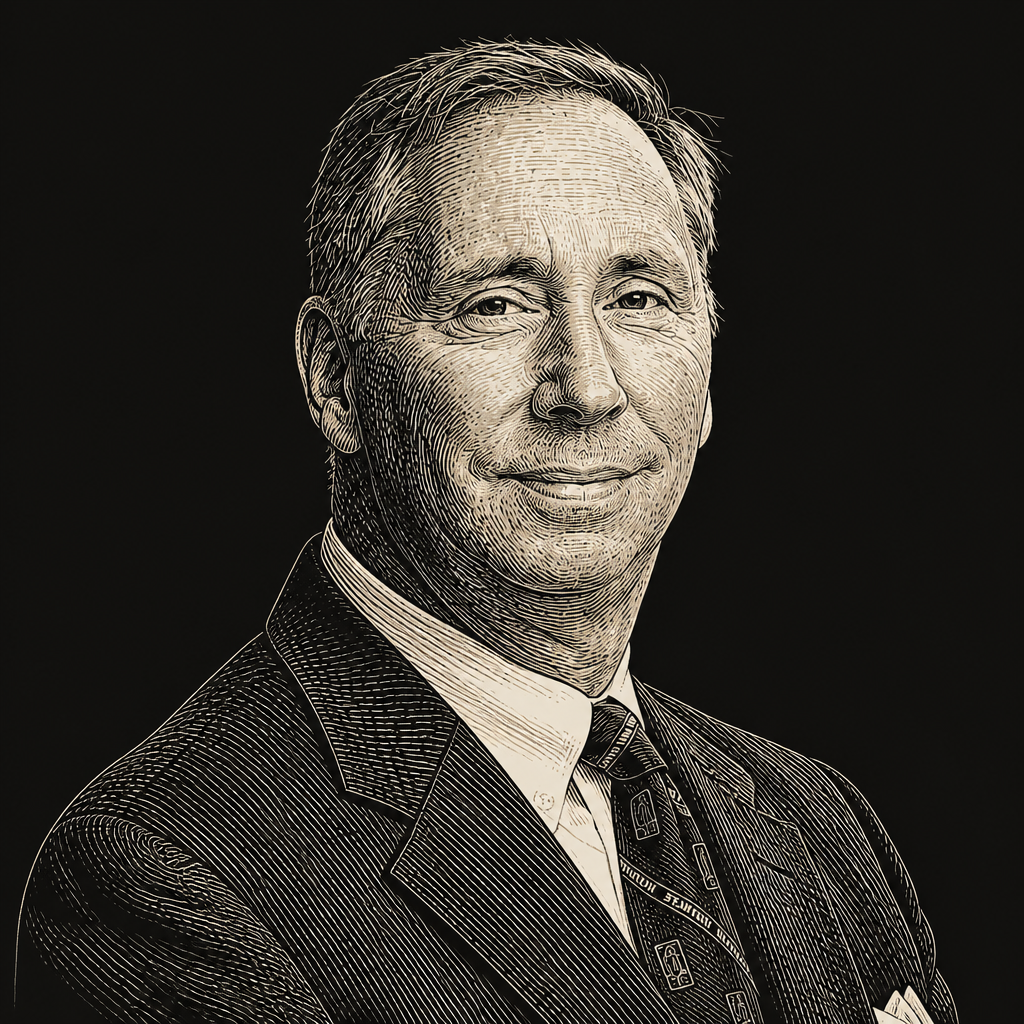
Ohanian likewise said he had not regarded the case as a persuasive antitrust challenge. The businesses where the combined company would have a larger share—movies and traditional television—were declining, he said, while streaming was where entertainment was growing. Even after a merger, he estimated, Paramount and Warner Bros. together would have only about 10 to 12 percent of the streaming market. In his view, the case was political rather than a response to a merger that threatened consumers.
Ohanian argued that the companies needed to combine because each had weaknesses that could make it harder to compete. Ellison had taken on substantial debt to acquire Warner Bros. and still had considerable work ahead, he said. The merger was no guarantee of success, but Ohanian considered keeping the companies in California preferable to losing them. If both left, he said, he did not know where the loss of media activity would stop.
The settlement was described as including independent editorial boards for CNN and CBS, a commitment to release 30 films a year, and a $30 million penalty for each film Paramount fell short of that pledge. Whalen noted that Paramount was producing about 35 films a year, making the production condition less onerous than it might sound. The commitment was to produce in the United States, not necessarily in California. Ohanian questioned how enforceable the concessions would be, saying agreements of this kind could take years to litigate. He called the production and penalty provisions “picky promises.”
Whalen said the editorial-board provision did not prevent Ellison from making the decisions about CNN that Bonta’s opponents had feared. He said Ellison could put Weiss in charge, sell CNN, or take another course; in his assessment, the board was no meaningful barrier to those possibilities.
Whalen identified actor Mark Ruffalo as another loser in the settlement. He read Ruffalo’s post on X urging Bonta not to concede, saying 5,670 filmmakers had supported the fight and more than 75,000 people had signed a petition in three weeks. Ruffalo’s appeal, as Whalen recounted it, was that Bonta should reject a deal he called full of empty promises. Whalen’s response was that Bonta had “caved” and crossed Ruffalo and the filmmakers who had pressed him to continue.
The agreement may keep Paramount in Los Angeles, but the participants did not treat that as a solution to California’s declining entertainment sector. Ohanian said employment in the state’s entertainment industry had fallen from about 155,000 to 160,000 jobs a decade earlier to fewer than 100,000. Whalen cited a Milken Institute report that put lost economic output at $4.14 billion and job losses at 17,234 between 2019 and 2023, as California lost share of U.S. entertainment activity. He also said that from the second quarter of 2019 to the second quarter of 2024, entertainment employment in California fell 15 percent.
Ohanian’s explanation was cost. Other states, including Tennessee, Georgia and New Mexico, offer tax credits, he said, but California also offers credits. In his view, the difference is that other states have lower living costs, fewer regulations and lower union costs. California has production infrastructure and studios would be happy to use it, he said; the state’s higher costs make filming elsewhere more attractive. He argued that the employment decline reflected California’s loss of competitiveness, not studios suddenly deciding they no longer wanted to work there.
For Ohanian, the merger addressed the companies’ ability to compete as the industry changed. It did not answer how California would recover or retain production. Whalen made the same distinction from another angle: the agreement might spare Los Angeles the immediate embarrassment of a major studio leaving, but a promise of American production was not a promise of California production. He asked how the settlement could stem the broader decline in the state’s share of entertainment work.
Whalen also rebuked what he called the “condescending Californian” assumption that executives would never choose to move their businesses elsewhere. He argued that Ellison’s willingness to relocate to Tennessee was a real factor in the outcome. The idea that no one would want to live or work outside California, Whalen said, ignored the possibility that businesses might take those alternatives seriously.
The settlement also put Governor Gavin Newsom in an awkward position. Ohanian said Newsom appeared to have helped mediate the deal and could present it as evidence that he could keep jobs in California while remaining a progressive. Whalen said that would be difficult to frame politically: Newsom opposes the proposed California wealth tax, Proposition 40, but supports a national wealth tax, while also appearing to have helped Ellison. Ellison publicly thanked the governor on X; Whalen wondered whether the message was sincere or a pointed reminder of the complications Newsom could face if he sought the presidency in 2028. Ohanian likened the gesture to putting a “kick me” sign on someone’s back.
The rail project faces a cash deadline without a settled business case
The latest audit findings added another episode to a project that, in Ohanian’s account, had repeatedly missed opportunities to test its basic assumptions. Ohanian summarized the inspector general’s report as finding that nearly 60 percent of reimbursed consultant travel expenses violated contracts or state rules, including expenses for a tiki bar and an escape room. Whalen put the amount at about $540,000, a small sum beside the project’s projected spending, which he said could reach $231 billion. The significance, he argued, was less the amount than what it represented: a project still struggling with oversight and accountability.
The inspector general, as Ohanian described the report, also warned that the project could run out of cash by December 2027. Whalen said the audit referred to the planned Bakersfield-to-Merced line as stopping at an orchard in Kern County rather than reaching Merced. Ohanian separately described a lawsuit filed on behalf of the city of Merced over the location of a station that, he said, had been supposed to be in the city. The two references point to different aspects of the route and its planned facilities; neither speaker resolved how they fit together. Ohanian added that only the state legislature could approve route changes, and that Bakersfield appeared to be planning more than a thousand homes on or near land intended for the train tracks.
Ohanian traced the difficulties to choices made before construction. A commission was established in the early 1990s to begin planning, and the High-Speed Rail Authority was formed in 1996. In 1999, he said, the state selected a route through Palmdale instead of a shorter, less expensive route along Interstate 5. Ohanian said the rail authority’s chair later called the chosen desert route “ridiculous and wasteful.” In his account, the decision sacrificed travel time, increased costs and opened the way to further complications. He said another route choice in 2008 drew warnings from French engineers experienced in building high-speed rail.
A major warning sign, in Ohanian’s telling, came around the 2008 bond vote. Voters approved nearly $10 billion in bond funding before the project’s business plan was available. The plan appeared three days after the vote, he said. Ohanian said the Legislative Analyst’s Office then identified missing information on funding sources and confidence in those sources, design and environmental timelines, risks and their mitigation, service levels, train capacity, and even the operating break-even point. The state did not yet know what trains it would buy, he said. Ohanian asked readers to imagine funding a business without knowing what it would take to cover operating expenses.
For Ohanian, those omissions should have prompted a reset. The project should have been treated as an investigation into whether high-speed rail was feasible, rather than as a commitment to build before the hard questions had been answered. He said the inspector general was still criticizing the business plan years later. Ohanian called the project unready for “prime time” and argued that insufficient oversight and accountability had allowed avoidable problems to accumulate.
One alternative had been offered by SNCF, the French railway firm. Ohanian said the company came to California in 2010 and offered to build the railway for less than the amount promoted to voters. SNCF wanted to build along Interstate 5, which Ohanian described as the obvious route, but the project did not take up its approach. The company eventually left California to build rail in Morocco. Ohanian recalled it saying Morocco was less dysfunctional than California.
Newsom’s response in 2019, when he said the project would cost too much, take too long and lacked oversight and transparency, struck Whalen as language a future governor could repeat. Newsom continued with the Bakersfield-to-Merced segment rather than suspending the project and returning to the drawing board. Ohanian said that segment was estimated at $20 billion six years earlier and had since risen to about $37 billion. Whalen’s concern was more immediate: even the money to reach Merced might not be available before the project’s cash runs out.
Ohanian said voters had been told in 2008 that private investors would help finance the project. “Not one dollar of private money has emerged in those 18 years,” he said, arguing that the absence of private investment reflected the project’s lack of viability. Even another $20 billion would not settle how to build the line from Los Angeles to San Francisco, he said, because the authority had not resolved the geotechnical challenges of tunneling through the mountains.
The public funding options discussed by the two men did not appear sufficient to close the gap. Ohanian said Newsom had promised $1 billion over 25 years from cap-and-trade revenue. He also cited about $4 billion in federal funding under the Biden administration. In 2024, the rail authority postponed procurement of train sets that, Ohanian said, had been scheduled for completion by the end of that year. He said the Trump administration later withdrew the federal funding, arguing that the project could not be finished by its target date. California sued over the money and then quietly dropped the lawsuit. Ohanian interpreted the decision to drop it as evidence that the case lacked a strong basis.
Each potential source of money came with a constraint. The cap-and-trade commitment, as Ohanian described it, would not come close to covering the project. The federal grant had been withdrawn after the train procurement was delayed. Private investors had not appeared. Whalen asked where the remaining money could come from, observing that even a change in control of Washington might not produce enough federal support. Neither participant offered a new funding source that would resolve the problem.
The political consequences extend beyond the cash deadline. Ohanian said Newsom had an opportunity in 2019 to freeze the project, consult experienced rail builders and reassess the route. Instead, he kept the Bakersfield-to-Merced plan alive. That decision, Ohanian argued, would be difficult to defend if the project had no clear path forward by the time Newsom ran for president. Whalen framed the deadline as a problem awaiting the next governor: what to do when the money runs out in December 2027.
Newsom’s presidential signaling mixes visibility with selective distance
Whalen read Newsom’s comment to CNN’s Jake Tapper—that he would not run for president if Kamala Harris did—as tactical rather than sincere. Newsom, he argued, was signaling deference to Harris while assuming she would not run, preserving the option to enter the race without appearing to push her aside. Newsom also suggested Harris should decide soon, a qualification Whalen saw as pressure wrapped in courtesy.
The fly-fishing interview drew attention from Whalen chiefly as an example of the risks of a carefully staged appearance. He said the scene made Newsom look like he was trying to project an informal, outdoorsy image, while details of the setup invited mockery. Ohanian pointed to the CNN production crew and broadcast vehicles behind the camera. The appearance mattered to their broader argument because Newsom was making an unusually visible series of moves as his time in office wound down: bill signings, a trip to the United Nations’ Climate Week, and public appearances designed to present him as both a familiar Californian and a national figure.
Whalen also interpreted Newsom’s recent vetoes as attempts to signal distance from the left. He cited bills that would have expanded pension benefits for police and firefighters, expanded state-worker telework, and let undocumented students at public universities work on campus. Ohanian agreed that the decisions did not match the image of a conventionally progressive governor, while endorsing the pension veto. He pointed to California’s pension crisis and Jerry Brown’s efforts to make progress on pension reform. The mix, Whalen argued, let Newsom appeal to progressives while showing that he was not always on their side.
Ohanian also criticized Newsom’s remarks at the United Nations climate event, which he said included an allusion to genocide in an unnamed country of 93 million people. He considered the language unpresidential. He also questioned the practical significance of the memoranda of understanding Newsom had signed with other governments, saying he was unsure what would come of them. The broader tension, as Ohanian put it, was that Newsom could project energy and reach while California’s unresolved problems remained in place.
The governor’s activity on artificial intelligence raised a separate concern. Newsom had called for “kill switches” for rogue frontier models and appointed a panel to offer recommendations before he left office in January. Whalen questioned the speed and composition of the effort, saying the group appeared to include people with Democratic administration experience or progressive views, with too little evident industry input. He argued that the issue required careful hearings and coordination among states and the federal government, not a rushed recommendation from an outgoing governor.
Ohanian called the panel performative and doubted its work would have lasting effect. He compared it to an earlier large task force on economic recovery whose recommendations, he asked, had not been heard from since. He also noted that Newsom had previously vetoed a bill by Scott Wiener that, in Ohanian’s description, would have asked parts of the AI industry to adopt safeguards. Ohanian thought the earlier bill had merit and suspected Newsom’s ties to Silicon Valley had played a role in the veto. Against that history, he questioned the promise that a panel could address AI’s potential problems in the final months of Newsom’s term.
Both men worried that state-by-state rules could create conflicting obligations and lead to litigation if they clashed with federal responsibilities. Whalen’s preferred sequence was for the panel to consult industry and report its findings to the incoming governor, who could then work with other states and the federal government. Ohanian said the best outcome might be for the panel’s work to go no further. Their concern was that an outgoing governor’s rushed process might produce rules without the coordination or deliberation the subject required.
A lopsided governor’s race may still shape the ballot measures
The participants described the contest between Democratic candidate Javier Becerra and Republican Steve Hilton as heavily tilted toward Becerra. A recent Public Policy Institute of California poll put Becerra ahead by about 60 to 38, a margin Whalen compared with the results in the previous two gubernatorial elections. Ohanian said California’s one-party politics and limited attention to Republican candidates helped make the result self-reinforcing: without resources or coverage, a Republican has little chance to change voters’ expectations, and national party committees are reluctant to invest in the state.
Hilton’s challenge, Whalen said, was to turn dissatisfaction with Sacramento into a focused case against Becerra as a continuation of the current administration. That could mean pressing on high-speed rail, COVID-related fraud or Newsom’s time away from California, but choosing one line of attack risked leaving other voter frustrations untouched. Ohanian said Hilton was an effective television speaker and had raised issues that should attract attention, including gas prices and a proposed income-tax exemption for people earning under $150,000.
The promise of $3-a-gallon gasoline prompted an exchange about what it would require. Ohanian said it would mean cutting taxes and regulations and building refineries; Whalen added that California would have to flood the market with gasoline. Ohanian said the price was close to what some other states had at the time, but making it possible in California would require policy changes.
Whalen’s larger concern was campaign visibility. He said Hilton was not appearing in the television advertising he was seeing, while ads opposing Proposition 40 were frequent. Whalen also said he had seen ads against Proposition 39, which he described as a voter-ID measure, as well as local advertising by Scott Wiener, who was running for Congress. Social media could provide alternatives to television, but Whalen argued that a candidate in California still needed substantial spending to introduce himself and make his proposals familiar. Ohanian added that the absence of Republican investment reinforced the state’s political imbalance: the national party viewed California as unwinnable, reducing the resources available to challenge that assumption.
The candidates’ debate could matter even if it did not make the race competitive. Whalen welcomed the decision to hold it on a Wednesday, when it would not compete with Thursday Night Football or the Dodgers’ playoff games. But he questioned whether CNN moderators Jake Tapper and Dana Bash would ask questions focused enough on California. He and Ohanian preferred California-based journalists who, they thought, could press the candidates more directly on state issues. Whalen named Ashley Zavala, Dan Walters and Julie Watts as possible moderators. Ohanian noted that Jerry Brown and Meg Whitman had debated three times in 2010, while Newsom and John Cox debated only once in 2018; he saw the reduced attention to debates as part of a broader lack of political competition.
That imbalance could matter indirectly through turnout, especially for Proposition 40, the proposed wealth tax. Whalen said polling put support at roughly 52 percent, with opposition ranging from about 42 to 45 percent. He warned that initiatives often lose support as voters examine them closer to election day. Proposition 40’s support, he said, was driven particularly by voters under 30, who liked the idea of taxing billionaires. If Becerra ran a low-energy campaign that failed to mobilize younger Democrats, Whalen argued, the measure could suffer as well.
Ohanian described the opposition as well-funded and broad. He said Google co-founder Sergey Brin had contributed more than $100 million to the No on 40 effort, and that unions including firefighters, police and education groups had opposed the measure. He attributed their opposition to the proposal’s allocation of 90 percent of its money to healthcare, leaving those unions with little direct benefit. Ohanian said Newsom had come out against the measure, while Becerra’s position appeared less settled. He expected opponents to spend heavily in the week before ballots were mailed.
The measure’s prospects therefore depended, in the participants’ account, on more than its appeal to younger voters. Support could be vulnerable if turnout were weak, while opposition had money and backing from groups that might otherwise be expected to align with Democrats. Ohanian said he planned to discuss Proposition 40 at UCLA with economist Emmanuel Saez, whom he described as one of the economists involved in the Yes on 40 campaign.
Ohanian also raised a broader concern about election participation. He said historical figures for Los Angeles elections included examples of 75 percent turnout at times when fewer people had cars and mail-in ballots were not available. He challenged the argument that making voting easier necessarily explains participation, suggesting instead that elections can draw people when they feel consequential. Whalen’s point was that a low-energy governor’s campaign could have consequences down the ballot; Ohanian’s was that turnout itself remained a concern.