Cuba’s Opposition Says Democratic Change Can Be Forced Within 12 Months
Cuban opposition leader Rosa María Payá tells H. R. McMaster that Cuba’s humanitarian collapse is also a political opening: the regime, she argues, survives by force, foreign patronage, military control of the economy, and regional repression, not by consent. In a Hoover Institution conversation, Payá says democratic change can be generated within 12 months if outside pressure on regime elites is paired with recognition of a prepared opposition alternative and direct support for Cubans demanding freedom.
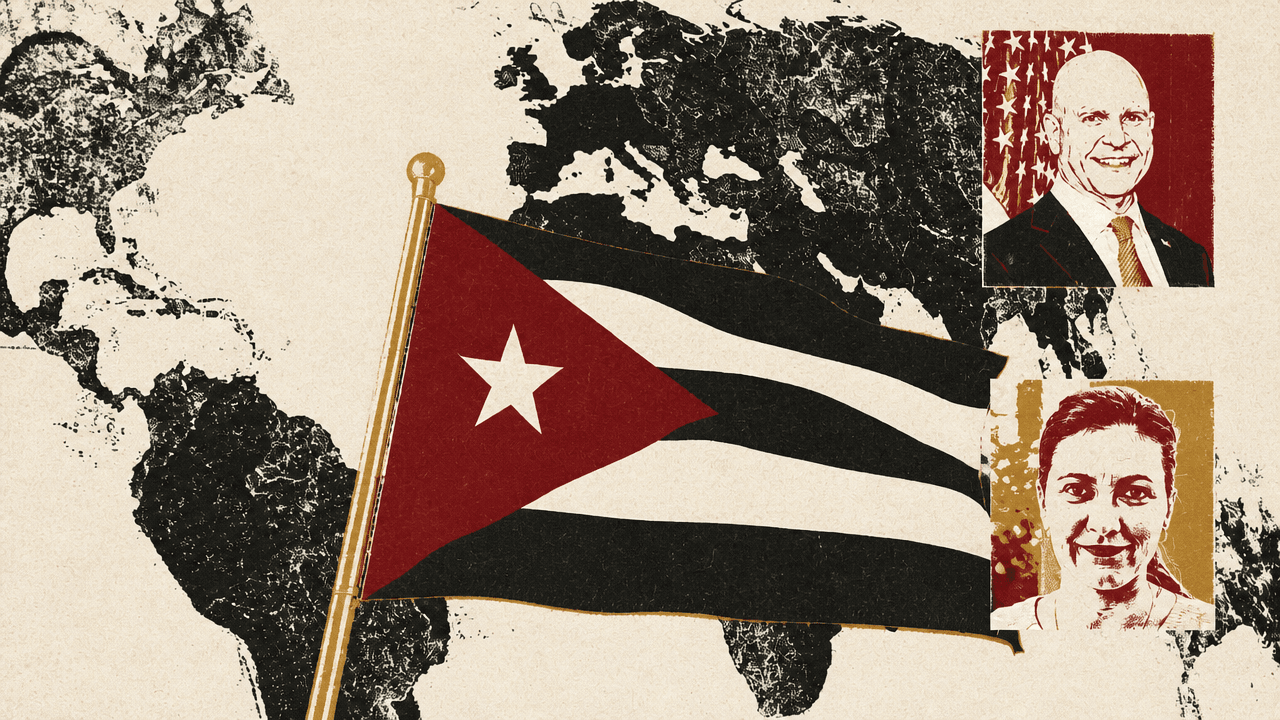
Payá’s forecast is a transition fight within 12 months
Rosa Payá’s central claim is that Cuba has reached an existential crisis, and that democratic change can be generated within 12 months if three conditions come together: maximum pressure on the regime elite, recognition of a prepared democratic alternative, and direct support for Cubans demanding freedom.
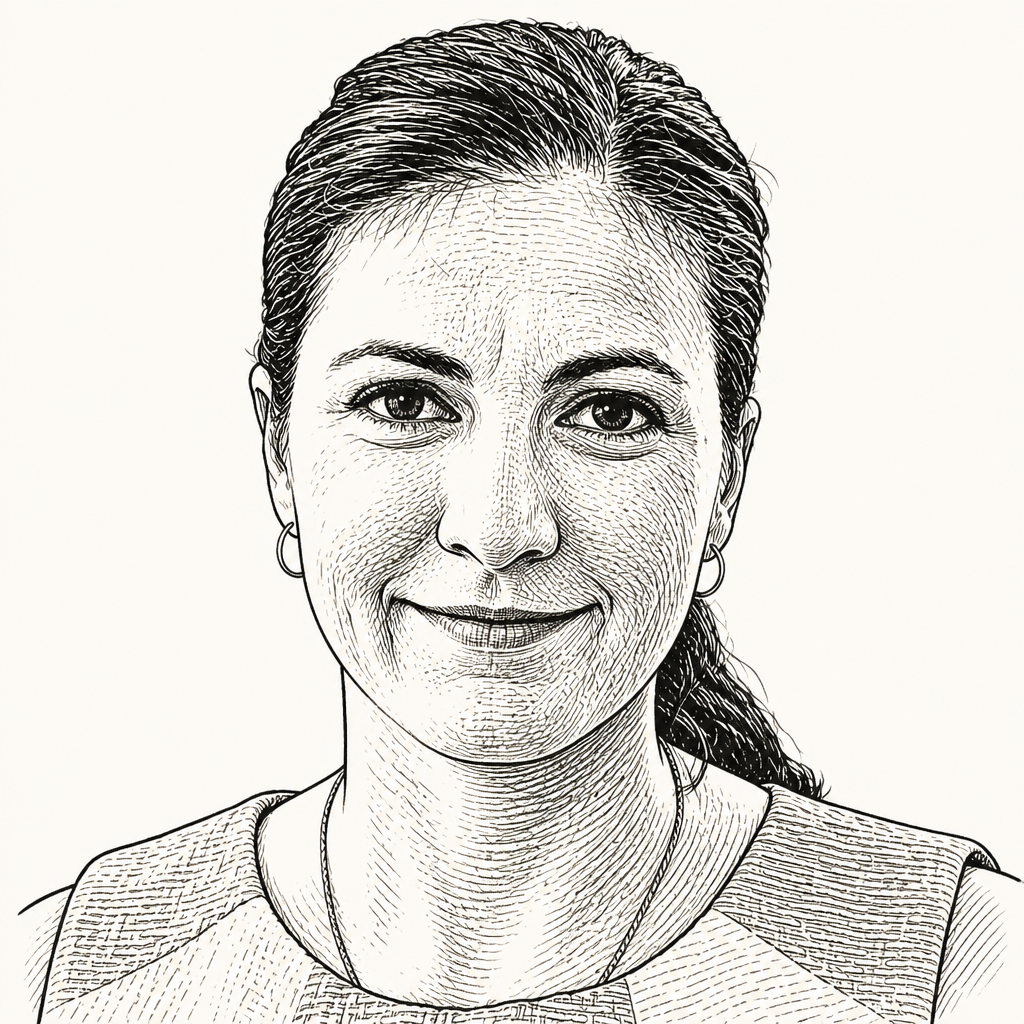
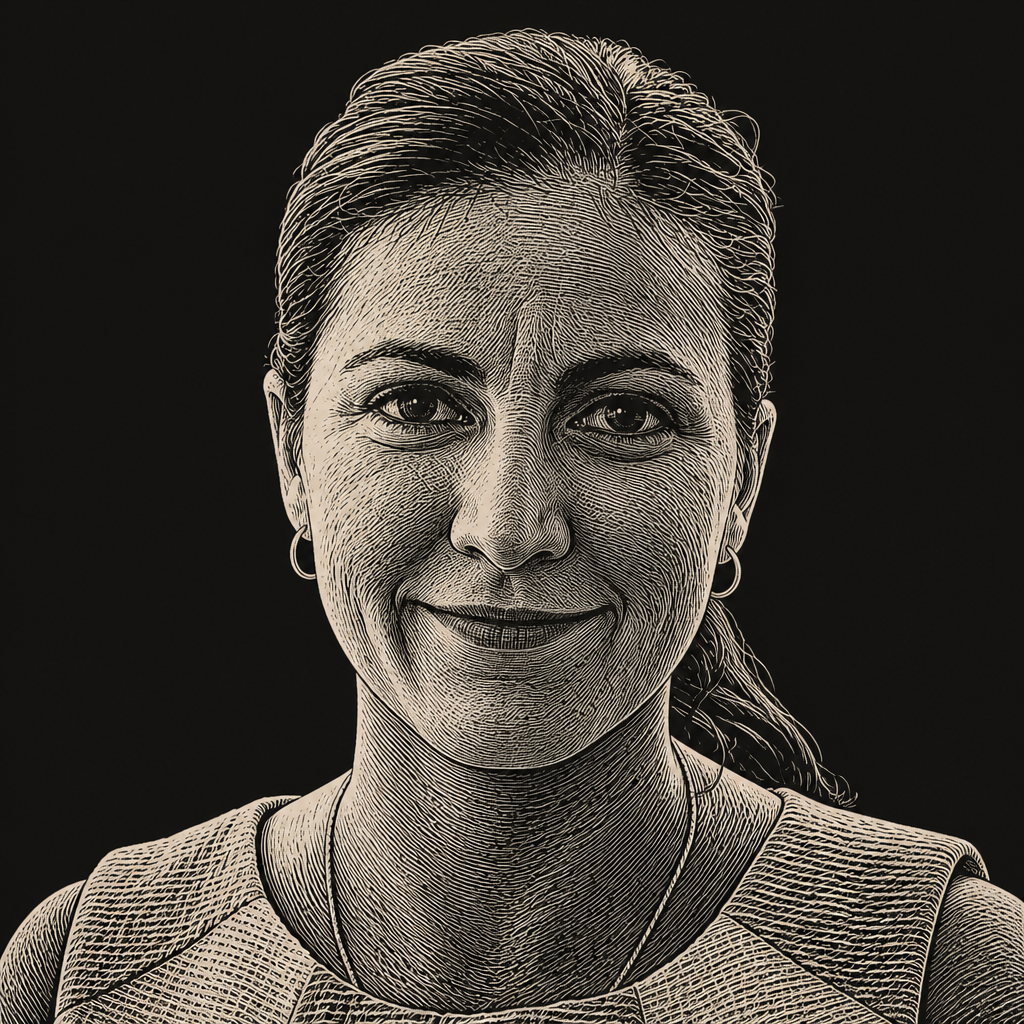
The forecast is unusually concrete. Payá says the situation on the island is “unsustainable,” that change is on the horizon, and that her side will be part of generating it “in the next 12 months.” She calls that a realistic time frame while cautioning that not every element depends on the opposition. What she promises is effort: to push with everything available, to generate and lead change toward freedom, democracy, and the rebuilding of the Cuban republic.
Her strategy is political rather than technocratic. Cuba’s crisis, in her account, will not be solved by better administration inside the existing order. The same system that cannot keep the lights on, stock hospitals, or feed families is sustained by coercion, military control of the economy, foreign patronage, propaganda, and security exports to other authoritarian projects. That is why she argues that the only way out is not reform of the dictatorship but its end.
| Element | Payá’s description | Purpose |
|---|---|---|
| Maximum pressure | Pressure on regime elites with power to repress or submit | Force the dictatorship to yield to the will of the people |
| Democratic alternative | The Freedom Accord and transition commissions uniting forces on and off the island | Prepare to lead an orderly transition when power fractures |
| Direct support | Support for Cubans demanding freedom, especially those on the island | Strengthen the national force behind change |
The first target is not abstract. Payá says pressure must fall on those who have the power to decide whether to shoot children in the streets or submit to the will of the people. The second requirement is recognition of a democratic alternative. At the beginning of March, she says, the main democratic forces on and off the island announced the Freedom Accord, a transition plan built around commissions covering each area of national life. The purpose is to be ready to lead when “the power fractures.” The Hoover visuals show Payá and others holding a large document labeled “Acuerdo de Liberación.”
The third requirement is direct support for Cubans themselves. Payá insists that the central role belongs to the Cuban nation, on and off the island. The demand for change, she says, is “eloquent, organic, national,” and especially visible among Cubans on the island who are risking their bodies to change reality.
Herbert McMaster endorses the three points as a call to action and connects them back to Oswaldo Payá’s own transition planning, noting that Payá’s father wrote a nine-chapter transition plan and later simplified it to a five-point plan. The implication is continuity: the present strategy is not an improvised reaction to crisis but part of a long effort to prepare for democratic succession.
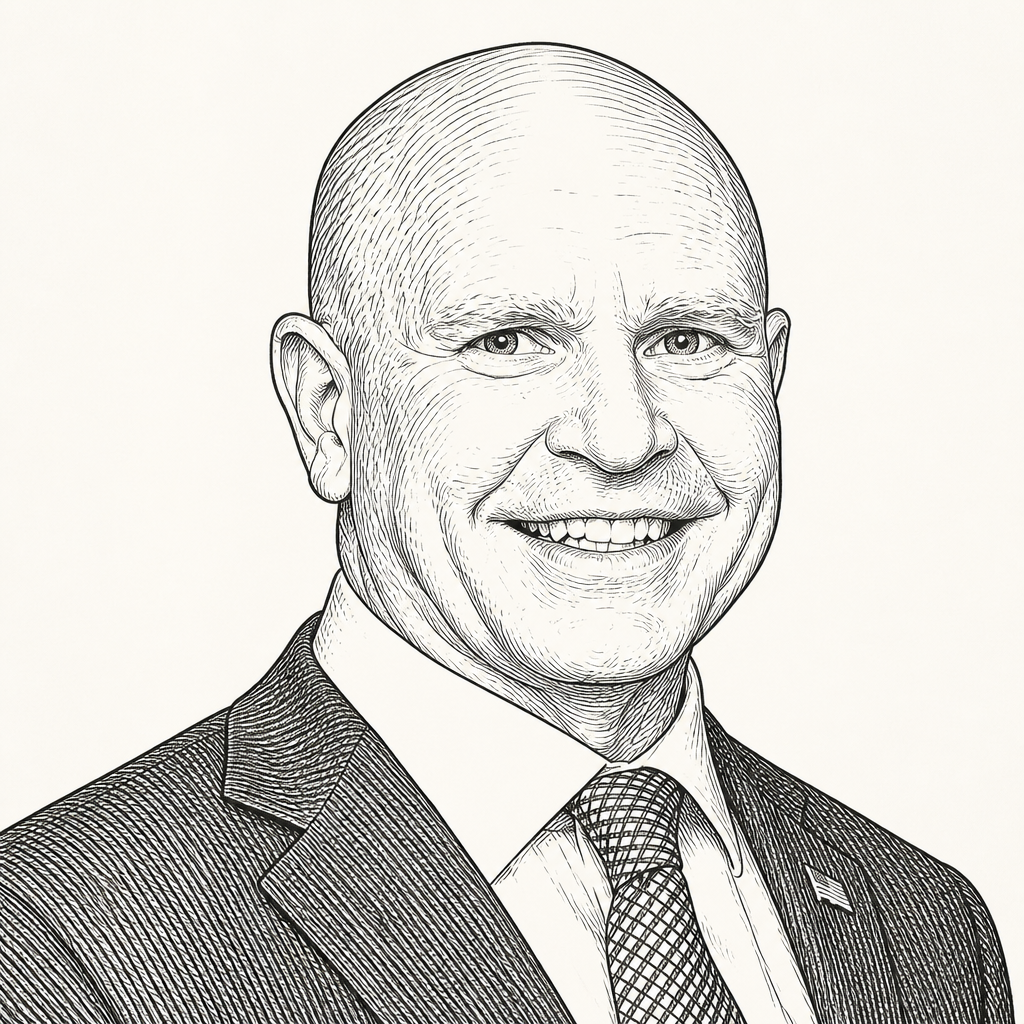
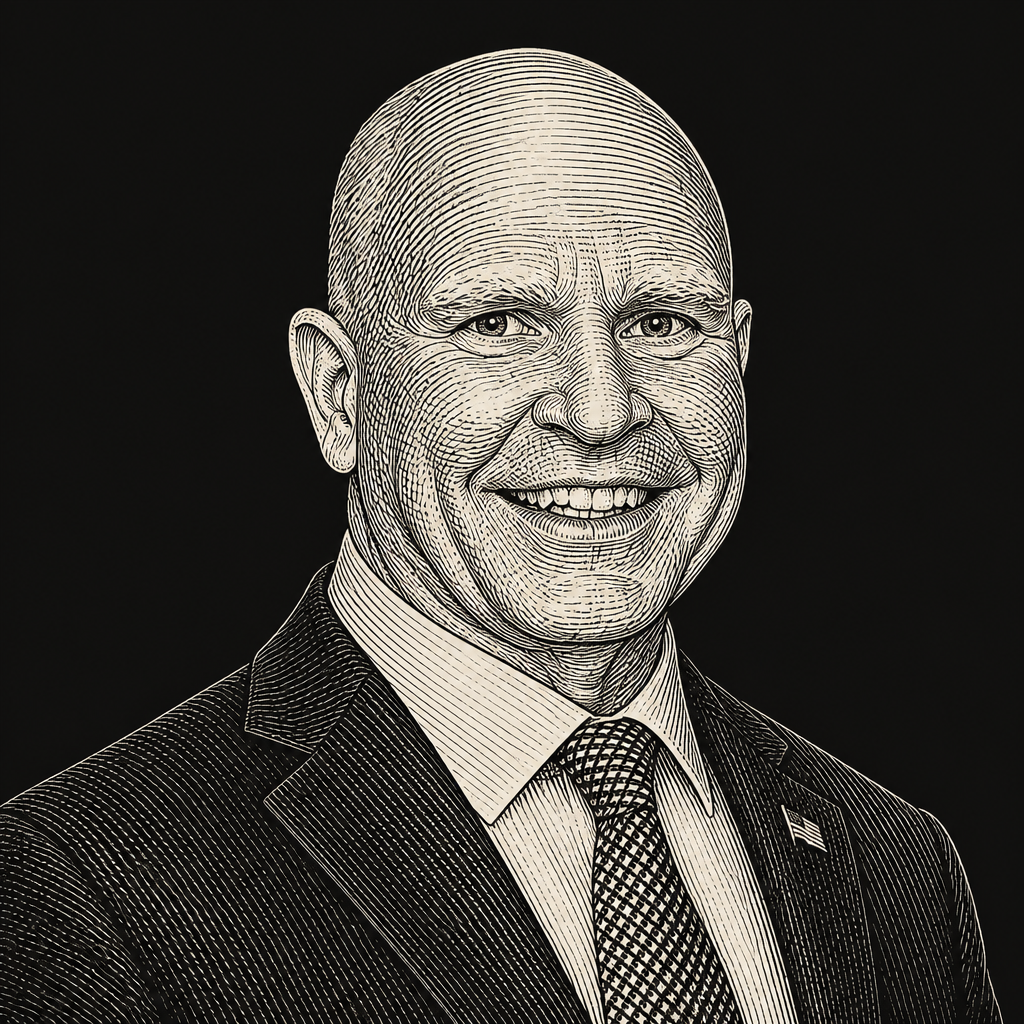
That continuity matters to Payá’s presentation of the opposition. She does not describe it only as protest or exile advocacy. She describes a democratic alternative that has spent years documenting abuses before international bodies, building support for a binding plebiscite on Cuba’s political future, and preparing transition structures before a fracture in power occurs. The goal is not simply regime collapse. It is a transition that can move toward freedom, democracy, and reconstruction of the republic.
Payá says it would be important, even “from a transcendent point of view,” for the rest of the Western democracies to join the United States and finally, after almost 70 years, take the side of the Cuban people. Her closing formulation is not that change is desirable, but that it is necessary for national survival. “Change is going to happen in Cuba,” she says, because the situation is existential for the Cuban people. The only way for the Cuban nation to survive, in her account, is to change.
The humanitarian catastrophe is not sudden
Rosa Payá rejects the idea that Cuba is suffering from a sudden or isolated economic breakdown. The humanitarian crisis, she says, has been present for decades, became especially severe in the 1990s after the collapse of the Soviet Union, and never truly ended. The current phase intensified over the last five or six years, worsened during COVID, and then deteriorated further. National blackouts, she says, did not begin in January 2026; they began in 2023, after a period in which the whole country was already enduring intense outages.
Her description of daily life is concrete. The state cannot provide “a single basic service”: not reliable electricity, not hospitals that function safely, not medicines, not food, and not the minimum conditions for what she calls “any kind of normal life.” Mothers, she says, often do not know what they will feed their children at night. Hospitals lack medicines. The power grid fails. Ordinary Cuban life has become a struggle against a state that can repress but cannot provide.
Cuba’s current breakdown sits inside a longer pattern of authoritarian rule and foreign dependency. Cuba was a Spanish colony for nearly four centuries after Columbus landed on the island in 1492. Slave labor and colonial exploitation provoked repeated uprisings, culminating in three decades of war for independence led by José Martí. The United States entered the conflict in 1898 and helped end Spanish rule. American forces stayed until 1902, when Cuba stood up a new republic. A succession of elected and military governments followed until Fulgencio Batista seized power in a 1952 coup and ruled through corruption and repression until Fidel Castro’s guerrilla movement toppled him on January 1, 1959.
Castro then built a one-party state aligned with the Soviet Union, seizing private property, jailing or executing opponents, and driving hundreds of thousands of Cubans into exile. The Bay of Pigs invasion in 1961 and the Cuban Missile Crisis in 1962 fixed Cuba’s place in the Cold War confrontation. When the Soviet Union collapsed in 1991, Cuba entered the “special period” of shortages and blackouts. The regime survived by opening beaches to foreign tourism and later leaning on Venezuelan oil subsidies after Hugo Chávez took power in Caracas in 1999.
Payá’s argument is that Cuba never escaped that pattern of internal coercion and external patronage. What has changed is the severity of decay. The Hoover introduction describes the Cuban Communist Party as holding on through repression and foreign support even as the country deteriorates around it. After the largest protest wave in six decades erupted in July 2021, the government jailed hundreds, with an estimated 1,200 political prisoners still behind bars. The visuals accompanying that account include a man standing atop an overturned police car, waving the Cuban flag amid a crowd of protesters.
Payá’s figures point to a demographic rupture. At the end of 2024, Cuban authorities acknowledged, according to Payá, that between the end of 2020 and the end of 2024 at least 1.6 million people were no longer on the island. She immediately qualifies the source — “the regime itself, that by the way always lie” — but uses the admission to show the scale of the collapse. By the end of 2025, she says, experts were speaking of a population decrease of more than 2 million. Cuba’s estimated population at the end of 2020 was 11.3 million; today, she says, experts “struggle to talk about more than 8 million people.” The only age group growing on the island, in her account, is people over 60.
The deprivation is broader than population loss. The Hoover introduction says nearly nine in ten Cuban families live in extreme poverty, most skip a meal a day, and only about 3% can obtain needed medicine. It also says an estimated one in four Cubans has left the island since 2020. The human picture is one of both deprivation and flight: the source shows a man looking inside a public trash bin and a group of people at sea on a makeshift raft.
For Payá, the politically decisive fact is not only deprivation but defiance. Despite hunger, lack of medicine, blackouts, and more than 1,200 political prisoners, Cubans are still demanding freedom and risking themselves in the streets. The conviction she describes is not that the existing system needs better administration. It is that “the only way out, the only way to overcome this crisis is to get rid of the dictatorship.”
The only way out, the only way to overcome this crisis is to get rid of the dictatorship.
The regime’s staying power is force, not consent
Herbert McMaster asks how the Cuban government has kept power through repeated crises. Payá’s answer is direct: violence and repression. “The only reason why the Cuban regime is still in power,” she says, “is because they are in power by the force.”
That claim is grounded in both national protest and family history. Payá says Cubans have gone into the streets several times demanding freedom, and that “at one point the whole country was in the streets.” The July 2021 protest wave is presented as the largest in six decades. The state’s response was mass imprisonment, with hundreds jailed and an estimated 1,200 political prisoners still behind bars.
Payá’s father, Oswaldo Payá, is presented as a defining example of civic opposition met with state violence. He led the Varela Project, a citizen initiative that invoked Cuba’s own constitution to demand a referendum on free elections, free assembly, and free expression. McMaster notes that Oswaldo Payá was inspired by the Prague Spring and later founded the Christian Liberation Movement. He also notes that Oswaldo Payá was sent to a labor camp in 1969 and later gathered more than 10,000 signatures for the Varela Project, which should have triggered reform under the rules the movement sought to use.
Payá says her father and other Cubans tried “to use the system against the system to guarantee human rights.” The act was radical, she argues, because it asserted that human rights are not granted by the regime but are inherent to human nature. In the midst of communism, she says, to hold and act on that belief “is understood as an act of war.”
The Varela Project required exceptional exposure from its signatories. Payá emphasizes that tens of thousands of Cubans put down their names, ID numbers, and addresses at a time when, she says, having a cellphone was a crime in Cuba. The regime responded in 2003 with what became known as the Black Spring, jailing 75 activists, many of them Varela organizers. The source shows a grid of 75 mugshot-style portraits representing those jailed activists.
Payá does not describe her father’s movement as passive. It was peaceful, she says, but not passive; it was radical because it aimed to change the system toward free, fair, and democratic elections and toward a society where Cubans could live according to their own will, sentiments, and decisions. For pursuing that legally, even according to the regime’s rules, she says Oswaldo Payá was persecuted and arrested, his fellow dissidents and opposition leaders were imprisoned and tortured, and he was ultimately killed.
The source’s biographical introduction says Oswaldo Payá died in a 2012 car crash that the Inter-American Commission on Human Rights later concluded was caused by agents of the Cuban state. Payá’s own statement is stronger. She says the Inter-American Commission condemned the attack as “an act of murder from the part of the state,” and she argues that such a decision could only have come from Fidel and Raúl Castro themselves. In her view, the state moved against the person who then embodied the democratic alternative of the Cuban people.
Her broader conclusion is that this is how Cuba’s totalitarian system responds to democratic alternatives: it tries to eliminate them.
Religious life became a threat because it offered an authority outside the party
Rosa Payá widens McMaster’s question about the Catholic Church into a broader claim about independent moral authority. From the beginning, she says, the communist revolution was not only against the Catholic Church but “against faith” and against every alternative expression outside the Communist Party.
The regime persecuted priests and nuns, expelled them, targeted Christian leaders and Protestant churches, and went after Yoruba priests and Afro-Cuban religious people. But it also went beyond organized religion. Anyone with an alternative expression could be treated as an enemy: young people who liked the Beatles and had long hair, gay people, Catholics, priests, and others were sent to forced labor camps. Those camps, Payá says, were jails, and they existed to persecute young people and force them to abandon their faith.
Her father’s first prison, she says, was one of those forced labor camps. He was 17. His “crime,” she says, was being Catholic.
That experience shaped but did not narrowly confessionalize his politics. Payá says Oswaldo Payá later founded the Christian Liberation Movement, Christian in inspiration but not a confessional movement. It adopted the principles of Christian humanism while respecting a broader civic commitment to the rights of all Cubans.
The repression of religion has changed form, she says, but not disappeared. Priests are no longer being sent to forced labor camps, but religious institutions remain subject to vigilance, threats, and systematic conditioning by the Cuban Communist Party. Payá identifies the Office of Religious Issues — “La Oficina de Asuntos Religiosos” — as a party mechanism dedicated to suppressing religious freedom. Its task, she says, is to persecute, threaten, and surveil those in Cuba who practice a faith.
The reason, in her telling, is simple: the regime fears independent expression, and it is especially fearful of people who live with faith in something other than the ideology the state tries to impose.
Economic opening, McMaster and Payá argue, fed a military-controlled system
Herbert McMaster recalls arriving in Washington as President Trump’s national security advisor and examining the assumptions behind the Obama administration’s Cuba policy. The idea, as he describes it, was that economic opening would strengthen opposition by creating a commercial or mercantile class that could challenge the regime. In McMaster’s view, the opposite happened: the opening strengthened the regime because the Cuban army controlled the revenue from tourism, hotels, and other sectors.
Rosa Payá agrees with the premise and supplies a broader explanation. The regime, she says, has “systematically applied the recipe of control over prosperity.” In Cuba, that control is totalitarian. When speaking of the Cuban state, she says, one is speaking about a group of families — “basically one family and some associates” — and a few representatives who control a military conglomerate. That conglomerate controls “pretty much the whole economy” of the island, with some exceptions, and especially the major parts of the state economy.
Her point is not just that the army is economically powerful. It is that the regime has designed economic life so that outside money can pass through the state’s coercive architecture rather than around it. Tourism, hotels, commercial activity, and foreign engagement do not automatically create an independent middle class if the military conglomerate controls the channels through which revenue flows. That is the core of McMaster’s critique of the engagement assumption and Payá’s answer about “control over prosperity.”
Payá then places the military economy inside a wider set of alleged criminal activities. She cites trafficking in persons through Cuban medical brigades, weapons trafficking, selling intelligence to Russia, China, and Iran, and deep Cuban intelligence penetration into the U.S. government.
Her example is Victor Manuel Rocha, whom she describes as a former U.S. ambassador to Bolivia, a former National Security Council figure, and an adviser to Southern Command who is now in jail in Florida. Payá says he worked for Fidel Castro for 50 years and was “not the only one.” The point is not simply that Cuba spied. It is that the regime, in her phrase, has been “punching beyond its weight for decades” and has been allowed to do so.
That is why she characterizes the Obama-era policy of engagement as a set of “unilateral concessions.” The result, she argues, was a better-funded and more empowered repressive apparatus that continued to act against U.S. national security interests.
McMaster adds his own memory of Maduro visiting the United States with what he describes as an almost entirely Cuban delegation, including security and intelligence personnel. He argues that the Cuban government has destroyed its own country while prioritizing resources abroad to destabilize others, from sending military forces to Africa during the Cold War to Cubans fighting alongside Russians in Ukraine.
Payá reframes the issue as a failure of Western tolerance. The Americas have been the most affected by the Cuban regime, she says, but the more precise formulation is that Western democracies tolerated the Cuban regime and that this tolerance “backfired badly,” especially in the Western Hemisphere. The export of repression and instability, she says, extended to Africa and Southeast Asia. Today, she says, the largest population of foreign nationals fighting in the Russian army at the front in Ukraine is Cuban; China has espionage bases on Cuban territory; and Cuba continues to support Iran’s Ayatollah regime. She also says the regime has for decades disseminated propaganda built around an international coalition against the West and the United States.
As Cuba’s internal crisis has deepened, the regime is described as aligning more closely with Russia, China, and Iran, hosting a Russian naval flotilla in 2024, and leaning on those partners for economic lifelines. The images shown underline the alignment: Vladimir Putin with Cuban officials, Xi Jinping seated across from Cuban officials, Cuban President Miguel Díaz-Canel with Iranian Supreme Leader Ali Khamenei, and a Russian naval warship at sea.
Cuba is presented as a regional engine of authoritarian survival
Rosa Payá’s most expansive claim is that Cuba is not only a failed dictatorship but the organizing center of a regional authoritarian network. She says the Cuban regime made “impossible democratic stability” in the hemisphere and in Latin America. Venezuela is the prime example. The only reason people are now talking about liberating Venezuela, she says, is that the Cuban regime was allowed to prop up Hugo Chávez and then Nicolás Maduro, capture civil and military life in Venezuela, and impose Cuban-controlled counterintelligence there for decades.
She extends the pattern to Nicaragua, where she attributes torture centers to Cuban influence, and to instability in Ecuador, Colombia, Honduras, Bolivia, and elsewhere. She anticipates skepticism: how could an island that cannot keep the lights on exercise that kind of reach? Her answer is that these external activities are part of how the regime survives. It exchanges repression for oil and other subsidies that allow it to stay in power.
Herbert McMaster agrees with the regional framing and adds narcotics trafficking from the Western Hemisphere to Europe, which he says is largely controlled by the Cuban army and Iran’s Islamic Revolutionary Guards Corps and is a major revenue source for both.
Payá then names the ELN, the Ejército de Liberación Nacional, as another example. She describes it as a supposedly Colombian guerrilla that degenerated into a narco-guerrilla, and says it was founded and created by Fidel Castro in 1963 in the Escambray mountains in Cuba before being exported to Colombia in 1964. She says the group still controls part of Venezuelan territory at the border with Colombia.
The metaphor she chooses is deliberately structural. Cuba, she says, is “the head of the authoritarian octopus in our hemisphere” and “the Berlin Wall of the Americas.”
When we talk about the Cuban regime, we are talking about the head of the authoritarian octopus in our hemisphere. We are talking about the Berlin Wall of the Americas. And that is why it's urgent to tear it down.
The force of the argument lies in its refusal to separate Cuba’s domestic repression from its external role. Payá does not describe foreign policy as an accessory to dictatorship. She describes it as one of the regime’s survival mechanisms. Intelligence exports, security assistance, propaganda, and relationships with other authoritarian governments are, in her telling, how a state that cannot keep the lights on at home can still exert influence abroad.
McMaster’s additions point in the same direction. He says Cuba has been a source of pain and suffering not only for Cubans but across the hemisphere and beyond. He names Cuban involvement in Africa during the Cold War, Cuban fighters alongside Russians in Ukraine, and Cuban support for far-left authoritarian governments in the region. Payá accepts the broader frame and presses it further: the responsibility, she says, is not only Cuba’s but also the Western democracies’ for tolerating the regime for decades.
Propaganda, Payá argues, explains why outsiders still romanticize the regime
Herbert McMaster asks why parts of the progressive left in the United States, including on college campuses, romanticize the Cuban regime and figures such as Che Guevara. He calls it astounding that people would fetishize leaders and symbols connected, in his view, to murder and oppression. He also recalls seeing President Obama doing the wave with Raúl Castro at a baseball game, which he reads as part of a broader romanticized view of the Castro regime and the Cuban army.
Rosa Payá says the phenomenon is deeply frustrating because it is disconnected from reality and has material consequences. One consequence, she says, is the abandonment of the Cuban people’s suffering. Another is a lack of solidarity with young Cubans who resemble students on U.S. campuses but are being tortured for shouting the word “freedom” in the streets.
Her explanation centers on the scale and durability of Cuban propaganda. She calls the Cuban regime one of the greatest propaganda machines of the 20th century, still operating into the first quarter of the 21st. That apparatus, she says, transformed Che Guevara — whom she calls “a murderer” and “a killer of Cubans” — into an icon of the international left and a pop icon of global youth. It transformed Fidel Castro — whom she calls a “murderous narcissist” — into a reference point even for parts of the democratic left around the world.
The imbalance, in her view, is that this propaganda operated for decades with no effective counterpart. Cubans on the island could not answer it freely while living under torture and repression. The exile community, she says, was itself demonized by the same propaganda system. No one else, in her account, was adequately explaining the reality of communism in Cuba or the consequences of a socialist economy, even though those consequences were catastrophic and only 90 miles from U.S. shores.
Payá also links propaganda to intelligence and alliances. It was accompanied, she says, by intelligence penetration and by coordination with Russia, earlier the Soviet Union, Iran, China, and Venezuela. Venezuelan support over the last 25 years, she says, provided enormous sums for propaganda, repression, and corruption among the Castro family and generals who have remained in power for six decades.
McMaster adds that Mexico under the Morena party now provides support to the regime. He also says China continues to write checks to the Cuban army regime and Russia recently supplied oil to sustain it. Together, those claims extend the same framework Payá advances: the Cuban state is not simply maintained from within, but kept alive by external patrons, ideological sympathy, intelligence relationships, and propaganda that blunts democratic solidarity.
The unresolved question is whether Western democracies will act in time
Herbert McMaster asks Payá for a prognosis while acknowledging the difficulty of predicting change after more than six decades of authoritarian rule. He says pressure is mounting on the regime, the opposition appears organized, and the Trump administration is isolating the regime from sources of external support. He asks whether she sees change on the horizon and how it might happen.
Rosa Payá says she does. The situation on the island, she says again, is unsustainable. Her 12-month time frame is not a passive prediction; it is tied to the effort she says the opposition will make and to the international pressure she believes is now possible.
The pressure, in her account, needs to keep building because the regime is used to violence. The Cuban people and democratic alternative can create pressure, but real pressure over those holding weapons requires international action. She says the U.S. government appears willing to implement it. The combination of maximum pressure, recognition of the democratic alternative, and direct support for the Cuban people is, in her view, a “winning strategy,” though not an easy one.
McMaster closes by thanking her for helping explain Cuba as a battleground for a future in which Cubans can choose their own destiny. Payá’s answer is spare: that is all they aspire to — “to be finally owners of our own destiny.”