Colombia’s Runoff Put Security Back at the Center of Democracy
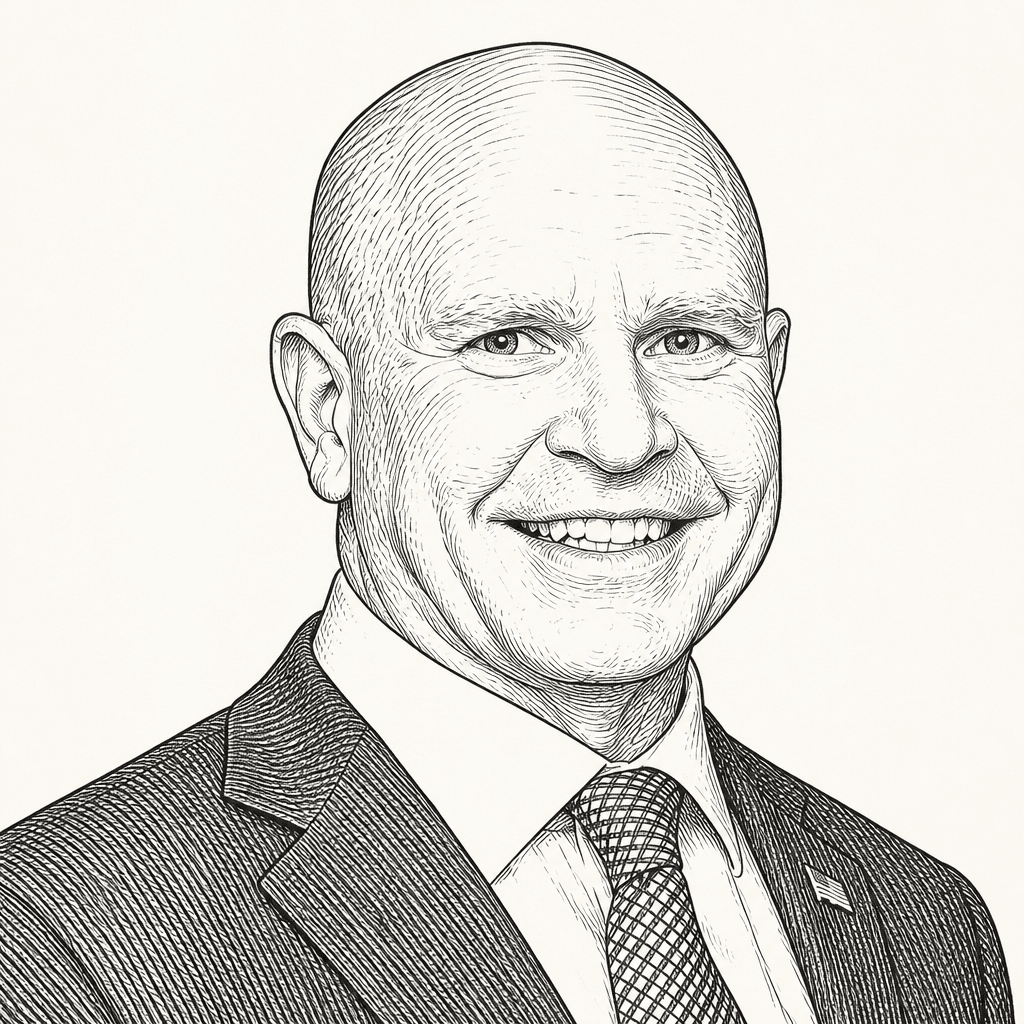
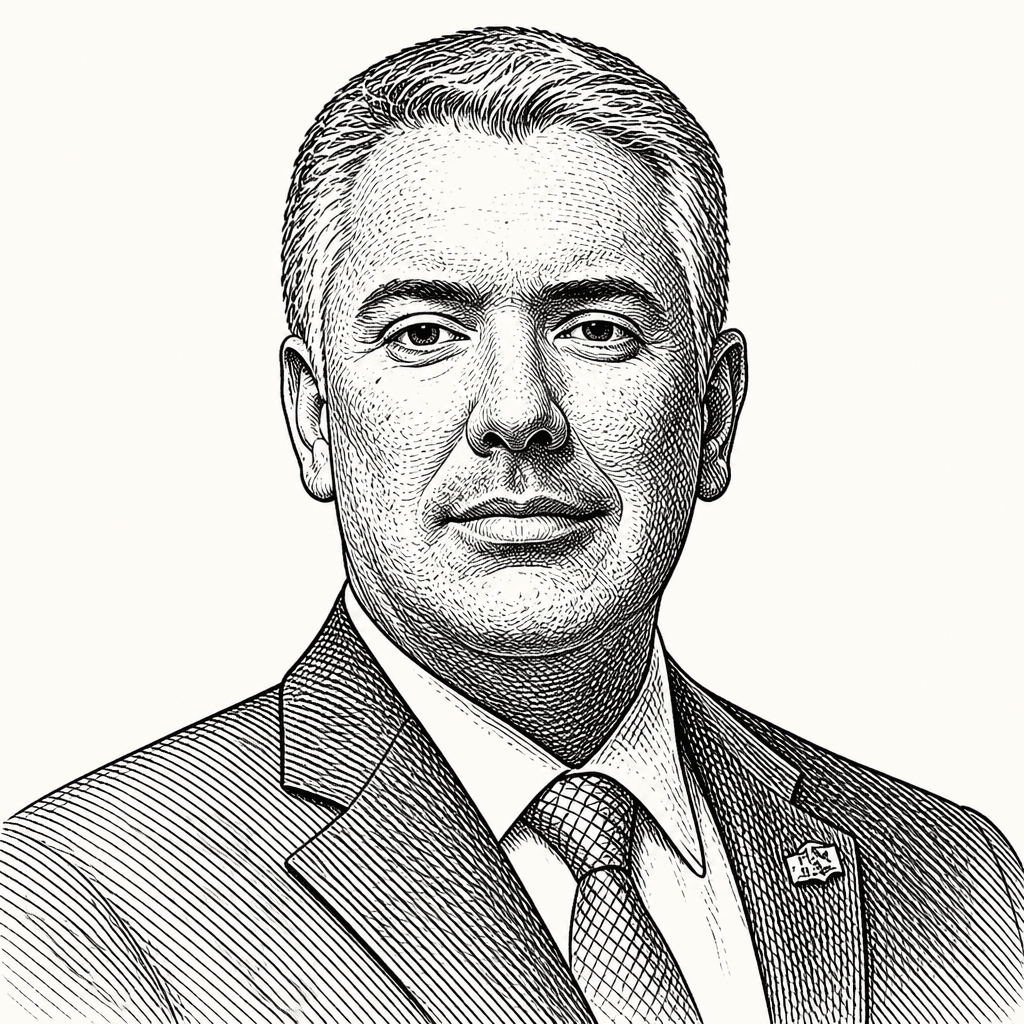
Former Colombian president Iván Duque, in a Hoover Institution conversation with H.R. McMaster, argues that Colombia’s June 2026 runoff was less a left-right contest than a referendum on whether security and constitutional limits remain the basis of democratic rule. Duque says Gustavo Petro’s “total peace” policy amounted to appeasement of armed groups, and that Abelardo de la Espriella’s victory creates an opening to restore rule of law, military pressure on cartels, and investor confidence. He extends the case regionally, urging the United States to treat Colombia and the wider Americas as a strategic democratic community.
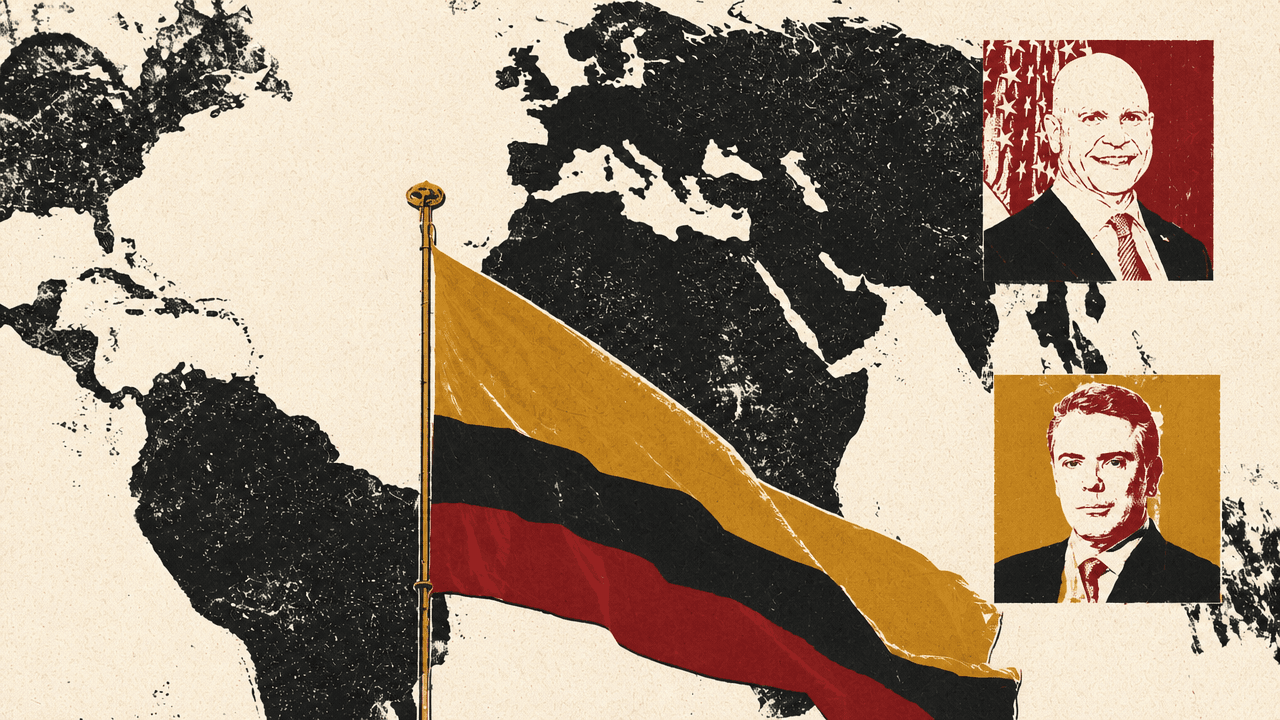
Colombia’s election turned on security as the condition for democracy
Iván Duque rejected the idea that Colombia’s June runoff was best understood as a conventional contest between left and right. The central question, as he framed it, was whether Colombia would continue Gustavo Petro’s approach to armed groups and constitutional power, or return to a governing model built around security, rule of law, market confidence, and institutional continuity.
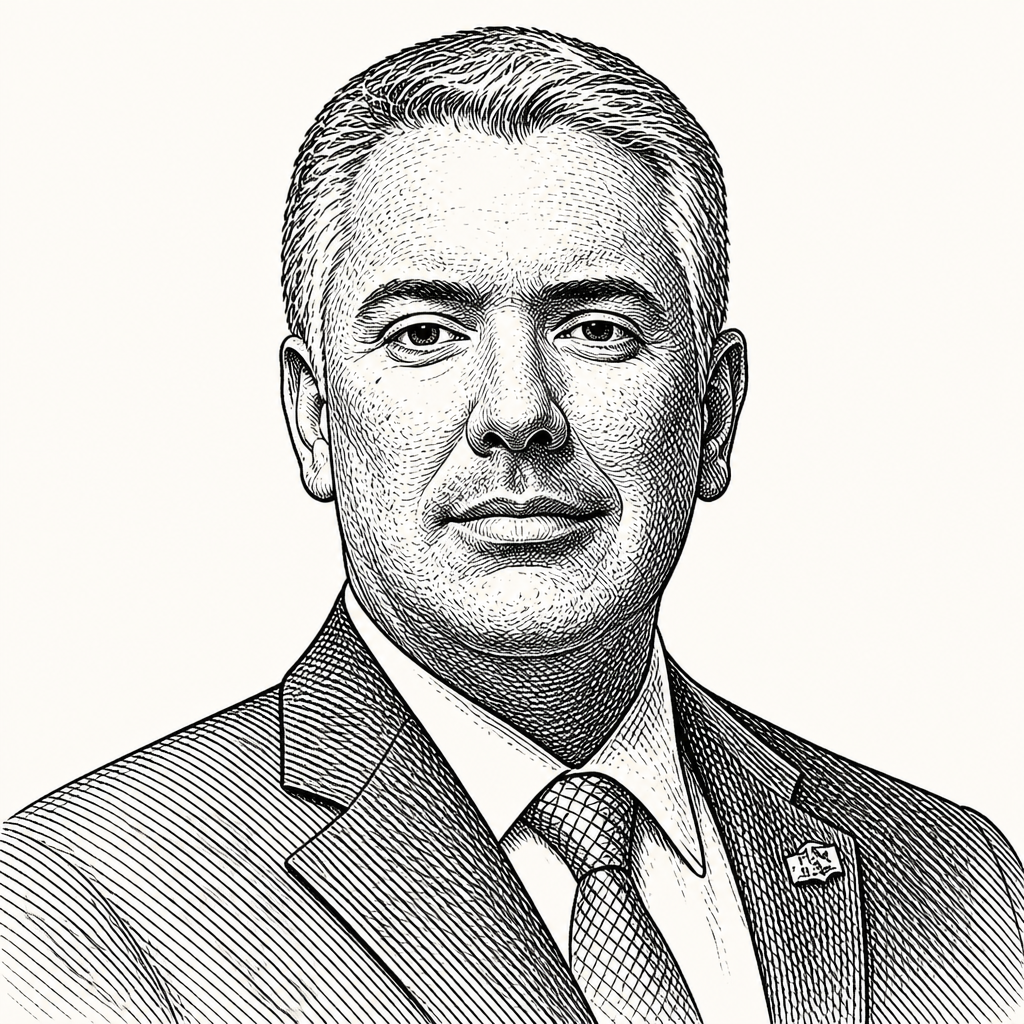
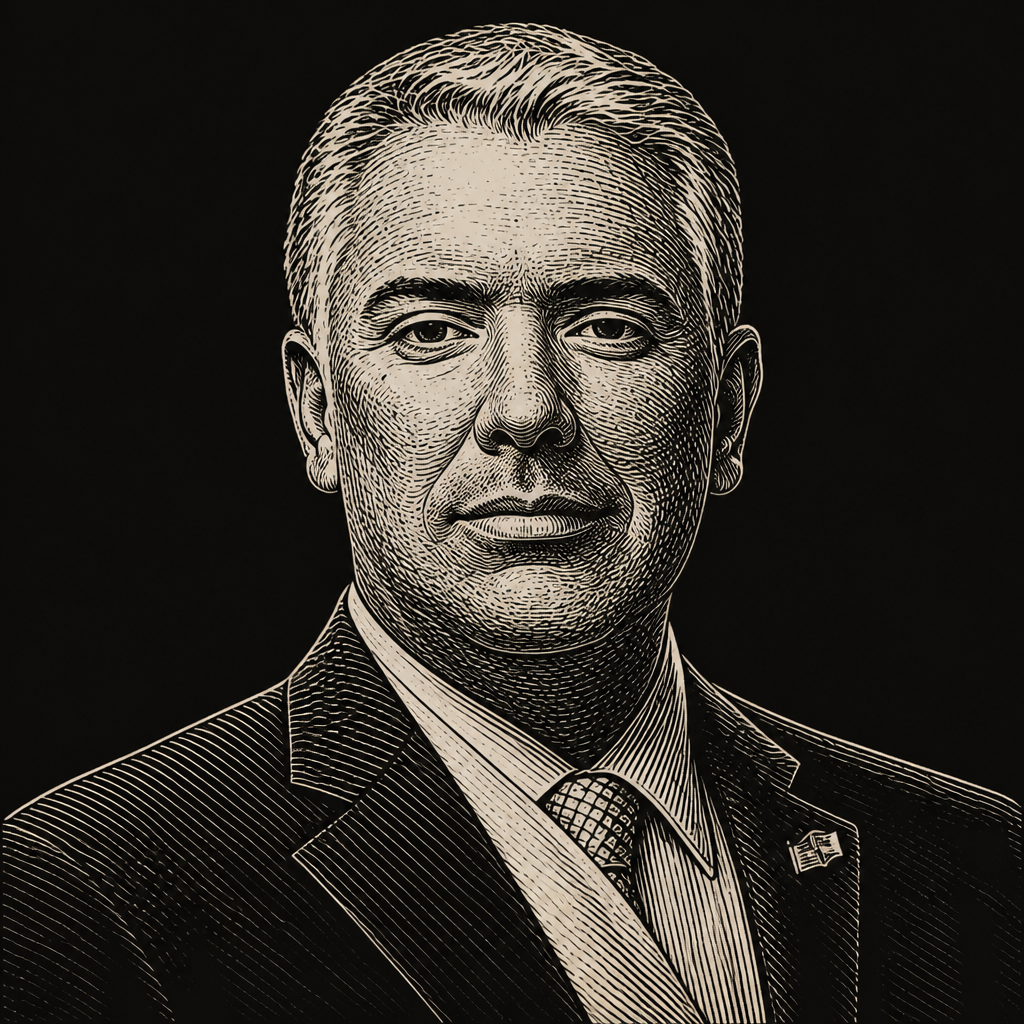
The source’s introductory narration described Abelardo de la Espriella as the nationalist newcomer who defeated Senator Iván Cepeda, Petro’s chosen heir. De la Espriella ran as an outsider. Duque nevertheless argued that he defended policies that had “been consistently successful in Colombia” across administrations: promoting investment, defending security, and giving international investors confidence in the country’s long-term direction. Herbert McMaster framed the choice as one between Cepeda, an ally of Petro who had pledged to continue negotiations with armed groups, and de la Espriella, a conservative populist outsider endorsed by President Trump who promised a military offensive against cartels and organized crime groups.
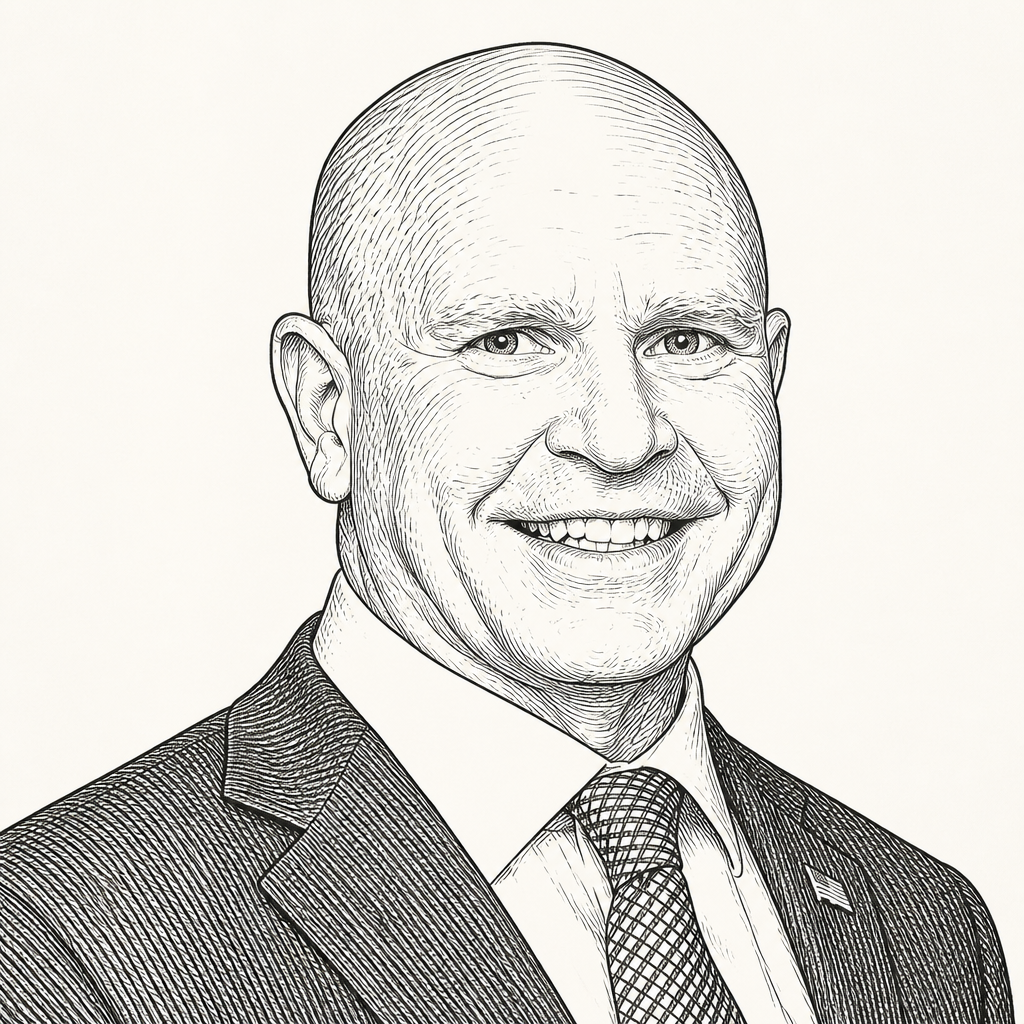
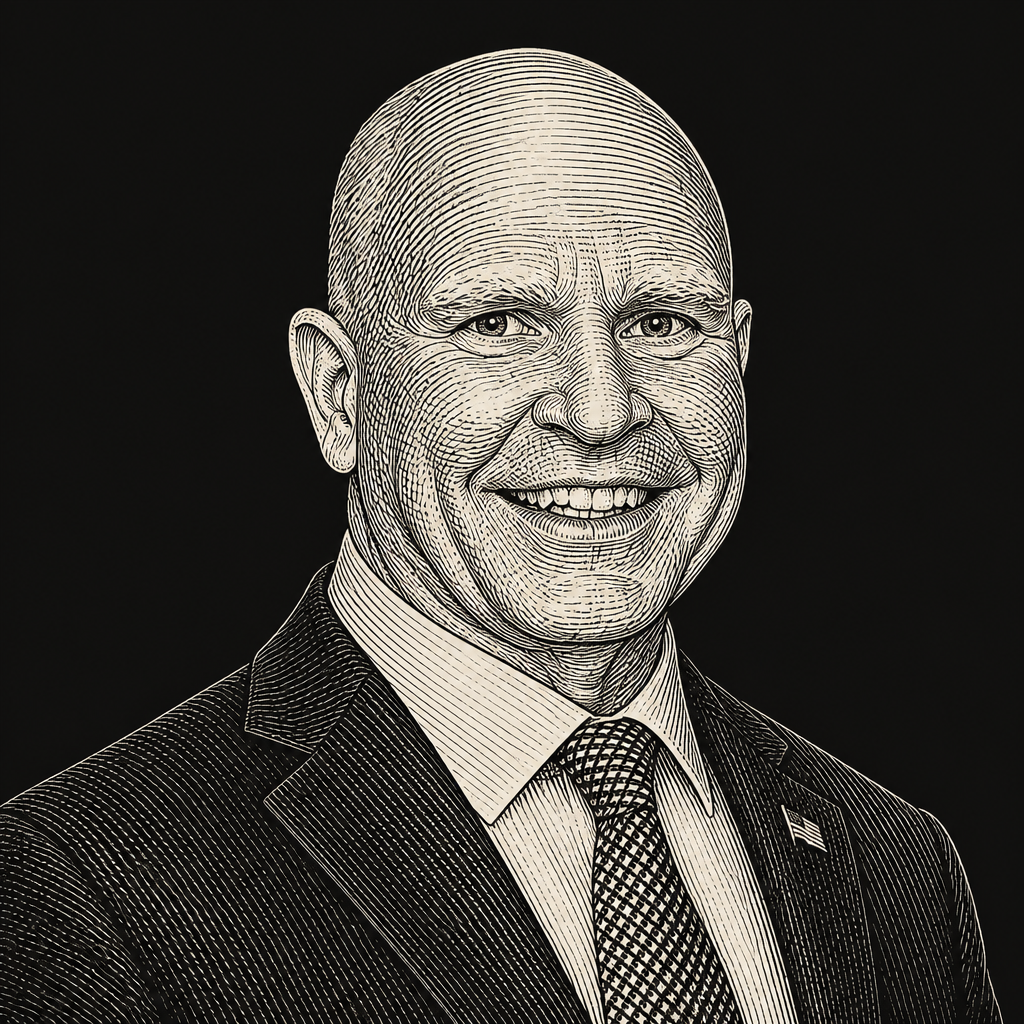
For Duque, the election’s importance lay partly in the circumstances under which de la Espriella won. He said Petro had used not only the government budget but also the presidency itself to promote his candidate, despite Colombia’s constitutional prohibition on a sitting president actively campaigning for a candidate. “We never seen something of that magnitude in Colombia,” Duque said. The result, in his view, was therefore not only a partisan defeat for Petro’s camp but “a big win for the Colombian democracy.”
The deeper distinction, Duque argued, is between autocrats and democrats rather than left and right. Autocrats, in his telling, seek to disrupt constitutions; democrats defend them. Demagogues offer quick solutions that “incubate long-term troubles”; pedagogues tell citizens that there is “no win without sacrifice” and that government must be sustainable and managerial. Colombia’s election mattered, he said, because it protected the constitution and began to restore trust lost over the previous four years.
I’m seeing a real debate between autocrats, those who want to disrupt the constitutions, and democrats, those who are defending the constitutions.
The immediate governing test is security. Petro’s “paz total,” or “total peace,” was built around negotiations with armed groups. Duque’s response was blunt: what Petro called total peace, he said, was “really total appeasement.”
“Total peace” became, in Duque’s account, a security vacuum
Duque’s indictment of Petro’s security policy rested on claims about narcotics, terrorism, and the state’s posture toward criminal organizations. Illegal crops, he said, reached record highs during Petro’s four years. Colombia, according to Duque, is producing more coca than ever, even compared with the period before Plan Colombia. He also cited the International Terrorism Index, saying Colombia had entered the group of the ten countries most affected by terrorist activity for the first time in more than thirteen years.
The trend lines he emphasized were not marginal. Killings derived from terrorist acts, Duque said, had increased by more than 40 percent, while terrorist activity in certain parts of the country had increased by more than 70 percent.
Duque attributed those outcomes to Petro’s decision to designate leaders of illegal organizations as “peace builders,” a label he treated as a shield from police and judicial action. “They were actually removed from any action from the judiciary and the police,” he said. That, for Duque, was not negotiation but appeasement.
He also cited what he described as evidence presented by one of Colombia’s most recognized media outlets of a closed-door pact between the Petro administration and Clan del Golfo, one of the country’s largest cartels. In Duque’s description, the arrangement would have allowed the group to enter a peace process and receive benefits that would remove members from criminal prosecution. He further said the criminals requested the removal of generals and colonels who had been leading offensive operations, and that those removals occurred.
The allegation was central to Duque’s interpretation of the last four years. He described Petro’s policy as “the most reckless and the most insane” ever applied against criminals in Colombia, because, he said, it favored criminal activity rather than constraining it.
De la Espriella’s alternative, as Duque described it, is to restore the rule of law as the foundation of democracy and security as a public good owed to all citizens. Duque did not present this as an extra-constitutional crackdown. He said de la Espriella had pledged to enforce the law “with the constitution in my hand,” re-empower the military and police, and put them back on the offensive.
The comparison with the early 2000s, when President Álvaro Uribe came to office and confronted armed groups directly, is only partial in Duque’s view. Colombia, he said, was not yet back in that situation, but it was “at the brink” of returning to it. Uribe’s success, Duque argued, came from treating security as the condition that made the constitution viable. Security then triggered a virtuous cycle: investment increased, poverty fell, and the state recovered control.
Duque placed his own administration in that lineage. Despite governing through 30 months of the COVID-19 pandemic during a 48-month term, he said his administration’s economic growth exceeded that of Juan Manuel Santos’s second term and doubled Petro’s. The reason, he argued, was that his government also treated security as the cornerstone for constitutional viability, investment confidence, and social spending.
But the next administration, in Duque’s telling, faces a complicated inheritance beyond armed groups. He said Colombia now has one of the largest fiscal deficits in the world, national debt that doubled over four years, a healthcare system near financial collapse, and an energy system exposed to a possible Niño phenomenon after what he called reckless Petro policies toward private-sector energy provision. Security policy cannot be separated from those fiscal and administrative constraints, he said: “You need to put resources where your strategic focus is.”
Duque estimated the accumulated shortfall in military and police investment over the previous four years at roughly $3 billion. De la Espriella, he said, will need to “hit the ball running” with technically capable officials who can defuse multiple “time bombs” before they explode.
The agenda for Washington is concrete: crops, kingpins, interdiction, intelligence, aircraft
Iván Duque laid out five priorities for U.S.-Colombia security cooperation. They were operational, legal, intelligence-driven, and strategic; together they amounted to a request to rebuild the security architecture that Duque believes weakened under Petro.
| Priority | What Duque said Colombia needs |
|---|---|
| Aerial spraying | Restore aerial spraying against illegal crops, with U.S. assistance, technology, herbicides, and support for a Constitutional Court waiver. |
| Strategic operations | Regain authorities and U.S. support for precision operations against major criminal leaders while minimizing collateral damage. |
| Orion campaign | Revive the multinational Caribbean interdiction campaign that Duque said began in 2018 with 18 countries. |
| Intelligence | Update an intelligence capability Duque described as badly deteriorated. |
| Fighter aircraft and defense ties | Strengthen strategic air capability and the U.S.-Colombia defense relationship, including pilot exchanges and technical training. |
The first was the return of aerial spraying against illegal crops. Duque said President Juan Manuel Santos halted aerial spraying in 2015 under the premise, presented to the Obama administration, that the move would help secure a peace agreement. From that point to Duque’s election in 2018, he said, coca cultivation rose from 50,000 hectares to more than 230,000 hectares.
During his own administration, Duque said, Colombia had to rely on manual eradication, which he described as slow, expensive, and manpower-intensive. The United States, he argued, is essential because it supplies assistance, technology, and herbicides. But the barrier is also domestic: Colombia’s Constitutional Court has constrained the tool. Duque said he repeatedly sought a waiver while in office but did not have a sympathetic majority on the court. He now believes there may be at least half the court, and perhaps a small majority, willing to grant one. The United States, he argued, should help Colombia obtain the waiver and then implement spraying quickly.
The second priority was restoring authorities for strategic operations against the most dangerous kingpins. Duque recalled that when McMaster was National Security Advisor, and later when James Mattis was involved, Colombia obtained authority to use precision technology to strike compounds where major criminal leaders were located. Duque said Colombia needs those authorities back, with U.S. support to minimize collateral damage while dismantling organizations effectively.
The third was the revival of the Orion campaign, a multinational maritime interdiction effort Duque said began in 2018 during the first Trump administration. He said 18 countries joined Colombia in narcotics interdiction in the Caribbean, and argued Colombia must again play a leading role.
The fourth was intelligence. Duque said Colombian intelligence has “badly deteriorated” and needs updating.
The fifth concerned fighter aircraft and the strategic defense relationship with Washington. Duque said his administration tried to purchase strategic fighter planes from the United States, but congressional approval took time and negotiations were disrupted by the war in Ukraine, when refurbished F-16s expected from Denmark were sent to support Ukraine. Under Petro, he said, the F-16 acquisition did not move forward; Colombia instead bought Gripen aircraft from Sweden. Duque argued that the Swedish planes do not offer the same capacity, technology, or technical support Colombia would have received in a state-to-state arrangement with the United States.
For Duque, the fighter issue was not only about aircraft. It was about strengthening a military partnership through pilot exchanges, technical training, and Colombia’s role as the United States’ most important regional ally for hemispheric defense.
The source also showed a Colombian Navy image that underscored the existing security relationship: two military personnel unveiling a plaque in Turbo, Antioquia, commemorating a U.S.-donated “Flotilla Avispa” hangar and lodging facility. The plaque said the project improved infrastructure for riverine-operations training for Colombia’s armed forces and friendly countries.
The hemisphere is an opportunity, if the United States treats it as a strategic community
Iván Duque’s hemispheric argument began with a slogan he said he had used before President Trump’s second administration: “In order to make America great, you need to make the Americas great again.” He insisted this was more than a line. The point, he said, is that the United States should not treat Latin America as a front yard or backyard, but as the region where democratic values and principles can be strengthened.
In order to make America great, you need to make the Americas great.
He tied that claim to two historical anchors. The first was the Democratic Charter of the Americas, signed by then-Secretary of State Colin Powell in Peru on the morning of September 11, 2001. Duque said the charter clearly says the hemisphere does not allow dictatorships. The second was the 250th anniversary of the U.S. Declaration of Independence, which he described not only as an American historical document but as a charter that inspired people across the hemisphere to understand freedom, democracy, free markets, and the pursuit of happiness as defining principles.
The doctrine Duque proposed is neither purely commercial nor merely defensive. He described a hemisphere that should be free of terrorism, narcotraffickers, populism, and demagoguery, and built instead around vibrant democracy. The United States’ influence in the region, he argued, should be grounded in values as much as in investment or trade.
Still, he emphasized the region’s material importance. Latin America, in his account, contains one of the world’s largest concentrations of oil reserves if Venezuela is included; major concentrations of lithium, cobalt, and other strategic materials relevant to energy security and energy transition; and some of the largest reserves of arable land and fresh water. Those assets, he argued, make the region central to U.S. national security and hemispheric security.
He also framed the region as a platform for near-shoring and friend-shoring. U.S. investments now exposed to risks in Asia, he said, could be redeployed in Latin America through closer supply chains, integrated value chains, and greater market access. Investment, in his view, would help close social gaps while strengthening democratic alignment.
Herbert McMaster described the same opportunity in terms of supply-chain resilience, economic growth, energy security, disaster response, and the fight against cartels. Duque’s warning was that the opportunity should not be taken for granted. Radical left movements in Latin America, he argued, have been supported by criminal networks, seek to “infuriate the people,” and often serve strategic enemies of the United States that want to undermine democratic order.
The narration placed that argument in a broader regional setting: a receding “pink wave,” electoral shifts in Argentina, Ecuador, Bolivia, Chile, and Colombia, a defining election ahead in Brazil, and a Cuba facing its worst economic crisis in decades. It also said China had displaced the United States as South America’s top trading partner and was moving aggressively to lock in critical minerals, ports, and telecommunications across the region. As that point was made, the source showed a Huawei event graphic for the “HUAWEI CLOUD LATAM SUMMIT 2022” in Rio de Janeiro, under the slogan “Building a Fully Connected, Intelligent World.”
Duque proposed what he called, “more than Monroe or Donroe,” a “U.S. Bicentenary doctrine” for expanding shared constitutional values across the hemisphere.
Venezuela’s transition is not simply the removal of Maduro
The source’s introductory narration said Nicolás Maduro was in U.S. custody, opening the door to Venezuela’s rebuilding and the possible return of the 8 million refugees who fled his regime. Iván Duque treated Maduro’s removal as a major operational success but warned against assuming that a functioning democracy could follow automatically.
If he had been advising President Trump in January, Duque said, he would have set two priorities: get Maduro out of Venezuela and bring him to U.S. justice, while ensuring no Americans were killed and Venezuela did not collapse into chaos. In Duque’s account, both conditions were met. He praised the military and intelligence operation as flawless and “one of the most successful” of its kind. Maduro, he emphasized, was facing a U.S. court because he had been indicted. Duque said his own administration had supported the United States in moving quickly on the indictment because Colombia had probatory material concerning Maduro’s links to criminal organizations.
The political operation, he said, is harder. The belief that Maduro could be removed and María Corina Machado could simply become president the next day was unrealistic, in Duque’s view, for several reasons. Venezuela’s military, he said, is “absolutely wrecked,” with thousands of generals used to distribute power and many lines of authority tied to criminal revenue. Without rebuilding the military, he argued, institutional control is impossible.
Nor does Venezuela have independent powers, in Duque’s assessment. It lacks a free Congress, a free judiciary, and a free electoral authority. Its economy, he said, is “in absolute ashes.” The sequence therefore cannot be only political. It must include stabilization, transformation, and transition — a formulation Duque attributed to Secretary Marco Rubio and endorsed, including the idea that the phases may overlap.
Duque was openly dissatisfied with the interim arrangement he described. He said he does not like Delcy Rodríguez and does not call her president, referring to her instead as “the housekeeper in chief” because, in his words, she takes orders and delivers what she can. But he said the United States understands that the whole puzzle must be fixed quickly. The most important step now, he argued, would be for the United States to announce a date for free elections in Venezuela, even if the election is next year. A date would provide hope, optimism, and clarity about the institutional strategy.
The earthquake in Venezuela, as discussed by McMaster and Duque, added urgency and exposed the state’s weakness. Duque said the disaster revealed decades of absent preparation: no adequate military engineering capacity, no rescue teams, no humanitarian response capability, and no professional capacity to remove rubble and begin reconstruction. He argued that the U.S. Army Corps of Engineers could help organize the response, coordinate contractors, remove debris, recover bodies, stabilize affected areas, and begin reconstruction planning.
But reconstruction, he warned, requires legal and contractual stability that Venezuela does not currently possess. Companies need the ability to bid and work under predictable rules. At the moment, Duque said, only the United States can provide the minimum level of legal security and stability necessary for reconstruction. The tragedy, in his view, might also accelerate renewal if the response is organized effectively.
Cuba, Nicaragua, and education are the unfinished fronts in Duque’s regional argument
The regional movement away from far-left dictatorships, in Iván Duque’s view, remains incomplete as long as Cuba and Nicaragua remain under authoritarian control. His answer began with Cuba: “If not now, then when.” He called the present the best historical opportunity for the United States and the hemisphere to pressure a real democratic transition on the island.
Duque described the Cuban people as having seen their ingenuity obliterated, liberties destroyed, and daily life degraded by lack of energy and food. He said Secretary Marco Rubio, because of his Cuban family roots and role as Secretary of State, should lead the effort. Duque framed the objective not as intervention or occupation, but “liberation.”
He grouped Fidel Castro, Maduro, and Daniel Ortega together as “the Milosevics of Latin America” — criminals, in his view, who destroyed liberty, opportunity, and freedom. Yet he argued Cuba can be pressured without a massive military intervention. Cuba’s economic needs, Duque added, are distinct from Venezuela’s: it lacks Venezuela’s oil and mineral base, so reaching middle-income status on its own would take decades. Any transition, he said, would require a significant fiscal booster from the United States, planned alongside the political transition.
Nicaragua, in his account, is different. Duque portrayed Ortega and Rosario Murillo as a small repressive power structure without a deep popular base. He said there are not real “orteguistas” so much as citizens afraid of and intimidated by the regime. Repression, not mass support, is what keeps Ortega in power. The hemisphere, he argued, should act to remove Ortega and restore Nicaraguans’ ability to freely choose their government.
Duque then widened the argument from regimes to political culture. The radical left in Latin America, he said, is not merely ideological; it seeks to make people angry and behave like “hooligans.” He used the term to describe violent football fanatics in Europe in the 1980s and 1990s who cared less about winning than about violence and identity. That, he argued, is what the left has attempted politically: to ideologize children in public education and turn them into radicals.
The evidence he offered was electoral durability despite poor governance. In Argentina, he said, Sergio Massa won 38 percent in the first round while serving as finance minister with inflation at 300 percent. In Ecuador, Correístas repeatedly reached second rounds because they had a roughly 30 percent base. Similar patterns, he said, appeared in Bolivia and Colombia, where Petro’s camp received 49 percent. The lesson, for Duque, is that defenders of democracy and markets must win the battle of ideas by understanding the methods used against them.
That means restoring freedom in education. Duque said professors should not tell students what to think, but help them build intellectual curiosity and choose for themselves. The United States, he argued, can contribute not only through rhetoric but through investment, trade, and deeper interaction that gives people tangible alternatives to ideological narratives based on prejudice.
Russia’s role, as Duque describes it, is to make democratic order harder to sustain
Herbert McMaster identified a geopolitical dimension to the region’s democratic crisis: Russian, Chinese, and Iranian influence, he said, attaches itself to far-left dictatorships and helps foment anti-American sentiment. Iván Duque’s answer centered on Russia and on democracy as the United States’ most important export.
The United States’ most important export, Duque said, is not the dollar, technology, or military equipment. It is democracy and freedom. Authoritarian regimes can produce rich countries, he argued, but prosperity based on the constant renewal of ingenuity and disruption can only happen in democracies.
That is why, according to Duque, Vladimir Putin has spent the last 25 years promoting authoritarian regimes and helping leaders create “constitutional dictatorships” — governments that win elections, then convert democracy into “dictocracy” and finally dictatorship. Duque said Russia has been one of the largest promoters of democratic disruption in Latin America.
He raised a series of accusations as questions: who funds many São Paulo Forum activities, who legitimized Maduro’s and Chávez’s ideas through state media, who supplied technical equipment, and who tried to substitute for American intelligence provision in Latin America. His answer was Russia. McMaster added that Russia’s largest embassy in the world is in Mexico City.
Duque’s formulation was categorical: “This is not a Tom Clancy novel, this is reality.” Russia, he said, wants to disrupt democratic order, promote radical movements, anger populations, and make political divides harder to bridge.
The distinction matters because Duque did not object to alternation in power or to democratic left-of-center governments as such. He named Ricardo Lagos in Chile and Tabaré Vázquez in Uruguay as examples of leaders from the left who, in his view, defended democratic order, security, and independent powers. The danger, in his account, is radical movements that come to office and first dismantle the pan-American sentiment linking Latin America and the United States through shared principles.
Russia’s invasion of Ukraine, Duque said, shows what Moscow is capable of: invading a democratic country, trying to take over its government, and seeking to annex it. Latin America, he argued, should treat Russian activity as a real strategy aimed at weakening democratic institutions wherever the United States has historical alliances.
America’s example matters because democracy’s disorder is still preferable to dictatorship’s silence
Herbert McMaster framed the United States not only as an actor abroad but as an example. Russian and Chinese narratives, he said, portray American democracy as failing, and the United States sometimes helps that narrative through vitriolic discourse, cable news, social media, and fights over executive power. McMaster’s own view was that checks and balances remain in place and that the World Cup had given many visitors a chance to know America beyond hostile or distorted media portrayals.
Iván Duque responded as an admirer of U.S. history. Days before the Fourth of July, he described the Declaration of Independence as one of the most important documents in world history and the birthplace not only of modern democracy but of the constitutional republic. The American founding, he said, was not built by people who all thought alike. He invoked Jefferson’s line that when too many people think alike, not much thinking is going on, and described Madison, Hamilton, Jefferson, Adams, and Washington as figures who differed yet built an order based on alternation in power, a sacred constitutional framework, an independent judiciary, and citizens’ power to choose who governs.
Democracy, Duque said, has noise, debate, back-and-forth, shutdowns, and legislative blockage. But he strongly preferred “the noise and the disorder of democracy” to “the silence of totalitarianism and dictatorship.” He preferred a country where he could speak, debate, propose, and express anger to one where he would be afraid to voice his thoughts.
The United States’ achievement, as Duque framed it, is 250 years without a single dictatorship, under a bipartisan and bicameral order. He praised the need for bridge-building across parties and cited Ronald Reagan with Tip O’Neill and Bill Clinton with Newt Gingrich as examples of political opponents who could still find unity around American historical objectives and sentiments.
For Duque, the anniversary is not just fireworks, documents, books, or historians. It is a celebration of a way of thinking that created the American dream as an aspiration recognized globally. He said people do not speak in the same way of a Chinese dream, Japanese dream, or Colombian dream. The American dream matters because it suggests that anyone can be president, become a billionaire, win a Nobel Prize, or earn a scholarship through work and capacity.
The present moment, he argued, is an opportunity to renovate that ideal for the technologies and dynamism of the 21st century. That renovation is not only domestic. In Duque’s argument, the credibility of American democracy remains central to the future of the hemisphere.