California’s Homelessness Spending Faces an Accountability Test
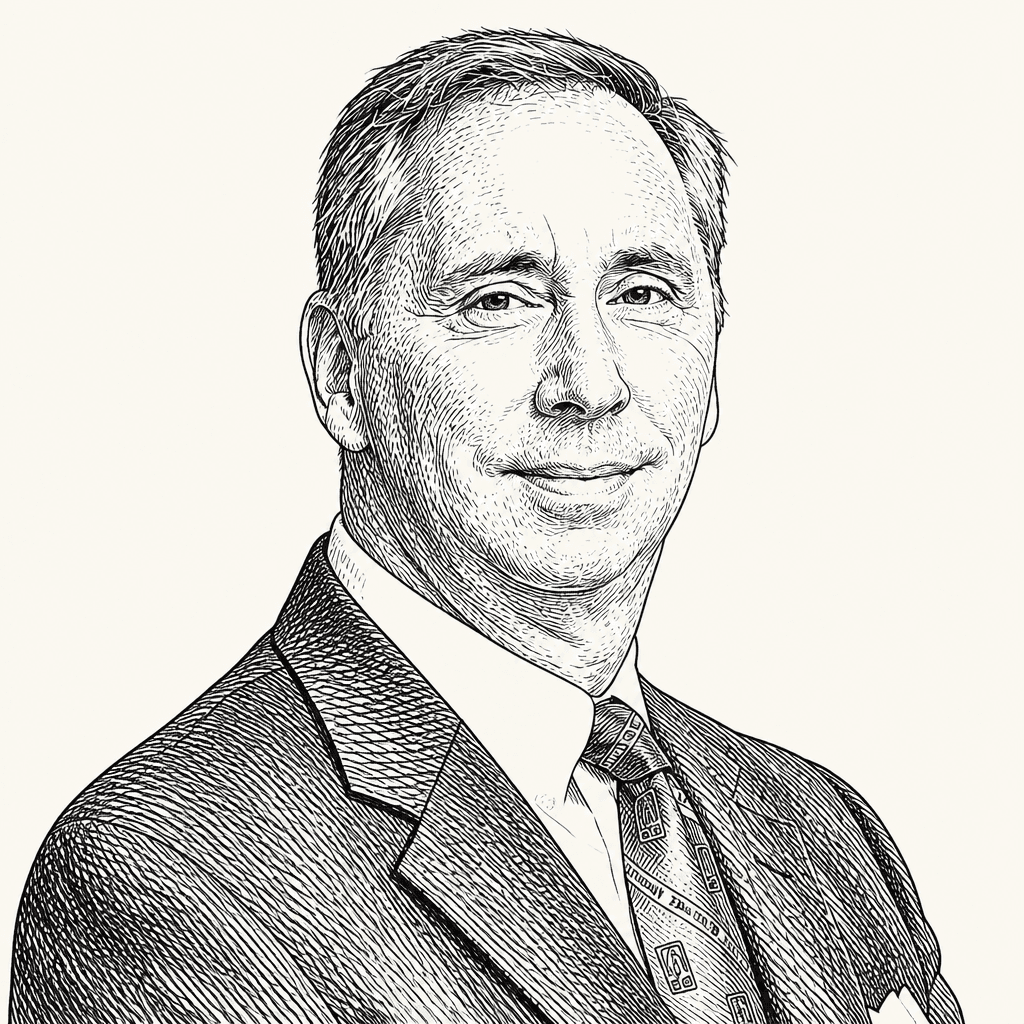
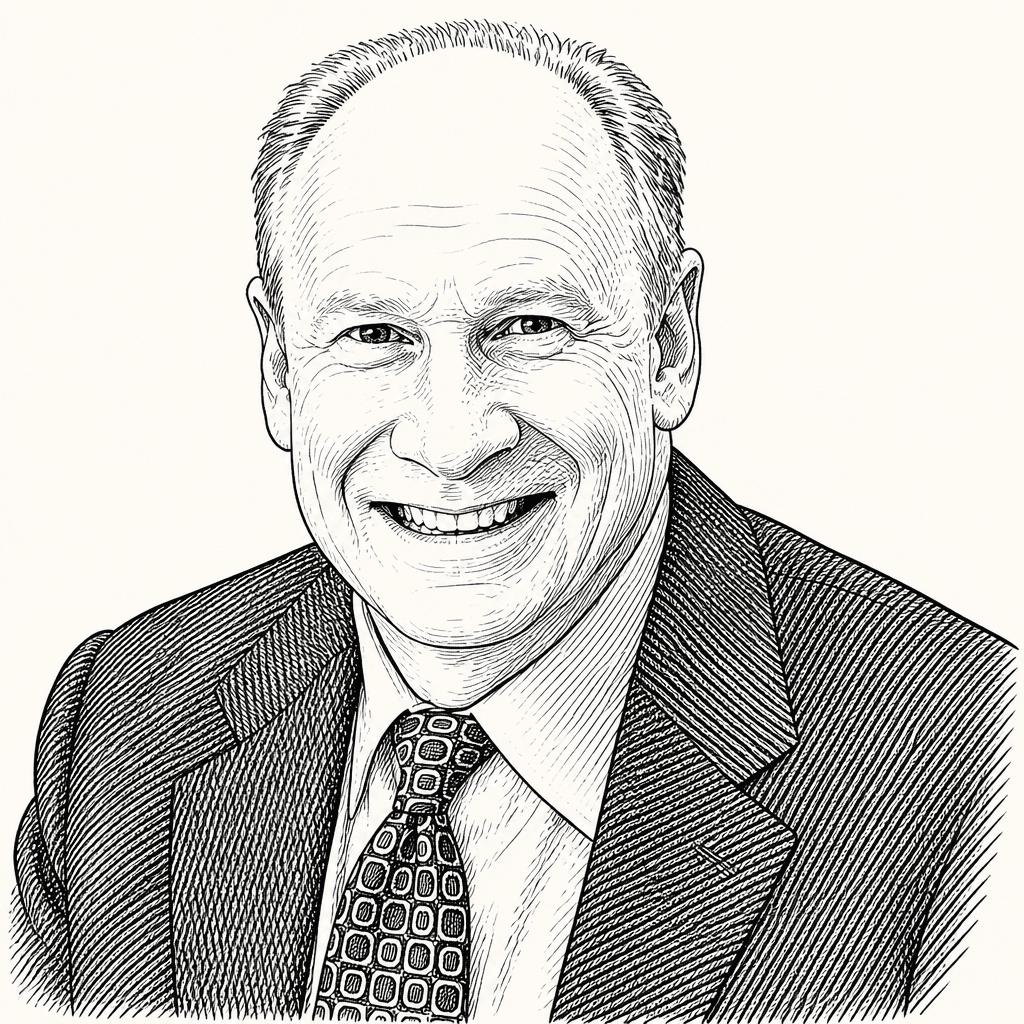
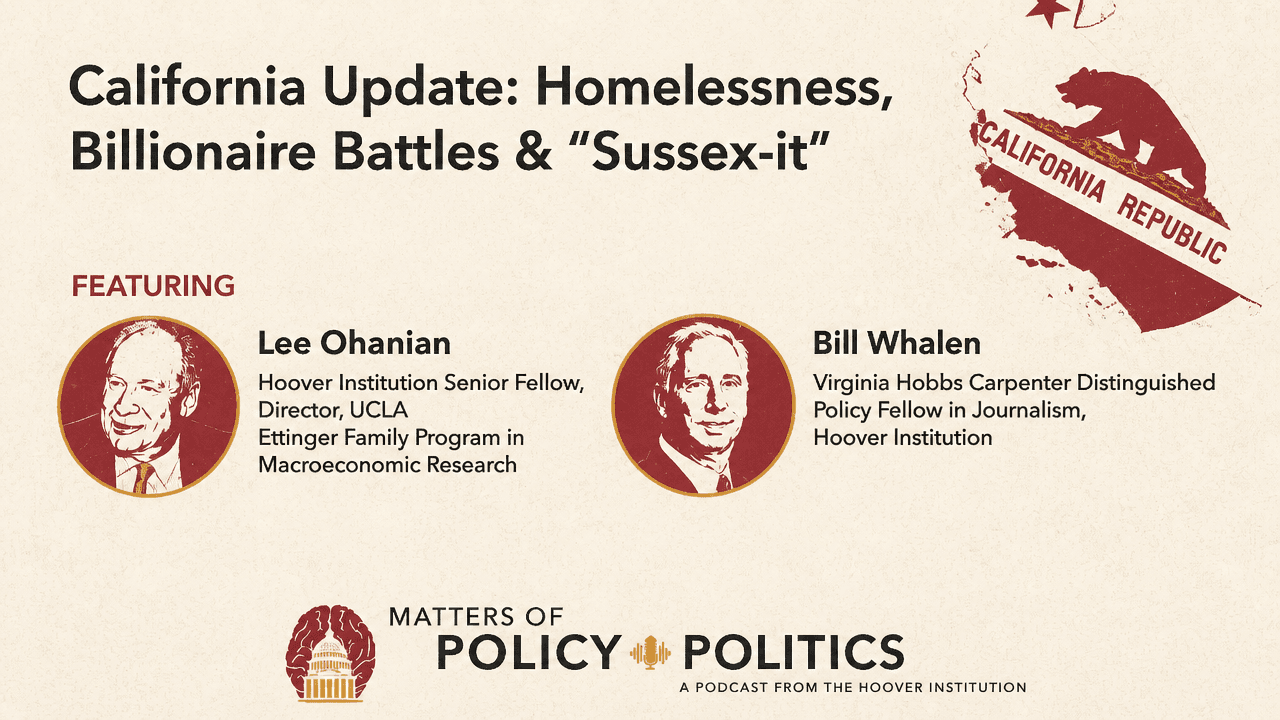
As California’s legislative session nears its deadline, Hoover Institution fellows Bill Whalen and Lee Ohanian argue that homelessness remains Governor Gavin Newsom’s clearest political and policy vulnerability. They contend that the state’s Housing First approach has spent heavily without adequately measuring results or connecting housing to treatment, sobriety, and recovery. The pair also warn that California risks weakening its economic position if opponents of a proposed wealth tax cannot articulate the costs of business departures and if regulators allow the Paramount dispute to push production elsewhere.
Newsom’s final legislative period leaves homelessness as the clearest vulnerability
Bill Whalen sees an unusually quiet Sacramento as Governor Gavin Newsom approaches the final months of his term. The legislature faces an August 31 deadline to send bills to the governor, at the end of a two-year legislative cycle when lawmakers ordinarily have a final chance to move stalled measures. Newsom is term-limited, legislators are seeking reelection or other offices, and a substantial volume of legislation could still reach his desk. Yet Whalen sees little visible confrontation.
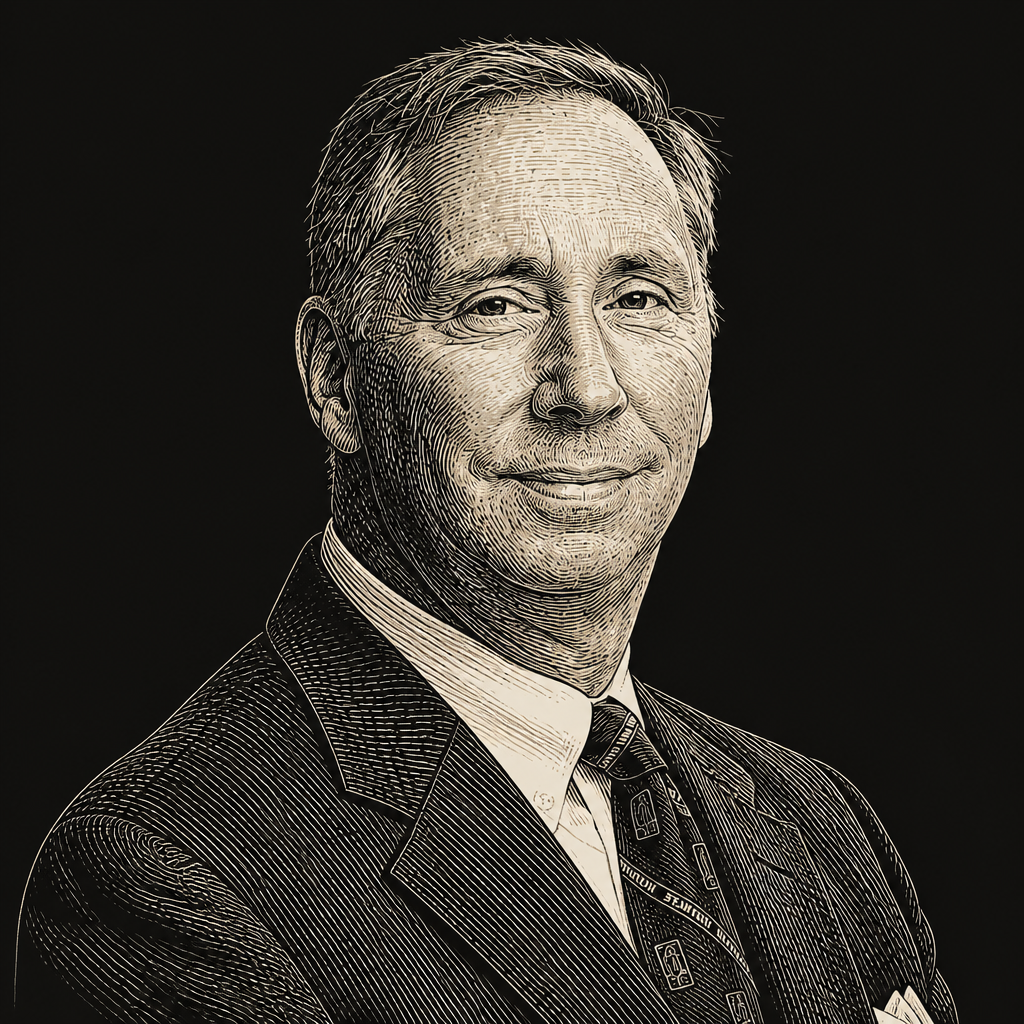
He attributes the calm partly to what he calls a deferential relationship between the legislature and Newsom. California has not overridden a gubernatorial veto since 1980, Whalen says, and lawmakers no longer even attempt overrides. The result is an “alpha-beta” relationship in which the governor retains the practical upper hand, rather than receiving bills designed to force a public veto fight.
Lee Ohanian adds that Newsom has appeared focused on 2028 for some time, pointing to his campaigning in Michigan. Ohanian identifies wildfire liability as one issue that could still require difficult state action. In his account, policymakers face a real tradeoff: utilities cannot repeatedly be driven into bankruptcy by fire-related claims, but limiting their liability could shift costs to homeowners through higher insurance premiums in fire-prone areas. He connects the question to Newsom’s role in PG&E’s reconstitution after a decades-old faulty C-hook was blamed for a major Northern California fire.
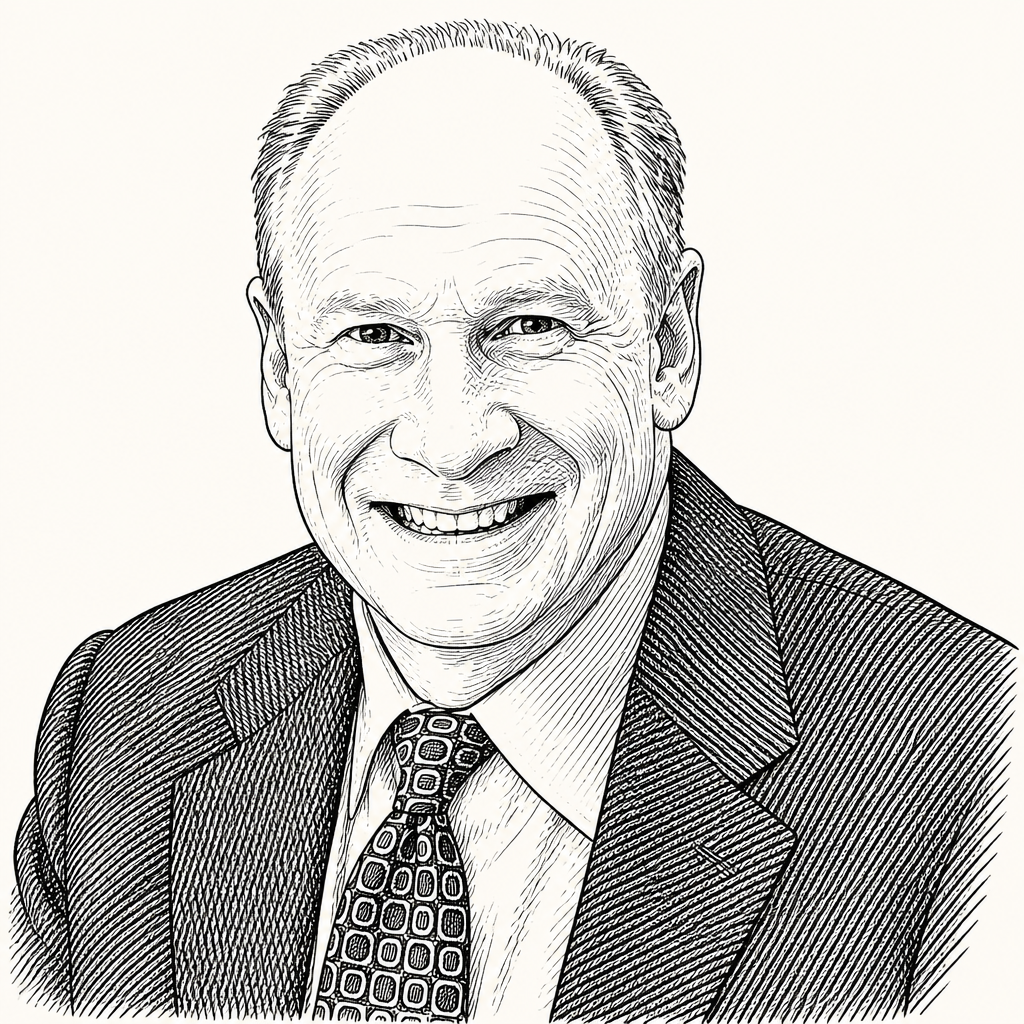

Whalen expects Newsom’s September to be busy regardless of August’s relative quiet. California governors must act on bills sent to them or allow them to become law, and Whalen estimates that the governor could receive roughly 1,100 to 1,200 bills, after 927 arrived during the lighter first year of the current cycle.
But Whalen considers homelessness the more consequential political problem. A prospective presidential opponent, he argues, would need only an image of Skid Row and the phrase, “Welcome to Gavin Newsom’s California.” Ohanian’s criticism is less about the symbolism than whether California’s large commitments of money have produced measurable improvement.
The homelessness dispute is over what spending actually delivers
Bill Whalen and Lee Ohanian both criticize California’s reliance on Housing First, which provides permanent housing without requiring sobriety, addiction treatment, or treatment for mental illness. Ohanian argues that the model makes housing the primary intervention while leaving recovery and functional stability secondary.
He supports AB 1556, a proposal to support recovery residences for people with addiction problems, because it would move toward a treatment-and-recovery approach. Whalen says Newsom vetoed a version of the proposal the prior year. Ohanian does not see the other pending homelessness bills as likely to change the underlying problem. He dismisses a proposed state homelessness plan as “pie in the sky” and objects to AB 2122, which would eliminate jail time and arrest warrants for people who fail to pay local fines.
Whalen reads AB 2122 as a rebuke to cities trying to enforce laws against encampments. The tension, as the two describe it, is that Newsom has urged cities to clear encampments while the legislature considers limiting some tools local governments might use in doing so.
Their objection is not simply that California has spent too much. It is that the state has spent heavily without sufficient control over where the money goes, what it purchases, and whether it improves outcomes. Ohanian says the latest point-in-time homelessness count remains higher than when Newsom took office. He cites a state auditor’s report, issued in either 2023 or 2024, that he says could not fully account for $24 billion in homelessness spending. He does not contend that every dollar was missing; his point is that the report, in his telling, faulted the state’s financial controls and accounting for effectiveness.
The critique becomes more concrete in Los Angeles. Ohanian says Mayor Karen Bass was right to call the crisis she inherited a “hot mess,” involving roughly 45,000 people, but argues that homelessness appears approximately unchanged or perhaps modestly higher during her tenure. He acknowledges that the count is not measured precisely.
He is equally skeptical of a proposed $150 million annual homelessness-prevention fund associated with former Attorney General Xavier Becerra. The fund would help people in high-risk neighborhoods pay rent and fight evictions or foreclosures. Ohanian predicts a difficult administrative chain between taxpayers, Sacramento, and recipients, and worries that it would invite fraud and waste rather than create a decisive intervention.
His argument against permanent supportive housing is principally about cost and scale. Ohanian cites a Venice development that, he says, cost about $1.2 million per unit. He says his own calculation found that only about 7% of American households could afford a home at that price point. A system that builds units at those costs, he argues, exhausts its resources too quickly to address homelessness at meaningful scale.
You burn up money very, very quickly when you’re building housing at such a high price point.
Ohanian also challenges Los Angeles’s use of harm reduction, an approach he defines as accepting illicit drug use while trying to reduce harms to users and the public. He says that approach has failed in Skid Row, citing allegations described in his own column that dogs were traded for drugs or used to test drugs for toxicity. He also says overdose deaths have occurred in permanent housing.
His preferred emphasis is not simply removing people from public view. It is to connect shelter with addiction, mental-health, and physical-health treatment, alongside sobriety and an expectation that people return to functional participation in society.
It’s not going to get better until we face the fact that this is partly an issue with requiring people to become functional within society, that they’ve got to clean up in terms of becoming sober, dealing with mental health, dealing with physical health issues.
For Whalen, the political consequence is straightforward: years of spending, visible encampments, and unresolved counts make homelessness a record that will be difficult for Newsom to escape. For Ohanian, the substantive question is whether California changes the balance among treatment, accountability, and housing rather than continuing to fund a model he believes has failed.
Proposition 40 asks whether opponents can make mobility tangible
The campaign against Proposition 40, a proposed one-time 5% wealth tax, turns on whether opponents can persuade voters that tax policy affects where entrepreneurs live, invest, and create jobs.
Jonathan Movroydis describes a coalition fighting on several ballot fronts. Eric Schmidt is focused on defeating Proposition 40, while his wife, Wendy Schmidt, is working with Jane Fonda against Proposition 45, which would streamline environmental review for housing and infrastructure. The broader coalition also backs Proposition 41, which would impose additional fiscal constraints on tax revenues, and Proposition 42, which would bar new state taxes on personal property and restrict retroactive taxation.
Whalen worries that this breadth could repeat a strategic failure from Arnold Schwarzenegger’s 2005 special election. Schwarzenegger backed limits on spending growth, changes to teacher tenure, redistricting reform, and restrictions on political spending by public-employee unions. Whalen regards several of those ideas as defensible, but says they never formed a coherent campaign argument. Unions spent heavily, the package lost, and Schwarzenegger suffered what Whalen calls a political drubbing before later recovering.
The same risk applies, he argues, if wealthy donors divide their attention among the wealth tax, CEQA reform, mortgage assistance, and other initiatives. The problem is not a lack of money, but that voters may not see a single reason to support the larger collection of measures. Whalen also argues that consultants have an incentive to expand the ballot agenda because each additional initiative produces additional work.
Whalen cites a Berkeley IGS poll showing Proposition 40 leading 48% to 41%. He treats 48% support as tepid rather than insurmountable, but highlights the generational split: he says 75% of Californians under 30 supported the measure.
Ohanian links that division to the appeal of Democratic-socialist and socialist politics among younger voters. He agrees that the opposition’s message has become too diffuse. Whalen had seen an anti-Proposition 40 advertisement arguing that it was “not a tax on billionaires, it’s a tax on all of us,” a formulation he considers strained.
Ohanian would make a different case. He says Google’s two co-founders left California as of January 1, 2026, when residency would become relevant under the proposal. Rather than treating their departure as proof of broader economic effects, he presents it as the basis for a campaign argument: opponents should ask voters what could happen to job creation and income-tax revenue if highly innovative entrepreneurs leave the state.
He also says California’s budget grew 75% over eight years—an increase he considers unusually large among major states and greater than what Texas and Florida recorded in his account, even though those states were growing faster in population. His argument is that California should use existing revenue more effectively rather than continue looking for new sources of revenue.
Whalen speculates that Newsom may have underestimated the initiative’s backers, whom he identifies as healthcare workers within SEIU. Such groups, he says, sometimes use the ballot process as leverage to secure legislation in Sacramento. In this case, Whalen believes they proceeded after Newsom effectively called their bluff.
California should settle the Paramount dispute before alternatives become exits
Lee Ohanian treats California Attorney General Rob Bonta’s anti-merger lawsuit involving Paramount as a decision about more than antitrust doctrine. David Ellison has threatened to move the company to a red state; Movroydis says Bonta called the threat an attempt to “blackmail regulators.” The speakers’ central judgment is that California should seek a settlement that keeps Paramount in the state, because production alternatives are credible even if a full relocation would be difficult.
Ohanian does not consider the streaming antitrust case especially strong. In his view, a merger would have little anti-competitive effect in a market that includes Netflix, Amazon Prime, and Disney. Cinema could present a stronger case, he says, because the combined company’s market share might reach roughly 24% or 25%. But he argues that California’s interest lies in reaching an arrangement rather than letting the dispute become an exit.
Movroydis notes the complication: much entertainment talent remains based in Los Angeles and New York. Yet Ohanian says more production is already occurring outside Hollywood because the financial case can be more attractive elsewhere, including Georgia and Canada, where production incentives are available.
Whalen says Paramount has examined a possible site east of Austin, Texas, called the Blue Bonnet Business Center, where it could build studios, sets, and production facilities. He also says Ellison has looked at Nashville. Georgia, Vancouver, and other locations, he adds, actively compete for California film and television work.
Whalen compares the risk of dismissing the threat to San Francisco’s dispute with the 49ers over Candlestick Park. City officials, including mayors such as Newsom, believed the team would not leave San Francisco; the franchise ultimately moved to Santa Clara. The analogy is not a prediction that Paramount will leave, but a warning that officials can lose leverage by treating a credible alternative as empty posturing.
Ohanian says the entertainment industry’s weakness is already affecting Los Angeles. He identifies West Hollywood and Hollywood as among the few areas where housing and condominium prices have weakened, attributing the pressure to the concentration of entertainment workers there and the industry’s decline. Whalen says director Christopher Nolan’s call for a settlement suggests that Hollywood figures do not want the fight to drive Paramount away.
Neither speaker sees much public intervention from Newsom. Whalen allows that the governor may be working privately, but says he has offered little publicly. Ohanian says the dispute has simply been left hanging.
Montecito did not become a durable second act for Harry and Meghan
Whalen and Ohanian treat Prince Harry and Meghan Markle’s apparent move away from California as a lighter story, not evidence for their arguments about homelessness, taxation, or Paramount. Still, they describe the couple’s Montecito years as an unsuccessful attempt to build an independent public and commercial life outside the royal family.
Bill Whalen gives the California experiment a “D for disappointing,” arguing that their Netflix, Spotify, documentary, podcasting, and consumer ventures did not establish a durable second act. He says their initial public appeal rested largely on the opportunity to expose tensions within the royal family, but that this was not a foundation for the ventures that followed.
Lee Ohanian says the couple were initially welcomed in Montecito but appeared mismatched with a community where affluent residents value anonymity and a relaxed culture rather than royal status. He describes them as “a little bit of a square peg in a round hole.”
Ohanian says their home is striking and expects they would miss Montecito’s climate if they spend more time in Britain, whatever their plans for the property. California weather, the speakers conclude, remains one of the state’s more durable attractions.